Top 20 Natural Monuments around Brasschaat
Best natural monuments around Brasschaat are found within its extensive green spaces and nature reserves, offering diverse landscapes and rich biodiversity. This municipality in the province of Antwerp, Belgium, features a variety of ecosystems, including ancient forests, heathlands, and unique water features. These areas provide opportunities for outdoor activities and wildlife observation. Brasschaat's commitment to preserving its natural beauty makes it a destination for nature exploration.
Best natural monuments around Brasschaat
- The most popular natural monuments is Putse Moer,…
Last updated: June 28, 2026
Putse Moer
Highlight (Segment) • Lake
Translated by Google •
Tip by

Antitankgracht – Green ribbon around the city of Antwerp
Highlight • River
The moat has a length of about 33 km and is at …
Translated by Google •
Tip by
Sign up now to discover places like this
Get recommendations on the best single tracks, peaks, & plenty of other exciting outdoor places.
Sign up for free
Stappersven Observation Platform
Highlight • Viewpoint
Translated by Google •
Tip by
Peerdsbos Forest
Highlight • Forest
The name 'Peertsbusch' first appeared in an account from 1431 - 1432. The Peerdsbos was part of the Bremdonck domain, which consisted of fields, meadows and …
Translated by Google •
Tip by

Cycling along the Anti-Tank Canal
Highlight • River
Translated by Google •
Tip by
Sign up for free to discover even more natural monuments around Brasschaat.
Sign up for free
Already have an account?
Start today with a free account
Your next adventure awaits.
Login or Signup
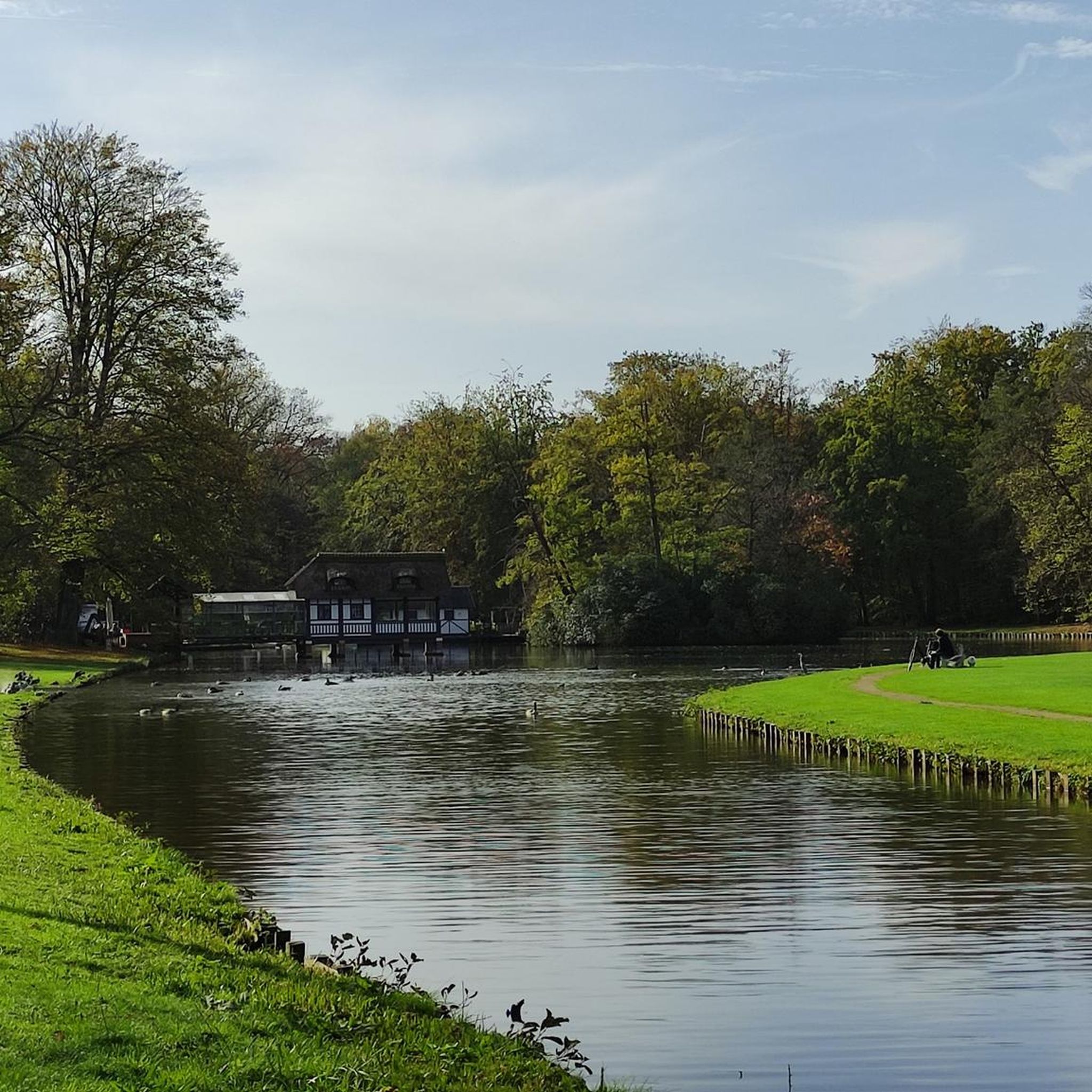

Tips from the Community

Protected cycle path (gravel). Essentially a straight line from Oelegem to Sint Job in 't Goor (connecting with the Schoten Canal). Despite its straightness, it's not endless and offers plenty of variety.
3
0

After having to sprint through the berms and switchbacks, this section allows you to rest
1
0

Historical interpretation: The anti-tank ditch is a 33 km long defensive ditch northeast of Antwerp, between the Scheldt and the Albert Canal. The canal was constructed between 1938 and 1940 as part of the Antwerp fortress. In the 1930s, the Belgian army reoriented the fortress into a defense for infantry (support points) and machine gun companies. The military added the anti-tank ditch and bunker lines (KW line) to the existing defense by forts and redoubts. The aim was to stop tanks. That is why the anti-tank ditch had to have a slope, depth and width that a tank of that time could not exceed: a bottom of at least six meters width a width of 18m at the water surface a depth of at least three meters a minimum water level of two meters slopes of 45° Originally, the Antitankgracht was going to be a dry canal, but because it filled up with water, it was forced to be converted into a wet canal. The route had to bridge a height difference of approximately 3 to 18.5 m (DTM). That is why it was divided into about 45 sections with locks. A slide in the lock regulated the water flow and thus maintained the level. The water came partly from seepage water or local streams and partly from the Maas, supplied via the Dessel-Schoten canal. Because control over water levels was so important, each lock was defended by a bunker. The bunkers at the Antitankgracht consist of lock bunkers with flanking daughter bunkers and flanking bunkers. The lock bunkers are elongated free-standing bunkers with a large blank wall, camouflaged by 'eggs' and were usually equipped for two machine guns.
10
0

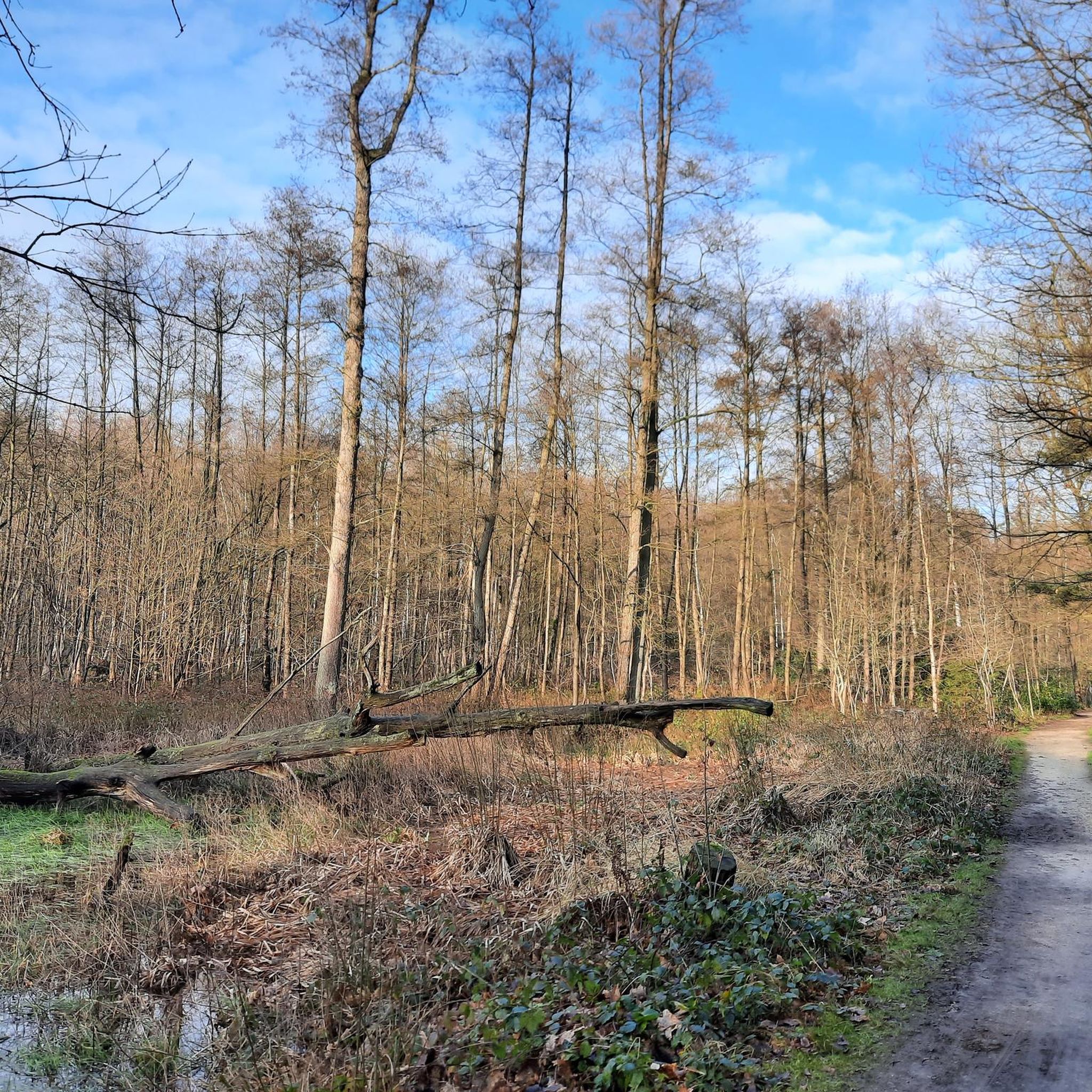
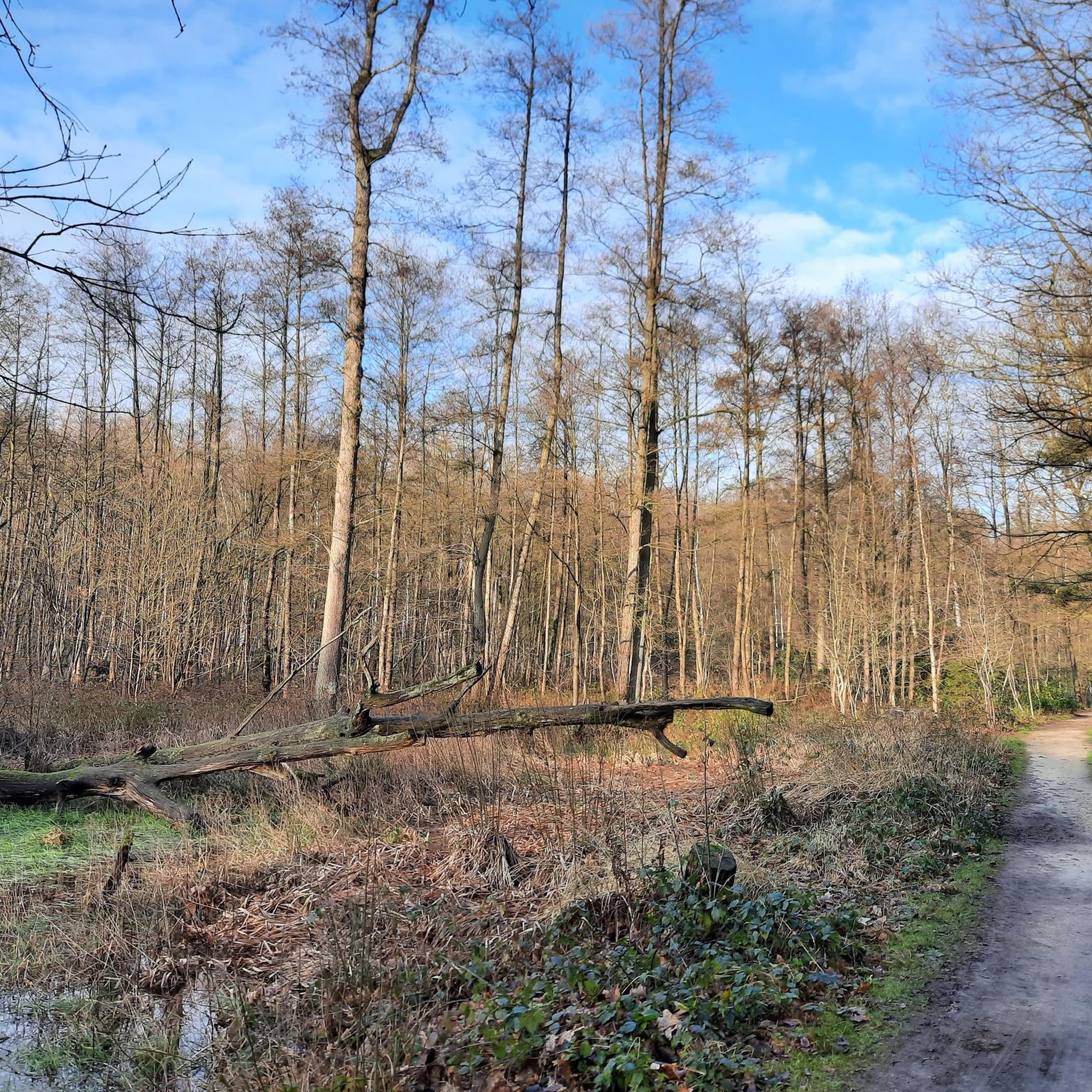
The Peerdsbos is a nature reserve in Schoten north of Antwerp. The name Peerdsbos first appeared in 1434 as “Peertsbusch”. The name is derived from the Middle Dutch 'Pertse' which means border post. For centuries, the Laarse Beek flowing past formed the border between the Roman provinces of Belgica Secunda and Germania Inferior and the dioceses of Cambrai and Liège that later emerged from this.
5
0

The Antitankgracht was constructed just before the Second World War to stop German tanks. Fortunately, that is no longer necessary today, but it does provide us with a nice location to cycle through.
16
0
Peerdsbos through the ages... The name 'Peertsbusch' first appeared in an account from 1431 - 1432. The Peerdsbos was part of the Bremdonck domain, which consisted of fields, meadows and forest for timber and firewood and which was donated to the Antwerp Saint-Elisabeth Hospital by Isabella van Breda in 1280. Large parts of the domain were sold and parcelled out, which resulted in the creation of the Park of Brasschaat, among other things. Info, can be read at the Schoten domain entrance
9
0
The Peerdsbos is one of the most visited forests on the outskirts of Antwerp. The forest is a fun day trip for both families and nature lovers. The long straight avenues make walking with a buggy or wheelchair easy. In the middle of the forest you will find brasserie De Melkerij, where you can rest for a while while children romp in the adjacent playground or play a game of mini golf. On the edge of the forest there is the challenging Stoerwoud in the provincial sports center. More information on https://www.natuurenbos.be/peerdsbos
11
1

The Putse Moer is a swampy area northeast of Putte and west of Kalmthout, which is partly on Dutch and partly on Belgian territory.
10
0
Frequently Asked Questions
What are some of the most popular natural monuments around Brasschaat?
Beyond the well-known Kalmthoutse Heath Nature Reserve and Putse Moer, visitors frequently enjoy the Antitankgracht – Green ribbon around the city of Antwerp, an artificial watercourse recognized as a protected landscape. The Peerdsbos Forest is also a highly visited spot for its diverse ecosystem and easy navigation.
Are there family-friendly natural areas in Brasschaat?
Yes, several natural monuments are great for families. The Peerdsbos Forest is particularly popular, with long, straight avenues suitable for strollers and a brasserie with a playground. The Brasschaat Municipal Park also offers walking trails, playgrounds, and picnic areas. The Brusselse Bossen and Kattekensberg area features a large play forest for children.
Which natural monuments are accessible for wheelchairs or strollers?
The Peerdsbos Forest is known for its long, straight avenues, making it easy to navigate with strollers or wheelchairs. Similarly, De Inslag Nature Reserve has generally straight and accessible paths. The Brasschaat Municipal Park also offers well-maintained paths.
What kind of wildlife can I expect to see in Brasschaat's natural areas?
Brasschaat's natural monuments are rich in biodiversity. In De Inslag Nature Reserve, you might spot forest birds and deer. Klein Schietveld is home to rare species like the marsh frog, crested newt, natterjack toad, woodlark, and nightjar, as well as various butterflies. Peerdsbos has diverse bird species, bats, butterflies, and roe deer. The Stappersven Observation Platform is ideal for spotting water birds.
Are there historical elements within Brasschaat's natural monuments?
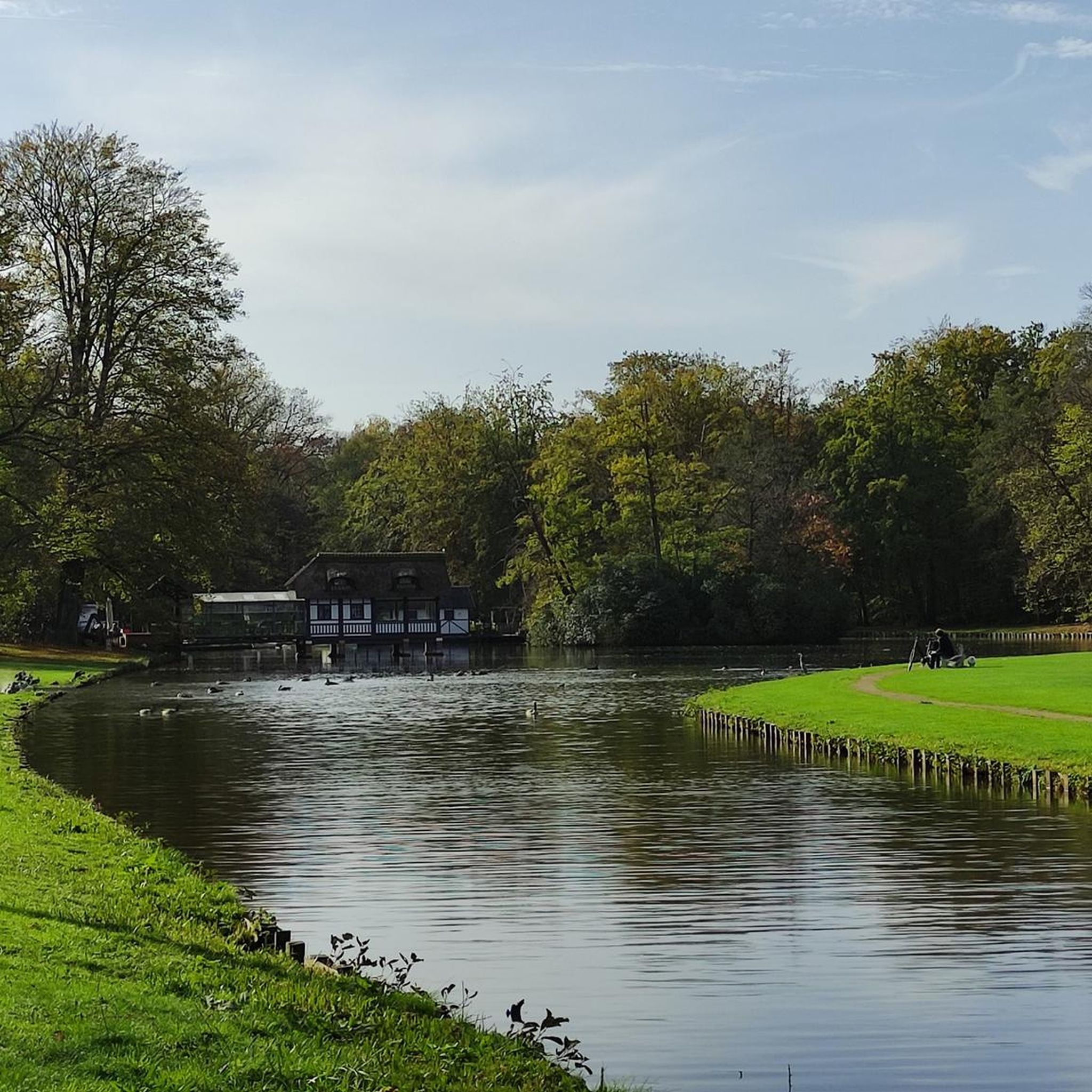
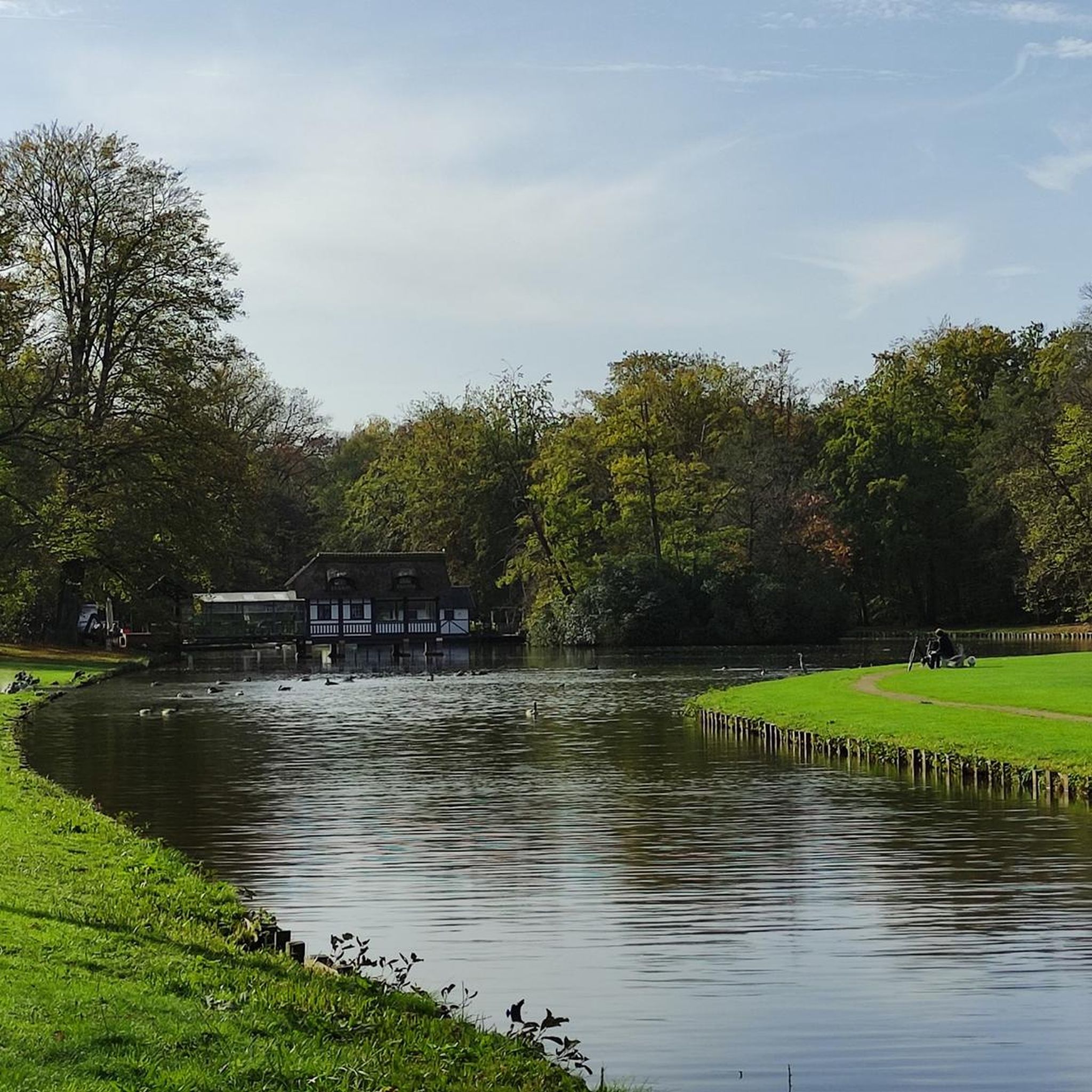
Yes, history is intertwined with nature here. The Brasschaat Municipal Park, for instance, dates back to the 18th century as a pleasure garden and contains architectural gems like the Castle of Brasschaat. The Antitankgracht is an artificial watercourse built for defense, with bunkers still visible along its 33 km length. De Uitlegger features a pond that originated from covered bunkers from the First World War.
What outdoor activities can I do near these natural monuments?
You can enjoy a variety of outdoor activities. Hiking is very popular, with routes like the 'Klein Schietveld Trail' or the 'Peerdsbos Forest – Park of Brasschaat' loop. Cycling is also a great option, with routes such as the 'Anti-tank canal – Fort Oelegem' loop or the 'Scenic Bicycle Path – Canal Path with Farmland Views' for road cycling. For more ideas, explore the hiking routes around Brasschaat or the cycling routes around Brasschaat.
When is the best time to visit Brasschaat's natural monuments?
The natural monuments are beautiful year-round, but spring and early summer are particularly vibrant. In May and June, De Uitlegger is especially attractive when blooming rhododendrons and azaleas adorn the landscape. The Brusselse Bossen also features meadows carpeted with blooming buttercups in May. Autumn offers beautiful fall foliage in the forests like Peerdsbos.
Are dogs allowed in Brasschaat's natural areas?
Many natural areas in Brasschaat are dog-friendly, often requiring dogs to be on a leash. The Brusselse Bossen and Kattekensberg area even has a designated dog zone where dogs can roam freely. Always check local signage for specific rules in each reserve.
Where can I find good viewpoints to appreciate the landscape?
For panoramic views, consider climbing to the observation tower within the Kalmthoutse Heath Nature Reserve. The Stappersven Observation Platform offers excellent views, particularly for spotting water birds. The Brusselse Bossen also provides scenic views over open meadows.
What are some lesser-known or unique natural spots in Brasschaat?
Beyond the main attractions, De Uitlegger is a unique nature park featuring a pond formed from WWI bunkers and stunning rhododendron blooms in spring. Klein Schietveld, despite its military domain past, is a vast area of wet and dry heathlands, fens, and dunes, recognized for its rare species and significant biodiversity.
What kind of terrain can I expect on hiking trails in Brasschaat?
The terrain varies across Brasschaat's natural monuments. In areas like Peerdsbos and Brasschaat Municipal Park, you'll find mostly flat, well-maintained paths suitable for easy walks. Klein Schietveld offers more diverse terrain with heathlands, fens, and dunes. Kalmthoutse Heath features moorland and sandy paths. Generally, trails are accessible, but some areas might have softer ground, especially after rain.
Most popular routes around Brasschaat
Most popular attractions around Brasschaat

Get inspired with the komoot mobile app


Explore more
Extend your search for the best caves by checking out these guides of the top ones around Brasschaat:
