Top 6 Natural Monuments around Manage
Natural monuments around Manage, Belgium, are characterized by a landscape shaped by both natural processes and historical industrial activity. The region features re-naturalized spoil tips, which are former mining hills now offering viewpoints and diverse ecosystems. Visitors can explore these unique natural features alongside forests and nature reserves, providing opportunities for hiking and appreciating local biodiversity. These sites offer a blend of natural beauty and recreational opportunities.
Best natural monuments around Manage
- The most popular natural monuments is Terril du…
Last updated: June 28, 2026
Pétria Spoil Tip No. 1
Highlight • Natural Monument
Translated by Google •
Tip by

Terril Calvaire 2 (204m)
Highlight (Segment) • Summit
Translated by Google •
Tip by
Sign up now to discover places like this
Get recommendations on the best single tracks, peaks, & plenty of other exciting outdoor places.
Sign up for free
Terril du Quesnoy
Highlight • Structure
Translated by Google •
Tip by

Albert I spoil tip (209 m)
Highlight (Segment) • Natural Monument
The …
Translated by Google •
Tip by
Launoy Pond
Highlight • Lake
Translated by Google •
Tip by

Sign up for free to discover even more natural monuments around Manage.
Sign up for free
Already have an account?
Start today with a free account
Your next adventure awaits.
Login or Signup
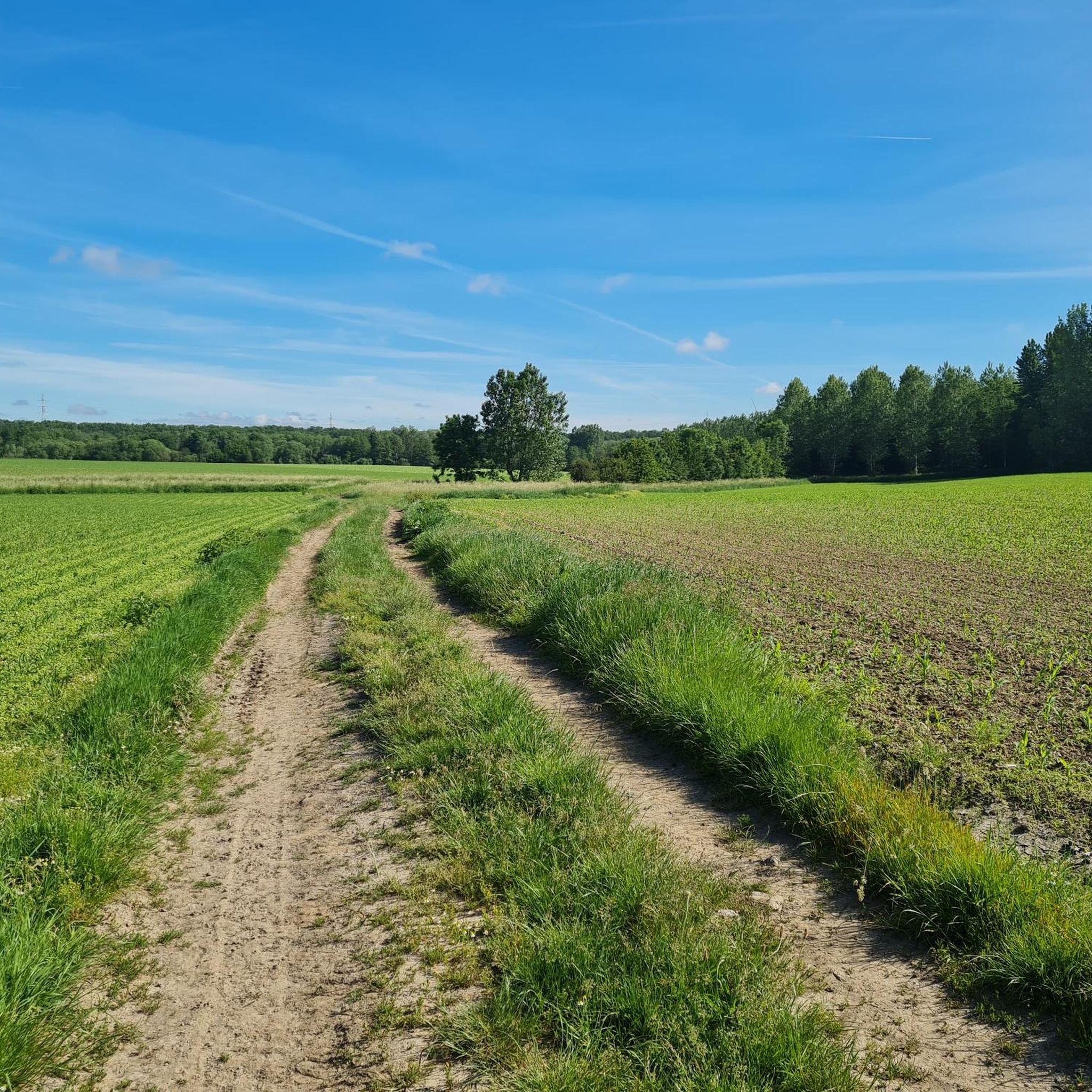
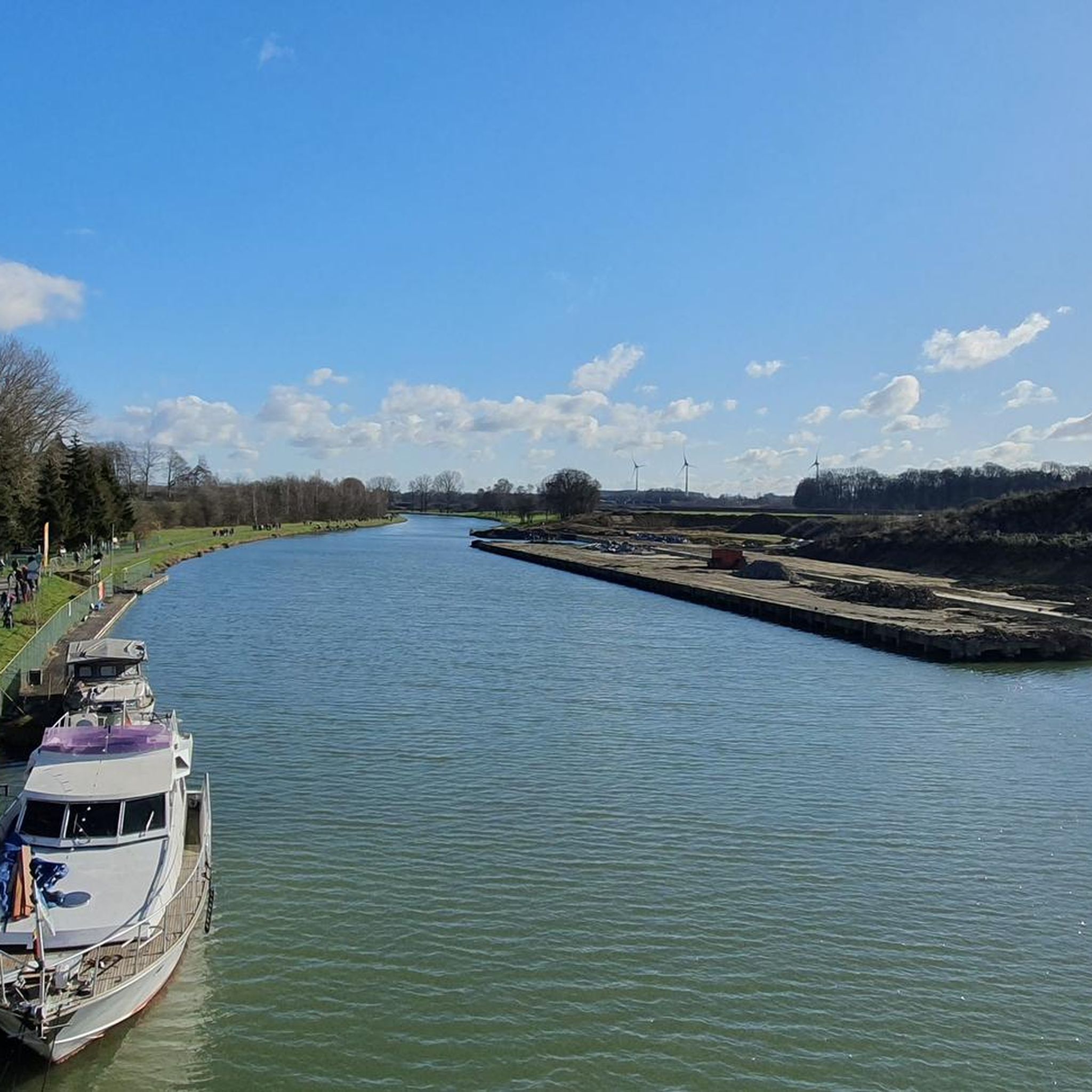
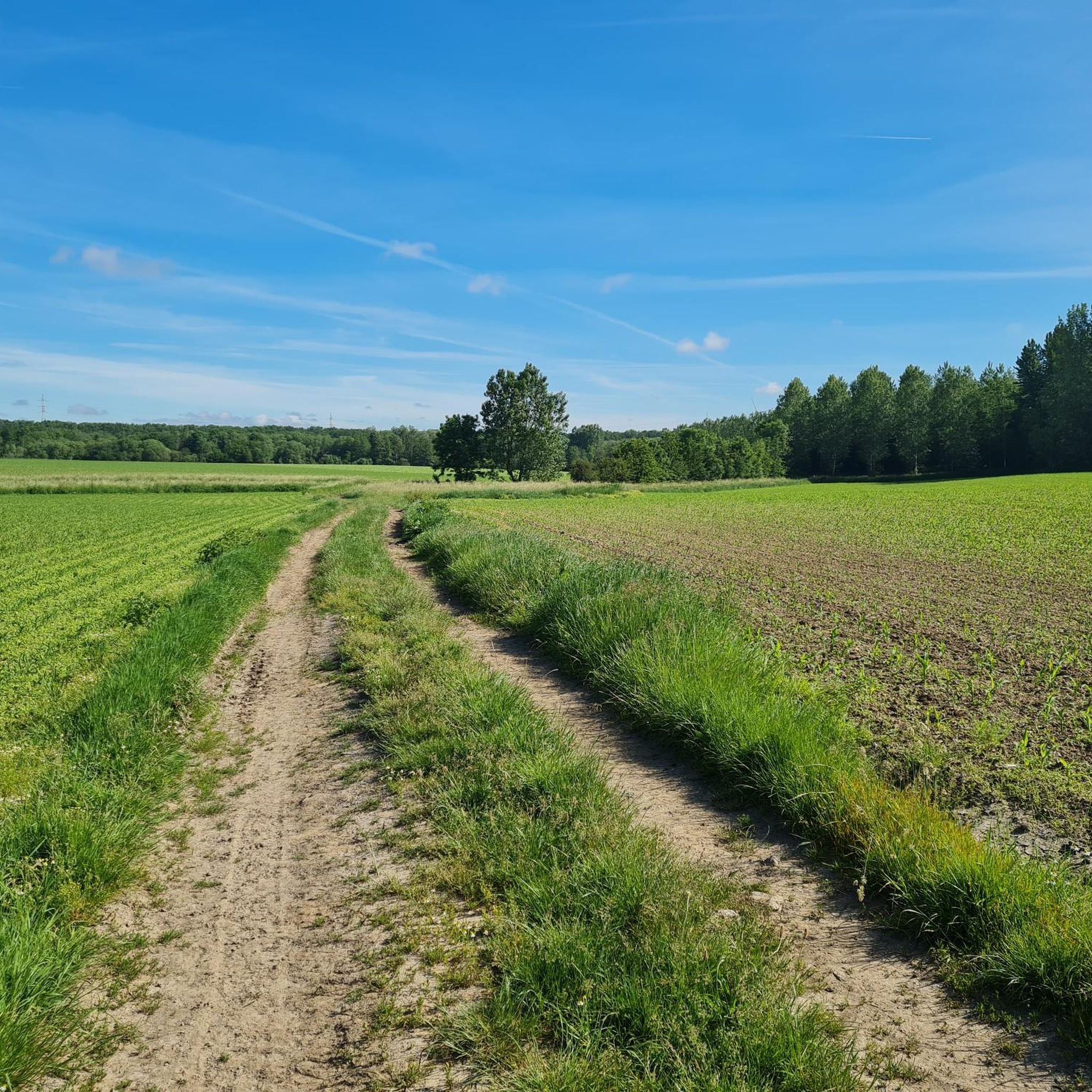
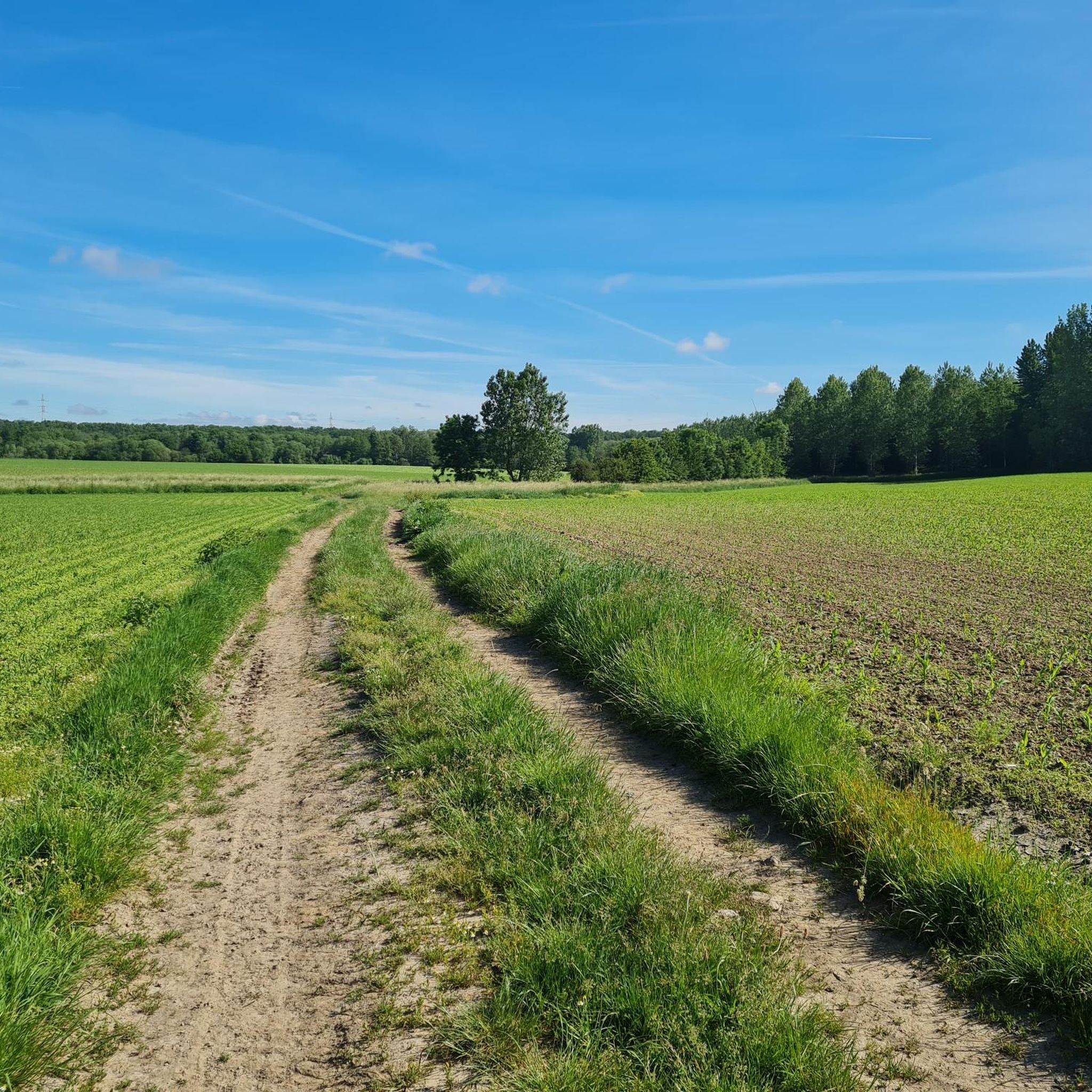
Tips from the Community

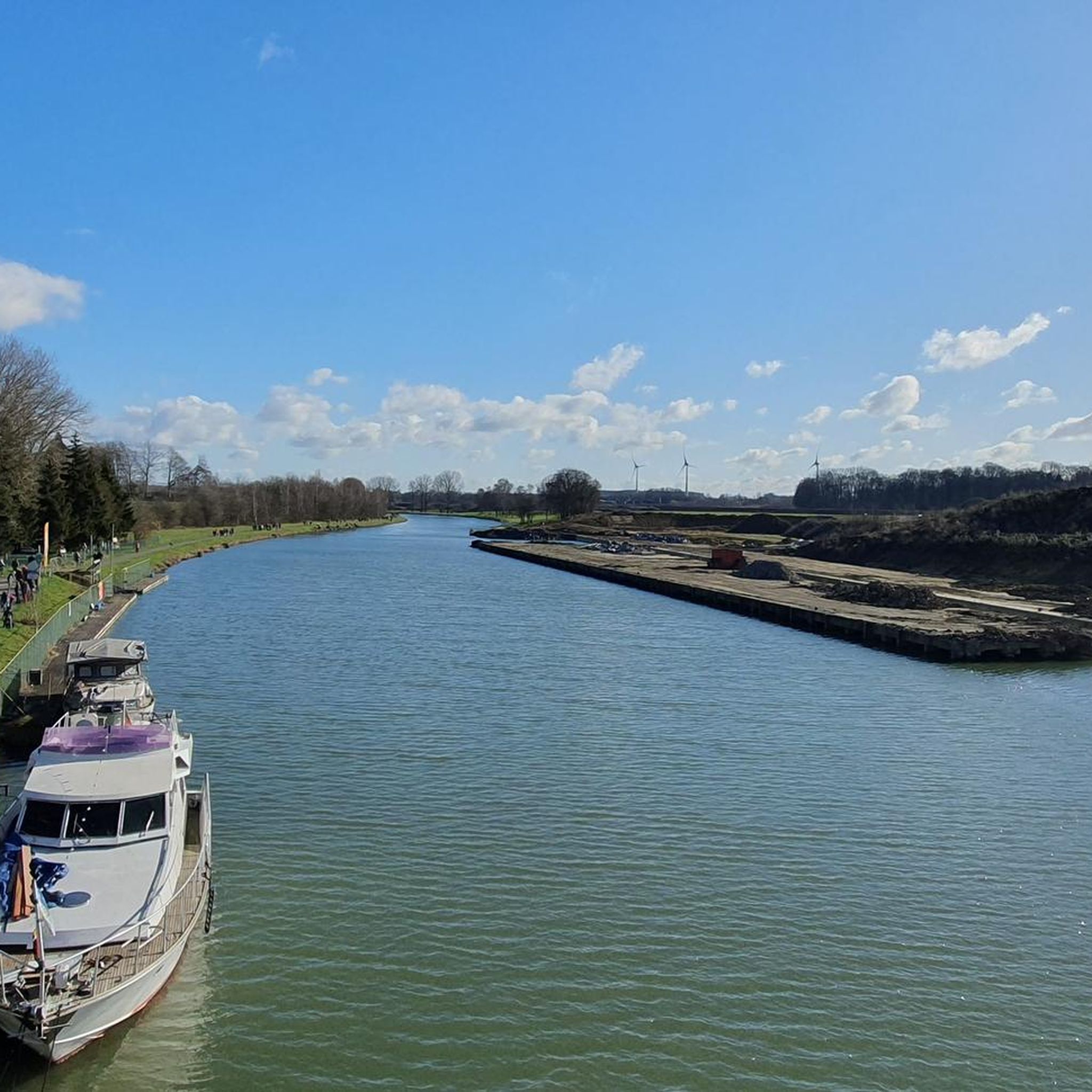
The Launoy natural landmark is a small reserve of around ten hectares located in Pont-a-Celles and crossed by a path. It features a beautiful pond.
1
0

Hello everyone, very nice course, very practicable, for those who want to climb to the top, they will discover a superb view of all the surroundings, it's worth a look, really happy because it's worth it, good walk to all and make the most of all these beautiful places around us 😉
1
0

The Terril du Quesnoy is located in Trivières, in the municipality of La Louvière, in the province of Hainaut. This slag heap is a former coal mining site belonging to the last mining concession of Bois du Luc, La Barette and Trivières. This heap has an area of 41.2 ha. It is part of a set of sites considered as the central zone of the municipal ecological network
2
0

The Pétria slag heap, known as “Seat No. 1” was created between 1870 and 1926. It was then exploited and reworked as part of the recovery of coal shale and residual coal. Bought by the City of Fontaine-l'Evêque in 1995, the Pétria slag heap was classified as a "Natura 2000" zone in 2002. In 2020, the site became an approved nature reserve for batrachians following substantial developments aimed at protecting natterjack toads and midwife toads: excavation of temporary ponds, cleaning of sludge tanks to make them a breeding site, cleaning and clearing of the Babelone pond. https://www.destinationterrils.eu/fr/terril-du-petria
5
0
The long slope is doable, she also goes straight to straight. The descent, however, is a different soup... Good luck!
5
0
The Calvaire slag heap is covered with beautiful pioneer vegetation.
5
0
The coal mining of Ressaix-Mariemont-La Louvière, associated with the slag heap, began in 1910 and ended in 1959. It is currently the property of the municipality of La Louvière. The slag heap is accessible to pedestrians. It is made up of two paths: one going around the site and the other reaching its summit. Attention, steep ascent (change in height of ± 70m). The GR412, the long-distance slag heap trail, passes over part of the loop at the foot of the slag heap. https://fr.wikipedia.org/wiki/Terril_Albert_1er
8
0
Frequently Asked Questions
What kind of natural monuments can I expect to find around Manage?
The natural monuments around Manage are primarily characterized by re-naturalized spoil tips, which are former mining hills transformed into diverse ecosystems. You'll also find forests and nature reserves, offering a unique blend of natural beauty and historical industrial landscapes.
Are there any natural monuments with historical significance in the Manage area?
Yes, several natural monuments have historical roots. For instance, Pétria Spoil Tip No. 1 is classified as a "Natura 2000" zone and was created between 1870 and 1926 as a coal mining site. Similarly, the Albert I spoil tip (209 m) was associated with coal mining from 1910 to 1959.
Which natural monuments offer the best viewpoints around Manage?
For panoramic views, consider visiting Terril Calvaire 2 (204m), a slag heap covered with pioneer vegetation that provides excellent vistas of the surroundings from its summit. The Albert I spoil tip (209 m) also offers viewpoints from its summit after a steep ascent.
Are there any nature reserves or protected areas among the natural monuments?
Absolutely. Pétria Spoil Tip No. 1 is an approved nature reserve specifically for batrachians, with developments to protect natterjack toads and midwife toads. Additionally, Le Chènoû Nature Reserve (Buvrinnes Marsh) is remarkable for its scientific interest, hosting numerous species of insects, amphibians, birds, small mammals, and unique flora.
What outdoor activities can I do near the natural monuments around Manage?
The area around Manage offers a variety of outdoor activities. You can explore numerous hiking trails, running routes, and mountain biking paths. For detailed routes, check out the guides for Hiking around Manage, Running Trails around Manage, and MTB Trails around Manage.
Are there family-friendly natural monuments or trails suitable for children?
While specific 'family-friendly' categories aren't listed for these monuments, many of the re-naturalized spoil tips, like Terril du Quesnoy, are part of ecological networks and can be explored. The nature reserves, such as Le Chènoû Nature Reserve, offer opportunities to observe diverse wildlife, which can be engaging for families. Many hiking routes in the region are also rated as easy or moderate, making them suitable for families.
What kind of unique wildlife or plant life can be found at these sites?
The natural monuments are home to diverse ecosystems. Pétria Spoil Tip No. 1 is a protected habitat for natterjack toads and midwife toads. Le Chènoû Nature Reserve (Buvrinnes Marsh) is known for its numerous species of insects, amphibians, birds, small mammals, and particular flora. The spoil heaps themselves often feature pioneer vegetation.
What do visitors enjoy most about the natural monuments around Manage?
Visitors appreciate the unique blend of natural beauty and industrial heritage. Many enjoy the panoramic views from the summits of the spoil tips, the diverse ecosystems found in the nature reserves, and the opportunities for hiking and exploring. The transformation of former mining sites into green spaces is a particular highlight for many.
How accessible are the natural monuments around Manage by public transport?
Information on specific public transport links to each natural monument is not detailed in the guide. However, Manage is a municipality in Belgium, and public transport options typically include local buses. It is advisable to check local transport schedules for routes connecting to the vicinity of the monuments you plan to visit.
Are there specific trails or routes associated with the natural monuments?
Yes, for example, the Albert I spoil tip (209 m) has two paths: one that goes around the site and another that reaches its summit. The GR412, a long-distance slag heap trail, also passes over part of the loop at the foot of this spoil tip. Many other natural monuments are integrated into the broader network of hiking and running trails in the region.
Can I bring my dog to the natural monuments and trails?
While specific dog-friendly policies for each natural monument are not provided, many outdoor areas and trails in Belgium are generally dog-friendly, especially if dogs are kept on a leash. It's always recommended to check for any specific signage or regulations at the entrance of each site to ensure compliance.
What is the best time of year to visit the natural monuments around Manage?
The natural monuments, with their re-naturalized landscapes and diverse ecosystems, can be enjoyed throughout the year. Spring and autumn offer pleasant temperatures for hiking and observing nature, with vibrant foliage or blooming plants. Summer is ideal for longer explorations, while winter can provide a unique, serene experience, though some paths might be more challenging.
Most popular attractions around Manage

Get inspired with the komoot mobile app


Explore more
Extend your search for the best caves by checking out these guides of the top ones around Manage:
