Top 7 Natural Monuments around La Bruyère
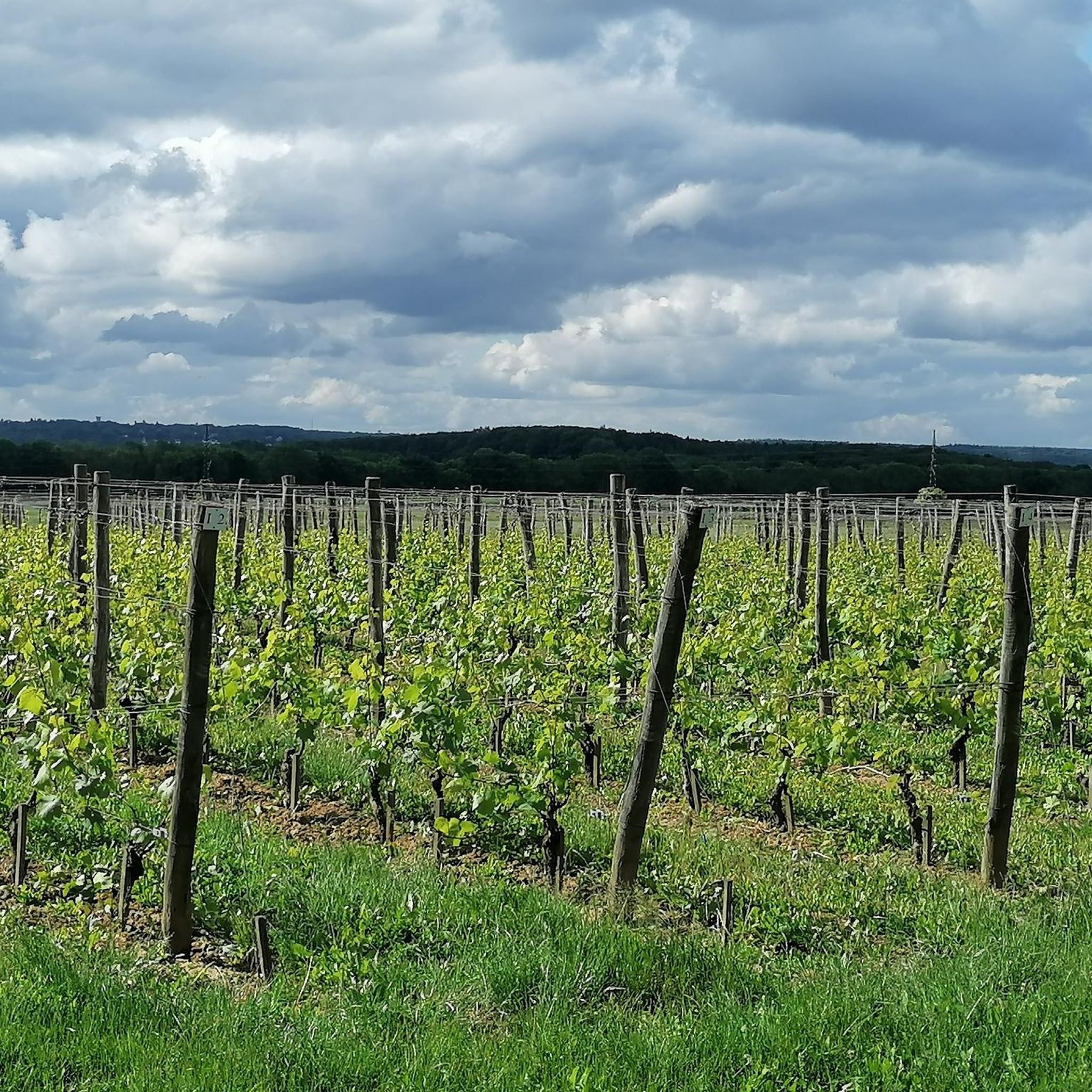
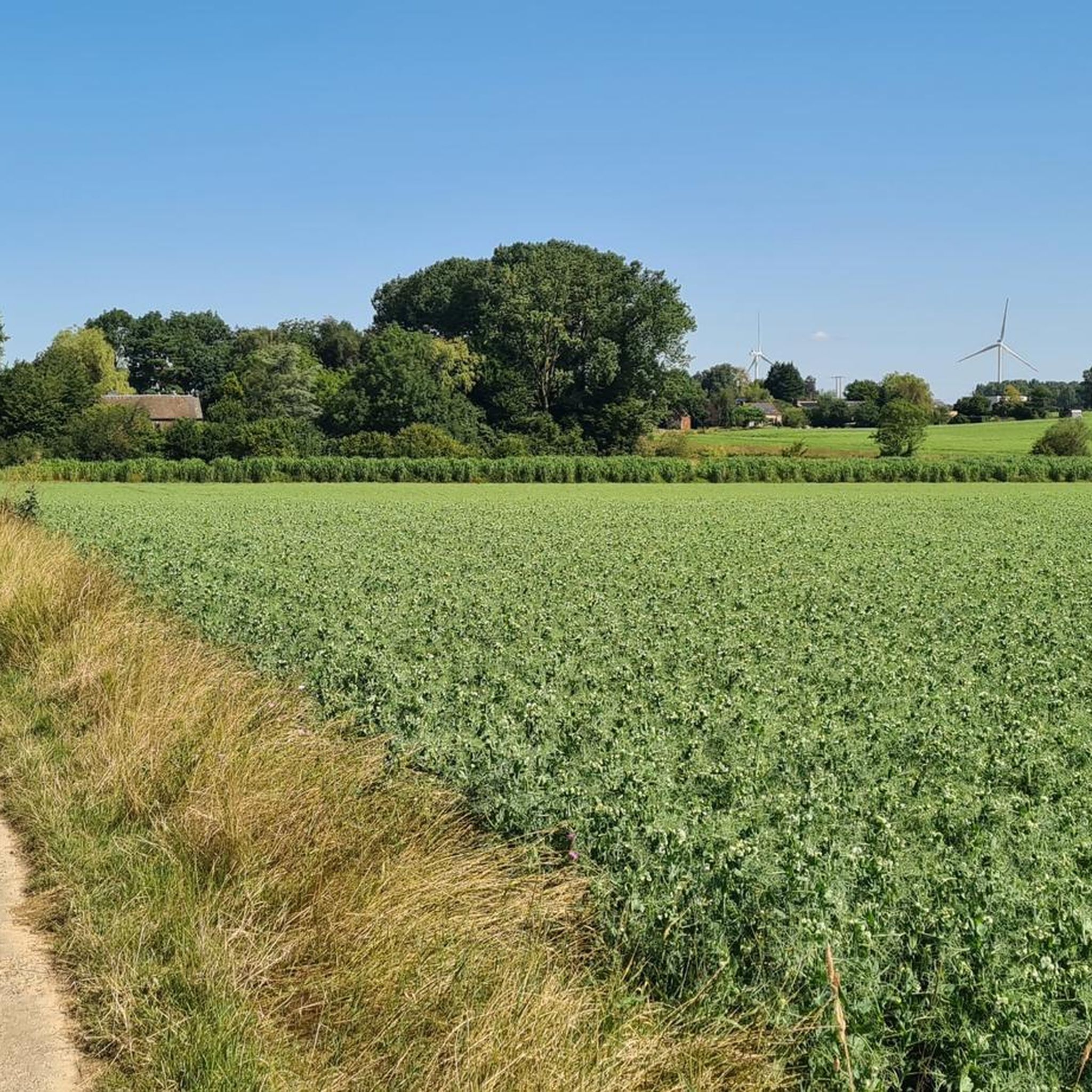
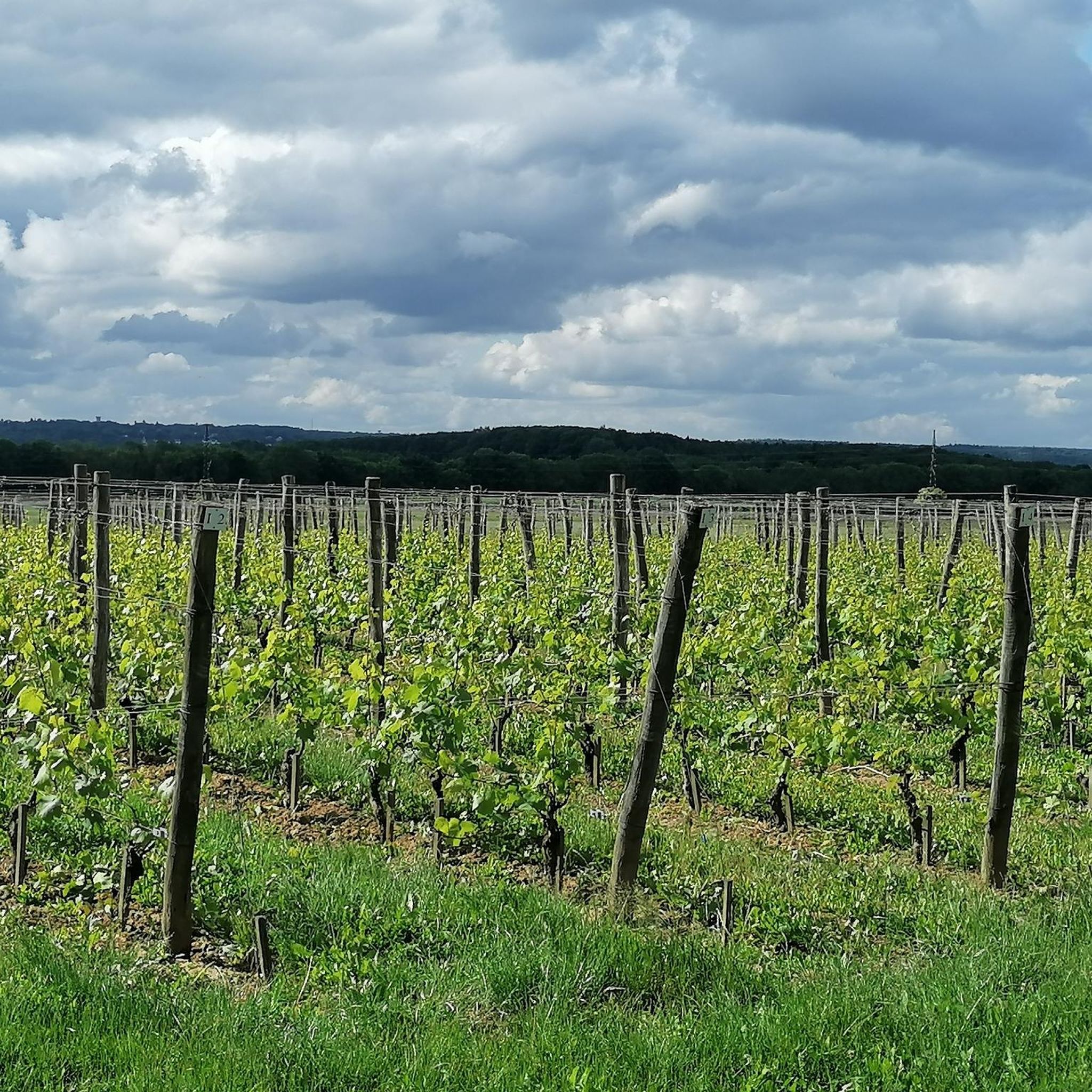
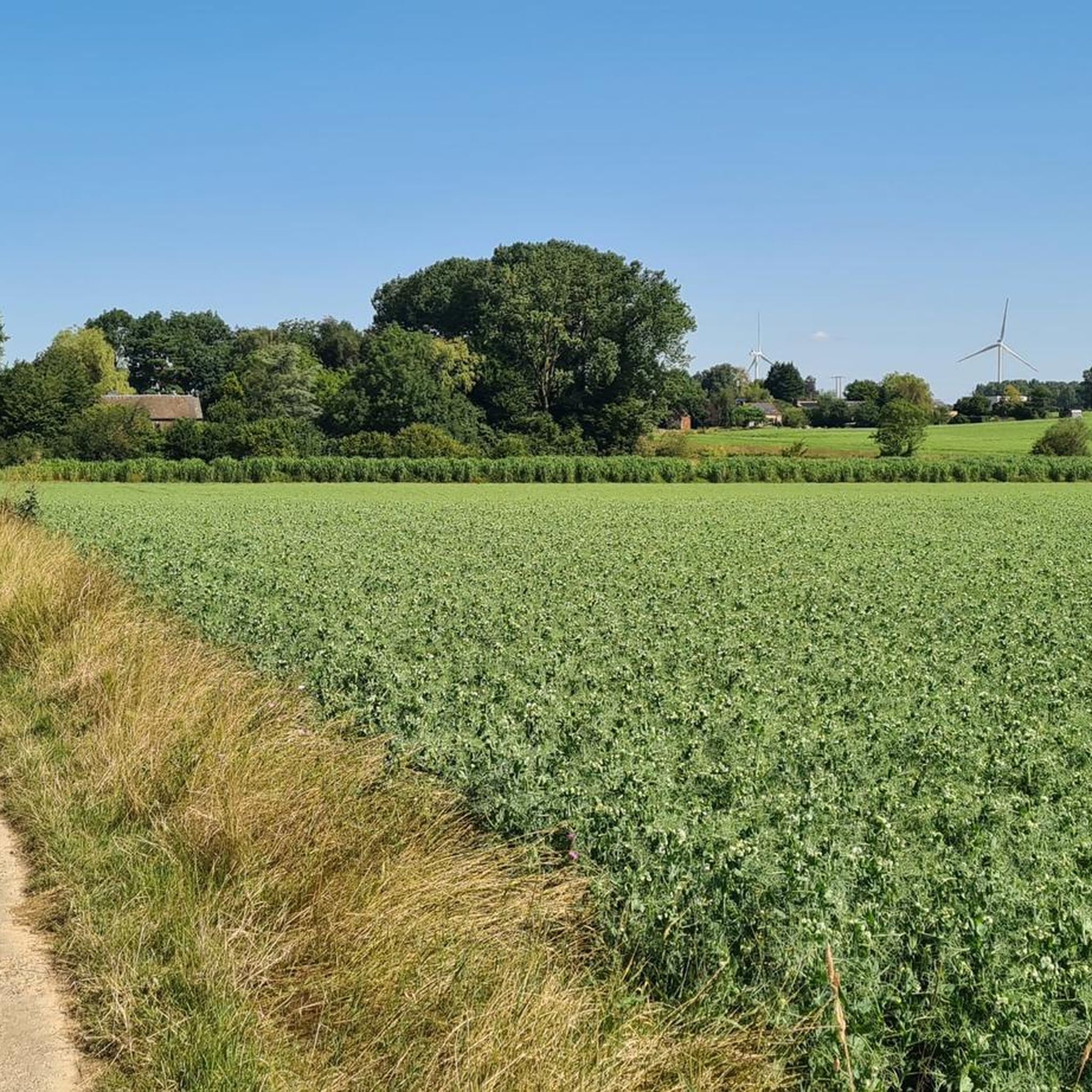
Best natural monuments around La Bruyère are found within a rural and agricultural landscape on the Hesbaye namuroise plateau in Belgium. The area is characterized by its extensive countryside and is traversed by the Houyoux and Mehaigne rivers. These natural features contribute to the region's scenic character, offering diverse environments for exploration. La Bruyère also features vineyards that integrate natural elements with agricultural heritage.
Best natural monuments around La Bruyère
- The most popular natural monuments is Bois de la Vecquée…
Last updated: August 22, 2026
Louise-Marie Park
Highlight • Natural
Created by the architect Jules Lalière and the sculptor Armand Bonnetain.
Translated by Google •
Tip by

Bois de la Vecquée
Highlight (Segment) • Forest
Translated by Google •
Tip by

Sign up now to discover places like this
Get recommendations on the best single tracks, peaks, & plenty of other exciting outdoor places.
Sign up for free
Maizeret Inscriptions
Highlight • Historical Site
Translated by Google •
Tip by
Confluence of the Samson and Meuse rivers
Highlight • River
Translated by Google •
Tip by

The Magic Tree
Highlight • Natural Monument
Translated by Google •
Tip by

Sign up for free to discover even more natural monuments around La Bruyère.
Sign up for free
Already have an account?
Start today with a free account
Your next adventure awaits.
Login or Signup

Tips from the Community

Park Marie-Louise—officially Louise-Marie Park—is a historic city park in Namur. Created in 1879–1880 on the city's former moats, the park bears the name of Louise-Marie d'Orléans, the first Queen of Belgium. Covering approximately 3 hectares, it is one of Namur's oldest and most distinctive parks. Designed by landscape architect Constantin Smits, the park is structured on two levels. The lower level features a pond reminiscent of the former moat, along with an artificial grotto and winding paths. The upper level offers open lawns and views of historical features, including the remains of the Dutch bridge that once provided access to the Brussels Gate. Park Marie-Louise combines romantic 19th-century landscaping with tangible traces of the city's military history. Today, it offers a tranquil green space within walking distance of the city center, popular with walkers, joggers, and visitors who want to combine nature and heritage.
5
0

The Vecquée woods are very pretty: it's so lovely to walk there...
0
0

A magical place in every way... As if out of nowhere, the tree has taken possession of this piece of hill, its feet in the water where a few white ducks come to splash around. It's impossible not to stop: your gaze is as if caught by this enigmatic view.
1
0

Beautiful park on the Sambre, with nice paths, a beautiful pond and some art...
7
0

The Bois de la Vecquée, a forest near Namur in Belgium, is home not only to a wide variety of trees and plants, but also to historic and natural sites, such as Fort de Malonne, a 19th-century fortress that serves today a refuge for bats, and some craters left by bombing during the world wars. You can also admire the Meuse valley and the citadel of Namur from certain viewpoints in the forest. The Bois de la Vecquée is a vestige of the ancient Marlagne forest, which once covered a vast area between Namur and Sart-Saint-Laurent. It is a site of great biological interest which is part of the Natura 2000 network of protected areas in Europe.
3
0
If you are looking for a mysterious and intriguing site to visit, you can go see the Maizeret Scriptures in the village of Maizeret. This is a series of Roman inscriptions consisting mainly of I and V (1 and 5 in Roman numerals) which were discovered in the 1950s at the base of a rock. The significance of these writings is still unknown and the site is largely abandoned and overgrown. The seven main groups of inscriptions are visible behind metal grilles and one wonders what they could possibly represent. The Maizeret Scriptures are a unique and mysterious attraction that will awaken your curiosity and imagination.
6
0

The memorial of Félicien Rops is located in the park. Created by the architect Jules Lalière and the sculptor Armand Bonnetain.
9
2
Frequently Asked Questions
What types of natural monuments can I explore around La Bruyère?
The natural monuments around La Bruyère offer a diverse range of experiences. You can explore dense woodlands like Bois de la Vecquée, scenic river confluences such as the Confluence of the Samson and Meuse rivers, and beautifully landscaped areas like Louise-Marie Park. The region is characterized by its rural and agricultural landscapes, traversed by the Houyoux and Mehaigne rivers, providing a tranquil natural setting.
Are there any natural monuments suitable for families with children?
Yes, several natural monuments are family-friendly. The Confluence of the Samson and Meuse rivers offers scenic views along the water, perfect for a gentle stroll. Louise-Marie Park features a botanical garden and a pleasant environment for visitors of all ages. Additionally, The Magic Tree is described as a magical place with ducks, which can be enchanting for children.
Where can I find the best viewpoints of the surrounding landscape?
For stunning views, head to Bois de la Vecquée, where certain spots offer panoramic vistas of the Meuse valley and the Namur citadel. The Confluence of the Samson and Meuse rivers also provides picturesque views along the water, characteristic of the Condroz region.
Are there any historical or archaeological sites among the natural monuments?
Yes, the region combines natural beauty with historical intrigue. Maizeret Inscriptions is a unique archaeological site featuring mysterious Roman inscriptions on rocks, whose meaning remains a puzzle. Bois de la Vecquée also contains historical elements, including the 19th-century Fort de Malonne and craters from past conflicts, alongside its natural features.
What outdoor activities can I do near these natural monuments?
The area around La Bruyère is excellent for various outdoor activities. You can find numerous routes for hiking, including moderate trails like the 'Pont de Seumoy – Seumoy Bridge loop from Villers-lez-Heest'. For cyclists, there are gravel biking routes such as the 'Citadel of Namur and Malonne Woods Loop'. If you enjoy running, explore running trails like the 'Running loop from Bovesse'.
What is the best time of year to visit the natural monuments in La Bruyère?
The natural monuments around La Bruyère can be enjoyed throughout the year, with each season offering a different charm. Spring brings blooming flora, while summer is ideal for longer walks and outdoor activities. Autumn showcases vibrant foliage, and even winter can be beautiful for crisp walks, especially in woodlands like Bois de la Vecquée, though some paths might be muddy.
Are there any natural areas with botanical interest?
Yes, Louise-Marie Park is home to a beautifully landscaped botanical garden, offering a curated natural experience. Additionally, Bois de la Vecquée is known for its wide variety of trees and plants, making it a site of great biological interest and part of the Natura 2000 network.
Can I bring my dog to the natural monuments?
Many natural areas and trails around La Bruyère are dog-friendly, especially those in rural and forested settings. It's generally recommended to keep dogs on a leash to protect local wildlife and ensure a pleasant experience for all visitors. Specific rules may apply in certain parks or protected areas, so always check local signage.
What makes the natural monuments around La Bruyère unique?
The natural monuments in La Bruyère are unique due to their integration within a predominantly rural and agricultural landscape on the Hesbaye namuroise plateau. The area's character is defined by its extensive countryside, the meandering Houyoux and Mehaigne rivers, and even vineyards that blend natural elements with agricultural heritage. This creates a distinctive blend of natural beauty and cultural landscape.
What do visitors enjoy most about the natural monuments in this region?
Visitors particularly appreciate the tranquility and scenic beauty of the area. The diverse landscapes, from the peaceful riverbanks of the Meuse to the rich woodlands of Bois de la Vecquée, offer varied exploration opportunities. The blend of natural features with historical sites, like the mysterious Maizeret Inscriptions, also adds a unique dimension to the experience.
Are there easy walking trails suitable for all fitness levels?
Yes, there are options for easier walks. While specific difficulty levels vary, many paths along the rivers and within parks like Louise-Marie Park are generally flat and accessible. For dedicated hiking, you can find 'easy' graded routes, such as the 'Seumoy Bridge – La Bruyère Chapel loop from Émines', which is part of the hiking guide for La Bruyère.
Most popular routes around La Bruyère
Most popular attractions around La Bruyère

Get inspired with the komoot mobile app


Explore more
Extend your search for the best caves by checking out these guides of the top ones around La Bruyère:
