Top 20 Natural Monuments around Incourt
Natural monuments around Incourt offer a diverse landscape in Wallonia, Belgium. This rural commune features rolling fields, small woods, and various natural areas. Visitors can explore unique geological formations and rehabilitated industrial sites that now serve as tranquil natural attractions. The region's waterways and preserved natural zones provide opportunities for Incourt nature walks and appreciating the local environment.
Best natural monuments around Incourt
- The most popular natural monument is Meerdaal Forest and Heverlee Forest, a forest that covers an…
Last updated: June 28, 2026
Meerdaal Forest and Heverlee Forest
Highlight • Forest
Translated by Google •
Tip by

Tomberg Summit — Bench and Gazebo
Highlight • Summit
Translated by Google •
Tip by

Sign up now to discover places like this
Get recommendations on the best single tracks, peaks, & plenty of other exciting outdoor places.
Sign up for free
Thick Oak 300 years old – 5 meters in circumference
Highlight • Natural Monument
The monumental oak is more than 300 years old and has a …
Translated by Google •
Tip by

Tomberg Hill and Bench
Highlight • Viewpoint
Translated by Google •
Tip by

Oude Geldenaaksebaan - Historic road
Highlight (Segment) • Historical Site
These bits of sunken roads are charming. Many hikers and cycling enthusiasts …
Translated by Google •
Tip by
Sign up for free to discover even more natural monuments around Incourt.
Sign up for free
Already have an account?
Start today with a free account
Your next adventure awaits.
Login or Signup

Tips from the Community

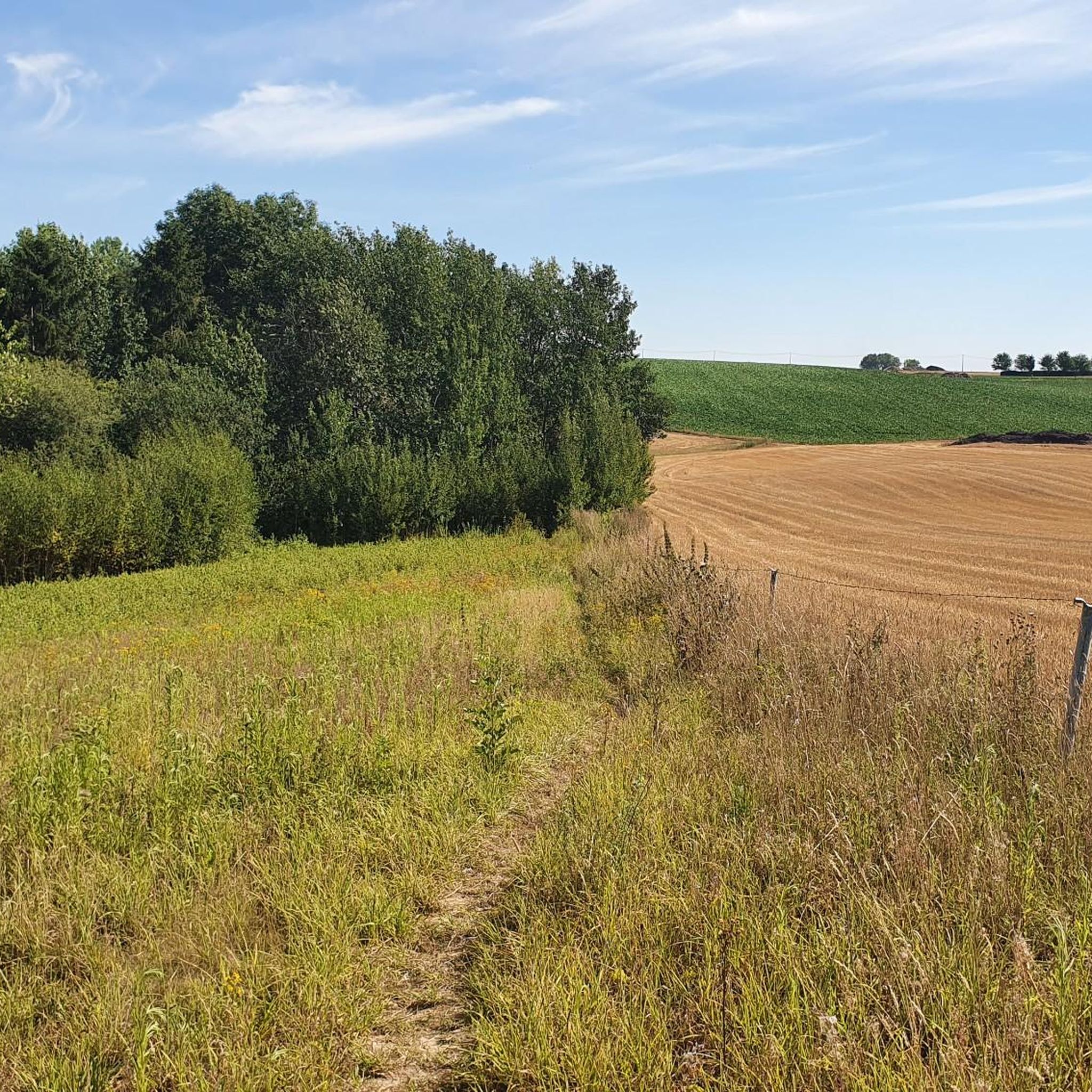
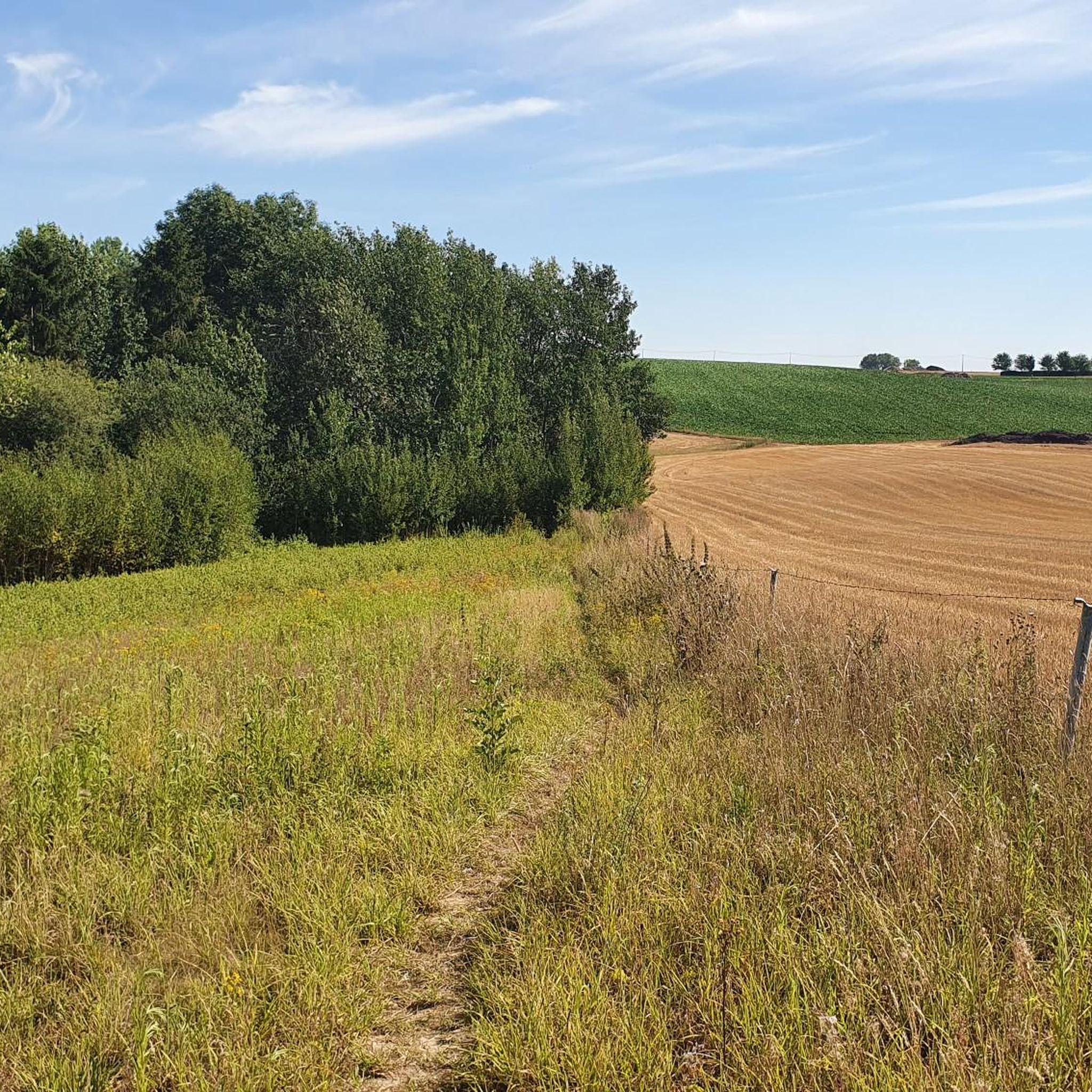
The cobbled section is recognized as landscape heritage. The Oude Geldenaaksebaan leads from the hamlet of Bet past Mareveld southwards and changes into the Nieuwe Geldenaaksebaan towards Mollendaal. It is a mixed cobbled road constructed in half-brick bond with an alternation of porphyry, Petit Granit and Tiense quartzite. The cobbled road has a reasonably flat profile and was recently reconstructed and provided with sewerage and drainage channels. In a limited number of places, there are still kerbs in Petit Granit. The cobbled road is briefly interrupted and continues as an unpaved sunken road to change into a cobbled road again at the intersection with the Smisstraat. In the course of the 18th and 19th centuries, many previously unpaved connecting roads were cobbled to improve driving comfort. The Oude Geldenaaksebaan had lost its importance in the 19th century in favour of the road that passed through the centre of Bierbeek and was probably not paved until around the middle of the 20th century. The section of road that gave access to the Bergenhof reclamation farm was the first to be paved. The rest of the road only served as a loading road for the surrounding agricultural land and was only paved in the 1970s in function of the increasing development. Inventory of Immovable Heritage: Kasseiweg Oude Geldenaaksebaan, https://id.erfgoed.net/erfgoedobjecten/307633
6
0

Already 304 years old? Time flies!
0
0

Here you already have the feeling of the Ardennes...
4
0
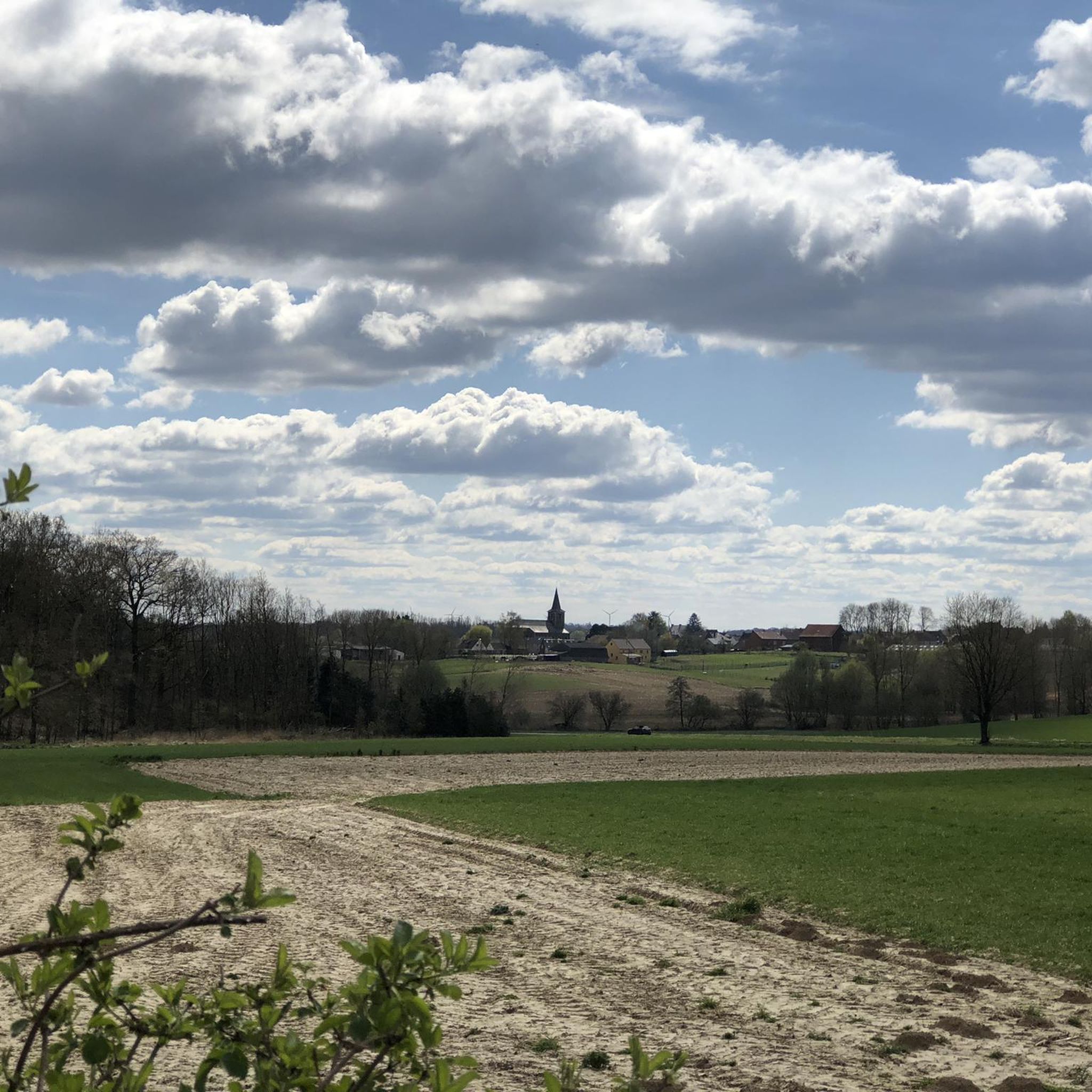
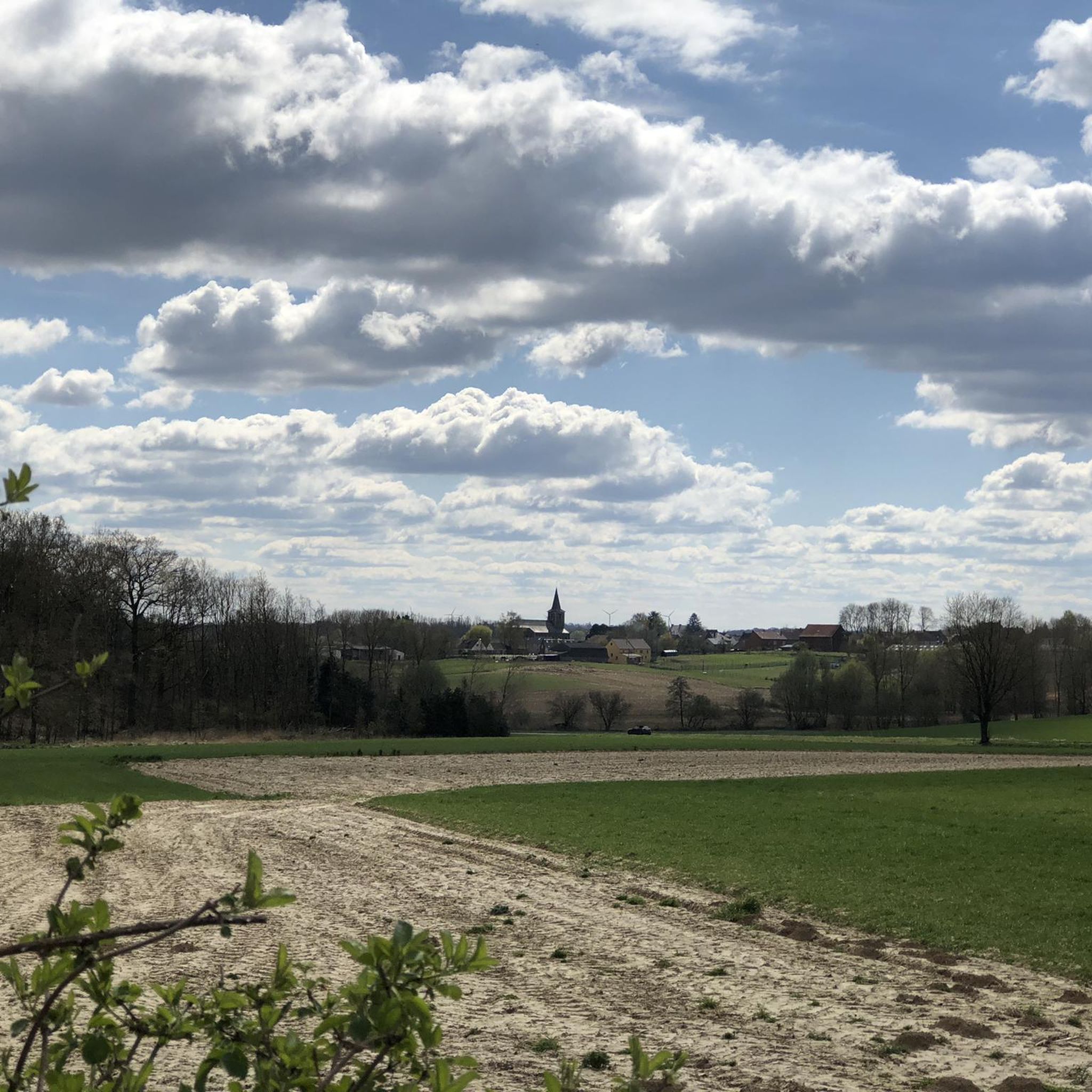
On top of the dune hill that is the Tomberg you will find a - currently partly broken - bench around an ever-growing tree where you can sit under. There is an information board and you are surrounded by heathland, a piece of grassland, sandy roads and during this period a beautiful sea of ferns.
6
0
The Tomberg is the second highest place in the forest (102 m). It is not a prehistoric burial mound (or tomb) as our ancestors thought, but a natural elevation, a dune mound that millions of years ago, together with the Mommendeel mound, actually protruded above the sea at that time. It is here that the illustrious forest court sat for hundreds of years. In the Middle Ages, every free man was in principle allowed to hunt without restriction in forests, meadows and swamps. The big exception were the free forests, the private forests of the dukes. Meerdaalwoud was such a free forest and hunting rights belonged exclusively to the Duke of Arenberg. At first the forest court was itinerant and justice was administered in the various villages. Later, a special building was erected here on the Tomberg for the court hearings. Later still, a hearing was held at Heverlee castle. The punishments were not lenient, but it is thanks to that forest justice that the forest still exists today and has not been sacrificed to the needs of the farmers and citizens in the area. The forest right came to an end with the arrival of the French in 1795. You can read this - and much more - at https://www.onroerenderfgoed.be/archeologische-fietstocht-heverlee
5
1
The Tomberg is the second highest place in the forest (102 m). It is not a prehistoric burial mound (or tomb) as our ancestors thought, but a natural elevation, a dune mound that millions of years ago, together with the Mommendeel mound, actually protruded above the sea at that time. It is here that the illustrious forest court sat for hundreds of years. In the Middle Ages, every free man was in principle allowed to hunt without restriction in forests, meadows and swamps. The big exception were the free forests, the private forests of the dukes. Meerdaalwoud was such a free forest and hunting rights belonged exclusively to the Duke of Arenberg. At first the forest court was itinerant and justice was administered in the various villages. Later, a special building was erected here on the Tomberg for the court hearings. Later still, a hearing was held at Heverlee castle. The punishments were not lenient, but it is thanks to that forest justice that the forest still exists today and has not been sacrificed to the needs of the farmers and citizens in the area. The forest right came to an end with the arrival of the French in 1795. You can read this - and much more - at https://www.onroerenderfgoed.be/archeologische-fietstocht-heverlee
7
0
The bench is partly broken, the gazebo is a bit outdated, but it remains wonderful under that tree with a view of heather and ferns. Especially at this time of year, this is a wonderful place for those who love quiet places full of ferns that strive to become the largest and have the most beautiful shades of green. Some of the small paths at the base of the hill are near small stretches of water with life. Those seeking peace and quiet come here outside busier periods to enjoy a jungle of ferns in a wonderful open space. The views from the paths below to the ferns on the hillsides demand beautiful photos.
5
0

From Mollendaal up a treacherous cobblestone road that hurts the calves, but with a concrete gutter next to it. Continues to climb imperceptibly but steeply.
1
0
Frequently Asked Questions
What are some of the most popular natural monuments to visit around Incourt?
Visitors frequently enjoy the expansive Meerdaal Forest and Heverlee Forest, which is Flanders' largest mixed deciduous forest and home to its oldest deer population. Another popular spot is the Tomberg Summit — Bench and Gazebo, offering an open heathland area with a viewpoint.
Are there any family-friendly natural monuments in the Incourt area?
Yes, several natural monuments are suitable for families. The vast Meerdaal Forest and Heverlee Forest is great for exploring, with its diverse flora and fauna. Additionally, the site of the Thick Oak 300 years old – 5 meters in circumference in Mollendaalbos provides a fascinating natural landmark for children and adults alike, perfect for a picnic.
What kind of unique geological features can I find near Incourt?
Incourt's landscape, part of the Hesbignon region, features rolling fields and small woods. For unique geological formations, visit Le site des Grosses Pierres in Piétrebais, known for its several-meter-high quartzite rocks that stand out in the gentle surroundings. The Tomberg Summit is also a natural elevation, a dune mound that once protruded above the sea millions of years ago.
Are there opportunities for hiking or walking near Incourt's natural monuments?
Absolutely. The region is ideal for walks and hikes. You can find numerous running trails, including routes like the 'Climb to the Water Tower – Moulin d'Opprebais loop' or 'In the Middle of the Fields – Small cobbled road in Cocrou loop'. Explore more options on the Running Trails around Incourt guide.
What historical natural sites can be explored in Incourt?
The Tomberg Summit is not only a natural viewpoint but also a historical site where forest law was once administered. Another significant historical natural site is the Oude Geldenaaksebaan - Historic road, a quiet country road that served as an important route for centuries and features charming sunken sections.
Can I go cycling or gravel biking near the natural monuments?
Yes, Incourt offers excellent opportunities for both road cycling and gravel biking. You can find routes like the 'RAVeL Jodoigne cycle path – Opprebais Mill loop' for road cycling or explore the 'Meerdaal Forest and Heverlee Forest – Weertse Dreef loop' for gravel biking. Discover more routes on the Road Cycling Routes around Incourt guide and the Gravel biking around Incourt guide.
What kind of wildlife can I expect to see in the natural areas around Incourt?
The Meerdaal Forest and Heverlee Forest is particularly known for its wildlife, including the oldest deer population in Flanders. Bird lovers can also spot various songbirds and birds of prey. The rewilded Carrière d'Opprebais also provides a tranquil setting to observe local flora and fauna.
Are there any natural monuments with good viewpoints in the region?
The Tomberg Summit — Bench and Gazebo offers an elevated viewpoint with an open heathland area, providing pleasant views. While not a high mountain, it's the second highest point in the Meerdaalwoud and offers a serene perspective of the surrounding nature.
What is the Carrière d'Opprebais and what does it offer?
The Carrière d'Opprebais (Opprebais Quarry) is a significant natural attraction. Once an industrial site, it has been transformed into a serene body of water surrounded by a nature discovery trail. It's a peaceful spot for walks and observing local flora and fauna, showcasing a successful blend of industrial heritage and natural rehabilitation.
What do visitors appreciate most about the natural monuments around Incourt?
Visitors particularly enjoy the peaceful ambiance and the diverse landscapes. The unique geological formations like the quartzite rocks at Le site des Grosses Pierres, the ancient trees such as the Thick Oak, and the tranquil rewilded areas like the Carrière d'Opprebais are frequently mentioned. The opportunity for leisurely explorations and appreciating the area's natural beauty is highly valued.
Are there any natural springs or water features of interest in Incourt?
Yes, Incourt is crisscrossed by several waterways, including the Grande Gette, the Orbais, the Piétrebais, and the Thorembais, which contribute to its picturesque rural charm. Additionally, the Fontaine Sainte-Ragenufle is a natural spring that holds cultural significance and is a symbol of the commune.
Most popular routes around Incourt
Most popular attractions around Incourt

Get inspired with the komoot mobile app


Explore more
Extend your search for the best caves by checking out these guides of the top ones around Incourt:
