Top 20 Natural Monuments around Sint-Pieters-Leeuw
Best natural monuments around Sint-Pieters-Leeuw are found in this municipality in Flemish Brabant, Belgium. The region is characterized by its transition from the rural Pajottenland to the urbanized Zenne valley. The primary natural monument is the Zuunvallei, a nature reserve encompassing diverse landscapes such as wet meadows, marshland, and a meandering stream. This area offers opportunities to experience rich biodiversity and varied natural features.
Best natural monuments around Sint-Pieters-Leeuw
- The most popular natural monuments is Hollow Way in Neigembos,…
Last updated: October 29, 2026
Sonian Forest
Highlight • Forest
Translated by Google •
Tip by

Drowned Children Ponds
Highlight • Lake
Tip by

Sign up now to discover places like this
Get recommendations on the best single tracks, peaks, & plenty of other exciting outdoor places.
Sonian Forest
Highlight • Forest
Translated by Google •
Tip by

Hollow Way in Neigembos
Highlight • Trail
Translated by Google •
Tip by

Highest point of Neigembos
Highlight • Summit
Translated by Google •
Tip by
Sign up for free to discover even more natural monuments around Sint-Pieters-Leeuw.
Already have an account?
Start today with a free account
Your next adventure awaits.





Other adventures around Sint-Pieters-Leeuw

Tips from the Community

a very beautiful large forest with a lot of variety
0
0

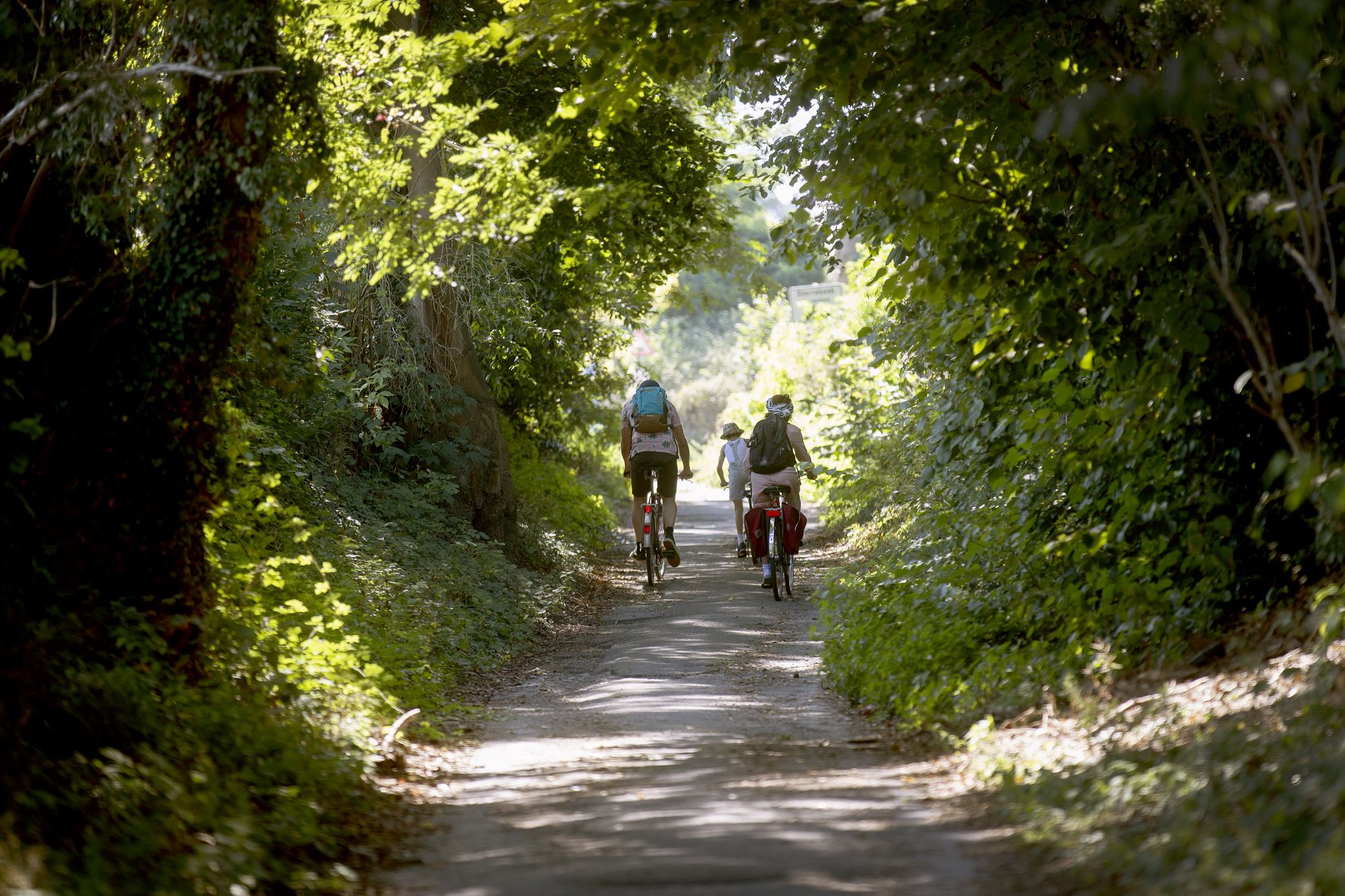
Hollow ways are typical small landscape elements in hilly areas with a loess subsoil. Most hollow ways presumably originated in the Middle Ages. Centuries of use of the same path, on foot or by horse and cart, led to a natural erosion process. Hollow ways therefore carry a piece of history with them and are thus part of our cultural heritage. (Information board on site)
8
0
In the Neigembos, nature is allowed to evolve almost spontaneously. The trees can grow old and there is a lot of dead wood. Due to the danger of falling branches, it is important to stay on the paths. There is a rich plant growth: on the more acidic soils you will find mainly bracken, lily of the valley and woodruff. On the more loamy soils, you can enjoy wild hyacinth, wood anemone, wild garlic and yellow dead-nettle in the spring. The western part of the forest reserve, also known as the Vriezenbos, consists of, among other things, a spring forest with typical species such as black alder, common ash, marsh marigold, giant horsetail, bitter cress and the two species of lesser celandine. Enjoy the natural beauty with the help of the three mapped-out walks: the Dikke Beukenwandeling, the Bevingenwandeling and the Groebenwandeling. (Agentschap Natuur en Bos)
9
0


This tour goes for kilometers through the forest. In spring it is beautiful with the hyacinths and wood anemones. In summer nice and cool.
0
0
Enjoying the Sonian Forest is easy from the various access gates. These access gates are located on the edge of the forest, are easily accessible and are therefore the ideal starting point to explore the forest. There are eight access gates. Information about this can be found at https://www.zonienwoud.be/praktisch/toegangspoorten/
11
0

The Sonian Forest, also known as the Zoniënwoud, is a large forest area centrally located in Belgium, southeast of Brussels. It covers approximately 4,421 hectares and is best known for its old beech trees, some of which are over 200 years old. The forest has a rich history dating back to the Iron Age and has had various functions over the centuries, such as providing firewood and timber for the construction of houses and ships, and as a backdrop for hunting scenes. The current forest landscape with deciduous trees has its origins in the Austrian period (1714-1795).
12
0
Always beautiful, spacious and varied forest
0
0
Frequently Asked Questions
What unique natural features can I discover around Sint-Pieters-Leeuw?
The region offers diverse natural features. The primary natural monument is the Zuunvallei, characterized by the meandering Zuunbeek stream, wet meadows, and marshland. You can also find unique geological formations like the Hollow Way in Neigembos, which features sunken roads formed by centuries of erosion. Additionally, the nearby Hallerbos — The Bluebell Forest is famous for its stunning carpet of wild hyacinths in spring.
What kind of wildlife can I expect to see in the natural monuments?
The Zuunvallei is a haven for wildlife, especially birds. You might spot migratory birds like the Snipe, Common Sandpiper, and Green Sandpiper, particularly in the Volsembroek area. It's also known for a large population of Green Frogs. The Oude Zuun section is home to over 22 species of butterflies, including the Brown Hairstreak and Orange-tip. The broader Sonian Forest also hosts a variety of animals.
Are there good hiking trails near the natural monuments?
Yes, the Zuunvallei provides excellent opportunities for hiking and walking, with trails leading through picturesque and varied landscapes. For more options, you can explore various hiking routes around Sint-Pieters-Leeuw, including easy paths like 'Fields and the Zuunbeek – Saint Peter's Church loop'.
What is the best time to visit the natural monuments around Sint-Pieters-Leeuw?
The best time depends on what you wish to experience. Mid-April is ideal for witnessing the enchanting bluebell bloom at Hallerbos — The Bluebell Forest. Spring is also when the Green Frogs create a 'spectacular concert' in the Zuunvallei. Summer allows you to see Galloway cattle grazing in Volsembroek. The diverse landscapes offer beauty throughout the year, with autumn providing vibrant colors.
Are the natural monuments around Sint-Pieters-Leeuw suitable for families with children?
Many natural monuments are family-friendly. The Hallerbos — The Bluebell Forest and the Sonian Forest are popular choices for families. The Drowned Children Ponds also offer a pleasant setting for a family outing with picnic benches. The Zuunvallei has walking paths that allow visitors to encounter grazing Galloway cattle, which can be an engaging experience for children.
Can I bring my dog to the natural monuments?
The Sonian Forest is generally dog-friendly, offering ample space for walks. It's always recommended to check local regulations or signage at specific natural monuments for any restrictions regarding dogs, especially in nature reserves like the Zuunvallei, to protect wildlife.
Are there any historical aspects to the natural monuments?
Yes, the Hollow Way in Neigembos is a notable historical site, featuring veteran trees that survived the First World War. The sunken roads themselves are a result of centuries of human and cart traffic. The Sonian Forest also has a rich history dating back to the Iron Age, with its current landscape shaped over centuries.
What types of outdoor sports can I do near these natural monuments?
Beyond hiking, you can find various outdoor activities. There are several running trails, including the 'Loopomloop Sint Pieters Leeuw'. For mountain biking enthusiasts, there are MTB trails such as the 'Zuun Great Pond – Singletrack along the Zuunbeek loop'.
Are there viewpoints or scenic spots in the natural monuments?
The Zuunvallei offers surprising open and diverse nature with views of the Brussels skyline, transitioning from the rural Pajottenland to the urbanized Zenne valley. The Drowned Children Ponds also serve as a scenic viewpoint within the Sonian Forest.
What is the accessibility like for the natural monuments?
The Zuunvallei has informational panels at its entrances, and some walking paths are accessible, allowing visitors to get close to the grazing Galloways. While some paths in the Zuunvallei are unpaved, offering an authentic natural experience, specific accessibility for wheelchairs may vary. It's best to check individual trail conditions if you have specific accessibility needs.
Are there any guided tours or organized activities in the Zuunvallei?
Yes, Natuurpunt Leeuwse Natuurvrienden, which manages the Zuunvallei, regularly organizes guided walks and management workdays. These can be a great way to learn more about the area's biodiversity and conservation efforts.
What are the most popular natural monuments around Sint-Pieters-Leeuw?
Among the most popular natural monuments are the Hollow Way in Neigembos, known for its unique geological formations and veteran trees. Another highly cherished spot is Hallerbos — The Bluebell Forest, famous for its stunning spring bloom. The vast Sonian Forest, a UNESCO World Heritage Site with ancient beech trees, is also a favorite.
Most popular routes around Sint-Pieters-Leeuw
Most popular attractions around Sint-Pieters-Leeuw

Get inspired with the komoot mobile app


Explore more
Extend your search for the best caves by checking out these guides of the top ones around Sint-Pieters-Leeuw:
