Top 20 Natural Monuments around Begijnendijk
Best natural monuments around Begijnendijk are found within this municipality in Flemish Brabant, Belgium. The region features diverse natural areas and reserves, including extensive marshlands, forests, and unique geological formations. These sites offer opportunities for nature observation, hiking, and exploring varied ecosystems. The landscape is characterized by its ecological significance and historical context, providing a range of natural attractions.
Best natural monuments around Begijnendijk
- The most popular natural monuments is Horst Castle, a castle that is an idyllic moated…
Last updated: May 17, 2026
Horst Castle
Highlight • Castle
Translated by Google •
Tip by

Vineyard on the Wijngaardberg
Highlight • Structure
Translated by Google •
Tip by

Sign up now to discover places like this
Get recommendations on the best single tracks, peaks, & plenty of other exciting outdoor places.
Sign up for free
Antitank Canal Haacht
Highlight • Structure
Translated by Google •
Tip by

Wijngaardberg Nature Reserve
Highlight • Forest
Translated by Google •
Tip by

Confluence of the Demer and the Dijle
Highlight • River
Translated by Google •
Tip by

Sign up for free to discover even more natural monuments around Begijnendijk.
Sign up for free
Already have an account?
Start today with a free account
Your next adventure awaits.
Login or Signup
Tips from the Community

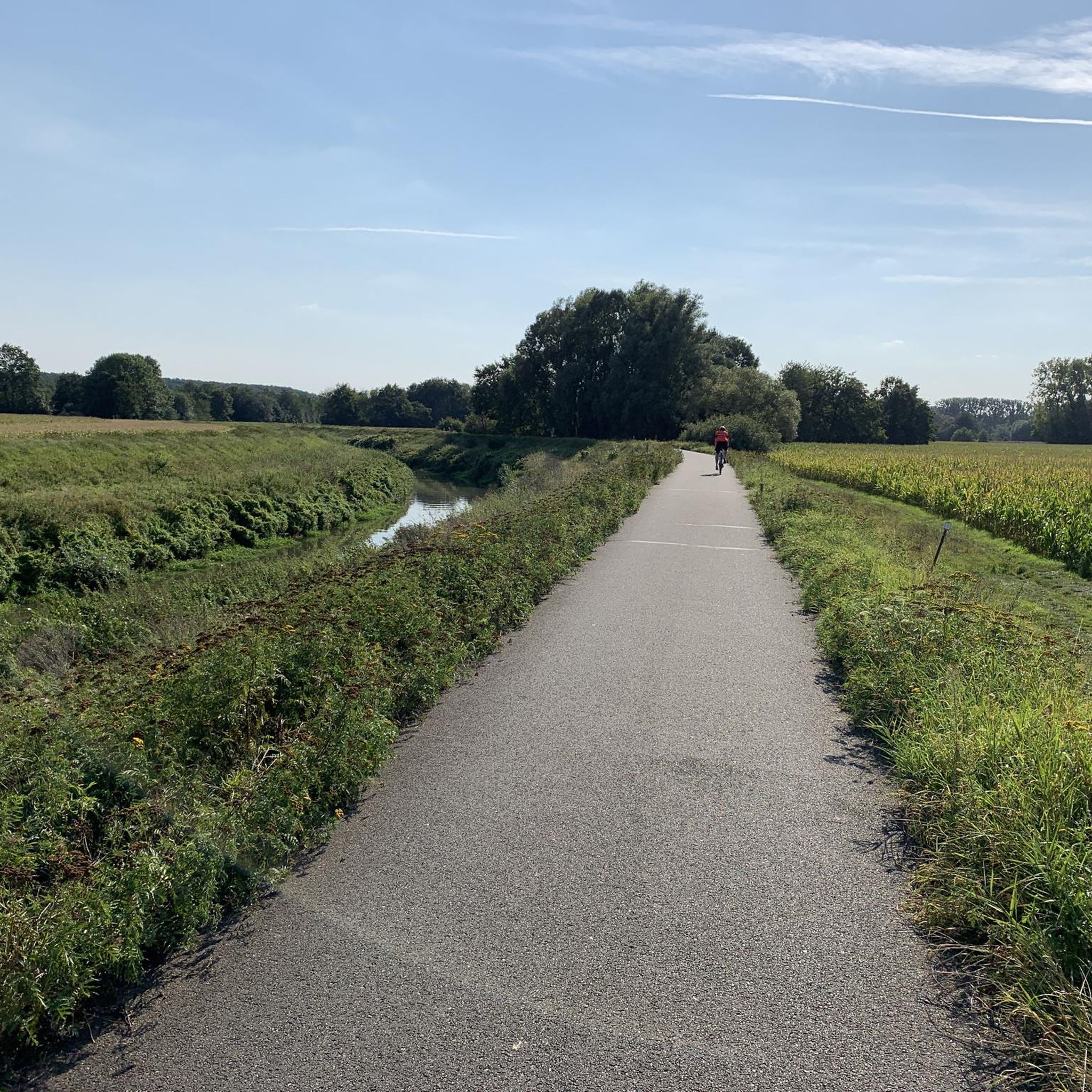
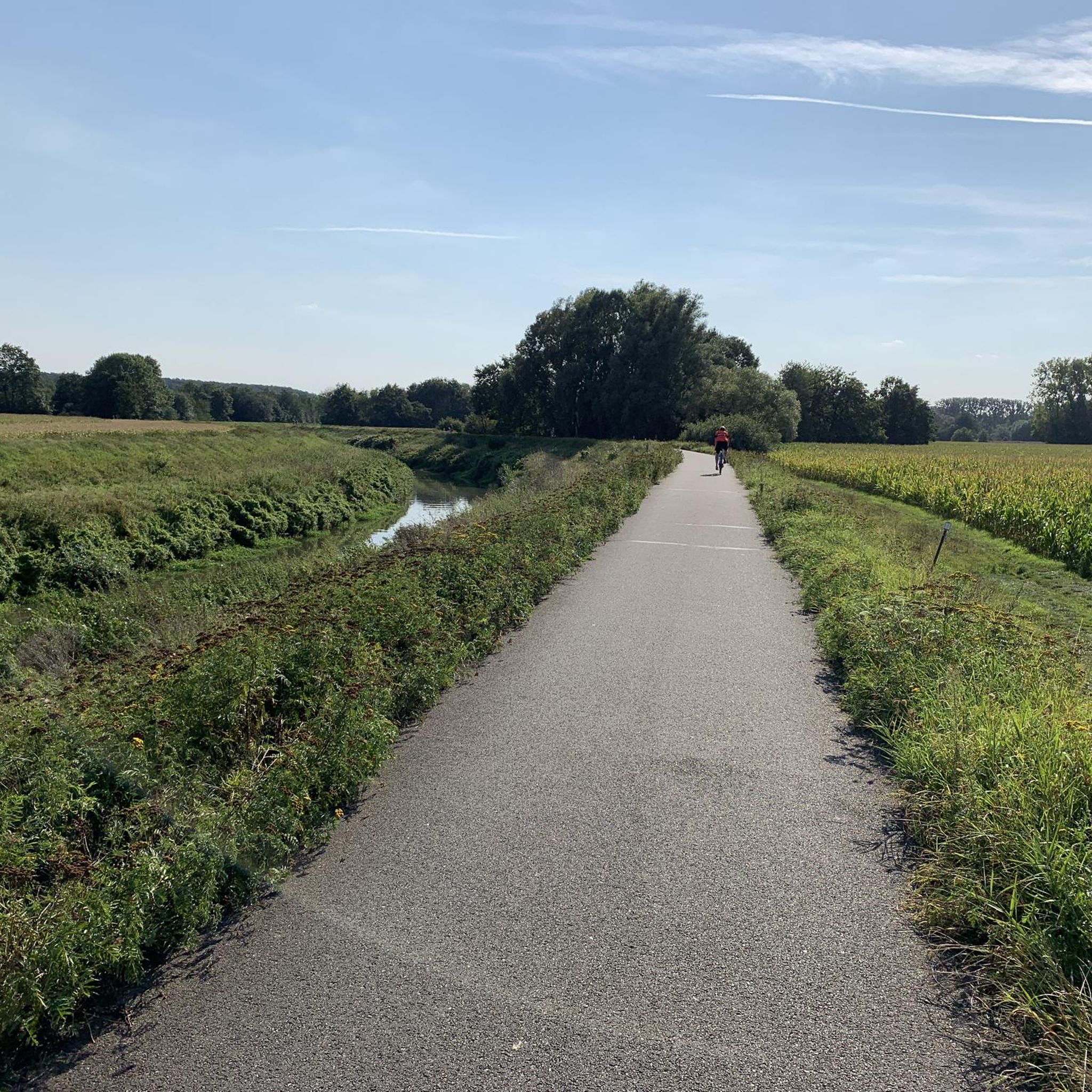
Very colorful in autumn...
4
0

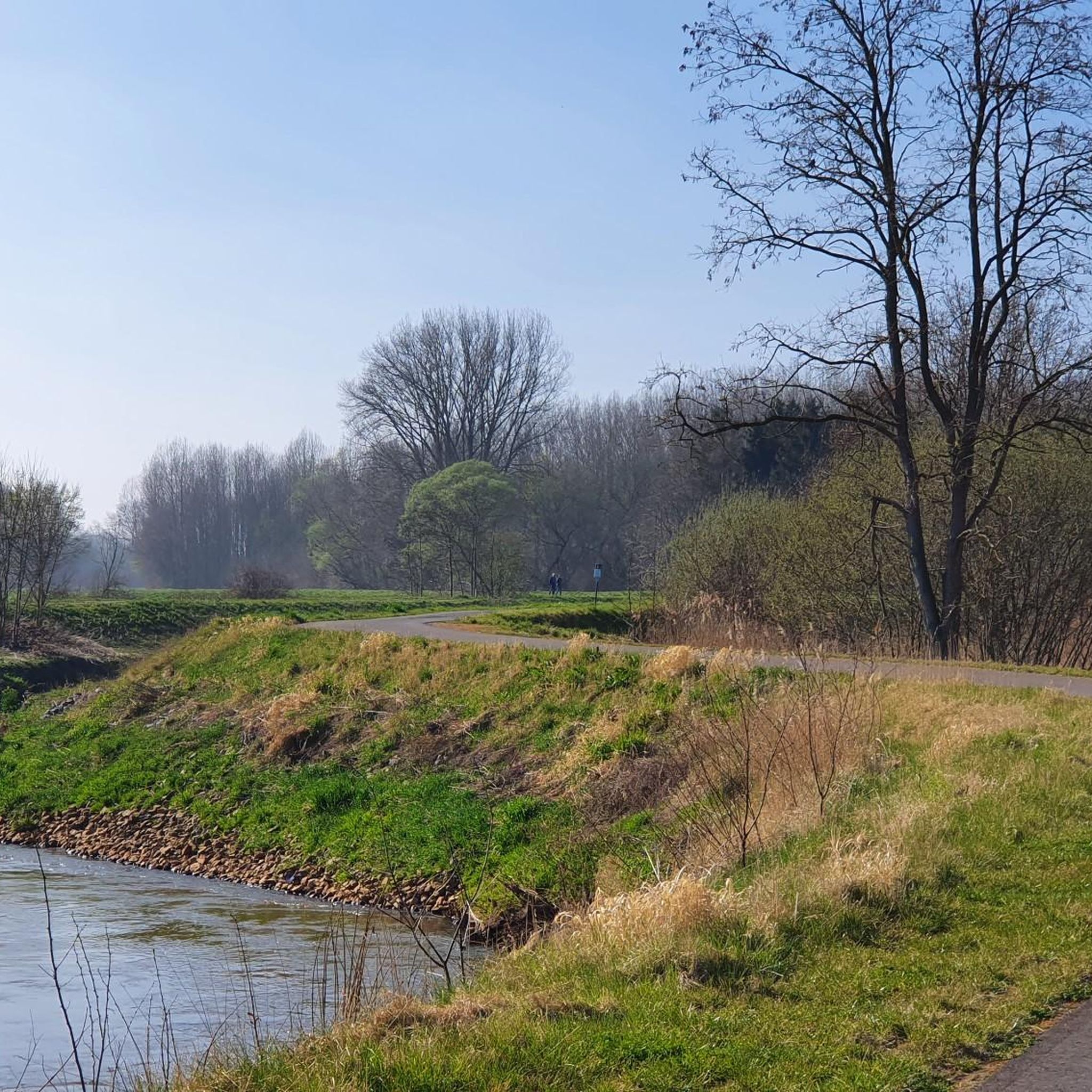
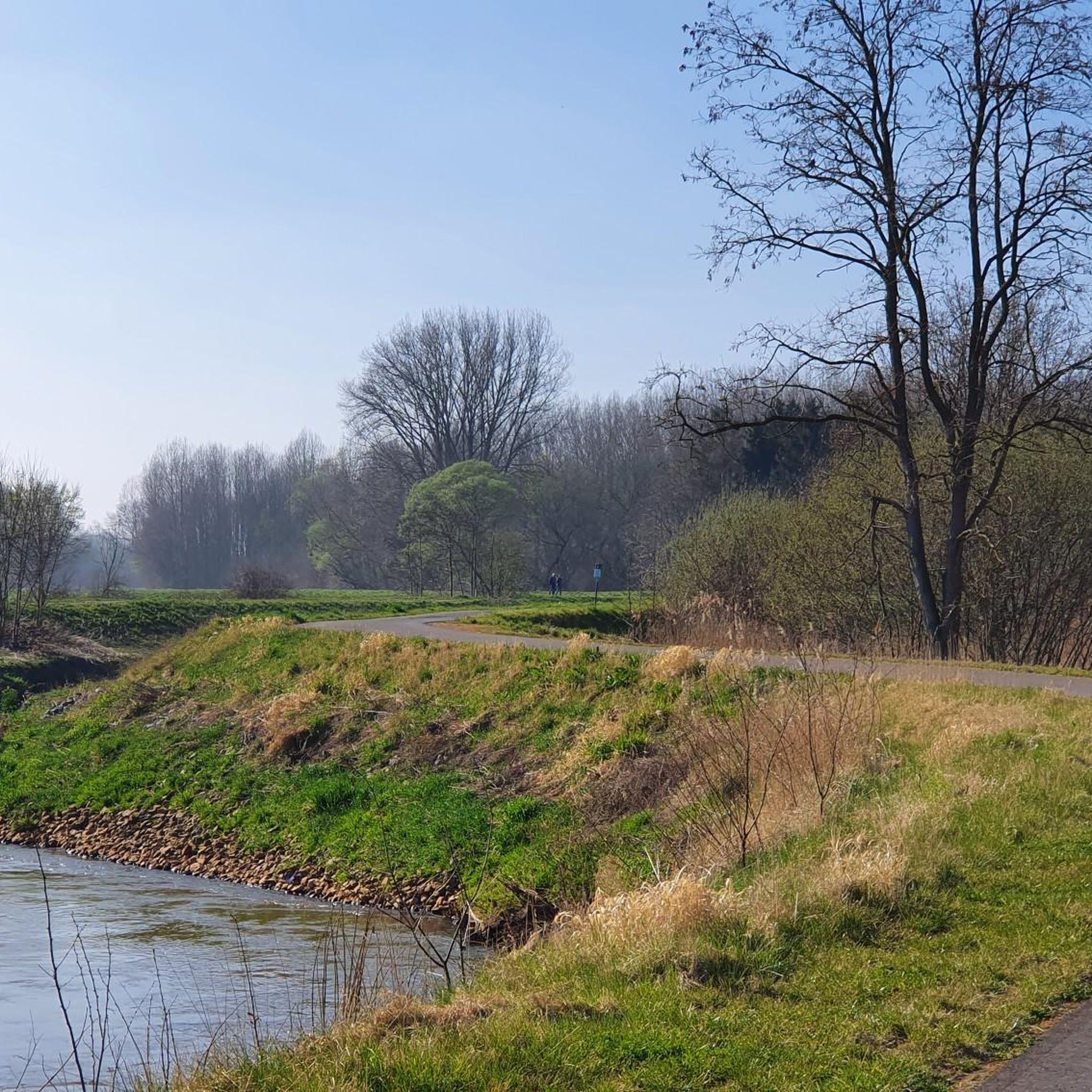
You see the mouth of the Demer
1
0
From one river to another...
9
0

The core of Horst Castle probably dates back to the 13th century and is characterised by a square keep. The keep probably belonged to the oldest core that was further expanded into a fortified castle in the 15th century. During the troubles under Maximilian of Austria in 1489, the castle of Horst was taken by the people of Leuven and set on fire. According to literary sources, only the keep, part of the entrance gate and a defensive wall remained standing. The residential and east wing were renovated and expanded in the 16th century. The round tower also dates from this period. The outer wall was provided with a rectangular bay window. The castle lost its military character and became more of a pleasant residential area with a view of the moat, the ponds and the inner courtyard. Brick construction with sandstone layers characterise these buildings. In 1587, however, the castle was set on fire again during the raids of the Geuzen. It was not until the beginning of the 17th century that restoration work began. It is difficult to deduce from the available sources to what extent this involved restoration or an embellishing conversion of the castle complex. Presumably nothing changed in the internal structure, but only after the structurally necessary repairs were the interiors completely refinished. Maria-Anna Van den Tympel had a new chapel built against the keep in the 17th century. At the beginning of the 19th century, the complex must have been damaged by plundering and neglect, and it is possible that it also suffered from plundering during the Brabant Revolution of 1830. Around 1850, the castle must have been habitable again, but the castle buildings only served as a farm. In the land registry, the site around the castle is called "De Notelaren Boomgaerd". Around that time, the most dilapidated part must have been demolished, namely the southern part and the superstructure of the gate. The rest of the complex was probably restored with reused demolition material and in traditional style. The castle was divided in 1880, with one part being registered as a school house. In 1897, a further division followed, with two plots being designated as houses. Several restoration campaigns followed in the 20th century. Inventory of Immovable Heritage: Horst Castle, https://id.erfgoed.net/erfgoedobjecten/43619
6
0
Since December, there has been a spire on the castle again after the unstable spire was removed more than four years ago and could be viewed on a wooden platform in the pond. Now it is back. And the other works are also progressing quickly. More about the replaced spire on https://www.vrt.be/vrtnws/nl/2024/12/10/torenspits-staat-weer-op-kasteel-van-horst-holsbeek/
6
0

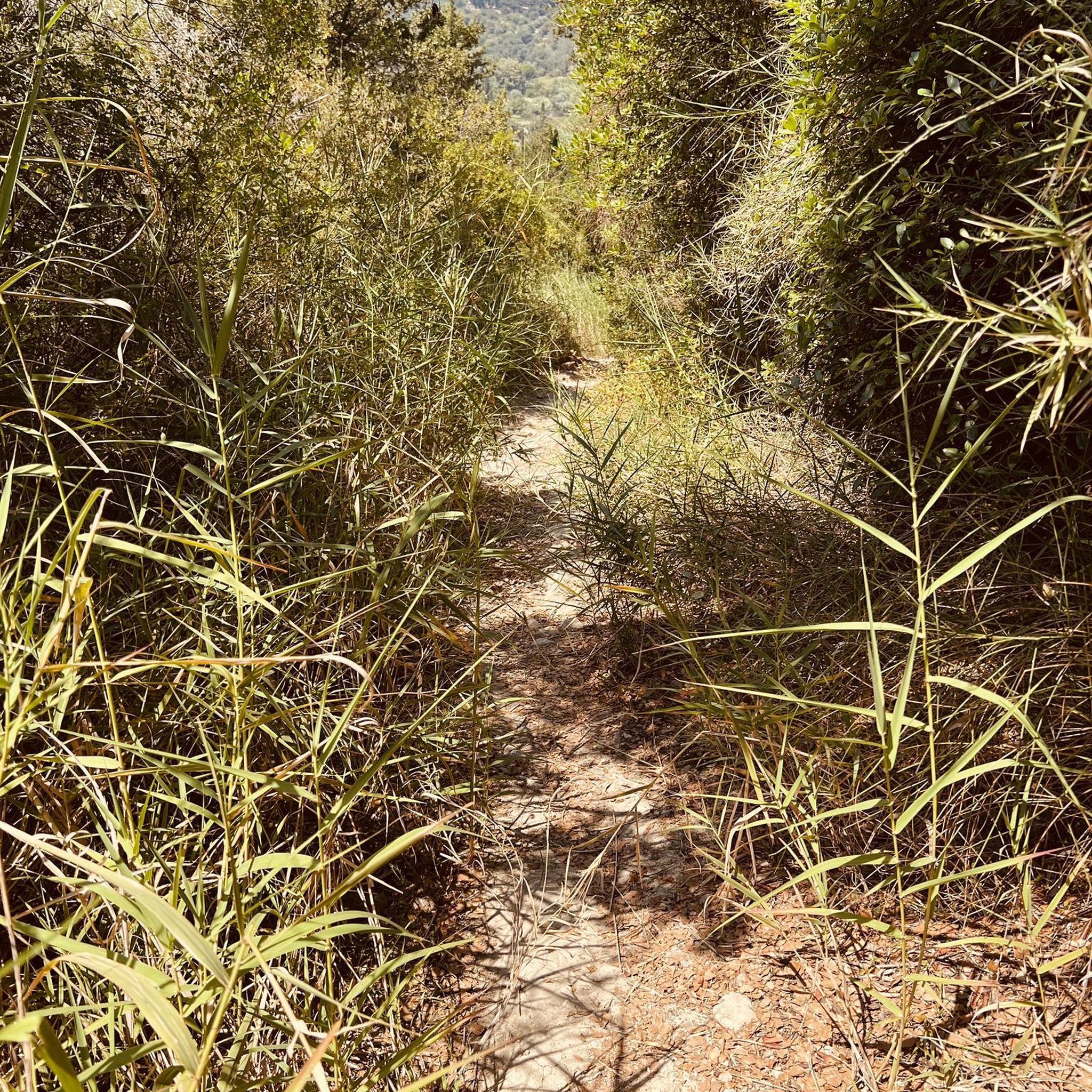
Very nice area for walking, sometimes challenging.
2
0

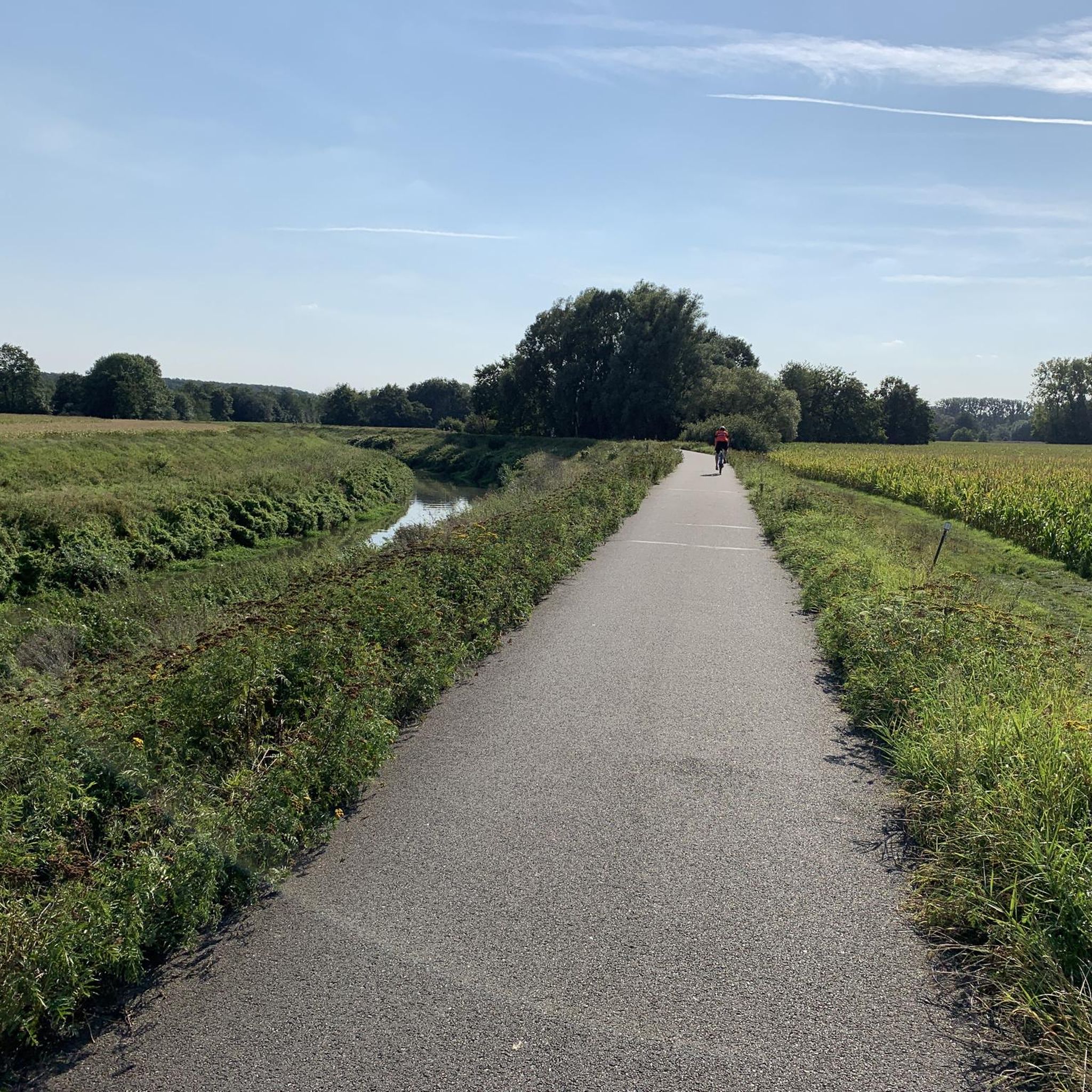
For those who have traded in their horse for a steel steed. Information boards and such on site.
5
0
Frequently Asked Questions
What are some unique natural features to explore around Begijnendijk?
Beyond the well-known spots, Begijnendijk offers diverse natural features. You can explore the extensive marshlands of De Meren, which extend towards Tremelo and feature unique coppice and oak forests. Another interesting area is Papendel, a peat bog known for hundreds of spotted orchids and broad-leaved helleborines in summer, along with a rich diversity of mosses and lichens.
Are there family-friendly natural monuments in the Begijnendijk area?
Yes, several natural monuments are suitable for families. Horst Castle is a great option, offering a historical site with a large pond. The Recreabos Bieheide is specifically designed for recreation, featuring a play forest area for children and a nature education path. The Antitank Canal Haacht and the Confluence of the Demer and the Dijle are also listed as family-friendly, offering opportunities for walks and cycling.
Where can I find good viewpoints or scenic spots among the natural monuments?
For panoramic views, the restored mill ruin at Molenberg has been converted into a viewing tower, offering vistas over Betekom village. The Vineyard on the Wijngaardberg also provides beautiful views, especially when strolling through its orchards. Additionally, the Wijngaardberg Nature Reserve offers scenic spots with its preserved iron sandstone hills and forest.
What kind of wildlife can I observe in the natural areas of Begijnendijk?
The natural areas around Begijnendijk are rich in wildlife. In Demerbeemden, you might spot waterfowl and amphibians, and it's known for beavers and storks. Molenberg is home to wall ferns, barn owls, and falcons. Palingspot is a habitat for the rare brown argus butterfly. In Rogaarden, visitors might encounter roe deer or hares.
Are there hiking trails available near the natural monuments?
Yes, Begijnendijk offers numerous hiking opportunities. You can explore Demerbeemden via the Beemdenwandeling (meadow walk) and the Pelgrimsroute. The Vuurvlinderwandeling guides visitors through Papendel's large pool and reed beds. For more hiking options, you can find various routes in the Hiking around Begijnendijk guide, including the 'Meetshovenwandeling' and the 'Papendel Boardwalk loop'.
What are the best times of year to visit the natural monuments in Begijnendijk?
The natural monuments in Begijnendijk offer different attractions throughout the year. Spring and summer are ideal for observing flora, such as the spotted orchids in Papendel. The Vineyard on the Wijngaardberg is beautiful in every season, with visitors particularly enjoying it during blossom time. Autumn brings vibrant colors to the forests, while winter offers quiet walks, especially in areas like De Meren or Rogaarden.
Are there any natural monuments with historical significance in the region?
Absolutely. Horst Castle is an idyllic moated castle from the 13th century, offering a blend of history and natural beauty. The ruin of a 14th-century mill at Molenberg, now a viewing tower, also provides a historical context. Additionally, the Iron sandstone formations on the Wijngaardberg are considered a natural monument due to their geological significance and history of mining.
Can I find natural monuments that are accessible for wheelchairs or buggies?
While many natural areas involve unpaved paths, Horst Castle is listed as wheelchair accessible, though some parts of the castle itself might be difficult. The Recreabos Bieheide, designed for recreation, likely offers more accessible infrastructure for walkers and cyclists, including those with buggies. It's always advisable to check specific trail conditions before visiting.
Are there options for cycling near the natural monuments?
Yes, cycling is a popular activity in the region. The old tram bed through Palingspot is now a nature cycling path. The Recreabos Bieheide connects to the Hageland cycling network. You can also find various routes in the Gravel biking around Begijnendijk guide, such as the 'Demervallei – Demerbroekstraat Path loop', and the Confluence of the Demer and the Dijle is a great starting point for cycling along the Demer or Dijle rivers.
Are dogs allowed at the natural monuments around Begijnendijk?
Dogs are generally welcome in many outdoor natural areas, but specific rules may apply. For instance, dogs are allowed on the grounds of Horst Castle but not inside the castle itself. The Antitank Canal Haacht is also listed as dog-friendly. It's always best to keep dogs on a leash and respect local signage in nature reserves.
What are some lesser-known natural gems in Begijnendijk worth exploring?
For those looking for less crowded spots, Rogaarden is a 9-hectare area showcasing nature's resilience with young and old forest stands, flower-rich hay meadows, and pools, demonstrating natural recovery after its past use. Palingspot, though fragmented, offers unique natural beauty and the chance to spot the rare brown argus butterfly, making it a hidden gem for nature enthusiasts.
Most popular routes around Begijnendijk
Most popular attractions around Begijnendijk

Get inspired with the komoot mobile app


Explore more
Extend your search for the best caves by checking out these guides of the top ones around Begijnendijk:
