Top 20 Natural Monuments around Herk-De-Stad
Best natural monuments around Herk-De-Stad are characterized by gentle rolling hills, agricultural fields, and the confluence of the Herk, Demer, and Gete rivers. The region features significant and biodiverse nature reserves, offering ecological value and recreational opportunities. These areas provide diverse wetland ecosystems and tranquil settings for nature observation. Visitors can explore numerous walking and cycling routes through these natural landscapes.
Best natural monuments around Herk-De-Stad
- The most popular natural monuments is De Platwijers-Wijvenheide Nature Reserve, a nature reserve…
Last updated: June 28, 2026
De Platwijers-Wijvenheide Nature Reserve
Highlight • Lake
Translated by Google •
Tip by

Herkenrode Abbey Site
Highlight • Historical Site
Translated by Google •
Tip by

Sign up now to discover places like this
Get recommendations on the best single tracks, peaks, & plenty of other exciting outdoor places.
Sign up for free
Black Brook
Highlight • River
In Halen she squeezes …
Translated by Google •
Tip by

Lake Het Vinne
Highlight • Lake
Translated by Google •
Tip by

Bolderberg Nature Reserve
Highlight • Natural Monument
Translated by Google •
Tip by

Sign up for free to discover even more natural monuments around Herk-De-Stad.
Sign up for free
Already have an account?
Start today with a free account
Your next adventure awaits.
Login or Signup
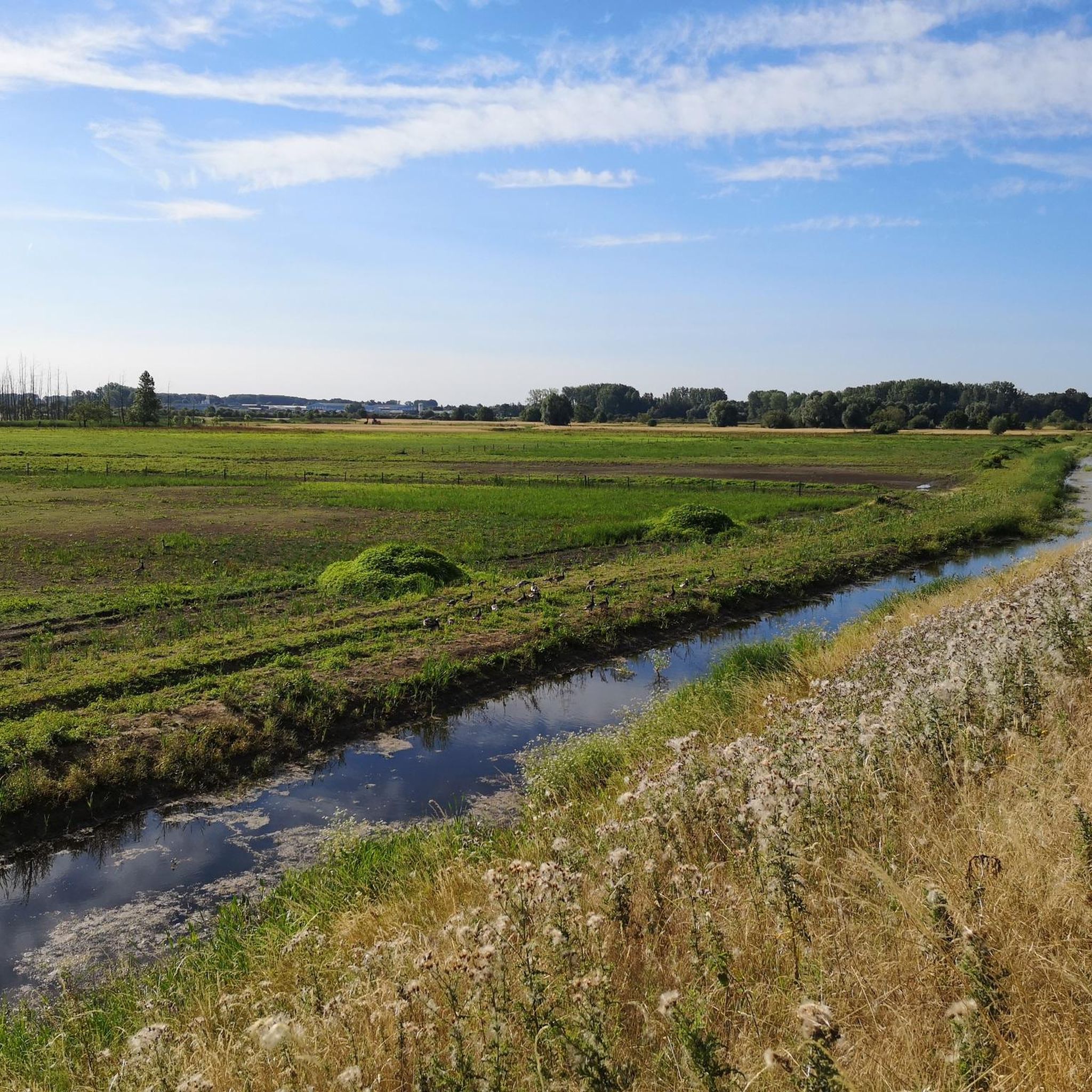
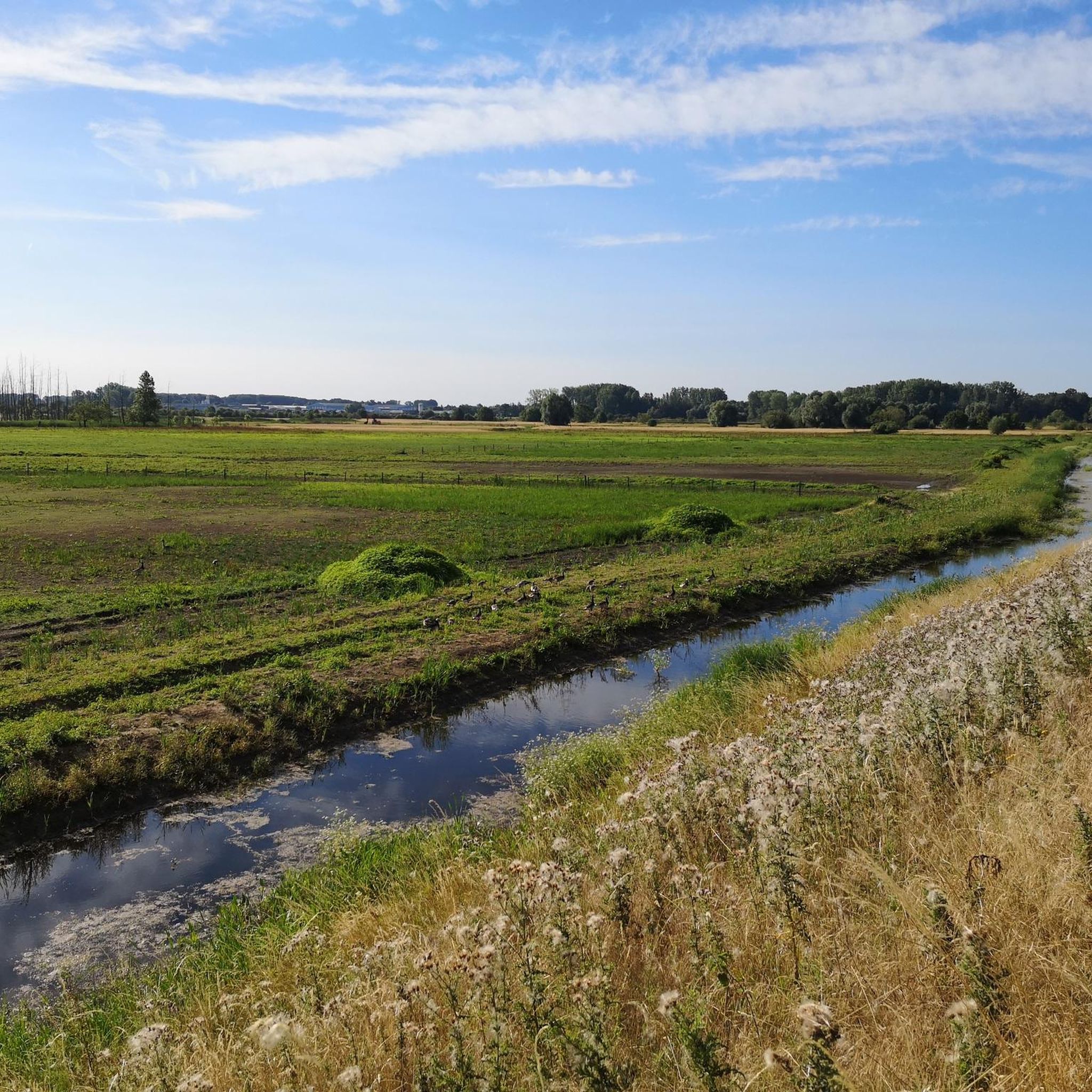
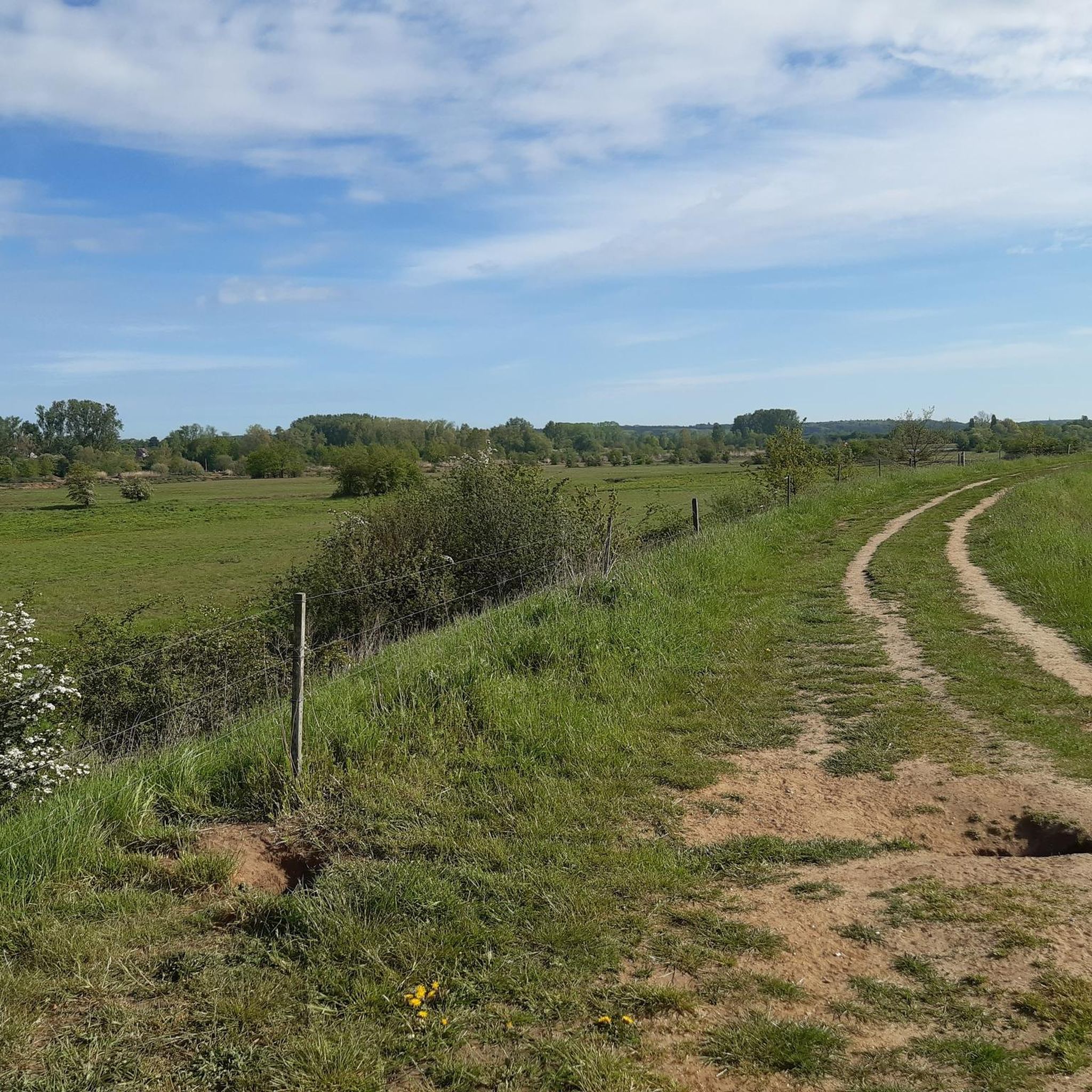
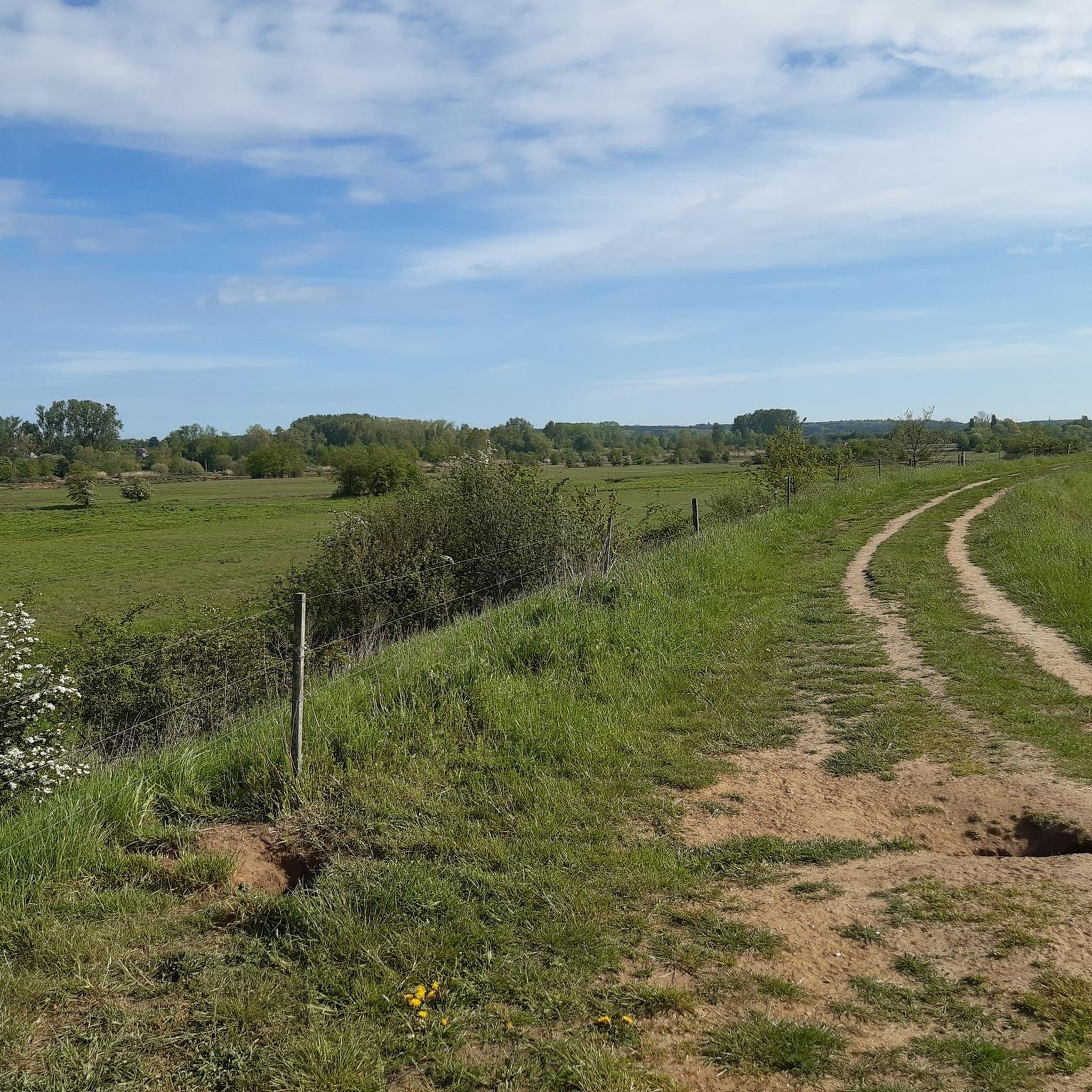

Tips from the Community

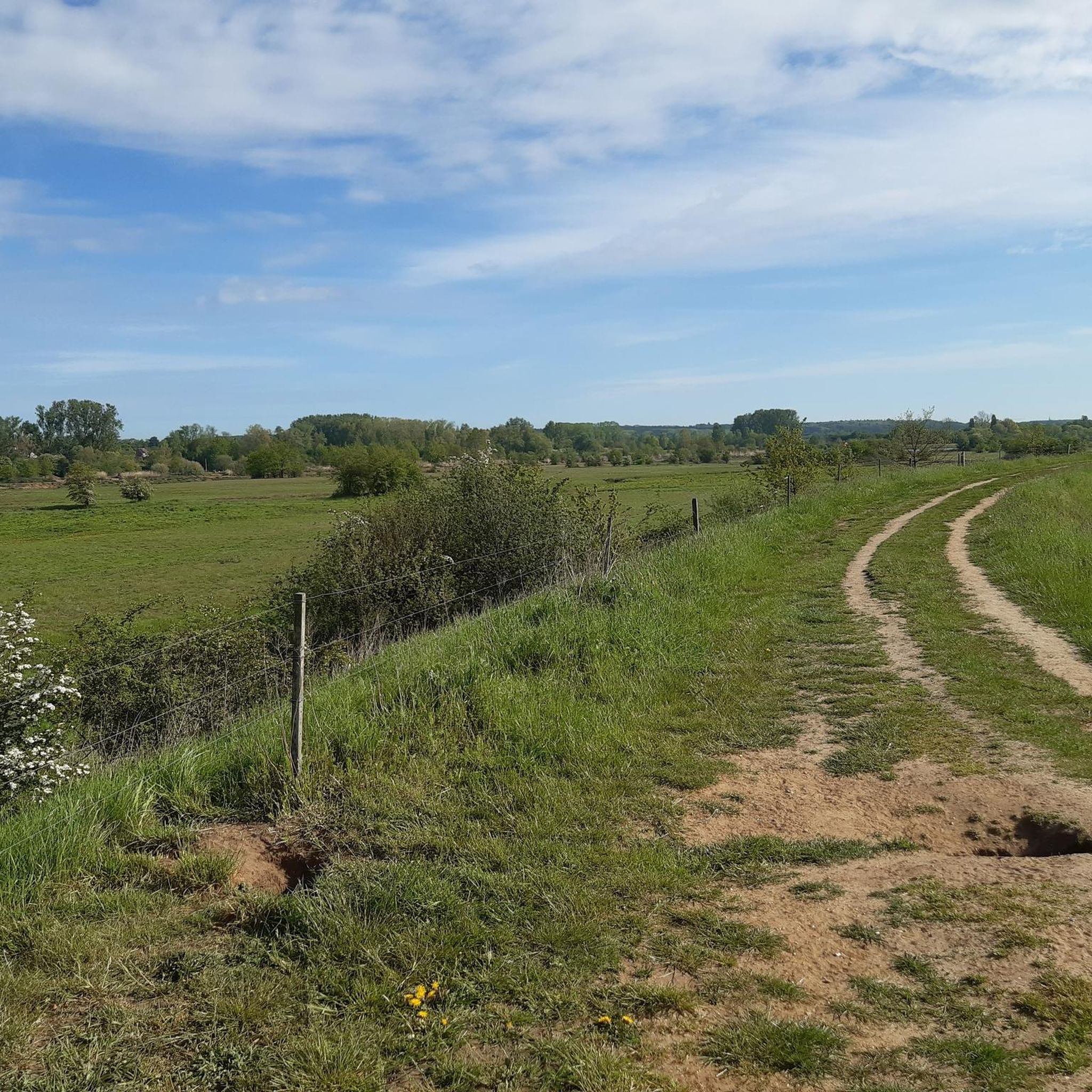
Very relaxing, beautiful well-maintained paths.
0
0

Witness hill The Bolderberg and especially its origins were the subject of heated discussions within the geological community for more than a hundred years, but its geological history is now well known. Today, this hill is the reference or type location for what is known in stratigraphy (the study of the succession of the earth's layers) as the Bolderberg Formation. It consists of yellow to white very fine sand, mainly composed of quartz grains. When the sun reflects in the sand, thin flakes, mica sheets, light up. Fossil shells also occur in the sand in various places. All these sediments were deposited in a shallow sea about 20 million years ago. The first descriptions of the geological structure of the Bolderberg date from the second half of the 19th century. André Dumont Sr., the author of the first detailed geological map of Belgium, defined his Système Boldérien there. The bulk of the hill belongs to this Système Boldérien or the current Formation of Bolderberg. The top of the hill, separated from the underlying Sand of Bolderberg by a gravel of black and blue flint pebbles, is formed by the Sand of Diest. Typical for this 10 million year old sand package is the rusty brown color and the presence of iron sandstone banks, formerly frequently used as building stone in many important buildings. These iron sandstone banks are the weathering product of minuscule dark green round glauconite grains that occur in the sand. It is probably the cap of resistant rusty iron sandstone that has ensured that the underlying sand has not been washed away and the Bolderberg has remained as a witness hill. Source: https://www.hbvl.be/regio/limburg/heusden-zolder/de-bolderberg-belangrijk-limburgs-geologisch-erfgoed/32387063.html
6
0

The Herkenrode Abbey site is an interesting combination of culture, history, nature and an ideal starting point for walks.
10
0

Beautiful walking on these hilly sandy paths between the heath. 👌
4
1
The Bolderberg is a witness hill and nature reserve near the eponymous town of Bolderberg in the Belgian municipality of Heusden-Zolder. It is located near the Circuit Zolder, Domein Bovy and the nature reserves Waterlozen and Wijvenheide. The largest part of the hill - including the historic Kluis van Bolderberg - belongs to the private domain of Kasteel Vogelsanck. This part of the domain is accessible to the public. Another part is owned by Limburgs Landschap vzw and is managed as a nature reserve. This is a sub-area of the Laambeekvallei reserve and covers almost 70 ha. This reserve also includes the heathland on the Bolderberg known as the Gust Claesheide, named after the Bolderberg school principal Gust Claes (1927-1978), who did much to spread knowledge about and love for nature. At the bottom of the steeply sloping heathland, seepage emerges and one finds wet heathland and raised bog with, among other things, cotton grass, bog asphodel and bog myrtle. The tree frog also occurs there. From the Kluis one has a special view of the ponds in the depths and the castle of Terlaemen. (Wikipedia)
17
0
The main entrance to the abbey is located to the south of the complex. It is a late Gothic gatehouse, built in 1531 by order of Abbess Mechtildis of Lechy. There are two storeys under two intersecting slate saddle roofs with a spire with a pear-shaped crowning at the intersection, dated 1531 (coat of arms on the rear facade) and restored in 1907 (architect G. Rypens) and 1973. Inventory of Immovable Heritage: Herkenrode Abbey, https://id.erfgoed.net/erfgoedobjecten/22246
8
0
The Herkenrode abbey site is located in the Demer valley, in a transitional area between the Lage Kempen and Haspengouw, south of the village centre of Stokrooi (Hasselt). It is an extensive historical domain that dates back to the former abbey complex of the Cistercian nuns. To the north of the Demer are the meadows, to the south the old abbey with its appurtenances, the farmyard, the eastern castle park and the other, higher agricultural lands. In addition to unirrigated hay and pasture land, there were also large flood meadows here until the 20th century. The latter were supplied with water via the Tuilterdemer. The abbey was founded in 1182, when Geeraard, Count of Loon, donated his estate Herkenrode to a certain brother Henricus to build a monastery for women. In 1271 the monastic community joined the order of Cîteaux. It became a flourishing enterprise that over the years acquired numerous possessions. The religious purpose came to an end with the departure of the sisters in 1796. At the beginning of the 19th century, the new abbess wing, built in 1768 to the south of the old abbess quarters, was converted into a castle. In the same period, an English garden was laid out on the east side and a front garden on the west side. The 14th-century church burned down in 1826 and was demolished together with the monastery building and the convent buildings in 1843. The buildings and the surrounding grounds formed a single differentiated whole for a long time. Over time, however, they fell into the hands of different owners. In 1972, 11 ha of the former abbey site became the property of the canonesses of the Holy Sepulchre. The property includes the actual remaining abbey buildings with the sisters' quarters, the old abbess quarters, the sacristy, the infirmary, the 18th-century abbess wing and the adjoining landscaped park. Inventory of Immovable Heritage: Herkenrode Abbey Site, https://id.erfgoed.net/erfgoedobjecten/135252
10
0
At the end of June 2024, it was announced that architects Arnout Van Vaerenbergh and Pieter-Jan Gijs will resurrect the church and other disappeared buildings on the Herkenrode site. Not quite as fully-fledged buildings, but with the interplay of lines that they are known for and that many have already seen in their see-through church in Borgloon. It should bring the total experience of Herkenrode more closely into line with historical reality and should work perfectly with the buildings that are still there today, making Herkenrode already a tourist attraction. This should be ready in 2026 and you can discover more about it at https://www.vrt.be/vrtnws/nl/2024/06/27/clausura-herkenrode/
11
0
Frequently Asked Questions
What kind of natural monuments can I expect to find around Herk-De-Stad?
Herk-De-Stad is characterized by gentle rolling hills, agricultural fields, and river confluences. The region's natural monuments are primarily significant and biodiverse nature reserves, offering extensive wetlands, rich birdlife, and tranquil landscapes rather than dramatic geological formations. You'll find areas like the De Platwijers-Wijvenheide Nature Reserve and Schulensbroek Nature Reserve.
Are there significant nature reserves to visit near Herk-De-Stad?
Yes, two prominent nature reserves are De Platwijers-Wijvenheide Nature Reserve and Schulensbroek Nature Reserve. De Platwijers-Wijvenheide is known for its extensive fish farming ponds and meadows, forming the heart of the largest contiguous pond area in the Benelux. Schulensbroek is a unique polder landscape with wet grasslands and reed beds, recognized for its high ecological quality as part of the European Natura 2000 network.
What makes De Platwijers-Wijvenheide Nature Reserve special?
De Platwijers-Wijvenheide Nature Reserve is a 200-hectare area renowned for its rich birdlife, making it a paradise for birdwatchers. It consists mainly of fish farming ponds and meadows, providing a habitat for various rare creatures. Visitors can explore numerous walking and cycling routes, bird-watching huts, and an observation tower that offers panoramic views over the hundreds of ponds.
What can I see at Schulensbroek Nature Reserve?
Schulensbroek Nature Reserve is a 200-hectare area primarily consisting of wet grasslands, ditches, reed beds, and pollard willows. It is exceptionally rich in bird species, with over 250 different types observed, including marsh harriers and great egrets. It's also a vital breeding ground for meadow birds. The reserve offers various marked walking routes, and the Schulensmeer (Schulen Lake) is also part of this area.
Are there any historical sites with natural surroundings in the area?
Yes, the Herkenrode Abbey Site is an over 800-year-old historical site with restored buildings and a surrounding nature reserve. It features a botanical garden with over 500 different plant species, offering a blend of history and natural beauty.
What kind of wildlife can I observe in the natural areas around Herk-De-Stad?
The natural areas, especially De Platwijers-Wijvenheide Nature Reserve and Schulensbroek Nature Reserve, are excellent for birdwatching. You can spot a wide array of bird species, including herons, tree frogs, bitterns, marsh harriers, ospreys, great egrets, and whooper swans. These wetlands are crucial breeding and resting grounds for many species.
Are there any scenic viewpoints in the Herk-De-Stad area?
Yes, you can find a beautiful panoramic view from the top of the Bolderberg. At 60m, it's one of the highest points in Limburg, offering vistas over ponds and a nearby castle. It's a great spot to sit and enjoy the scenery on a clear day.
Are the natural monuments around Herk-De-Stad suitable for families?
Many natural areas are family-friendly. For instance, De Platwijers-Wijvenheide Nature Reserve and Herkenrode Abbey Site are categorized as family-friendly. Lake Het Vinne also offers a playground, play forest, sensory experience path, and adventurous hiking trails, making it ideal for families.
Are there accessible options for visitors with mobility challenges?
Yes, Lake Het Vinne is noted as wheelchair accessible. The provincial domain offers a range of possibilities for walking and discovering nature, and they even provide two all-terrain wheelchairs and slings free of charge to visitors.
What is the best time of year to visit the natural areas around Herk-De-Stad?
The natural areas around Herk-De-Stad, particularly the nature reserves, are beautiful year-round. Spring and autumn are ideal for birdwatching due to migration periods. The mild weather in spring and summer makes it pleasant for walking and cycling, while autumn offers colorful foliage. Even in winter, the tranquil landscapes and specific bird species can be enjoyed.
What outdoor activities can I do near the natural monuments?
The region offers a variety of outdoor activities. You can find numerous road cycling routes, mountain biking trails, and running trails. For example, there are several road cycling loops around Schulensmeer, and MTB trails like 'The Thousand-Year-Old Oak' loop. You can explore more options on the dedicated guides for Road Cycling Routes, MTB Trails, and Running Trails around Herk-De-Stad.
Are there hiking trails near these natural monuments?
Yes, both De Platwijers-Wijvenheide Nature Reserve and Schulensbroek Nature Reserve offer various marked walking and cycling routes. The orange route through Wijvenheide, for instance, allows you to explore the history of fish farming and observe birdlife. Schulensbroek also has multiple walking routes, with a visitor center providing information and maps. You can find more running and walking routes in the Running Trails around Herk-De-Stad guide.
What do visitors particularly enjoy about the natural monuments here?
Visitors appreciate the rich biodiversity, especially the abundance of birdlife in the wetland areas like De Platwijers-Wijvenheide Nature Reserve. The well-maintained hiking and cycling paths, along with observation towers, enhance the experience. The tranquil settings of areas like Schulensbroek and the unique blend of history and nature at Herkenrode Abbey Site are also highly valued.
Most popular routes around Herk-De-Stad
Most popular attractions around Herk-De-Stad

Get inspired with the komoot mobile app


Explore more
Extend your search for the best caves by checking out these guides of the top ones around Herk-De-Stad:
