Top 20 Natural Monuments around Middelkerke
Best natural monuments around Middelkerke showcase the diverse natural landscapes of the Belgian coast. The region features a mix of coastal dunes, estuaries where fresh and saltwater meet, and protected nature reserves. These areas provide opportunities to experience unique ecosystems and geological formations. Middelkerke's natural environment is characterized by its coastal position and varied terrain.
Best natural monuments around Middelkerke
- The most popular natural monument is View from the Hoge Blekker, a viewpoint that offers panoramic views from the…
Last updated: May 17, 2026
Yser Estuary, Nieuwpoort
Highlight • River
Translated by Google •
Tip by

De Doornpanne
Highlight • Natural
Translated by Google •
Tip by
Sign up now to discover places like this
Get recommendations on the best single tracks, peaks, & plenty of other exciting outdoor places.
Sign up for free
Shrimp Fishermen on Horseback at Oostduinkerke Beach
Highlight • Beach
Translated by Google •
Tip by

View from the Hoge Blekker
Highlight • Viewpoint
Translated by Google •
Tip by
Zeebermduinen
Highlight • Natural
Translated by Google •
Tip by

Sign up for free to discover even more natural monuments around Middelkerke.
Sign up for free
Already have an account?
Start today with a free account
Your next adventure awaits.
Login or Signup

Tips from the Community

a wonderful place to study the Germans' defense against the rest of the world and also to see Prince Charles's house
0
0

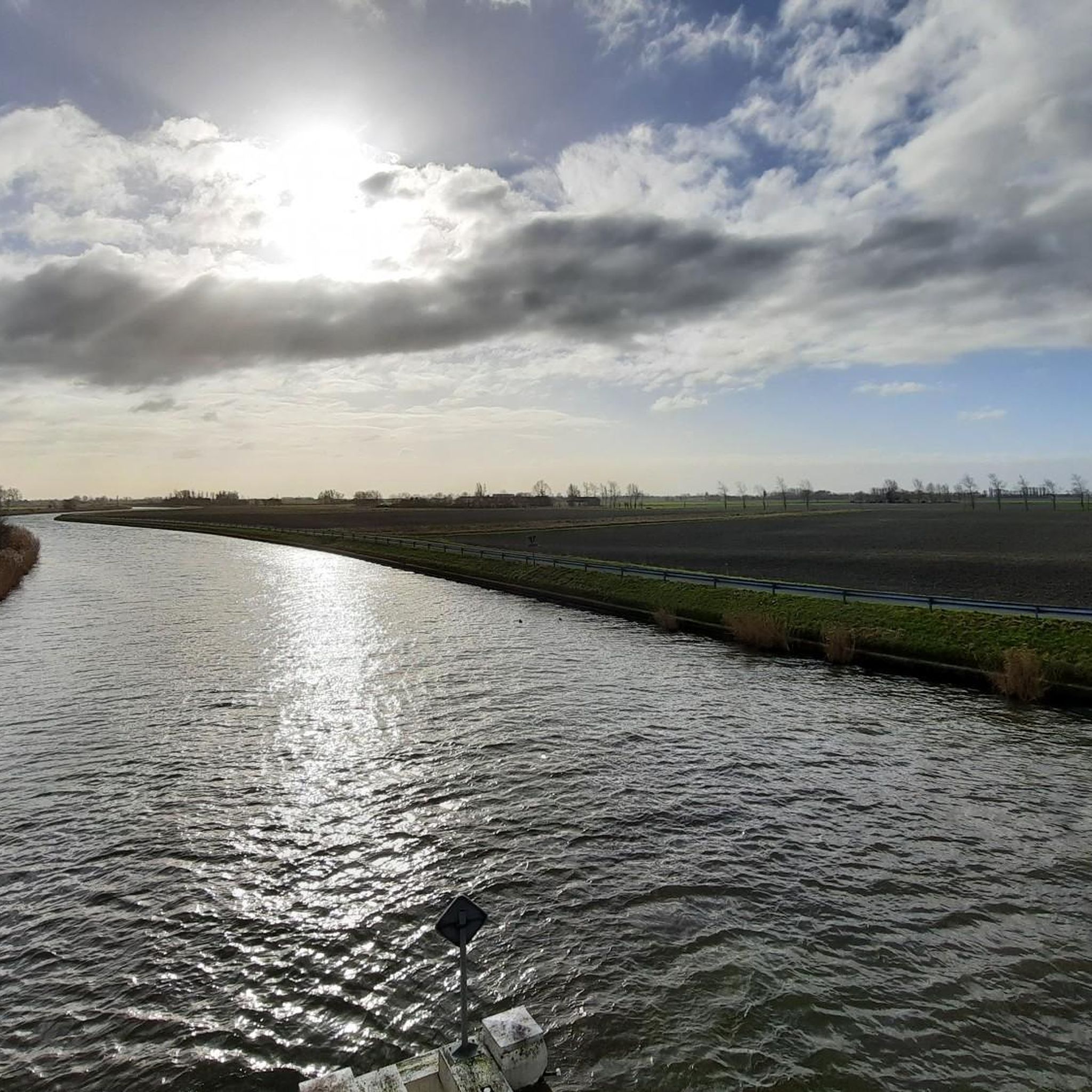
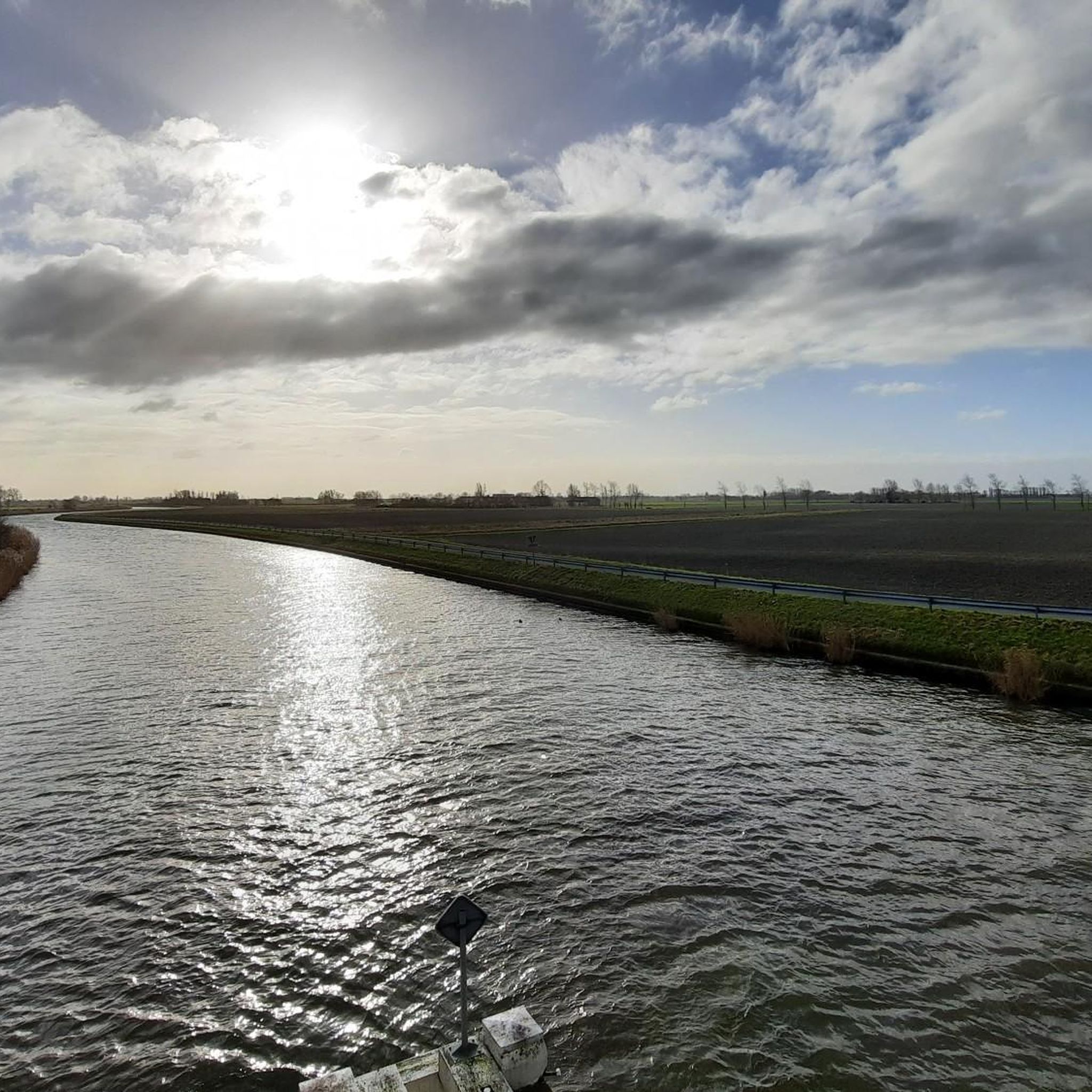
The Yser is historically important because of the role it played during the First World War. The river formed a natural defense line and was the scene of fierce fighting. Today, you can find various monuments and memorials along the Yser that commemorate this period, such as the Yser Monument at the Ganzepoot. Here on the left bank of the Yser estuary, the cycle route "cycling along the front line of the First World War" also begins. (Nieuwpoort - Bazel)
5
0

Welcome to De Hoge Blekker, with its 33 meters the highest dune in the entire Flemish coastal region. A striking appearance and an impressive eye-catcher. The dune used to be a fixed navigation point for sailors. From a distance they could see the white back as a kind of 'flash' ('bleach' is the local dialect for 'flash'). The Hoge Blekker is a drifting dune that has covered some distances over time. The dune now covers an area of approximately 33 hectares. Enough room for a picnic stop!
4
0

Wonderful location to discover the hidden remains of the Atlantic Wall.
7
0
The Zeebermduinen are valuable as a nature reserve because they are directly connected to the sea. A zone of 25 hectares is protected as a nature reserve and that is slightly more than half of the area (45 ha.). A beautiful sample of the outer dune landscape unfolds between the beach and the Albert I-laan. From the high-water line, embryonic dunes can develop on the dry beach. Moss dunes form a continuous slope with shades of bright green. Source: https://www.visitkoksijde.be/nl/zeebermduinen
6
0

Nice to walk through. Apply good sunscreen and put on a cap or summer hat.
7
1
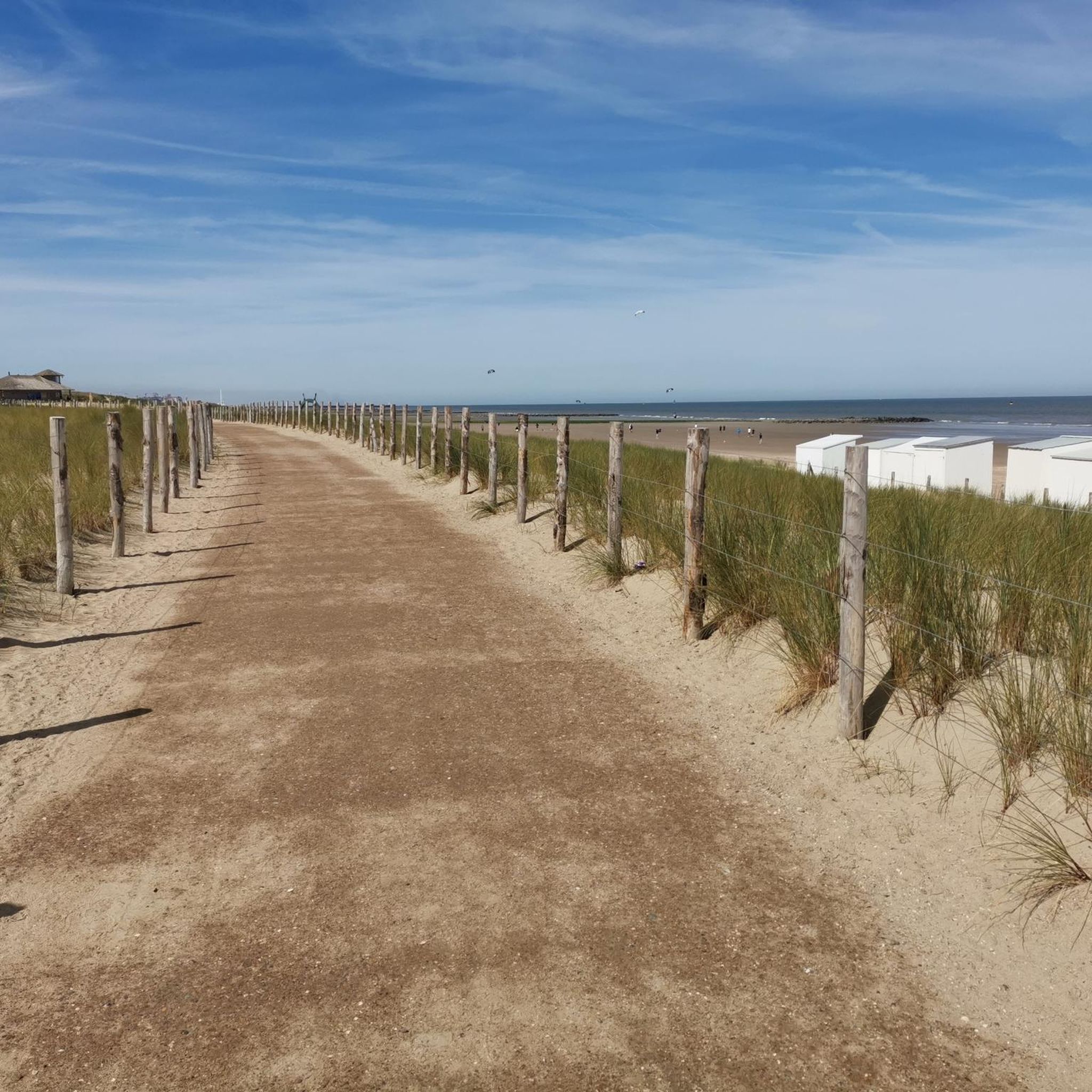
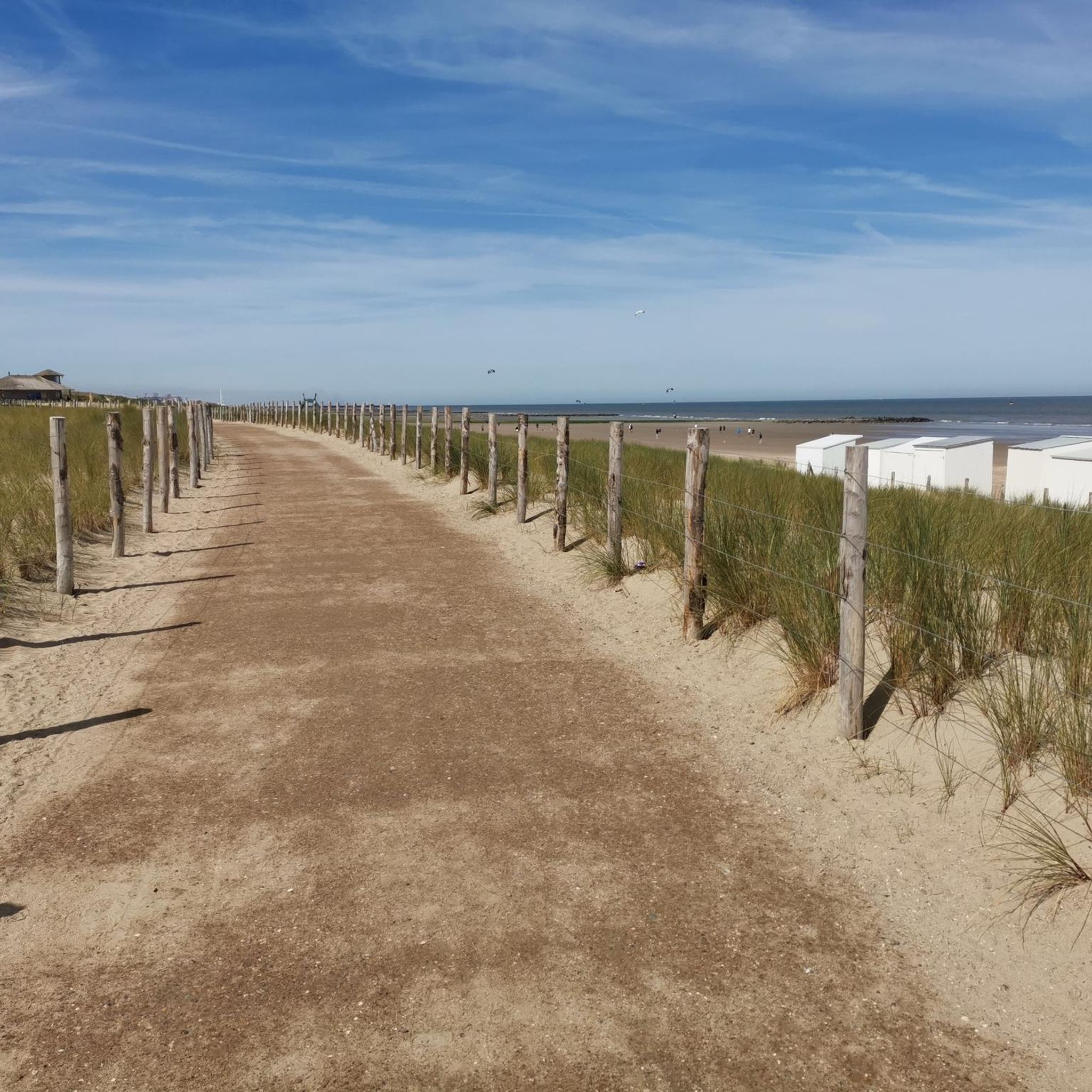
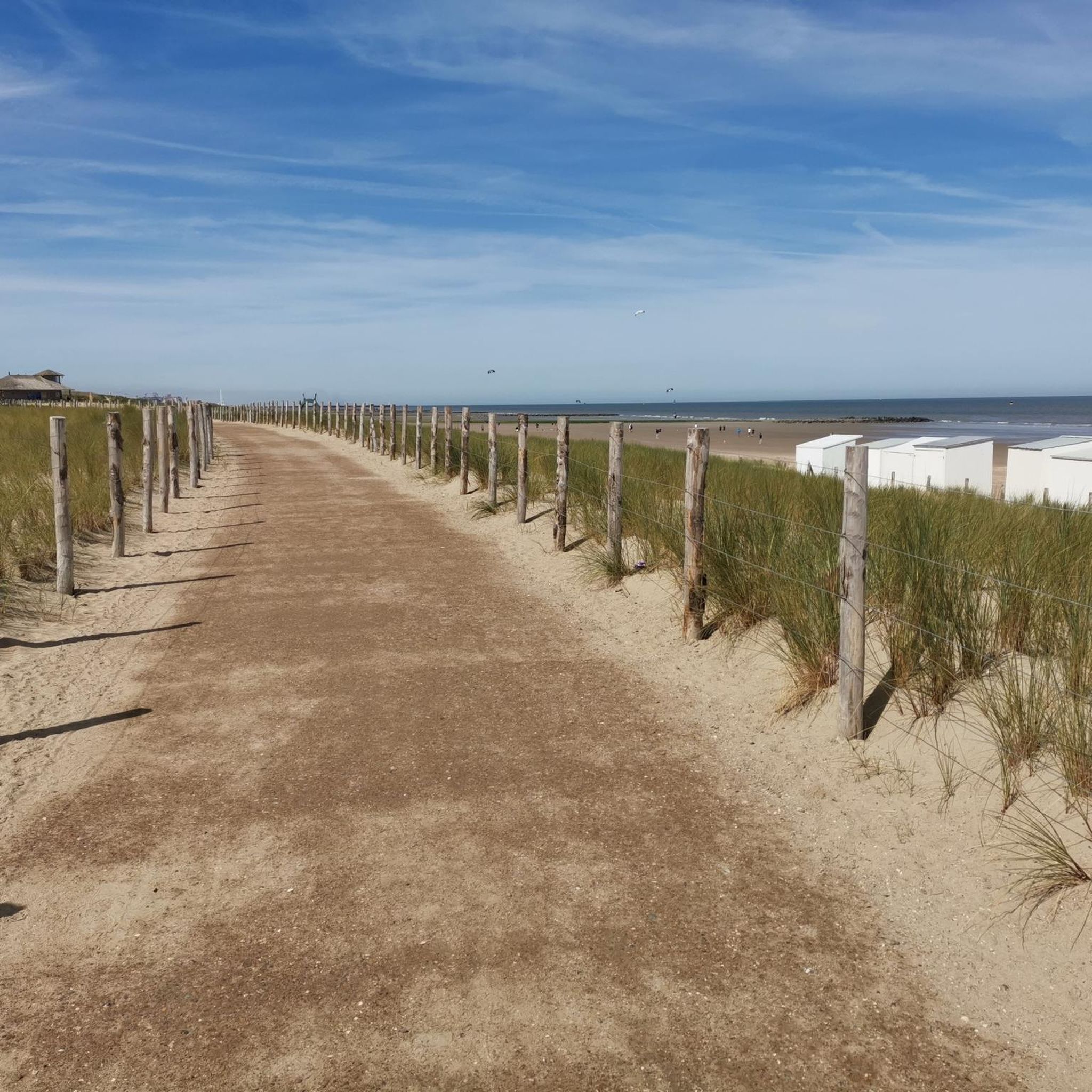
Beautiful semi-paved walking path that goes through De Doornpanne. Every season is colored differently here. With a bit of luck, donkeys or ponies will come to greet you.
9
0
At 33 meters above sea level, the Hoge Blekker, the dune that gave its name to the domain, is not only the highest dune (ridge) on our Flemish coast, but also a beautiful nature reserve, covering approximately 18 hectares. Blekker or Blinkaart is the common name for a bare dune hill that reflects sunlight (bleaching or shining). It was a permanent beacon for sailors who saw its white crown shining from afar ('bleaching' in the local dialect). At the origin of the Hoge Blekker and the adjacent dune massif are parabolic dunes that formed between the 16th and 19th centuries.
10
1
Frequently Asked Questions
What are some of the most popular natural monuments to explore around Middelkerke?
Visitors frequently enjoy the panoramic views from View from the Hoge Blekker, which is the highest dune on the Flemish coast. Another highly appreciated spot is the Yser Estuary, Nieuwpoort, a unique biotope where fresh and saltwater meet, offering rich flora and fauna.
Are there family-friendly natural monuments in the Middelkerke area?
Yes, several natural monuments are suitable for families. De Doornpanne is a large dune area with varied landscapes, perfect for exploration. The Yser Estuary, Nieuwpoort also features extensive cycling and hiking trails that families can enjoy. Additionally, Normandpark Middelkerke, located centrally, offers a large playground and cozy seating areas.
What unique natural features can I expect to see in the natural monuments near Middelkerke?
You can observe diverse natural features, including coastal dunes like the Hoge Blekker and the Warande Dunes, known for their walking paths and orchids in June. The Yser Estuary, Nieuwpoort is unique for its mudflats, salt marshes, and the convergence of fresh and saltwater. Zeebermduinen showcases embryonic and moss dunes directly connected to the sea.
Are there any historical or cultural sites integrated with the natural monuments?
Yes, the Shrimp Fishermen on Horseback at Oostduinkerke Beach offers a unique cultural tradition set against a natural beach and dune backdrop. The protected nature reserve of De Schuddebeurze also features historical landscapes, including a medieval farmstead, alongside its unique ecological environment.
What outdoor activities can I do near these natural monuments?
The region offers a variety of outdoor activities. You can find numerous road cycling routes, such as the 'Wulpen Drawbridge – Yser River Pathway loop', and MTB trails like the 'South Abbey Mill (Koksijde) – Gravel Path Through De Doornpanne loop'. For more options, explore the Road Cycling Routes around Middelkerke or the MTB Trails around Middelkerke guides.
Are there hiking trails available within the natural monuments?
Absolutely. The Warande Dunes and Sint-Laureinsduinen both feature extensive walking paths. The Yser Estuary, Nieuwpoort has an extensive network of cycling and hiking trails, allowing you to explore its unique biotope. De Doornpanne also offers trails through its varied dune types.
What is the best time of year to visit the natural monuments around Middelkerke?
The natural monuments can be enjoyed year-round. For a spectacular display of flora, visit the Warande Dunes in June when thousands of orchids are in bloom. The coastal areas and dunes are pleasant during spring and autumn for walking and cycling, while summer offers warmer weather for beach-related activities. Winter walks can also be very serene.
Are there any natural monuments with good viewpoints for photography?
Yes, the View from the Hoge Blekker provides panoramic views from the highest dune on the Flemish coast. The Warande Tower within the Warande Dunes offers a 360-degree panoramic view of the dunes, sea, and polders, making it an excellent spot for photography.
Are the natural monuments around Middelkerke generally accessible?
Many areas are accessible, particularly those with established walking and cycling paths. Normandpark Middelkerke is centrally located and easily accessible. For specific accessibility details like wheelchair access, it's advisable to check local information for individual sites, as terrain can vary from paved paths to sandy dunes.
Can I bring my dog to the natural monuments?
Many natural areas along the Belgian coast are dog-friendly, especially on designated paths and during certain seasons. However, specific rules can vary by reserve, particularly in protected breeding areas. It's best to check local signage or official websites for each natural monument, such as the Warande Dunes or Sint-Laureinsduinen, to confirm their dog policies.
Are there any hidden gems among the natural monuments near Middelkerke?
While popular spots are well-known, exploring areas like De Schuddebeurze can feel like discovering a hidden gem. This protected reserve offers historical landscapes and unique ecological environments away from the busiest coastal stretches. The intricate patterns of footpaths within Sint-Laureinsduinen also provide a quieter, immersive experience.
What kind of wildlife can be spotted in these natural areas?
The diverse ecosystems support various wildlife. The Yser Estuary, Nieuwpoort is particularly rich in fauna and flora due to its unique fresh and saltwater mix, making it excellent for birdwatching. Dune areas like De Doornpanne also host a wide array of plant species and smaller dune-dwelling animals.
Most popular routes around Middelkerke
Most popular attractions around Middelkerke

Get inspired with the komoot mobile app


Explore more
Extend your search for the best caves by checking out these guides of the top ones around Middelkerke:
