Top 20 Natural Monuments around Ieper
Best natural monuments around Ieper offer a landscape shaped by both natural processes and significant historical events. The region features diverse natural areas, including woodlands, wetlands, and elevated terrains. These sites provide opportunities to experience ecological beauty alongside remnants of past conflicts. The natural monuments in this area blend serene natural settings with historical significance, making them notable for exploration.
Best natural monuments around Ieper
- The most popular natural monuments is Hill 60 preserved Battlefield (World War I), a…
Last updated: May 17, 2026
The Bluff Memorial and Crater
Highlight • Historical Site
Translated by Google •
Tip by

Hill 60 preserved Battlefield (World War I)
Highlight • Historical Site
Translated by Google •
Tip by

Sign up now to discover places like this
Get recommendations on the best single tracks, peaks, & plenty of other exciting outdoor places.
Sign up for free
Caterpillar Crater
Highlight • Historical Site
Translated by Google •
Tip by

Coming World Remember Me Sculpture
Highlight • Monument
Translated by Google •
Tip by

Zillebeke Pond
Highlight • Lake
Translated by Google •
Tip by

Pool of Peace (Spanbroekmolen Crater)
Highlight • Natural Monument
Translated by Google •
Tip by

Spanbroekmolen Crater (Pool of Peace)
Highlight • Natural Monument
Translated by Google •
Tip by
Polygon Wood - Lange Dreve
Highlight • Forest
Translated by Google •
Tip by

French Monument (Den Engel) — Kemmelberg
Highlight • Monument
The memorial column on top of the Kemmelberg is one of the most important French monuments in the Westhoek. It reminds us of the many French …
Translated by Google •
Tip by

Passchendaele Memorial Gardens
Highlight • Historical Site
Translated by Google •
Tip by
Sign up for free to discover even more natural monuments around Ieper.
Sign up for free
Already have an account?
Start today with a free account
Your next adventure awaits.
Login or Signup
Popular around Ieper
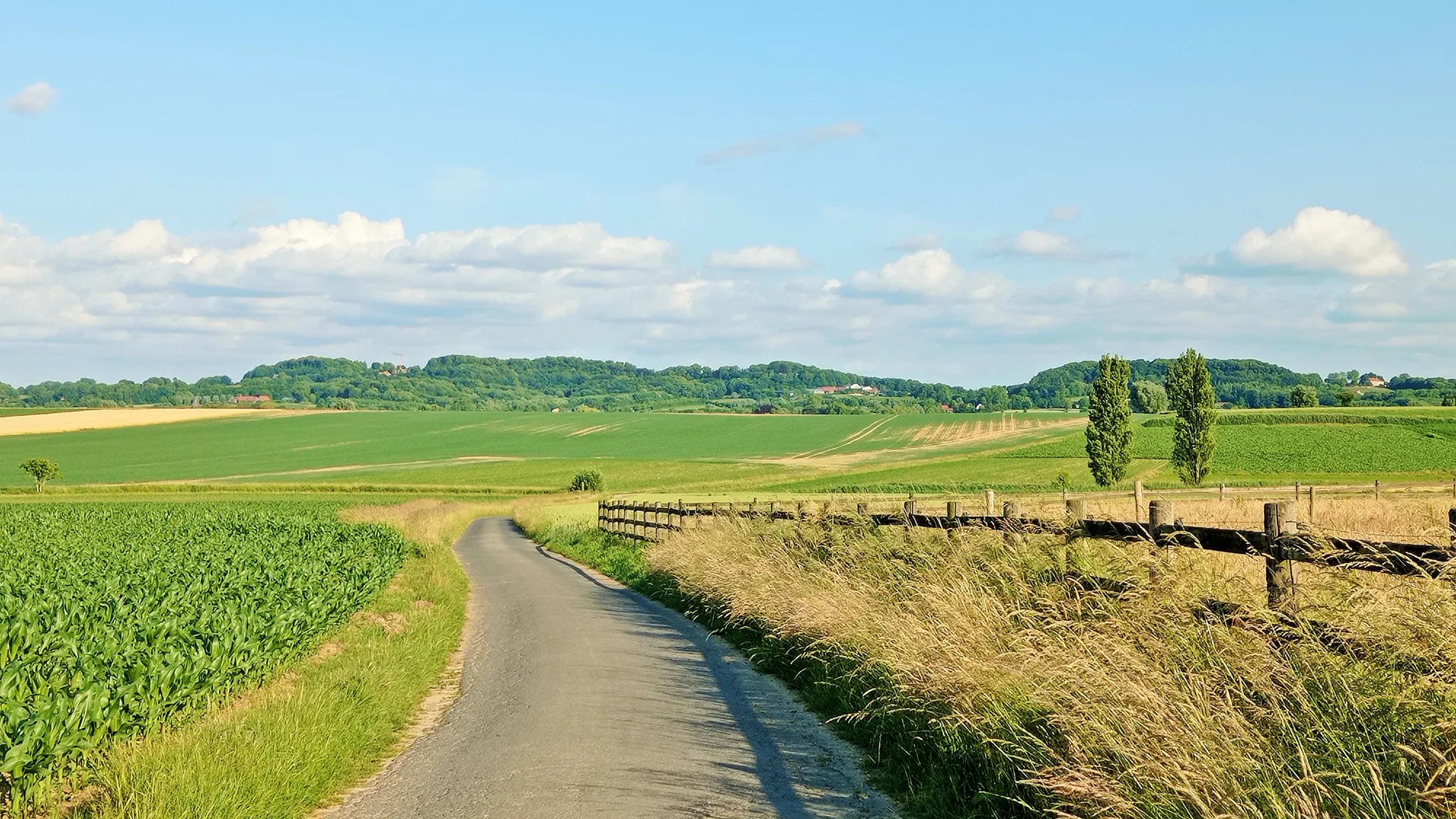
Seven-day Cycling tour through the South-Flemish hills – Hilly Route
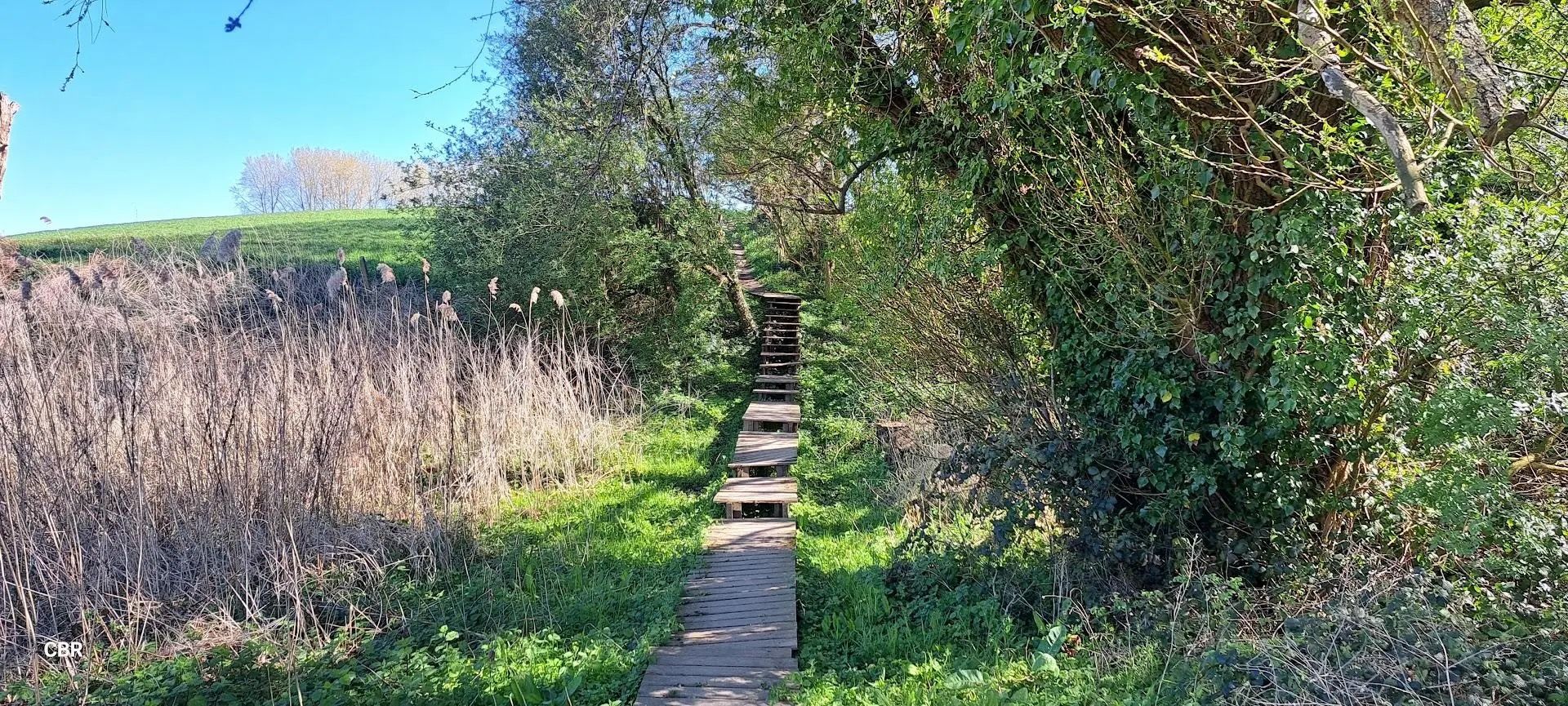
At the pace of the Westhoek - Streek-GR Heuvelland
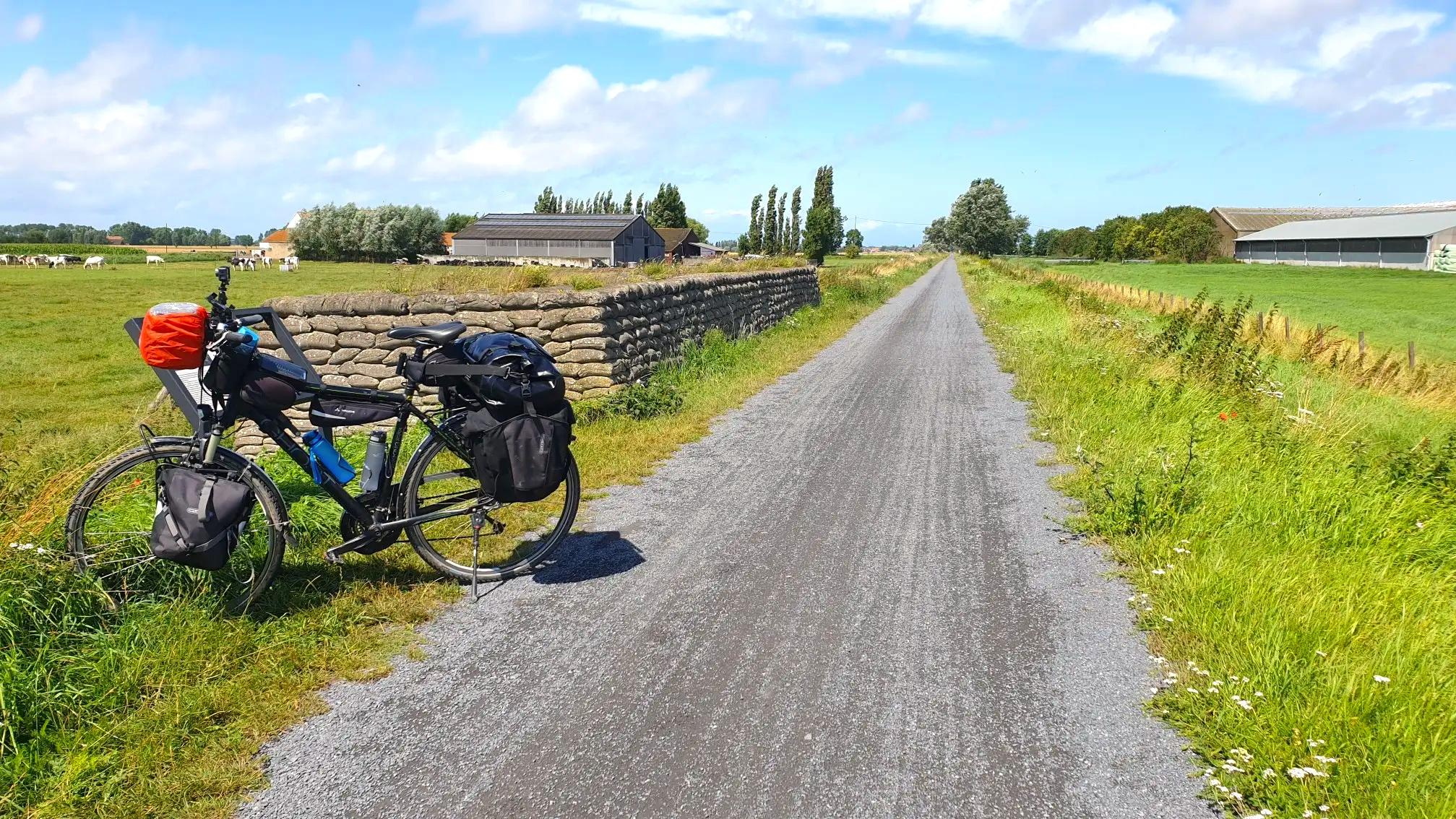
Cycling along the Belgian front - 14-18 Western Front Route
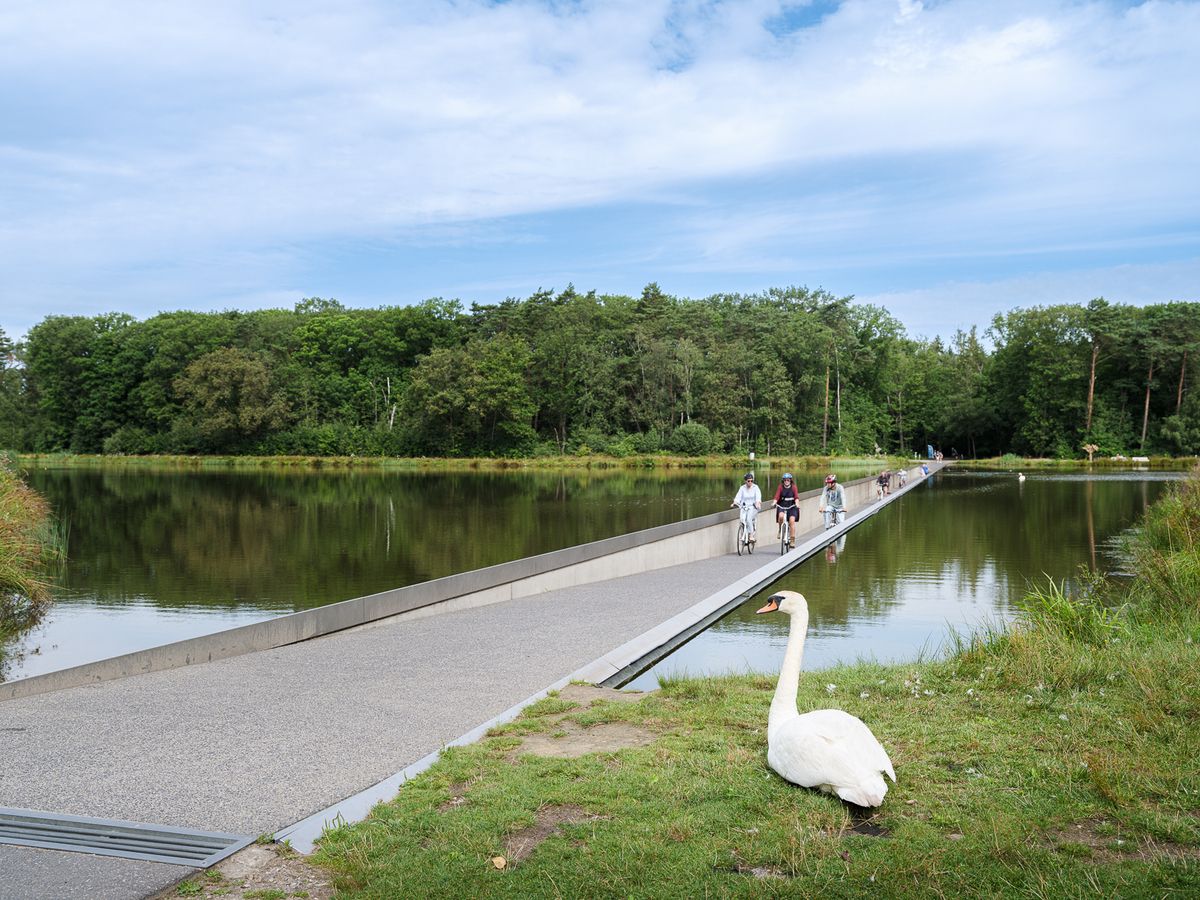
Flanders' Finest Cycle Routes: routes to discover Flemish nature and heritage
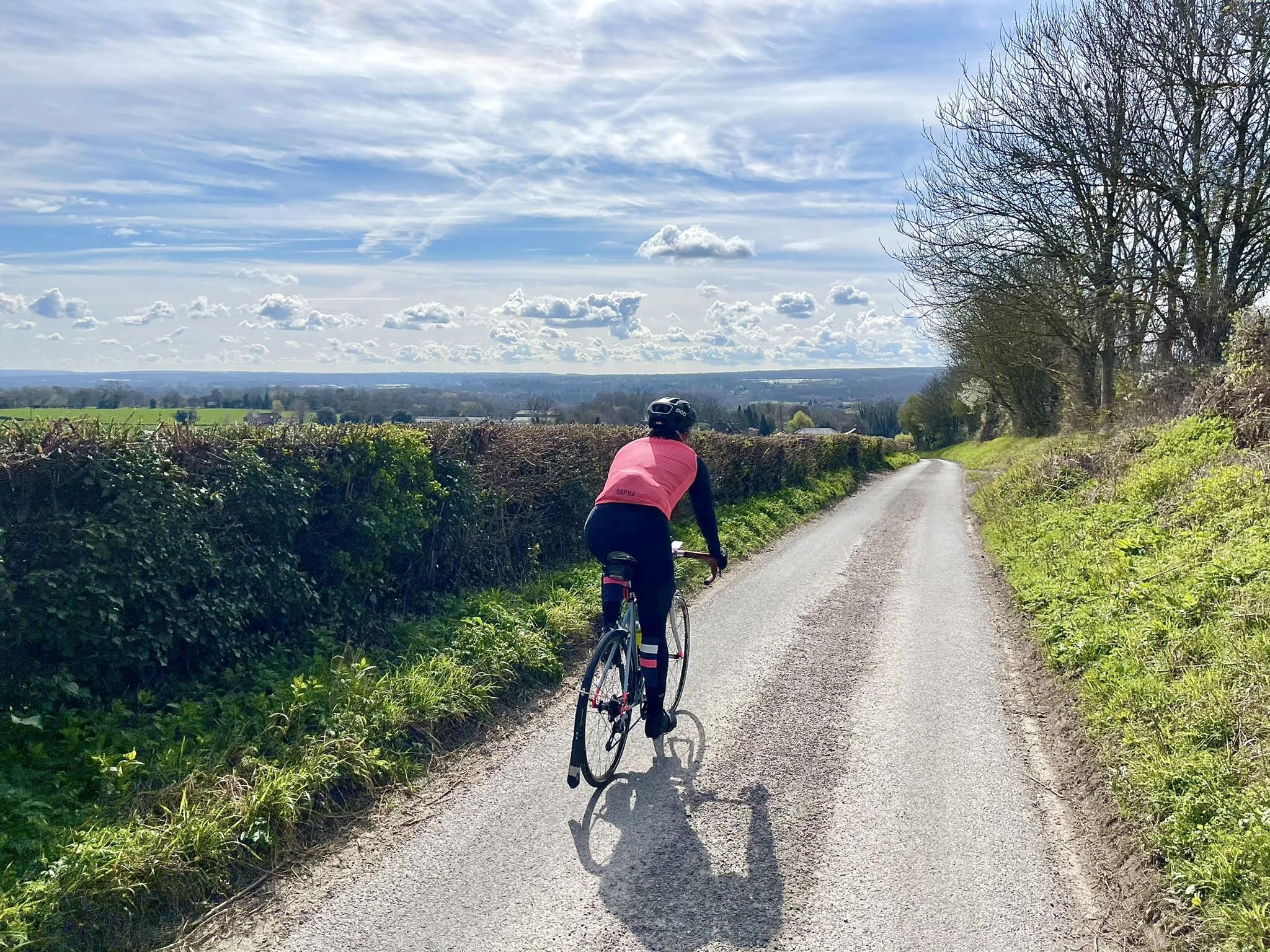
London to Brussels – through Flanders Fields
Belgium's best – the most beautiful hiking routes in Flanders
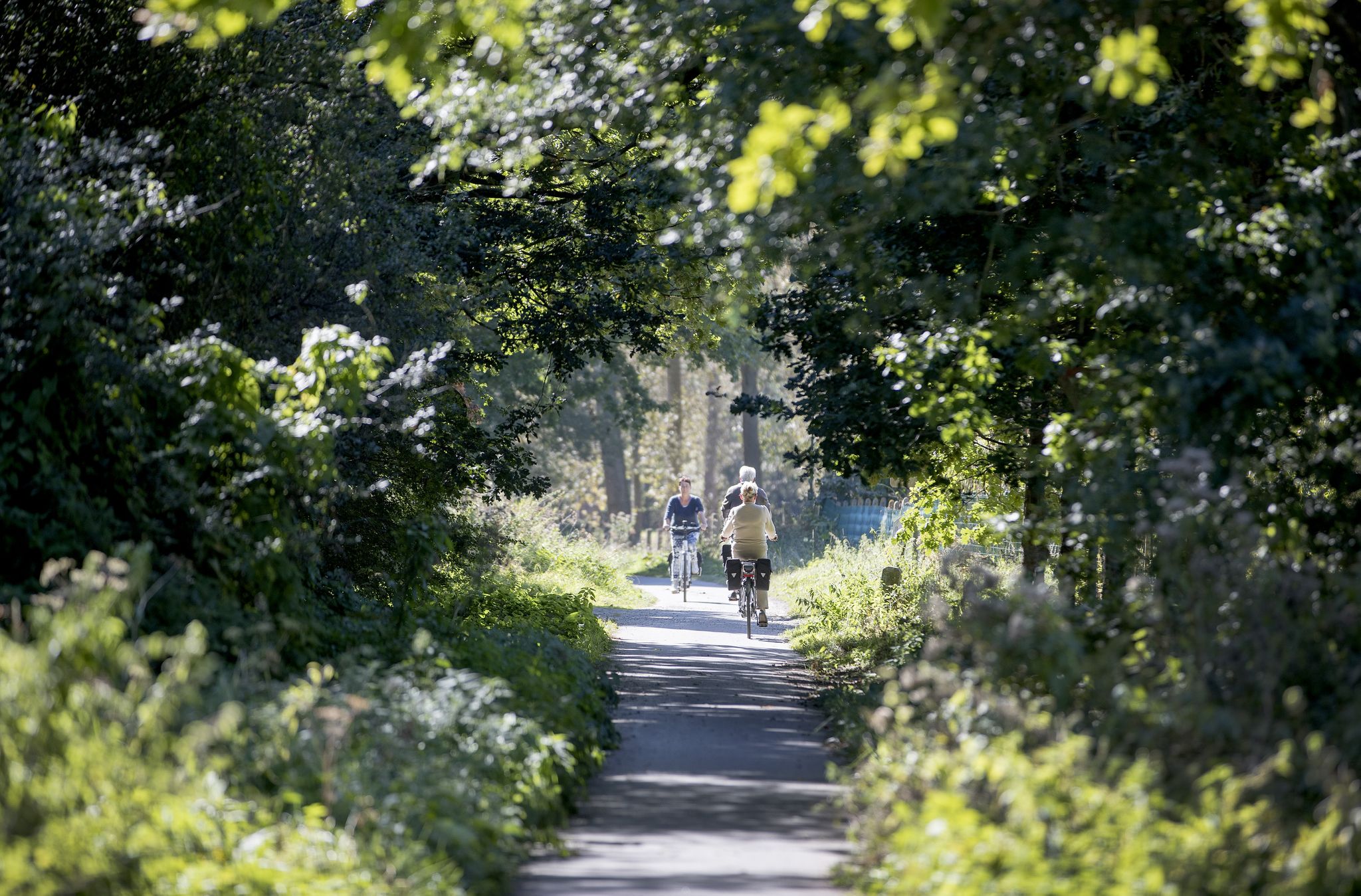
Discover the most beautiful corners of Flanders – Cycle Node Network
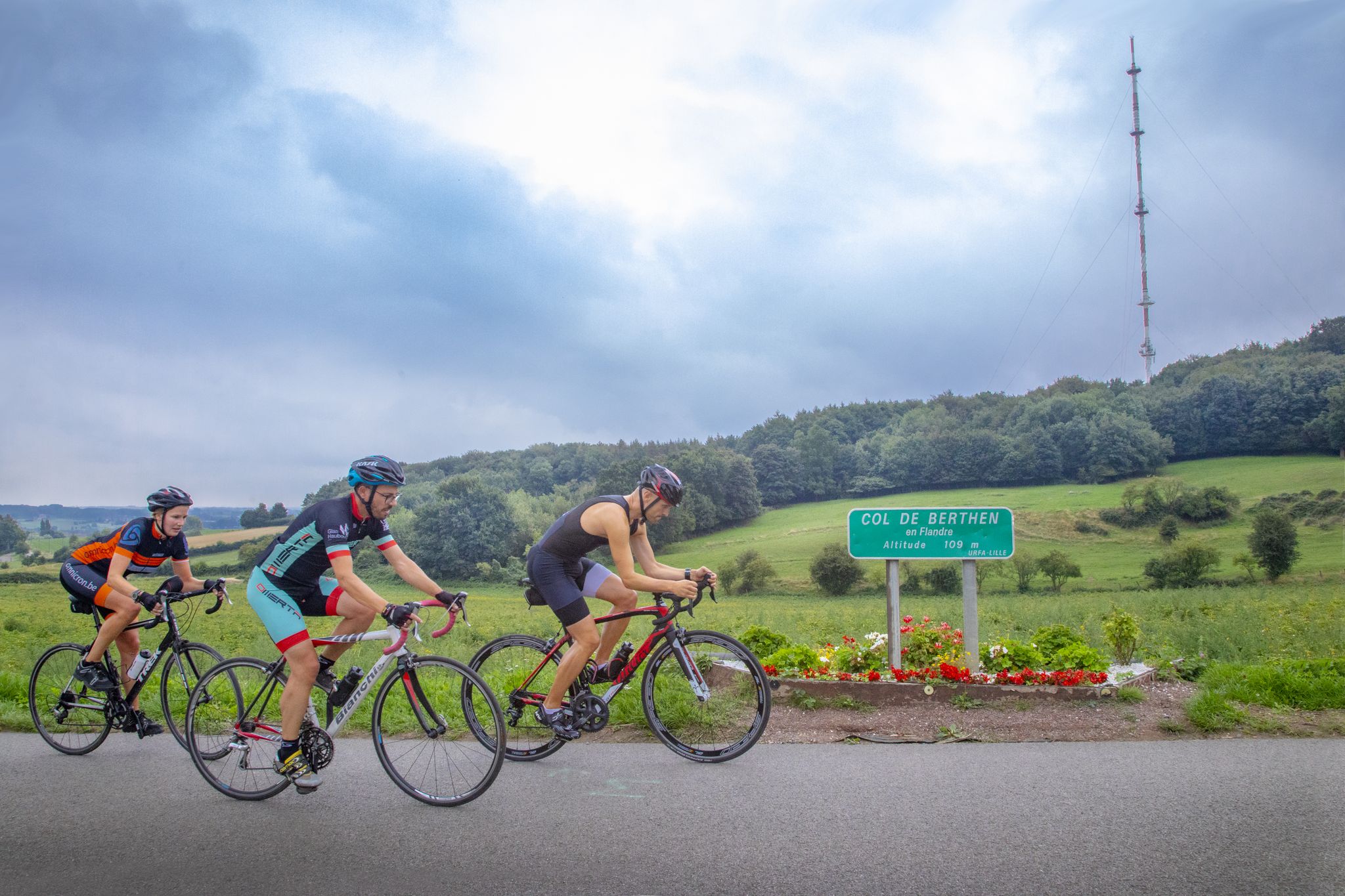
Famous climbs and hills – Flanders, France and Wallonia
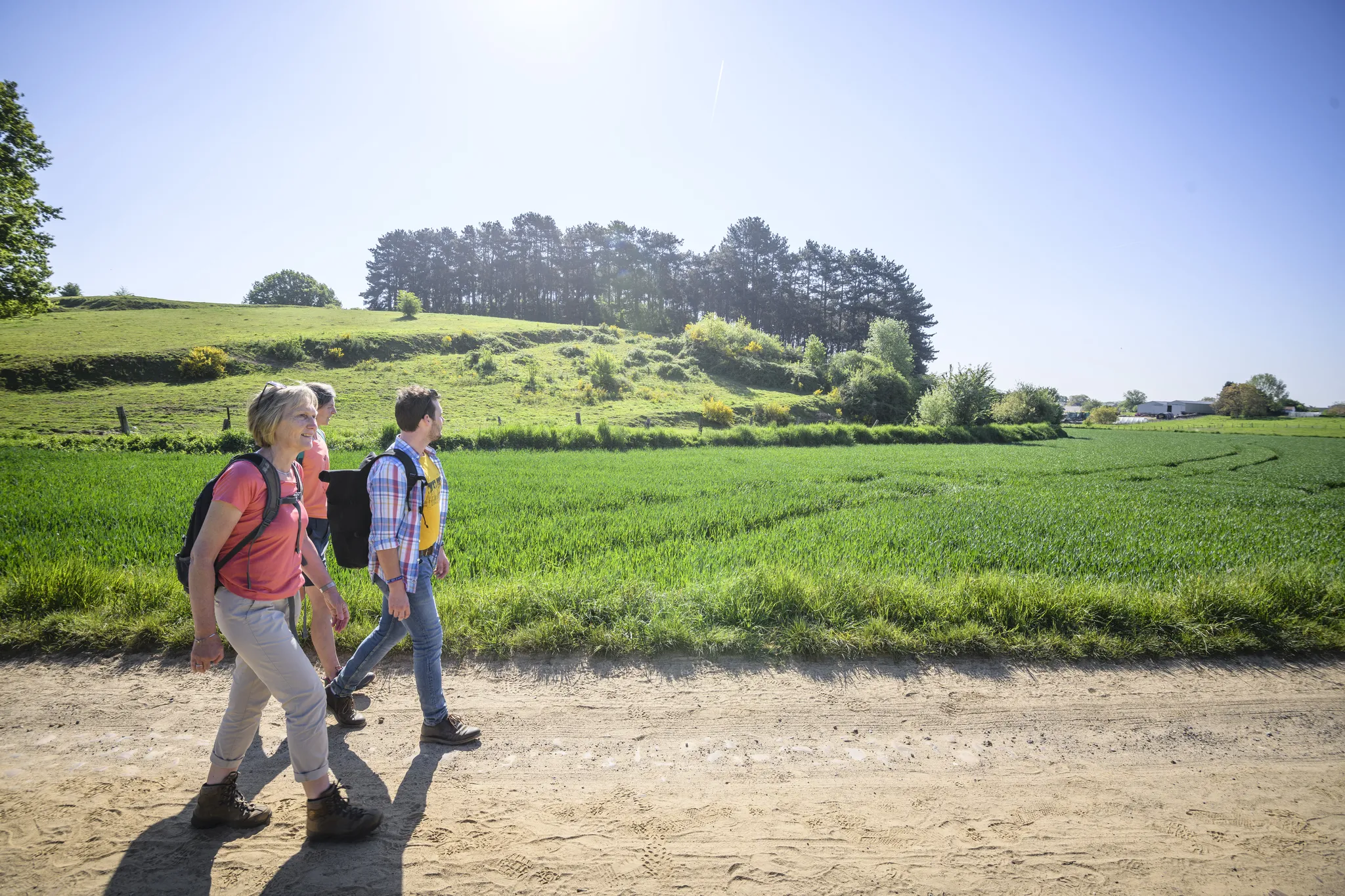
Delicious hiking: Culinary Tours in Flanders
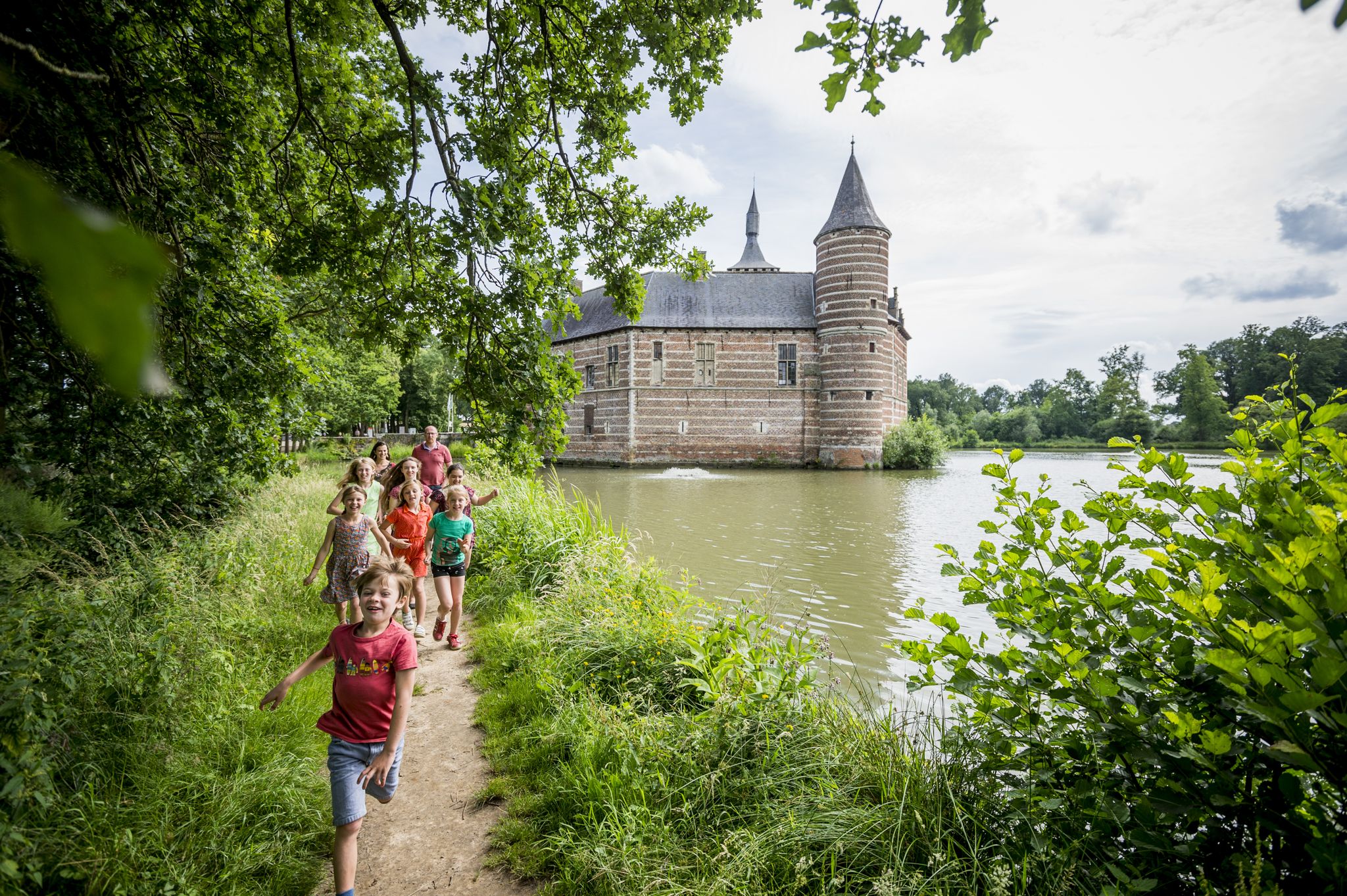
Time travel on foot — historical walks in Flanders
Other adventures around Ieper


Tips from the Community

An interesting anecdote concerns the explosion of one of the mines on 17 July 1955 by lightning. This mine had not been detonated during the war and was still underground. The explosion created a new crater and reminded the local population of the lasting impact of the war.
6
0
The Spanbroekmolen crater, also known as the Pool of Peace, is an impressive mine crater in Wijtschate. This crater was formed on June 7, 1917, during the Second Battle of Messines, when British troops detonated 19 underground mines. The explosion created a crater 27 meters deep and 129 meters in diameter. After nearly 100 years of erosion, the crater is now a peaceful pool 12 meters deep and 76 meters in diameter.
9
0
An interesting anecdote concerns the battles around the pond during the war. Soldiers used the pond as a natural barrier and shelter. There are stories of soldiers wading through the water at night to reach enemy lines, which gave the pond strategic significance.
7
0
The Polygon Forest, also known as Polygon Wood, is a historically and ecologically valuable forest area in Zonnebeke. The forest is located on the Central West Flemish ridge and is an important breeding ground for birds of prey such as sparrowhawks, kestrels and buzzards. The Polygon Forest also houses important war memorials, including the Buttes New British Cemetery and the smaller Polygon Wood Cemetery. These cemeteries are a tribute to the soldiers who died during the First World War. An interesting anecdote concerns the Scott Post and the New Zealand Bunkers, which can still be found in the forest. These bunkers were built by the Germans and later occupied by the Australian divisions in 1917.
7
0
Eight memorial gardens were created, each in the shape of a poppy, a symbol of the war. Each garden was designed to commemorate the unique contribution and sacrifice of each country during the Battle of Passchendaele, using symbolic vegetation, modern art and poetry. The following countries were involved: Belgium, United Kingdom, Canada, New Zealand, Australia, France, Germany, USA.
7
0

another very beautiful work
0
0
some very beautiful works on the route
0
0
Frequently Asked Questions
What are some of the most popular natural monuments around Ieper?
The Ieper region offers a unique blend of natural beauty and historical significance. Among the most popular sites are Hill 60 preserved Battlefield (World War I), known for its WWI history and preserved landscape, and the impressive Caterpillar Crater, a gigantic mine explosion crater. Visitors also frequently explore The Bluff Memorial and Crater, an artificially raised ridge with mine craters and military cemeteries.
Are there family-friendly natural monuments in the Ieper area?
Yes, several natural monuments around Ieper are suitable for families. The Caterpillar Crater and Pool of Peace (Spanbroekmolen Crater) offer accessible historical insights. For a more natural setting, Zillebeke Pond, Polygon Wood - Lange Dreve, and The Gallows Woods are great for walks and experiencing nature. The Coming World Remember Me Sculpture is also a thought-provoking site for all ages.
What kind of natural features can I expect to see around Ieper?
The Ieper region boasts diverse natural features. You'll find expansive woodlands like De Palingbeek Nature Reserve and Hellegat Forest, offering serene walks. Wetlands such as the Réserve Naturelle et Ornithologique de Ploegsteert provide rich habitats for birdlife. Elevated terrains like Mont Noir offer picturesque views and dense pine forests. Additionally, the landscape is marked by unique historical features like large mine craters, which have become naturalized over time, blending history with nature.
What outdoor activities can I do near these natural monuments?
The natural monuments around Ieper are excellent starting points for various outdoor activities. You can explore numerous hiking and walking routes through forests and nature reserves. For cyclists, the region offers extensive gravel biking and road cycling routes, some even passing through significant natural landmarks like Mont Noir. You can find detailed routes and guides for these activities, including gravel biking, road cycling, and MTB trails, on komoot.
Are there any natural monuments that are particularly good for birdwatching?
Yes, the Réserve Naturelle et Ornithologique de Ploegsteert, located south of Ypres, is an exceptional spot for birdwatching. This transformed old clay extraction site now features extensive marshy wetlands, reedbeds, and mudflats, attracting a wide array of bird species. You can observe birds like Water Rail, various herons, ducks, Reed Bunting, Bearded Tit, Great Bittern, and Black-necked Grebe from walking trails, observation towers, and walls.
What is the best time of year to visit the natural monuments around Ieper?
The natural monuments around Ieper can be enjoyed throughout the year, each season offering a different experience. Spring brings blooming flora and active wildlife, while summer provides pleasant weather for longer walks. Autumn showcases beautiful fall foliage, particularly in the woodlands. Even in winter, the quiet, often misty landscapes can be very atmospheric, especially at historical sites like Hill 60. Always check local weather forecasts before your visit.
Are there any natural monuments with significant historical context?
Many natural monuments in the Ieper region are deeply intertwined with history, particularly World War I. Hill 60, Caterpillar Crater, and The Bluff Memorial and Crater are prime examples, preserving battle-scarred landscapes with visible remnants of bunkers and mine craters. De Palingbeek Nature Reserve also features WWI bunkers and flooded craters amidst its natural beauty, offering a poignant blend of nature and historical reflection.
Can I find viewpoints at the natural monuments in Ieper?
Yes, several natural monuments offer excellent viewpoints. Hill 60, Caterpillar Crater, and The Bluff Memorial and Crater provide elevated perspectives over the historical landscapes. Mont Noir, though just across the border, is easily accessible and known for its picturesque views. Even forests like The Gallows Woods can offer scenic outlooks.
Are dogs allowed on trails at the natural monuments?
Many natural areas and trails around Ieper are dog-friendly, allowing you to explore with your canine companion. However, it's always recommended to keep dogs on a leash, especially in nature reserves to protect wildlife and ensure the safety of other visitors. Specific rules might apply to certain historical sites or protected areas, so look for signage upon arrival.
How long should I plan for a visit to a natural monument?
The duration of your visit depends on the specific natural monument and your interests. For sites like Hill 60 or The Bluff Memorial and Crater, you could easily spend 1-2 hours exploring the historical features and walking the trails. Larger nature reserves like De Palingbeek or Hellegat Forest might warrant a half-day or full-day visit if you plan to hike extensively. Consider combining a few nearby sites for a full day of exploration.
Are there cafes or facilities near the natural monuments?
While some natural monuments are more remote, many are located within a reasonable distance of towns or villages where you can find cafes, restaurants, and other facilities. For instance, the areas around De Palingbeek Nature Reserve and the historical sites often have visitor centers or nearby establishments. It's a good idea to check the specific location before your visit and plan accordingly, especially for longer excursions into nature.
Most popular routes around Ieper
Most popular attractions around Ieper

Get inspired with the komoot mobile app


Didn’t find what you were looking for?
Find even more amazing natural monuments around Ieper by checking out the top Highlights region by region:
Explore more
Extend your search for the best caves by checking out these guides of the top ones around Ieper:
