Top 20 Natural Monuments around Halle-Vilvoorde
Best natural monuments around Halle-Vilvoorde offer diverse landscapes and significant ecological areas. This region in Belgium features ancient woodlands, unique floral displays, and varied nature reserves. Visitors can explore extensive forests and protected habitats that contribute to the area's natural heritage. The landscape provides opportunities for outdoor activities within well-preserved natural settings.
Best natural monuments around Halle-Vilvoorde
- The most popular natural monuments is Hallerbos — The Bluebell Forest, a forest known for its distinct purple carpet of wild hyacinths and white wood anemones. This phenomenon, occurring around mid-April, attracts many visitors and photographers.
- Another must-see spot is Wolfsputten Nature Reserve, an other_natural area with varied habitats including ravine forests, calcareous spring streams, and rare flora. This reserve is recognized as one of Flanders' most biodiverse places, featuring over 300 plant species.
- Visitors also love Zonienwald (Sonian Forest), a forest covering approximately 4,421 hectares. It is known for its old beech trees, some over 200 years old, and provides a significant natural environment near Brussels.
- Halle-Vilvoorde is known for its forests, nature reserves, and lakes. The region offers a variety of natural monuments to see and explore, from ancient woodlands to areas with unique geological features.
- The natural monuments around Halle-Vilvoorde are appreciated by the komoot community, with over 760 upvotes and 37 photos shared across various highlights.
Last updated: September 5, 2026
Sonian Forest
Highlight • Forest
The forest has a rich history dating back to the Iron Age and has had various functions over the centuries, such as providing firewood and timber for the construction of houses and ships, and as a backdrop for hunting scenes. The current forest landscape with deciduous trees has its origins in the Austrian period (1714-1795).
Translated by Google •
Tip by

Hallerbos — The Bluebell Forest
Highlight • Forest
Translated by Google •
Tip by

Sign up now to discover places like this
Get recommendations on the best single tracks, peaks, & plenty of other exciting outdoor places.
Sign up for free
Ganzepoot Pond
Highlight • Lake
Translated by Google •
Tip by
Hallerbos
Highlight • Forest
Tip by

Steenputbeek Valley
Highlight (Segment) • Forest
Translated by Google •
Tip by
Wolfsputten Nature Reserve
Highlight • Natural
Translated by Google •
Tip by

Groenendaal Arboretum
Highlight • Forest
Translated by Google •
Tip by

Meise Botanic Garden
Highlight • Natural
But you can also discover a lot outside in the spacious garden. The hoarfrost glistens on dried fruit stands and grasses, the snow is heavy. The buds are already swelling, the kittens jumping, soon the snowdrops are ringing and the winterlings are turning blue - nature knows no standstill.
During the winter idyll from December 10th to January 8th, the garden is bathed in magical lights, light installations with music along a 3.5 kilometer long path will enchant you and (re) awaken your belief in elves and fairies. The garden is open until 11 p.m. on these evenings.
Our tip: A mulled wine in the orangery, the garden's self-service restaurant. The lord of the castle used to winter his "orange trees" and other exotic plants here - now you can warm up and strengthen yourself here.
Translated by Google •
Tip by
The Prinsen Castle
Highlight • Castle
Translated by Google •
Tip by

Ter Rijst Castle Estate
Highlight • Castle
Translated by Google •
Tip by

Sign up for free to discover even more natural monuments around Halle-Vilvoorde.
Sign up for free
Already have an account?
Start today with a free account
Your next adventure awaits.
Login or Signup
Popular around Halle-Vilvoorde
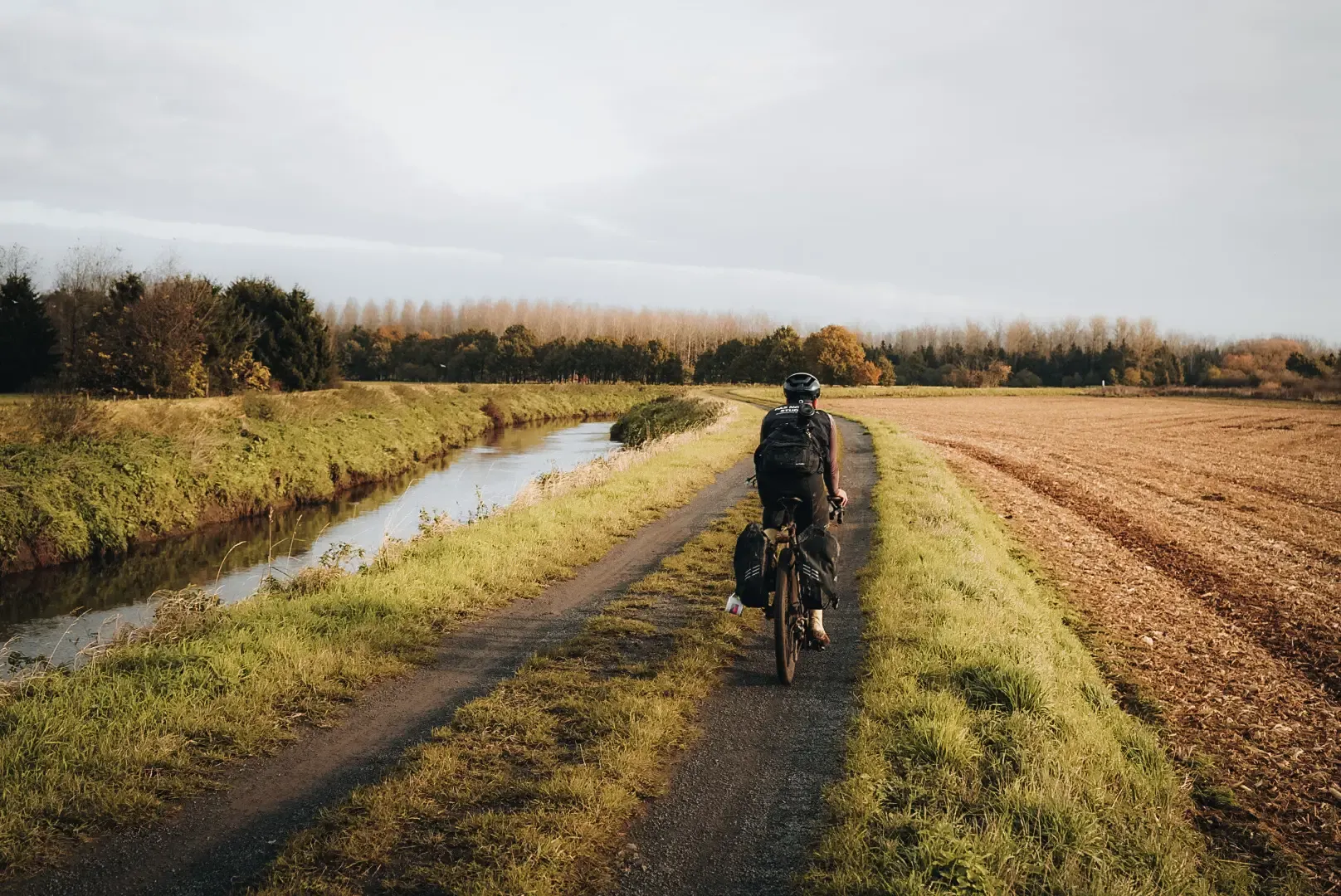
Flanders Divide - Across Flanders
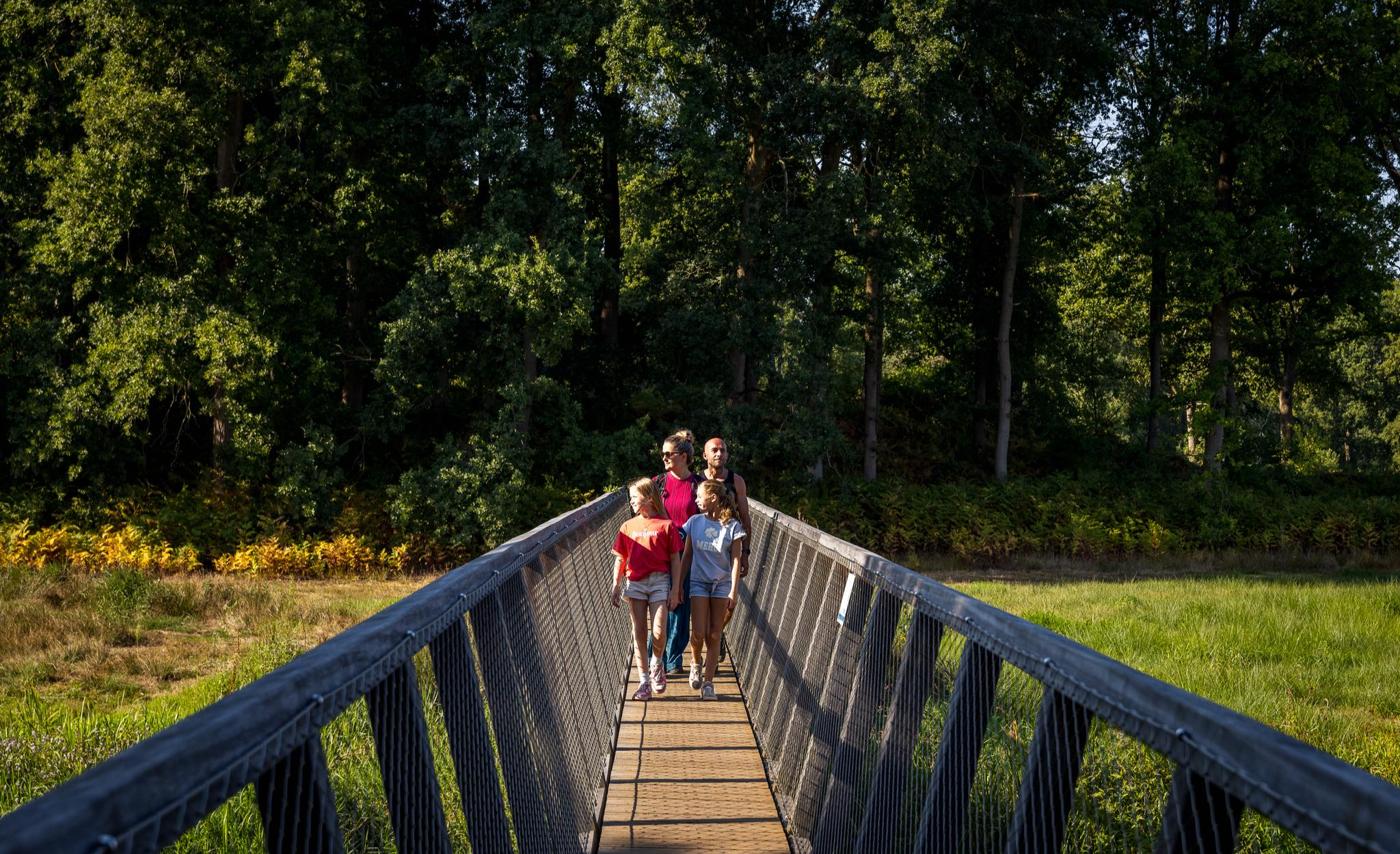
Flanders’ Finest Hiking Routes
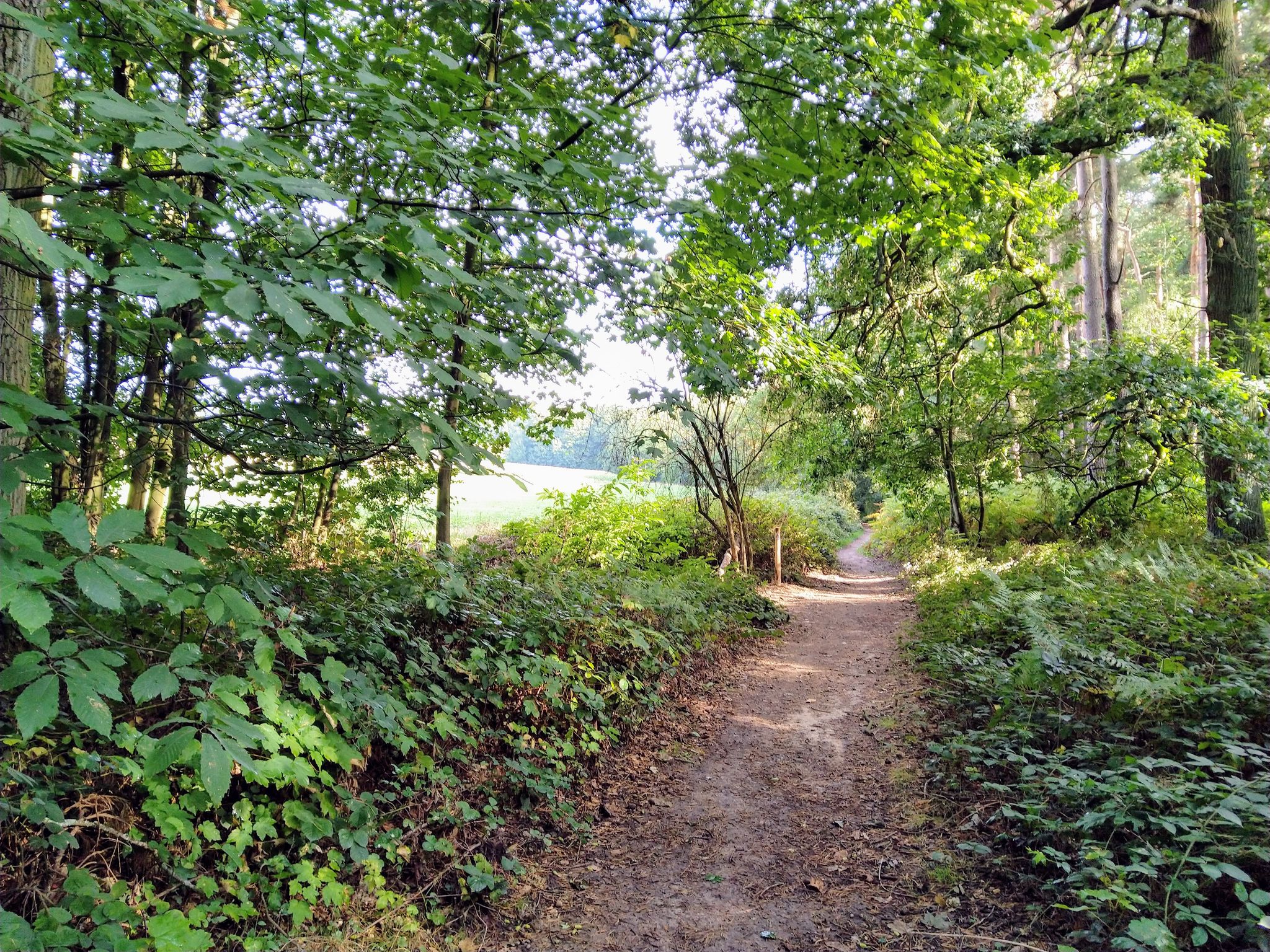
MTB Challenge – the Frans Claes route
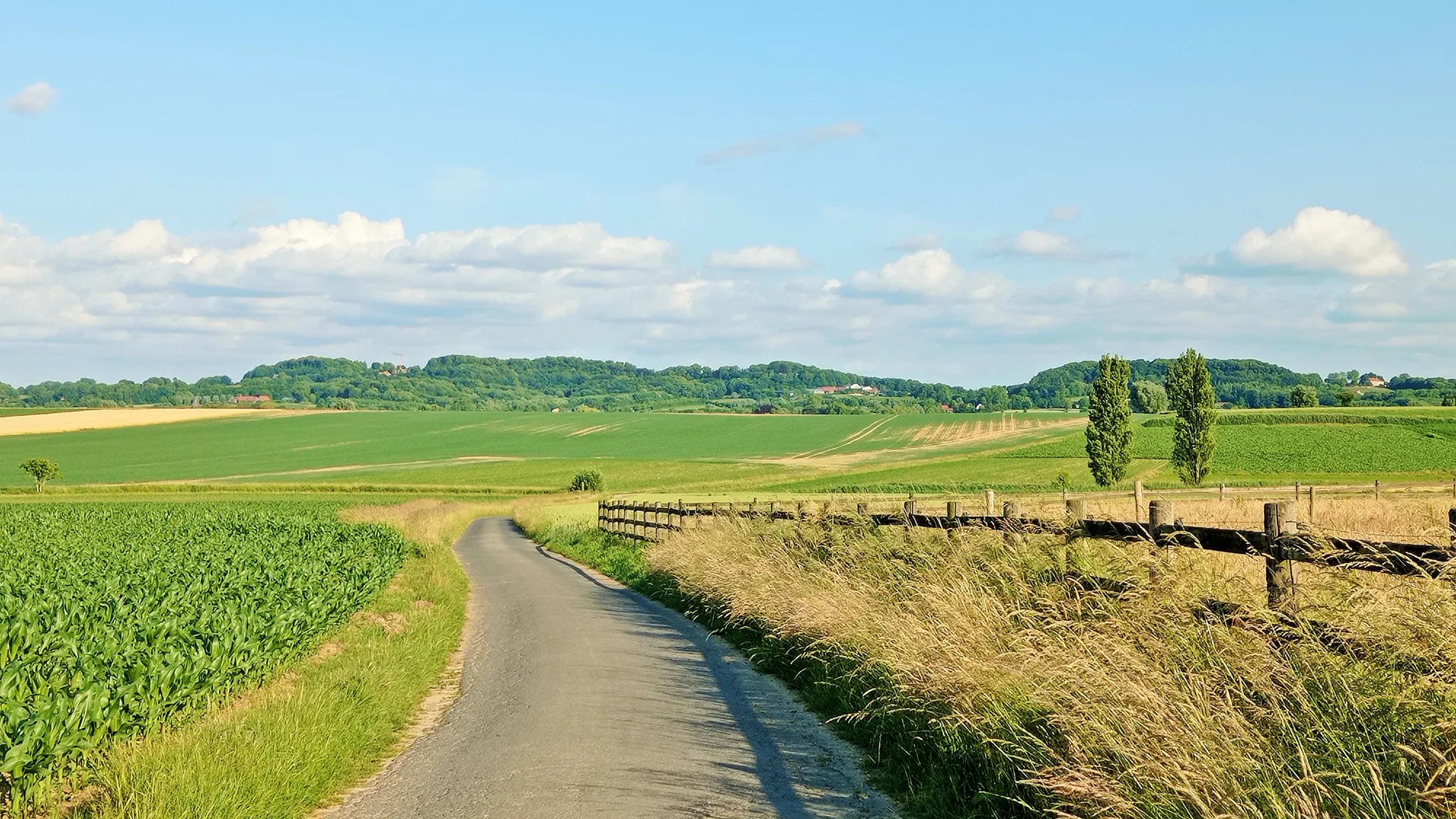
Seven-day Cycling tour through the South-Flemish hills – Hilly Route
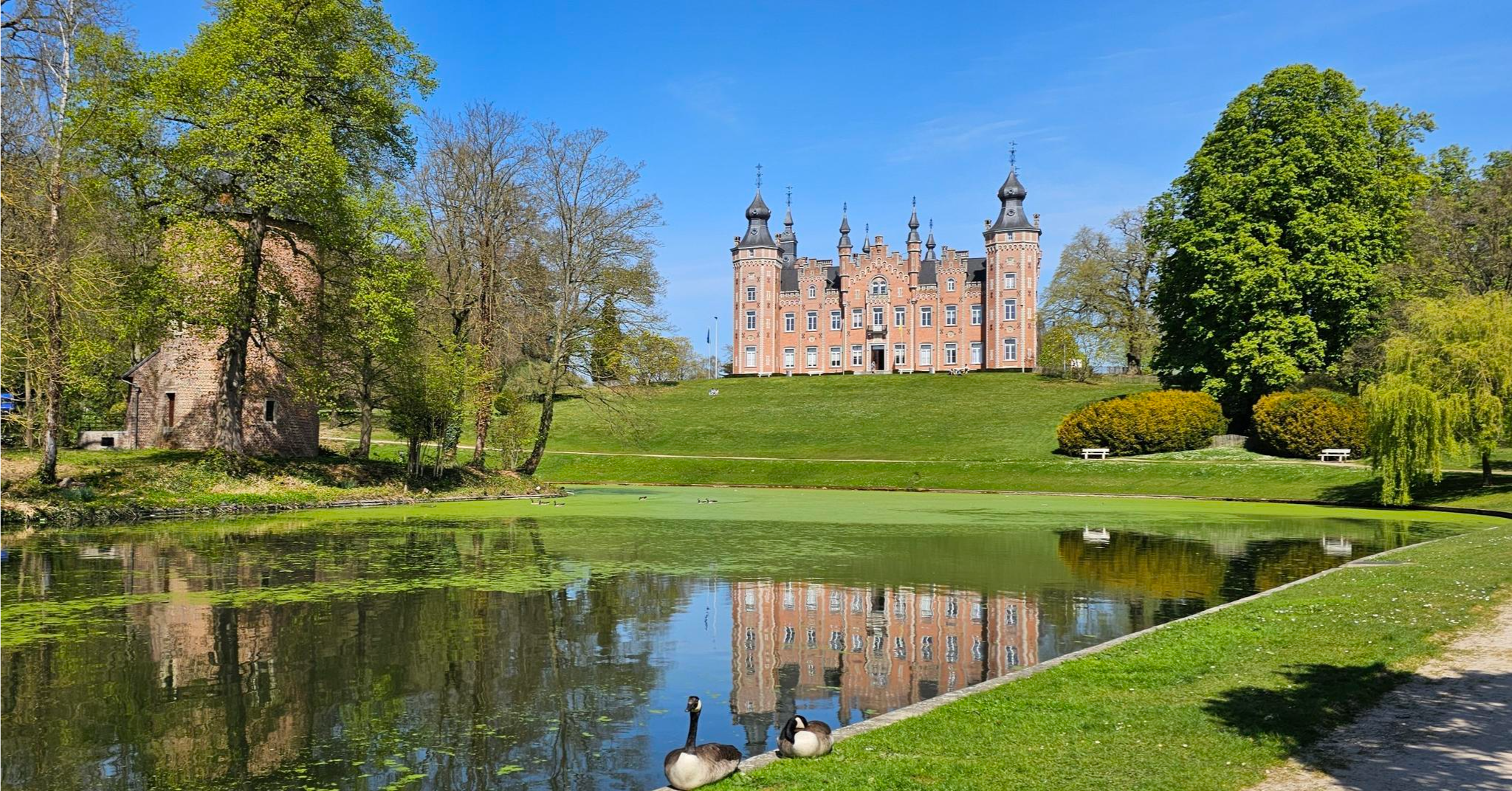
Tour around Brussels – Streek-GR Groene Gordel
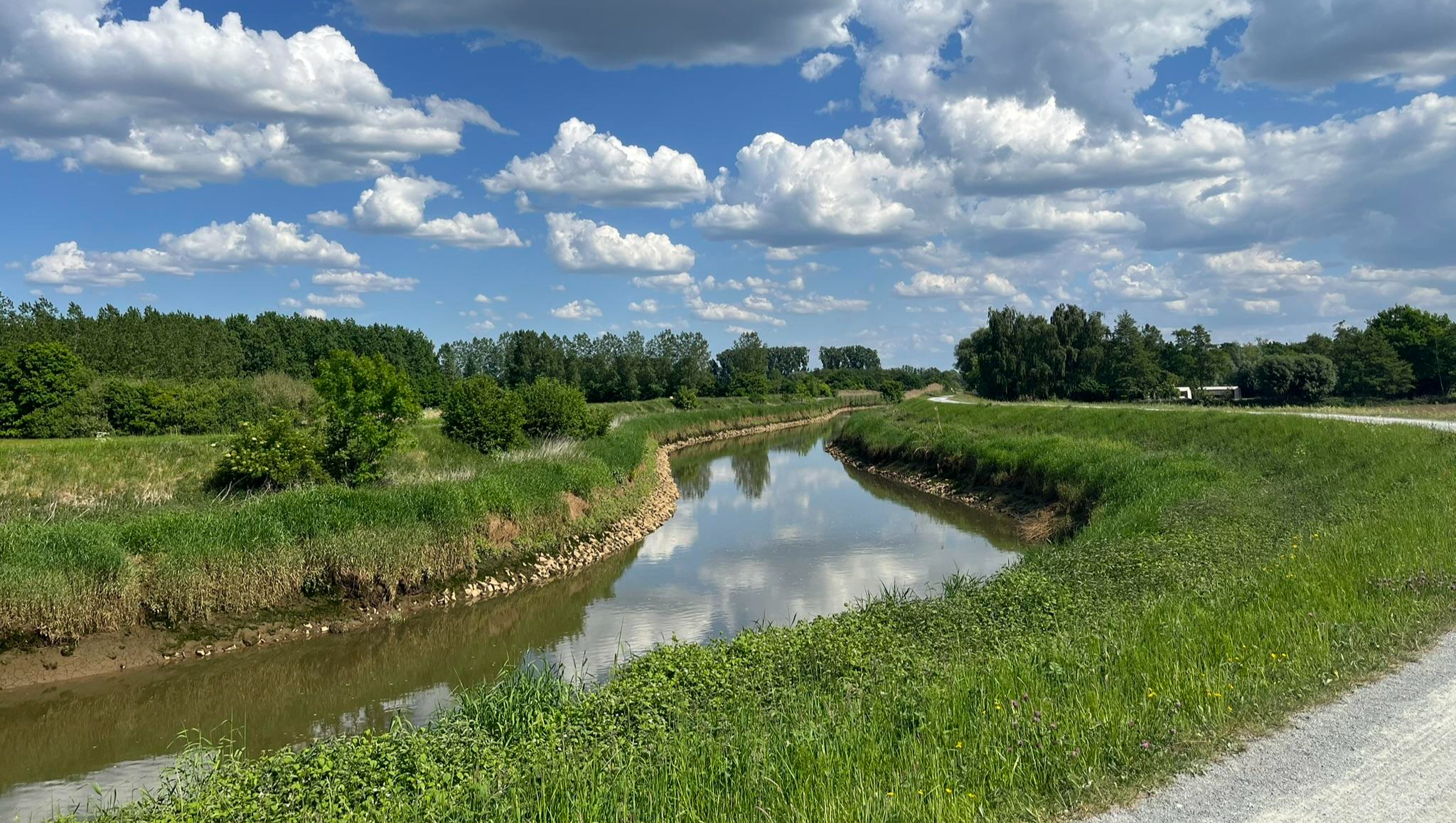
Through the valley of the Dijle – Streek-GR Dijleland
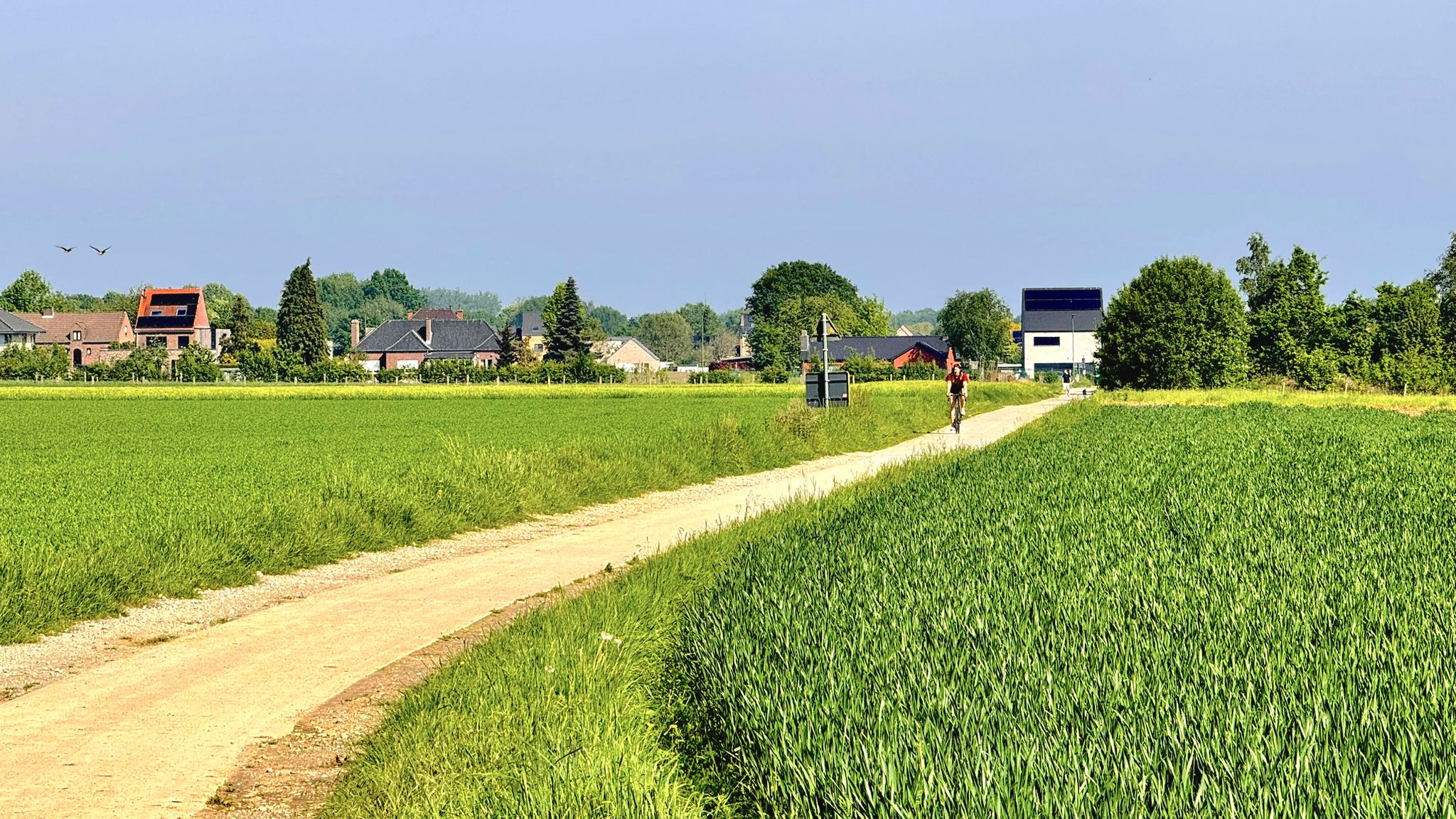
Cycling around Brussels – Green Belt Route
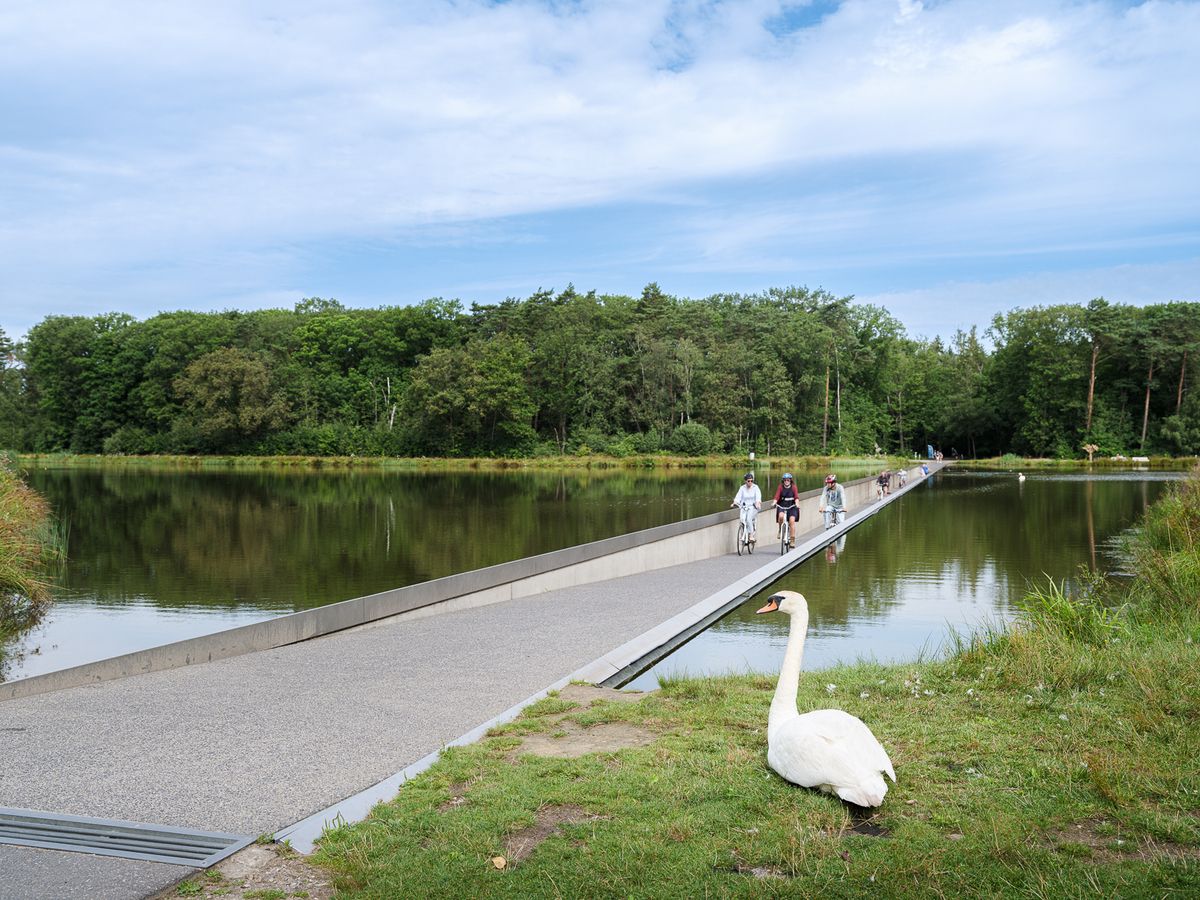
Flanders' Finest Cycle Routes: routes to discover Flemish nature and heritage
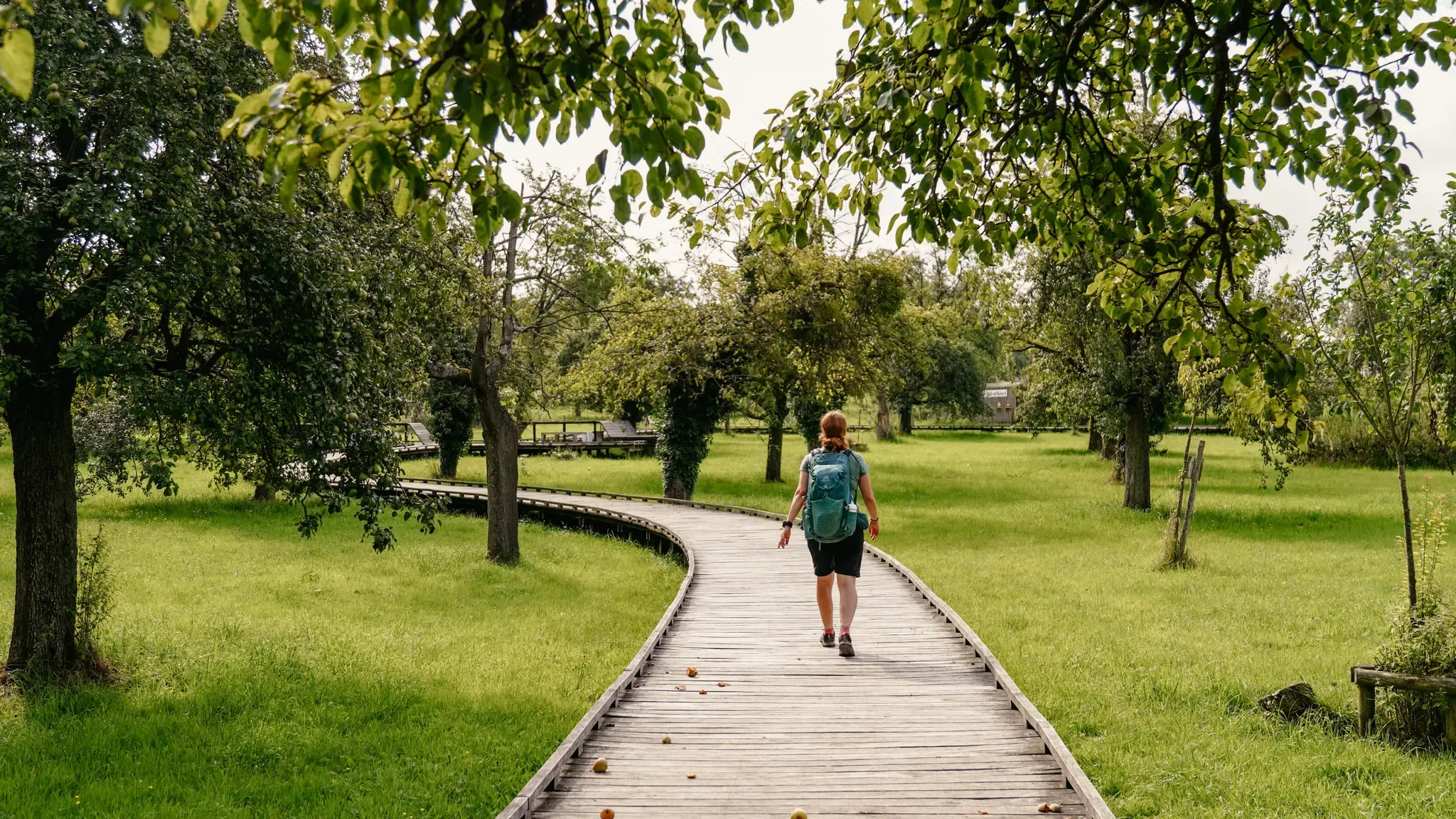
Hiking in Flanders – between dunes, forest and the scenic Meuse
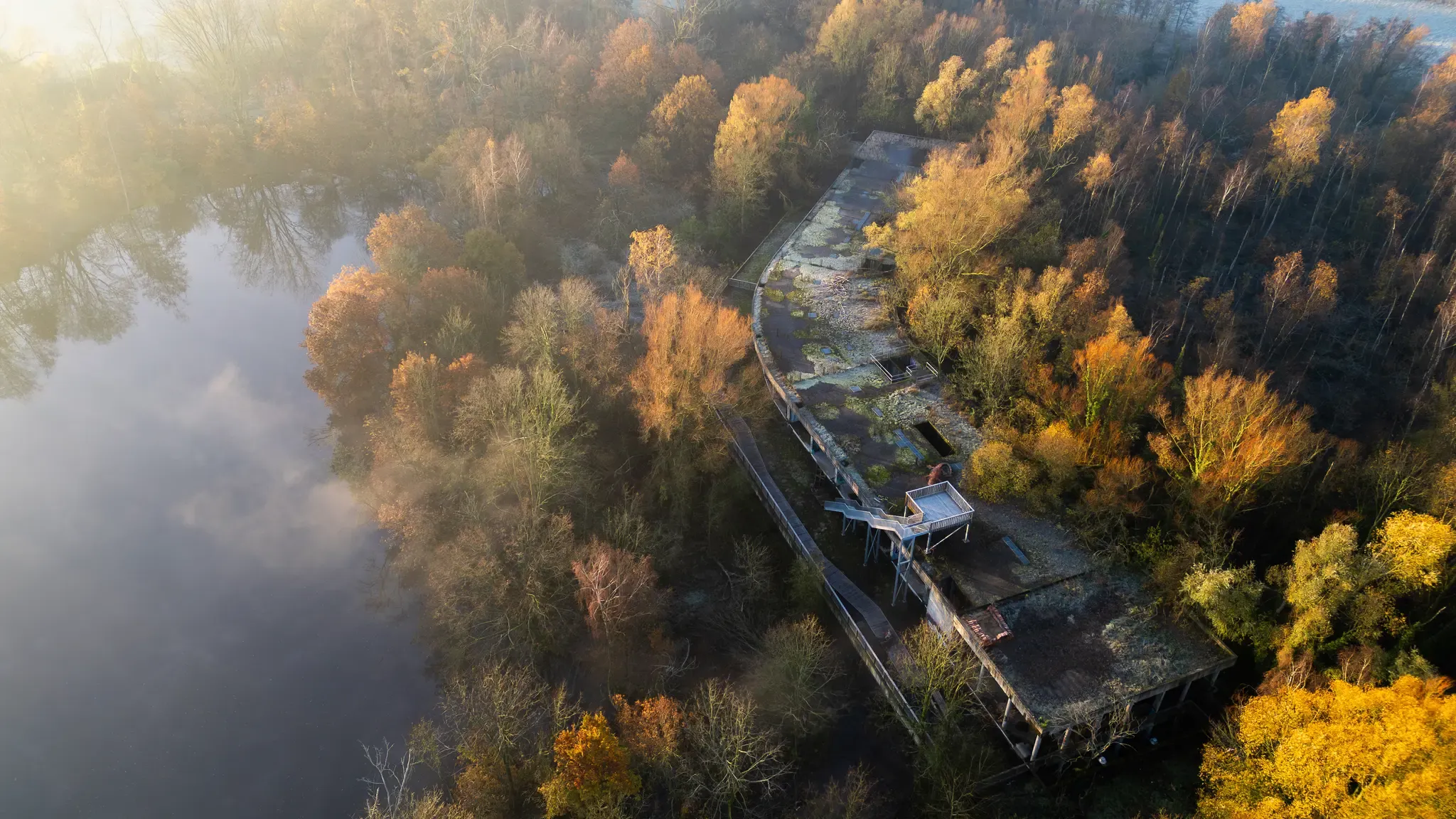
Treinstappers – from station to station in Flanders
Other adventures around Halle-Vilvoorde


Tips from the Community

This tour goes for kilometers through the forest. In spring it is beautiful with the hyacinths and wood anemones. In summer nice and cool.
0
0

Known for its distinctive shape with three protrusions that resemble the toes of a goose foot.
3
0

The area offers a rich variety of habitats: you'll walk through forests, grasslands, scrubland, and fields with varying degrees of moisture and nutrient richness. The calcareous springs in the south of the area foster a very specific flora in the central stream valley. Along the way, you'll encounter wild garlic, water plantain, wood anemones, and bracken, among other plants. (Visit Dilbeek)
10
0

A 90-hectare gem in the Green Belt, just a stone's throw from Brussels. This nature reserve is known for its rich terrain, with beautiful spring flora alternating between dry and marshy areas. Restored and newly constructed boardwalks—a total of approximately 370 meters—guide you comfortably through the valley without damaging the fragile, wetlands. The highlight of Wolfsputten is undoubtedly the new viewing platform, a popular stop or selfie spot. Want to know more? Click through to https://www.natuurenbos.be/natuurgebieden/wolfsputten
7
0

The Wolfsputten form a varied nature reserve with ravine forests, calcareous spring streams and rare flora such as wild garlic, orchids and giant horsetail. In this rolling landscape you walk along old sandstone quarries and deeply cut stream valleys that once provided the building materials for churches and town halls in Brussels, Ghent and Leuven. With more than 300 plant species and dozens of birds and mammals, this is one of Flanders' most biodiverse places.
4
0


This castle has been a ruin since the end of WWII. Work is now being done to prevent it from collapsing further.
3
0

The restoration of the castle ruins has started.
5
0
Frequently Asked Questions
What unique natural features can I discover in Halle-Vilvoorde?
Halle-Vilvoorde is home to several distinctive natural features. The most famous is the annual bluebell bloom in Hallerbos — The Bluebell Forest, which transforms the forest floor into a purple carpet around mid-April. You can also explore ancient woodlands like Zonienwald (Sonian Forest), known for its over 200-year-old beech trees, and the varied habitats of Wolfsputten Nature Reserve, featuring ravine forests, calcareous spring streams, and rare flora.
When is the best time to visit Hallerbos to see the bluebells?
The best time to witness the spectacular bluebell bloom in Hallerbos — The Bluebell Forest is typically around mid-April. This is when the wild hyacinths and white wood anemones create their famous purple carpet, attracting photographers and nature lovers.
Are there family-friendly natural monuments in the region?
Yes, several natural monuments are suitable for families. Both Zonienwald (Sonian Forest) and Hallerbos — The Bluebell Forest are popular choices, offering accessible paths for walks. The Ganzepoot Pond is also a pleasant spot for a family outing, and the Steenputbeek Valley even features a nice playground for children.
What kind of wildlife can I expect to see in these natural areas?
The natural monuments in Halle-Vilvoorde are rich in biodiversity. Wolfsputten Nature Reserve is particularly noted for its over 300 plant species and dozens of bird and mammal species. The extensive Zonienwald (Sonian Forest) also provides a habitat for many animals within its ancient beech trees.
Are there good hiking trails near the natural monuments?
Absolutely. The region offers numerous hiking opportunities. For example, you can find easy hikes around Hallerbos, including the 'Reebok hike' and 'Hyacinth walk'. The Wolfsputten Nature Reserve also has a 'Pathway Through the Trees' loop. You can explore more options in the Easy hikes around Halle-Vilvoorde guide.
What other outdoor activities are available near these natural monuments?
Beyond hiking, you can enjoy various outdoor activities. The Zonienwald (Sonian Forest) is popular for running, with routes like the 'Nature Run Sonian Forest'. Mountain biking trails are also present in the wider Halle-Vilvoorde area. For more details, check out the MTB Trails around Halle-Vilvoorde guide and the Running Trails around Halle-Vilvoorde guide.
Are there any dog-friendly natural monuments?
Yes, several natural monuments welcome dogs. Zonienwald (Sonian Forest) is a great option for walks with your dog. Wolfsputten Nature Reserve is also dog-friendly, offering varied terrain for exploration.
What historical context do these natural monuments offer?
Many natural monuments in Halle-Vilvoorde have a rich history. The Zonienwald (Sonian Forest) dates back to the Iron Age, with its current deciduous landscape originating from the Austrian period (1714-1795). Wolfsputten Nature Reserve features old sandstone quarries and deeply cut stream valleys that once provided building materials for churches and town halls in nearby cities.
Are there any viewpoints or scenic spots among the natural monuments?
Yes, you can find scenic spots. The Ganzepoot Pond is noted as a viewpoint. Additionally, the new viewing platform in Wolfsputten Nature Reserve offers a popular stop for panoramic views. The Groenendaal Arboretum also provides beautiful vistas within its forest setting.
What makes the Sonian Forest a significant natural monument?
The Zonienwald (Sonian Forest) is an ancient and largely unexploited woodland, often called a 'beech cathedral'. Its relief and subsoil have remained untouched by agriculture for over 10,000 years, preserving a pristine natural environment. Spanning over 4,383 hectares, it's a vital green lung for the region, known for its old beech trees, some over 200 years old.
Are there any natural monuments that are also nature reserves?
Yes, Wolfsputten Nature Reserve is a prime example, recognized as one of Flanders' most biodiverse places. Hallerbos has also been a Flemish nature reserve since 2021 and holds European protection as a 'Natura 2000 area', highlighting its ecological importance.
What is the terrain like for walking in these natural monuments?
The terrain varies across the natural monuments. Hallerbos is described as a hilly forest. Wolfsputten Nature Reserve features a rolling landscape with deeply cut stream valleys. The Zonienwald (Sonian Forest) generally offers extensive, relatively flat paths through ancient woodlands, making it suitable for various fitness levels.
Most popular routes around Halle-Vilvoorde
Most popular attractions around Halle-Vilvoorde

Get inspired with the komoot mobile app


Didn’t find what you were looking for?
Find even more amazing natural monuments around Halle-Vilvoorde by checking out the top Highlights region by region:
Explore more
Extend your search for the best caves by checking out these guides of the top ones around Halle-Vilvoorde:
