Top 5 Natural Monuments around Herøy
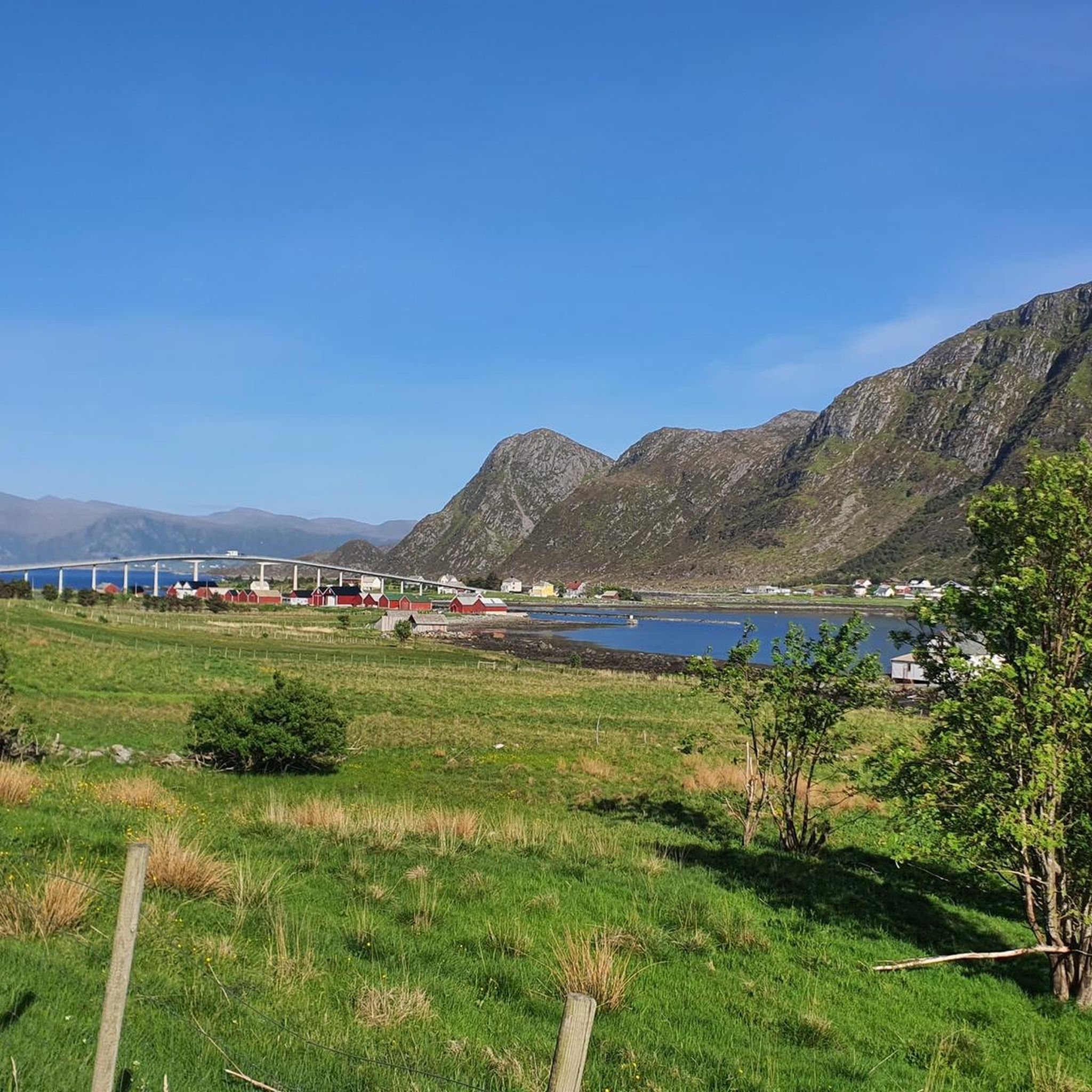
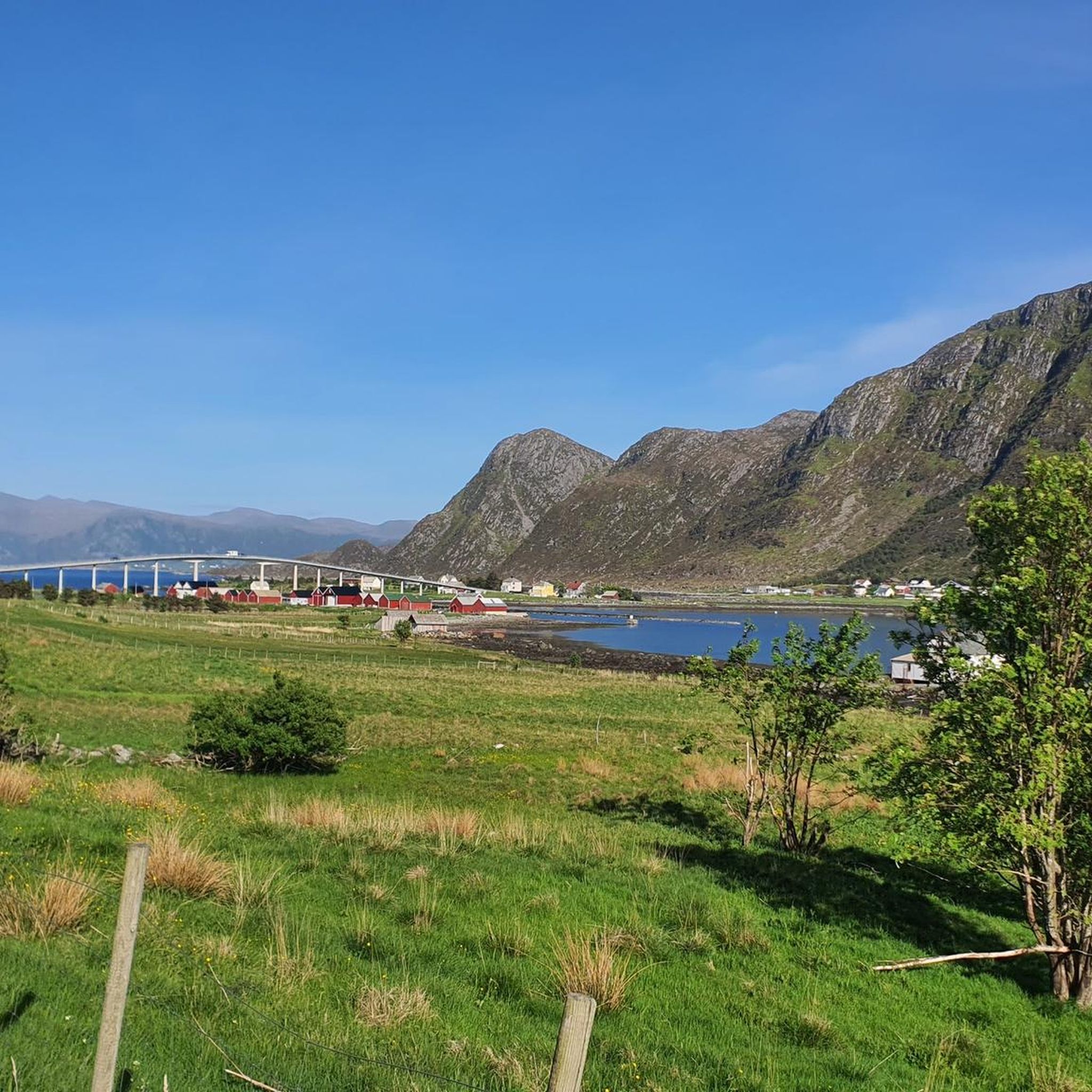
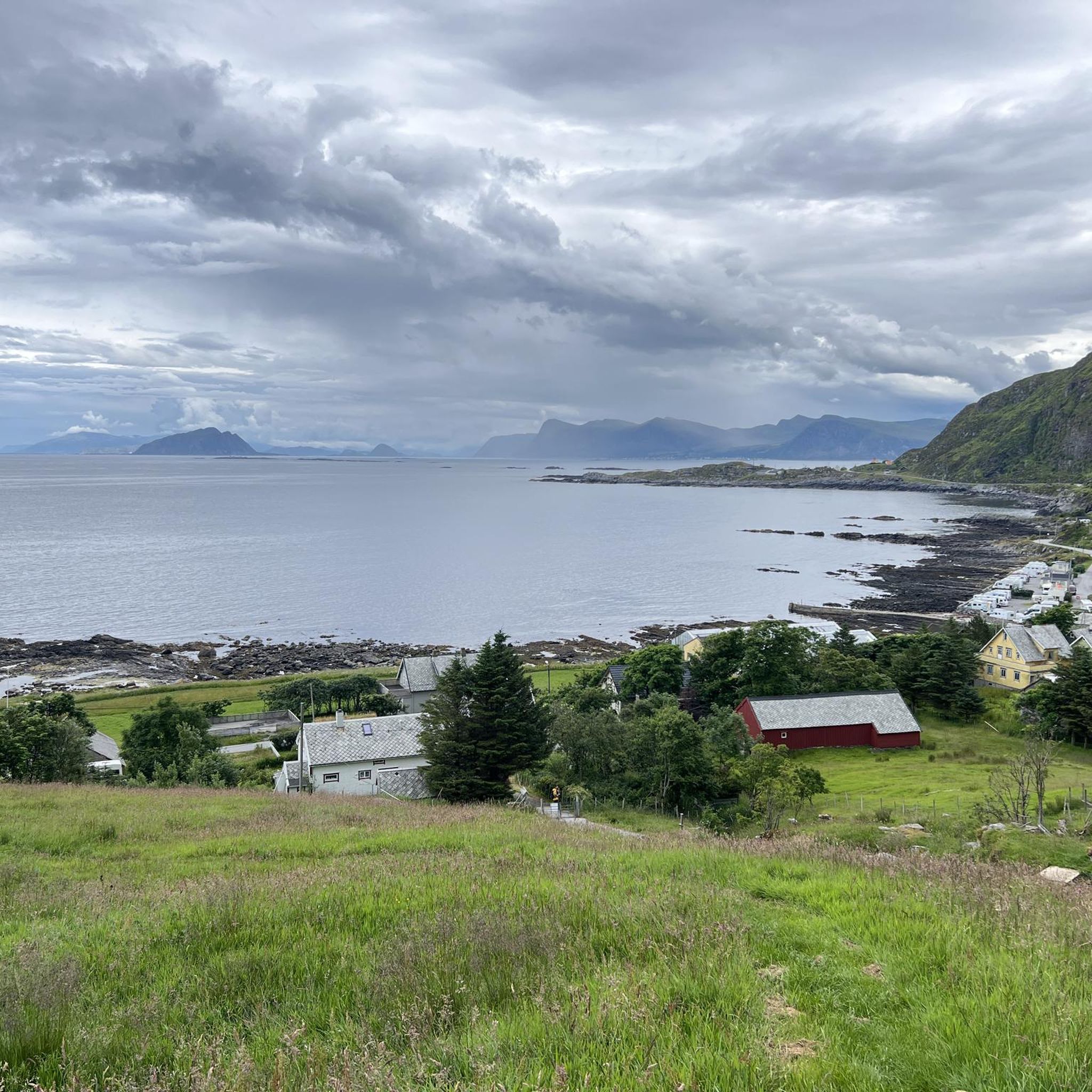
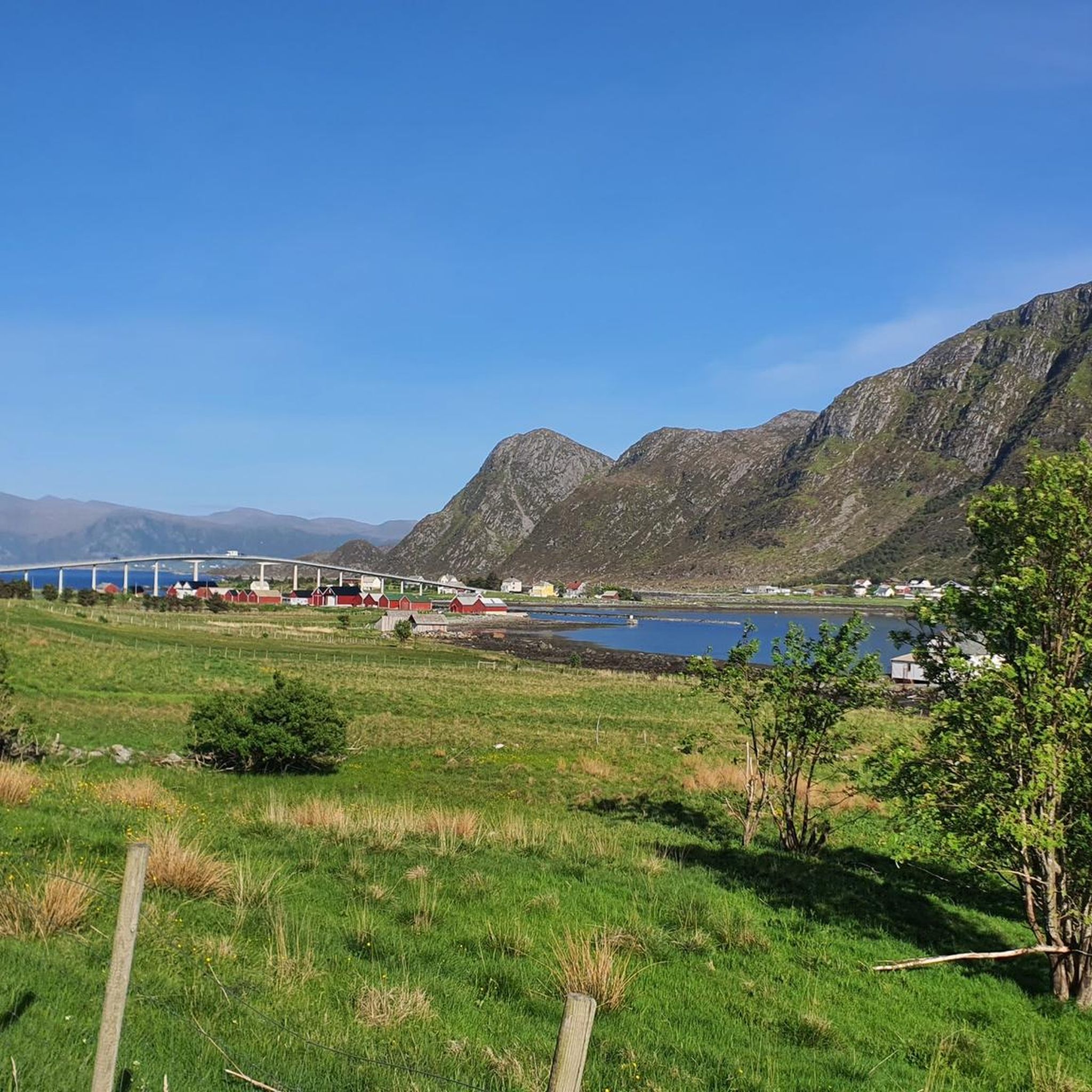
Best natural monuments around Herøy, a municipality in Møre og Romsdal county, Norway, are characterized by a vast archipelago and significant birdlife. The region features thousands of islands, islets, and skerries, many connected by bridges, offering a low coastal landscape. Runde Island stands out as Norway's southernmost large bird cliff, hosting hundreds of thousands of seabirds. This area provides opportunities for observing diverse natural phenomena and coastal environments.
Best natural monuments around Herøy
- The most popular natural monuments is Gannet…
Last updated: June 28, 2026
Puffin Colony Viewpoint
Highlight • Viewpoint
Translated by Google •
Tip by

Gannet Colony Cliff
Highlight • Natural Monument
Translated by Google •
Tip by

Sign up now to discover places like this
Get recommendations on the best single tracks, peaks, & plenty of other exciting outdoor places.
Sign up for free
Dolsteinhola Cave
Highlight • Cave
Translated by Google •
Tip by

View of Puffins at Runde Cliffs
Highlight • Viewpoint
Translated by Google •
Tip by

Runde Bird Island
Highlight (Segment) • Natural Monument
Translated by Google •
Tip by

Start today with a free account
Your next adventure awaits.
Login or Signup
Tips from the Community

Beautiful view on the way back at night
0
0
In the evening from 8 p.m. the puffins return from their hunt at sea
0
0

The puffins come home between 7 and 9 p.m., binoculars are essential to be able to observe gannets and sea eagles!
0
0

After a steep climb, you can see masses of puffins in the evening during the breeding season
4
2

During the breeding season, most birds can be seen in the last 2 hours before sunset.
5
1

Here you can easily observe the puffins from the steep ridge.
1
0


Here you can observe the beautiful puffins, a noble experience.
1
1
Frequently Asked Questions
What makes the natural monuments around Herøy unique?
The natural monuments around Herøy are unique for their vast archipelago of thousands of islands, islets, and skerries, and especially for Runde Bird Island. Runde is Norway's southernmost large bird cliff, hosting hundreds of thousands of seabirds, including puffins and gannets, making it a significant bird nesting site in Scandinavia. The region also offers a low coastal landscape with unobstructed views and diverse wildlife.
Which natural monuments are best for birdwatching in Herøy?
For birdwatching, Runde Bird Island is the primary destination. Specifically, the Puffin Colony Viewpoint and Gannet Colony Cliff offer excellent opportunities to observe these seabirds. During the breeding season, particularly in the last two hours before sunset, you can see a large number of birds returning to their nests.
What is the best time of year to visit Herøy for its natural monuments?
The breeding season from February to August is ideal for birdwatching, especially for puffins, which are most visible in the last two hours before sunset. Access to some bird conservation areas on Runde Island may have restrictions between March 15 and August 31 to protect nesting birds. Summer also offers the chance to experience the midnight sun, while winter can bring opportunities to see the northern lights.
Are there any historical natural monuments or landmarks in Herøy?
Yes, the Runde Lighthouse, located on Kvalneset at the northwestern tip of Runde, is a significant historical landmark. Established in 1767, it is one of Norway's oldest lighthouses. While automated, its keeper's home is now a self-service tourist cabin, offering a unique experience with wild ocean views and rich birdlife.
What kind of hiking trails can I find near Herøy's natural monuments?
You'll find a variety of hiking trails, particularly on Runde Bird Island, which are beautiful for hiking and sensational for birdwatching. Paths are often covered with stone slabs, steps, and stairs to facilitate walking, though some sections can be very steep. For more hiking options, you can explore the various routes listed in the Hiking around Herøy guide, which includes trails like 'Hike the northern part of Goksøyr' and 'Runde Bird Paradise – Puffin Colony Viewpoint loop'.
Are the natural monuments around Herøy suitable for families?
Many natural monuments, especially on Runde Island, can be enjoyed by families. The paths on Runde Bird Island are often improved with stone slabs and steps, making them easier to navigate. Birdwatching at the Puffin Colony Viewpoint can be a captivating experience for all ages. However, some trails can be steep, so consider the difficulty when planning with younger children.
Can I explore caves among the natural monuments in Herøy?
Yes, you can explore Dolsteinhola Cave. However, it is important to exercise extreme caution as the descent can be very muddy and challenging, with no safety devices other than muddy ropes. Lighting is essential, and the cave is very slippery. It is recommended only after critical consideration of the risks.
What other outdoor activities are popular in the Herøy archipelago?
Beyond hiking and birdwatching, the Herøy archipelago is excellent for various water activities. The sheltered sea and numerous islands make it ideal for kayaking, with shallow waters and narrow straits to explore. Cycling is also popular, with bridges connecting most major islands. Favorable winds and calm seas attract kiting and windsurfing enthusiasts. The area also offers diverse wildlife and good fishing opportunities. For cycling routes, check the Cycling around Herøy guide.
What should I bring when visiting the natural monuments in Herøy?
When visiting, especially for birdwatching, binoculars are highly recommended to get a closer look at the birds. For hiking, be prepared for steep sections and potentially muddy conditions, even on improved paths. Appropriate footwear is essential. If exploring Dolsteinhola Cave, a reliable light source is crucial.
What do visitors particularly enjoy about the natural monuments in Herøy?
Visitors frequently praise the sensational birdwatching opportunities, especially seeing the puffins up close at the Puffin Colony Viewpoint and the gannet colony. The beautiful hiking trails on Runde Bird Island and the panoramic views from various viewpoints are also highly appreciated. The rugged coastal nature and the chance to experience unique wildlife are often highlighted.
Are there options for overnight stays near the natural monuments?
Yes, the keeper's home at Runde Lighthouse has been converted into a self-service tourist cabin, offering a unique opportunity for overnight stays directly within a historic natural monument. This allows visitors to experience the wild ocean views and dramatic weather firsthand.
Most popular routes around Herøy
Most popular attractions around Herøy

Get inspired with the komoot mobile app


Explore more
Extend your search for the best caves by checking out these guides of the top ones around Herøy:
