Top 20 Natural Monuments in North Devon
Natural monuments in North Devon showcase diverse landscapes, from rugged coastlines to ancient woodlands and unique geological formations. The region features significant sites valued for their ecological importance and opportunities for outdoor activities. These natural areas provide varied terrain for exploration, including coastal paths, river valleys, and protected dune systems. North Devon offers a range of natural monuments for visitors to discover.
Best natural monuments in North Devon
- The most popular natural monuments is Valley of Rocks, a gorge…
Last updated: October 2, 2026
Valley of Rocks
Highlight • Gorge
Tip by

Baggy Point
Highlight • Viewpoint
Tip by
Sign up now to discover places like this
Get recommendations on the best single tracks, peaks, & plenty of other exciting outdoor places.
Glen Lyn Gorge
Highlight • Gorge
The entrance to it is clearly signposted and is exactly where you can see the water fountain. You pay 10 …
Translated by Google •
Tip by

Watersmeet Valley
Highlight • Viewpoint
Tip by

Heddon's Mouth Cove
Highlight • Beach
Tip by

Little Hangman
Highlight • Natural Monument
Tip by

Culbone Wood (Atlantic Oakwood)
Highlight (Segment) • Forest
Tip by
Wistlandpound Reservoir Bird Hide
Highlight • Viewpoint
Tip by
Morte Point
Highlight • Natural Monument
If seals aren't enough, there …
Tip by
Torrs Cliffs
Highlight • Natural Monument
Tip by
Sign up for free to discover even more natural monuments in North Devon.
Already have an account?
Start today with a free account
Your next adventure awaits.
Popular around North Devon
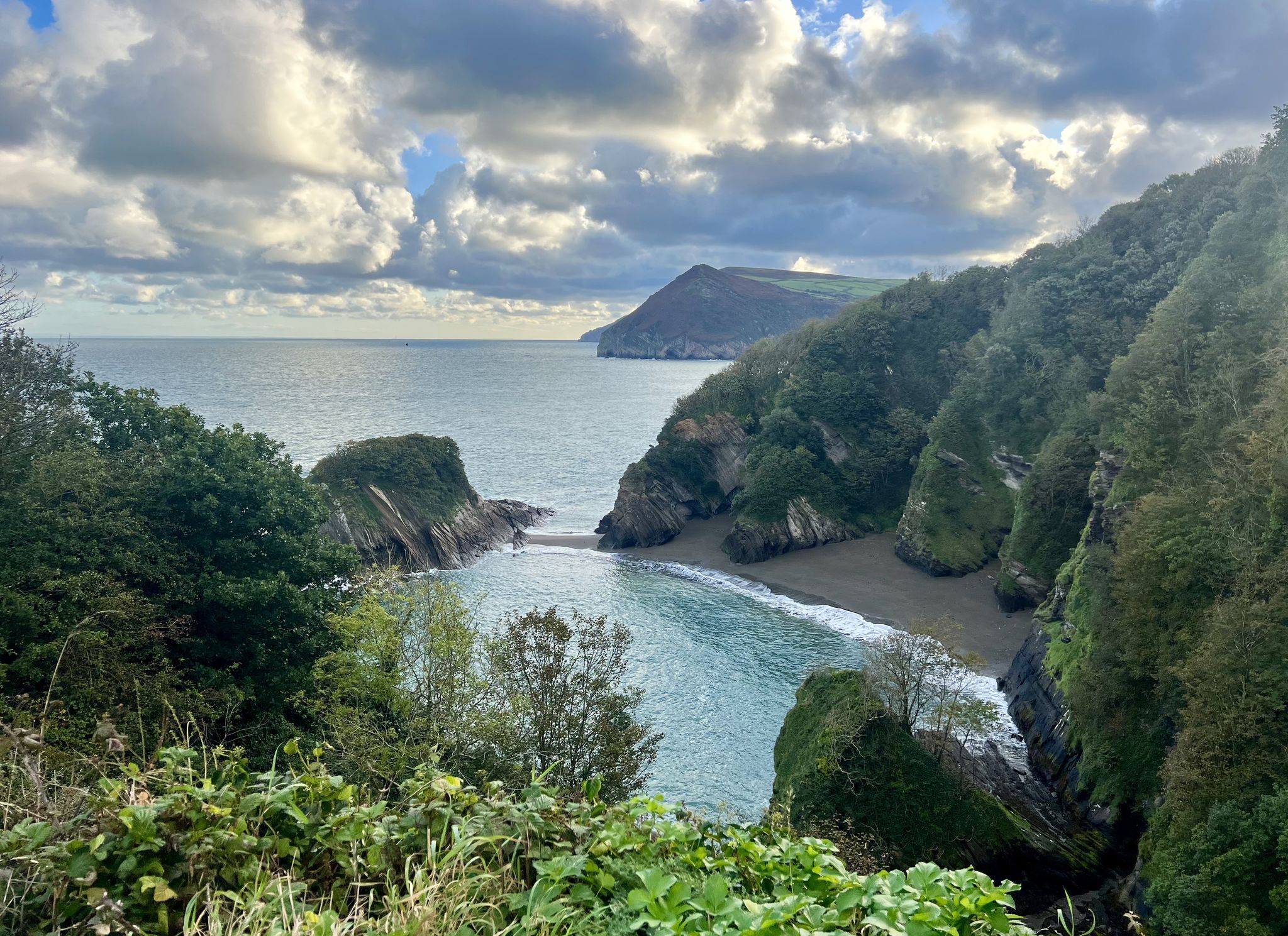
Exmoor National Park – A Walk in the Parks
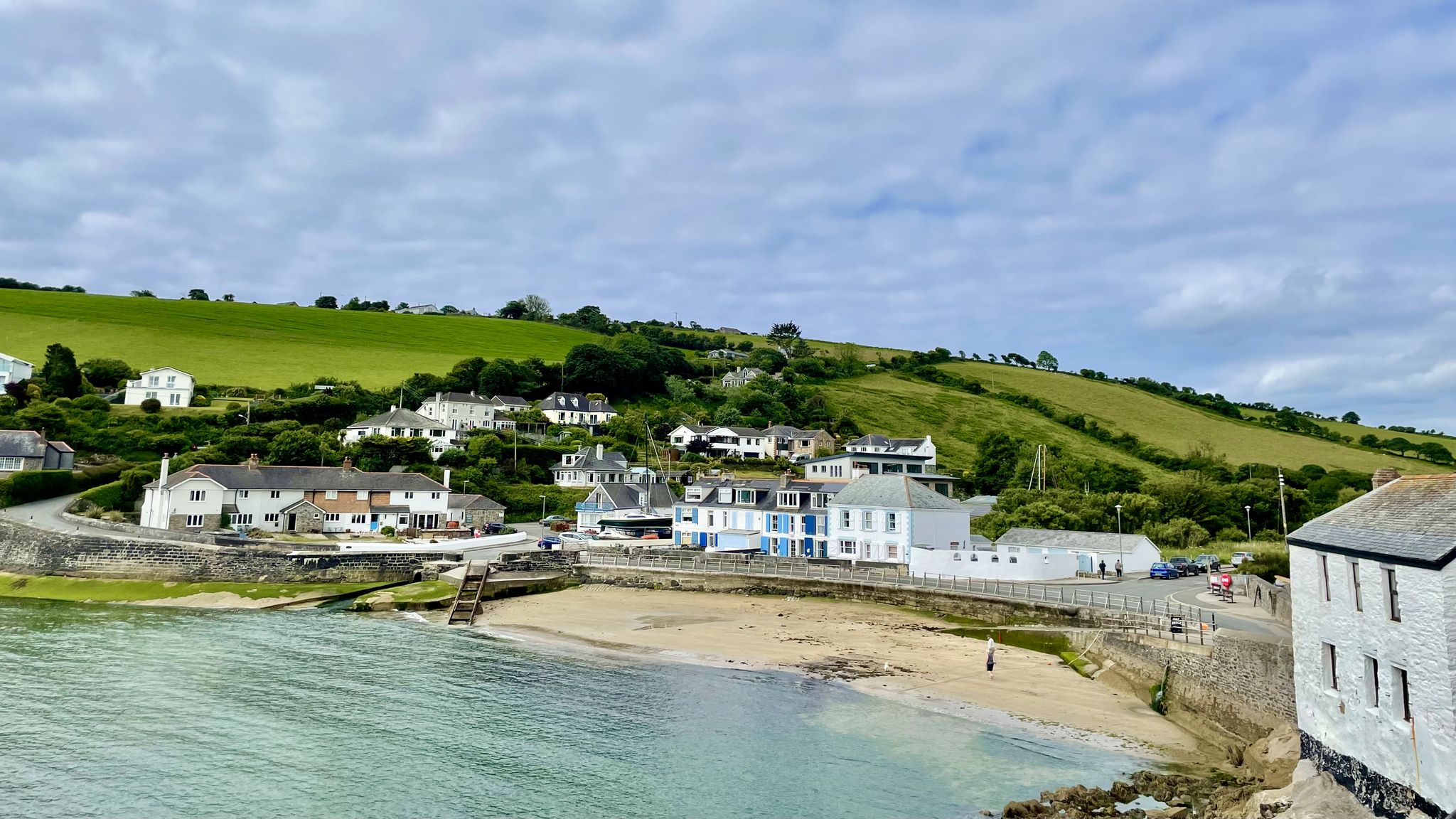
National Cycle Network Route 3 — Land's End to Bristol
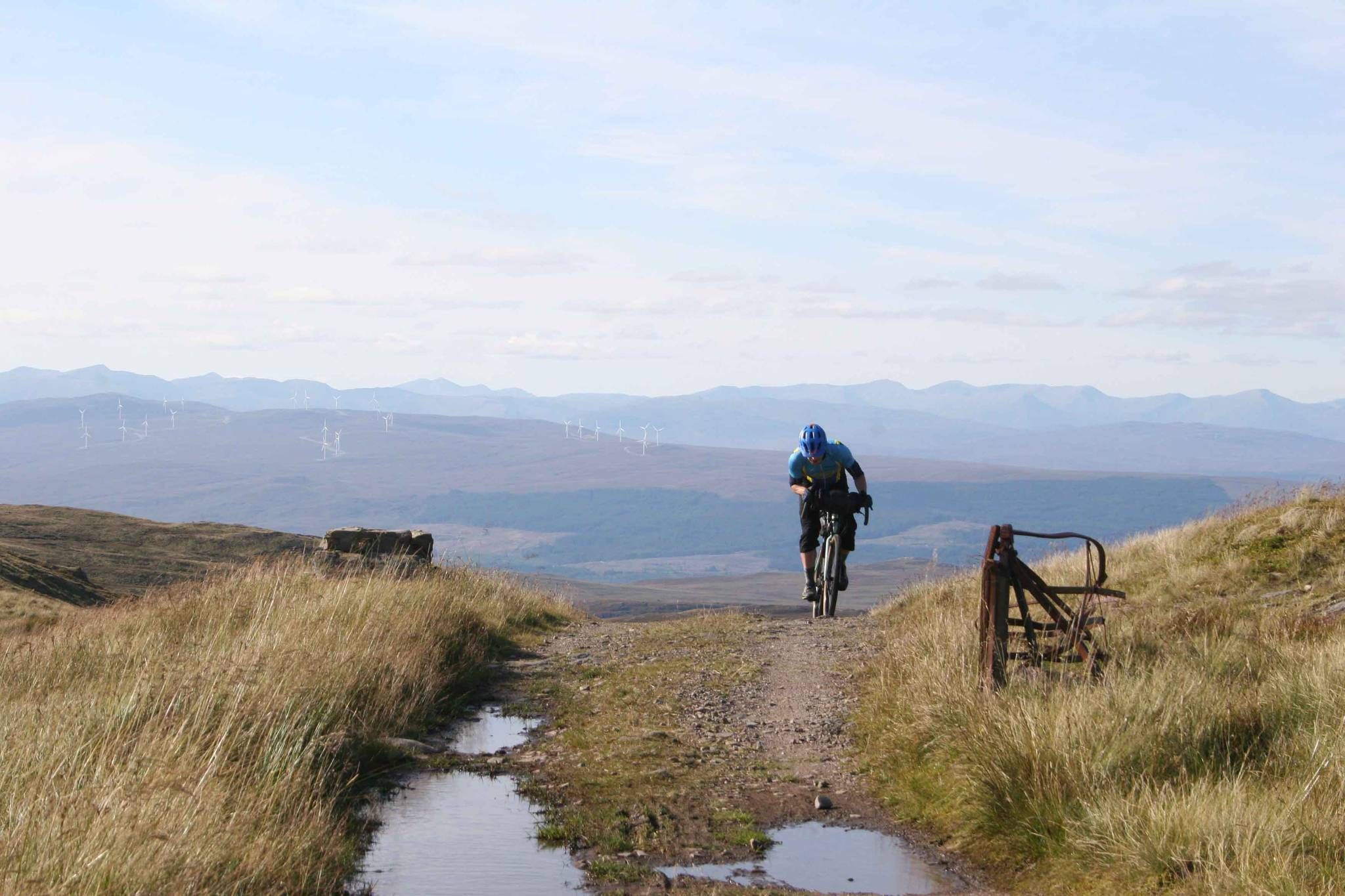
GB Divide — Great Britain end to end off-road on GBDURO
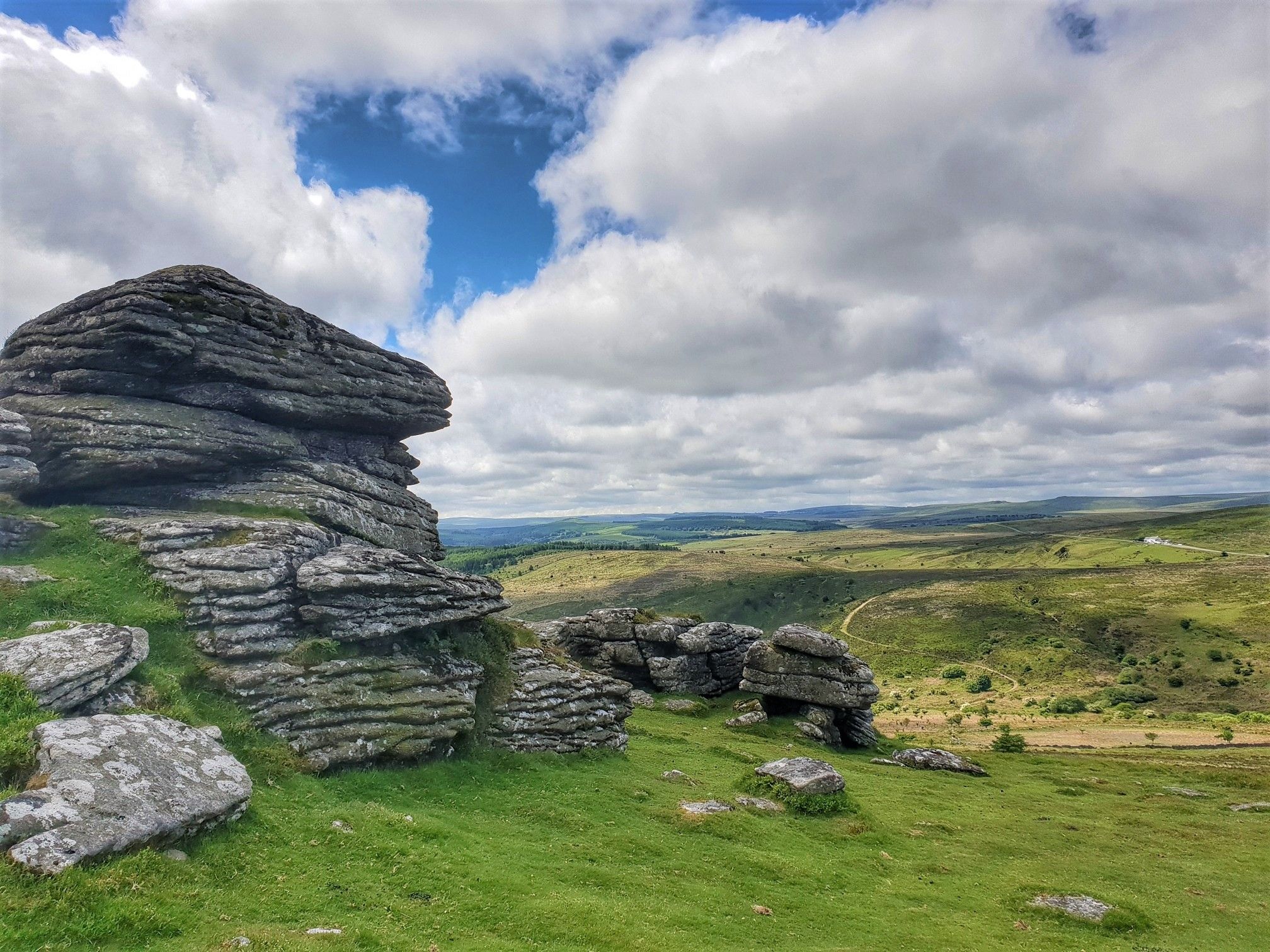
Two Moors Way — Wild coast-to-coast over Dartmoor and Exmoor
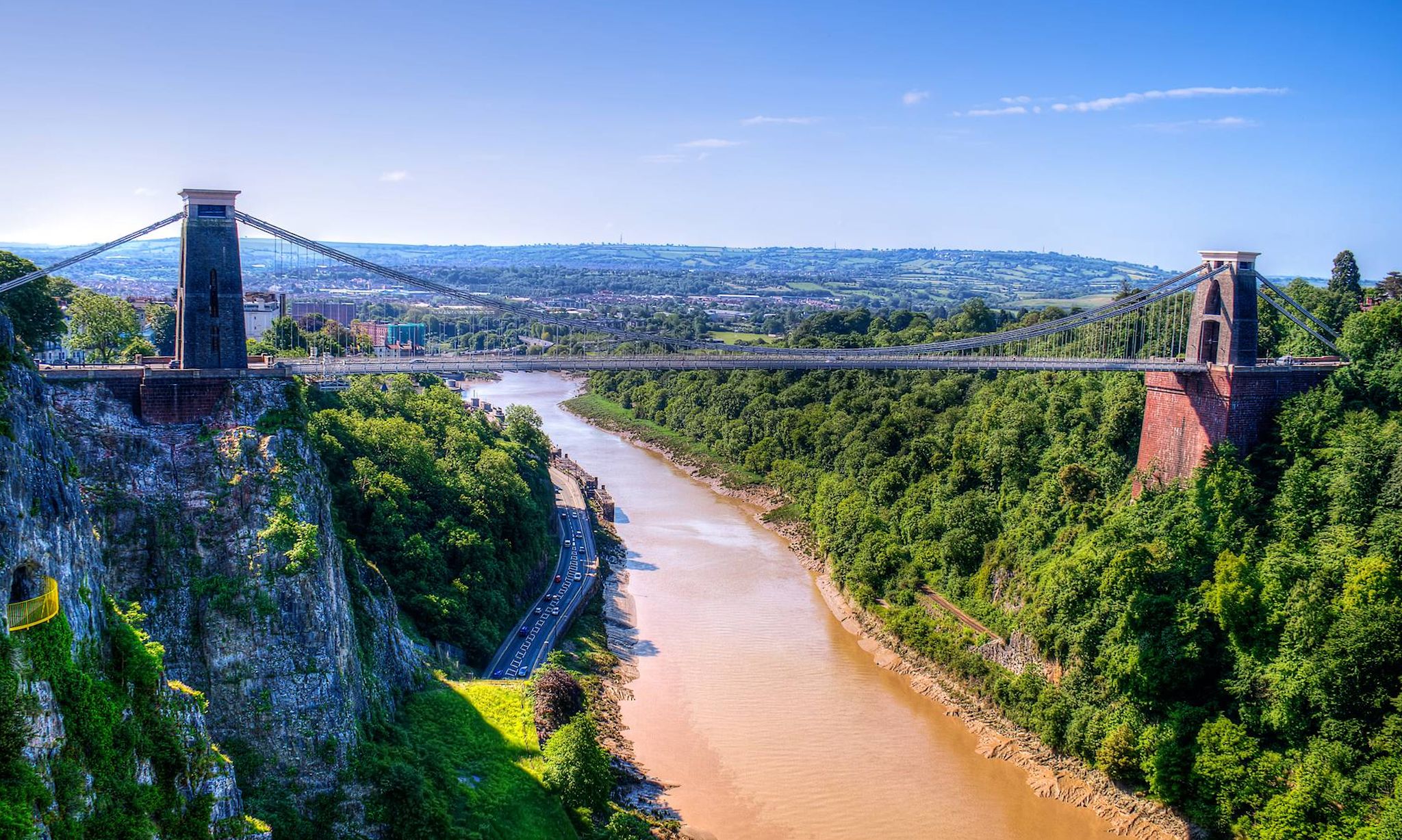
West Country Way – Vibrant cities and emerald hills

Devon Coast to Coast – Pristine beaches to vast moorlands
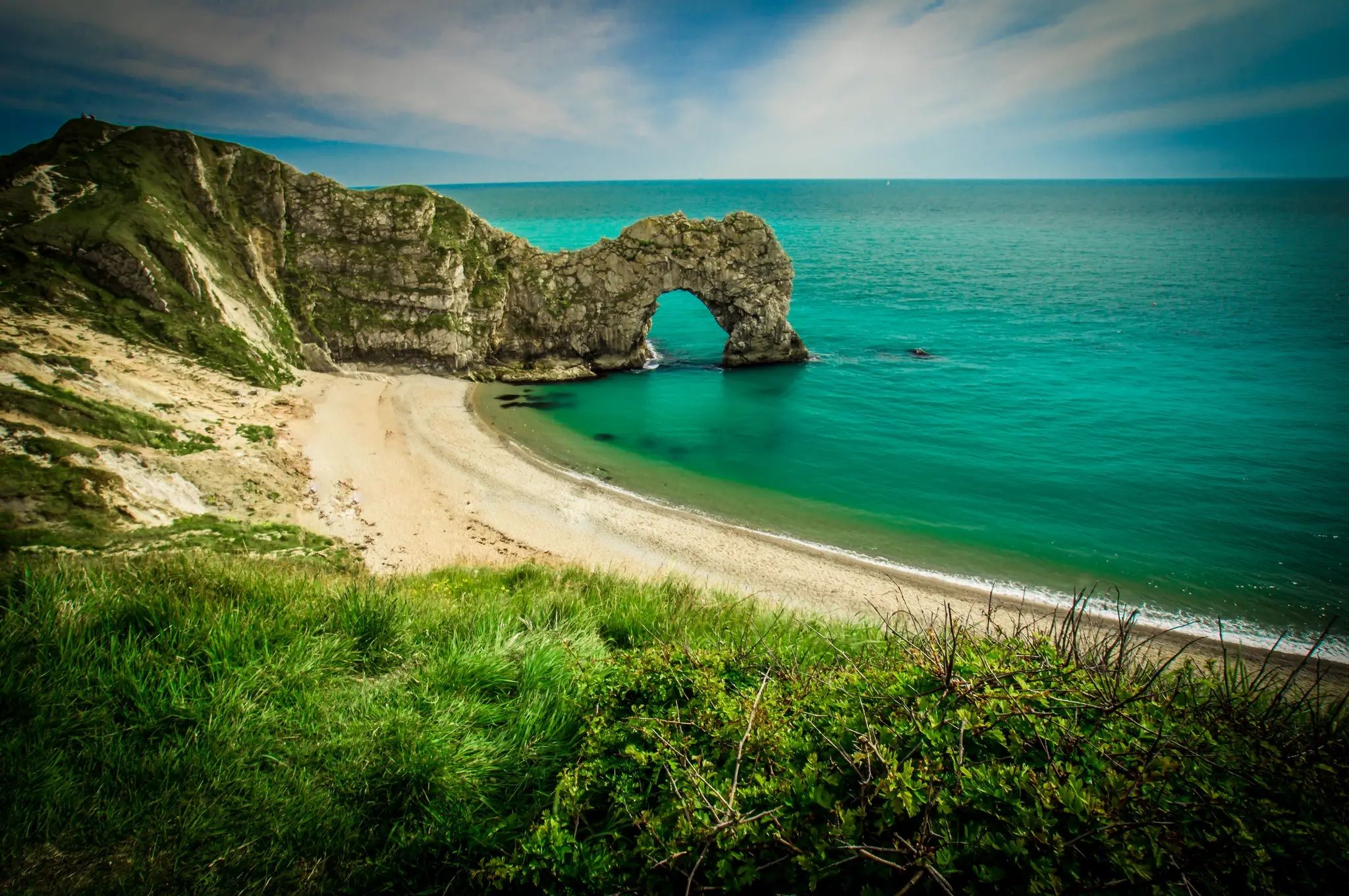
South West Coast Path — Explore Britain's longest trail
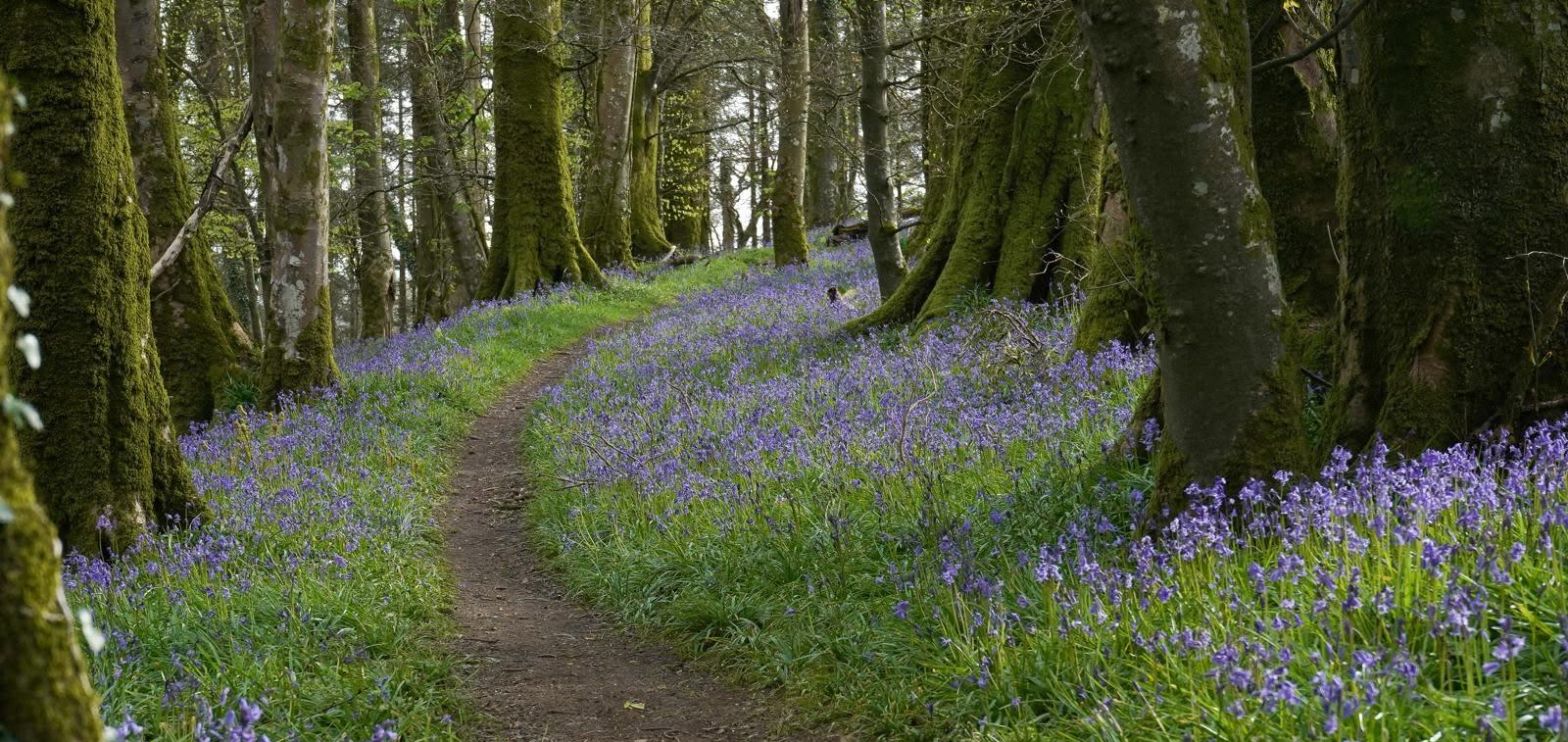
Cycling around the Arlington Estate – gravel, bridleways and tracks
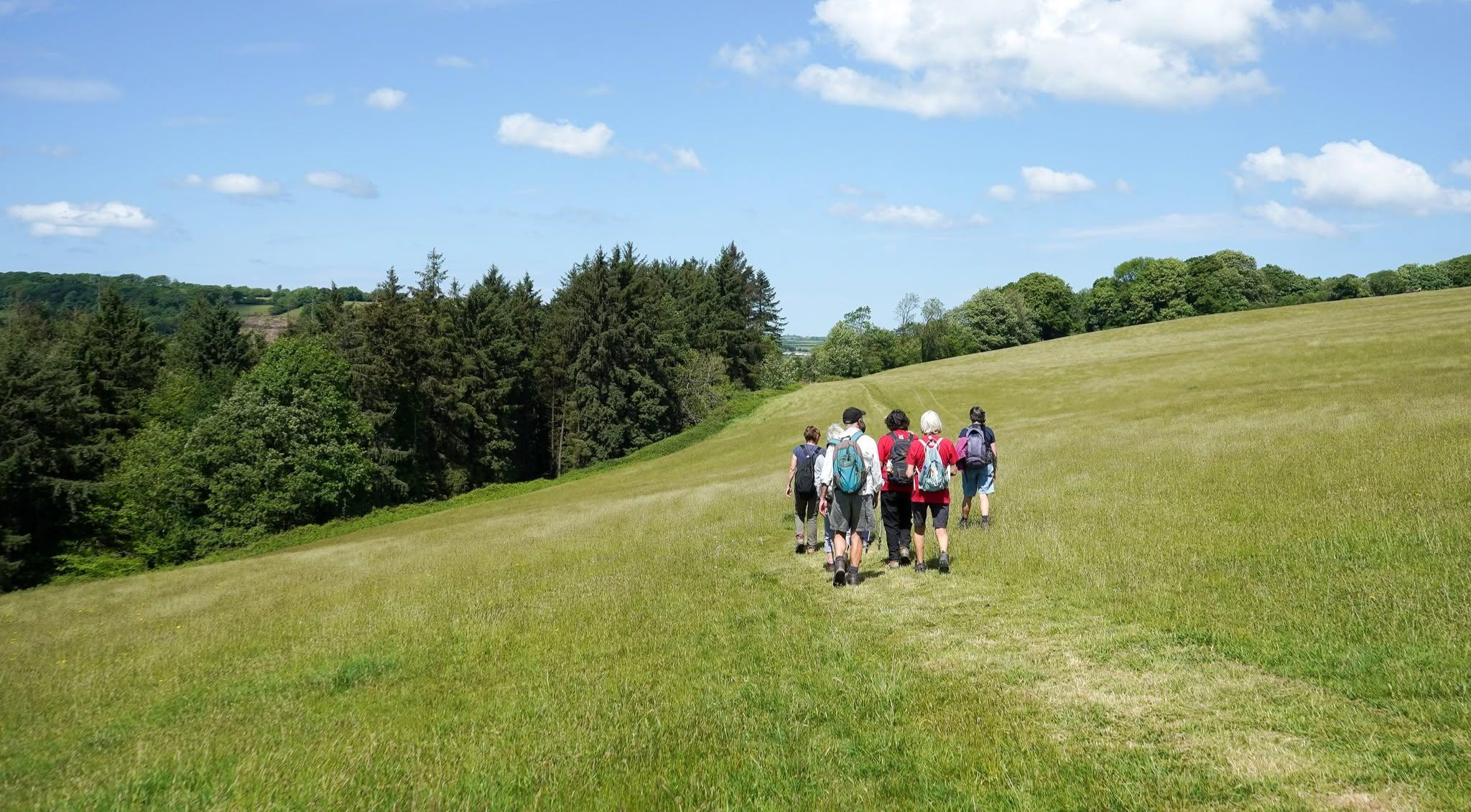
Hikes on the Arlington Estate – woods, parkland and quiet valleys
A Walk in the Parks – hikes across all of England’s national parks
Other adventures in North Devon


Tips from the Community

A beautiful, secluded spot. The beach is rocky, surrounded by high mountains. Here you can enjoy peace and quiet and listen to the sea.
0
0

Great view, great atmosphere. Fresh water, salt water and great vegetation.
3
0

Amazing views stretching out across the Severn estuary, with great views of the Welsh coast on a clear day.
2
1

This tour is beautiful and highly recommended. We had a drink down in Lynmouth and went back up on the water slide. Then we went to Charly's in Lynton.
2
2


Culbone Wood experiences clean, moist coastal air which results in lush vegetation growing from trees and shrubs, to ferns, mosses and lichens, all thriving in this damp microclimate. Because of this, Culbone Wood is termed an Atlantic Oakwood which is often described as Britain's temperate rainforest.
1
1

The River Heddon flows into the sea here, a romantic place! The beach consists of large stones, it is not suitable for swimming, but you can sit on the rocks and look at the sea. There is also a higher viewing point where you can also find benches.
4
0
It actually goes uphill and sometimes downhill, the path is actually easy to walk, but requires concentration and surefootedness!
3
0
Frequently Asked Questions
What are some of the most unique geological features to explore in North Devon?
North Devon is rich in unique geological formations. You can explore the dramatic folded cliffs at Hartland Quay, which are over 320 million years old. Another striking feature is Valley of Rocks, known for its distinctive rock formations and dry valley. Don't miss Blackchurch Rock at Mouthmill Beach, a magnificent arch stack formed from Hartland Quay Shale, which even contains goniatite fossils.
Are there any natural monuments in North Devon that are particularly good for wildlife spotting?
Yes, North Devon offers excellent opportunities for wildlife enthusiasts. Lundy Island, often compared to the Galapagos, is a haven for puffins, seals, and diverse marine life. For seal watching closer to the mainland, Morte Point is a brilliant spot where you can often see seals bobbing in the sea or resting on the rocks. The Heddon Valley, near Heddon's Mouth Cove, is home to otters and the rare high brown fritillary butterfly.
What are the best natural monuments for coastal walks and scenic views?
For breathtaking coastal walks and expansive views, Baggy Point is an exceptional headland separating Croyde Bay from Morte Bay. It offers fantastic vistas on a clear day and is popular with rock climbers. The Valley of Rocks also provides dramatic cliff-top views of the coastline and Exmoor National Park.
Are there family-friendly natural monuments in North Devon?
Many natural monuments in North Devon are suitable for families. Valley of Rocks is easily accessible with a car park, and children often enjoy spotting the feral goats. Baggy Point has an easy access path, making it suitable for all ages and abilities to enjoy the views. Watersmeet, a National Trust property, offers numerous walking paths through ancient woodlands, and there's a cafe on-site.
What kind of outdoor activities can I do near North Devon's natural monuments?
North Devon's natural monuments are excellent bases for various outdoor activities. You can find extensive trails for hiking and running, such as those around Exmoor National Park or the South West Coast Path. For cycling, the Tarka Trail offers a long route through diverse environments. You can explore a variety of routes, including road cycling, running, and easy hikes, by checking out the guides for Road Cycling Routes in North Devon, Running Trails in North Devon, and Easy Hikes in North Devon.
When is the best time to visit the natural monuments in North Devon?
The best time to visit North Devon's natural monuments largely depends on your preferred activities. The ferry service to Lundy Island operates from late March to late October, making this period ideal for visiting the island. Generally, spring and summer offer milder weather for coastal walks and wildlife spotting, while autumn provides stunning foliage in woodland areas like Watersmeet. Even in rougher weather, places like Hartland Quay offer a spectacular display of waves crashing against the old harbour wall.
Are there any natural monuments that are particularly good for birdwatching?
Lundy Island is renowned for its birdlife, especially its significant puffin population, making it a prime destination for birdwatchers. Additionally, areas like Watersmeet, with its ancient oak woodlands, and Halsdon Wood are excellent for spotting various bird species, including kingfishers.
What are some of the less-known or 'hidden gem' natural monuments in North Devon?
While popular spots are well-loved, North Devon also has some quieter natural gems. Blackchurch Rock at Mouthmill Beach offers a secluded cove with a magnificent arch stack and hints of smuggling history. Halsdon Wood is another lesser-known area, valued for its wildlife, including European Otters and kingfishers, providing a tranquil escape.
Can I find natural monuments with waterfalls or rivers in North Devon?
Yes, North Devon features beautiful natural monuments with water features. Watersmeet is a stunning woodland area where the East Lyn River and Hoar Oak Water converge, creating a dramatic river gorge with waterfalls. You can also experience the rapids of the East Lyn River itself, offering a dynamic natural spectacle.
Are there any accessible natural monuments for visitors with limited mobility or wheelchairs?
While many natural monuments in North Devon involve rugged terrain, some efforts have been made for accessibility. Baggy Point features an easy access path, allowing people of various abilities to enjoy the views. The Wistlandpound Reservoir Bird Hide is also noted as being wheelchair accessible, offering a chance to enjoy nature in a comfortable setting.
What kind of terrain can I expect when exploring North Devon's natural monuments?
The terrain across North Devon's natural monuments is incredibly diverse. You'll encounter rugged cliffs and rocky coves along the coastline, such as at Hartland Quay and Little Hangman. Inland, areas like Exmoor National Park feature rolling hills and moorland, while Watersmeet offers ancient oak woodlands with river gorges. Protected dune systems can be explored at Braunton Burrows, providing a unique sandy environment.
Are there opportunities for rock climbing at any of the natural monuments?
Yes, Baggy Point is a popular spot for rock climbers, offering challenging routes on its impressive headland. If the weather is dry, you're likely to see or hear climbers enjoying the cliffs there.
Most popular routes in North Devon
Most popular attractions in North Devon

Get inspired with the komoot mobile app


Didn’t find what you were looking for?
Find even more amazing natural monuments in North Devon by checking out the top Highlights region by region:
Explore more
Extend your search for the best caves by checking out these guides of the top ones in North Devon:
