Top 8 Natural Monuments around Awsworth
Best natural monuments around Awsworth include a variety of geological formations, tranquil reservoirs, and historical sites set within natural woodlands. The area features notable red sandstone outcrops and ancient forests, offering diverse natural landscapes. These locations provide opportunities for exploring unique natural features and historical connections. Awsworth's surroundings are characterized by a blend of natural beauty and historical significance.
Best natural monuments around Awsworth
- The most popular natural monument is The Hemlock Stone, a striking outcrop of red sandstone. This 31-foot (10 m) tall formation on Stapleford Hill is steeped in local folklore and geological history.
- Another must-see spot is Loscoe Dam, a natural monument and ancient lake. It is now used by anglers and serves as a spot for wildlife observation.
- Visitors also love Young People's Forest at Mead, a natural monument and extensive forest. This site is being planted on a former open cast mining area.
- Awsworth is known for its unique geological formations, historical sites, and tranquil natural areas. The region offers a variety of natural monuments to see and explore, from ancient rock formations to serene lakes and developing forests.
- The natural monuments around Awsworth are appreciated by the komoot community, with more than 100 upvotes and over 25 photos shared across the highlights.
Last updated: November 26, 2026
The Hemlock Stone
Highlight • Natural
Tip by

St James' Church and Ancient Yew Tree, Papplewick
Highlight • Historical Site
Tip by

Sign up now to discover places like this
Get recommendations on the best single tracks, peaks, & plenty of other exciting outdoor places.
Site of Wood Hall and Risley Lank
Highlight • Historical Site
The Risley Park Lanx is a large Roman silver dish that was discovered in 1729 in Risley Park, Ref Wikipedia
en.wikipedia.org/wiki/Risley_Park_Lanx
Tip by

Loscoe Dam
Highlight • Natural Monument
Tip by

Young People's Forest at Mead
Highlight • Natural Monument
Tip by

Sign up for free to discover even more natural monuments around Awsworth.
Already have an account?
Start today with a free account
Your next adventure awaits.
Tips from the Community

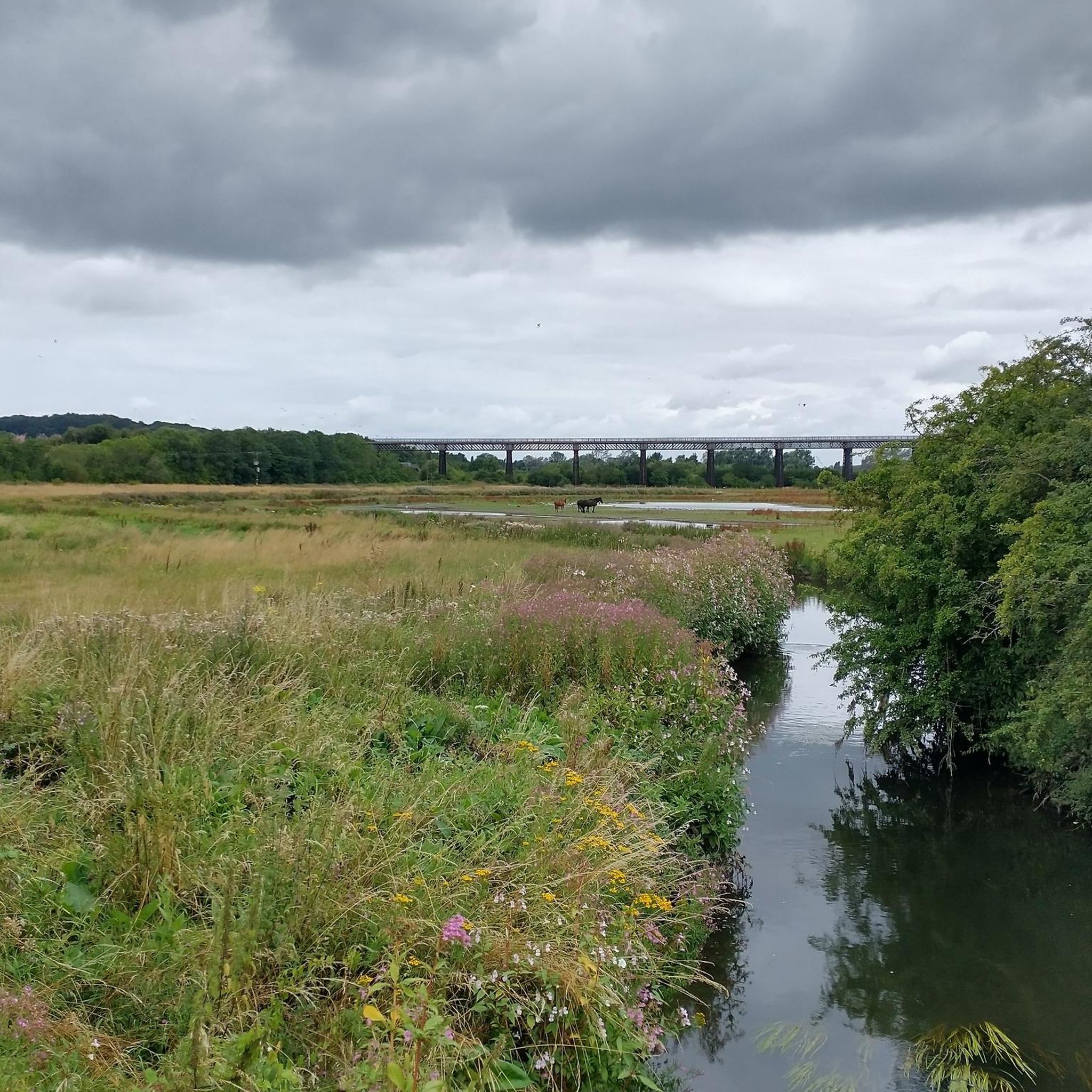
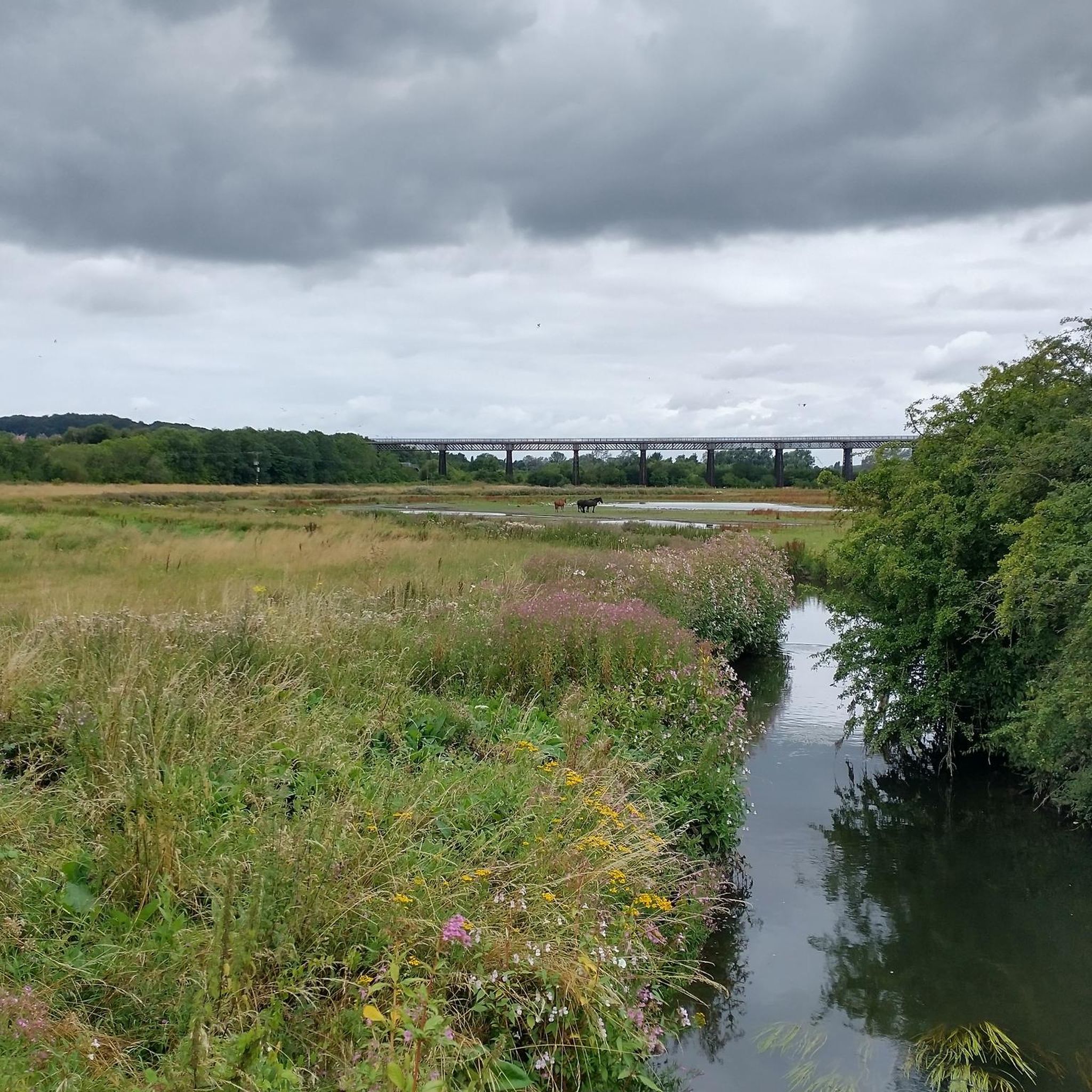
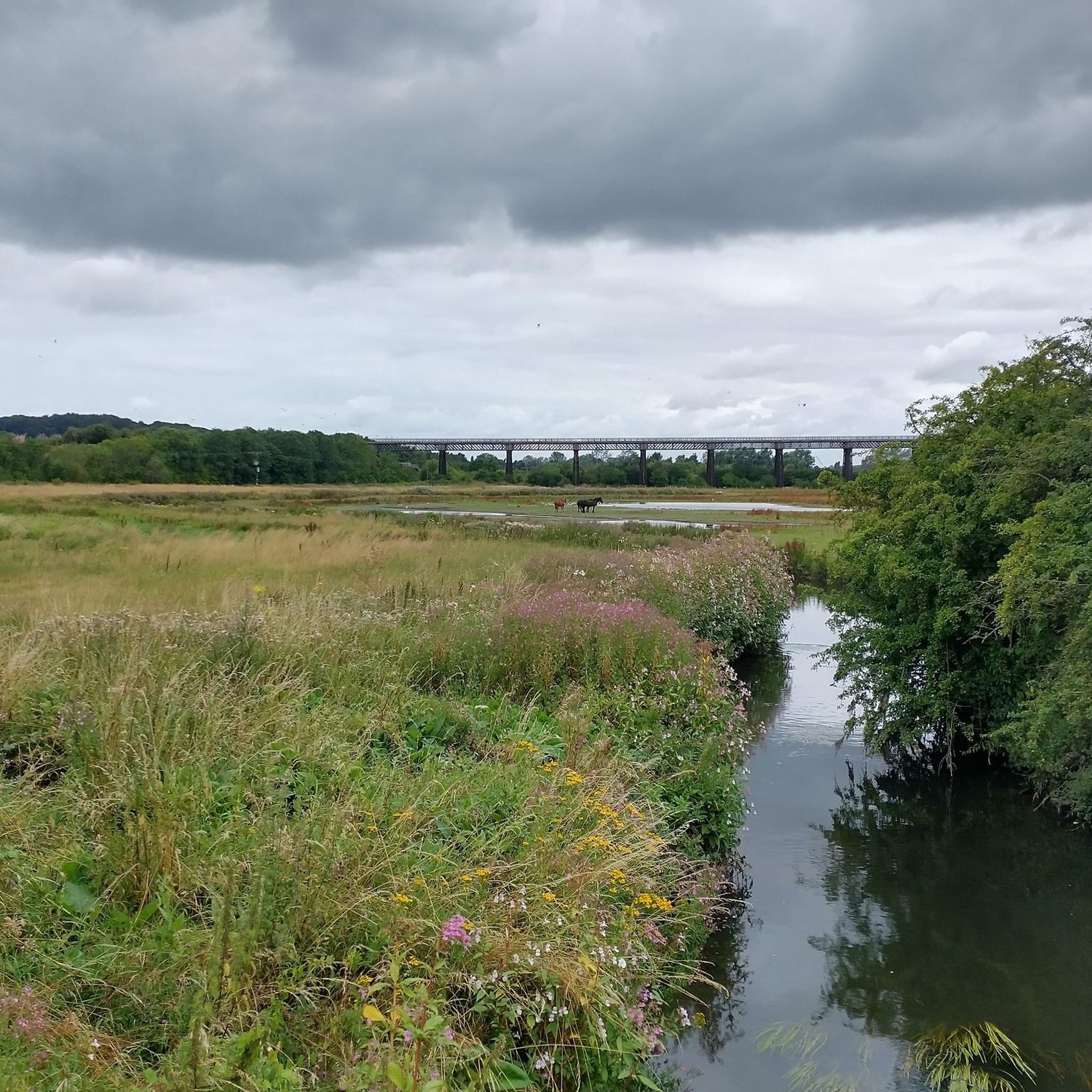
First recorded in the 1300s, built by the Barons Grey of Codnor. Powered local corn mills and later 16th-century ironworks, and supplied water for local collieries.
0
0
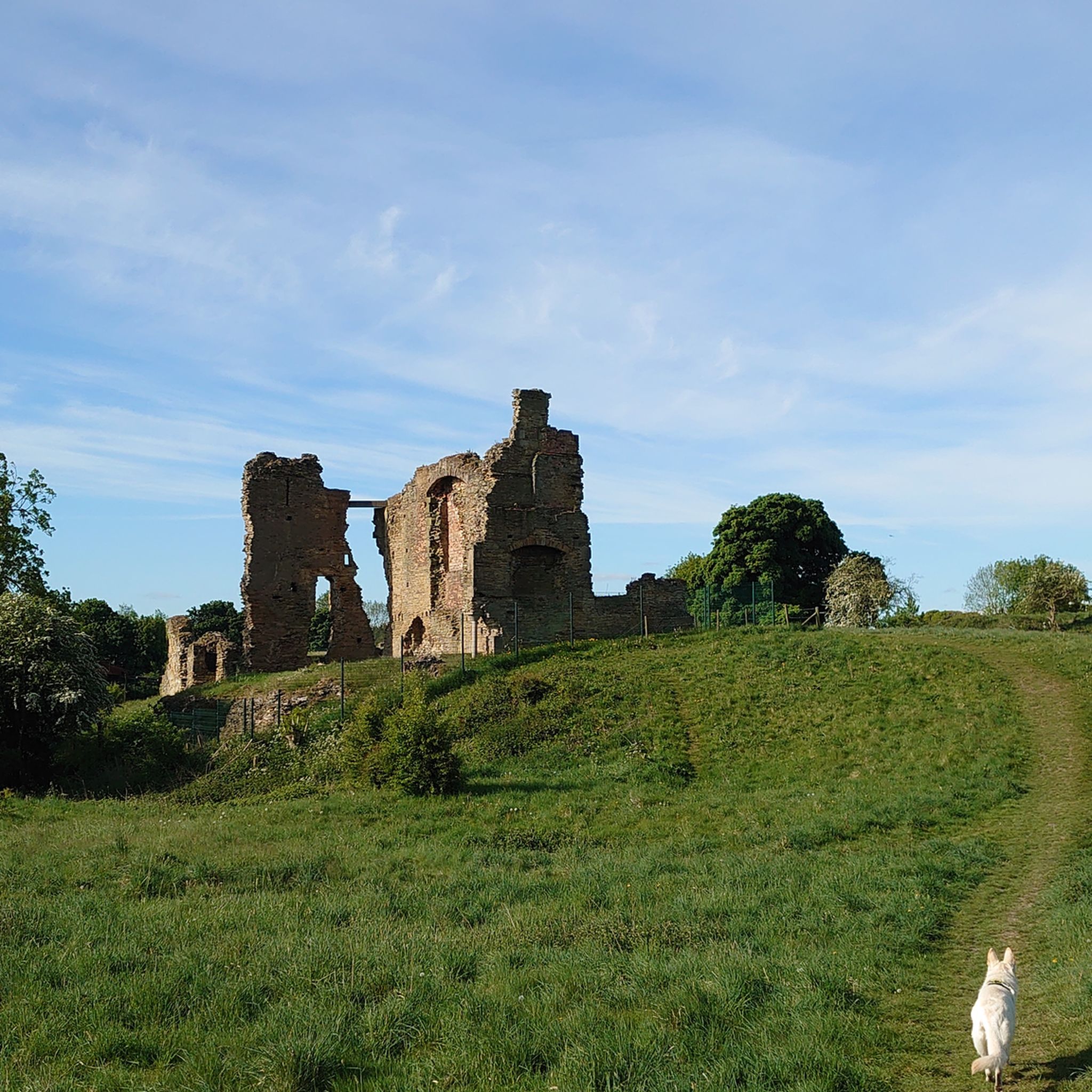
This was a medieval moated manor in the valley at the bottom of the field, situated by the brook. It was demolished in the late 16th century when a new house was built on the hill above where Risley Lodge Farm now stands visible on the hill top.
0
0
The church is thought to have been built in the 12th century. In the grant made by Henry II to Newstead Priory, part of the endowment was “The Town of Papplewick with the Church of the same name and the Mill.”. Legend has it that Alan A’Dale, one of Robin Hood’s men, was married here. The present tower dates from the 14th century. The nave and chancel were rebuilt by the Right Hon. Frederick Montagu in 1795 (after he had rebuilt the Hall.). In 1855, Papplewick was united with Linby. The Parish is now called ‘the Parish of St. Michael, Linby cum St. James, Papplewick‘. The building was further restored and repaired in 1938 in memory of John Chadburn, son of Mr. C. W. Chadburn who lived in the Parish.
0
0


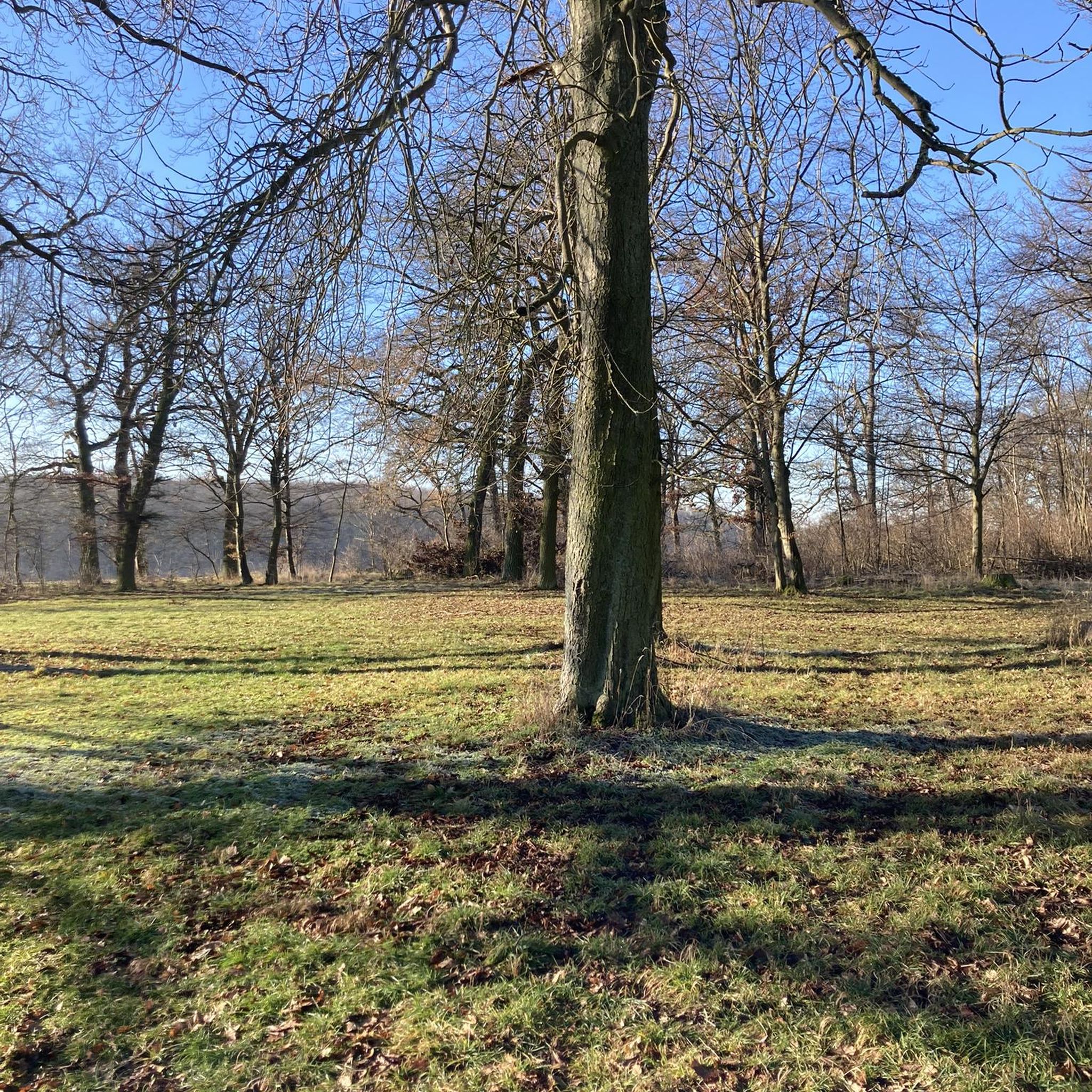
Origins in the 12th Century, rebuilt in 1795 & restored in 1940, this Grade I listed building is still in weekly use. The Yew tree outside is 350 years old.
1
0
The Hemlock Stone is an outcrop of New Red Sandstone, deposited more than 200 million years ago in the Triassic Period. Approximately 28 feet (8.5 m) high, it is formed of a layer of Nottingham Castle Sandstone overlying a layer of Lenton Sandstone.
0
0
The Young People’s Forest at Mead is being planted on an extensive former open cast mining site near Heanor in Derbyshire.
0
0

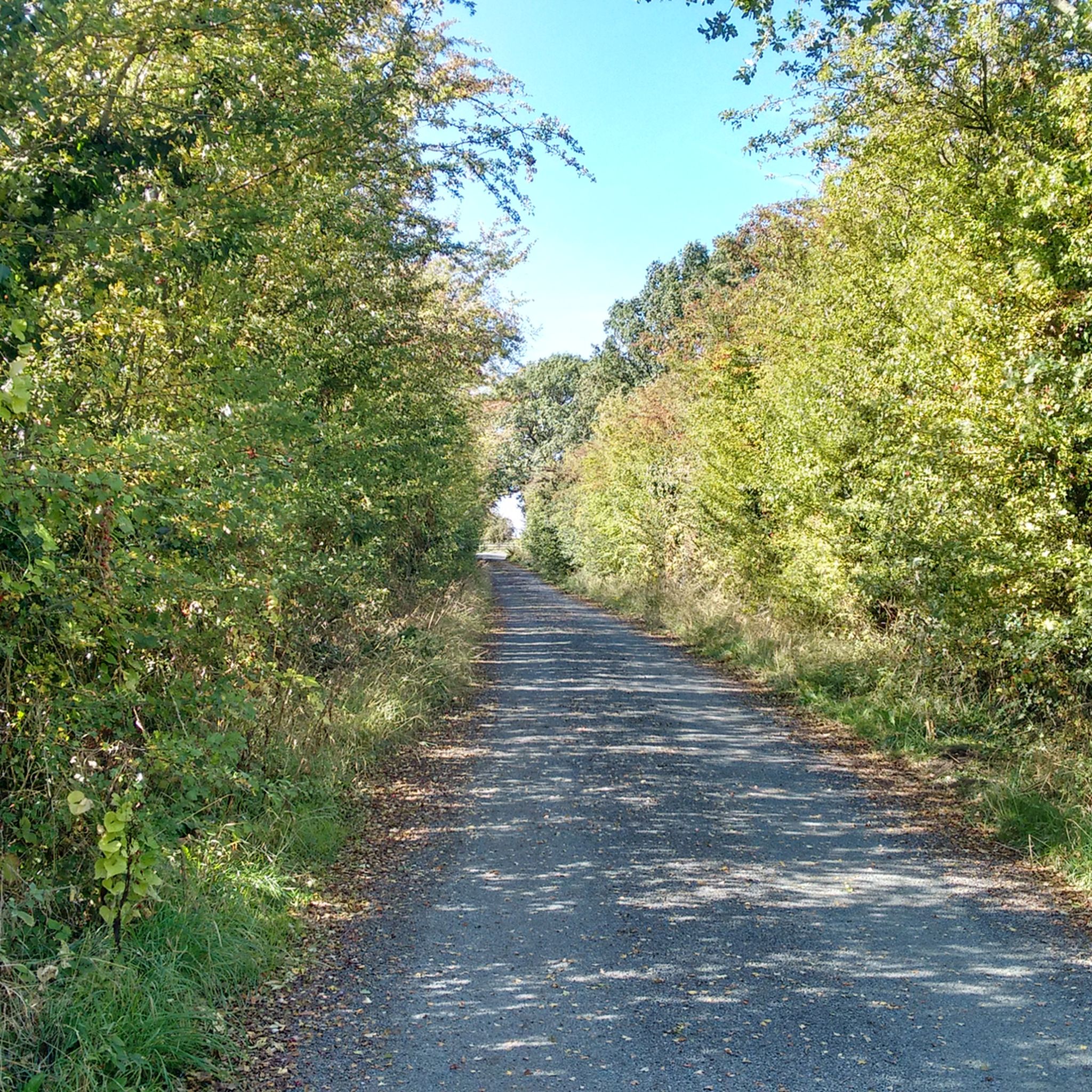
This is on the FP going East from Hopwell Hall Farm
0
0
Frequently Asked Questions
What are some of the most popular natural monuments around Awsworth?
Among the most popular natural monuments are The Hemlock Stone, a striking red sandstone outcrop steeped in local folklore, and Loscoe Dam, an ancient lake popular for angling and wildlife observation. Visitors also appreciate the developing Young People's Forest at Mead, planted on a former mining site.
Are there family-friendly natural monuments in the Awsworth area?
Yes, several natural monuments are suitable for families. The Hemlock Stone offers an engaging historical and geological experience. Loscoe Dam and Mapperley Reservoir provide tranquil settings for walks and nature spotting. The Young People's Forest at Mead is also a great place for families to explore a growing woodland.
What kind of natural features can I expect to see around Awsworth?
You'll find a diverse range of natural features. These include unique geological formations like the red sandstone outcrop of The Hemlock Stone, tranquil bodies of water such as Loscoe Dam and Mapperley Reservoir, and extensive woodlands like the Young People's Forest at Mead and Hermit's Wood.
Are there historical or cultural sites integrated with the natural monuments?
Absolutely. The Hemlock Stone is rich in local folklore and historical legends. The Hermitage Cave near Dale Abbey, a Scheduled Ancient Monument, was carved by a hermit in 1130 AD. Additionally, the Ancient Yew Tree at St James' Church, Papplewick, and the Site of Wood Hall and Risley Lank offer glimpses into the region's past.
What outdoor activities can I do near these natural monuments?
The area offers various outdoor activities. You can enjoy walking and hiking around the natural monuments, with many trails passing through woodlands and along reservoirs. For cycling enthusiasts, there are numerous routes, including those for touring bikes, road cycling, and gravel biking, often incorporating scenic natural spots.
Where can I go for wildlife spotting near Awsworth's natural monuments?
Mapperley Reservoir is an excellent spot for birdwatching, with species like coot, moorhen, mallard, kingfisher, chiffchaffs, and blackcaps. The surrounding bluebell woodlands and nature reserve also support diverse wildlife. Loscoe Dam is another good location for observing local wildlife, especially birds.
Are there any easy walks or trails suitable for all abilities?
Many of the natural monuments are accessible via relatively easy paths. Mapperley Reservoir offers tranquil walking paths around the lake, suitable for leisurely outings. The area around The Hemlock Stone also has countryside trails that are generally manageable. Always check specific trail conditions before you go.
What is the best time of year to visit the natural monuments around Awsworth?
The natural monuments can be enjoyed year-round. Spring brings blooming bluebells to Mapperley Reservoir and Hermit's Wood. Summer offers pleasant conditions for walking and exploring. Autumn showcases beautiful foliage, especially in the woodlands. Even in winter, the dramatic landscape of The Hemlock Stone and the peaceful reservoir settings offer a unique charm.
Are there cafes or facilities near the natural monuments?
Near Mapperley Reservoir, you'll find a visitor centre in Shipley Country Park and a coffee shop on the Nutbrook Trail, providing convenient amenities for visitors. For other locations, it's advisable to check local services in nearby villages like Dale Abbey or Awsworth itself.
What makes the Hermitage Cave a significant natural monument?
The Hermitage Cave, located in Hermit's Wood near Dale Abbey, is a unique natural monument because it was carved into a sandstone bank around 1130 AD by a baker seeking a solitary life. It offers a rare glimpse into medieval spiritual history within a beautiful ancient woodland setting, and is designated as a Scheduled Ancient Monument.
Can I combine a visit to the natural monuments with other historical sites?
Yes, many natural monuments are close to historical sites. For instance, the Hermitage Cave is near the ruins of Dale Abbey and the picturesque village of Dale Abbey. The Ancient Yew Tree at St James' Church, Papplewick, is part of a historic church setting. This allows for a rich experience combining natural beauty with cultural heritage.
What is the significance of the Dale Abbey Arch?
The Dale Abbey Arch, while an architectural remnant, stands as a striking natural monument within the landscape. It is the 40-foot-high chancel window from the historic 13th-century Dale Abbey. Its solitary presence in a field offers a poignant connection to centuries of history and provides a dramatic focal point for those exploring the surrounding countryside and Hermit's Wood.
Most popular routes around Awsworth
Most popular attractions around Awsworth

Get inspired with the komoot mobile app


Explore more
Extend your search for the best caves by checking out these guides of the top ones around Awsworth:
