Top 6 Natural Monuments around Hotham
Best natural monuments around Hotham offer diverse natural features. The region's landscape provides opportunities to explore various natural and historical sites. These areas are characterized by unique geological formations and preserved natural habitats. Visitors can discover a range of natural monuments, from disused quarries now serving as nature reserves to historical wells and river features.
Best natural monuments around Hotham
- The most popular natural monuments is Drewton Wold Weir, a natural monument that is part of a river system.…
Last updated: June 29, 2026
Kiplingcotes Chalk Pit Nature Reserve
Highlight • Natural Monument
Tip by

Drewton Wold Weir
Highlight • Natural Monument
Tip by

Sign up now to discover places like this
Get recommendations on the best single tracks, peaks, & plenty of other exciting outdoor places.
Sign up for free
St. Helen's Well
Highlight • Natural Monument
Tip by

Rifle Butts Quarry Nature Reserve
Highlight • Historical Site
Tip by
Wishing Tree and Snack Stop
Highlight • Natural Monument
Tip by

Sign up for free to discover even more natural monuments around Hotham.
Sign up for free
Already have an account?
Start today with a free account
Your next adventure awaits.
Login or Signup
Tips from the Community

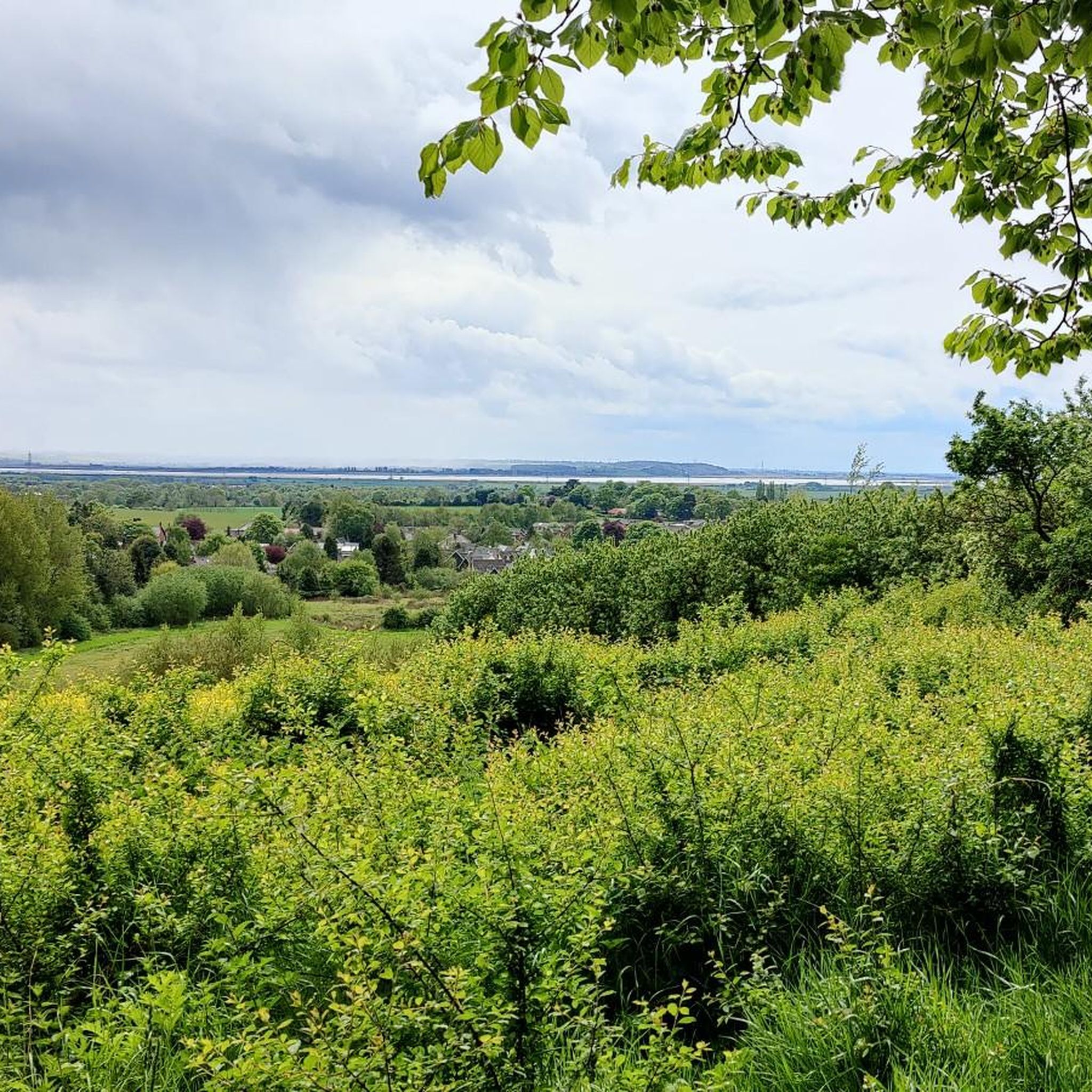
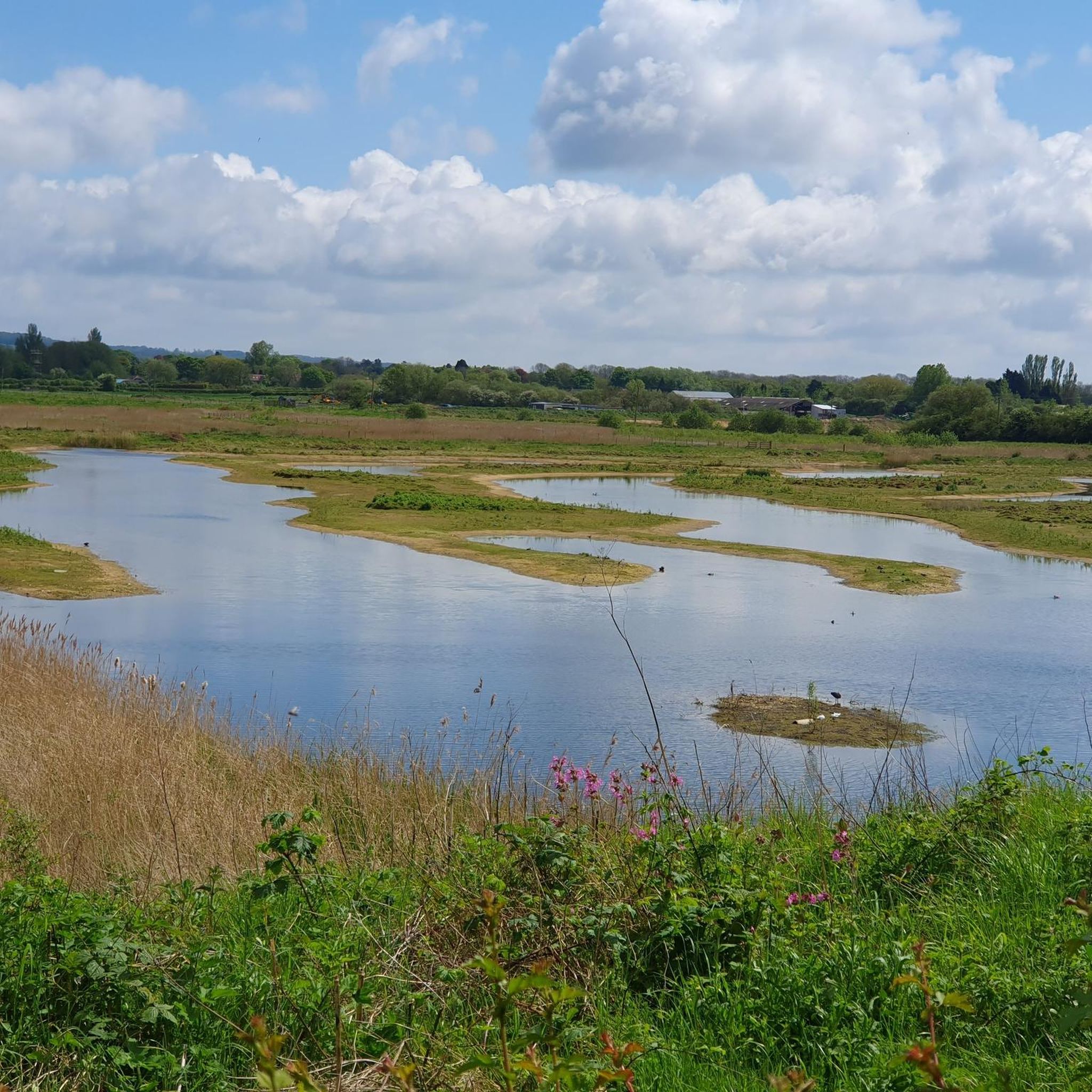
Lots of signs around here demarcating private land, however, this is on the intersection of a bridleway (Hunsley High Circuit) running east-west and a public footpath running north from this weir up Drewton Wold.
1
0
Natural spring and restored well - information board gives a good background to the site. Lots of ribbons tied on a tree for good luck, which is very reminiscent of the tanabata festival in Japan. The spring that feeds this well also causes the trail to become flooded and boggy in winter several metres past the well (heading east away from Market Weighton).
1
0
Maintained by the Yorkshire Wildlife Trust, Rifle Butts Quarry was created to provide stone for the construction of the railway line adjacent to the nature reserve. The site was then used as a rifle range from the 1890s to the First World War.
1
0

Can't get too close, there is a bin nearby for rubbish if you need it.
2
0

The route from Beverley is excellent and the roads are extremely quiet
0
0
If you like crazy downhill and you decide to give it a try, double check for walkers first as it's narrow and steep
2
0

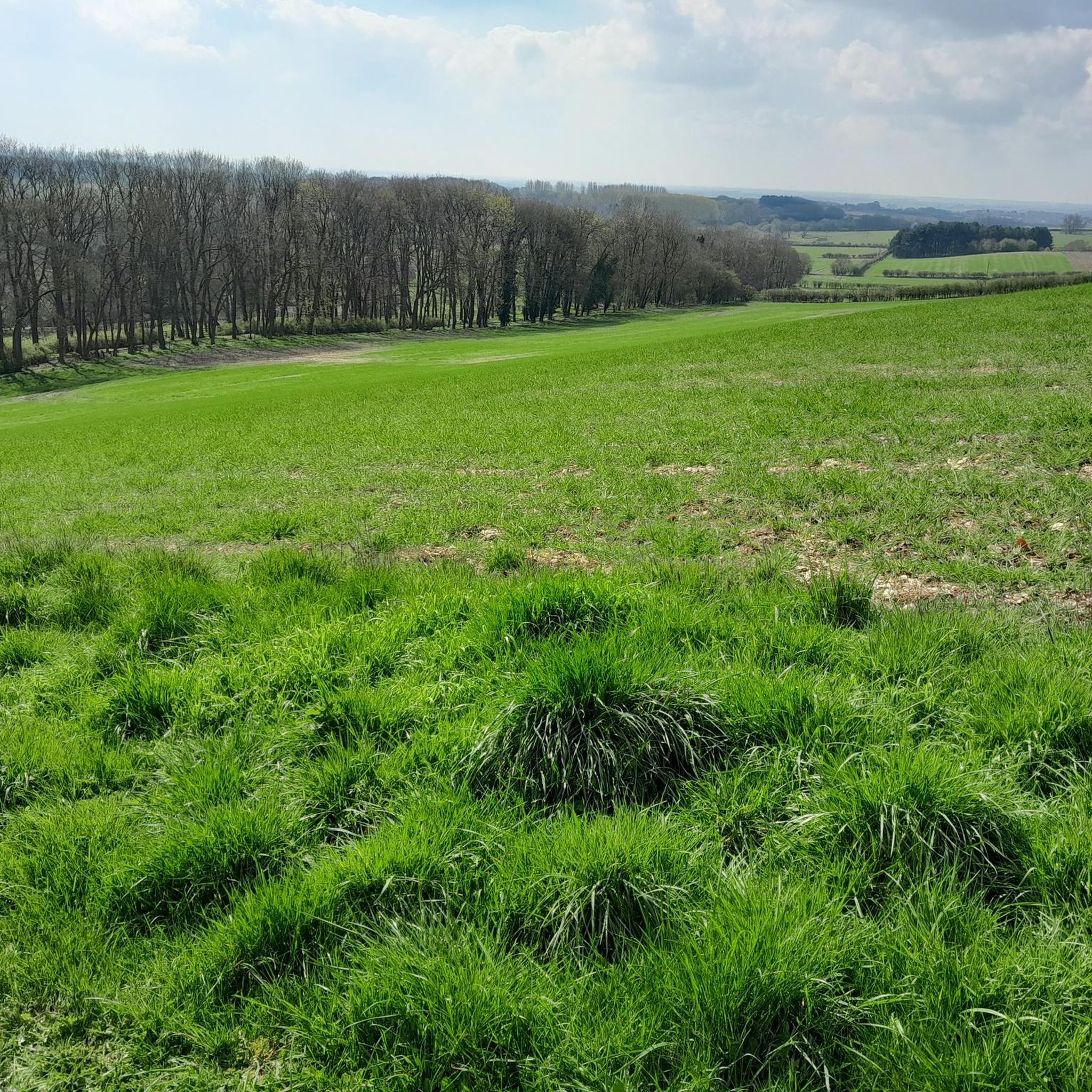
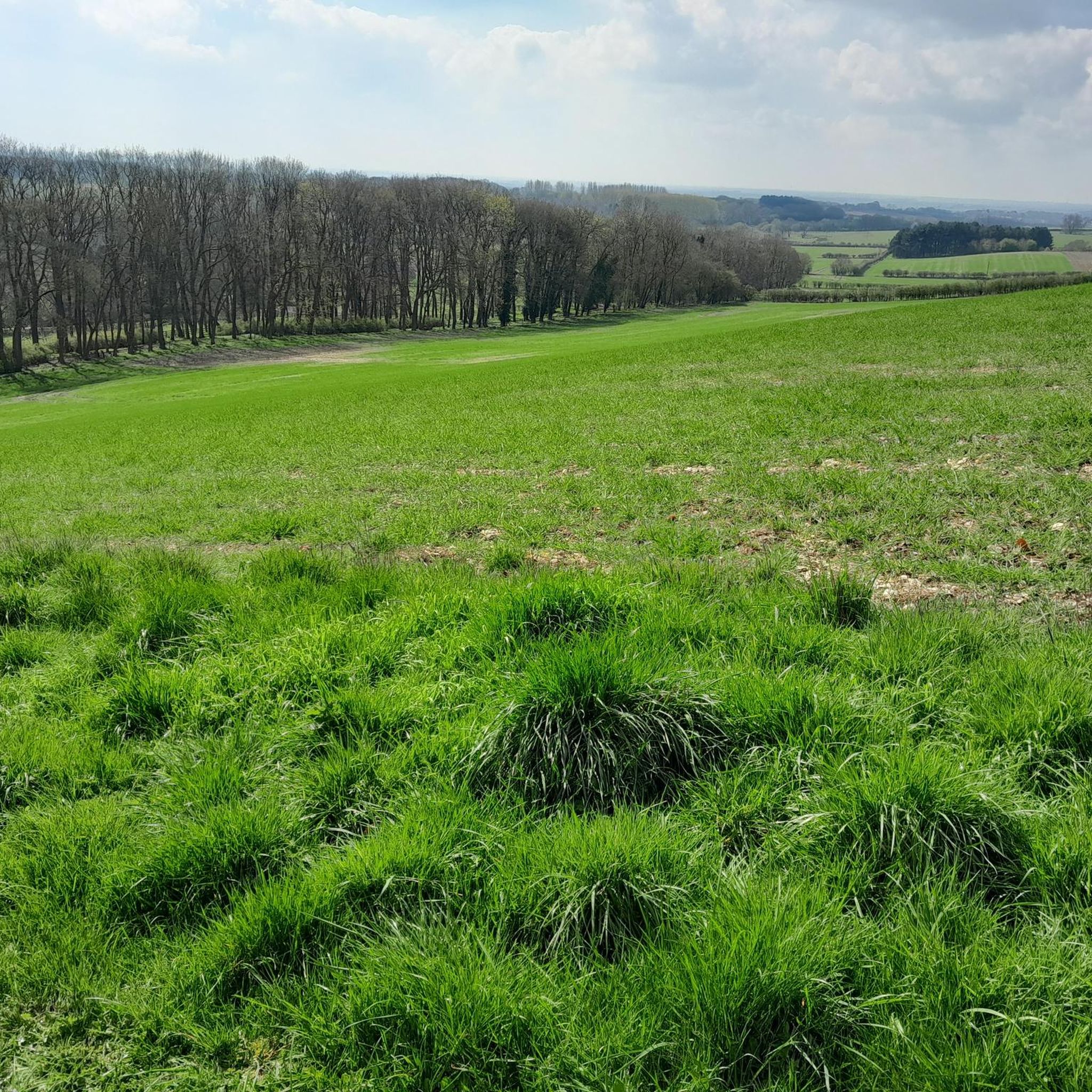
Located just outside Kiplingcotes hamlet, Kiplingcotes Chalk Pit Nature Reserve is a disused quarry which is now a Site of Special Scientific Interest. Amongst the chalk grassland, you will find various flowers such as knapweed and salad burnet as well as butterflies, long-tailed field mice, goldfinches and yellowhammers. During winter, you can also spot Hebridean sheep and Exmoor ponies who graze here to keep the grasses in check.
1
0
Frequently Asked Questions
What are some of the most popular natural monuments to visit around Hotham?
Among the most appreciated natural monuments in the Hotham area are Drewton Wold Weir, a unique river feature, and St. Helen's Well, a historic natural spring. Visitors also highly recommend Kiplingcotes Chalk Pit Nature Reserve, known for its diverse wildlife and chalk grassland.
Are there any natural monuments around Hotham with historical significance?
Yes, St. Helen's Well is a natural spring with a restored well and an information board detailing its historical context. Another site with historical ties is Rifle Butts Quarry Nature Reserve, which was originally created to provide stone for a railway line and later used as a rifle range.
What kind of wildlife and flora can I expect to see at the natural monuments?
At Kiplingcotes Chalk Pit Nature Reserve, you can discover chalk grassland rich with flowers like knapweed and salad burnet. It's also a haven for wildlife, including butterflies, long-tailed field mice, goldfinches, and yellowhammers. During winter, Hebridean sheep and Exmoor ponies graze here.
Are there easy walking trails or routes near these natural monuments?
Yes, the Hotham area offers several easy hiking options. For example, you can explore routes like the 'Drewton Wold Weir – View of the Hillside loop' or 'All Saints Church, North Cave loop from North Cave', both of which are considered easy. You can find more details on these and other easy hikes in the Easy hikes around Hotham guide.
What outdoor activities can I do near the natural monuments in Hotham?
Beyond visiting the monuments themselves, the Hotham area is excellent for outdoor activities. You can find numerous hiking trails, from moderate to difficult, such as the 'Houghton Moor, Market Weighton Canal & North Cave Wetlands loop'. There are also dedicated MTB trails like the 'Brantingham and Welton loop'. Explore more options in the Hiking around Hotham and MTB Trails around Hotham guides.
What are the geological features of the natural monuments in the Hotham area?
The natural monuments around Hotham showcase diverse geological features. Kiplingcotes Chalk Pit Nature Reserve is a disused quarry, highlighting the region's chalk geology. Similarly, Rifle Butts Quarry Nature Reserve also originated from stone extraction, revealing the underlying rock formations.
Is there a good time of year to visit the natural monuments around Hotham?
While the natural monuments can be enjoyed year-round, some sites like St. Helen's Well can have trails that become flooded and boggy in winter. For observing wildflowers and wildlife, spring and summer would likely offer the most vibrant experience at places like Kiplingcotes Chalk Pit Nature Reserve.
Are there any unique cultural practices or traditions associated with these natural monuments?
At St. Helen's Well, visitors often tie ribbons on a nearby tree. This practice is reminiscent of certain cultural festivals and adds a unique, contemplative element to the site.
Can I find places to rest or have a snack near the natural monuments?
Yes, there is a specific highlight known as the Wishing Tree and Snack Stop, which offers a place to pause. Additionally, near Drewton Wold Weir, there is a bin nearby for convenience if you need to dispose of rubbish.
What should I be aware of regarding access when visiting Drewton Wold Weir?
Drewton Wold Weir is located at the intersection of a bridleway and a public footpath. While you can't get too close to the weir itself, be mindful of signs demarcating private land in the vicinity.
Are there any natural monuments that are particularly good for beginners or those looking for a less strenuous visit?
For a less strenuous visit, places like St. Helen's Well offer a gentle experience with historical context. While some trails can be boggy in winter, the immediate area around the well is accessible. Kiplingcotes Chalk Pit Nature Reserve also provides a pleasant, relatively flat environment for observing nature.
Most popular attractions around Hotham

Get inspired with the komoot mobile app


Explore more
Extend your search for the best caves by checking out these guides of the top ones around Hotham:
