Top 6 Natural Monuments around Kirklington
Best natural monuments around Kirklington are concentrated within the historic Sherwood Forest region. This area is characterized by ancient woodlands, notable trees, and locations linked to English folklore. Visitors can explore a landscape that combines natural beauty with historical significance, offering insights into both geology and cultural heritage. The natural monuments here provide opportunities to experience diverse ecosystems and ancient sites.
Best natural monuments around Kirklington
- The most popular natural monuments is The Major Oak, a natural monument located…
Last updated: June 29, 2026
The Major Oak
Highlight • Natural Monument
Tip by

Fountain Dale Ponds
Highlight • Forest
Tip by

Sign up now to discover places like this
Get recommendations on the best single tracks, peaks, & plenty of other exciting outdoor places.
Sign up for free
Strawberry Hill Heath SSSI Nature Reserve
Highlight • Forest
Tip by

Centre Tree, Sherwood Forest
Highlight • Viewpoint
Tip by
Medusa Oak (Sherwood Forest)
Highlight • Natural Monument
Unlike some of the other trees …
Translated by Google •
Tip by

Sign up for free to discover even more natural monuments around Kirklington.
Sign up for free
Already have an account?
Start today with a free account
Your next adventure awaits.
Login or Signup
Tips from the Community

Due to its venerable age, an old legend has manifested itself on this large oak tree: the story of ROBIN HOOD, which has been told over and over again for many centuries - although by no means historically confirmed - and is known and loved from literature and film far beyond the borders of England. This tree is said to have given him and his loyal followers, whose area of activity is located in Sherwood Forest, shelter here. You may want to believe it or not - the main thing is: the myth lives on!
0
0

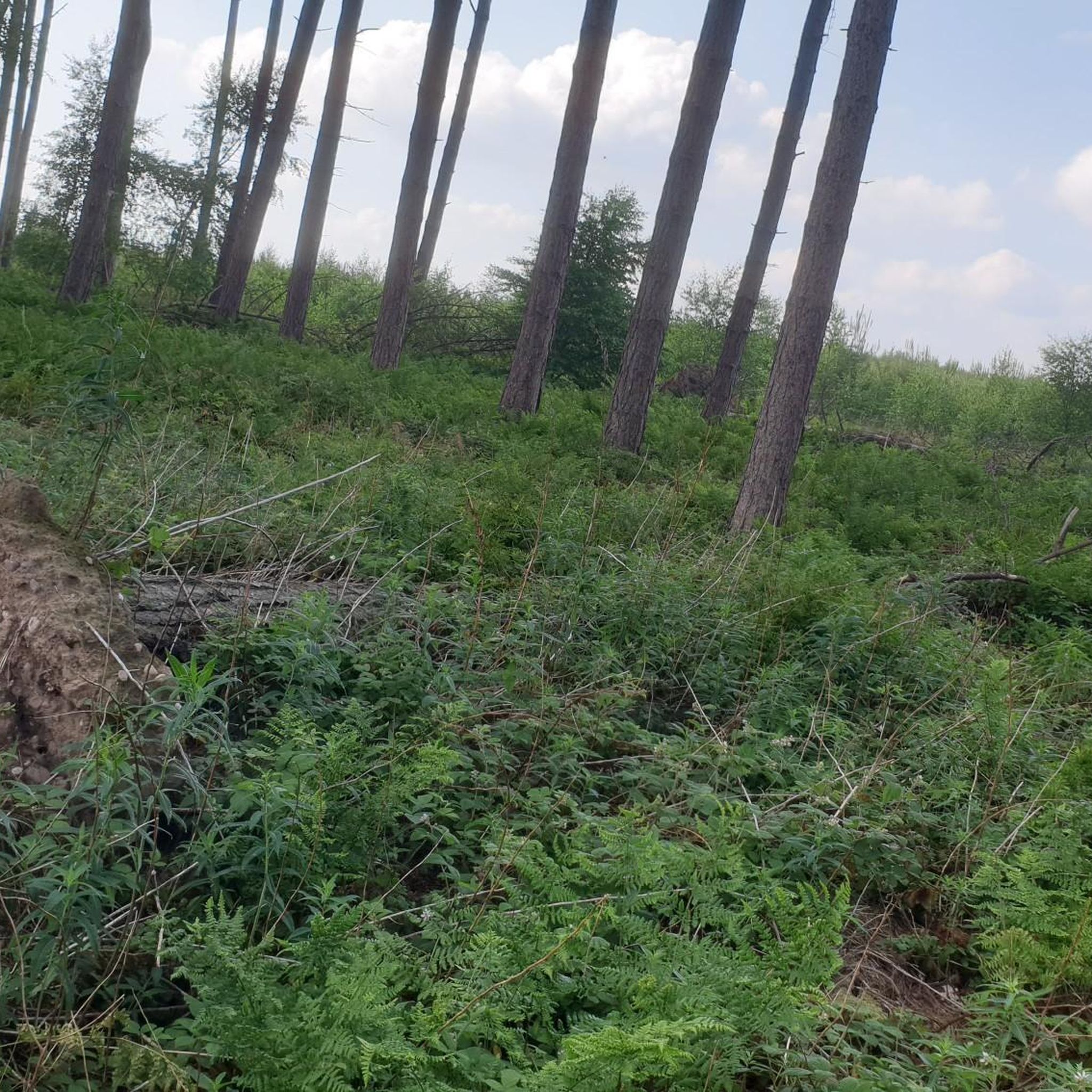
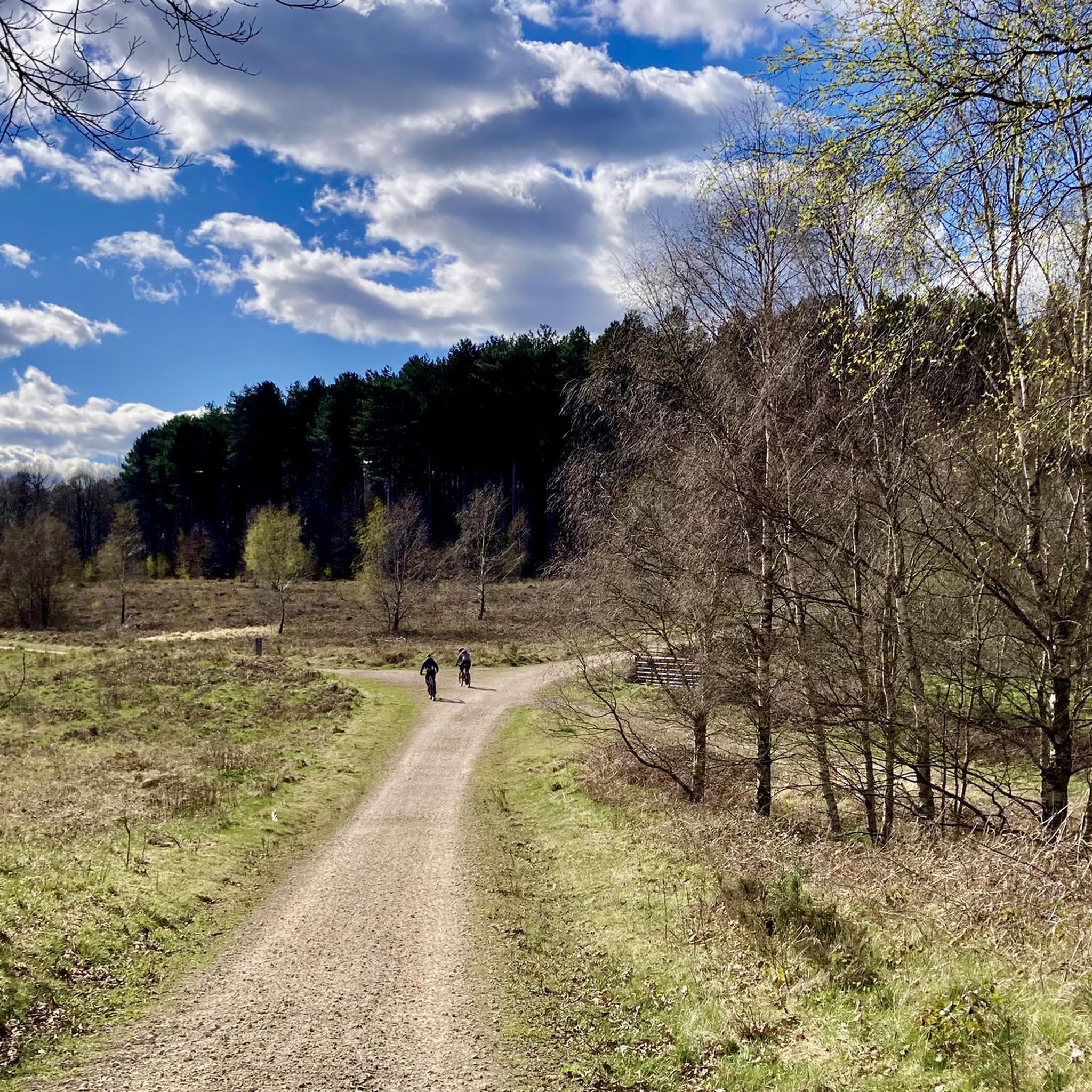
Strawberry Hill Heath SSSI Nature Reserve. What's left of the SW end of once mighty Sherwood Forest as big domestic & industrial developments move in. Great place to explore, lots of paths through the trees. Unfortunately a constant hum of traffic and an attraction for 4X4's & fly-tippers, plus two or three burned-out cars dotted around does spoil it in places.
1
0

Nestled amidst the rolling hills and verdant landscapes of Nottinghamshire, England, lies Strawberry Hill Heath, a captivating nature reserve that offers a glimpse into the region's rich natural history and ecological diversity. This tranquil haven, managed by the Nottinghamshire Wildlife Trust, provides an ideal retreat for nature enthusiasts and outdoor adventurers alike. The heath's origins trace back to the medieval period, when it formed part of the expansive Rainworth and Rufford forests that once blanketed the area. Over time, these ancient woodlands transformed into a mosaic of heathland, scrubland, and woodland habitats, providing refuge for a diverse array of plant and animal species. The heath's signature landscape is characterized by rolling expanses of heather, punctuated by patches of bracken and gorse. These open spaces provide a vital habitat for a variety of birds, including stonechats, whinchats, and skylarks, whose melodious songs fill the air during the warmer months. Beneath the heath's verdant canopy, wildflowers burst into life in the spring, creating a vibrant tapestry of color. Common heathers, bell heather, and bilberry carpet the ground, attracting butterflies and bees that contribute to the heath's rich biodiversity. Strawberry Hill Heath offers an abundance of opportunities for exploring the natural world. A well-maintained circular trail winds through the reserve, providing access to its various habitats. Along the way, visitors can encounter a variety of wildlife, from inquisitive deer to shy rabbits. The heath's tranquil atmosphere and diverse habitats make it an ideal spot for quiet contemplation and relaxation. Visitors can sit by the edge of the heath, surrounded by the sounds of nature, and simply take in the beauty of the landscape. If you're seeking a peaceful escape into the heart of nature, Strawberry Hill Heath is the perfect destination. Its enchanting landscapes, vibrant flora and fauna, and tranquil atmosphere will leave you with a lasting impression of the natural world's beauty and diversity.
1
0

The 'Medusa Oak' is a Sherwood Forest icon, 'she' lives on the northern edge of Birklands forest in the Sherwood Forest National Nature Reserve. Unlike some of the other trees in the Sherwood Forest landscape that bear ancient names from the past, Medusa got her name from the modern Rangers in the Sherwood Forest National Nature Reserve. (Mercian Archaeological Services)
12
2
In 2022, the Major Oak was selected as one of 70 ancient trees from around the UK to take their place in the Queen's Green Canopy, a 70th anniversary program to inspire the planting of new trees across the country. This oak is very old and must be supported because of its weight.
11
0

This oak tree off Broad Drive is reputed to be the tree at the very heart of the ancient Sherwood Forest, which at one time stretched from Nottingham to Worksop. Keep in mind however, that somewhat scandalously there is also a tree in Mansfield which claims the same accolade. Best visit both just to be sure.
1
0
The Major Oak is said to have been the shelter of Robin Hood and his merry men. One thing is certain: It's very old, and is probably Britain's most visited tree.
2
0

CLAIMED TO BE THE LEGENDARY location where Robin Hood met the feisty Friar Tuck in the famous folktale, the overgrown remains of a 12th-century moat, lodge, and holy well complex persist in this soggy corner of Sherwood Forest. Fountain Dale’s ancient moat is an impressive waterlogged ditch, 40 feet wide, enclosing what was once a large rectangular artificial island. The feature dates to at least 1251, when the moated island was the site of a hunting lodge, the vestiges of which remain hidden beneath centuries of mud and undergrowth. To date, little archaeological investigation at the site has been carried out. This said, the remains of the medieval manse are likely to be well preserved, having remained unusually undisturbed. The moat and its structures are listed as a Scheduled Monument of National Importance by the public heritage organization Historic England.
1
0
Frequently Asked Questions
What are the most popular natural monuments to visit around Kirklington?
The most popular natural monument is The Major Oak, located in the heart of Sherwood Forest and famous for its legendary connection to Robin Hood. Other highly regarded sites include the distinctive Medusa Oak and the historically rich Fountain Dale Ponds, known as the meeting place of Robin Hood and Friar Tuck.
Are there family-friendly natural monuments around Kirklington?
Yes, several natural monuments are ideal for families. The Major Oak, Medusa Oak, and Fountain Dale Ponds are all marked as family-friendly. Strawberry Hill Heath SSSI Nature Reserve also offers a circular trail suitable for families to explore the heathland and woodland.
What historical or cultural significance do these natural monuments hold?
Many natural monuments around Kirklington are steeped in history and folklore. The Major Oak is famously associated with Robin Hood. Fountain Dale Ponds is the legendary site where Robin Hood met Friar Tuck and features the remains of a 12th-century moat. Robin Hood's Hill is a 3,000-year-old burial mound where Iron Age and Roman artifacts have been discovered.
What kind of natural features can I expect to see?
The region is characterized by ancient woodlands, particularly within Sherwood Forest, featuring iconic oak trees like The Major Oak and Medusa Oak. You can also find heathland and scrubland habitats at Strawberry Hill Heath SSSI Nature Reserve, and tranquil lake environments at Fountain Dale Ponds.
Are there walking or cycling trails near the natural monuments?
Yes, the area offers various outdoor activities. For walking, Strawberry Hill Heath SSSI Nature Reserve has a well-maintained circular trail. For cycling, you can find numerous routes, including MTB trails and road cycling routes. Explore options like the 'Outlaw MTB Trail' or 'Southwell Trail' for gravel biking. You can find more details on these routes in the MTB Trails around Kirklington, Road Cycling Routes around Kirklington, and Gravel biking around Kirklington guides.
What is the difficulty level of trails around these natural monuments?
Trail difficulties vary. For instance, Robin Hood's Hill is considered an intermediate climb. Many of the cycling routes, such as those in the MTB Trails around Kirklington guide, are rated moderate, while some gravel biking routes can be difficult. Always check individual route details for specific difficulty ratings.
What kind of wildlife can be observed?
At Strawberry Hill Heath SSSI Nature Reserve, you can spot various birds like stonechats, whinchats, and skylarks, as well as deer and rabbits. The heath's diverse flora also attracts butterflies and bees. Fountain Dale Ponds is a good spot for birdwatchers, with lots of waterfowl.
Is there parking available near the natural monuments?
While specific parking details for each monument are not provided, popular areas like Sherwood Forest, where The Major Oak and Medusa Oak are located, typically have visitor parking facilities. For routes like the Southwell Trail, parking is usually available at designated trailheads or nearby villages.
What do visitors enjoy most about the natural monuments around Kirklington?
Visitors frequently appreciate the rich history and folklore, especially the connection to Robin Hood at sites like The Major Oak and Fountain Dale Ponds. The tranquil atmosphere and diverse habitats for wildlife at places like Strawberry Hill Heath SSSI Nature Reserve are also highly valued. The scenic views from Robin Hood's Hill are another highlight.
Is Kirtlington Quarry in Oxfordshire related to these natural monuments?
While there are several locations named Kirklington or Kirtlington in the UK, the natural monuments highlighted in this guide, such as The Major Oak and Fountain Dale Ponds, are concentrated within the historic Sherwood Forest region in Nottinghamshire. Kirtlington Quarry in Oxfordshire is a distinct geological site known for its Jurassic fossils and is not directly associated with the natural monuments in this guide.
Are there any viewpoints offering extensive views of the region?
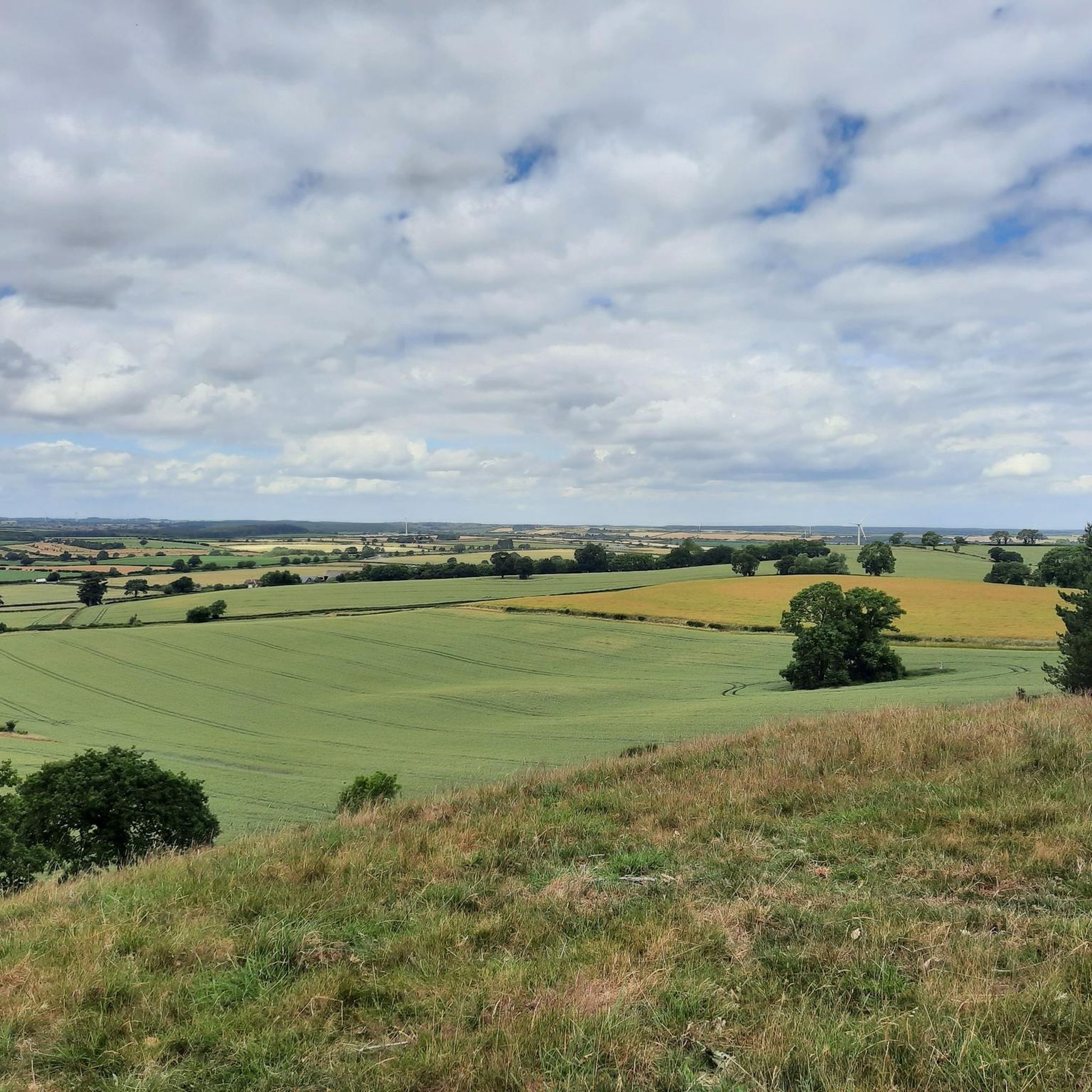
Yes, Robin Hood's Hill offers extensive views across the Sherwood Forest region. It's a great spot to survey the landscape, much like Robin Hood and his Merry Men might have done.
Most popular routes around Kirklington
Most popular attractions around Kirklington

Get inspired with the komoot mobile app


Explore more
Extend your search for the best caves by checking out these guides of the top ones around Kirklington:
