Top 6 Natural Monuments around Thrybergh
Best natural monuments around Thrybergh include areas shaped by both natural processes and human intervention, offering diverse outdoor experiences. The region features significant natural attractions such as Thrybergh Country Park, centered around Thrybergh Reservoir, and Kilnhurst Ings Nature Reserve. These sites provide habitats for wildlife and well-maintained paths for exploration. The landscape combines historical features with natural beauty, making it suitable for various outdoor activities.
Best natural monuments around Thrybergh
- The most popular natural monuments is Hope Fields Memorial Park…
Last updated: June 29, 2026
Hangman's Stone
Highlight • Natural Monument
Tip by

Hope Fields Memorial Park
Highlight • Monument
Tip by

Sign up now to discover places like this
Get recommendations on the best single tracks, peaks, & plenty of other exciting outdoor places.
Sign up for free
Sprotbrough Weir
Highlight • River
Tip by

The Crags
Highlight (Segment) • Viewpoint
Tip by

Northcliffe Quarry Local Nature Reserve
Highlight • Historical Site
Tip by
Start today with a free account
Your next adventure awaits.
Login or Signup
Tips from the Community


These slopes have been known as the Crags for at least 100 years, although the name on the 1841 Ordnance Survey map is Northcliffe Hills. In ancient times these rocky outcrops were vital to local transport, communication and defence. They provided firm ground for travel and vantage points for surveying the landscape. On a clear day you can see as far as the Derbyshire hills, Emley Moor television mast, Barnsley Town Hall, and the urban skylines of Sheffield and Rotherham. Along the Conisbrough side of the Crags you will find Northcliffe Quarry, which provided limestone to make fertilizer. A tramway known as 'the incline' carried stone to the kilns, and you can still see the remains of the incline if you look carefully. The quarry is now a local nature reserve (LNR) and a site of special scientific interest (SSSI).
0
0
Northcliffe Quarry is a former limestone quarry, now a Local Nature Reserve and Site of Scientific Interest, located along the Conisbrough side of The Crags. The quarry was used to extract limestone for making fertilizer, and a tramway, known as "the incline", carried the stone to the kilns, according to Doncaster Council. The quarry is part of The Crags, a rocky outcrop with historical significance for local transport, communication, and defense, according to Doncaster Council.
0
0

The story goes that centuries ago, when sheep stealing was a capital offence, a man stole a sheep from a field at night. He must have injured the sheep because he was carrying it over his shoulders and had tied its feet together with a rope. When he reached the lane now known as Hangman's Stone he stopped for a rest, placing the sheep on top of a stone post whilst he himself sat on the ground He then fell asleep. The story is that the sheep must have slipped off the stone and the rope, which the man had round his body slipped up round his neck and strangled him, so doing the hangman out of a job
0
0
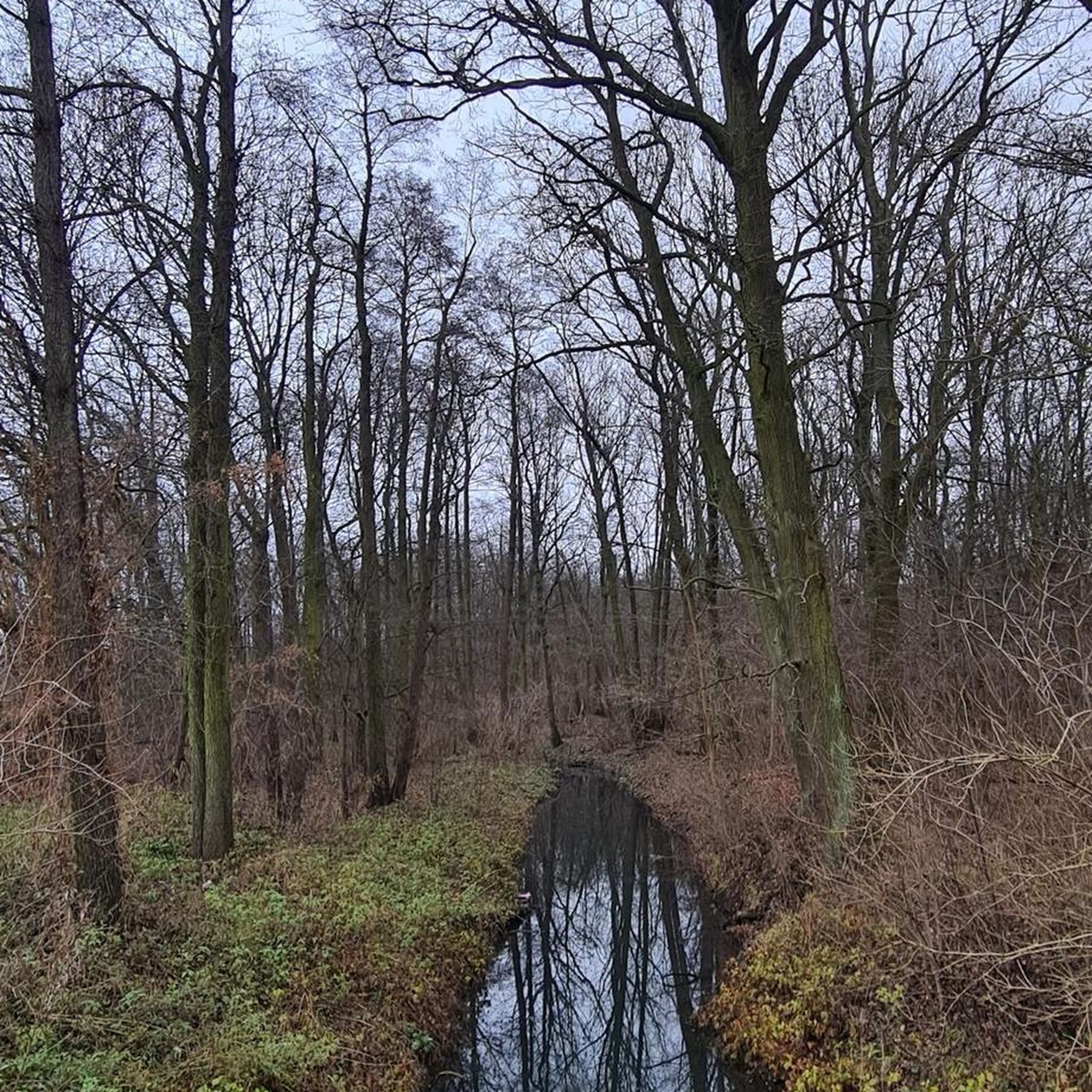
Between two farmers' fields is a corridor of woodland wilderness filled with the scent of wild garlic in the spring. In it is a path that leads from the road toward Barnburgh, but if you look to your right at the stone crags, every so often, hidden among the foliage is faces peering out, carved into the rock face. There are also symbols that look alien in origin, or resemble insects.
0
0


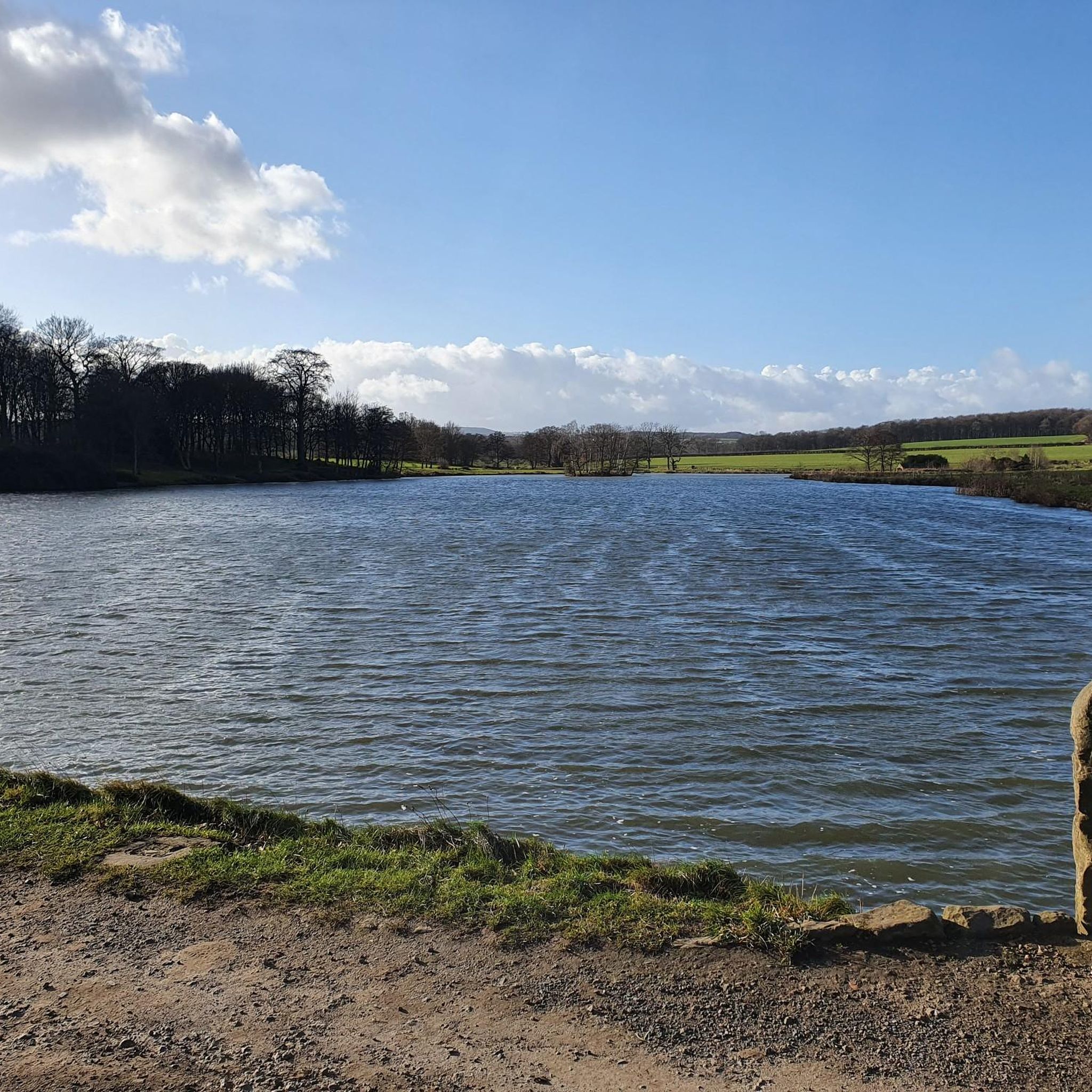
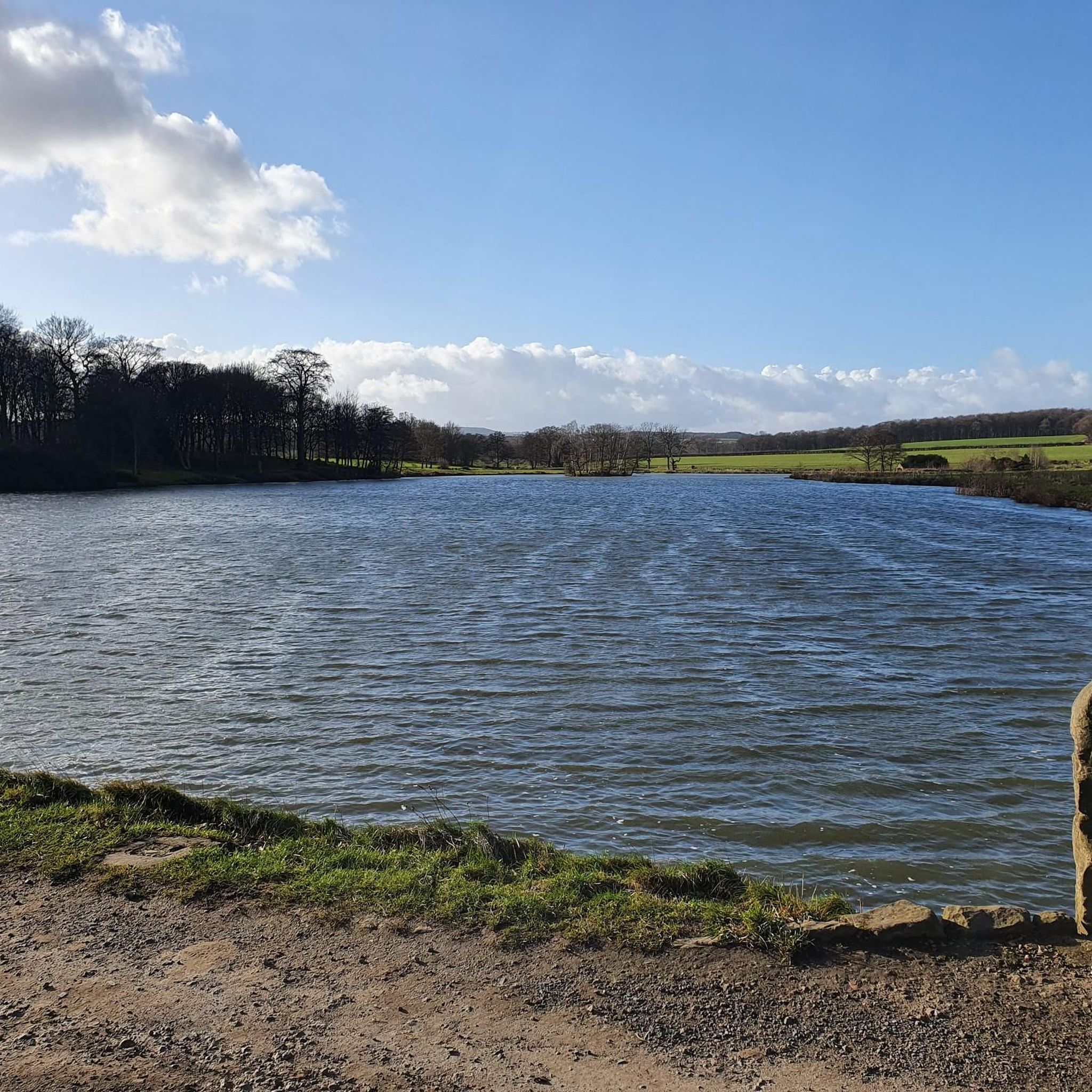
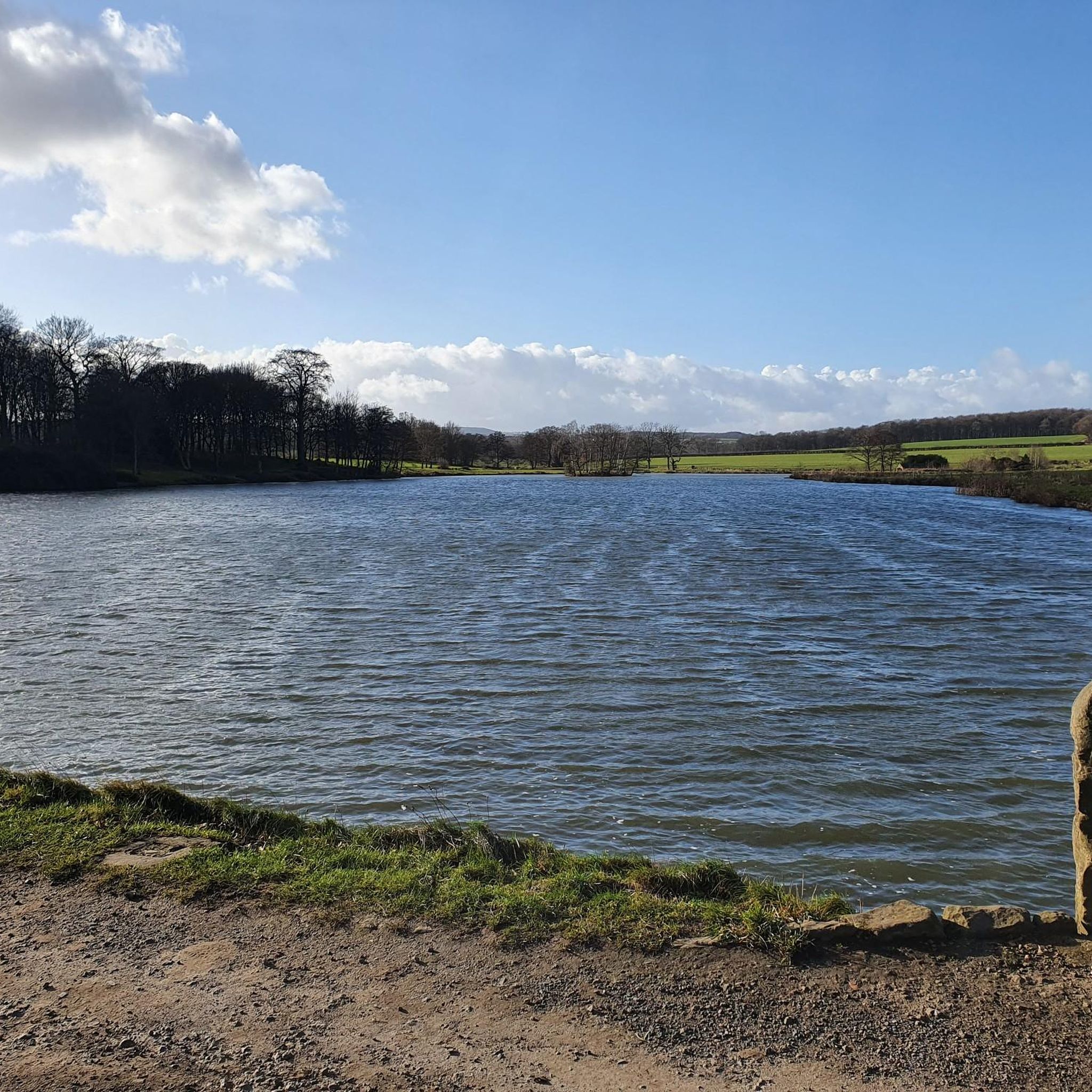
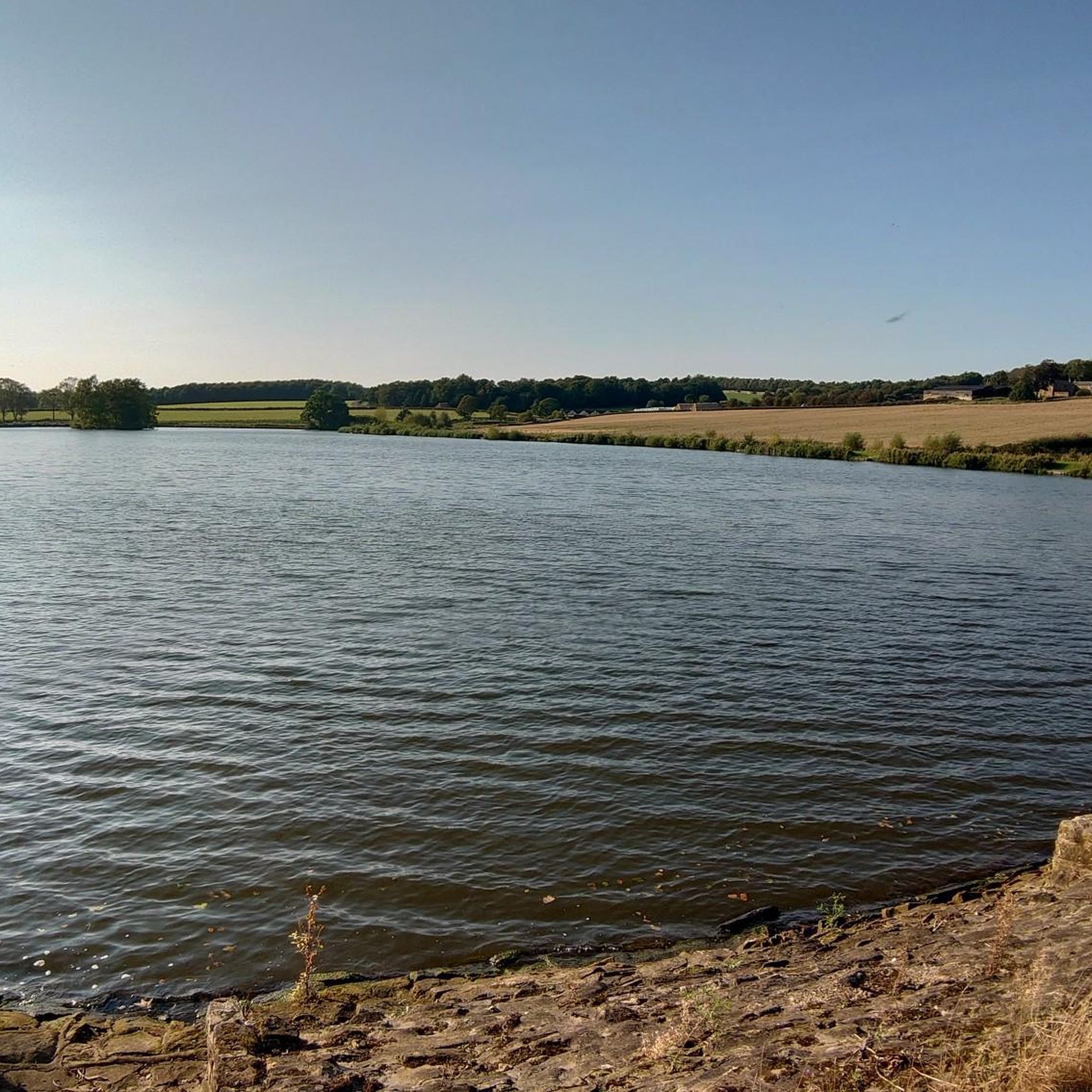
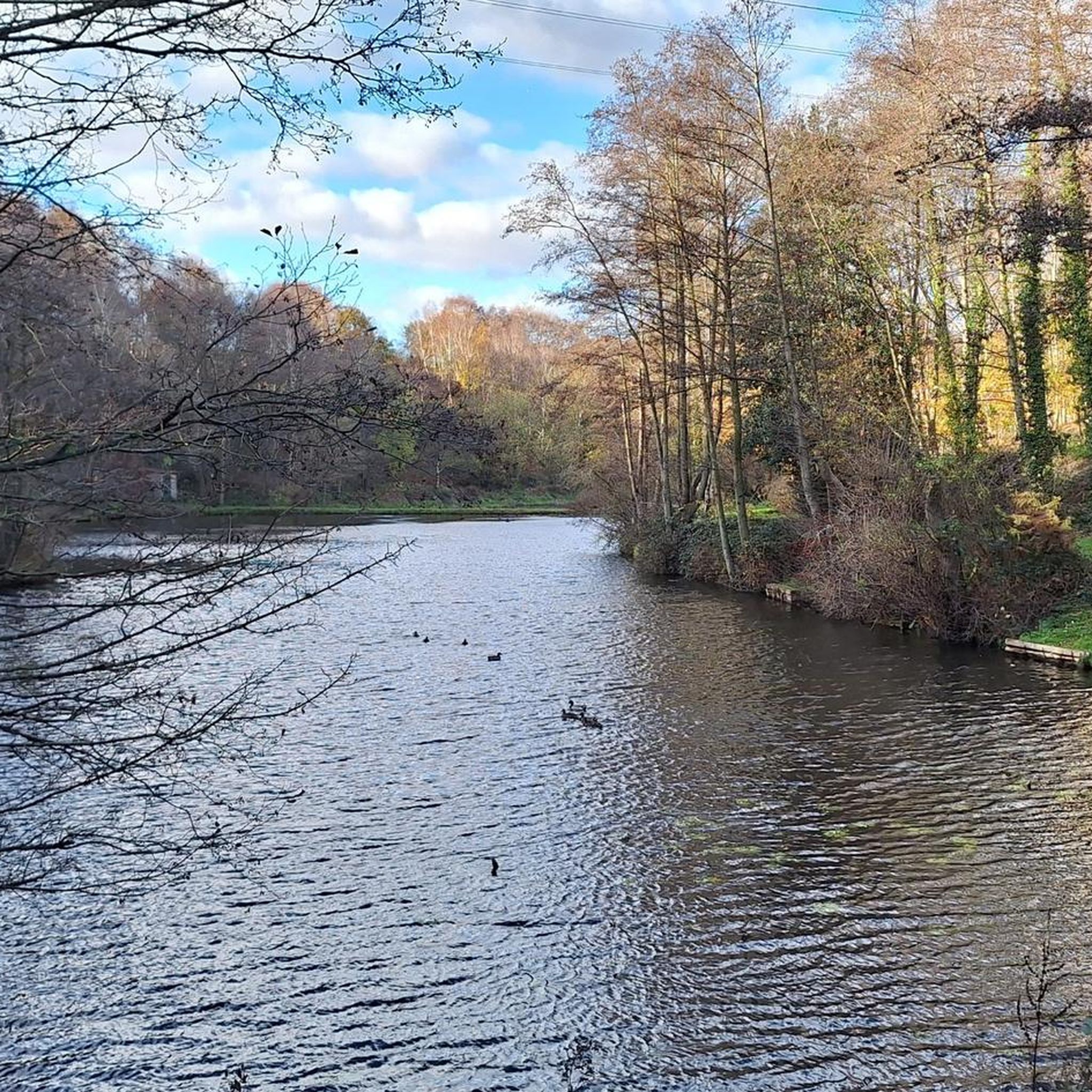
Spotbrough Weir was used to run a walk mill in the early 18th Century. The mill proceeded cloth, and then ground flint for pottery until it went out of use in the 19th century. Today this is a popular fishing and walking area.
1
0

There is very little information known about the curious stone carvings just off Hangman Stone Lane near High melton. Are they medieval vandalism or belong to some ancient Britannic tribe, who out there knows?
1
0
Frequently Asked Questions
What outdoor activities can I enjoy at natural monuments around Thrybergh?
The natural monuments around Thrybergh offer a variety of outdoor activities. At Thrybergh Country Park, you can enjoy walking, cycling on bike trails, fly fishing, and birdwatching from public hides. Kilnhurst Ings Nature Reserve is ideal for wildlife observation and peaceful walks. For more structured outdoor adventures, you can explore various routes for hiking, road cycling, and gravel biking in the wider Thrybergh area.
Are there family-friendly natural monuments in the Thrybergh area?
Yes, several natural monuments are suitable for families. Hope Fields Memorial Park is a new area designed for kids to birdwatch and explore nature, featuring monuments and benches. Thrybergh Country Park also has a children's play area and well-maintained, level footpaths suitable for buggies. Kilnhurst Ings Nature Reserve provides another peaceful outdoor experience for families.
Where can I find historical or geological features among the natural monuments?
For historical and geological insights, visit The Crags. These rocky outcrops were historically important for transport, communication, and defense, offering vantage points with views stretching to the Derbyshire hills. Adjacent to The Crags is Northcliffe Quarry Local Nature Reserve, a former limestone quarry that is now a Site of Scientific Interest, showcasing the region's industrial past and natural recovery.
Are there any natural monuments with water features or weirs?
Yes, you can visit Sprotbrough Weir, which historically powered a mill in the 18th century and is now a popular spot for fishing and walking. Another notable water feature is Hadfield's Weir, located on the Five Weirs Walk along the River Don.
What kind of wildlife can I expect to see at Thrybergh's natural monuments?
Thrybergh Country Park is a significant habitat for wildlife, with over 155 species of birds, 20 species of mammals, and 170 species of plants recorded. You might spot kingfishers, herons, great crested grebes, tufted ducks, and Canada geese. During migration seasons and winter, the park hosts a large population of various bird species. Kilnhurst Ings Nature Reserve also offers excellent opportunities for wildlife observation.
Are the natural monuments around Thrybergh accessible for wheelchairs or buggies?
Thrybergh Country Park features well-maintained, level footpaths that form a circular route around the reservoir, spanning over 2 miles. These trails are suitable for buggies and wheelchairs, making them accessible for many visitors. Mobility scooters are also available for hire at the park.
What are the parking options for visiting natural monuments in Thrybergh?
Thrybergh Country Park provides ample pay-and-display parking. Free parking is available for Blue Badge holders. For other natural monuments, it's advisable to check local signage or specific access information, as parking facilities may vary.
Are dogs allowed at the natural monuments, and are there any specific rules?
Dogs are generally welcome at many natural monuments in the Thrybergh area, including Thrybergh Country Park. However, it is usually required that dogs are kept on a leash to protect wildlife and ensure the comfort of all visitors. Always look for specific signage at each location regarding dog rules.
When is the best time to visit the natural monuments around Thrybergh?
The natural monuments around Thrybergh can be enjoyed year-round. Spring and autumn are crucial migration stop-over periods for birds at Thrybergh Country Park, making them excellent for birdwatching. Winter hosts a large population of ducks, geese, and swans. The well-maintained paths are suitable for walks in most weather conditions, but always check local forecasts.
Are there cafes or amenities available near the natural monuments?
Thrybergh Country Park offers various amenities, including a cafe with outdoor seating, a barbecue area, and an ice cream parlor. Bird seed can also be purchased there to feed local ducks. For other natural monuments, it's best to plan ahead, as dedicated facilities might be less common, though local pubs and cafes can be found in nearby villages.
What do visitors appreciate most about the natural monuments in Thrybergh?
Visitors particularly enjoy the peaceful natural surroundings and the opportunities for wildlife observation. For example, Hope Fields Memorial Park is praised for being a lovely new area for birdwatching and enjoying nature. The well-maintained paths and diverse ecosystems at places like Thrybergh Country Park are also highly valued for leisurely strolls and family outings.
Most popular routes around Thrybergh
Most popular attractions around Thrybergh

Get inspired with the komoot mobile app


Explore more
Extend your search for the best caves by checking out these guides of the top ones around Thrybergh:
