Top 5 Natural Monuments around Hickleton
Best natural monuments around Hickleton include a variety of rewilded industrial landscapes and significant natural areas. The village, located in South Yorkshire, England, is surrounded by sites offering diverse habitats and geological features. Visitors can explore areas shaped by the River Don, former quarries, and reclaimed colliery lands. These locations provide opportunities for walking, wildlife observation, and experiencing environmental restoration.
Best natural monuments around Hickleton
- The most popular natural monuments is Grimethorpe Nature Reserve Summit, a viewpoint that offers…
Last updated: October 2, 2026
Hangman's Stone
Highlight • Natural Monument
Tip by

Hope Fields Memorial Park
Highlight • Monument
Tip by

Sign up now to discover places like this
Get recommendations on the best single tracks, peaks, & plenty of other exciting outdoor places.
Grimethorpe Nature Reserve Summit
Highlight • Viewpoint
Tip by

Sprotbrough Weir
Highlight • River
Tip by

The Crags
Highlight (Segment) • Viewpoint
Tip by

Sign up for free to discover even more natural monuments around Hickleton.
Already have an account?
Start today with a free account
Your next adventure awaits.

Tips from the Community


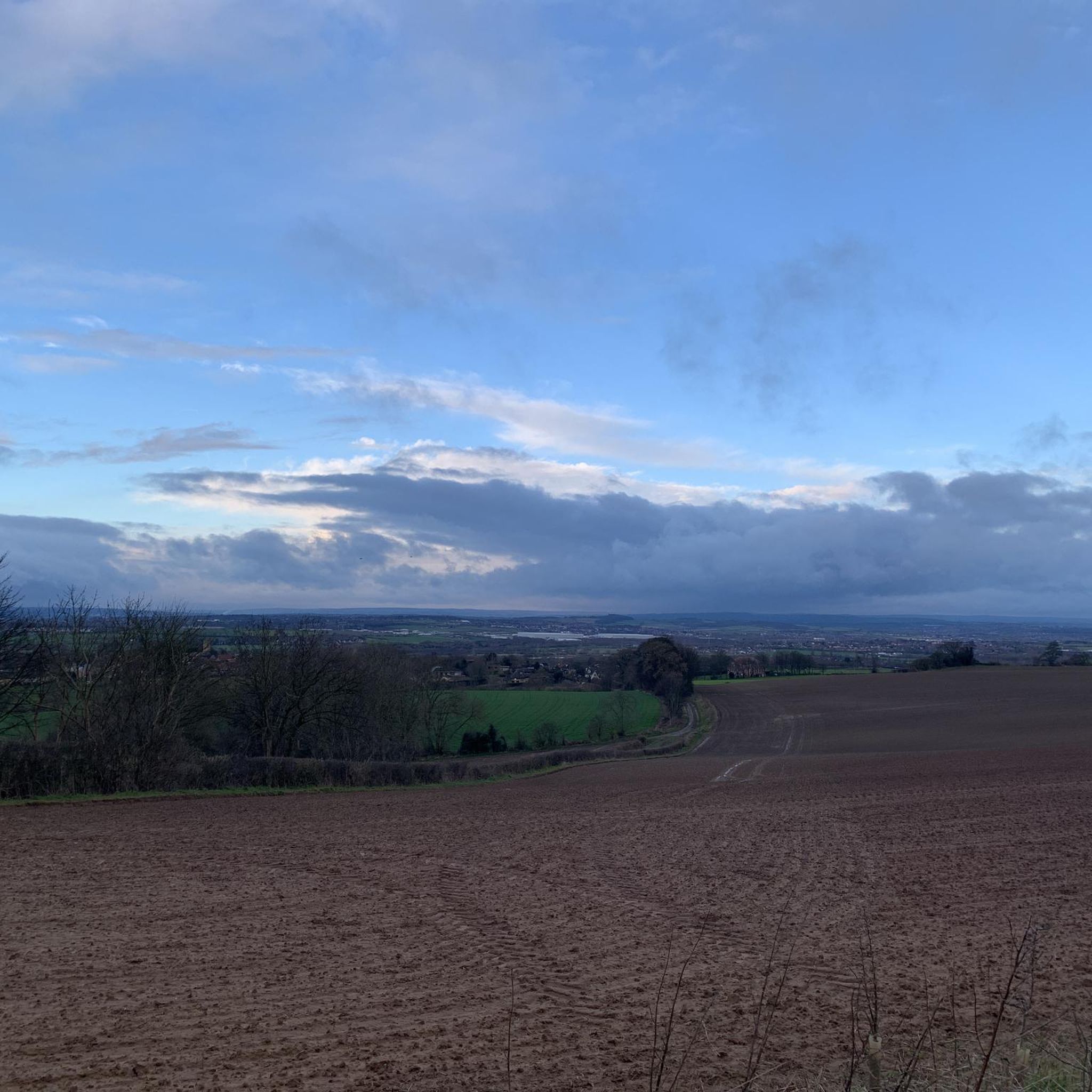
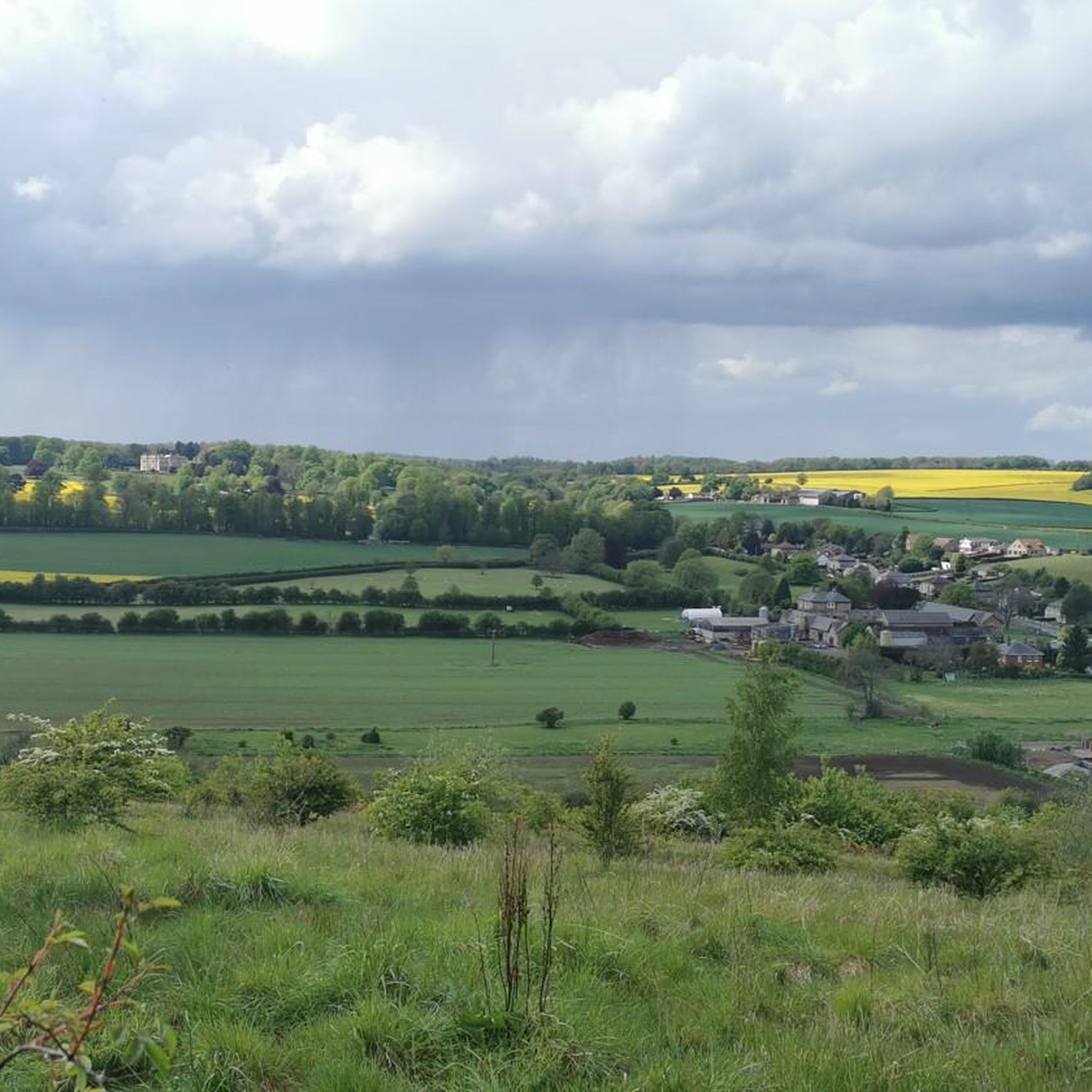
These slopes have been known as the Crags for at least 100 years, although the name on the 1841 Ordnance Survey map is Northcliffe Hills. In ancient times these rocky outcrops were vital to local transport, communication and defence. They provided firm ground for travel and vantage points for surveying the landscape. On a clear day you can see as far as the Derbyshire hills, Emley Moor television mast, Barnsley Town Hall, and the urban skylines of Sheffield and Rotherham. Along the Conisbrough side of the Crags you will find Northcliffe Quarry, which provided limestone to make fertilizer. A tramway known as 'the incline' carried stone to the kilns, and you can still see the remains of the incline if you look carefully. The quarry is now a local nature reserve (LNR) and a site of special scientific interest (SSSI).
0
0

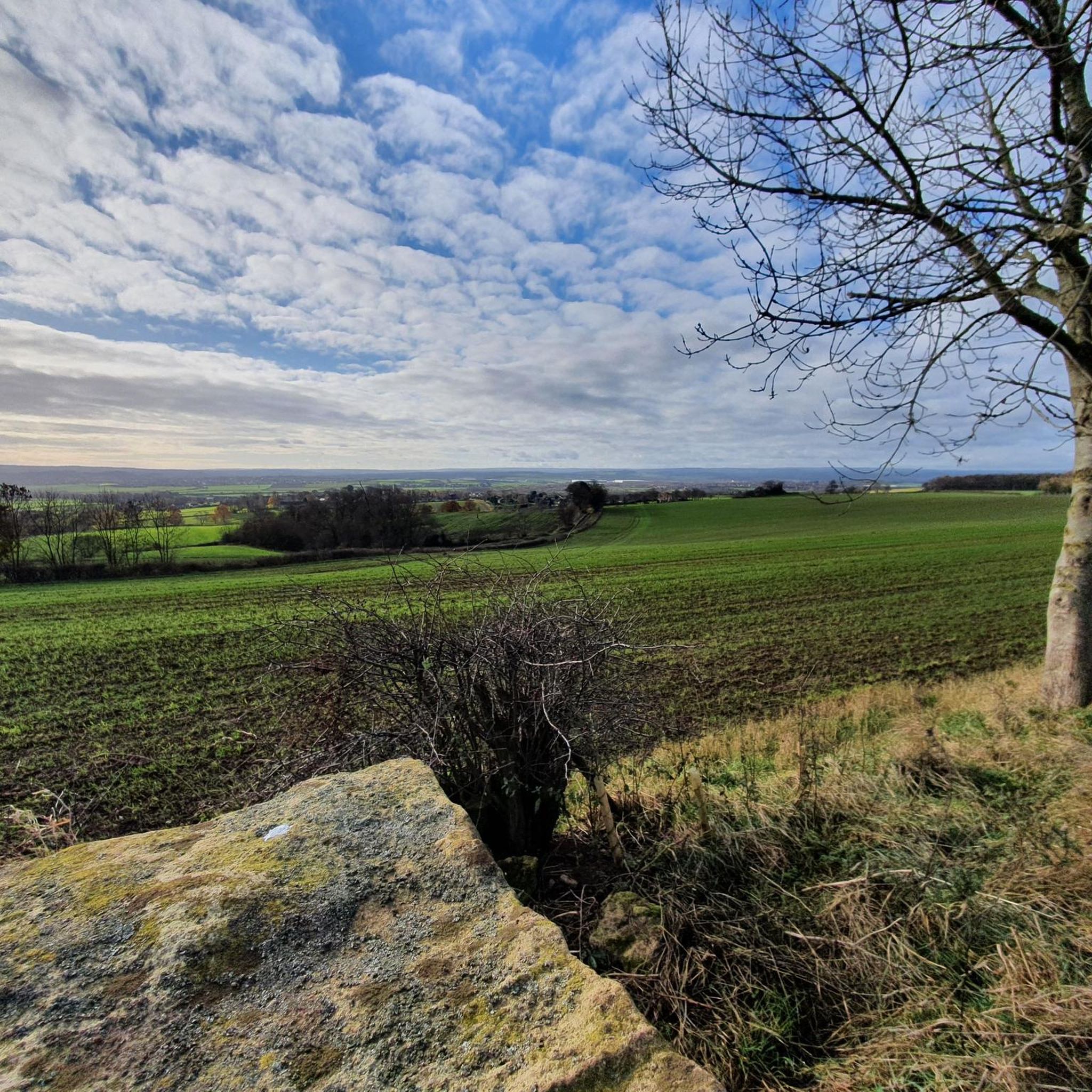
The story goes that centuries ago, when sheep stealing was a capital offence, a man stole a sheep from a field at night. He must have injured the sheep because he was carrying it over his shoulders and had tied its feet together with a rope. When he reached the lane now known as Hangman's Stone he stopped for a rest, placing the sheep on top of a stone post whilst he himself sat on the ground He then fell asleep. The story is that the sheep must have slipped off the stone and the rope, which the man had round his body slipped up round his neck and strangled him, so doing the hangman out of a job
0
0
Between two farmers' fields is a corridor of woodland wilderness filled with the scent of wild garlic in the spring. In it is a path that leads from the road toward Barnburgh, but if you look to your right at the stone crags, every so often, hidden among the foliage is faces peering out, carved into the rock face. There are also symbols that look alien in origin, or resemble insects.
0
0


Spotbrough Weir was used to run a walk mill in the early 18th Century. The mill proceeded cloth, and then ground flint for pottery until it went out of use in the 19th century. Today this is a popular fishing and walking area.
1
0

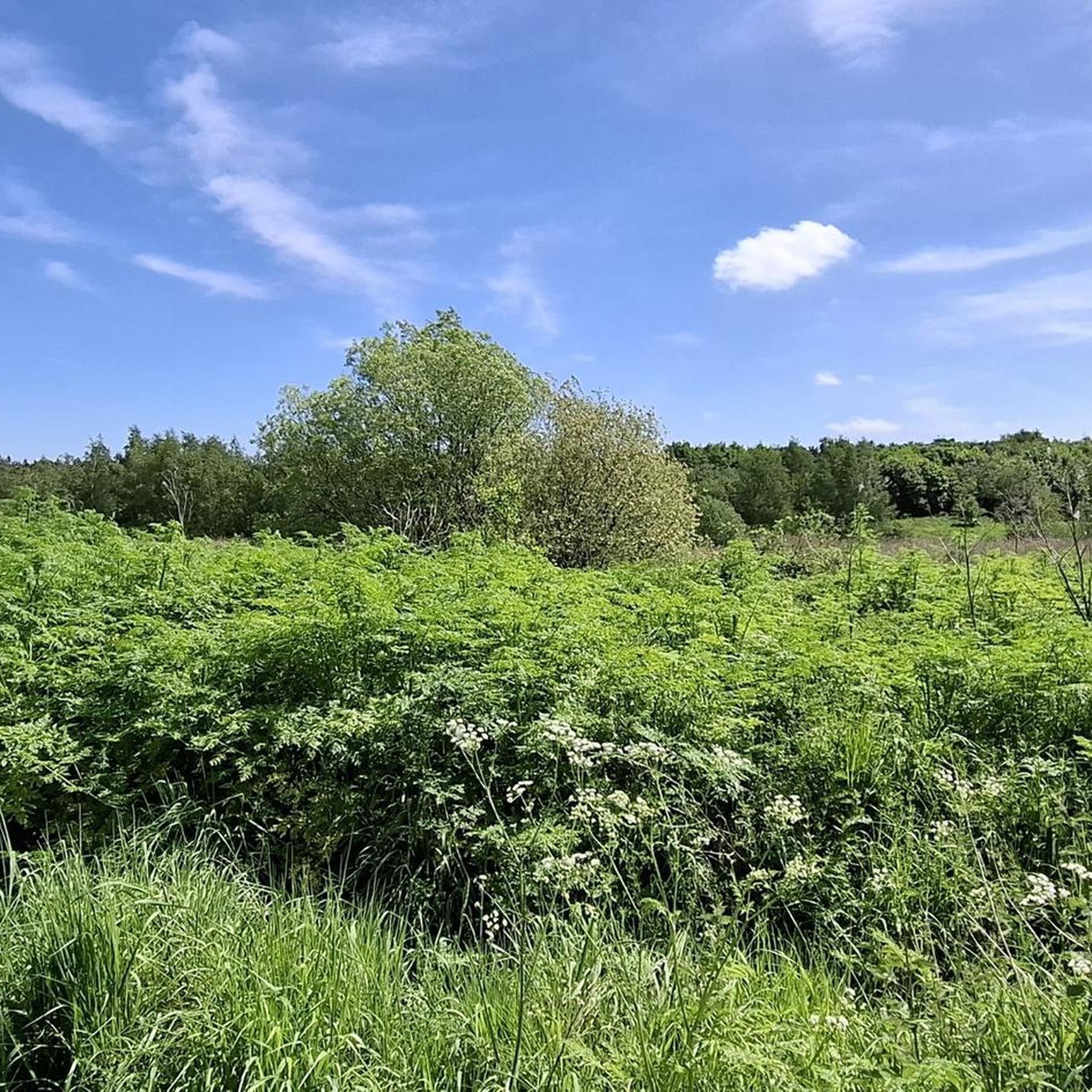
Grimethorpe Nature Reserve 83.9m P24.4 (275ft) County of Yorkshire Definitive List Summit
0
0
Grimethorpe Nature Reserve 83.9m P24.4 (275ft)
0
0
Frequently Asked Questions
What are some of the most popular natural monuments and viewpoints around Hickleton?
Visitors frequently enjoy the Grimethorpe Nature Reserve Summit, which offers panoramic views from a rewilded colliery site. Another favorite is The Crags, a viewpoint with historical significance, providing extensive views towards the Derbyshire hills and Emley Moor television mast.
Are there family-friendly natural monuments to visit near Hickleton?
Yes, several natural monuments are suitable for families. Hope Fields Memorial Park is designed for nature observation with benches and monuments, making it a peaceful spot for all ages. The Sprotbrough Weir area also offers family-friendly walking and fishing opportunities along the River Don.
What kind of wildlife can I expect to see at the natural monuments near Hickleton?
The natural monuments around Hickleton are rich in wildlife. At Broomhill Flash Nature Reserve, you can spot numerous bird species, including wading birds, wildfowl, and rare migratory visitors. Kilnhurst Ings Nature Reserve is home to various dragonflies, moorhens, reed buntings, and kingfishers. Phoenix Park and Grimethorpe Nature Reserve, both reclaimed industrial sites, also support diverse wildlife in their woodlands, grasslands, and wetlands.
What outdoor activities can I do near these natural monuments?
The area around Hickleton offers a variety of outdoor activities. You can find numerous routes for hiking, cycling, and road cycling. For example, there are easy hikes that take you through areas like High Melton Wood or Phoenix Park. Cyclists can explore routes around RSPB Old Moor Nature Reserve or along the River Dearne, as detailed in the cycling guide and road cycling guide for Hickleton.
Are there any historical sites or features integrated with the natural monuments?
Absolutely. The Crags, for instance, are rocky outcrops that were historically important for transport and defense, with views extending far across the landscape. Nearby, Northcliffe Quarry Local Nature Reserve is a former limestone quarry that supplied material for fertilizer, and you can still see remnants of its tramway. The Sprotbrough Weir also has a rich history, having powered mills in the 18th century.
What is the best time of year to visit the natural monuments around Hickleton?
The natural monuments around Hickleton can be enjoyed year-round, but each season offers unique experiences. Spring and summer are ideal for wildlife spotting, especially birds and insects, and for enjoying the lush greenery. Autumn brings beautiful foliage, while winter, though colder, can offer serene, crisp walks and different birdwatching opportunities, particularly at wetland reserves like Broomhill Flash.
Are there accessible trails for walking or cycling at these natural sites?
Many of the rewilded industrial landscapes, such as Phoenix Park and Kilnhurst Ings Nature Reserve, feature networks of accessible pathways suitable for walkers, cyclists, and even scooters. These sites are designed to be enjoyed by a wide range of visitors, often with flat or gently sloping paths. The Don Gorge also offers diverse walking routes with varying levels of accessibility.
Where can I find information about parking or public transport to these natural monuments?
While specific parking details for each individual natural monument may vary, many of the larger sites like Phoenix Park and Grimethorpe Nature Reserve, being former industrial areas, often have designated parking facilities. For public transport, it's advisable to check local bus routes connecting to villages near these natural attractions, such as Sprotbrough for the Don Gorge or Wombwell for Broomhill Flash. Planning your visit in advance with local transport providers is recommended.
What are some lesser-known natural gems or hidden spots near Hickleton?
Beyond the more prominent sites, exploring the wider Don Gorge area can reveal hidden gems. The Sprotbrough Flash, a nature reserve within the Don Gorge, formed from mining subsidence, is a thriving wetland often overlooked by casual visitors. Kilnhurst Ings Nature Reserve, a transformed post-industrial washland, also offers a tranquil escape with diverse habitats that are not as widely known as some larger parks.
What makes the Don Gorge a significant natural area near Hickleton?
The Don Gorge is a significant 'green corridor' formed by the River Don cutting through magnesian limestone. It features striking cliffs, ancient woodlands, and vital wetlands. It's rich in both natural beauty and historical context, showcasing how heavy industry has given way to nature. The area is home to Sprotbrough Weir and the Sprotbrough Flash nature reserve, offering excellent opportunities for wildlife spotting and diverse walking routes. You can learn more about its transformation here.
Are dogs allowed on the trails and at the natural monuments?
Generally, dogs are welcome on trails and in many natural areas around Hickleton, especially in places like Phoenix Park and Grimethorpe Nature Reserve, which offer extensive walking paths. However, it's always recommended to keep dogs on a lead, especially in nature reserves or areas with sensitive wildlife, to protect both your pet and the local fauna. Always check for specific signage at each location regarding dog policies.
What kind of geological features can be observed in the region?
The region is characterized by its magnesian limestone geology, particularly evident in the Don Gorge where the River Don has carved through these formations, creating striking cliffs. Many of the natural monuments are also a testament to environmental reclamation, built on former colliery spoil heaps, showcasing how new natural habitats can emerge from industrial landscapes.
Most popular attractions around Hickleton

Get inspired with the komoot mobile app


Explore more
Extend your search for the best caves by checking out these guides of the top ones around Hickleton:
