Top 5 Natural Monuments around Hooton Roberts
Best natural monuments around Hooton Roberts include geological sites, nature reserves, and scenic viewpoints. The area, though a small village, is surrounded by natural features that contribute to South Yorkshire's landscape. Visitors can explore various natural settings, from former quarries now designated as nature reserves to river features and parklands. The region offers opportunities to appreciate diverse natural environments.
Best natural monuments around Hooton Roberts
- The most popular natural monuments is Hope Fields Memorial Park, a man-made monument that…
Last updated: July 12, 2026
Hangman's Stone
Highlight • Natural Monument
Tip by

Hope Fields Memorial Park
Highlight • Monument
Tip by

Sign up now to discover places like this
Get recommendations on the best single tracks, peaks, & plenty of other exciting outdoor places.
Sign up for free
Sprotbrough Weir
Highlight • River
Tip by

The Crags
Highlight (Segment) • Viewpoint
Tip by

Northcliffe Quarry Local Nature Reserve
Highlight • Historical Site
Tip by
Start today with a free account
Your next adventure awaits.
Login or Signup


Tips from the Community


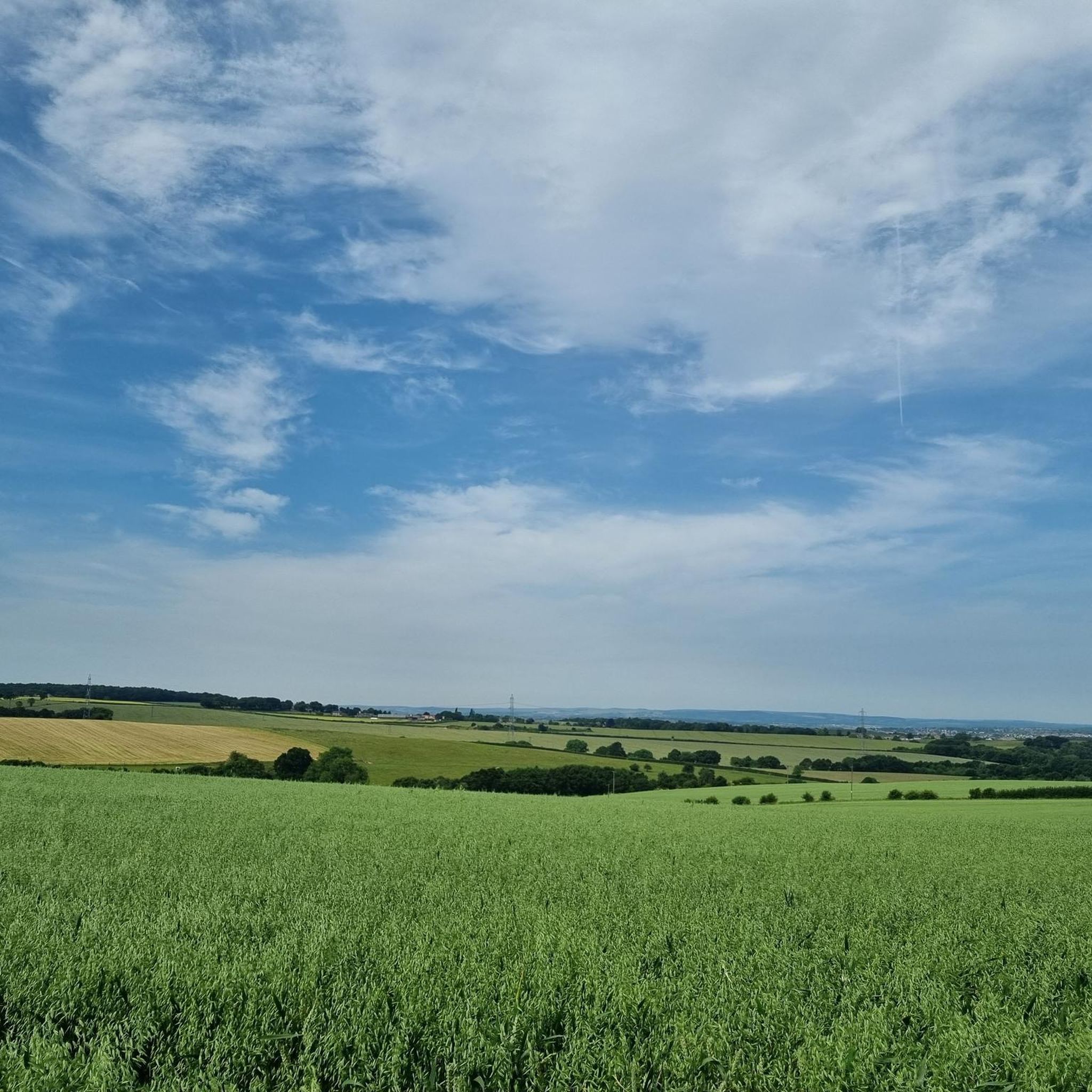
These slopes have been known as the Crags for at least 100 years, although the name on the 1841 Ordnance Survey map is Northcliffe Hills. In ancient times these rocky outcrops were vital to local transport, communication and defence. They provided firm ground for travel and vantage points for surveying the landscape. On a clear day you can see as far as the Derbyshire hills, Emley Moor television mast, Barnsley Town Hall, and the urban skylines of Sheffield and Rotherham. Along the Conisbrough side of the Crags you will find Northcliffe Quarry, which provided limestone to make fertilizer. A tramway known as 'the incline' carried stone to the kilns, and you can still see the remains of the incline if you look carefully. The quarry is now a local nature reserve (LNR) and a site of special scientific interest (SSSI).
0
0
Northcliffe Quarry is a former limestone quarry, now a Local Nature Reserve and Site of Scientific Interest, located along the Conisbrough side of The Crags. The quarry was used to extract limestone for making fertilizer, and a tramway, known as "the incline", carried the stone to the kilns, according to Doncaster Council. The quarry is part of The Crags, a rocky outcrop with historical significance for local transport, communication, and defense, according to Doncaster Council.
0
0

The story goes that centuries ago, when sheep stealing was a capital offence, a man stole a sheep from a field at night. He must have injured the sheep because he was carrying it over his shoulders and had tied its feet together with a rope. When he reached the lane now known as Hangman's Stone he stopped for a rest, placing the sheep on top of a stone post whilst he himself sat on the ground He then fell asleep. The story is that the sheep must have slipped off the stone and the rope, which the man had round his body slipped up round his neck and strangled him, so doing the hangman out of a job
0
0
Between two farmers' fields is a corridor of woodland wilderness filled with the scent of wild garlic in the spring. In it is a path that leads from the road toward Barnburgh, but if you look to your right at the stone crags, every so often, hidden among the foliage is faces peering out, carved into the rock face. There are also symbols that look alien in origin, or resemble insects.
0
0


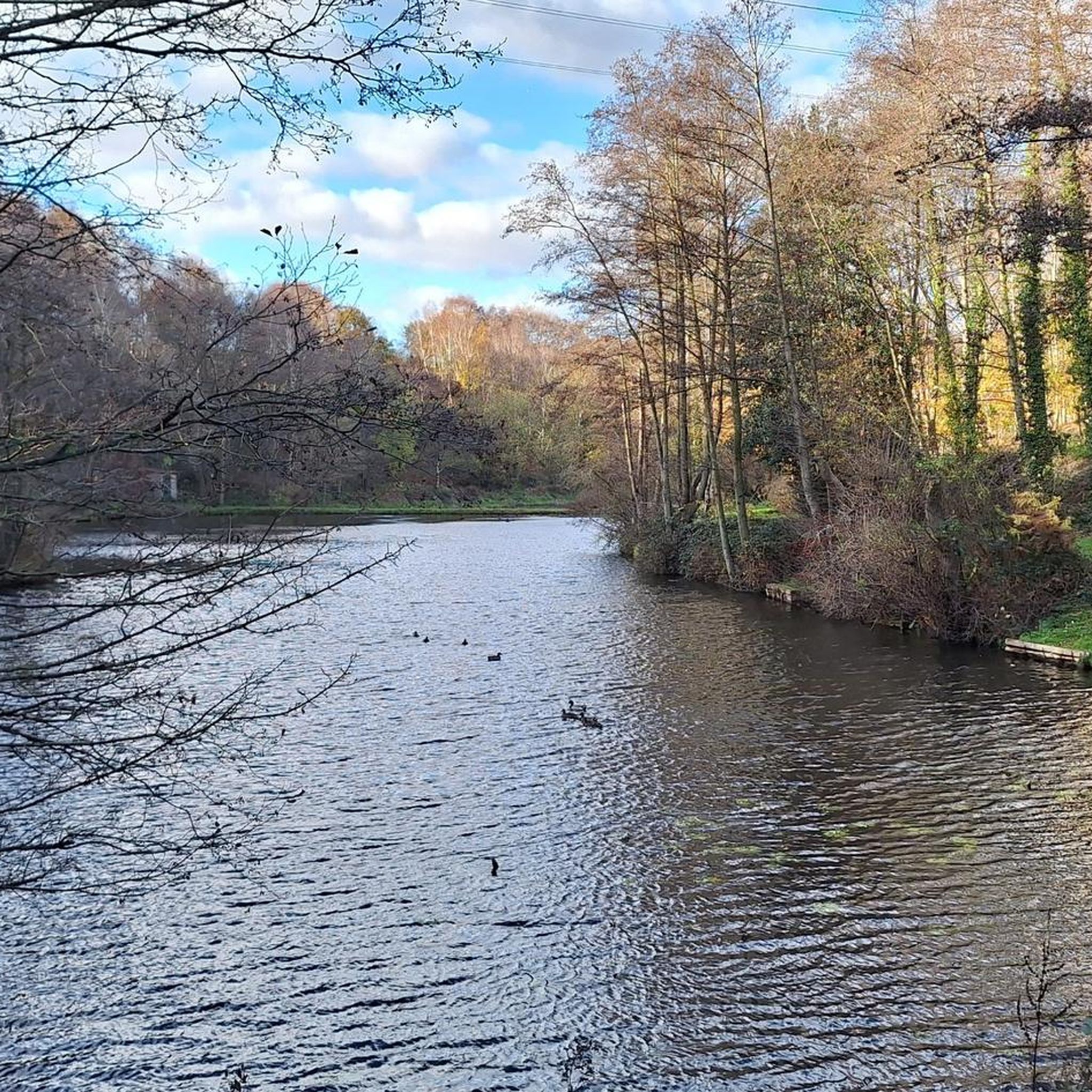
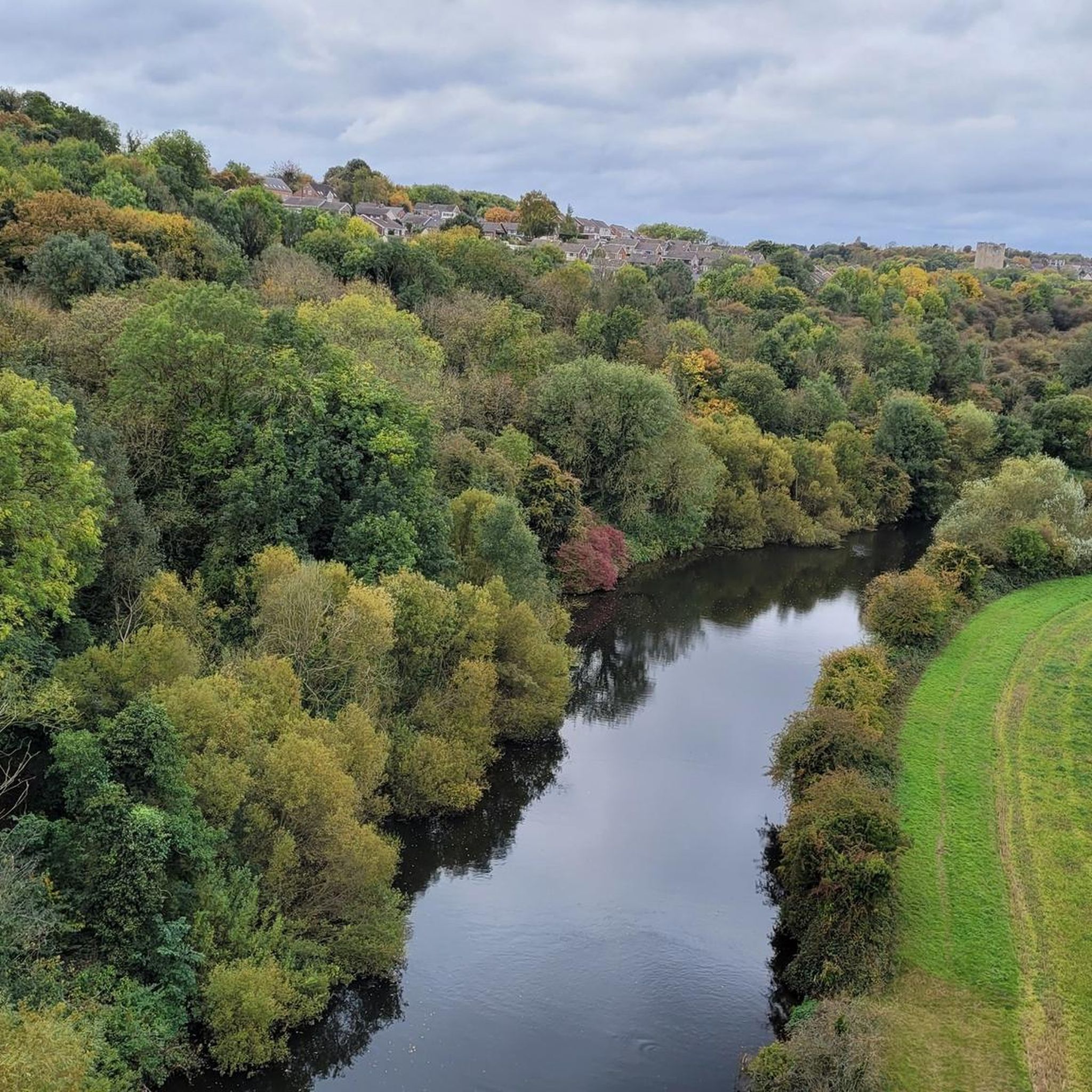
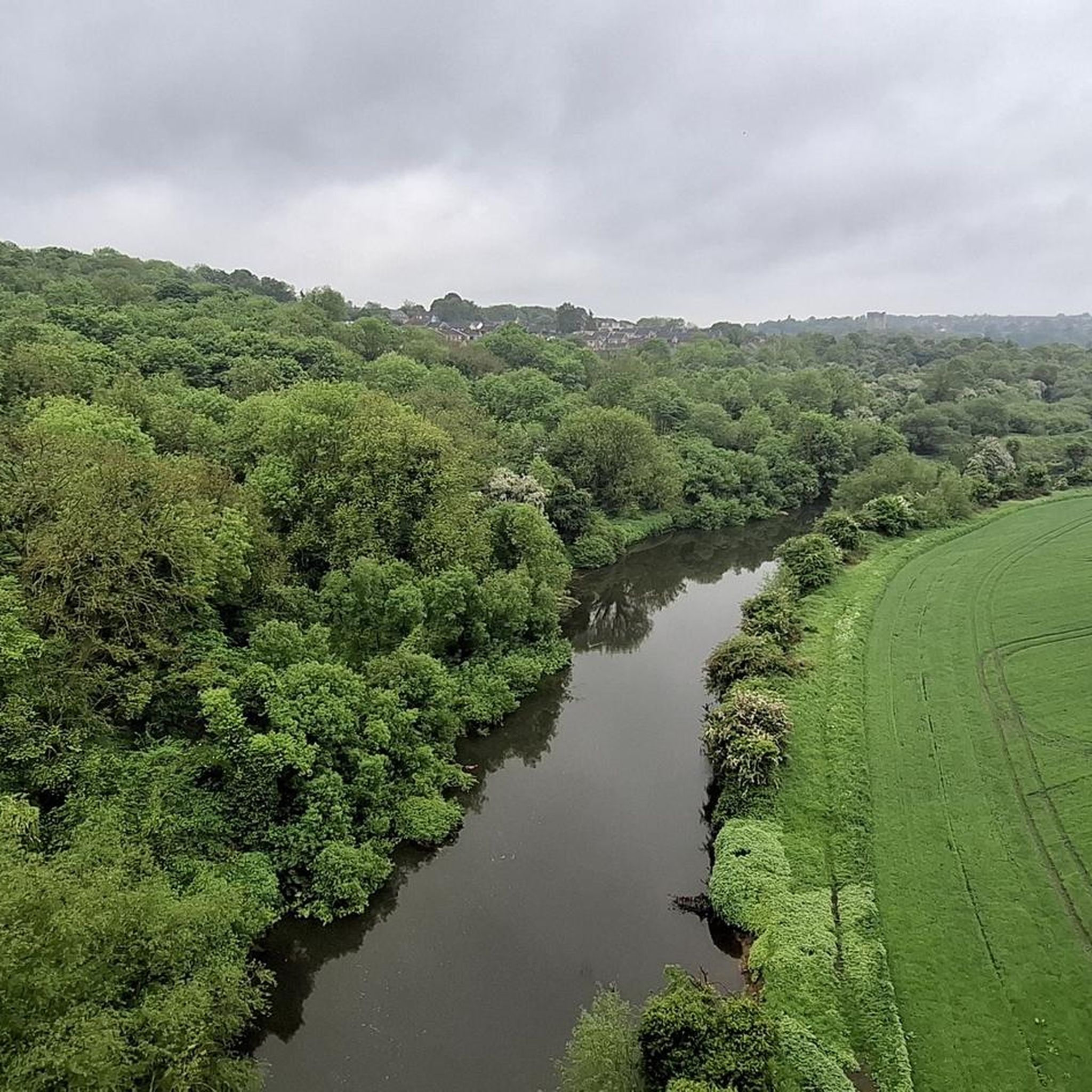
Spotbrough Weir was used to run a walk mill in the early 18th Century. The mill proceeded cloth, and then ground flint for pottery until it went out of use in the 19th century. Today this is a popular fishing and walking area.
1
0

There is very little information known about the curious stone carvings just off Hangman Stone Lane near High melton. Are they medieval vandalism or belong to some ancient Britannic tribe, who out there knows?
1
0
Frequently Asked Questions
What geological features can I explore around Hooton Roberts?
The region around Hooton Roberts offers significant geological interest. The Crags are rocky outcrops with historical and geological importance, offering insights into the landscape's formation. Nearby, Northcliffe Quarry Local Nature Reserve, a former limestone quarry, is designated as a Site of Scientific Interest due to its geological features. Additionally, Hooton Cliff, though not a komoot highlight, is recognized as a Regionally Important Geological Site (RIGS) for its contribution to local geological diversity.
Where can I observe wildlife near Hooton Roberts?
For wildlife observation, Hope Fields Memorial Park is a new area created specifically for bird watching and nature observation. Northcliffe Quarry Local Nature Reserve also provides a habitat for various species. Further afield, Thrybergh Country Park and its reservoir are known for wildlife, including swans and ducks, offering a tranquil setting for nature lovers.
Are there family-friendly natural monuments or activities in the area?
Yes, several natural spots are suitable for families. Hope Fields Memorial Park is designed for families to enjoy nature and bird watching. Sprotbrough Weir is a popular area for walking and fishing, which can be enjoyed by families. Northcliffe Quarry Local Nature Reserve is also considered family-friendly, offering an educational experience about geology and nature.
What outdoor activities can I do near these natural monuments?
The area around Hooton Roberts offers various outdoor activities. You can find numerous hiking trails, including easy options like the 'Conisbrough Castle – Conisbrough Viaduct loop'. For more adventurous cycling, there are MTB trails available, such as those listed in the MTB Trails around Hooton Roberts guide. The River Don and Hooton Brook also provide opportunities for recreation and leisure.
Do any natural monuments have historical significance?
Absolutely. The Crags have been historically important for local transport, communication, and defense, with remnants of a tramway visible near the quarry. Northcliffe Quarry Local Nature Reserve was a working limestone quarry, providing materials for fertilizer. Sprotbrough Weir once powered a walk mill in the 18th century, processing cloth and grinding flint.
Where can I find scenic viewpoints around Hooton Roberts?
For panoramic views, The Crags offer extensive vistas, allowing you to see as far as the Derbyshire hills and the urban skylines of Sheffield and Rotherham on clear days. Sprotbrough Weir also provides a picturesque viewpoint over the River Don, popular with walkers and anglers. Hope Fields Memorial Park offers peaceful spots to sit and enjoy the natural surroundings.
Are there dedicated nature reserves near Hooton Roberts?
Yes, Northcliffe Quarry Local Nature Reserve is a designated site, formerly a limestone quarry, now protected for its ecological and geological value. Additionally, Thrybergh Country Park, located nearby, spans over 200 acres and is known for its natural beauty and tranquil atmosphere, serving as a popular destination for nature enthusiasts.
What are some popular walking routes near the natural monuments?
You can find various walking routes in the vicinity. For easy hikes, consider options like the 'Conisbrough Castle – Conisbrough Viaduct loop' or routes around Thrybergh Country Park. More extensive hiking options are available, such as those detailed in the Hiking around Hooton Roberts guide, offering diverse distances and difficulty levels.
Can I go mountain biking near the natural monuments?
Yes, the region offers opportunities for mountain biking. The Don Gorge Muddy Trail is known for its adventurous sections, including downhill mountain biking. You can explore various routes, including those listed in the MTB Trails around Hooton Roberts guide, which features routes like the 'RSPB Old Moor Nature Reserve – Manvers Lake loop'.
What kind of natural landscapes can I expect to see?
The natural landscapes around Hooton Roberts are diverse, ranging from geological formations like the rocky outcrops of The Crags and the former Northcliffe Quarry, to serene river features such as Sprotbrough Weir on the River Don. You'll also find parklands like Hope Fields Memorial Park and the expansive Thrybergh Country Park, offering a mix of open spaces, woodlands, and water bodies.
Are there any hidden natural gems near Hooton Roberts?
While Hooton Cliff is a recognized geological site, its public accessibility may require permission. For a tranquil escape, Thrybergh Country Park, with its reservoir and walking paths, offers a serene natural experience slightly off the main tourist radar. Exploring the various trails along the River Don and Hooton Brook can also reveal peaceful spots and local natural beauty.
Most popular attractions around Hooton Roberts

Get inspired with the komoot mobile app


Explore more
Extend your search for the best caves by checking out these guides of the top ones around Hooton Roberts:
