Top 4 Natural Monuments around Rostherne
Best natural monuments around Rostherne include the Rostherne Mere National Nature Reserve, a significant ecological site. This area features diverse landscapes, including the largest and deepest of Cheshire's meres, along with surrounding reedbeds and woodlands. Its geological formation is notable, shaped by glacial activity and dissolving salt-beds. The region provides a tranquil environment for exploring natural features and observing wildlife.
Best natural monuments around Rostherne
- The most popular natural monuments is Tatton Mere, a lake that is a dedicated…
Last updated: October 2, 2026
Tatton Mere
Highlight • Natural
Tip by

Lymm Dam
Highlight • Lake
Tip by

Sign up now to discover places like this
Get recommendations on the best single tracks, peaks, & plenty of other exciting outdoor places.
Pareni Tree (Giant Sequoia) at Quarry Bank Mill
Highlight • Natural
The tree is a native of California and a whopping 350ft …
Tip by

Lindow Common
Highlight • Viewpoint
Tip by

Tatton Park
Highlight • Natural
Tip by

Start today with a free account
Your next adventure awaits.
Tips from the Community

Added to the collection: komoot.com/de-de/collection/3600632/-naturdenkmaeler-besondere-baeume-und-weitere-schaetze-der-natur
0
0


Very tall tree, worth a visit when in the area.
2
0

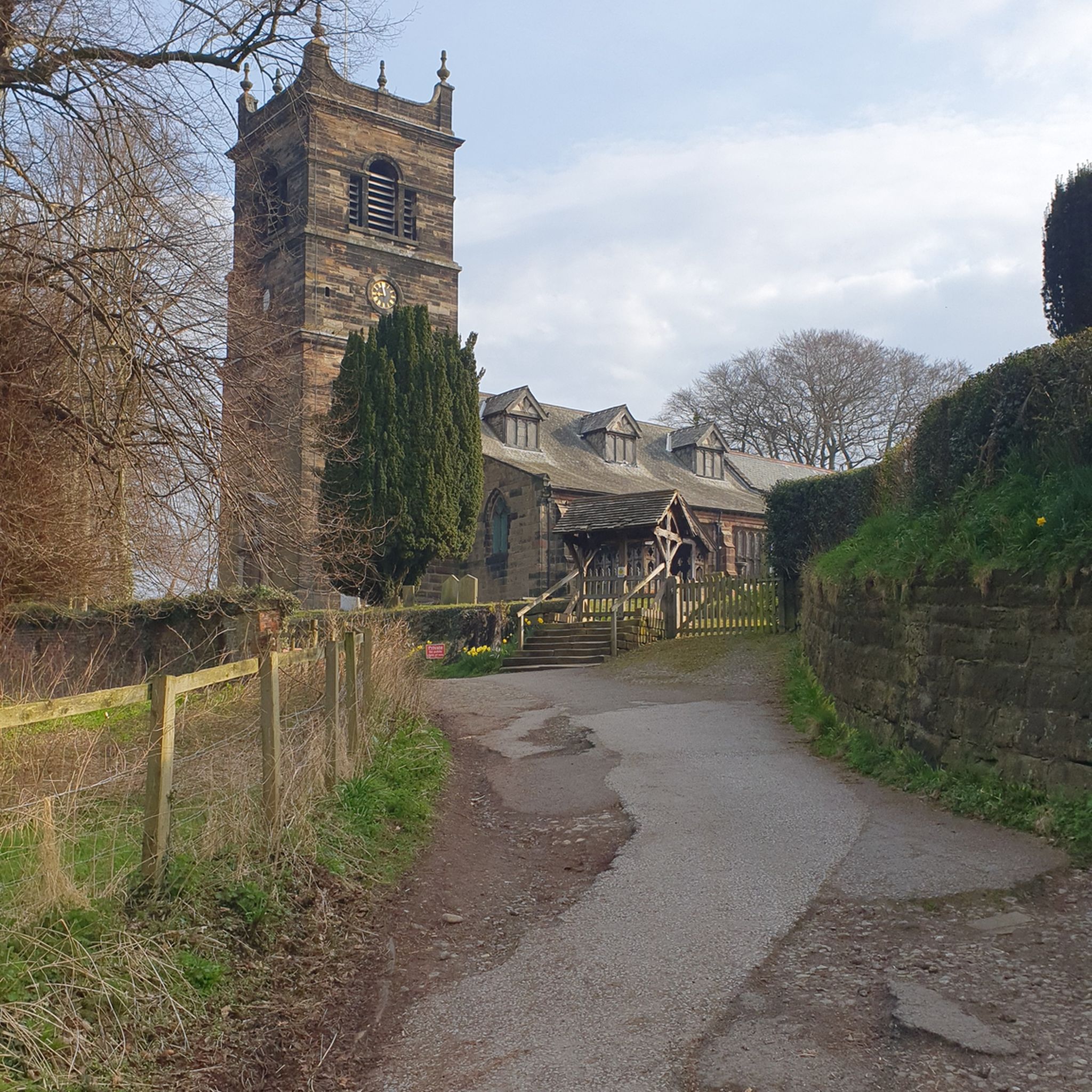
Lindow Common is a small area of heathland on the outskirts of Wilmslow. It might be small, but it is special in a number of ways: it is a Local Nature Reserve, well worth a visit if passing through. I captured an Owl 🦉 and her baby when I was there. She was showing the baby how to hunt.
3
0


The Pareni Tree is located in Chapel Woods in the National Trust area of Quarry Bank Mill in Cheshire. The tree is a native of California and a whopping 350ft high and 3,500 years old! Make sure to stop here and take in the beauty and wonder of this magnificent part of nature.
3
0
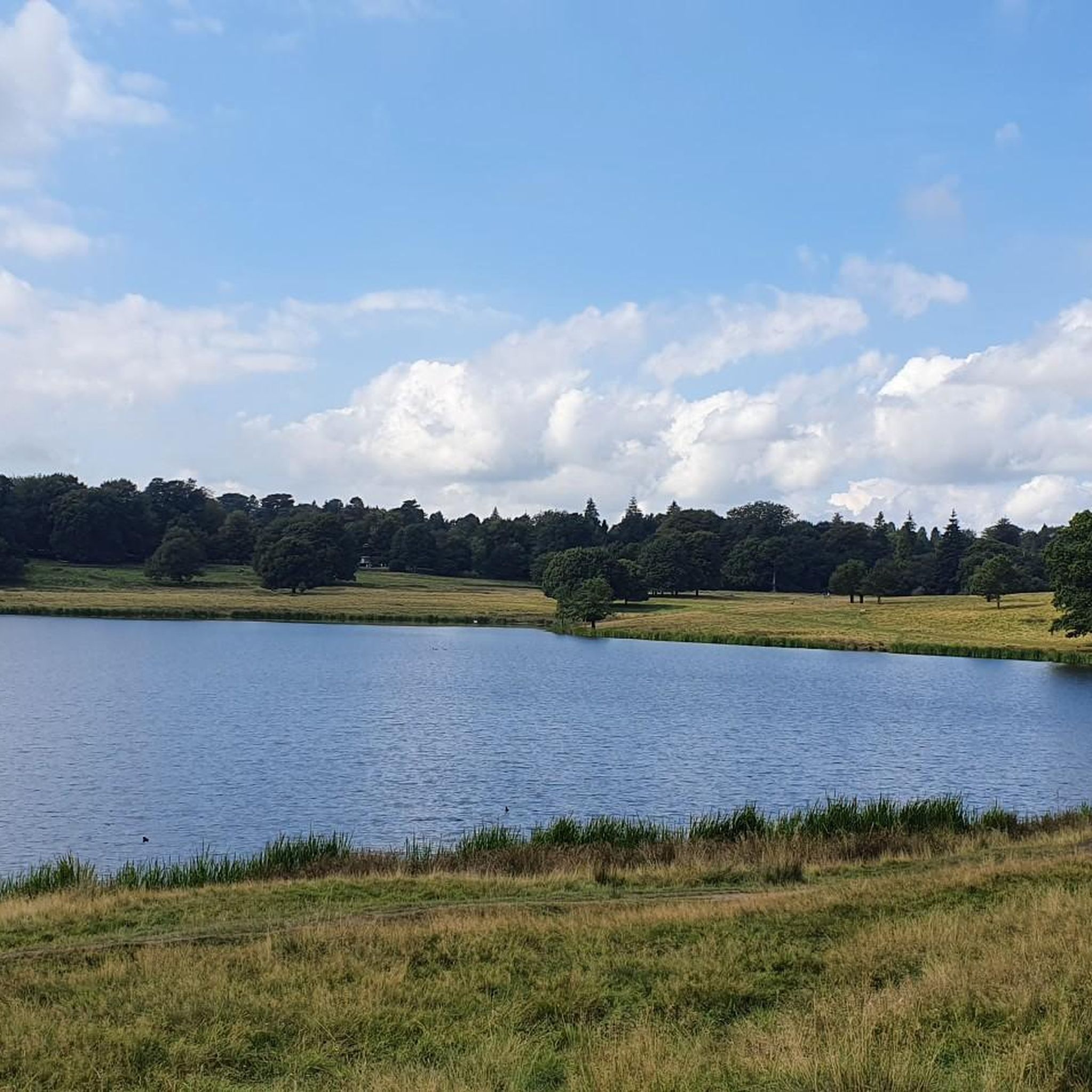
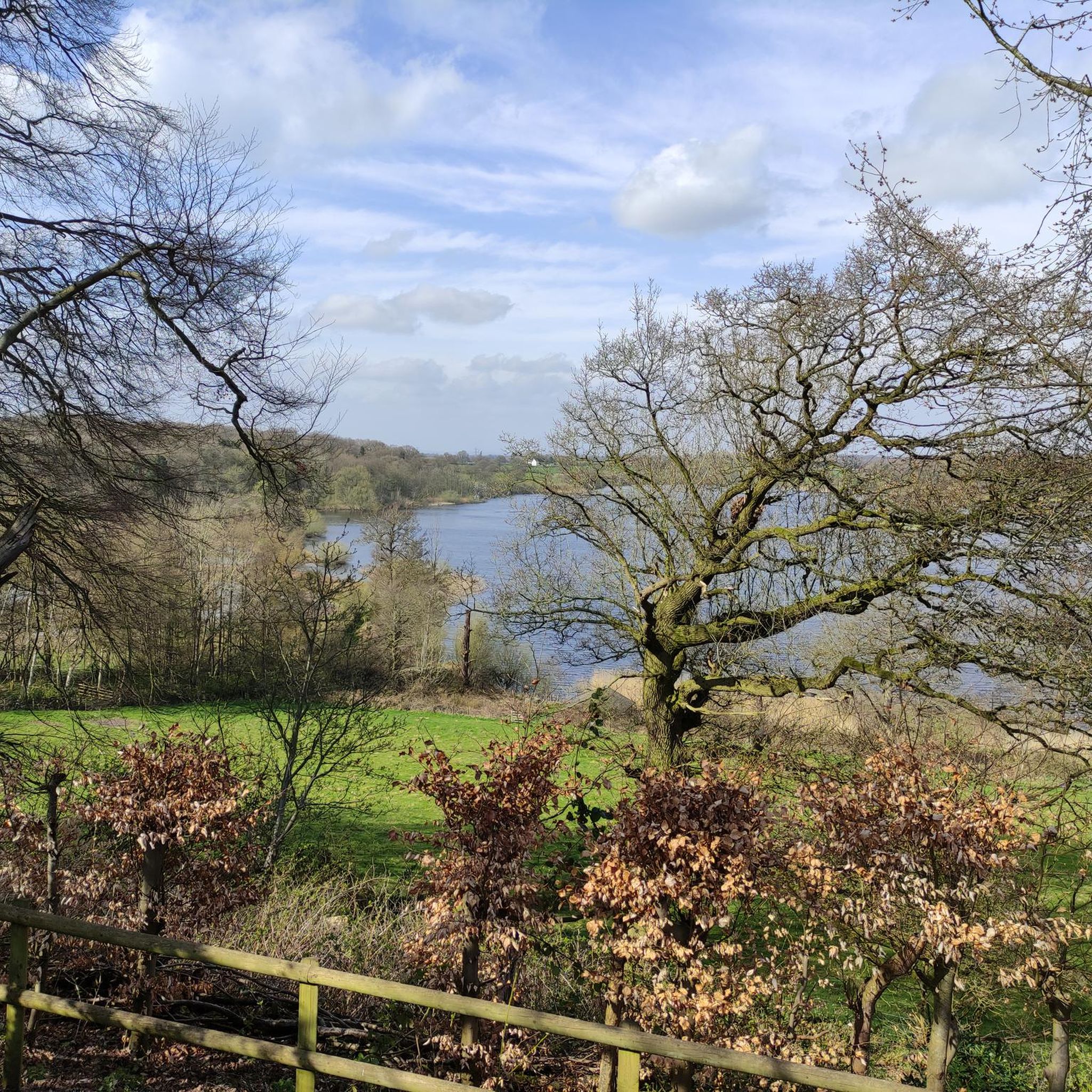
Melchett Mere is the smaller of the two lakes at Tatton Park, still equally as lovely though. The lake is a dedicated Site of Special Scientific Interest and RAMSAR site and is recognised as a nationally important habitat, providing refuge for many waterbirds and displaying an abundance of wildflowers and scarce plant life.
1
0
Frequently Asked Questions
What are the most notable natural monuments to explore around Rostherne?
The primary natural monument is the Rostherne Mere National Nature Reserve, a site of significant ecological importance. Other highly regarded natural monuments include Tatton Mere, a dedicated Site of Special Scientific Interest, and Lymm Dam, known for its picturesque setting. You can also find the impressive Pareni Tree (Giant Sequoia) at Quarry Bank Mill, a towering ancient tree.
What makes Rostherne Mere National Nature Reserve special?
Rostherne Mere is the largest and deepest of Cheshire's meres, covering 48 hectares, and is recognized as a National Nature Reserve, Ramsar site, and Site of Special Scientific Interest. It's particularly significant for its diverse bird populations, especially during winter, and its unique geological formation shaped by glacial activity. The reserve includes the mere, reedbeds, and woodlands, offering a rich environment for wildlife.
What kind of wildlife can I expect to see at Rostherne Mere?
Rostherne Mere is an exceptional location for birdwatching. You can spot large numbers of wintering wildfowl like pochard, mallard, teal, and pintail. Rarer visitors such as ruddy duck and bittern are also seen. The reedbeds host breeding reed warblers, and the woodlands are home to all three native woodpecker species, sparrowhawks, and kestrels. It's also a major gull roost in winter.
Are there family-friendly natural attractions in the Rostherne area?
Yes, several natural monuments are considered family-friendly. Tatton Mere, Lymm Dam, and Pareni Tree (Giant Sequoia) at Quarry Bank Mill are all great options for families to explore. Lindow Common, a Local Nature Reserve, also offers a pleasant experience for families.
What are the best times to visit the natural monuments around Rostherne?
The best time to visit depends on your interest. For birdwatching, especially at Rostherne Mere, winter is ideal for observing large numbers of wildfowl. Spring and summer offer lush greenery, wildflowers, and warmer weather for walks. Autumn provides beautiful foliage. Generally, early mornings are best for spotting deer at Tatton Park and avoiding crowds.
What outdoor activities can I do near these natural monuments?
The area around Rostherne offers various outdoor activities. You can enjoy hiking, with options ranging from easy to moderate. For example, there are several routes in Tatton Park, such as the 'Japanese Garden, Tatton Park – Tatton Hall loop' or the 'Tatton Park loop'. Gravel biking is also popular, with routes like the 'Trans Pennine Trail – Latchford Locks loop'. You can find more details on these activities in the hiking guide or gravel biking guide for Rostherne.
Are there hiking trails near Rostherne's natural monuments?
Yes, there are numerous hiking trails, particularly around Tatton Park, which is adjacent to Rostherne. Trails vary in difficulty, including easy options like the 'Japanese Garden, Tatton Park – Tatton Hall loop' (3.9 km) and moderate routes such as the 'Tatton Park loop' (10.5 km). These trails allow you to explore the parkland, meres, and woodlands. For more hiking options, refer to the hiking guide around Rostherne.
Is parking available at the natural monuments?
Parking is generally available at key locations. For Rostherne Mere National Nature Reserve, there are permissive paths and public viewpoints, but specific parking for the A.W. Boyd Memorial Observatory might require permits. Tatton Park has designated parking areas for visitors. For Lymm Dam, parking is available in the town of Lymm. It's advisable to check local signage for specific parking regulations and fees.
What do visitors enjoy most about the natural monuments around Rostherne?
Visitors frequently praise the tranquil atmosphere and natural beauty of the area. Many enjoy the excellent birdwatching opportunities, particularly at Rostherne Mere, and the chance to spot deer in Tatton Park. The picturesque views towards the Cheshire plain from places like Lymm Dam are also highly appreciated. The sheer size and age of the Pareni Tree also leave a lasting impression.
Are permits required to access certain areas of Rostherne Mere National Nature Reserve?
Yes, permits are required to access the A.W. Boyd Memorial Observatory at Rostherne Mere, which offers excellent views across the mere. However, there are also permissive paths and public viewpoints available that do not require a permit, allowing general access to enjoy the reserve's natural beauty.
Can I bring my dog to the natural monuments in Rostherne?
While specific regulations vary, many natural areas, including parts of Tatton Park, are dog-friendly, usually requiring dogs to be kept on a lead. For Rostherne Mere National Nature Reserve, it's important to be mindful of the sensitive wildlife habitats. Always check local signage or official websites for the most current dog policies at each specific natural monument to ensure a responsible visit.
Most popular attractions around Rostherne

Get inspired with the komoot mobile app


Explore more
Extend your search for the best caves by checking out these guides of the top ones around Rostherne:
