Top 17 Natural Monuments around Stoke Talmage
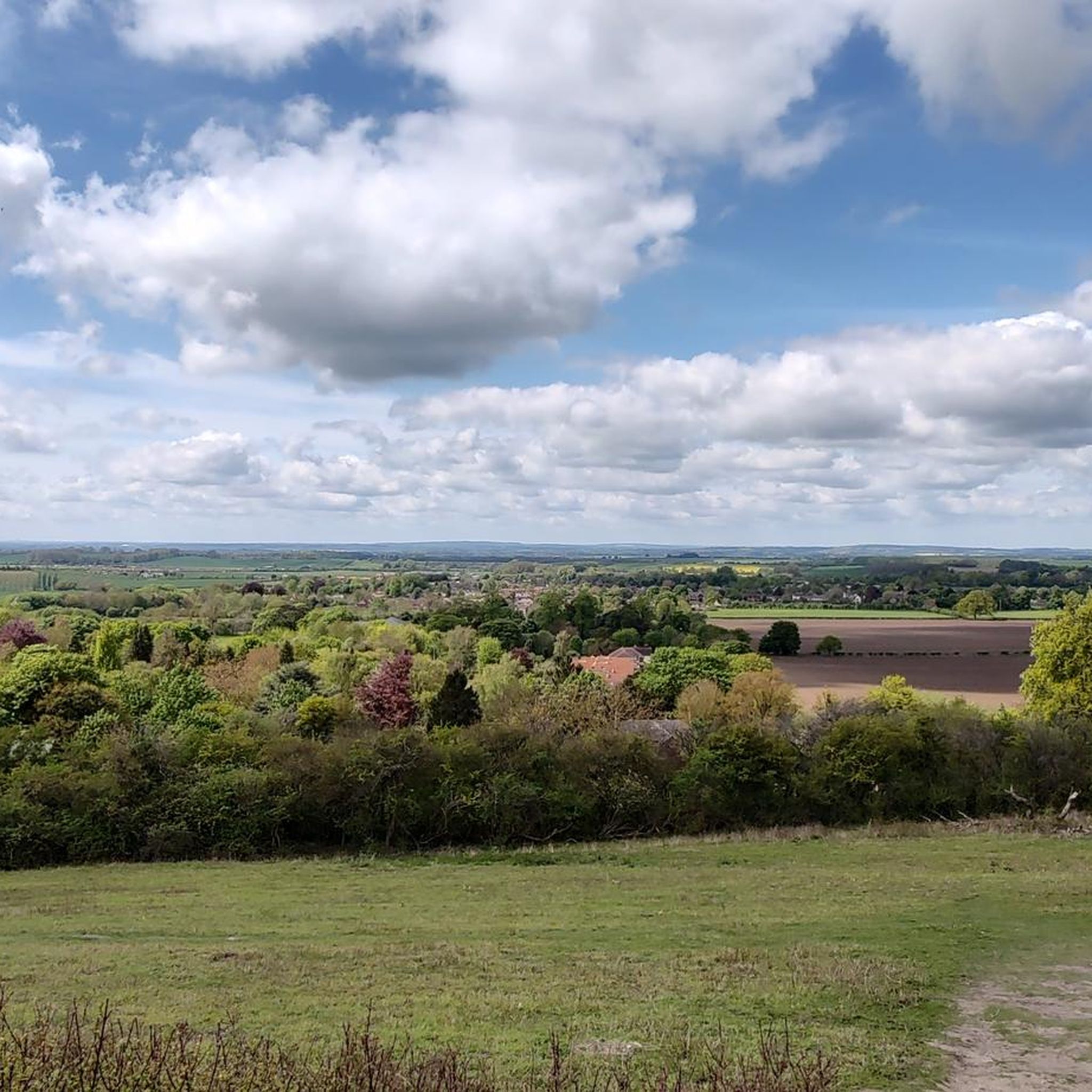
Best natural monuments around Stoke Talmage are primarily found within the nearby Chiltern Escarpment, offering a varied natural landscape. The area features high-quality chalk grassland, ancient woodlands, and significant geological formations. Stoke Talmage itself is characterized by a countryside with a park-like appearance. These natural features provide opportunities for outdoor exploration and wildlife observation.
Best natural monuments around Stoke Talmage
- The most popular natural monument is Watlington Hill, a forest that is a nationally important wildlife site within the…
Last updated: June 29, 2026
Watlington Hill
Highlight • Forest
Tip by

Watlington White Mark
Highlight • Natural Monument
Tip by
Sign up now to discover places like this
Get recommendations on the best single tracks, peaks, & plenty of other exciting outdoor places.
Sign up for free
Old Kiln Lakes Wetland Habitat
Highlight • Natural
Tip by

Cowleaze Wood Bluebells
Highlight (Segment) • Forest
Tip by
Watlington Hill Bluebell Woodland
Highlight • Natural Monument
Tip by
Sign up for free to discover even more natural monuments around Stoke Talmage.
Sign up for free
Already have an account?
Start today with a free account
Your next adventure awaits.
Login or Signup
Tips from the Community

This quarry is a Site of Special Scientific Interest and well known by geologists for its phenomenal history. Packed with fossils, some of the finds here date back 100 million years. There's no public access, but you can catch glimpses of its bright high-alkaline water from the surrounding footpaths.
0
0

Amazing place except too early for the bluebells
1
0


Incredible views from this national trust area....also free parking
1
0

Gorgeous walks, requires decent footwear and walking sticks help over the hills.
1
0

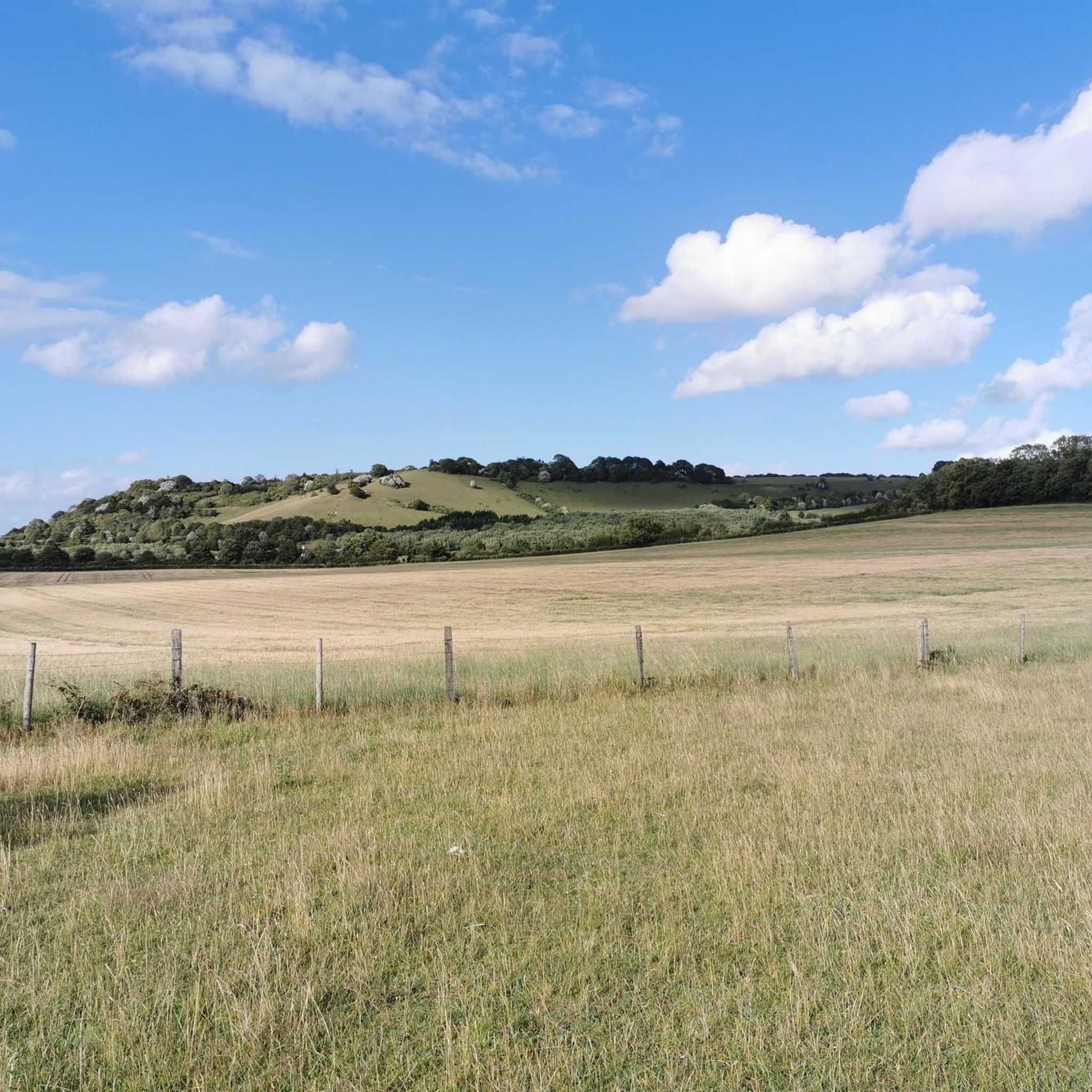
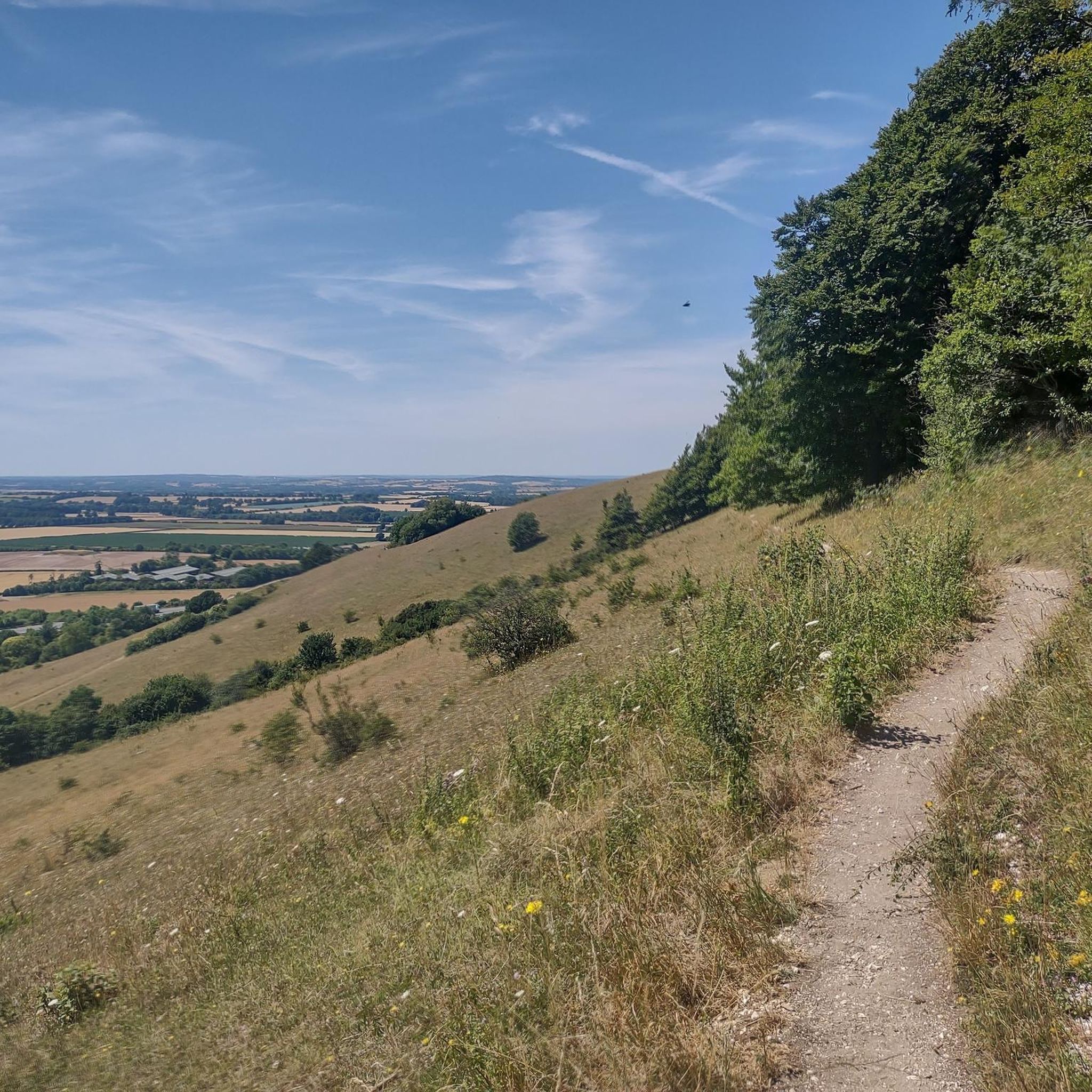
With stunning expansive views over Oxfordshire, sweeping hills and ancient woodland, Watlington Hill is a beautiful corner of the UK. Here, you will find a triangular white mark dug into chalk in the hill in 1764. Look our for rabbits, butterflies and red kites during your visit. You can find more information, here: https://www.nationaltrust.org.uk/chilterns-countryside/features/watlington-hill
0
0
Frequently Asked Questions
What unique natural features can I expect to see around Stoke Talmage?
The area around Stoke Talmage, particularly within the Chiltern Escarpment, is known for its diverse natural features. You can explore high-quality chalk grassland, ancient yew woodlands, and significant geological formations. For example, Watlington Hill boasts chalk grassland rich in wildflowers and ancient ant-hills, while the View of Stokenchurch Gap offers a geological Site of Special Scientific Interest with exposed chalk layers.
Are there family-friendly natural monuments to visit near Stoke Talmage?
Yes, several natural monuments are suitable for families. Watlington Hill is considered family-friendly, offering walks and opportunities for picnics and wildlife spotting. Another great option is Cowleaze Wood Bluebells, especially in late April and May when the bluebells create a stunning 'blue carpet' effect, making it a magical place for children to explore.
What kind of wildlife can be spotted at the natural monuments?
The natural monuments around Stoke Talmage are rich in wildlife. Watlington Hill is particularly noted for its butterflies, with up to 25 species recorded, including silver-spotted skippers. You can also frequently spot red kites soaring overhead, green woodpeckers, and various mammals like rabbits, hares, and deer. The area's diverse flora also supports a wide range of insects and birds.
Are there any historical or man-made features within the natural monuments?
Yes, the area combines natural beauty with historical elements. The most prominent is the Watlington White Mark, a distinctive triangular-shaped chalk mark carved into the hillside in 1764. It's a unique man-made monument visible for miles and offers incredible views from its location on Watlington Hill.
What outdoor activities can I do near these natural monuments?
The natural monuments around Stoke Talmage are excellent starting points for various outdoor activities. You can find numerous routes for cycling, running, and mountain biking. For detailed cycling routes, explore the Cycling around Stoke Talmage guide. If you prefer running, check out the Running Trails around Stoke Talmage guide. Mountain biking enthusiasts can find trails in the MTB Trails around Stoke Talmage guide.
What is the best time of year to visit the natural monuments around Stoke Talmage?
The best time to visit depends on your interests. Spring (late April to May) is ideal for seeing the bluebells at Cowleaze Wood Bluebells. Late July to early September is excellent for butterfly spotting, especially the silver-spotted skippers, at Watlington Hill. Generally, spring and summer offer pleasant weather for walking and enjoying the flora and fauna, while autumn brings beautiful foliage.
Are there good viewpoints among the natural monuments?
Yes, several natural monuments offer spectacular panoramic views. From Watlington Hill, you can enjoy extensive views over the Oxfordshire Plain to the north and west. The View of Stokenchurch Gap also provides significant vistas across the Chiltern Hills.
Is there parking available near the natural monuments?
Parking is generally available near the main natural monuments. For instance, Watlington Hill, managed by the National Trust, often has free parking options. It's advisable to check specific location details for the most up-to-date parking information before your visit.
What should I wear when hiking or exploring these natural monuments?
When exploring the natural monuments, especially those with varied terrain like Watlington Hill, it's recommended to wear decent footwear suitable for walking over hills and potentially uneven paths. Layers of clothing are also advisable to adapt to changing weather conditions, as the Chilterns can be exposed.
Are there any natural monuments with water features?
Yes, the Old Kiln Lakes Wetland Habitat is a natural monument featuring water. This former quarry is now a Site of Special Scientific Interest known for its geological history and high-alkaline water. While there's no public access directly to the lakes, you can catch glimpses from surrounding footpaths.
What makes Watlington Hill a nationally important wildlife site?
Watlington Hill is nationally important due to its high-quality chalk grassland, which supports a rich diversity of downland flora, including rare or scarce wildflowers, mosses, lichens, and fungi. It's also a significant habitat for butterflies, with up to 25 species recorded, and provides a home for various birds and mammals. The site's conservation management aims to maintain this delicate chalk habitat.
Most popular attractions around Stoke Talmage

Get inspired with the komoot mobile app


Explore more
Extend your search for the best caves by checking out these guides of the top ones around Stoke Talmage:
