Top 4 Natural Monuments around Inkberrow
Best natural monuments around Inkberrow include ancient woodlands and unique historical landscapes. Inkberrow, a village in Worcestershire, England, offers diverse ecosystems and historical features for exploration. The area is characterized by its natural attractions, providing opportunities to experience local flora, fauna, and historical land use. Visitors can find several natural monuments that showcase both ecological significance and cultural heritage.
Best natural monuments around Inkberrow
- The most popular natural monuments is Bannam's Wood, a natural monument that is a remnant…
Last updated: June 29, 2026
Grafton Wood Nature Reserve
Highlight (Segment) • Natural Monument
Jointly owned with Butterfly Conservation, Grafton has been at the heart of one of Worcestershire’s great conservation successes. The wood is the …
Tip by

Formal Gardens of Hanbury Hall
Highlight • Structure
Tip by

Sign up now to discover places like this
Get recommendations on the best single tracks, peaks, & plenty of other exciting outdoor places.
Sign up for free
Bannam's Wood
Highlight • Natural Monument
Tip by
Morton Hall Tulip Festival
Highlight • Natural Monument
Tip by
Start today with a free account
Your next adventure awaits.
Login or Signup

Tips from the Community


In spring 2022 Morton Hall Gardens opens its gates to visitors for its annual Tulip Festival, with all ticket sales supporting costume-making at the RSC. More than 100 tulip varieties can be admired in borders, pots and three cut flower marquees, revealing the magic and splendour of the queen of the spring flowers. Bloms Bulbs, winner of 68 Chelsea Gold medals, supply the bulbs and will be on site with expert advice on your favourite choices. History of Tulips The tulip’s conquest of western Europe began in the Netherlands: In the mid-16th century, travellers brought back bulbs from the Ottoman Empire. The Turks had been cultivating tulips as early as 1000 AD and adopted them as an emblem of the court. The correct name for tulips is the Persian word ‘lale’, but there was a confusion with the Persian and Turkish words for ‘turban’. This is how the misnomer was created and adhered to ever since. In the Dutch Golden age, tulips caused the first major financial bubble. They became the ultimate status symbol. During ‘Tulipmania’, which lasted from 1634 to 1637, just one bulb of a desirable tulip could fetch the same price as a house in the best quarter of Amsterdam. In England, tulips were introduced in the 1630s, which is probably why they don’t feature in Shakespeare’s works. Nowadays, tulips are widely available and affordable. However, they have not lost their magical pull. Tulip festivals are celebrated in many countries. The Netherlands, where tulips are bred and sold in billions, host the most important and well-known. However, if you visit Istanbul in April and early May, you will find that more than 20 million tulips have been planted throughout the city for the ‘Lale’ Festival. This tradition goes back to the late 17th to mid-18th century, which was the height of tulip popularity in the Ottoman Empire, as can still be seen in the ceramic decorations of many palaces. What is tulip magic? I like to compare it to a carnival or New Year’s fireworks. There is a joyful, limitless riot of colour and shapes. All is allowed: the boldest and most outrageous combinations and wild pageants of pattern. It is the ultimate victory over the bleakness of winter. But tulip festivals are more than celebrations of winter’s end. They are also a great opportunity to see hundreds of different varieties ‘in the flesh’. Beyond colour and shape, there are scent, texture and habit. It can be startling how varieties that look very similar on a catalogue page will appear very diverse when planted next to each other. An ideal opportunity to find the tulip you have been looking for!
0
0

George London designed the original formal gardens in 1705, heavily influenced by the gardens of Het Loo Palace and the Palace of Versailles. At the end of the 18th century they were removed, to be replaced by open spaces.[5] The formal gardens were recreated in the 1990s, using the original plans from 1705 as well as later drawings. They were officially reopened on 28th July 1995.[5]
1
0
beautiful room currently the book shop when I win the lottery I will be getting one
0
0

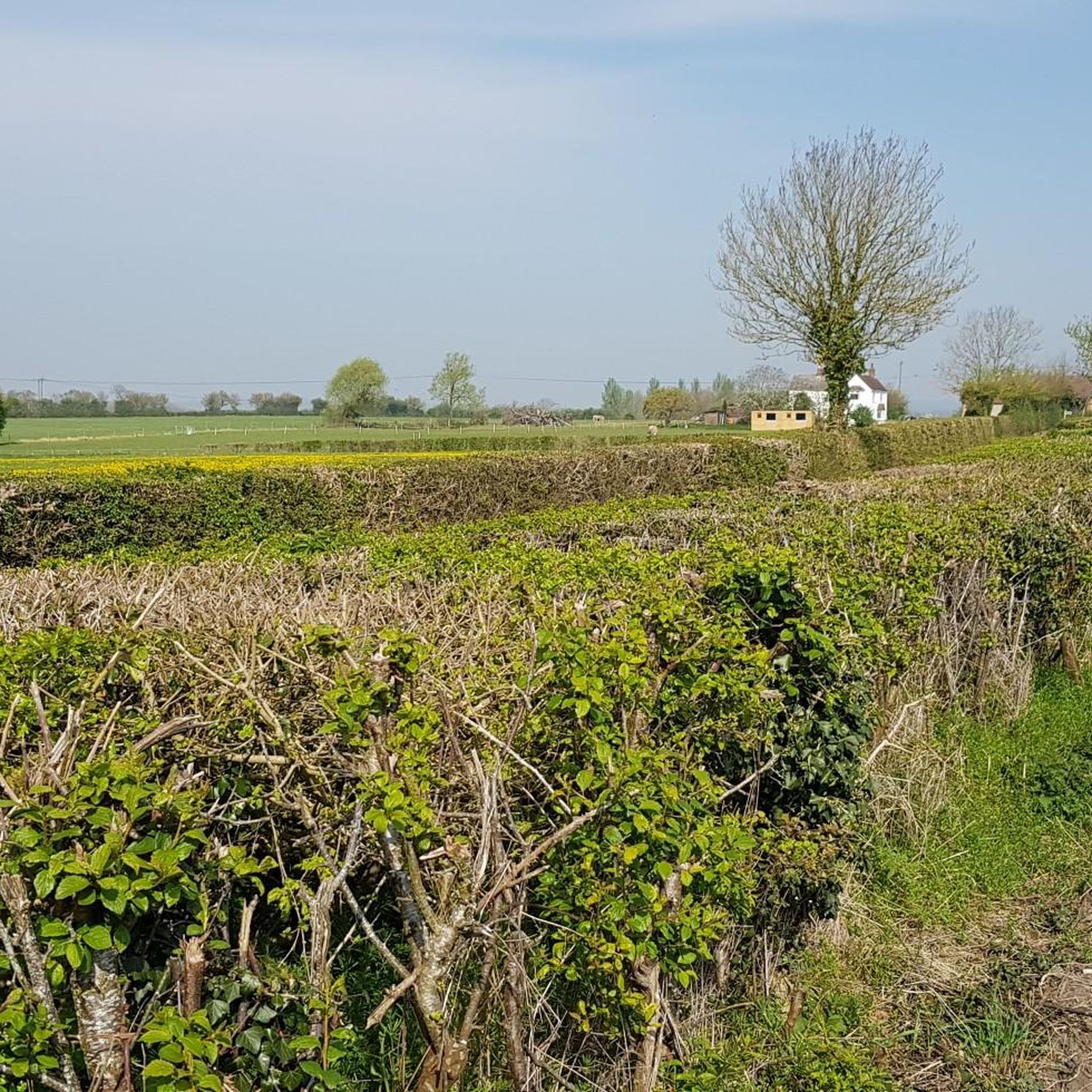
An ancient woodland with coppice and large oaks Jointly owned with Butterfly Conservation, Grafton has been at the heart of one of Worcestershire’s great conservation successes. The wood is the centre of the only colony of brown hairstreak butterflies in the Midlands. These elusive butterflies, on the wing in August and September, have been the subject of a long-term project to ensure their survival. By working with local landowners and encouraging appropriate maintenance of hedgerows, volunteers from both conservation charities have helped the butterflies to increase in range and in numbers. Grafton Wood is an ancient semi-natural broad-leaved woodland and, until the 1950s was traditionally managed as coppice-with-standards that provided materials for products such as broom handles, pea sticks, hedge-laying, clothes pegs, spars for thatching and firewood. Our management today aims to replicate this tradition and involves widening the rides through the woodland, coppicing and creating glades. We also ensure that there are scrubby areas containing the young blackthorn bushes that are vital for brown hairstreaks to survive. The majority of the canopy at Grafton is ash and oak although we also have a small-leaved lime coppice stool that we think must have originally started as one lime tree at least a thousand years ago. In many places there is a dense shrub layer of field maple, hawthorn and hazel. The two compartments of conifers that were planted in the 1960s have largely been removed in 2010. It’s not just brown hairstreak butterflies that visitors to Grafton Wood should keep a look out for. The wood is also important for other woodland butterflies including silver-washed fritillaries and white admirals. After careful surveying of the habitat and flowering species in the wood pearl-bordered fritillaries were released into the woodland in 2011 in the hope that they would then naturally re-colonise the wood after a 30 year absence. Notable moths include drab looper, rosy footman, Devon carpet and waved black. Many fungi have been recorded in the wood and it also supports a distinctive flora including herb-Paris, adder’s-tongue fern, violet helleborine, spurge laurel and bird’s-nest orchid. Birds including buzzard, goldcrest, treecreeper, lesser and great spotted woodpeckers are regularly seen in the wood and the adjacent meadows and orchards are important for green woodpeckers. Bechstein’s bats were recently discovered in the wood and the colony is thought to be the most northerly breeding roost in the UK.
0
0
Bannam's Wood is a small remnant of the ancient wildwood that was once widespread across the Midlands, but which is now very rare in Warwickshire. The woodland is a Site of Special Scientific Interest.
5
0
Frequently Asked Questions
What are the most popular natural monuments around Inkberrow?
Among the most popular natural monuments in the Inkberrow area are Bannam's Wood, an ancient wildwood known for its bluebells, and Grafton Wood Nature Reserve, a significant ancient woodland famous for its butterfly populations and conservation efforts. Visitors also enjoy the unique Morton Hall Tulip Festival, which showcases over a hundred tulip varieties.
What unique wildlife can I see at Grafton Wood Nature Reserve?
Grafton Wood Nature Reserve is a biodiversity hotspot. It's the sole colony of brown hairstreak butterflies in the Midlands, typically seen in August and September. You might also spot silver-washed fritillaries, white admirals, and reintroduced pearl-bordered fritillaries. The reserve is home to diverse fungi, distinctive flora like herb-Paris and bird's-nest orchid, and various birds including buzzards and woodpeckers. Bechstein's bats, with a rare breeding roost, have also been discovered here.
What historical features can be found at Inkberrow Millennium Green?
The Inkberrow Millennium Green offers a fascinating glimpse into history. It features a well-preserved medieval 'ridge and furrow' land pattern, created by ox ploughing in the Middle Ages. Additionally, you can explore a well-preserved moat surrounding a wooded island and two medieval fishponds. Part of the Green is recognized as a Scheduled Ancient Monument due to these historical elements.
When is the best time to visit Grafton Wood Nature Reserve?
The best time to visit Grafton Wood Nature Reserve depends on your interests. For butterfly enthusiasts, August and September are ideal for spotting the elusive brown hairstreak butterflies. Spring offers a chance to see the re-introduced pearl-bordered fritillaries and enjoy the woodland flora. The ancient woodland provides a serene escape throughout the warmer months.
Are there family-friendly natural monuments around Inkberrow?
Yes, several natural monuments in the area are family-friendly. Bannam's Wood and Grafton Wood Nature Reserve are both suitable for families, offering opportunities to explore ancient woodlands and spot wildlife. The Morton Hall Tulip Festival is also a great family outing, with its vibrant displays and historical context.
What outdoor activities can I do near these natural monuments?
The Inkberrow area offers various outdoor activities. You can explore gravel biking routes, enjoy running trails, or embark on road cycling adventures. Many routes pass by or are close to these natural monuments, allowing you to combine your visit with an active outdoor experience.
Are there specific trails or walks at Grafton Wood Nature Reserve?
Grafton Wood Nature Reserve features rides and glades that are part of its traditional coppice-with-standards management. These paths allow visitors to explore the ancient semi-natural broad-leaved woodland, observe the diverse flora and fauna, and experience the conservation efforts firsthand. The terrain is generally suitable for leisurely walks.
What makes Bannam's Wood a Site of Special Scientific Interest (SSSI)?
Bannam's Wood is designated as a Site of Special Scientific Interest because it is a small, rare remnant of the ancient wildwood that once covered much of the Midlands. Its ecological significance lies in its undisturbed nature and the specific plant communities it supports, including a notable display of bluebells in spring.
Can I bring my dog to the natural monuments in Inkberrow?
While specific dog policies can vary, natural areas like Bannam's Wood and Grafton Wood Nature Reserve are generally dog-friendly, often requiring dogs to be on a lead to protect wildlife and other visitors. It's always advisable to check local signage or specific reserve guidelines before your visit.
What is the Morton Hall Tulip Festival and when does it take place?
The Morton Hall Tulip Festival is an annual event where the gardens open to visitors to showcase over 100 varieties of tulips. It typically takes place in spring, offering a vibrant display of colors and shapes. The festival also supports costume-making at the Royal Shakespeare Company (RSC) and provides expert advice on bulb choices from suppliers like Bloms Bulbs.
Are there any easy walking routes among the natural monuments?
Yes, for easy walking, the Inkberrow Millennium Green offers a managed green space with clear paths, allowing visitors to explore its historical features and natural beauty at a leisurely pace. Bannam's Wood and Grafton Wood Nature Reserve also provide accessible trails for gentle strolls through ancient woodlands.
Most popular routes around Inkberrow
Most popular attractions around Inkberrow

Get inspired with the komoot mobile app


Explore more
Extend your search for the best caves by checking out these guides of the top ones around Inkberrow:
