Top 6 Natural Monuments around Feckenham
Best natural monuments around Feckenham include 6 distinct sites, offering diverse natural experiences within Worcestershire's landscape. The area is characterized by the historic Forest of Feckenham, which contributes significantly to the region's species-rich meadows and ancient woodlands. Feckenham is home to Feckenham Wylde Moor, a wetland reserve known for its unique fen peat habitat and diverse wildlife. These natural areas provide opportunities to explore rare ecosystems and observe local flora and fauna.
Best natural monuments around Feckenham
- The most popular…
Last updated: June 29, 2026
Grafton Wood Nature Reserve
Highlight (Segment) • Natural Monument
Jointly owned with Butterfly Conservation, Grafton has been at the heart of one of Worcestershire’s great conservation successes. The wood is the …
Tip by

Formal Gardens of Hanbury Hall
Highlight • Structure
Tip by

Sign up now to discover places like this
Get recommendations on the best single tracks, peaks, & plenty of other exciting outdoor places.
Sign up for free
Bilberry Hill Viewpoint
Highlight • Forest
Positioned above the village of Cofton Hackett, it’s an integral part of the Lickey Hills …
Tip by

Bannam's Wood
Highlight • Natural Monument
Tip by
Warridge Lodge Trig Point
Highlight (Segment) • Viewpoint
Tip by

Sign up for free to discover even more natural monuments around Feckenham.
Sign up for free
Already have an account?
Start today with a free account
Your next adventure awaits.
Login or Signup
Tips from the Community

A bit like Primrose Hill in London - just fewer and smaller Skyscrapers!
0
0


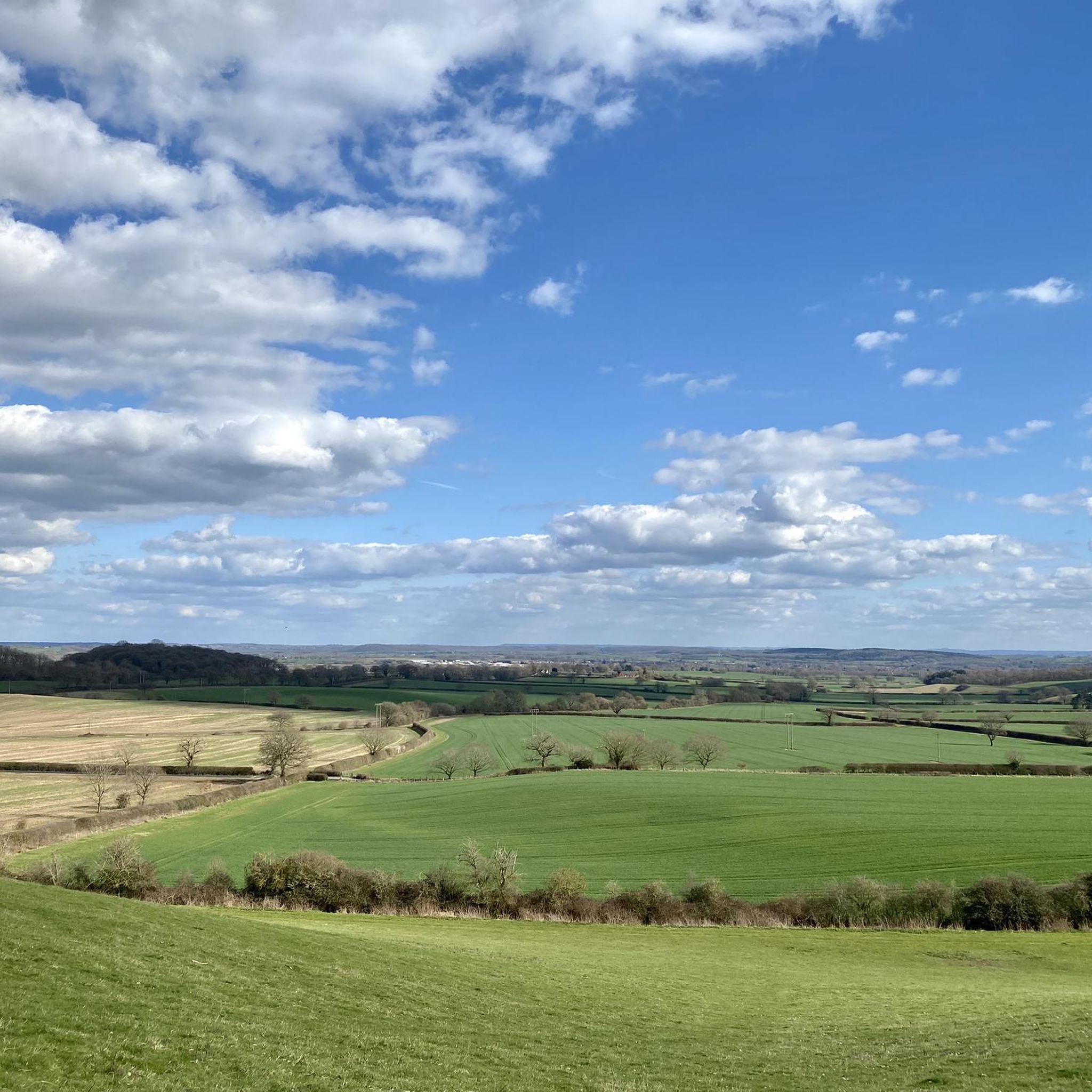
Bilberry Hill is one of the Lickey Hills southwest of Birmingham and northeast of Worcester. Positioned above the village of Cofton Hackett, it’s an integral part of the Lickey Hills Country Park. As part of the Lickey Ridge, composed of hard quartzite this spot offers stunning views over Birmingham and the surrounding countryside. The hill derives its name from the abundant tracts of Bilberry bushes (Vaccinium myrtillus) that occupy its slopes, providing locals with a tradition of harvesting their fruit each autumn for centuries to make jams, preserves, and delightful apple and bilberry pies.
1
0

YES!! Let me bloody have it! Great segment! Nothing smooth - pretty rugged - appeals to the northerner in me! - Can imagine in the wet its a mud bath! Dry or Wet it's GREAT fun!
0
0

Total of 9 fields lots of gates to cross without any clear tracks, best during a dry spell, 2nd farm has a hard to find gate on the right into a field with a trig point and a bench to have a break.
0
0

George London designed the original formal gardens in 1705, heavily influenced by the gardens of Het Loo Palace and the Palace of Versailles. At the end of the 18th century they were removed, to be replaced by open spaces.[5] The formal gardens were recreated in the 1990s, using the original plans from 1705 as well as later drawings. They were officially reopened on 28th July 1995.[5]
1
0
beautiful room currently the book shop when I win the lottery I will be getting one
0
0
Frequently Asked Questions
What unique natural habitats can I explore around Feckenham?
Feckenham is home to Feckenham Wylde Moor, a rare 12-hectare wetland reserve characterized by its distinctive fen peat habitat. This site, once drained, has been restored to support diverse wildflowers, wetland birds, and a remarkable 17 species of dragonflies and damselflies. You can also explore ancient woodlands like Bannam's Wood and Grafton Wood Nature Reserve, which are remnants of the ancient wildwood that once covered the Midlands.
Are there good spots for wildlife observation near Feckenham?
Yes, Feckenham Wylde Moor is an excellent location for wildlife observation. It's a haven for various species, including Little Grebe, Common Kingfisher, and Barn Owl. The reserve is particularly noted for its dragonflies and damselflies, with 17 species recorded. In the wet grasslands, you can find plants like ragged robin and common spotted orchid. Grafton Wood Nature Reserve is also crucial for butterflies, hosting the only colony of brown hairstreak butterflies in the Midlands, alongside silver-washed fritillaries and white admirals.
What are the best viewpoints to experience the landscape around Feckenham?
For stunning panoramic views, visit Bilberry Hill Viewpoint. Located within the Lickey Hills Country Park, it offers expansive vistas over Birmingham and the surrounding countryside. Another spot offering great views is the Warridge Lodge Trig Point, accessible via a bridleway through fields.
Are there family-friendly natural monuments to visit in the Feckenham area?
Many natural monuments around Feckenham are suitable for families. Bilberry Hill Viewpoint is part of the Lickey Hills Country Park and offers an easy walk from the car park. Both Bannam's Wood and Grafton Wood Nature Reserve are ancient woodlands that provide engaging environments for children to explore nature. Feckenham Wylde Moor also features an easy 1.5 km circular trail and two hides for wildlife viewing, making it accessible for families.
What is the best time of year to visit the natural monuments in Feckenham?
Spring and summer are ideal for experiencing the vibrant plant and insect life, especially at Feckenham Wylde Moor where dragonflies, damselflies, and wildflowers are abundant. Spring is also when you can witness the spectacular bluebells at Bannam's Wood. If you're interested in the Morton Hall Tulip Festival, it typically takes place in spring.
Are there opportunities for hiking near the natural monuments?
Yes, the Feckenham area offers various hiking opportunities. For example, you can find routes like the 'Wooden Footbridge loop from Feckenham' or the 'Hill Lane Bridleway – Wooden Bridge Over Swann Brook loop from Callow Hill'. These trails allow you to explore the natural beauty of the region. You can find more hiking routes and detailed information on the Hiking around Feckenham guide.
Can I go cycling or gravel biking near Feckenham's natural monuments?
Absolutely. The area around Feckenham provides several routes for both cycling and gravel biking. For gravel biking, options include loops from Redditch or Alvechurch that take you through the countryside. Cyclists can enjoy routes such as the 'Arrow Valley Lake loop from Redditch'. Discover more routes and plan your ride with the Gravel biking around Feckenham guide or the Cycling around Feckenham guide.
What is the significance of the ancient woodlands in Feckenham?
The ancient woodlands around Feckenham, such as Bannam's Wood and Grafton Wood Nature Reserve, are vital remnants of the historic Forest of Feckenham. They are recognized for their significant contribution to Worcestershire's species-rich meadows and ancient woodlands. These sites support diverse flora and fauna, including rare butterflies and distinctive woodland plants, making them crucial for biodiversity conservation.
Is there a specific event related to natural beauty in the area?
Yes, the Morton Hall Tulip Festival is an annual event held in spring. It showcases over 100 tulip varieties in borders, pots, and marquees, celebrating the splendor of spring flowers. This festival also supports costume-making at the RSC.
What makes Feckenham Wylde Moor unique?
Feckenham Wylde Moor is unique due to its rare fen peat habitat, which is uncommon in Worcestershire. This gives the pools a distinctive dark, velvety appearance. The site has undergone significant restoration to recreate its wetland environment, making it a special place to observe a high diversity of wildflowers, wetland birds, and insects, including 17 species of dragonflies and damselflies.
What kind of flora can be found at Grafton Wood Nature Reserve?
Grafton Wood Nature Reserve supports a distinctive flora, including herb-Paris, adder’s-tongue fern, violet helleborine, spurge laurel, and bird’s-nest orchid. The woodland canopy is primarily ash and oak, with a dense shrub layer of field maple, hawthorn, and hazel, contributing to its rich botanical diversity.
Most popular routes around Feckenham
Most popular attractions around Feckenham

Get inspired with the komoot mobile app


