Top 14 Natural Monuments around Cofton Hackett
Natural monuments around Cofton Hackett include a variety of landscapes, from expansive country parks to ancient woodlands and reservoirs. This area in Worcestershire, England, features significant natural attractions offering scenic views and diverse ecosystems. The region is characterized by its rolling hills, such as the Lickey Hills, and protected nature reserves. These sites provide opportunities for outdoor activities and appreciating the local environment.
Best natural monuments around Cofton Hackett
- The most popular natural monuments is The Four Stones, Clent Hills…
Last updated: June 29, 2026
The Four Stones, Clent Hills
Highlight • Viewpoint
Tip by

Jubilee Plantation, Waseley Hills Country Park
Highlight • Forest
Tip by
Sign up now to discover places like this
Get recommendations on the best single tracks, peaks, & plenty of other exciting outdoor places.
Sign up for free
Chaddesley Wood National Nature Reserve
Highlight • Natural Monument
Tip by

Clowes Wood and New Fallings Coppice
Highlight • Natural Monument
Tip by

Cannon Hill's Rescued Boulder
Highlight • Monument
Secret …
Tip by

Sign up for free to discover even more natural monuments around Cofton Hackett.
Sign up for free
Already have an account?
Start today with a free account
Your next adventure awaits.
Login or Signup
Tips from the Community

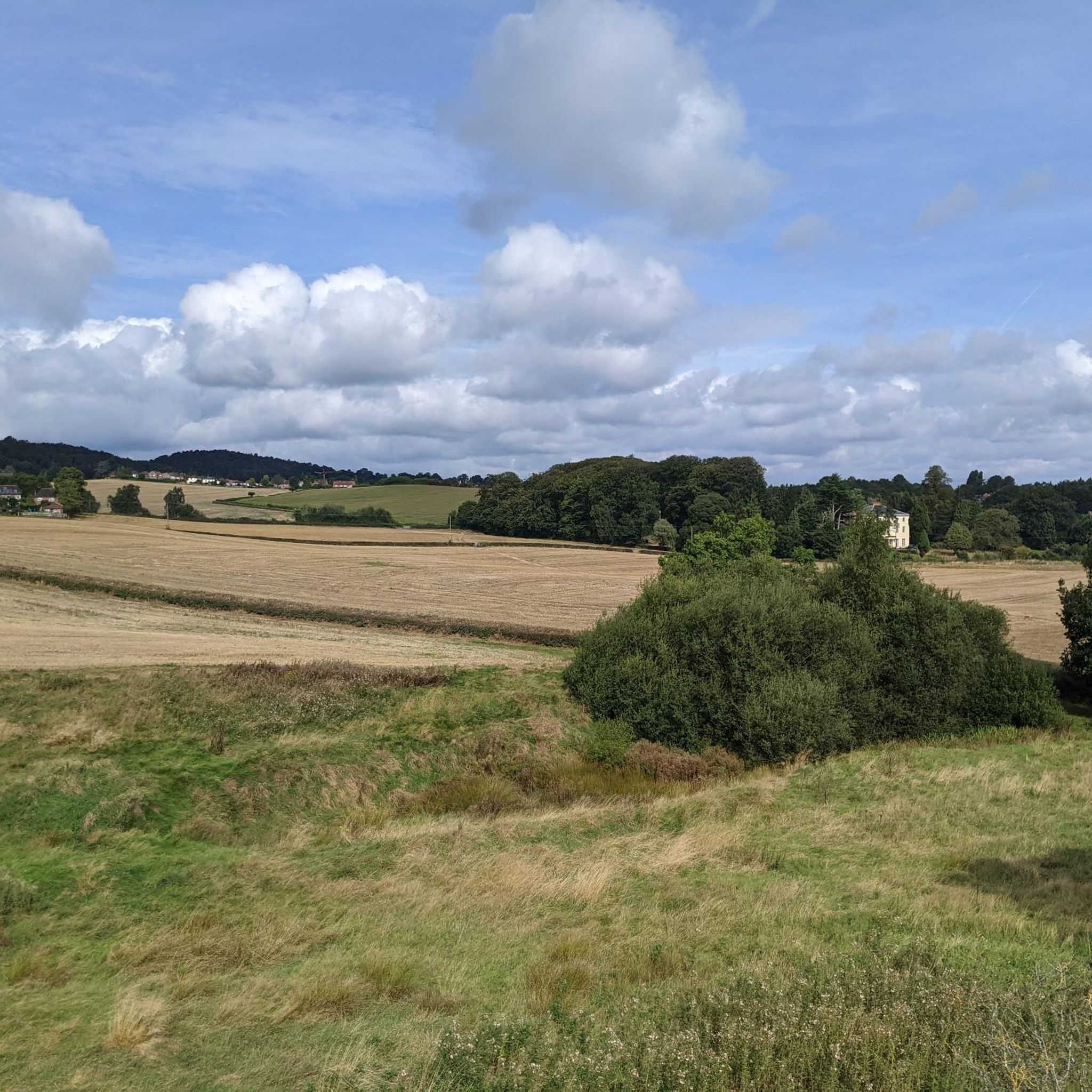
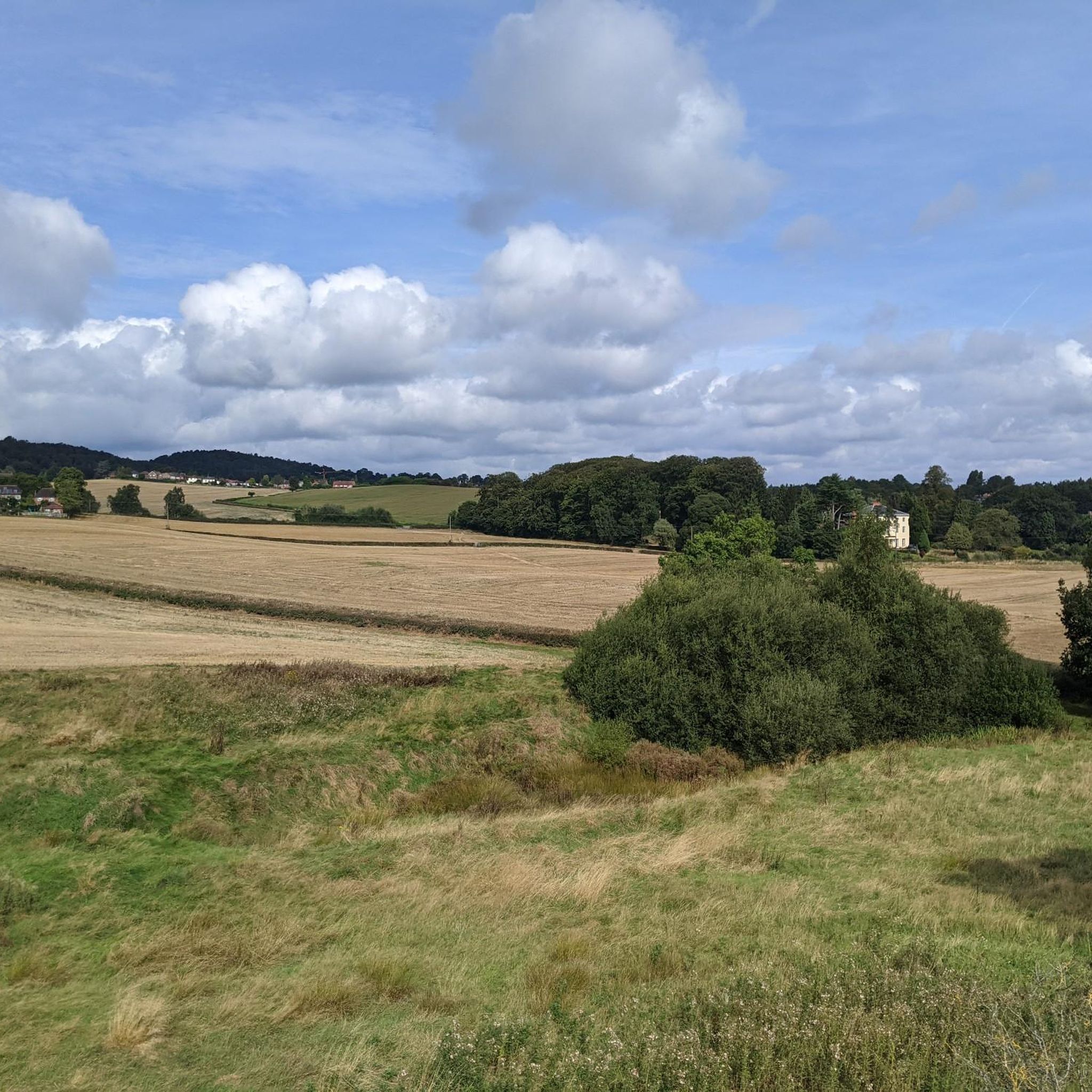
A fine stand of trees at the top of Waseley Hill
0
0


Boulder left by ice age , discovered by Victorians
0
0

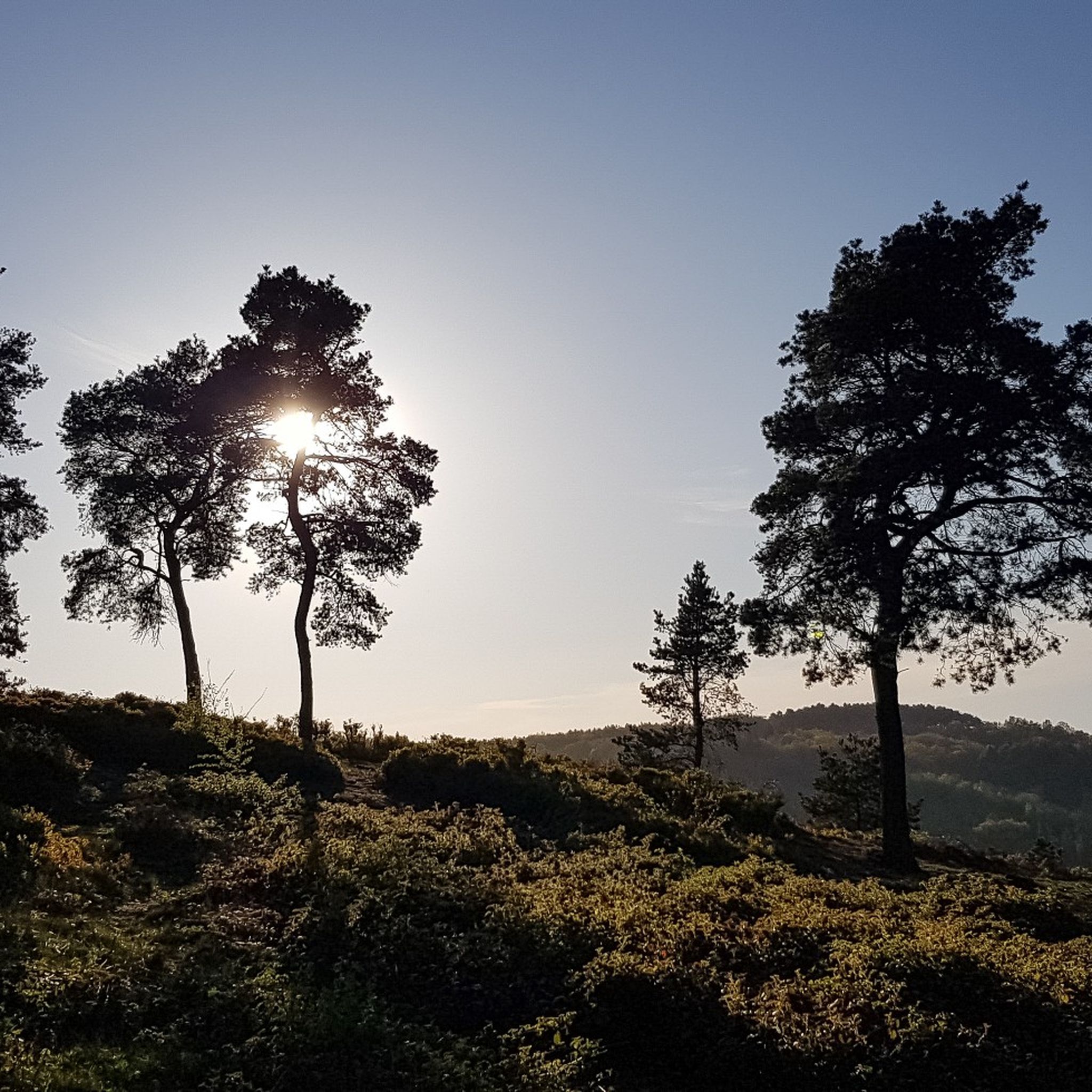
Worth a visit not only at sunset!
1
0

A great place to visit and wide veiws
0
0

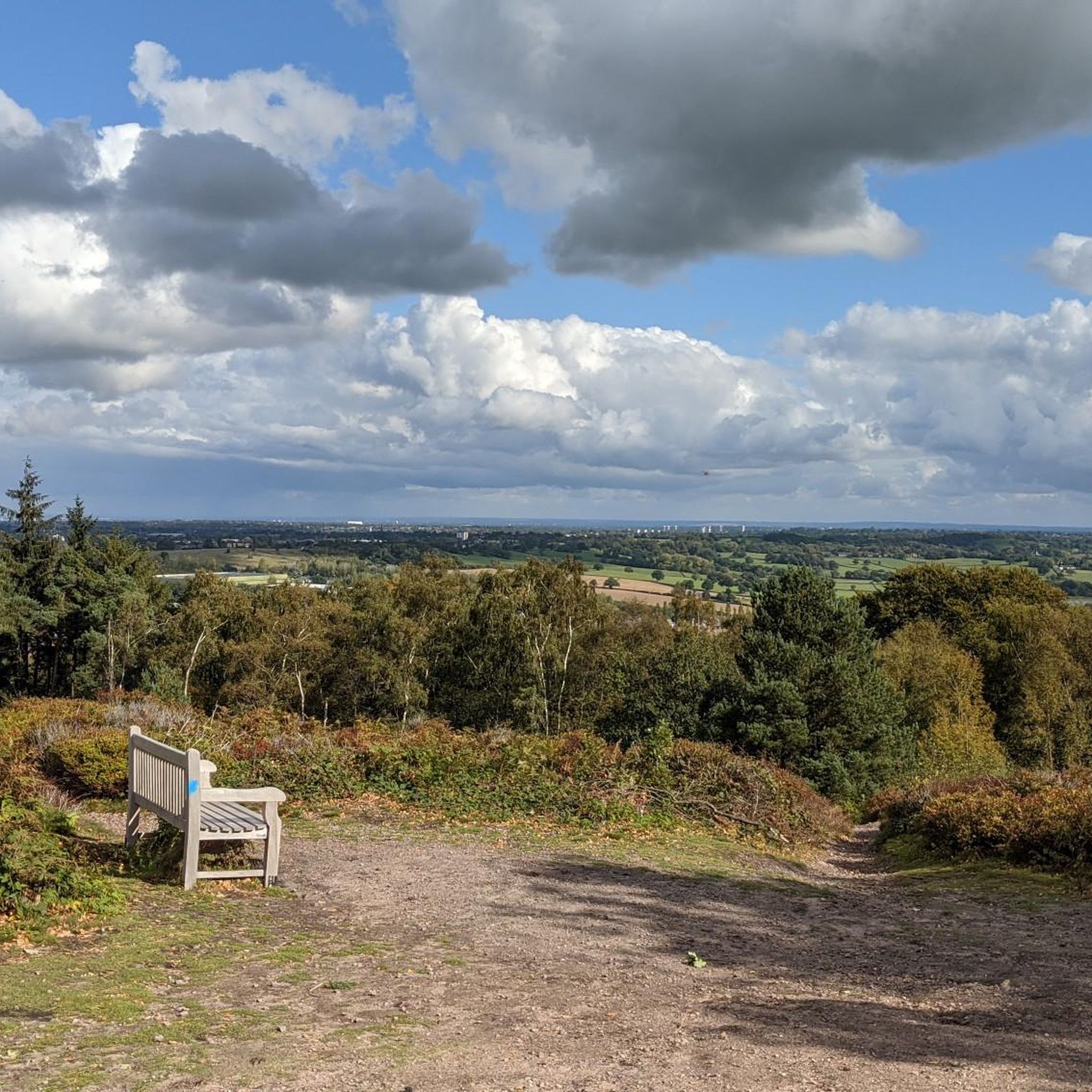
The Four Stones were erected by Lord Lyttelton of Hagley Hall in the 18th century. Brilliant views over nearby Walton Hill and further towards the Cotswolds, Shropshire Hills and the Welsh Borders.
0
0

The Four Stones is a striking monument at the top of the Clent Hills. While they look prehistoric, they were erected around 1763 at the behest of an eccentric landowner. Nevertheless, the characterful stones are supposedly aligned with the solstice sunset and offer a magnificent view at all times of the year.
3
0
Frequently Asked Questions
What are some notable natural monuments to explore around Cofton Hackett?
The Cofton Hackett area offers a variety of natural monuments. You can visit the historic The Four Stones, Clent Hills, a viewpoint with a stone circle offering magnificent views. Another must-see is Jubilee Plantation, Waseley Hills Country Park, a forest and nature reserve with panoramic views over Worcestershire. Don't miss Cannon Hill's Rescued Boulder, a relic from the Ice Age located within Cannon Hill Park.
Are there family-friendly natural monuments around Cofton Hackett?
Yes, several natural monuments in the area are suitable for families. The Four Stones, Clent Hills, Jubilee Plantation, Waseley Hills Country Park, Clowes Wood and New Fallings Coppice, and Cannon Hill's Rescued Boulder are all categorized as family-friendly. Lickey Hills Country Park and Cofton Park also offer ample space for family activities and picnics.
What kind of outdoor activities can I do near these natural monuments?
The area around Cofton Hackett is excellent for various outdoor activities. You can enjoy easy hikes, cycling, and mountain biking. For hiking, explore routes like the Woodpecker Trail or the Lickey Hills Visitor Centre – Beacon Hill Toposcope loop. Cyclists can find routes around the Birmingham Canal Navigations, while mountain bikers can tackle the Lickey Hills loop. You can find more details on these activities in the easy hikes, cycling, and MTB trails guides for Cofton Hackett.
Are there hiking trails near the natural monuments around Cofton Hackett?
Absolutely. The Lickey Hills Country Park, adjacent to Cofton Hackett, offers numerous woodland paths for leisurely strolls and challenging hikes. Specific routes include the Woodpecker Trail and various loops around Beacon Hill Toposcope and Bilberry Hill. Waseley Hills Country Park also provides diverse landscapes for hiking. For detailed trail information, refer to the easy hikes around Cofton Hackett guide.
When is the best time to visit the natural monuments around Cofton Hackett?
The natural monuments around Cofton Hackett can be enjoyed year-round. Spring offers beautiful displays of fresh green leaves, especially in beechwoods like Jubilee Plantation, and wildflowers. Summer is ideal for picnics and longer walks. Autumn brings vibrant foliage, while winter provides crisp, clear views, particularly from elevated points like Beacon Hill. Always check local weather conditions before your visit.
What kind of wildlife can I expect to see at these natural monuments?
The natural monuments around Cofton Hackett are rich in biodiversity. In places like Waseley Hills Country Park and Chaddesley Wood National Nature Reserve, you can spot various flora and fauna. Chaddesley Wood is home to ancient woodland indicator species, numerous birds, and even a rare land caddis. Clowes Wood and New Fallings Coppice support 50 species of breeding birds, badgers, red foxes, muntjac, and brown hares. Cofton Reservoir is known for its fish species, including roach, chub, and carp.
Are the natural monuments around Cofton Hackett dog-friendly?
Many of the natural monuments and parks in the Cofton Hackett area are popular with dog walkers. Cofton Park, with its 135 acres of rolling fields, is particularly favored for dog walking. Lickey Hills Country Park and Waseley Hills Country Park also welcome dogs, though it's always advisable to keep them under control and check for any specific signage regarding leads or restricted areas.
Are there any unique or historical natural attractions in the Cofton Hackett area?
Yes, the area boasts several unique and historical natural attractions. The Four Stones, Clent Hills, though erected in the 18th century, offers a unique stone circle with panoramic views. Cannon Hill's Rescued Boulder is a fascinating Ice Age relic. Chaddesley Wood National Nature Reserve has parts that have been wooded since the Ice Age, making it a site of significant ecological and historical interest. Beacon Hill in Lickey Hills also has historical significance as a former beacon site.
Is parking available at the natural monuments around Cofton Hackett?
Yes, parking is generally available at the larger country parks. Lickey Hills Country Park and Waseley Hills Country Park both have car parks. It's important to note that car park gates at places like Waseley Hills Country Park may shut at dusk, so plan your visit accordingly. Cofton Park also offers parking facilities.
What are the Lickey Hills and what can I see there?
The Lickey Hills Country Park is a significant natural attraction near Cofton Hackett, covering 524 acres. It features over 380 species of flowering plants and numerous woodland paths. The park includes three main hilltops: Rednal Hill, Bilberry Hill, and Cofton Hill, which are part of the Lickey Ridge. From Beacon Hill, one of the highest points, you can enjoy magnificent panoramic views over the surrounding countryside and into Birmingham, with a toposcope marking the views.
What is Cofton Reservoir and can I visit it?
Cofton Reservoir is located at the base of the Lickey Hills, south of Cofton Hackett. Built in 1815, it primarily serves as a water supply for the Worcester and Birmingham Canal. While it's a functional reservoir, its serene location offers opportunities for walks along its perimeter path. It's also home to various fish species. You can learn more about its history on Wikipedia.
Are there any ancient woodlands to explore?
Yes, the area is home to ancient woodlands. Chaddesley Wood National Nature Reserve is a prime example, with parts believed to have been wooded since the Ice Age. It features mature oak, hazel coppice, and rare plant species. Clowes Wood and New Fallings Coppice is another ancient woodland, likely wooded since the last ice age, offering diverse habitats including heathland and wet meadow.
What do visitors enjoy most about the natural monuments around Cofton Hackett?
Visitors frequently praise the stunning panoramic views from elevated points like The Four Stones, Clent Hills, and Jubilee Plantation, Waseley Hills Country Park. The peaceful and beautiful hiking experiences, especially in woodlands like Clowes Wood, are also highly valued. Many appreciate the historical significance of sites and the opportunity for wildlife spotting.
Most popular routes around Cofton Hackett
Most popular attractions around Cofton Hackett

Get inspired with the komoot mobile app


Explore more
Extend your search for the best caves by checking out these guides of the top ones around Cofton Hackett:
