Top 12 Natural Monuments around Stone
Best natural monuments around Stone feature a varied landscape, from ancient woodlands to dramatic sandstone formations. The area's geology has sculpted unique features, including high sandstone ridges and historical cave dwellings. These natural attractions provide opportunities to explore the region's natural beauty and historical significance. Visitors can discover a range of natural and man-made monuments that showcase the area's rich heritage.
Best natural monuments around Stone
- The most popular natural monuments is The Four Stones, Clent Hills, a viewpoint…
Last updated: October 15, 2026
Kinver Edge
Highlight • Historical Site
Tip by

The Four Stones, Clent Hills
Highlight • Viewpoint
Tip by

Sign up now to discover places like this
Get recommendations on the best single tracks, peaks, & plenty of other exciting outdoor places.
Chaddesley Wood National Nature Reserve
Highlight • Natural Monument
Tip by

Redstone Caves
Highlight • Natural Monument
Tip by

Ruskin Land
Highlight • Forest
Tip by

Sign up for free to discover even more natural monuments around Stone.
Already have an account?
Start today with a free account
Your next adventure awaits.
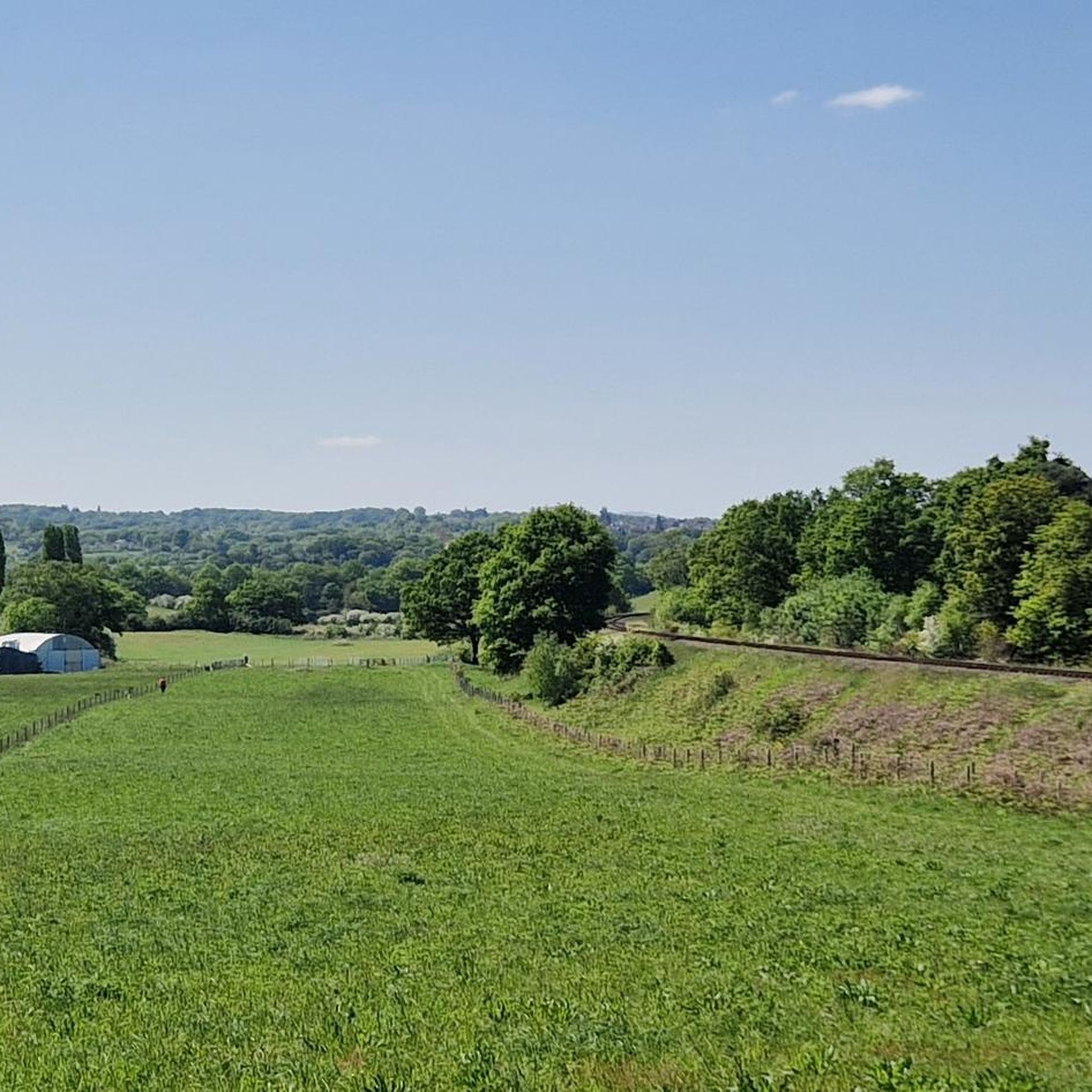
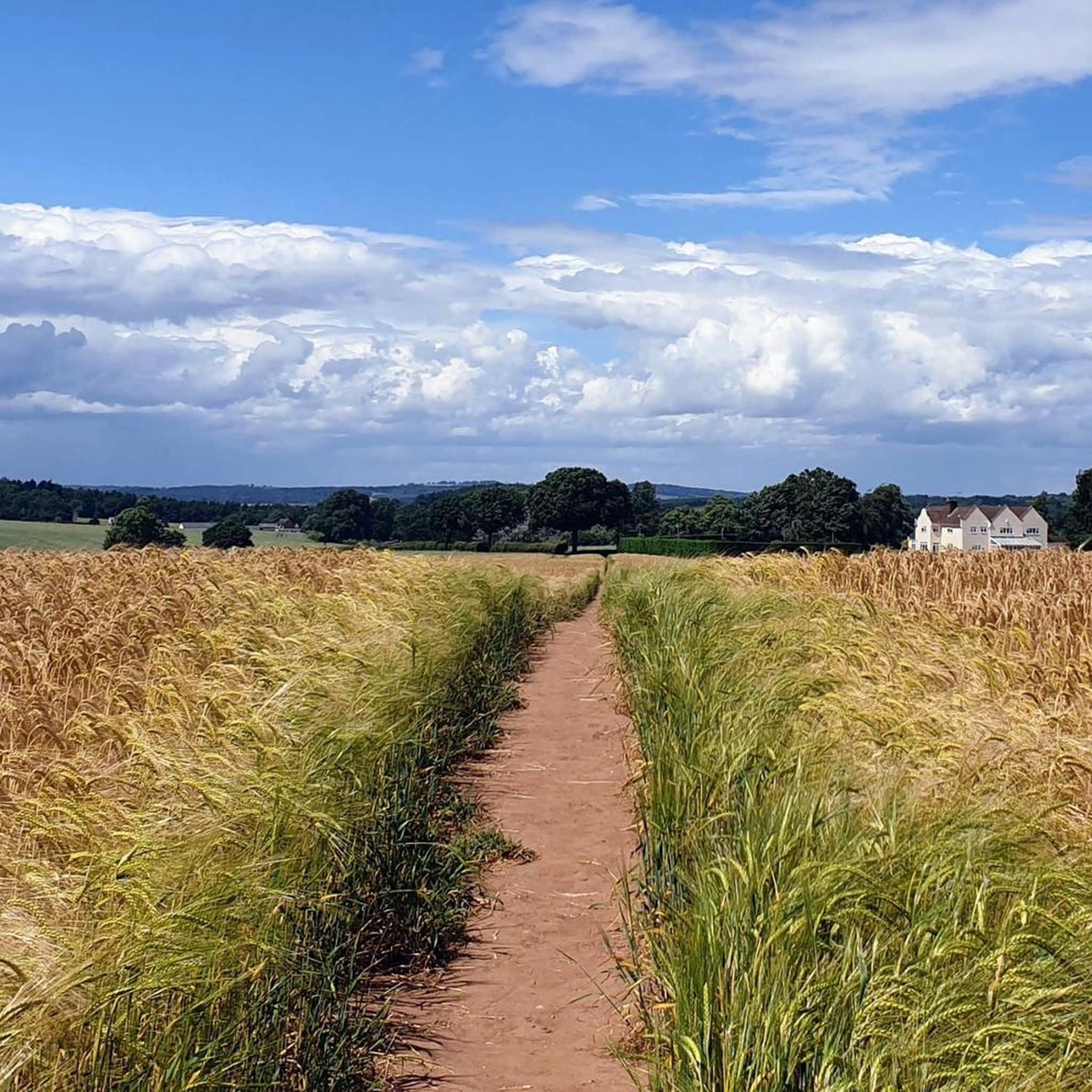
Tips from the Community


Worth a visit not only at sunset!
1
0


The Four Stones were erected by Lord Lyttelton of Hagley Hall in the 18th century. Brilliant views over nearby Walton Hill and further towards the Cotswolds, Shropshire Hills and the Welsh Borders.
0
0

Geological overview Just south of Stourport a magnificent river cliff of fine grained red sandstone is seen. Although mainly homogenous in terms of geology, there are white streaks and thin bands of coarse material running throughout the section. The soft sandstone of Redstone Rock is easily carved and there is evidence of human-made habitation in the cliff face since Stone Age times. The caves that can be seen today were mostly made in the 12th century, when a hermitage was established there, conveniently located for the hermits to be on hand to offer blessings and prayers for passers-by in return for alms. It was said to house up to 500 men, who may have also manned the ferry crossing, which was there due to the presence of a ford until the river was dredged. The caves were later used as domestic dwellings and were inhabited almost continuously until the mid twentieth century. Source: Geopark.org
0
0

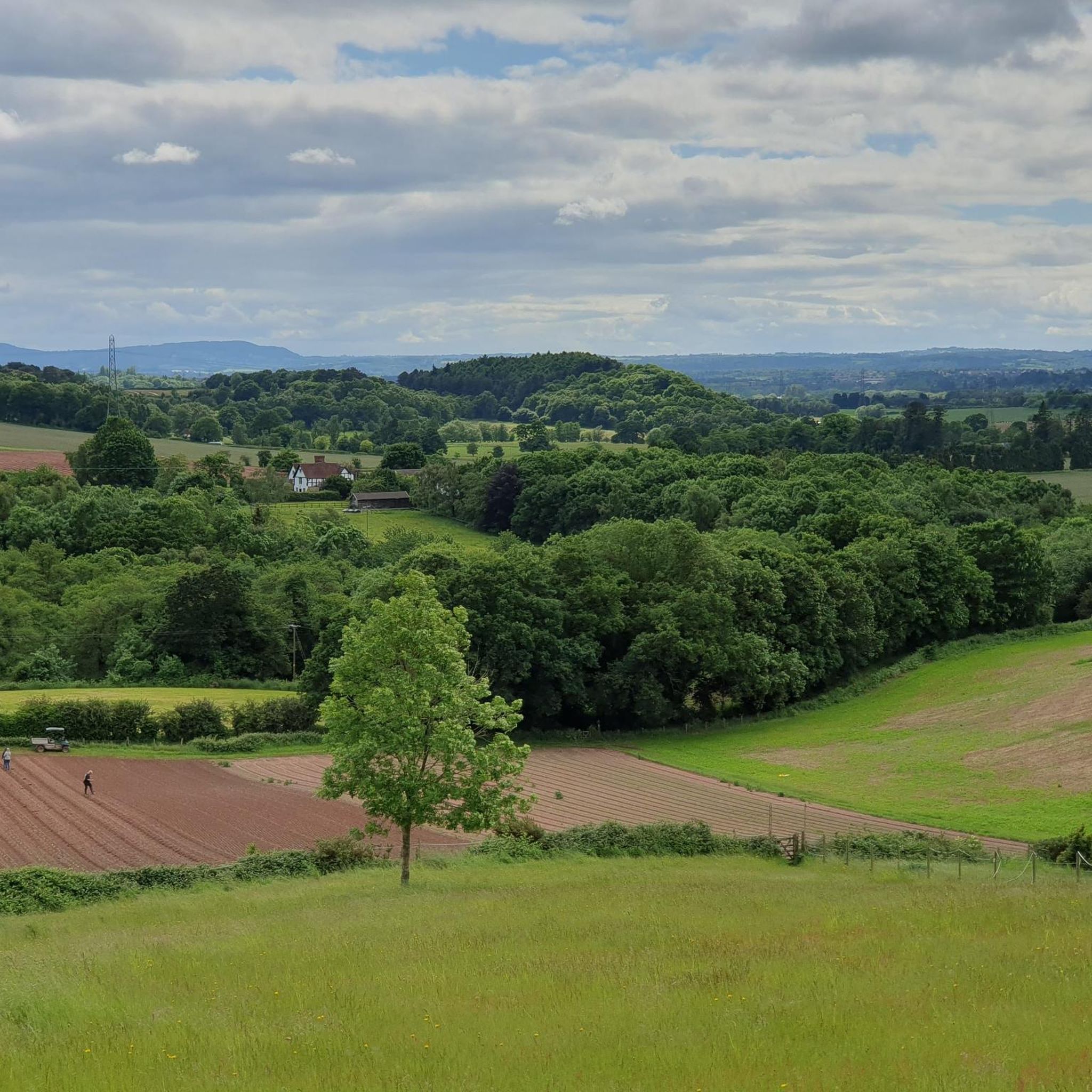
The Four Stones is a striking monument at the top of the Clent Hills. While they look prehistoric, they were erected around 1763 at the behest of an eccentric landowner. Nevertheless, the characterful stones are supposedly aligned with the solstice sunset and offer a magnificent view at all times of the year.
3
1
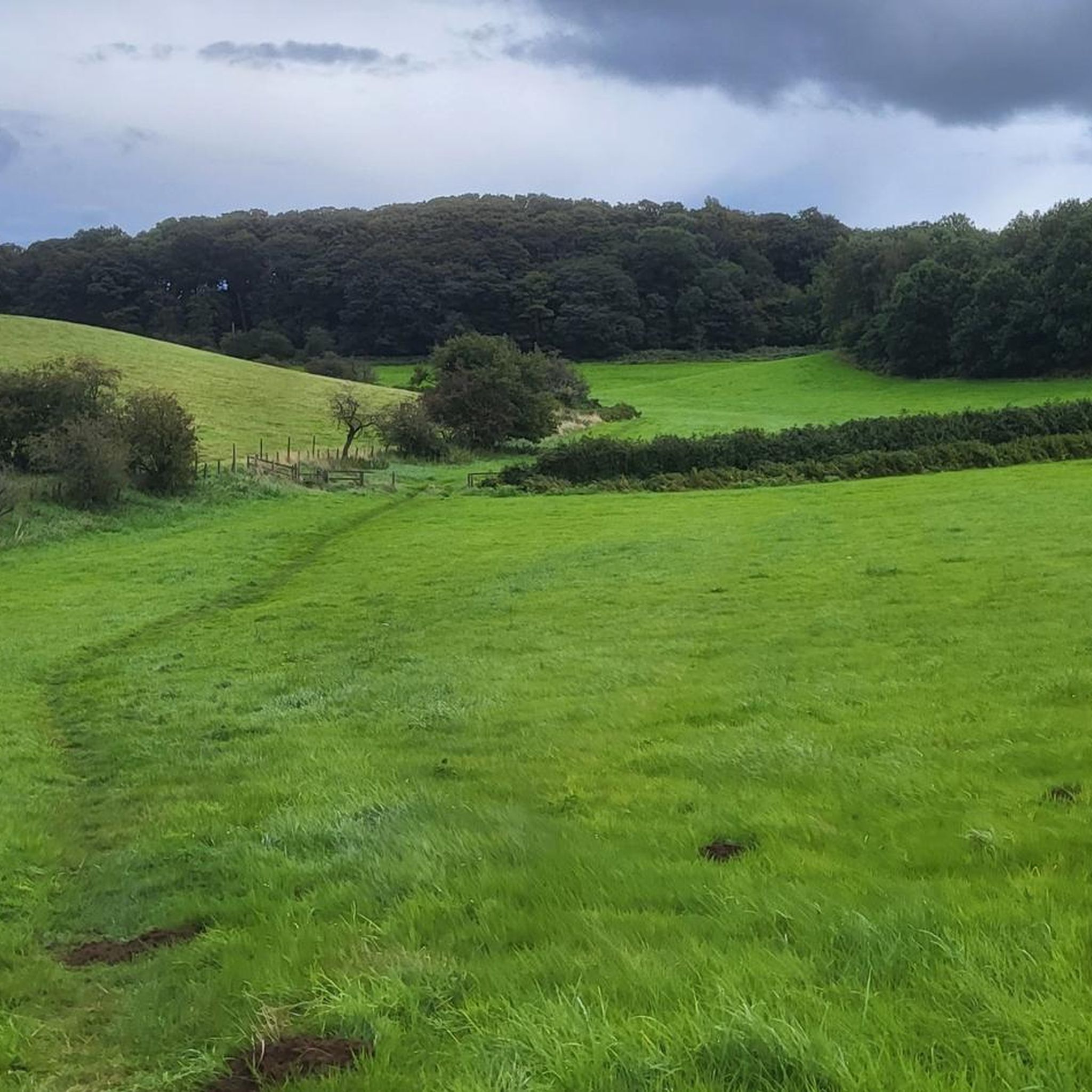
This area of the Wyre Forest Site of Special Scientific Interest belongs to John Ruskin's charity, the Guild of St George and is managed by the Wyre Community Land Trust. We are managing this area to support a mixture of high forest and heathland, which are valuable habitats for bats, birds and other species. In large areas of the woodland, the trees. are relatively young, and mainly comprise oak with bracken and bramble. This lack of diversity is a result of changes in woodland management following World War 1. when much of the woodland was no longer coppiced because of a collapse in the charcoal industry. In order to improve the habitat diversity, some trees have been removed to give those remaining more space to grow into large mature trees. The trees that are felled are extracted and processed at the Wyre Community land Trust's woodyard and sawmill at St George's Farm and used to make a variety of timber products and firewood. Volunteers have helped plant trees to ensure the forest has a diverse mixture of tree species that is more resilient to pests, disease and the effects of climate change.
0
0
Frequently Asked Questions
What types of natural monuments can I explore around Stone?
The Stone area offers a diverse range of natural monuments, from ancient woodlands and high sandstone ridges to historical cave dwellings. You'll find unique geological features sculpted by millennia of natural processes, alongside areas rich in flora and fauna.
Are there any unique geological formations to see near Stone?
Yes, the region is known for its distinctive sandstone formations. For example, Kinver Edge features a high sandstone ridge with dramatic views, and the Redstone Caves are carved directly into Triassic sandstone cliffs.
Which natural monuments are most popular with visitors?
Among the most popular natural monuments is The Four Stones, Clent Hills, known for its striking monument and magnificent views. Kinver Edge is also highly appreciated for its dramatic escarpment and the famous Holy Austin Rock Houses.
Are there hiking opportunities near the natural monuments around Stone?
Absolutely. The area around Stone provides numerous hiking trails. You can find easy hikes like the 'Hurcott Wood loop from Churchill' or the 'Harvington Hall loop from Chaddesley Corbett'. For more options, explore the Easy hikes around Stone guide.
What other outdoor activities can I enjoy in the Stone area?
Beyond hiking, the Stone area is great for running and cycling. There are various running trails, such as the 'Mare & Colt loop from Wyre Forest', and cycling routes like the 'Mary Stevens Park – Bicycle Art on Brick Wall loop from Kidderminster'. Check out the Running Trails around Stone and Cycling around Stone guides for more details.
Do any natural monuments around Stone have historical significance?
Yes, several natural monuments in the area are intertwined with history. Kinver Edge features ancient hill forts and the historic Holy Austin Rock Houses. The Redstone Caves were carved in the 12th century and once housed a hermitage, while The Four Stones, though appearing ancient, were erected in the 18th century and are aligned with the solstice sunset.
Are there family-friendly natural monuments suitable for children?
Yes, several spots are great for families. The Four Stones, Clent Hills offers a gentle climb and unique stone circle that children often enjoy. Ruskin Land in Wyre Forest also provides an accessible woodland environment for family exploration.
Can I bring my dog to the natural monuments around Stone?
Many natural areas and trails around Stone are dog-friendly, especially those managed by local trusts or public access land. However, it's always best to check specific site regulations beforehand, as some nature reserves or areas with sensitive wildlife may require dogs to be on a lead or restrict access in certain sections.
What is the best time of year to visit the natural monuments in Stone?
The natural monuments around Stone can be enjoyed year-round. Spring brings vibrant wildflowers to woodlands like Chaddesley Wood National Nature Reserve, while autumn offers stunning foliage. Summer is ideal for longer walks and clear views, and even winter can provide a unique, crisp perspective, especially at viewpoints like The Four Stones.
Where can I find ancient woodlands near Stone?
For ancient woodlands, Chaddesley Wood National Nature Reserve is an excellent choice. It's known for its mature oak trees, rare indicator species, and a rich natural habitat that has been wooded since the Ice Age. Ruskin Land, part of the Wyre Forest, also offers significant woodland areas.
Are there any less crowded natural monuments around Stone?
While popular spots can get busy, especially on weekends, exploring areas like Chaddesley Wood National Nature Reserve or the wider Ruskin Land in Wyre Forest during off-peak hours or weekdays can offer a more tranquil experience. The vastness of these natural spaces often allows for quiet exploration.
Most popular attractions around Stone

Get inspired with the komoot mobile app


Explore more
Extend your search for the best caves by checking out these guides of the top ones around Stone:
