Top 10 Natural Monuments around Folkestone
Best natural monuments around Folkestone offer a diverse landscape of geological formations, coastal views, and rich ecosystems. This coastal town in Kent, England, features significant chalk cliffs and varied terrain shaped by natural processes. The area is recognized for its ecological importance and provides opportunities for exploring unique natural environments. The region's natural landmarks provide insights into its geology and history.
Best natural monuments around Folkestone
- The most popular natural monuments is View of Dover Port, a viewpoint that…
Last updated: October 2, 2026
Stargate Fountain, Dover
Highlight • Monument
Translated by Google •
Tip by

Crest of a Wave Sculpture, Dover
Highlight • Viewpoint
Tip by

Sign up now to discover places like this
Get recommendations on the best single tracks, peaks, & plenty of other exciting outdoor places.
White Cliffs of Dover
Highlight • Natural Monument
Tip by

Shakespeare Cliff
Highlight • Viewpoint
Tip by
Folkestone White Horse and North Downs Way
Highlight • Trail
Tip by

Sign up for free to discover even more natural monuments around Folkestone.
Already have an account?
Start today with a free account
Your next adventure awaits.
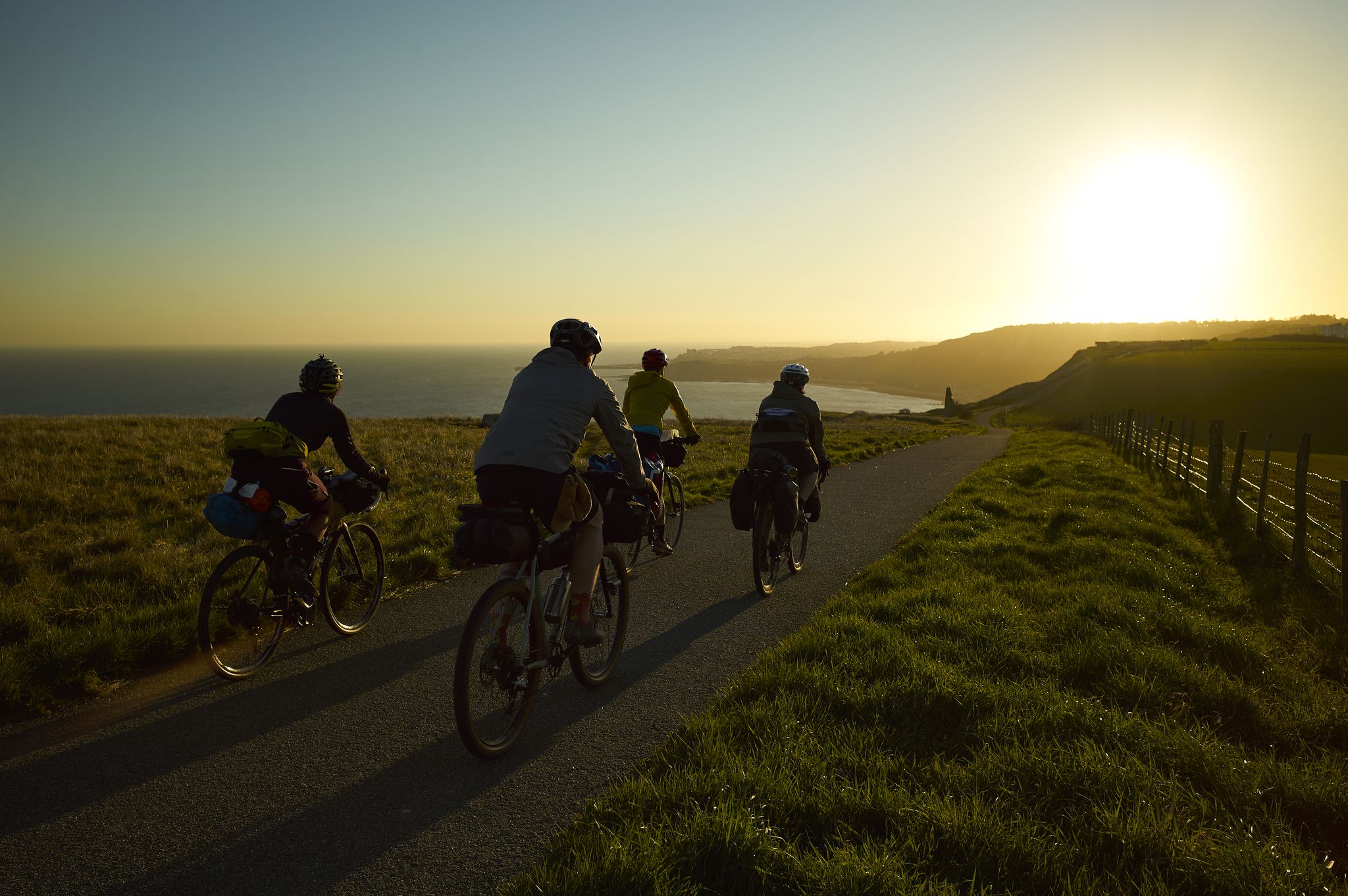
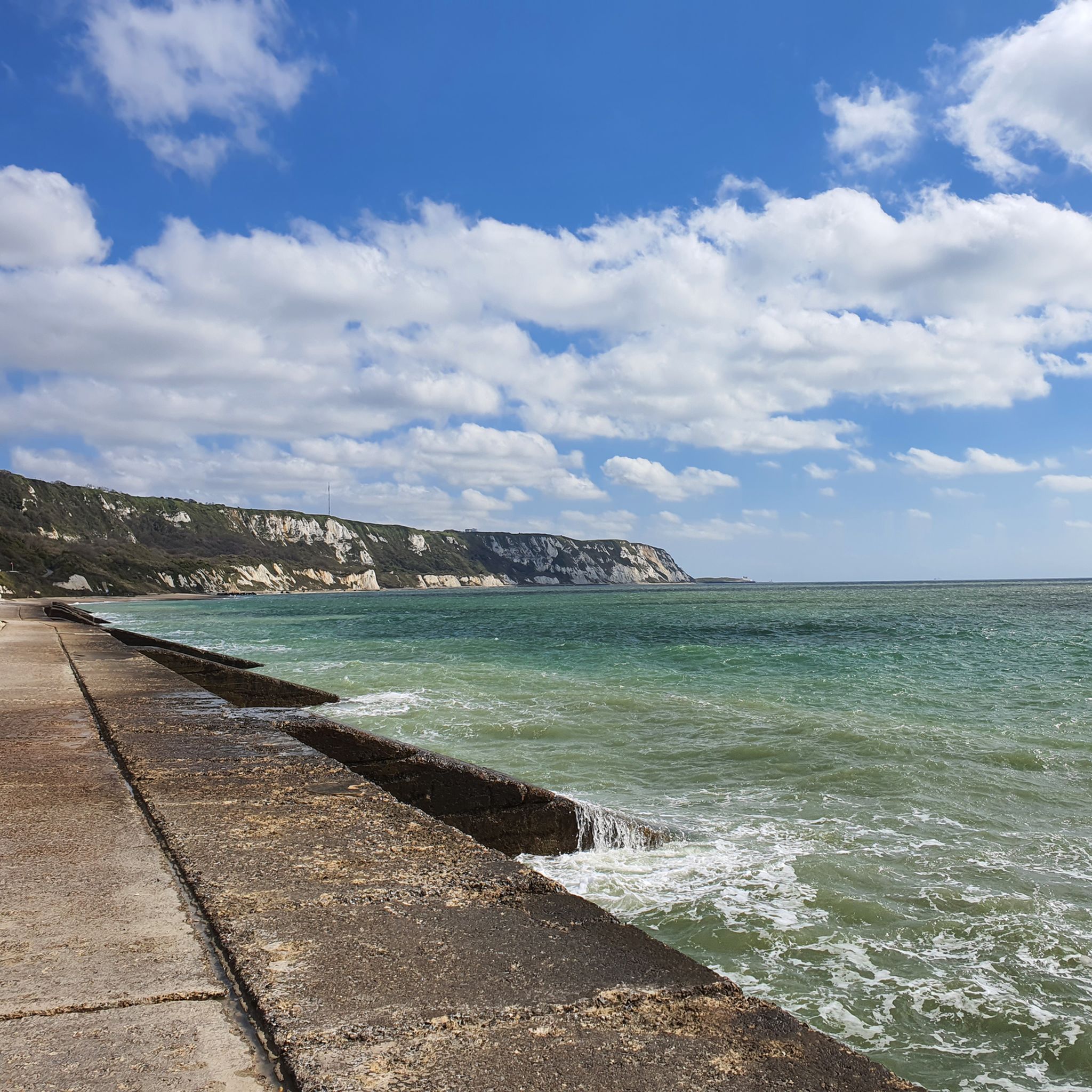
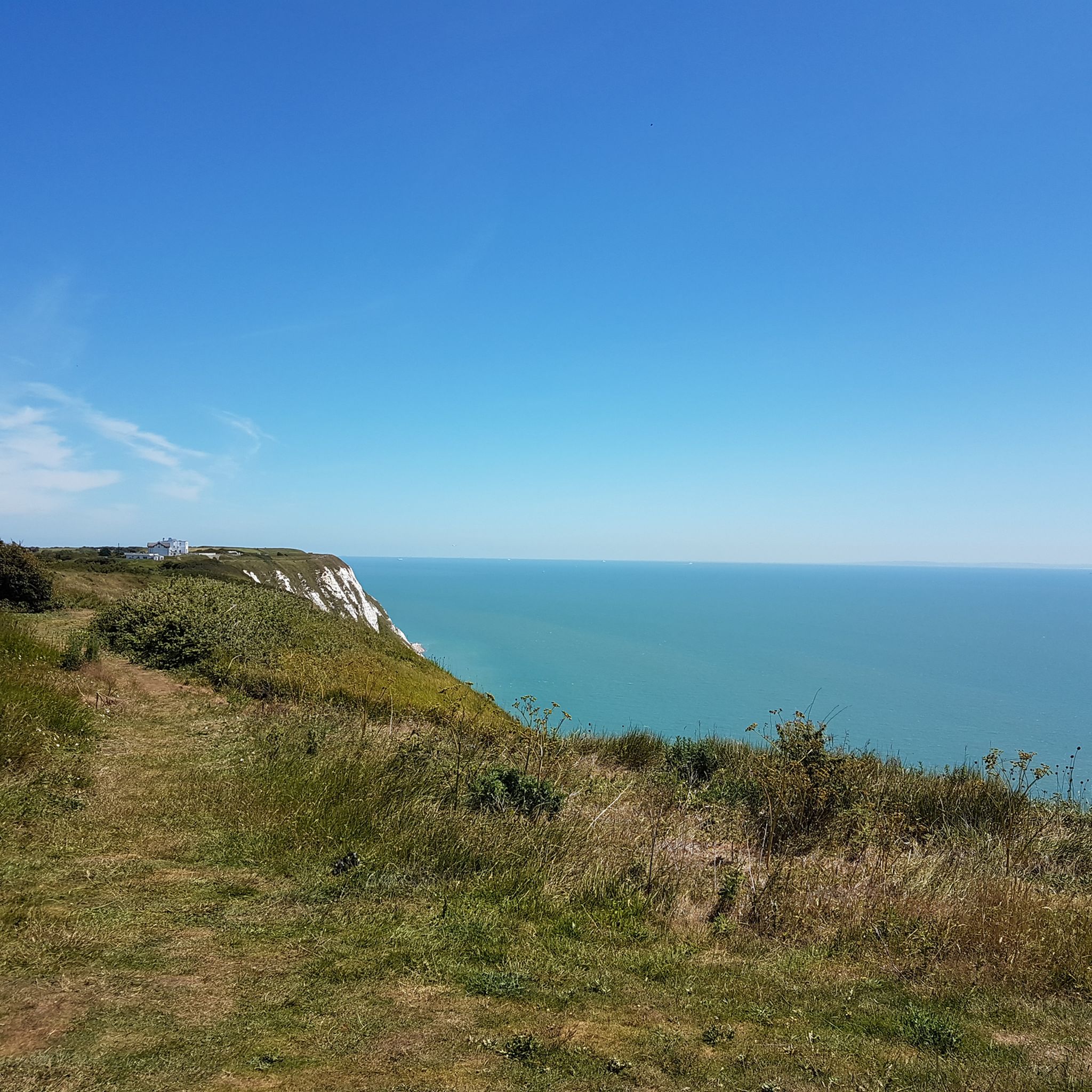
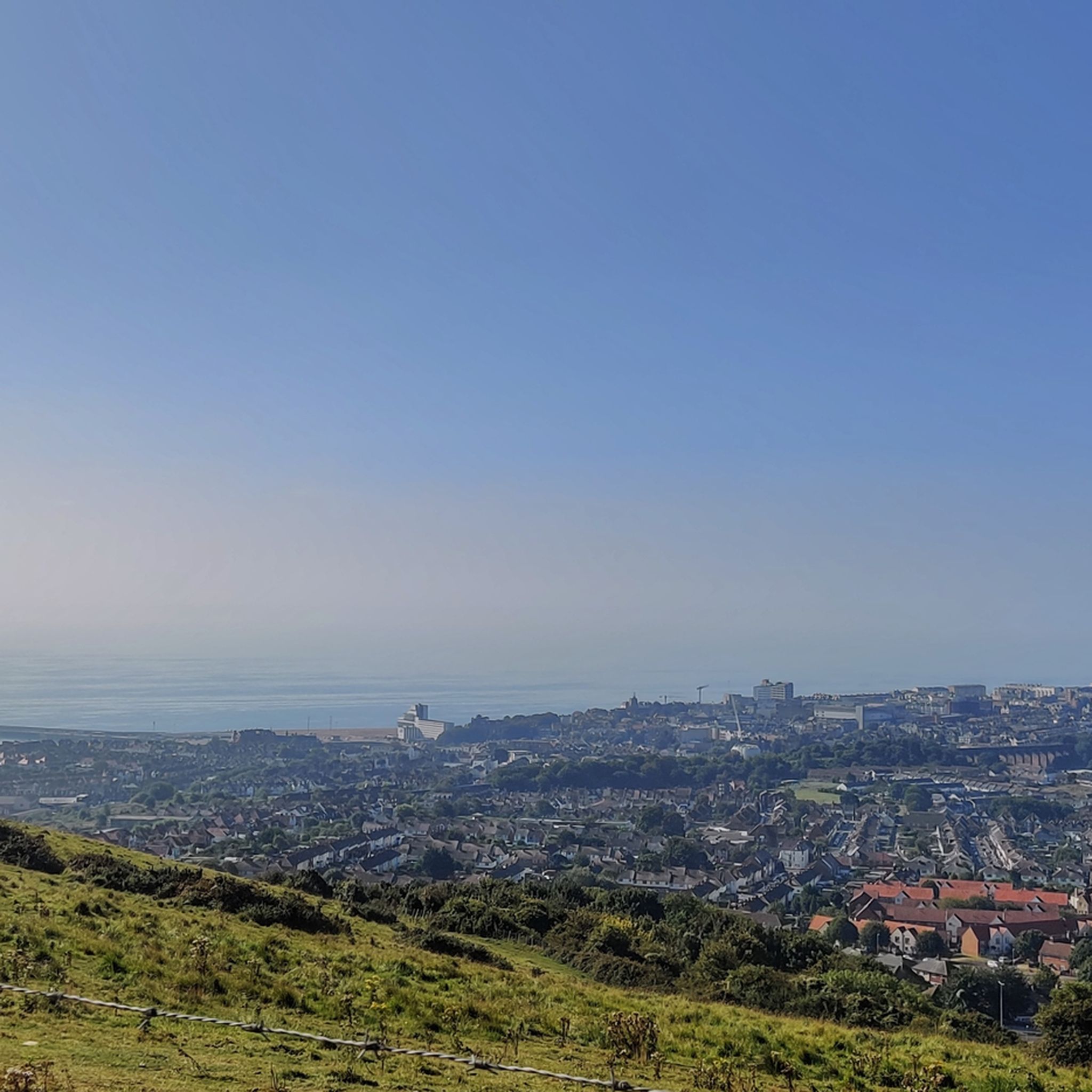
Other adventures around Folkestone

Tips from the Community

Stargate Fountain is a modern water installation with large, arch-shaped spray jets that create a light, cool mist. The sculptural form gives the whole a futuristic appearance, making it feel like a gateway in the landscape. A short, pleasant stopping place during routes around Dover, especially on warm days.
1
0

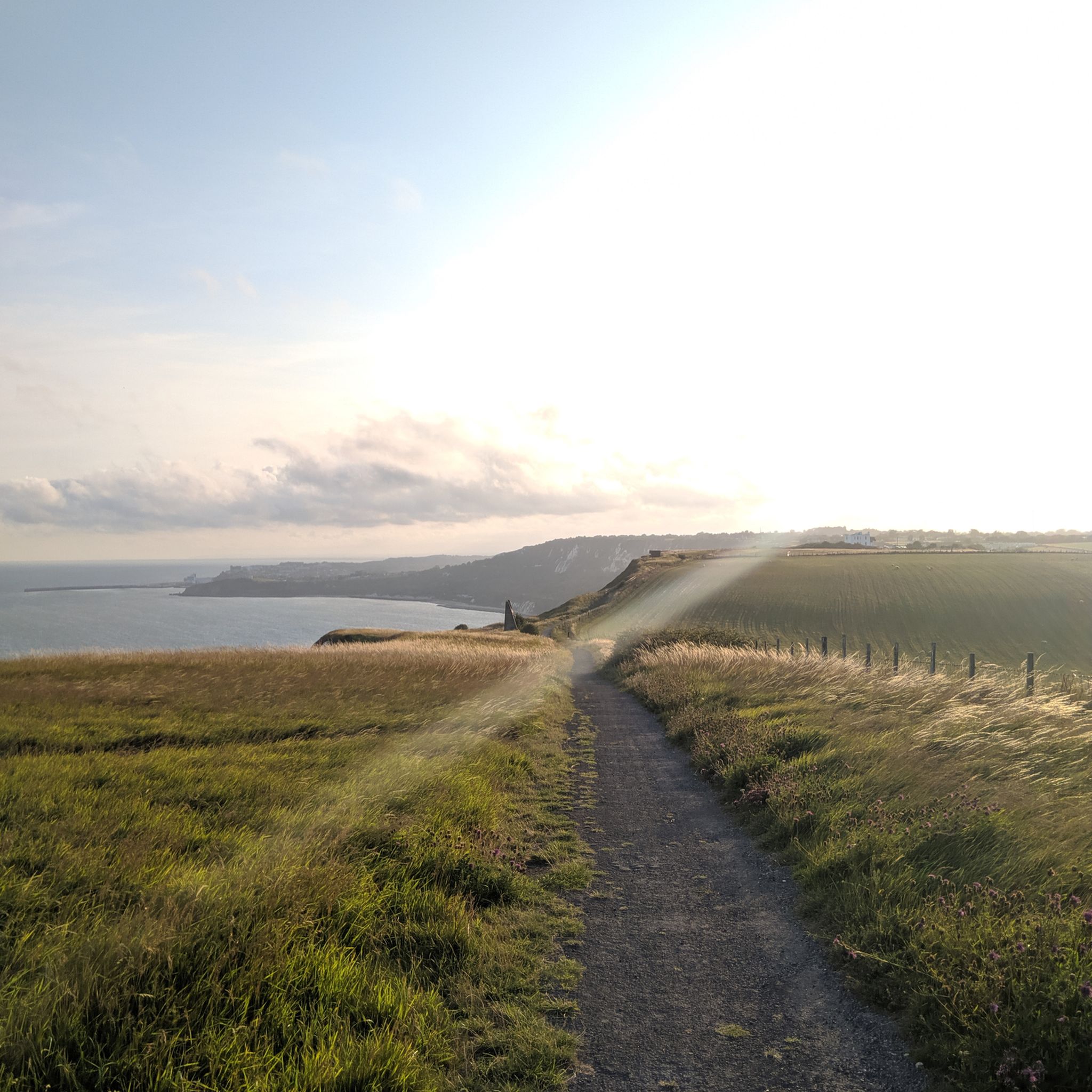
This is a small section of the long-distance footpath, The North Downs Way, that runs through southern England. This particular section brushes the southern edge of the Kent Downs near the coast and is near the town of Folkestone.
1
0

Great spray arcs that emit a fine, cool mist of water vapor that is cooling but not wet. A really great idea for hot summer days, where you urgently want imitations. Brilliant idea in beautiful, aesthetic implementation.
2
0
The Crest of a Wave is a sculpture located in Dover, Kent, England. It was created by Ray Smith and is located on Marine Parade in Dover1. It commemorates those who have swam the English Channel2.
2
0

Quite a surreal appearance coming from the old town, Well worth checking out. Plenty of benches an cycleway running past.
1
0

This sculpture features two blocks of white Portland stone on a bed of slate. On the top are profiles of swimmers pushing forward into a wave of stone. It was created in 1995 by artist, Ray Smith and is a memorial for cross-channel swimmers. It also marks the start/end of the North Downs Way as well as National Cycle Network routes 1 and 2.
2
0

Beautifully designed water feature. Why is it called Stargate Fountain????
3
0

The White Cliffs of Dover are an iconic British landmark. As this is the narrowest sea crossing to mainland Europe, the white cliffs were once the first sighting of home that you would have when returning from abroad. During World War Two, Dame Vere Lyn's song "(There'll Be Bluebirds Over) The White Cliffs of Dover" brought the landscape even closer to the nation's hearts. She led a campaign to save the clifftops from development before her death in 2017.
0
0
Frequently Asked Questions
What kind of natural landscapes can I explore around Folkestone?
Folkestone offers a diverse range of natural landscapes, primarily characterized by dramatic chalk cliffs, coastal areas, and rich chalk grasslands. You can explore dynamic areas shaped by landslips, such as The Warren, Folkestone, or the unique man-made nature reserve of Samphire Hoe, created from Channel Tunnel excavations. The region is a haven for geological wonders and protected wildlife habitats.
What is special about Folkestone Warren?
Folkestone Warren, also known as East Cliff and Warren Country Park, is a Site of Special Scientific Interest (SSSI) and a Local Nature Reserve. It's renowned for its dramatic landscape of cliffs, coast, woodland, and grassland, shaped by centuries of landslips. It's an excellent spot for fossil hunting on its beach, exploring rockpools, and observing a wide array of wildlife, including over 150 bird species, rare wildflowers, and butterflies. The area's geological formations, particularly the Folkestone Warren landslide, are of significant scientific interest.
What can I expect to see at Samphire Hoe?
Samphire Hoe is a unique 30-hectare country park and nature reserve created at the foot of Shakespeare Cliff using chalk marl from the Channel Tunnel. It features chalk grassland, sea buckthorn scrub, ponds, and a pebble beach. It's celebrated for its exceptional biodiversity, including rare plant species like the early spider orchid, and is a fantastic location for birdwatching, with peregrine falcons and ravens often sighted. You can also enjoy serene walks with spectacular views of the White Cliffs of Dover and, on clear days, across to France.
Are there any historical features within Folkestone's natural monuments?
Yes, several natural monuments in the area have historical significance. Folkestone Downs, for instance, has a long history of human occupation, with evidence of a Bronze Age settlement and a Norman motte-and-bailey fort. The Folkestone White Horse, the youngest chalk hill figure in the UK, is also located here. Additionally, Shakespeare Cliff is historically significant as the site of early Channel Tunnel attempts in the late 1870s.
What kind of wildlife can I spot in these natural areas?
Folkestone's natural monuments are rich in wildlife. At Folkestone Warren, you might see over 150 different bird species, rare wildflowers, butterflies like the Adonis blue and silver-spotted skipper, adders, and peregrine falcons. Samphire Hoe is excellent for birdwatching, dragonflies, damselflies, and even harbor porpoises and seals offshore. Folkestone Downs is home to diverse butterflies such as the Adonis blue and marbled white, and the rare straw belle moth.
Are there family-friendly natural monuments around Folkestone?
Yes, several natural monuments are suitable for families. The Warren, Folkestone, is a country park with footpaths, wildflower meadows, and beaches, offering opportunities for exploration and fossil hunting. Samphire Hoe is also very accessible, with wheelchair-friendly paths and facilities, making it enjoyable for a wide range of visitors, including families.
What outdoor activities can I do near Folkestone's natural monuments?
The area around Folkestone's natural monuments offers a variety of outdoor activities. You can find numerous running trails, such as the 'Hythe Promenade – Seabrook Beach loop' or the 'Folkestone Harbour – Leas Coastal Park and Beach loop'. For mountain biking, options include the 'Steam Train Mural – Lympne Hill loop'. Road cyclists can enjoy routes like the 'Chillenden Windmill – Sandwich Quay loop'. You can explore more options in the Running Trails around Folkestone, MTB Trails around Folkestone, and Road Cycling Routes around Folkestone guides.
Are there good hiking trails near these natural monuments?
Absolutely. The North Downs Way National Trail passes through areas like Folkestone Downs and along the top of the cliffs at Folkestone Warren, providing excellent opportunities for walking and hiking. Many footpaths crisscross these natural areas, allowing you to explore the diverse landscapes and enjoy stunning coastal views. For specific running trails that can also be hiked, check the Running Trails around Folkestone guide.
What is the best time to visit Folkestone's natural monuments?
The best time to visit often depends on your interests. Spring and summer are ideal for spotting wildflowers, butterflies, and enjoying warmer weather for coastal walks. During these seasons, you'll see species like bee orchids and Adonis blue butterflies. Clear days offer stunning views across the English Channel to France. Autumn can also be beautiful with changing foliage, while winter provides a dramatic, rugged coastal experience, though some paths might be slippery after rain.
Is there parking available at these natural monuments?
While specific parking details vary, most major natural monuments like Samphire Hoe and Folkestone Downs have designated parking areas. It's advisable to check local information for each specific site regarding parking permits or fees before your visit.
Can I reach these natural monuments by public transport?
Public transport options to areas like Samphire Hoe, Folkestone Downs, and Folkestone Warren exist, though they may require some walking from bus stops or train stations. For Samphire Hoe, there are often bus services from Folkestone and Dover. Checking local bus routes and schedules is recommended for planning your journey.
Are there any natural monuments that are wheelchair accessible?
Samphire Hoe is particularly noted for its accessibility, featuring wheelchair-friendly paths and facilities, making it an excellent choice for visitors with mobility needs. While other areas may have varying terrain, Samphire Hoe is designed to be inclusive.
What geological features are prominent in Folkestone's natural monuments?
The region is famous for its significant geological formations. The cliffs are primarily composed of chalk and gault clay. Folkestone Warren is a classical example of a deep-seated, multiple retrogressive landslide, making it a key site for geological study. The gault clay layer found here is even considered a 'type section' for this rock. The iconic White Cliffs of Dover, nearby, are also a prime example of the area's chalk geology.
Most popular routes around Folkestone
Most popular attractions around Folkestone

Get inspired with the komoot mobile app


Explore more
Extend your search for the best caves by checking out these guides of the top ones around Folkestone:
