Top 8 Natural Monuments around Wiveliscombe
Best natural monuments around Wiveliscombe include diverse landscapes and geological features. The region is situated at the foot of the Brendon Hills and serves as a gateway to Exmoor National Park, offering a variety of natural attractions. Visitors can explore rolling hills, wooded valleys, and significant geological formations. The area provides numerous footpaths and quiet country lanes for outdoor activities.
Best natural monuments around Wiveliscombe
- The most popular natural monument is Nynehead Hollow, a unique natural-cultural feature. This impressive…
Last updated: June 29, 2026
Wills Neck Summit
Highlight • Natural Monument
Tip by

Wellington Monument
Highlight • Natural Monument
Tip by

Sign up now to discover places like this
Get recommendations on the best single tracks, peaks, & plenty of other exciting outdoor places.
Sign up for free
Nynehead Hollow
Highlight • Structure
Tip by

Haddon Hill Trig Point
Highlight • Natural Monument
Tip by

Black Hill Summit (Quantock Hills)
Highlight (Segment) • Viewpoint
Tip by

Sign up for free to discover even more natural monuments around Wiveliscombe.
Sign up for free
Already have an account?
Start today with a free account
Your next adventure awaits.
Login or Signup
Tips from the Community

Nynehead Hollow is a super cool landmark on the outskirts of Nynehead Village. The road has literally been roughly carved through solid rock, with high walls and trees growing above.
0
0

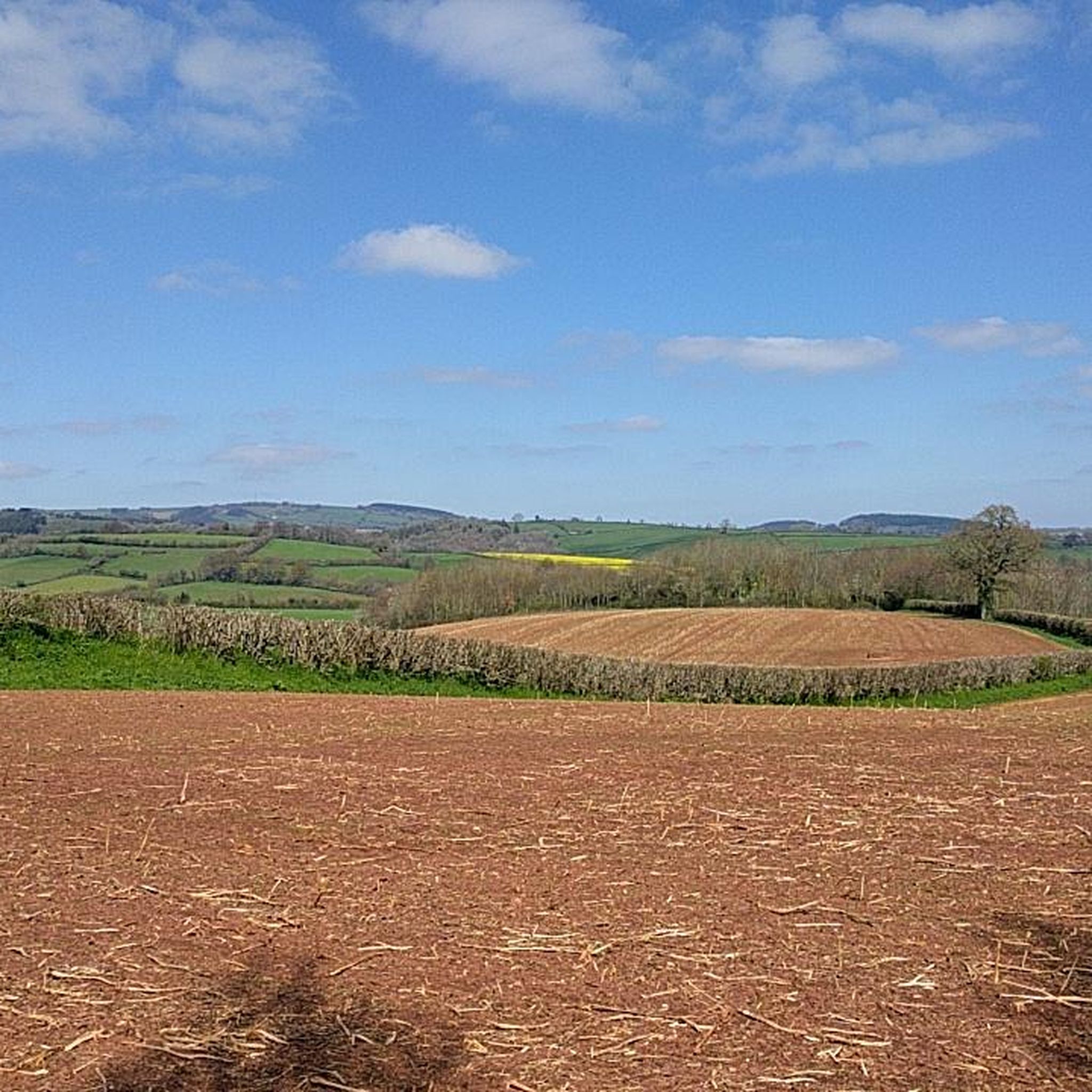
Wills neck is the highest summit in the Quantocks hills & one of the highest points in Somerset.
1
1
The Wellington Monument is a 175-foot-high triangular obelisk located on a point of the Blackdown Hills, 3 km south of Wellington in the English county of Somerset. It is a grade II* listed building and is the tallest three-sided obelisk in the world.
2
0
Black Hill is a mountain summit in the Ilfracombe to the Quantocks and Sidmouth region in the county of Somerset, England. Black Hill is 358 metres high with a prominence of 40 metres. The summit can be identified by: no feature: ground 4m ESE of trig point Additional Notes: All the walks up Black Hill on Mud and Routes can be seen above
4
0
It lies on the southeastern fringe of Exmoor National Park, though it is separated from the Exmoor massif itself by the valleys of the rivers Haddeo and Exe, the highest point of 1,164ft
1
0

Nynehead Hollow is a scenic lane forming part of NCN 3. It's an impressive road that has been roughly carved through solid rock, with high walls and trees growing above. The “Hollow” was said to be dug out by the Sandford family in the hope of making Nynehead Court quicker to get to from the servant houses which were situated in East Nynehead.
3
1

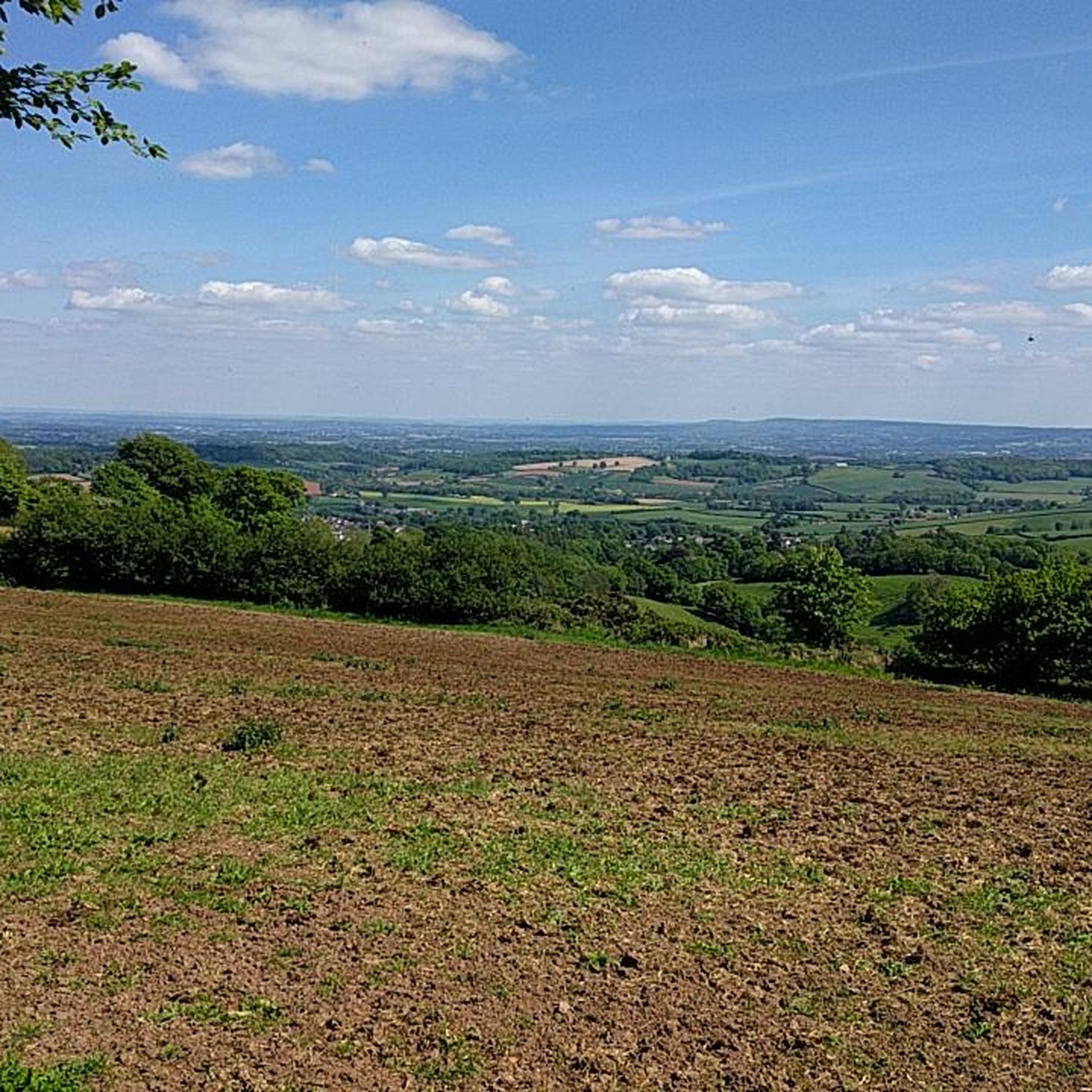
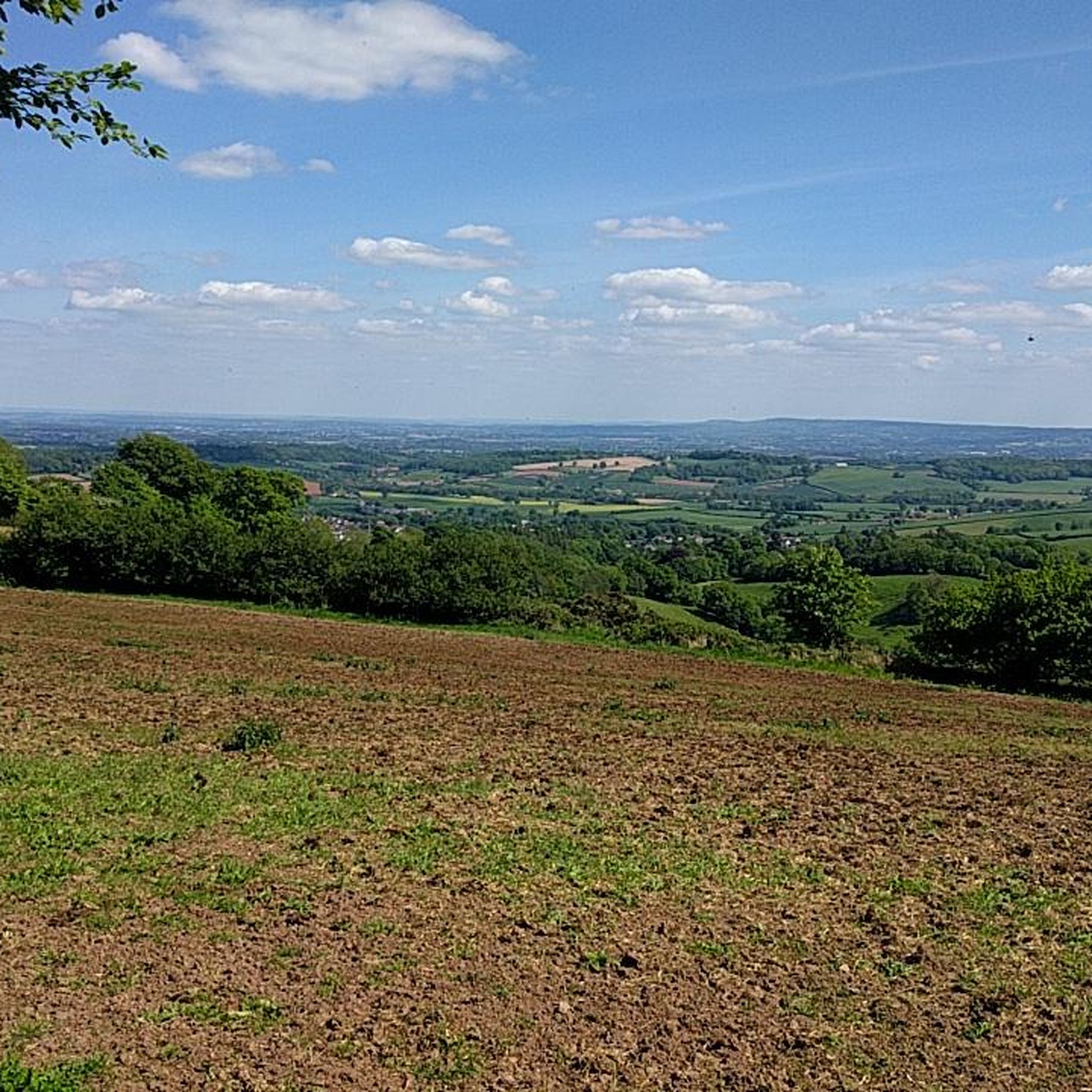
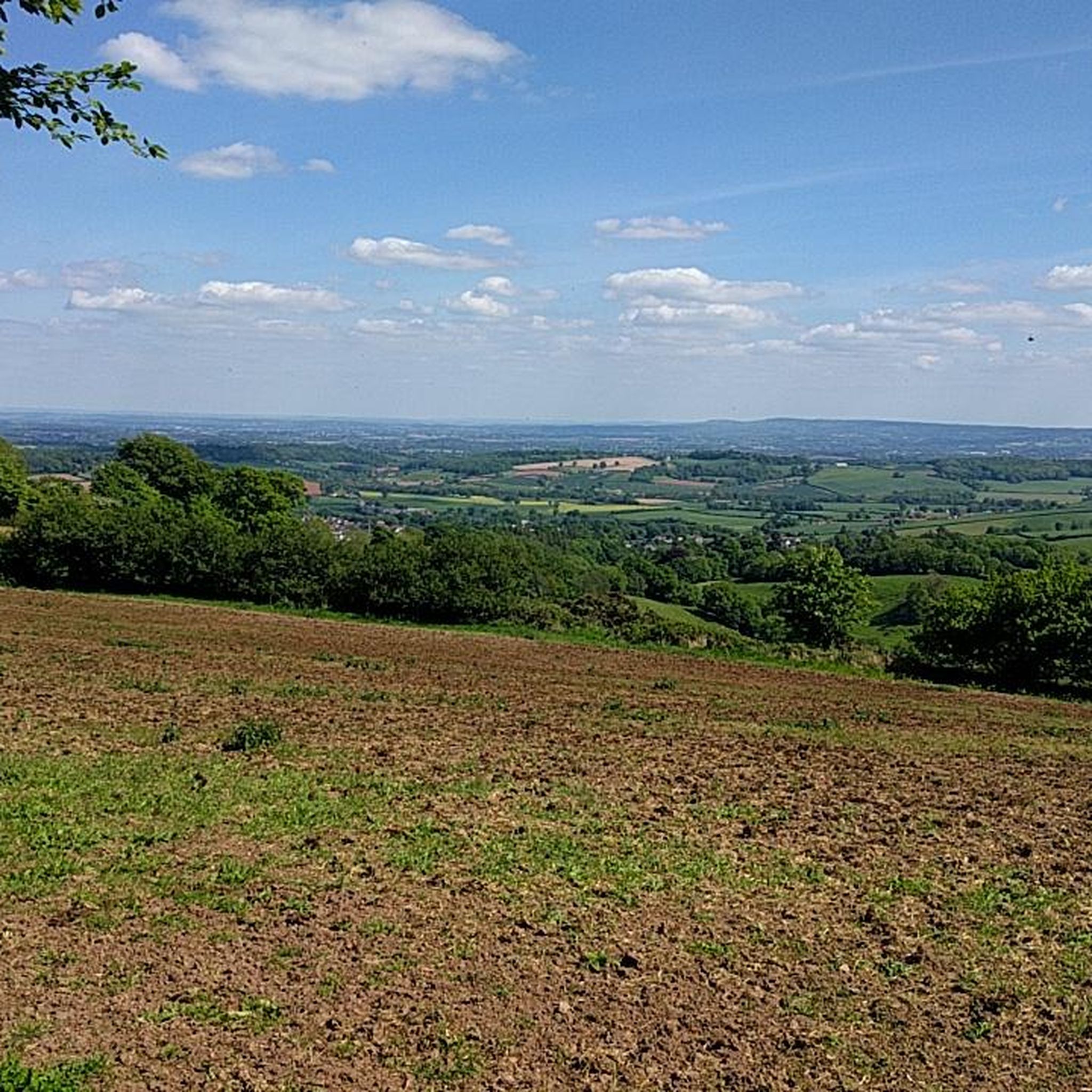
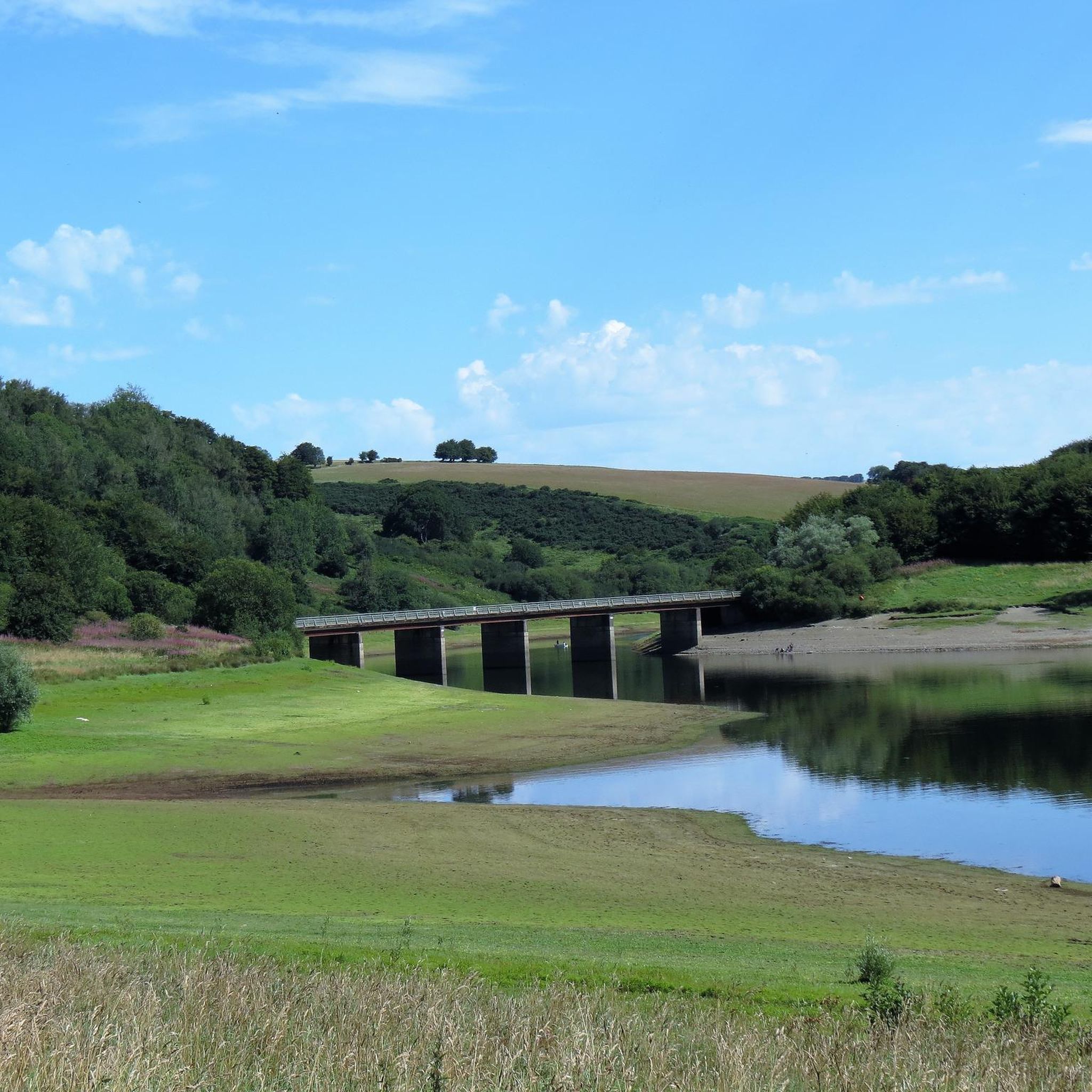
This trig point is located atop Haddon Hill at an elevation of 355 metres. From here, you can overlook a part of Wimbleball Lake, which is very close by.
0
0
The trig point at Haddon Hill is situated at 355 meters above sea level and offers beautiful views of the surrounding area. During the Second World War, there was a U.S. Army military camp on this hill during the buildup to the Normandy landings in 1944. It is easily accessible from Bury or the nearby parking area.
3
0
Frequently Asked Questions
What are some unique natural features to explore near Wiveliscombe?
Beyond the well-known viewpoints, you can discover unique geological formations and scenic routes. Nynehead Hollow is an impressive road carved through solid rock, with high walls and trees growing above. For those interested in geology, the Vexford Breccias and Wiveliscombe Sandstone offer insights into the area's ancient past, showcasing varied rock types and sedimentary structures.
Where can I find the best panoramic views of the Quantock Hills?
For breathtaking vistas, head to Lydeard Hill Viewpoint, a hilltop vantage point offering wonderful views of the rolling hills and farmland. Another excellent spot is View Across the Quantocks near Cothelstone Hill, which also features a Bronze Age barrow. Additionally, Wills Neck, the highest point in the Quantock Hills, provides extensive panoramic views.
Are there opportunities for hiking or walking near the natural monuments?
Absolutely. The region around Wiveliscombe, including the Quantock Hills and Brendon Hills, is crisscrossed with numerous footpaths and bridleways. You can find a variety of hiking routes, from easy riverside strolls along the River Tone to more challenging climbs in the hills. For detailed routes, explore the Hiking around Wiveliscombe guide.
What kind of wildlife can I expect to see around Wiveliscombe's natural areas?
The diverse landscapes, from heathland and woodland to river valleys, support a variety of wildlife. In the Quantock Hills, you might spot red deer, ponies, and various bird species. The Brendon Hills are known for their wildflowers and lambs in spring, while riverside walks along the River Tone offer chances to see local aquatic wildlife and birds.
Are there any family-friendly natural monuments or walks suitable for children?
Many of the natural areas offer accessible paths suitable for families. Lydeard Hill Viewpoint is categorized as family-friendly, offering great views without overly strenuous climbs. Gentle riverside walks along the River Tone are also ideal for families, providing easy access to nature and opportunities for wildlife spotting.
What is the best time of year to visit the natural monuments near Wiveliscombe?
The natural monuments and surrounding areas are beautiful year-round, but each season offers a different experience. Spring brings wildflowers and new lambs to the Brendon Hills. Summer is ideal for long walks and enjoying the views. Autumn showcases vibrant foliage, especially in wooded areas. Even in winter, crisp, clear days offer stunning, expansive views across the Quantock Hills.
Can I find historical sites alongside natural monuments in this area?
Yes, the region blends natural beauty with rich history. For instance, View Across the Quantocks is not only a viewpoint but also the site of a Bronze Age barrow. Haddon Hill Trig Point, while offering beautiful views, also has historical significance as a former U.S. Army military camp site during WWII.
Are there cycling routes available near these natural monuments?
Yes, the area is popular for cycling. You can find both road cycling and gravel biking routes that pass by or offer access to many natural features. For example, Nynehead Hollow is part of NCN 3 and features in several cycling routes. Explore the Road Cycling Routes around Wiveliscombe guide or the Gravel biking around Wiveliscombe guide for options.
What is the Wellington Monument and is it a natural monument?
The Wellington Monument is a prominent landmark near Wiveliscombe. While sometimes listed in natural monument categories due to its scenic location, it is a man-made obelisk commemorating the Duke of Wellington's victory at the Battle of Waterloo. It offers superb views and is a popular hiking destination.
Are there any natural areas near Wiveliscombe that are particularly tranquil or secluded?
The Brendon Hills, forming part of Exmoor National Park, offer a landscape of rolling hills and wooded valleys with numerous quiet country lanes, perfect for peaceful walks away from crowds. The River Tone valley, with its steep, heavily wooded sections, also provides secluded and tranquil spots for enjoying nature.
What are the main characteristics of the Quantock Hills AONB near Wiveliscombe?
The Quantock Hills Area of Outstanding Natural Beauty (AONB) is characterized by diverse landscapes including heathland, ancient woodlands, and coastal views. It's home to features like Wills Neck, its highest point, and The Drove Trail, an ancient track offering phenomenal views. The area is known for its rich variety of walking and cycling opportunities amidst stunning scenery and diverse wildlife.
How long should I plan for a visit to some of these natural monuments?
The duration of your visit can vary greatly depending on the monument and your activity. A quick stop at a viewpoint like Lydeard Hill Viewpoint might take 30 minutes, while a hike to Haddon Hill Trig Point or exploring the Quantock Hills could easily fill half a day or more. Consider combining a few highlights with a walking or cycling route for a full day out.
Most popular routes around Wiveliscombe
Most popular attractions around Wiveliscombe

Get inspired with the komoot mobile app


Explore more
Extend your search for the best caves by checking out these guides of the top ones around Wiveliscombe:
