Top 7 Natural Monuments around Greinton
Best natural monuments around Greinton are situated within the Somerset Levels and Moors, at the base of the Polden Hills. This region, known for its distinctive low-lying wetlands and elevated areas, offers a unique natural landscape. Greinton itself is a village in Somerset, England, serving as a gateway to these diverse natural features. The area provides opportunities to explore a blend of geological formations and historical sites.
Best natural monuments around Greinton
- The most popular natural monuments is Glastonbury Tor…
Last updated: June 29, 2026
Glastonbury Tor
Highlight • Summit
Tip by

White Spring, Glastonbury
Highlight • Natural Monument
Tip by

Sign up now to discover places like this
Get recommendations on the best single tracks, peaks, & plenty of other exciting outdoor places.
Sign up for free
Burrow Mump
Highlight • Religious Site
Tip by

Dundon Beacon Nature Reserve
Highlight • Natural Monument
Tip by

Walton Hill
Highlight • Viewpoint
Tip by
Sign up for free to discover even more natural monuments around Greinton.
Sign up for free
Already have an account?
Start today with a free account
Your next adventure awaits.
Login or Signup


Tips from the Community


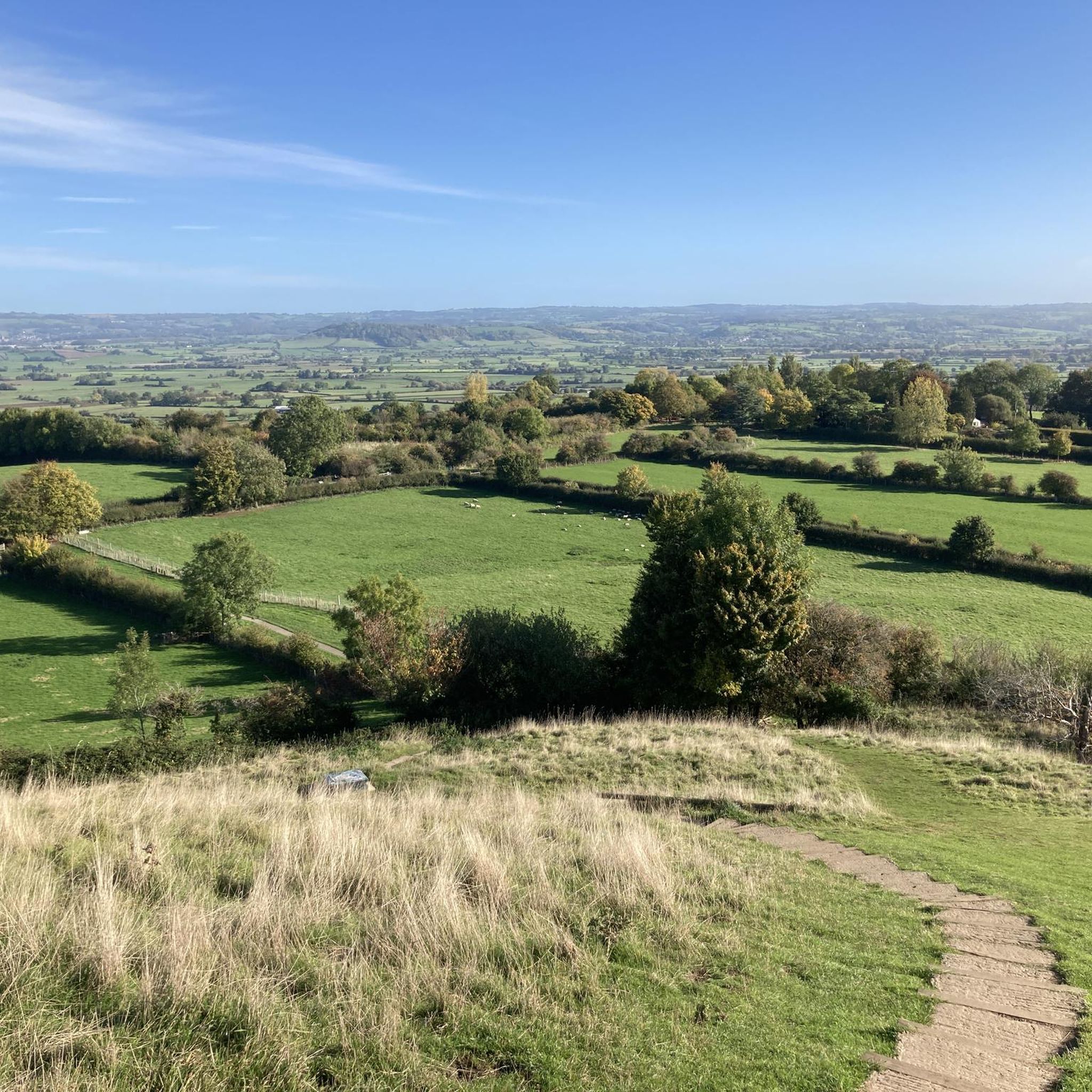
Dundon Hill or Dundon Beacon is a Iron Age hill fort and nature haven. Managed by the Somerset Wildlife Trust this small area of higher land is ringed by ancient oak woodland and capped with a meadow. The views from the southern end of the plateau are far reaching across the levels where you get a gap in the trees.
0
0

https://youtu.be/pZAoONJz04g The climb up the 301 steps to the famous summit is well worth it for the views.
3
0


THE BEAUTIFULLY SCULPTED GARDENS OF the Chalice Well surround Glastonbury’s most famous natural water source, the Red Spring, so called for the iron oxide it deposits in its basin. But just opposite this famous site, down a little lane at the foot of Glastonbury Tor, lies its counterpart: the White Spring.
1
1
Situated just a small walk from Glastonbury Centre, Glastonbury Tor Hill stands at a height of 158 m… The walk to the top is steep, and may require stops, but in general terms is only a small climb. The views are breath taking, on a clear day you can see across to the Bristol Channel. The views are amplified by the low land area which can be seen in every direction.
2
0

A steep climb from either side of the hill, but free access and stunning views from the top.
3
0
The remains of the church that was destroyed during the Dissolution of the Monasteries by Henry VIII
2
0
Frequently Asked Questions
What unique natural features can I explore around Greinton?
The area around Greinton, situated on the Somerset Levels and Moors, offers a blend of distinctive low-lying wetlands and elevated areas. You can explore summits like Glastonbury Tor and Burrow Mump, as well as natural springs such as White Spring, Glastonbury. Nature reserves like Westhay Moor National Nature Reserve showcase restored peat diggings and reed beds.
Are there historical sites among the natural monuments near Greinton?
Yes, many natural monuments in the vicinity also hold historical significance. For instance, Glastonbury Tor features the ruins of 15th-century St Michael's Church. Burrow Mump is a scheduled monument with a Grade I listed ruined church on its summit, originally the site of a Norman motte and bailey castle. Dundon Beacon Nature Reserve is an Iron Age hill fort.
What outdoor activities can I do near these natural monuments?
The region provides various outdoor activities. You can find numerous routes for hiking, mountain biking, and cycling. For example, there are easy hiking routes like the 'Bittern Trail' and 'Ham Wall Nature Reserve loop from RSPB Ham Wall'. Cycling options include moderate routes through the Somerset Levels Wetlands. You can explore more options in the Hiking around Greinton, MTB Trails around Greinton, and Cycling around Greinton guides.
Are there family-friendly natural monuments or activities?
Yes, Westhay Moor National Nature Reserve is noted as family-friendly. It's an excellent spot for birdwatching and exploring the unique wetland environment. The easy hiking routes mentioned in the 'Hiking around Greinton' guide are also suitable for families.
Where can I experience the best views of the Somerset Levels?
For expansive views, Glastonbury Tor offers panoramic vistas of the Somerset Levels, Dorset, Wiltshire, and even Wales on clear days. Burrow Mump also provides excellent views from its summit, standing out from the flat surrounding land. Additionally, Dundon Beacon Nature Reserve offers far-reaching views across the levels from its southern plateau.
What is the best time to visit the natural monuments around Greinton?
The best time can depend on your interests. For birdwatching, autumn through January/February is ideal at Westhay Moor National Nature Reserve, when millions of starlings arrive to roost. If you wish to see Burrow Mump become an 'island', winter floods are the time to visit. Sunrise or sunset offer particularly beautiful light for views from Glastonbury Tor, though it can be windy.
Can I find natural springs with unique properties in the area?
Yes, White Spring, Glastonbury, located at the foot of Glastonbury Tor, is a natural monument known for its continuously flowing fresh spring water. This water is famed for its healing qualities, and there's an external tap available for visitors to fill water bottles.
What kind of wildlife can I expect to see?
The region is particularly rich in birdlife, especially at Westhay Moor National Nature Reserve. This site is internationally famous for birdwatching, with millions of starlings roosting there in autumn and winter. The restored peat diggings and reed beds create a haven for various species.
Are there any nature reserves managed for conservation?
Yes, Westhay Moor National Nature Reserve is a pioneering project by Somerset Wildlife Trust, recognized as one of Britain's top birdwatching locations. Dundon Beacon Nature Reserve is also managed by the Somerset Wildlife Trust, preserving an area of ancient oak woodland and meadow.
What should I wear when visiting the natural monuments?
Comfortable footwear is recommended, especially when climbing hills like Glastonbury Tor, where it can also be quite windy at the top. Layered clothing is advisable to adapt to changing weather conditions, particularly in open areas like the Somerset Levels.
What do visitors enjoy most about the natural monuments around Greinton?
Visitors frequently highlight the stunning views from summits like Glastonbury Tor, especially during sunrise or sunset. The unique historical elements, such as the ruined churches on the hilltops, are also much appreciated. The tranquility and natural beauty of the reserves, particularly for birdwatching, are also popular.
Most popular attractions around Greinton

Get inspired with the komoot mobile app


Explore more
Extend your search for the best caves by checking out these guides of the top ones around Greinton:
