Top 8 Natural Monuments around Catsfield
Best natural monuments around Catsfield are situated within the High Weald Area of Outstanding Natural Beauty in East Sussex. This region features ancient woodlands, diverse habitats, and historical natural features. The area provides opportunities to explore significant natural sites and tranquil landscapes.
Best natural monuments around Catsfield
- The most popular natural monuments is Crowhurst's Ancient Yew Tree, a natural monument that was already present during the Battle of Hastings in 1066. Its sheer age, estimated at over 1,300 years,…
Last updated: October 2, 2026
Crowhurst's Ancient Yew Tree
Highlight • Natural Monument
Tip by

Fore Wood Nature Reserve
Highlight • Natural Monument
Tip by
Sign up now to discover places like this
Get recommendations on the best single tracks, peaks, & plenty of other exciting outdoor places.
Battle Great Wood
Highlight • Historical Site
Tip by

View of Lake Field
Highlight • Natural Monument
Tip by

The Lonely Tree
Highlight • Natural Monument
Tip by

Sign up for free to discover even more natural monuments around Catsfield.
Already have an account?
Start today with a free account
Your next adventure awaits.

Tips from the Community

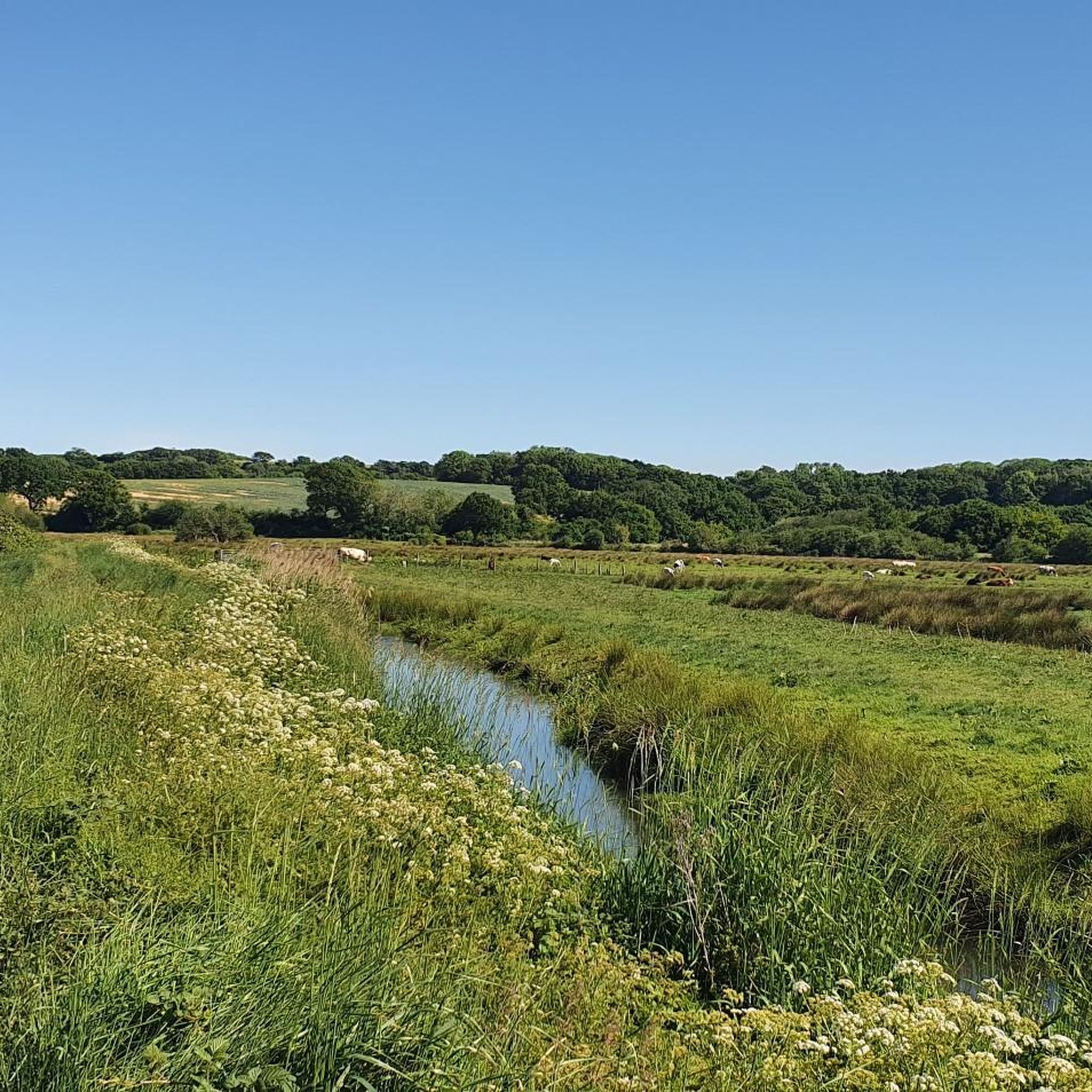
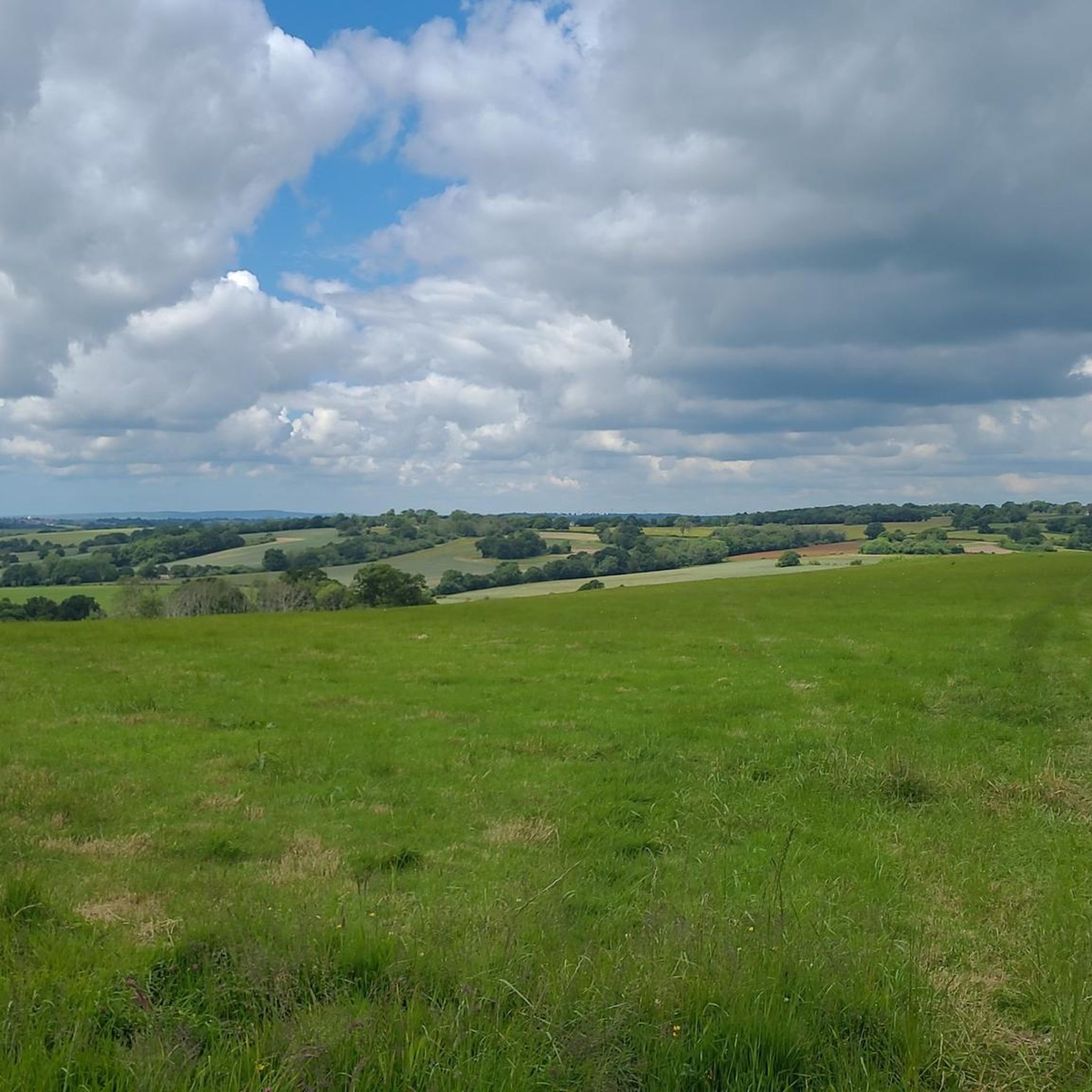
A simple lovely place to relax at the shade of this massive, old tree in the middle of the field. The area is accessible and there is a public pathway as observed. This tree and zone is part of several trails.
0
0

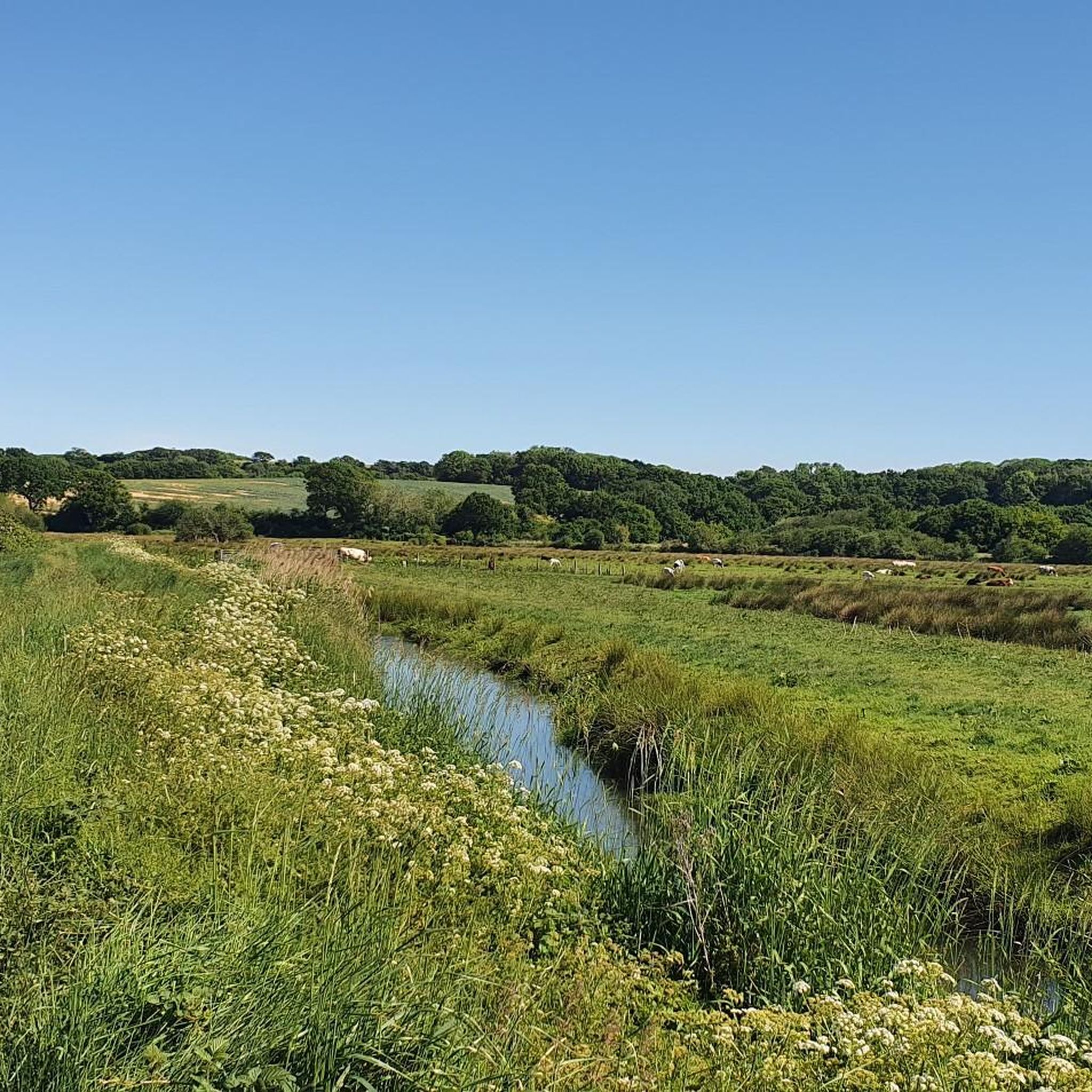
Fore Wood Nature Reserve provides a tranquil shelter for both wildlife and visitors. Centuries of human management have created a diverse mix of traditional coppiced areas and grand high forest.
0
0
This ancient yew tree was already here in 1066, during the Battle of Hastings. There is a plaque in commemoration of its 950th anniversary.
1
0

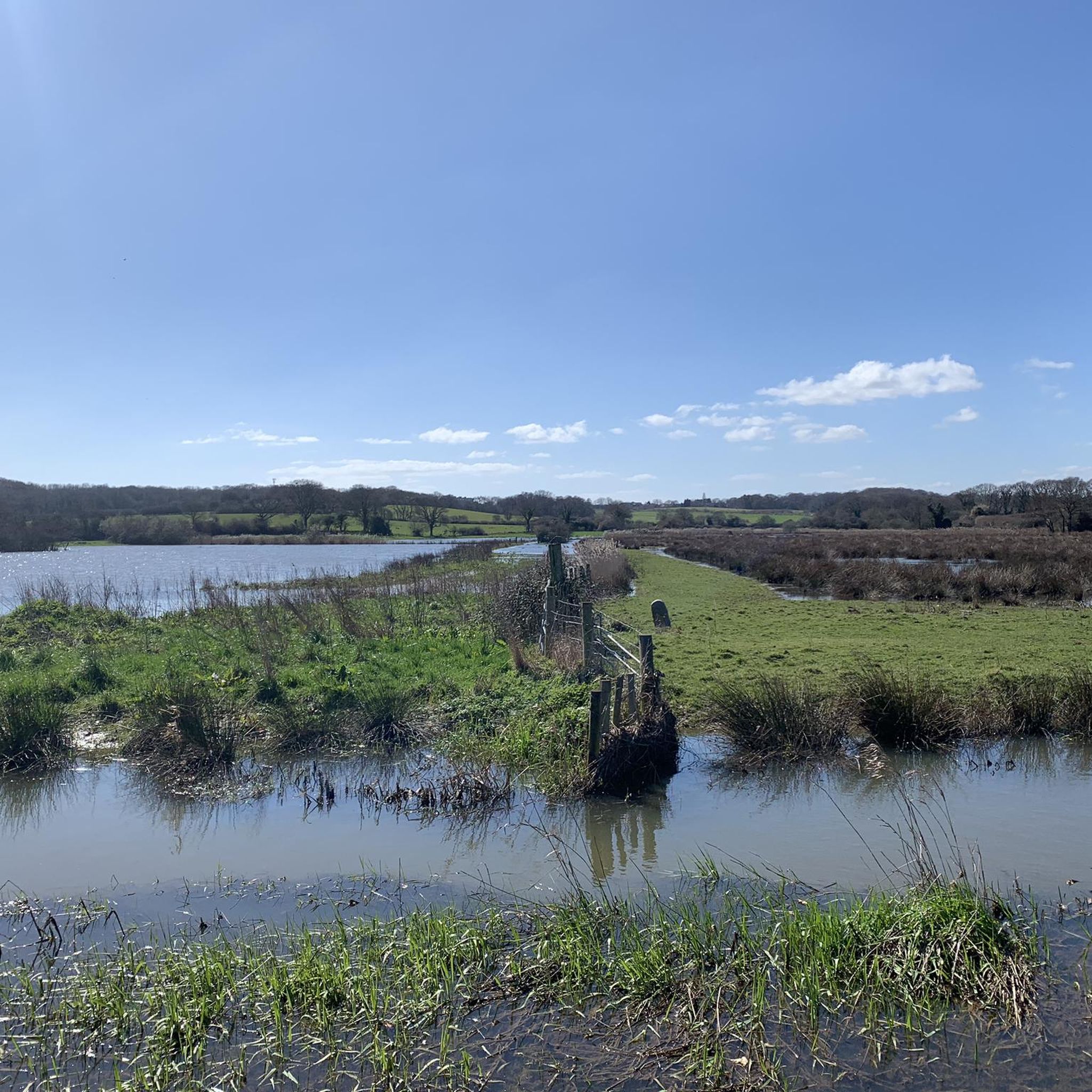
Owned by the National Trust, there is a lovely view of Lake Field. It was acquired by the National Trust in order to preserve the rural view.
1
0

A conifer-based woodland just outside the famous town of Battle, where the Battle of Hastings took place, Battle Great Wood is a wonderful place to explore. Will well-maintained trails and a tremendous sense of quiet, you can amble here for hours. The 1066 Country Walk long-distance trail passes right through the centre of the wood, and a wooden sculpture of a crown lies in the heart.
0
0
Frequently Asked Questions
What are some of the most significant natural monuments to visit near Catsfield?
Beyond the well-known highlights, you can explore Ashburnham Park, a Site of Special Scientific Interest (SSSI) with ancient trees and ornamental lakes, or the expansive Combe Valley Countryside Park, which offers diverse habitats including wetlands and reedbeds. For a historical natural feature, visit Crowhurst's Ancient Yew Tree, estimated to be over 1,300 years old.
What kind of natural features can I expect to see around Catsfield?
The Catsfield area is rich in ancient woodlands, such as Fore Wood Nature Reserve and Battle Great Wood. You'll also find significant historical trees like the Crowhurst Yew, diverse habitats in SSSIs like Ashburnham Park, and dramatic coastal landscapes at Hastings Country Park Clifftop Path.
Are there family-friendly natural monuments around Catsfield?
Yes, several natural monuments are suitable for families. Crowhurst's Ancient Yew Tree offers a fascinating historical stop, while Fore Wood Nature Reserve and Battle Great Wood provide pleasant woodland walks. The View of Lake Field is also a lovely spot for a family outing.
What outdoor activities can I do near these natural monuments?
The area around Catsfield is excellent for outdoor activities. You can enjoy easy hikes, such as the 'Crowhurst & Fore Wood Nature Reserve loop' or 'The White Hart Pub – Broomham Ponds loop'. For more options, explore the various hiking routes available in the region, which you can find in the Easy hikes around Catsfield guide or the Hiking around Catsfield guide.
Are there hiking trails near the natural monuments?
Absolutely. Many natural monuments are integrated into walking routes. For instance, you can find trails that pass through Fore Wood Nature Reserve. The 1066 Country Walk long-distance trail also passes through Battle Great Wood. For a comprehensive list of hiking options, check out the Hiking around Catsfield guide.
What is the best time of year to visit the natural monuments around Catsfield?
The natural monuments around Catsfield, particularly the ancient woodlands and parks, are beautiful year-round. Spring brings wildflowers and fresh foliage, while autumn offers stunning colours. The wetlands of Combe Valley Countryside Park are especially vibrant in winter, attracting various waterfowl, making it ideal for birdwatching.
What kind of wildlife can I observe in the natural monuments?
The diverse habitats support a rich array of wildlife. Ashburnham Park is home to over 160 species of lichens and various breeding birds. Fore Wood, as an ancient woodland, hosts specialist woodland birds and invertebrates. Combe Valley Countryside Park is nationally important for dragonflies and provides a vital habitat for waterfowl like ducks, geese, herons, and egrets, especially in winter.
Are there any viewpoints offering scenic vistas of the natural landscape?
Yes, Hastings Country Park Clifftop Path offers dramatic views of the coastline and glens. Additionally, the View of Lake Field, owned by the National Trust, provides a lovely rural vista that has been preserved for its scenic beauty.
What makes Ashburnham Park a significant natural monument?
Ashburnham Park is recognized as a Site of Special Scientific Interest (SSSI) and a Nature Conservation Review site, Grade 2, due to its national importance for wildlife. It features ancient trees that support over 160 different species of lichens, diverse woodlands, and three ornamental lakes, making it a crucial ecological area.
Can I find historical natural features in the Catsfield area?
Yes, the region is rich in historical natural features. The most prominent is Crowhurst's Ancient Yew Tree, which dates back over 1,300 years and has connections to local folklore and historical events. The ancient woodlands like Fore Wood Nature Reserve also represent centuries of undisturbed natural history.
What is unique about Combe Valley Countryside Park?
Combe Valley Countryside Park is notable for its extensive and diverse habitats, covering approximately 2.3 square miles. It includes open water, grasslands, woodlands, and coastal features. It encompasses the Combe Haven SSSI and the Filsham Reedbed Local Nature Reserve, which is nationally important for its dragonfly population and provides a crucial winter habitat for waterfowl.
Are there cycling routes near the natural monuments?
Yes, there are several cycling routes in the vicinity. You can find various road cycling routes around Catsfield, ranging from easy to difficult, such as the 'Netherton Café – Catsfield Church loop'. For more details and route options, refer to the Road Cycling Routes around Catsfield guide.
Most popular attractions around Catsfield

Get inspired with the komoot mobile app


Explore more
Extend your search for the best caves by checking out these guides of the top ones around Catsfield:
