Top 9 Natural Monuments around Lindfield
Natural monuments around Lindfield offer diverse opportunities to explore the natural landscape of West Sussex. The village is situated within the High Weald Area of Outstanding Natural Beauty, characterized by ancient woodlands and rolling hills. Local features like the Lindfield Duck Pond and Common provide tranquil settings within the village. Beyond the immediate area, visitors can access expansive natural sites and protected reserves.
Best natural monuments around Lindfield
- The most popular natural monuments is Weir Wood Reservoir Local Nature Reserve…
Last updated: June 29, 2026
Sheffield Park and Garden Lakes
Highlight • Lake
Translated by Google •
Tip by

Wakehurst Mansion and Gardens
Highlight • Settlement
Translated by Google •
Tip by
Sign up now to discover places like this
Get recommendations on the best single tracks, peaks, & plenty of other exciting outdoor places.
Sign up for free
Weir Wood Reservoir Local Nature Reserve
Highlight • Natural
Tip by

Stone Outcrop with Exposed Tree Roots in Pilstye Wood
Highlight • Forest
Tip by

Jubilee V Plantation
Highlight • Natural Monument
Tip by

Sign up for free to discover even more natural monuments around Lindfield.
Sign up for free
Already have an account?
Start today with a free account
Your next adventure awaits.
Login or Signup
Tips from the Community

A very beautiful park with many old trees and beautiful plantings. The lakes form the center of the park. Old redwoods and sequoias are found here.
0
0

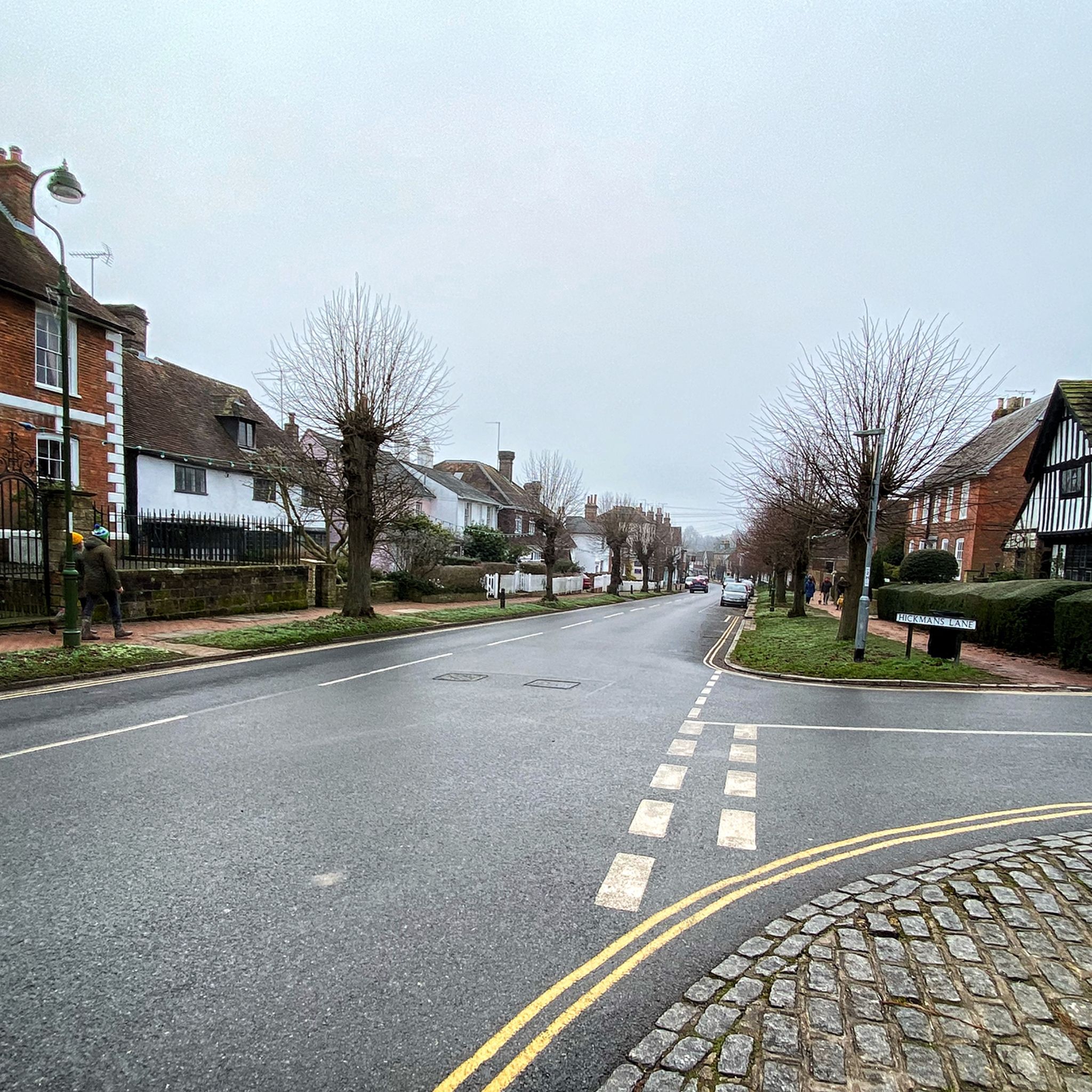
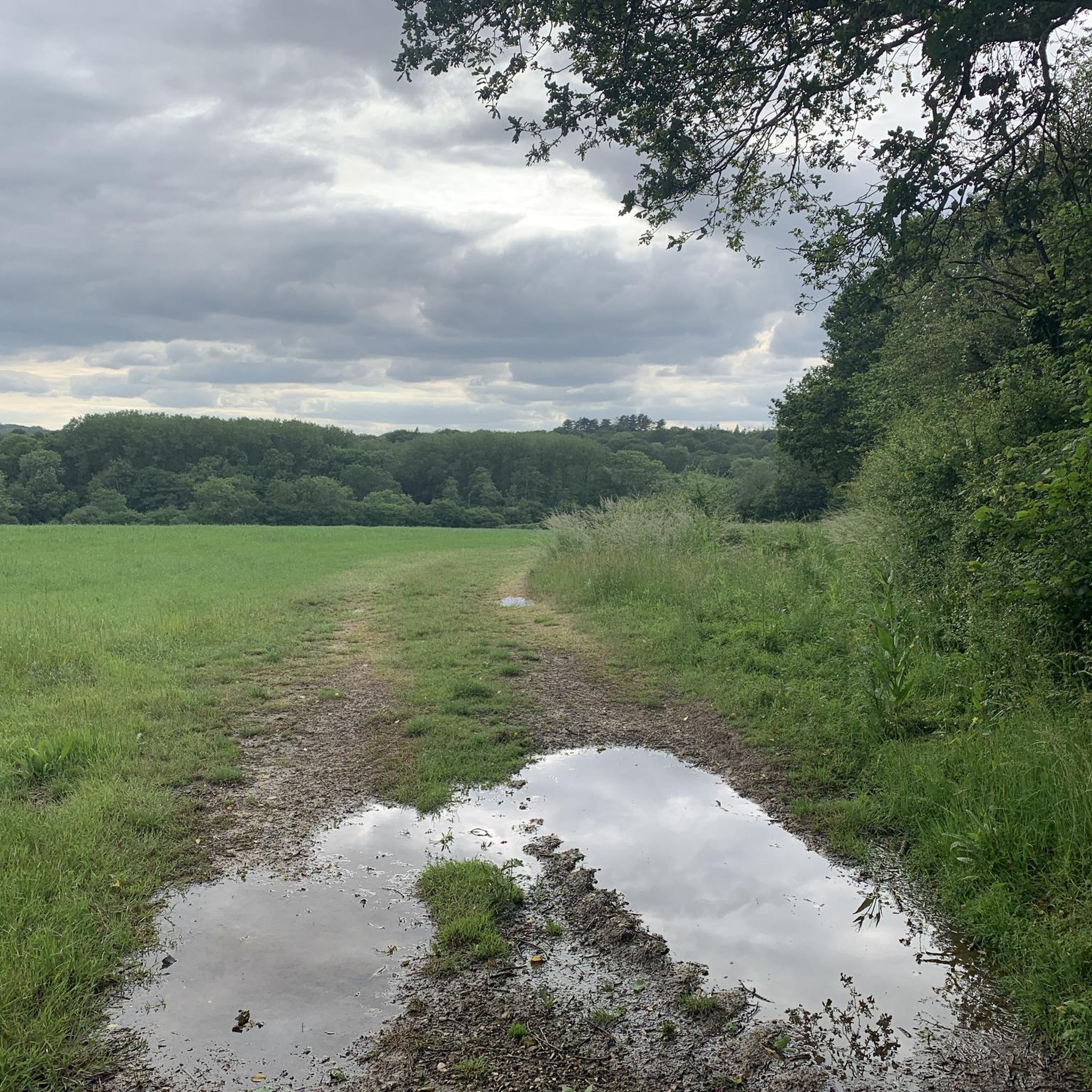
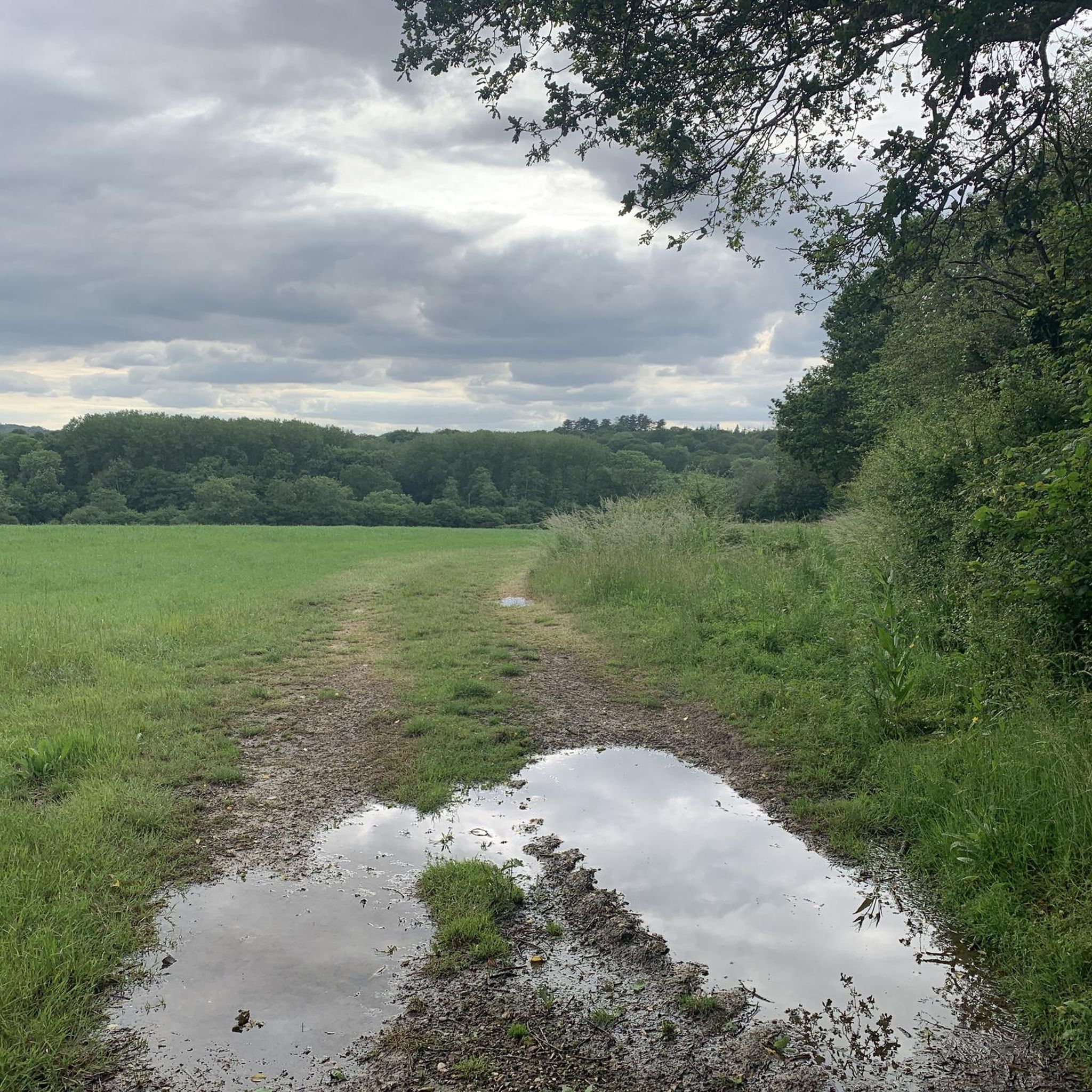
From here, whichever route you choose it will involve a climb. Pick wisely
0
0

Wakehurst, a stately home and botanical garden in West Sussex, is owned by the National Trust but managed by the Royal Botanic Gardens, Kew. The mansion is from the late 16th century and the garden from the 20th century. The grounds also include Kew's Millennium Seed Bank. You'll walk through various nature reserves and visitor centres during your visit. Wakehurst is listed as Grade I on the National Heritage List for England and its gardens and historic buildings are listed as Grade II. https://www.kew.org/wakehurst
0
0
Four lakes form the heart of the garden and at the end of the line of sight the Gothic castle rises on a hill. While you can explore all the paths in the garden and the adjacent parkland, the house is privately owned and cannot be visited. The design of the park and the expansion of the house were initiated by John Holroyd at the end of the 19th century. He and his wife spent a fortune to design the property according to their ideas. The park and garden were further designed according to the original plans by subsequent owners. Finally, the National Trust acquired the site and now looks after it. The current opening times and further information can be found here: https://www.nationaltrust.org.uk/visit/sussex/sheffield-park-and-garden.
2
0

At one end of Pilstye Wood, you'll see this stone outcrop where you can perfectly observe the roots of a tree that grew in a very challenging location.
1
0

Looking towards the slopes of the Downs escarpment on this section of your ride, you’ll see a wooded V on the hillside. Over 3,000 trees were planted here in 1887 to mark Queen Victoria’s Golden Jubilee.
1
0

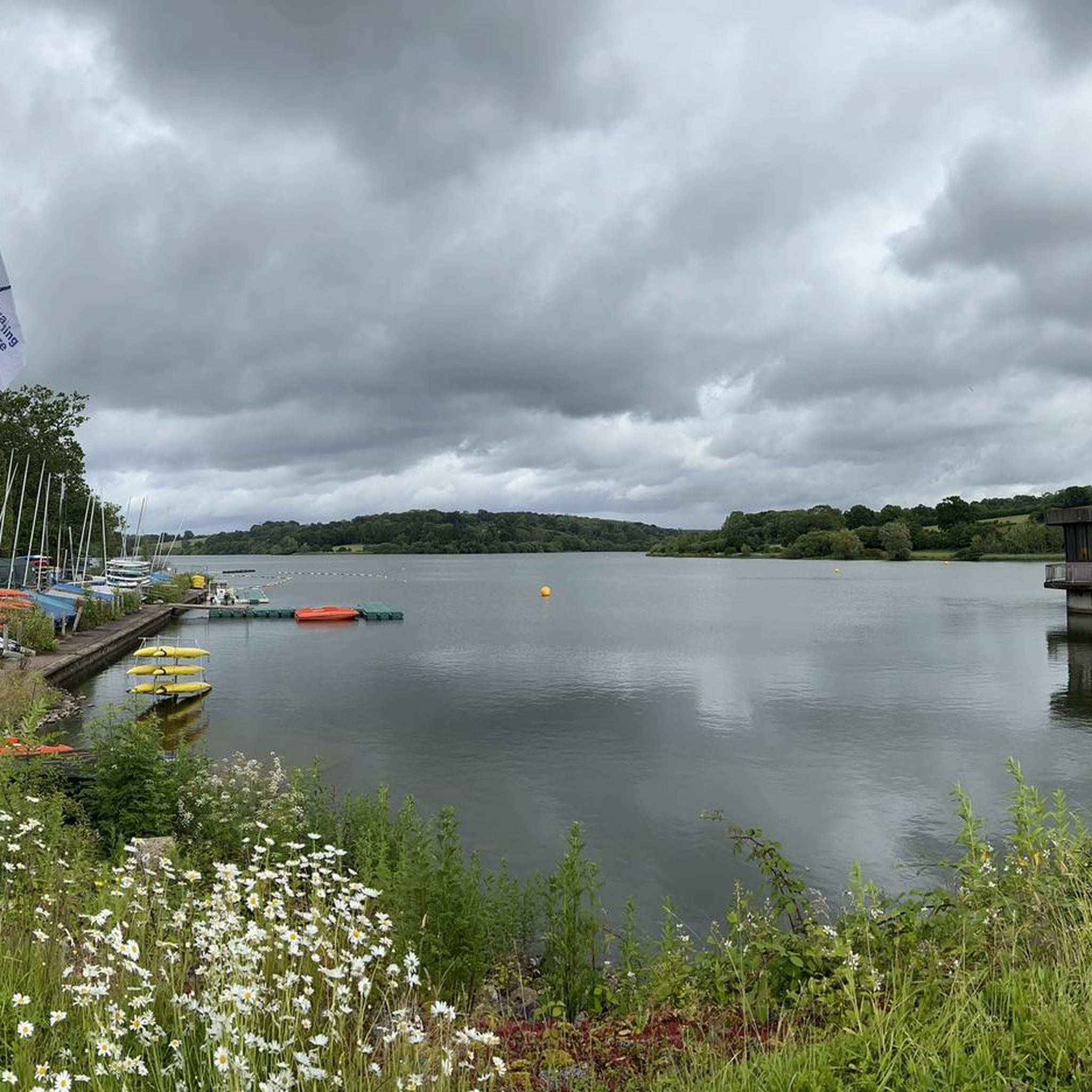
Weir Wood Reservoir is a Local Nature Reserve and a Site of Special Scientific Interest, protected due to its role as one of the largest areas of open water in Sussex and the bird populations that it supports. There is a bird hide just off Legsheath Lane, along the south bank of the reservoir, with an outlook over the water. The western end of the reservoir is home to the sailing club.
1
0

Frequently Asked Questions
What types of natural monuments can I explore around Lindfield?
Lindfield offers a diverse range of natural monuments. You can find expansive open water at Weir Wood Reservoir Local Nature Reserve, unique forest features like the Stone Outcrop with Exposed Tree Roots in Pilstye Wood, and historic botanical gardens at Wakehurst Mansion and Gardens. The wider area also includes ancient woodlands, rolling hills within the High Weald Area of Outstanding Natural Beauty, and significant viewpoints like Ditchling Beacon.
Are there family-friendly natural monuments suitable for children near Lindfield?
Yes, several natural monuments are great for families. Wakehurst Mansion and Gardens is a fantastic option with its botanical gardens and various nature reserves. The Sheffield Park and Garden Lakes also offer beautiful landscaped grounds with plenty of space for exploration. Within Lindfield village, the tranquil Lindfield Duck Pond and Common is perfect for leisurely strolls and picnics.
Where can I find historical natural monuments or sites with geological interest?
For historical and geological interest, consider visiting Ditchling Beacon, the highest point on the Sussex Downs, which features an Iron Age hillfort. The historic Dew Ponds, traditionally used for collecting rainwater, also offer a glimpse into the past with scenic views. The Jubilee V Plantation is a natural monument with a historical connection, as over 3,000 trees were planted there in 1887 to mark Queen Victoria’s Golden Jubilee.
What are the best places for wildlife observation around Lindfield?
The Weir Wood Reservoir Local Nature Reserve is a Site of Special Scientific Interest known for its significant bird populations, offering a bird hide for observation. The Eastern Road Nature Reserve, a wetland habitat, is also excellent for spotting birds, insects, and butterflies. The High Weald Area of Outstanding Natural Beauty, which surrounds Lindfield, is rich in diverse wildlife.
Are there good hiking or walking routes near these natural monuments?
Absolutely. The High Weald Area of Outstanding Natural Beauty provides extensive opportunities for hiking. You can find numerous trails, including easy hikes around Lindfield, by exploring the Easy hikes around Lindfield guide. For more challenging options, the area around Blackcap Summit and Ditchling Beacon on the South Downs offers rewarding walks with expansive views.
What are some popular viewpoints to experience the natural landscape?
Ditchling Beacon offers breathtaking panoramic views across the Weald to the north and the rolling Downs to the east-west. Blackcap Summit also provides wonderful views over the Weald. For a more tranquil setting, the Weir Wood Reservoir Local Nature Reserve provides great views of the man-made lake and its surrounding landscape.
Can I go running or cycling near the natural monuments in Lindfield?
Yes, the area around Lindfield is well-suited for outdoor activities. You can find various running trails, including loops from Lindfield High Street, in the Running Trails around Lindfield guide. For cyclists, there are gravel biking routes available, some of which offer views of the Devil's Dyke, as detailed in the Gravel biking around Lindfield guide.
What do visitors particularly enjoy about the natural monuments around Lindfield?
Visitors appreciate the diverse natural beauty, from the tranquil settings of the Lindfield Duck Pond and Common to the expansive views from Ditchling Beacon. The unique features like the Stone Outcrop with Exposed Tree Roots in Pilstye Wood and the rich birdlife at Weir Wood Reservoir Local Nature Reserve are also highly valued. The blend of natural landscapes with historical elements, such as those found at Wakehurst Mansion and Gardens, provides a rich experience for all.
Are there any natural monuments that are part of a protected area?
Yes, several natural monuments are within protected areas. Lindfield itself is nestled within the High Weald Area of Outstanding Natural Beauty. Weir Wood Reservoir Local Nature Reserve is a Site of Special Scientific Interest (SSSI) due to its bird populations. Blackcap Summit is part of the Clayton to Offham Escarpment SSSI, and Ditchling Beacon is managed by the National Trust.
What are some lesser-known or 'hidden gem' natural monuments in the area?
While not entirely hidden, the Eastern Road Nature Reserve is a valuable 9-acre wetland habitat at the edge of Lindfield, offering a quiet escape for nature enthusiasts. The historic Dew Ponds, often found in elevated locations, are also unique natural features that provide beautiful accompanying views and a sense of historical significance.
Can I find ancient woodlands or forests to explore near Lindfield?
Yes, the High Weald Area of Outstanding Natural Beauty, which encompasses Lindfield, is renowned for its ancient woodlands. You can explore areas like Pilstye Wood, home to the Stone Outcrop with Exposed Tree Roots, or the wooded Ashcombe Bottom near Blackcap Summit. Sheffield Park and Garden Lakes also features many old trees, including redwoods and sequoias.
Most popular routes around Lindfield
Most popular attractions around Lindfield

Get inspired with the komoot mobile app


Explore more
Extend your search for the best caves by checking out these guides of the top ones around Lindfield:
