Top 19 Natural Monuments around Newtimber
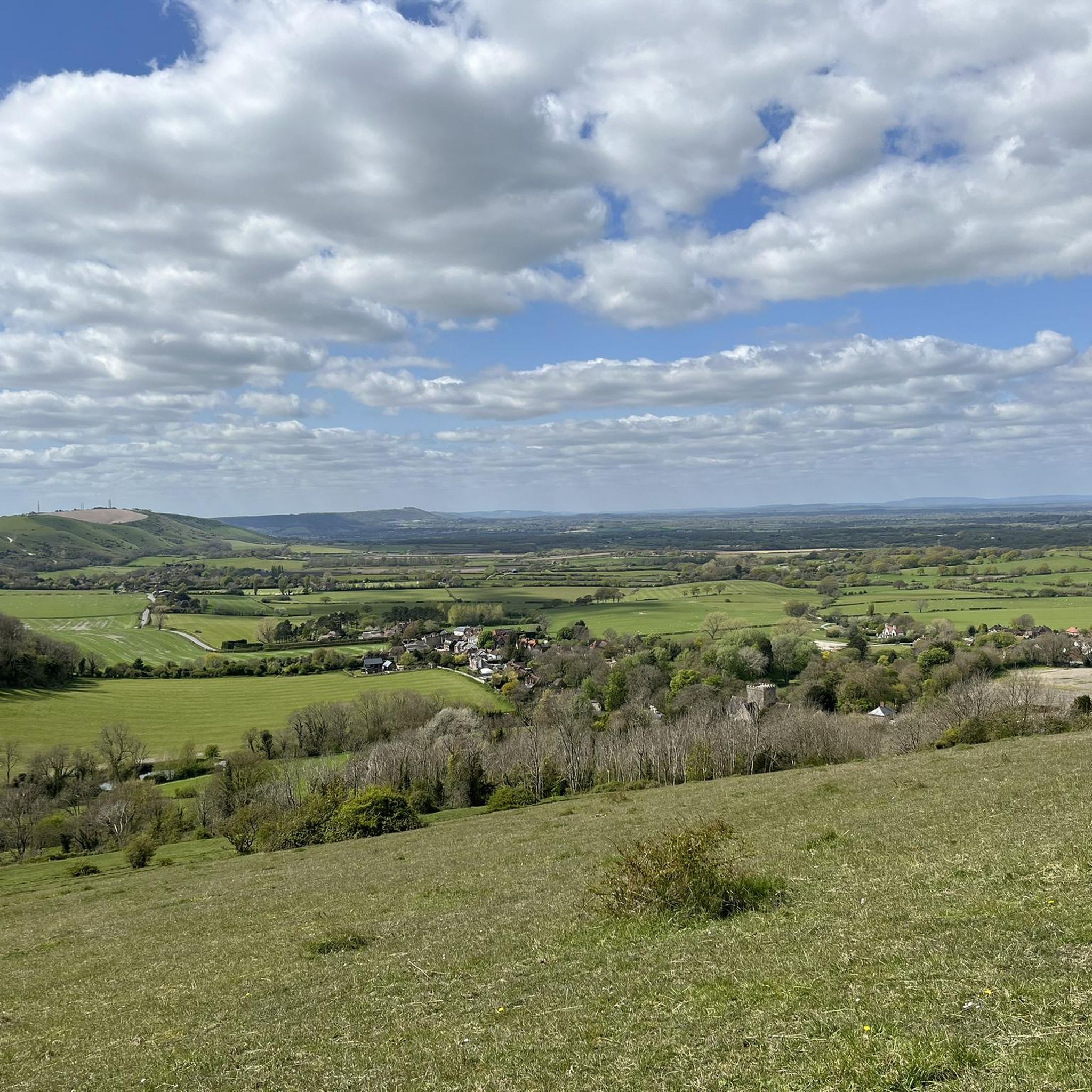
Best natural monuments around Newtimber offer a landscape rich in ecological and geological significance, primarily centered on Newtimber Hill and Devil's Dyke. This area, part of a Site of Special Scientific Interest, features outstanding chalk grassland, ancient woodlands, and unique geological formations. Visitors can explore diverse habitats supporting rare flora and fauna, alongside panoramic views across the South Downs.
Best natural monuments around Newtimber
- The most popular natural monument is Ditchling Beacon, a natural monument and summit. Standing at…
Last updated: June 29, 2026
Ditchling Beacon
Highlight • Natural Monument
Tip by

Devil's Dyke
Highlight • Historical Site
Tip by

Sign up now to discover places like this
Get recommendations on the best single tracks, peaks, & plenty of other exciting outdoor places.
Sign up for free
Blackcap Summit and Trig Point
Highlight • Viewpoint
Tip by

Sussex Border Path: Ditchling Beacon to Fishersgate
Highlight (Segment) • Trail
Tip by

South Downs Way – Fulking Hill Ridge
Highlight (Segment) • Natural Monument
Tip by

Sign up for free to discover even more natural monuments around Newtimber.
Sign up for free
Already have an account?
Start today with a free account
Your next adventure awaits.
Login or Signup

Tips from the Community

nice steady climb with breathtaking views, if you turn left at the gate (before crossing) you will see a path to your further left leading to a pub called Sheppard and Dog with a nice beer garden - this is a S2 descent so be careful
0
0


The Sussex Border Path is a long-distance footpath that is nearly 150 miles (241 km) long and goes around the county boundary of Sussex. It is a relatively new trail initiated in 1983, and since its inception, the route has only traced the county boundary. As Sussex has been split administratively into east and west for many years, there is now a new border path section running from East Grinstead to Brighton, reflecting these east and west sections. This is part of that section and runs from Ditchling Beacon to Fishersgate, or vice versa. The section is 12 miles (19 km) long and consists of Ditchling Beacon itself, sections of beautiful bridleways with sea views, and the famous Chattri Indian War Memorial.
1
1
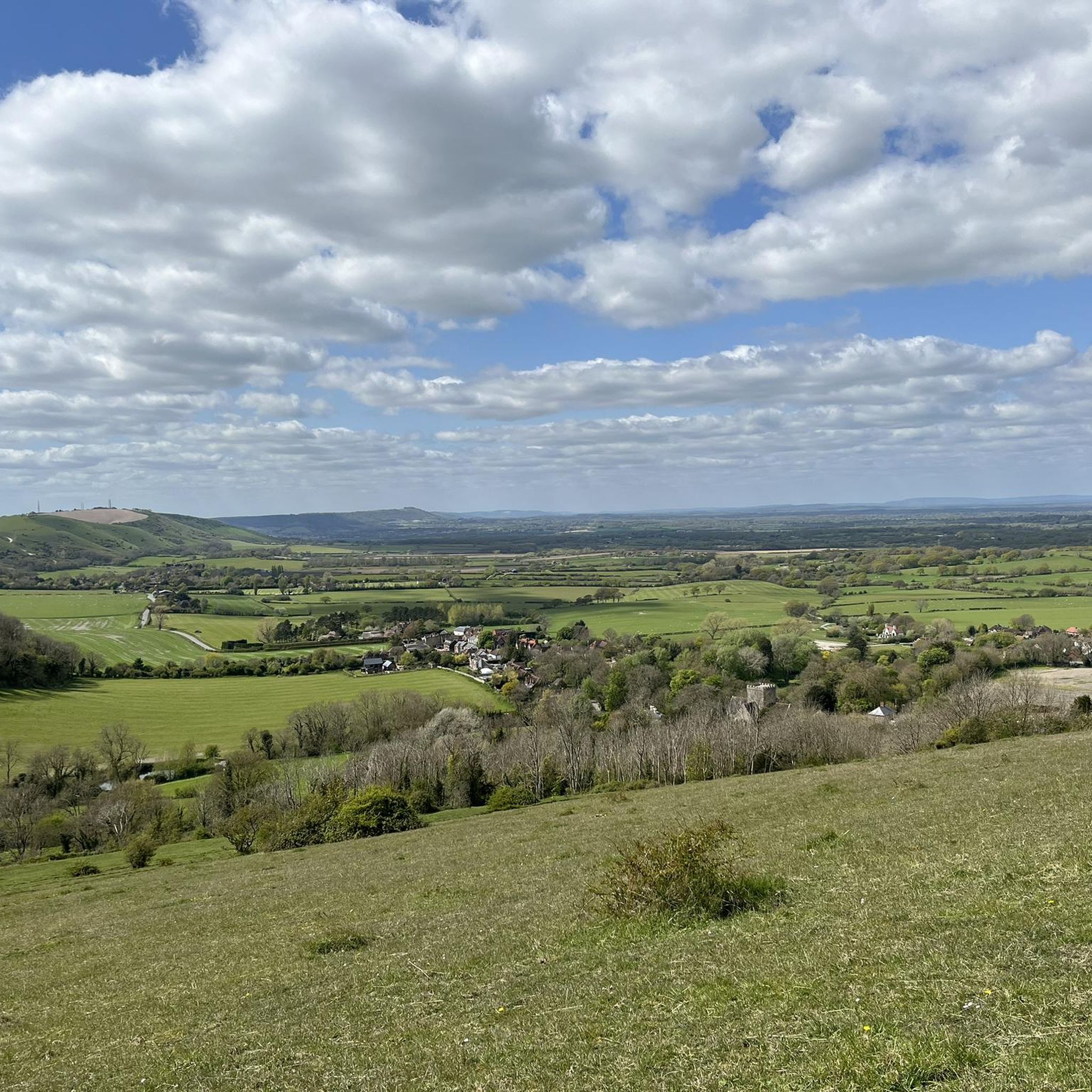
At over 650 feet (200 m), Ditchling Beacon gives you a good climb and a great vantage point to see out over the surrounding countryside. To the north you look back at the lush countryside of the Weald, to the south are views of Brighton, and to the east and west, the rolling undulating views out over the South Downs.
1
1

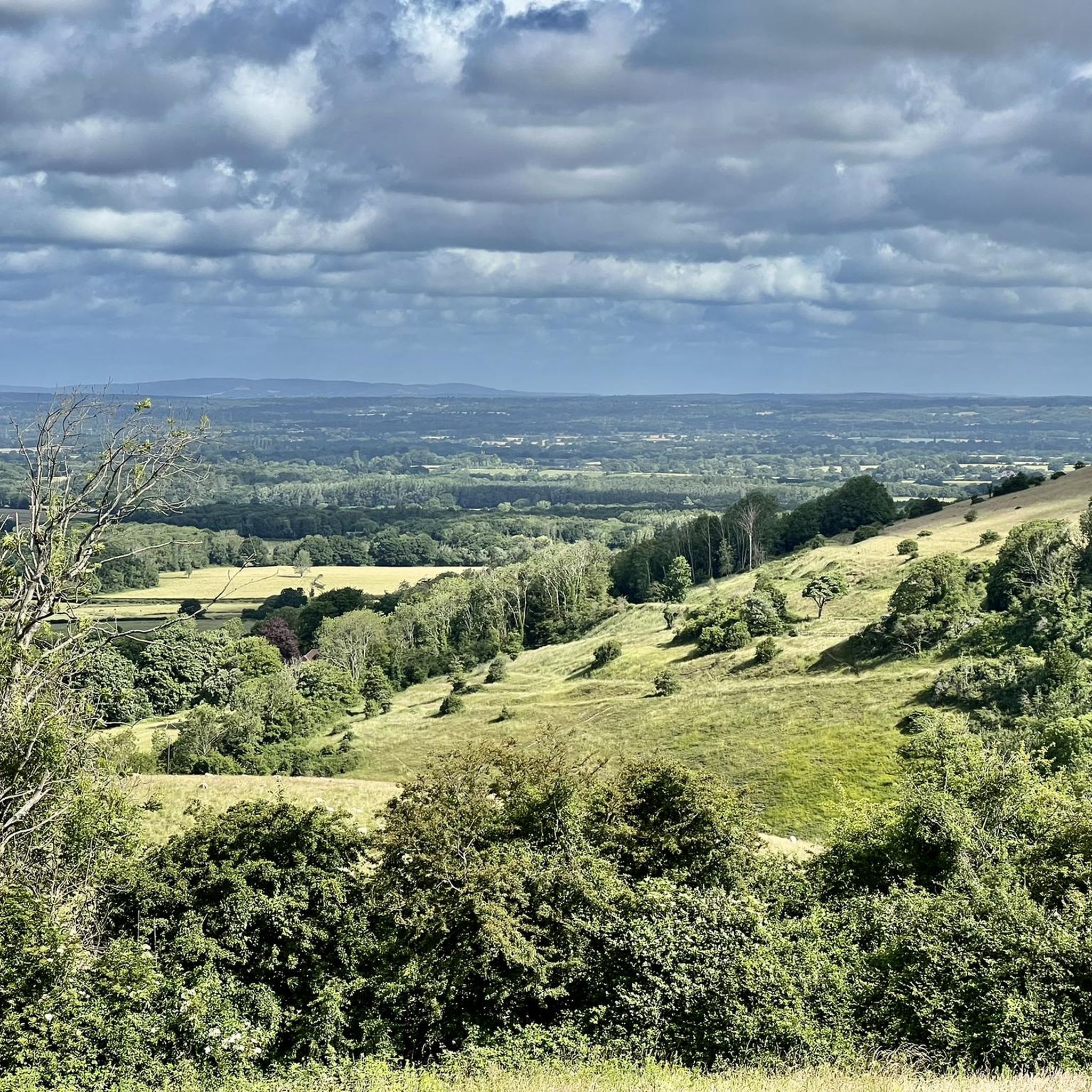
Nice enough trig pointed hilltop and easy enough to get to with grand views out over the South Downs.
0
0
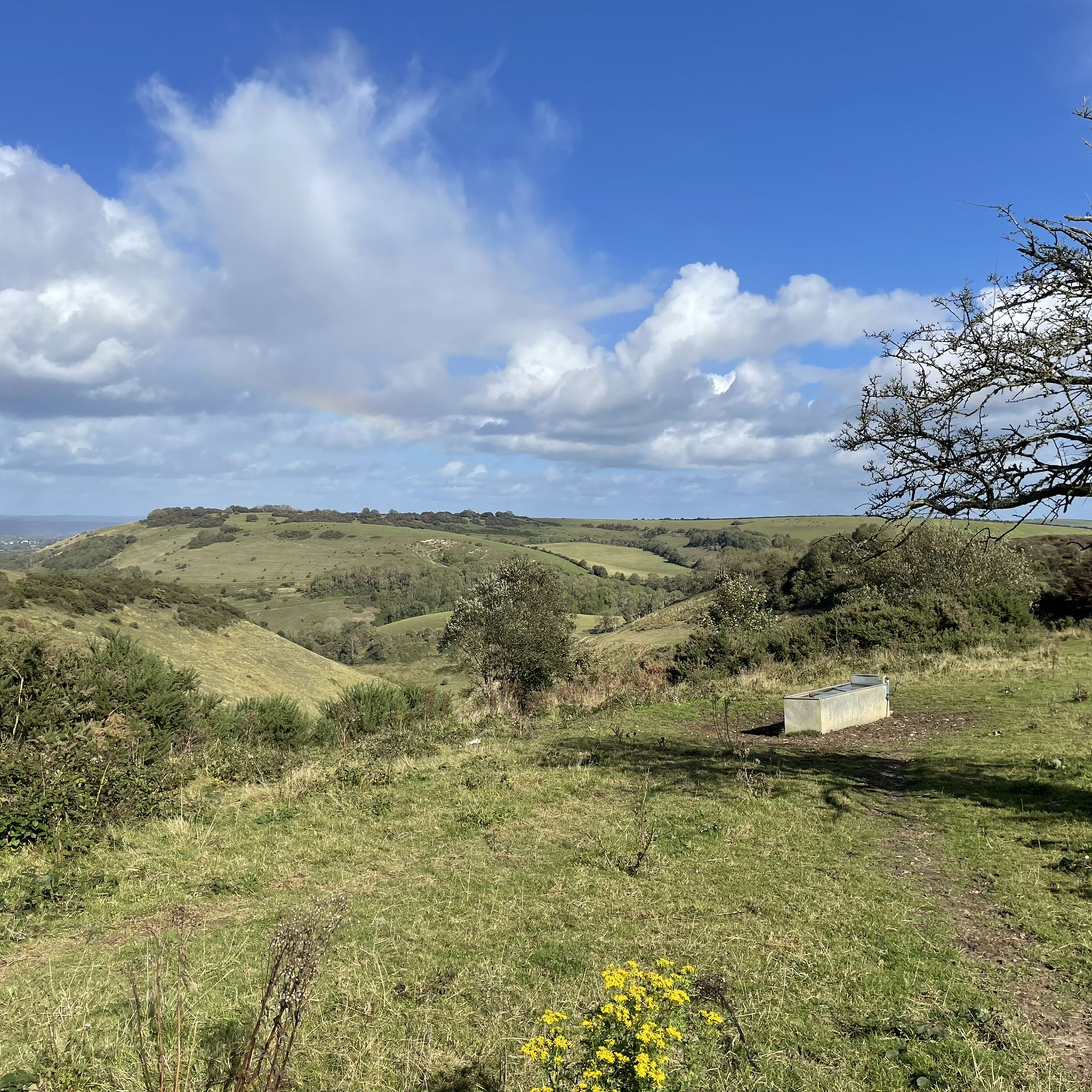
This is a beautiful spot, there is a trig point that is placed on one of the ramparts of the actual Iron Age hillfort here. It is very popular with walkers, and families. The valley bowl is also particularly beautiful.
1
0

Be warned of the water fullies added to the track. Sometimes the gates in the vallies are shut, sometimes not. The grass section is stunning for the views on a good day. Once at the top, it's a very gentle climb to Devils Dyke so you're nearly there.
1
0
Frequently Asked Questions
What are the most popular natural monuments to visit around Newtimber?
Among the most popular natural monuments are Ditchling Beacon, which is the highest point on the Sussex Downs offering extensive panoramic views, and Devil's Dyke, a dramatic V-shaped dry valley known for its wildflowers and butterflies. Visitors also enjoy Blackcap Summit and Trig Point for its glorious views across the countryside and coastline.
What kind of wildlife and unique flora can I find in the Newtimber area?
Newtimber Hill and its surroundings are rich in biodiversity. You can spot over 30 species of butterflies, including the Adonis blue and chalk hill blue, especially between April and September. The area is also home to rare plant species such as horseshoe vetch, various orchids (like frog and burnt-tip orchids), and roundheaded rampion, thriving in the calcareous grassland.
Are there family-friendly natural monuments around Newtimber?
Yes, Devil's Dyke is considered family-friendly, offering open spaces for walks and enjoying nature. Additionally, the Dew Pond with Lone Tree is a picturesque spot that families might enjoy, especially with dogs.
What historical or geological significance do these natural monuments hold?
The natural monuments around Newtimber boast significant history and geology. Devil's Dyke is a dramatic V-shaped dry valley carved by immense amounts of water during the last Ice Age, with local folklore attributing its formation to the Devil. It was also an Iron Age hillfort. Ditchling Beacon also features an Iron Age hillfort, adding archaeological interest to its natural beauty.
What are the best times of year to visit the natural monuments in Newtimber?
Spring and summer are particularly rewarding for visiting Newtimber's natural monuments. During these seasons, the chalk grasslands burst with vibrant wildflowers, and butterflies are abundant, especially from April to September. The panoramic views are also clearer on bright days.
Are there good hiking opportunities near Newtimber's natural monuments?
Absolutely. The area offers numerous hiking opportunities. For example, you can explore routes like the 'Devil's Dyke loop' or the 'View of Devil's Dyke – Devil's Dyke loop from Poynings'. Many trails provide stunning views of the South Downs. You can find more hiking routes in the Hiking around Newtimber guide.
Can I go cycling near the natural monuments around Newtimber?
Yes, the Newtimber area is popular for cycling. There are various routes that pass by or near the natural monuments, such as the 'Ditchling Beacon Climb – Ditchling Beacon loop from Pyecombe' or the 'Royal Pavilion, Brighton – Devil's Dyke Road loop from Albourne'. Discover more options in the Cycling around Newtimber guide.
Are the natural monuments around Newtimber dog-friendly?
Many areas around Newtimber's natural monuments are dog-friendly, especially for walks on the open chalk grasslands. For instance, the Dew Pond with Lone Tree is noted as a dog-friendly spot where dogs can enjoy the water. Always ensure dogs are kept under control, especially near livestock or protected wildlife areas.
What kind of views can I expect from the natural monuments?
The natural monuments around Newtimber offer magnificent panoramic views. From Ditchling Beacon, you can see south to the sea, north across the Weald, and east-west across the Downs. Blackcap Summit also provides glorious vistas across the surrounding countryside and coastline.
What are dew ponds and why are they found on Newtimber Hill?
Dew ponds, like the Dew Pond with Lone Tree, are artificial ponds historically dug on hills to collect rainwater for livestock. Before modern water supply systems, they were essential for farming in elevated areas. They are often found high up on hills and are accompanied by beautiful views.
Are there any ancient woodlands to explore near Newtimber?
Yes, Newtimber is home to ancient woodlands, particularly Newtimber Holt. These woodlands are notable for their mature trees, including a 1,000-year-old lime tree and a beech tree that was once declared Britain's tallest native tree. They offer a different natural habitat to explore compared to the open chalk grasslands.
What makes the chalk grassland on Newtimber Hill special?
The calcareous grassland on Newtimber Hill is considered among the best chalk grassland sites in the UK. It has been continuously grazed for thousands of years, preventing it from being ploughed and preserving its unique ecosystem. This management supports a rich variety of wildflowers, butterflies, and insects, making it a Site of Special Scientific Interest (SSSI).
Most popular routes around Newtimber
Most popular attractions around Newtimber

Get inspired with the komoot mobile app


Explore more
Extend your search for the best caves by checking out these guides of the top ones around Newtimber:
