Top 13 Natural Monuments around Glastonbury
Best natural monuments around Glastonbury include prominent hills, ancient springs, and extensive wetlands. This region is characterized by its unique geological features, such as the conical Glastonbury Tor, and its rich historical associations. The landscape offers diverse natural settings, from elevated viewpoints to tranquil gardens and gorges, providing opportunities for exploration.
Best natural monuments around Glastonbury
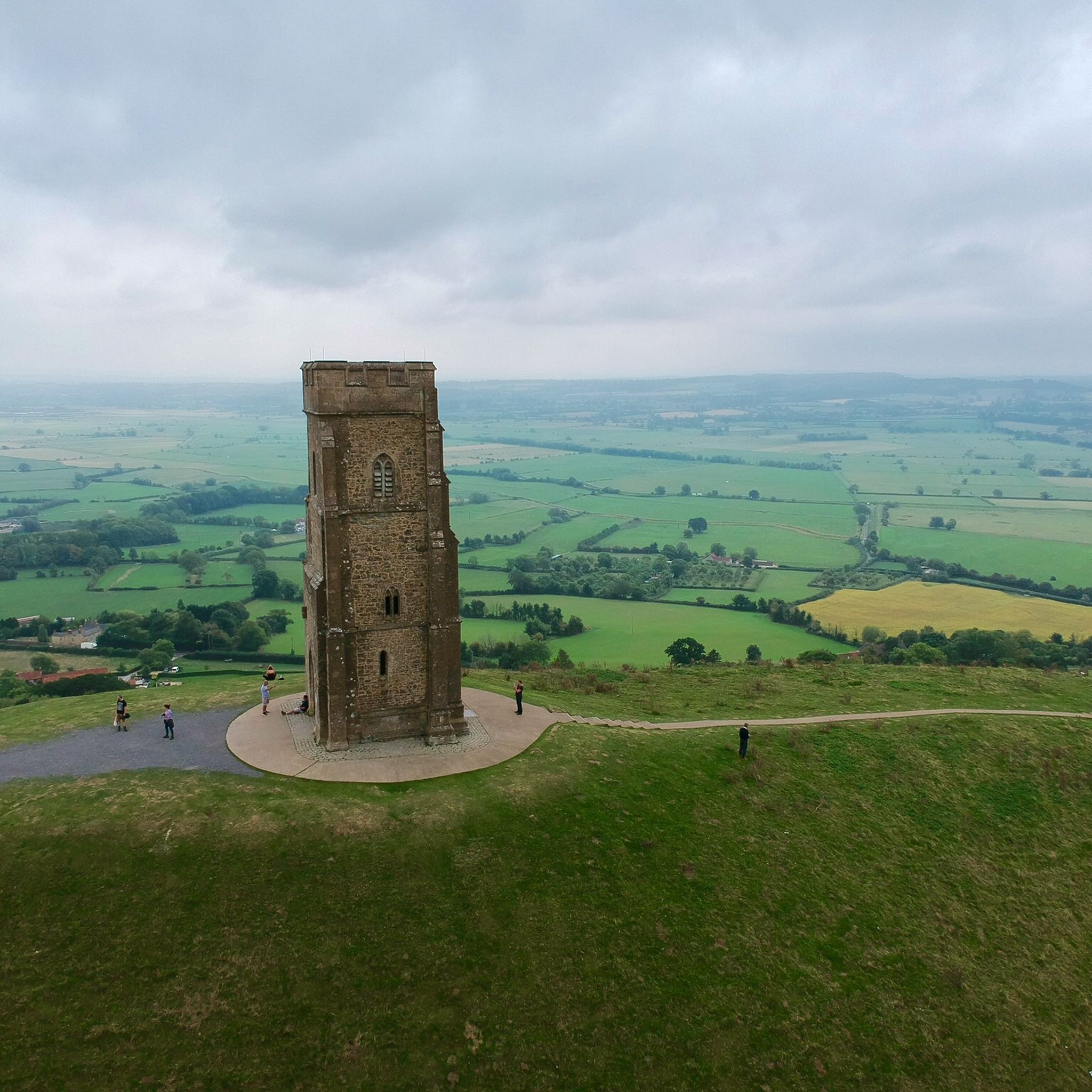
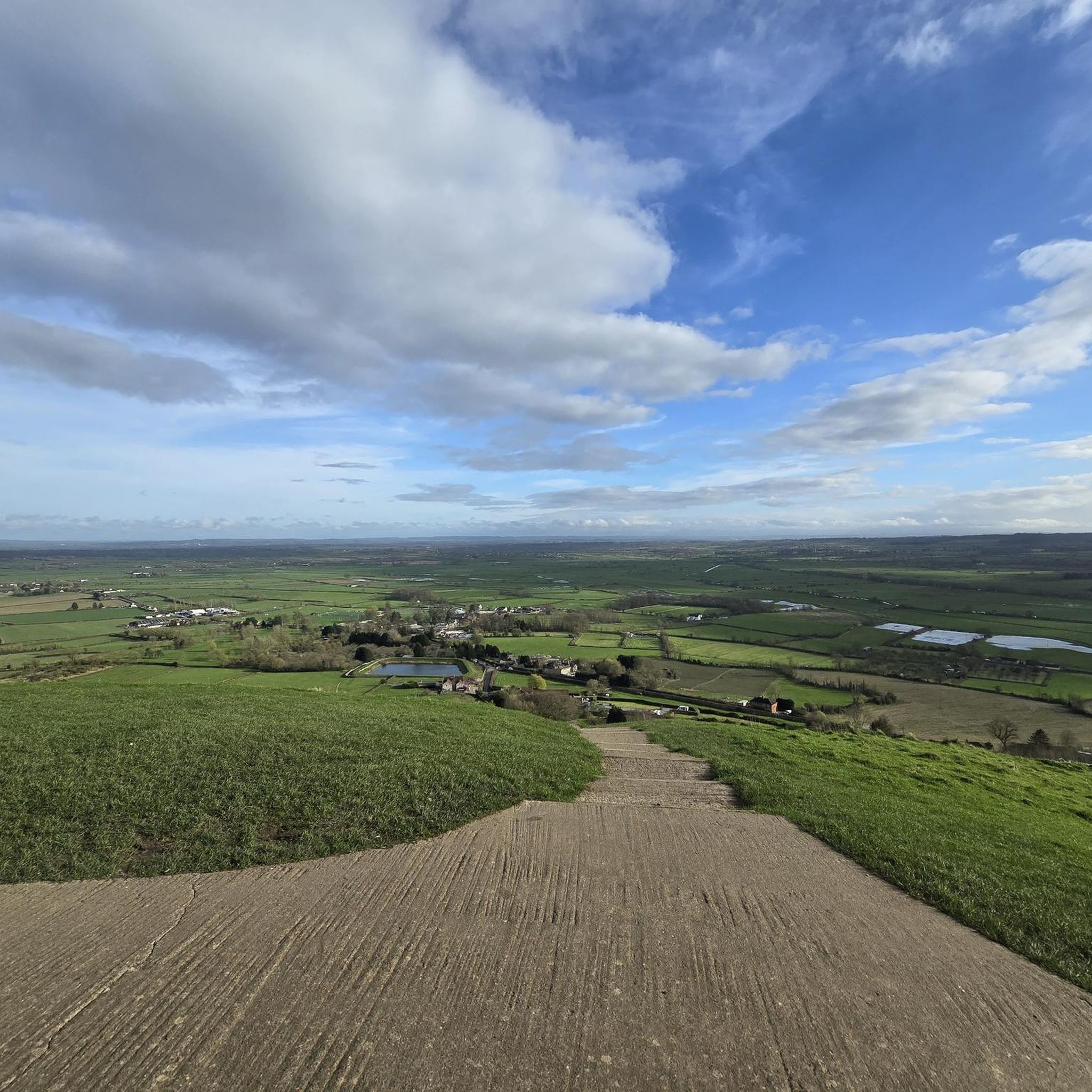
- The most popular natural monuments is Glastonbury Tor, a summit that offers panoramic views across the Somerset Levels. This iconic hill is capped…
Last updated: June 29, 2026
Glastonbury Tor
Highlight • Summit
Tip by

Ebbor Gorge
Highlight • Gorge
Tip by

Sign up now to discover places like this
Get recommendations on the best single tracks, peaks, & plenty of other exciting outdoor places.
Sign up for free
Deer Leap Reserve
Highlight • Historical Site
Tip by

White Spring, Glastonbury
Highlight • Natural Monument
Tip by

Ebbor Gorge Entrance
Highlight • Gorge
The car park, managed by the National Trust, is …
Tip by

Sign up for free to discover even more natural monuments around Glastonbury.
Sign up for free
Already have an account?
Start today with a free account
Your next adventure awaits.
Login or Signup


Other adventures around Glastonbury

Tips from the Community


Ebbor Gorge is a limestone gorge similar but much smaller than Cheddar. It's a fun scramble with a nice circular walk. The car park, managed by the National Trust, is well-placed to start an adventure. There is information about the area and local walks on the notice boards.
1
0

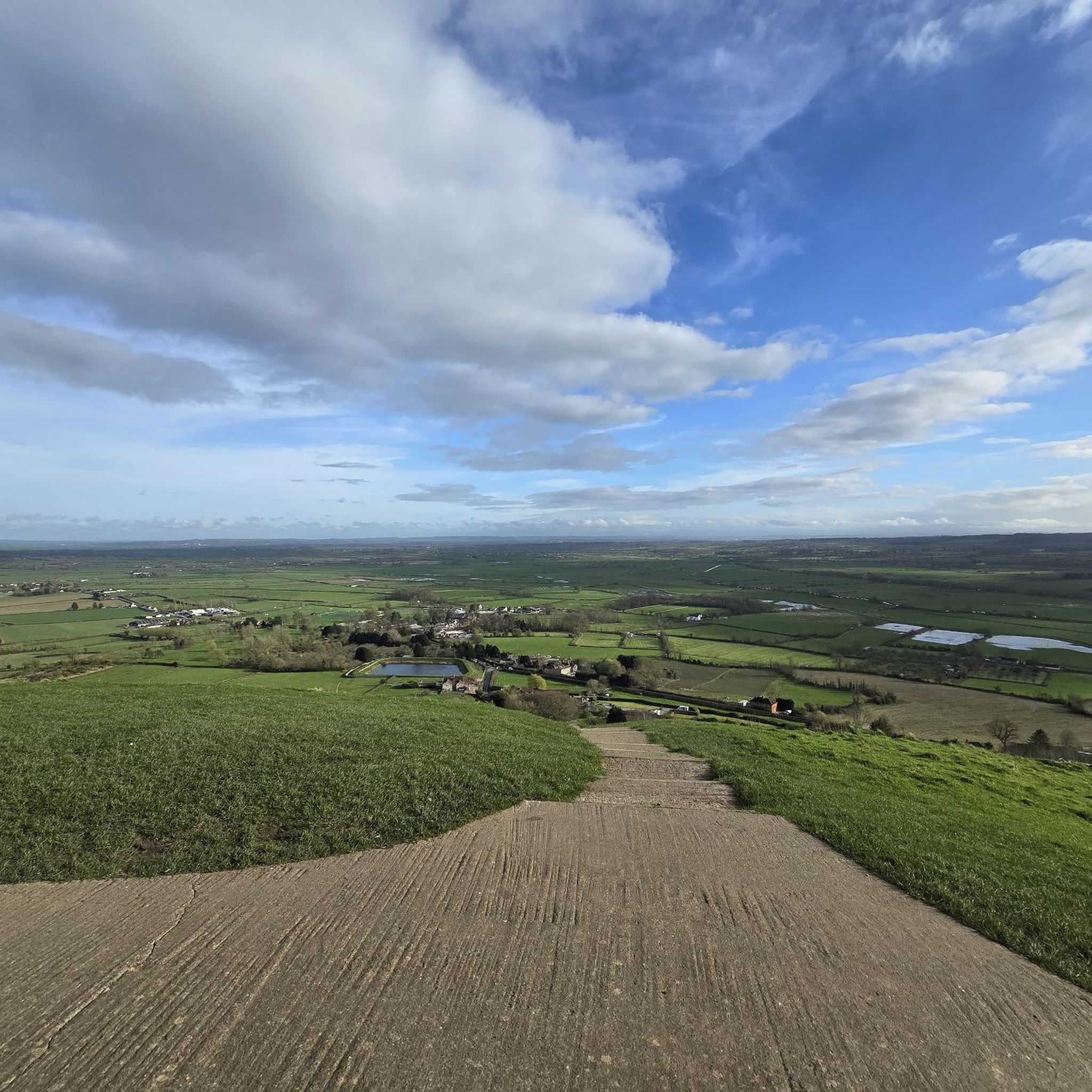
https://youtu.be/pZAoONJz04g The climb up the 301 steps to the famous summit is well worth it for the views.
3
0


THE BEAUTIFULLY SCULPTED GARDENS OF the Chalice Well surround Glastonbury’s most famous natural water source, the Red Spring, so called for the iron oxide it deposits in its basin. But just opposite this famous site, down a little lane at the foot of Glastonbury Tor, lies its counterpart: the White Spring.
1
1
Situated just a small walk from Glastonbury Centre, Glastonbury Tor Hill stands at a height of 158 m… The walk to the top is steep, and may require stops, but in general terms is only a small climb. The views are breath taking, on a clear day you can see across to the Bristol Channel. The views are amplified by the low land area which can be seen in every direction.
2
0
Frequently Asked Questions
What are some of the most popular natural monuments to visit around Glastonbury?
Among the most popular natural monuments are Glastonbury Tor, an iconic hill offering panoramic views, and Ebbor Gorge, known for its varied and engaging trails. Visitors also highly appreciate Deer Leap Reserve, which provides some of the best views in Somerset and is protected for its archaeological significance.
Are there family-friendly natural monuments or walks suitable for children near Glastonbury?
Yes, many natural monuments around Glastonbury are suitable for families. The trails around Glastonbury Tor are popular for all ages, though the climb can be steep. The entrance to Ebbor Gorge is also noted as family-friendly, offering a fun scramble. For easier walks, the Avalon Marshes provide flat paths ideal for nature observation.
What kind of terrain can I expect when exploring the natural monuments around Glastonbury?
The terrain varies significantly. Glastonbury Tor involves a steep, conical climb, often windy at the top, requiring comfortable footwear. Ebbor Gorge features paths that become steeper, rockier, wetter, and muddier, offering a fun challenge. Other areas like the Avalon Marshes offer flatter, more accessible trails.
What is the historical or spiritual significance of these natural monuments?
Many natural monuments in Glastonbury are steeped in history and myth. Glastonbury Tor is deeply intertwined with King Arthur and the Isle of Avalon, with evidence of human visitation dating back to the Iron Age. Chalice Well, with its distinctive red spring, is considered one of Britain's ancient holy wells, associated with healing and spirituality. Wearyall Hill is central to the legend of the Glastonbury Holy Thorn, said to have grown from Joseph of Arimathea's staff.
Are there any natural springs or unique water features to visit?
Yes, Glastonbury is known for its unique springs. The Chalice Well features a chalybeate (iron-rich) red spring, believed to have healing properties, set within tranquil gardens. Just opposite, at the foot of the Tor, you can find the White Spring, another natural water source famed for its healing qualities, with an external tap for visitors to fill water bottles.
What outdoor activities can I do near the natural monuments in Glastonbury?
The area around Glastonbury offers diverse outdoor activities. You can enjoy various hiking routes, including moderate trails around Glastonbury Tor. There are also cycling routes that explore the wider Somerset Levels, offering scenic rides of varying difficulty. Nature enthusiasts can also explore the Avalon Marshes for birdwatching and wildlife spotting.
What is the best time of year to visit Glastonbury's natural monuments?
The best time to visit depends on your preferences. Spring and summer offer pleasant weather for walking and enjoying the lush landscapes. However, the natural monuments, particularly Glastonbury Tor, can be beautiful during sunrise or sunset year-round. Winter offers unique experiences like observing starling murmurations in the Avalon Marshes, though trails might be muddier.
Are dogs allowed on the trails and at the natural monuments?
While many outdoor areas are dog-friendly, it's important to be mindful of local guidelines. For instance, at Deer Leap Reserve, dogs must be kept on a lead and under close control to protect ground-nesting birds and grazing sheep. Always check specific signage at each location for dog policies.
Where can I find panoramic views of the Somerset Levels?
For extensive panoramic views, Glastonbury Tor is unparalleled, offering 360-degree vistas across the Somerset Levels, extending to Dorset, the Quantock Hills, Exmoor, the Bristol Channel, and Wiltshire. Deer Leap Reserve also provides one of the best views in Somerset.
Are there easy walking routes near Glastonbury's natural monuments?
Yes, there are several easy walking routes. You can find easy hikes around Glastonbury, including loops like the Paddington Farm Trust loop via Gog & Magog, or a Glastonbury loop via White Spring & Market Cross. These routes offer a gentler way to experience the area's natural beauty.
What facilities are available near the natural monuments, such as parking or cafes?
Parking is available at various points, such as the National Trust car park at the Ebbor Gorge Entrance. Glastonbury town itself offers a range of amenities including cafes, pubs, and accommodation, which are easily accessible from most natural monuments. For example, you can start your visit to Glastonbury Tor from the town and find refreshments nearby.
Can I explore the Avalon Marshes, and what makes them unique?
Yes, the Avalon Marshes are a unique and extensive wetland landscape surrounding Glastonbury. They are an internationally significant wetland, renowned for their diverse wildlife, including kingfishers, bitterns, and egrets. The Marshes offer opportunities for walking and cycling trails, and in winter, you can witness spectacular starling murmurations. They provide a broader natural context to Glastonbury's historical 'inland isle' status.
Most popular routes around Glastonbury
Most popular attractions around Glastonbury

Get inspired with the komoot mobile app


Explore more
Extend your search for the best caves by checking out these guides of the top ones around Glastonbury:
