Top 14 Natural Monuments around North Wootton
Best natural monuments around North Wootton are found within a landscape characterized by its coastal proximity and inclusion in The Wash National Nature Reserve. The adjacent North Wootton Marsh forms a crucial part of this internationally significant wetland, featuring vast expanses of saltmarsh, mudflats, and sandbanks. This dynamic environment supports exceptional wildlife, including large populations of migratory birds and common seals, offering open, expansive views across a unique seascape. The area provides a compelling experience for those seeking to connect…
Last updated: June 29, 2026
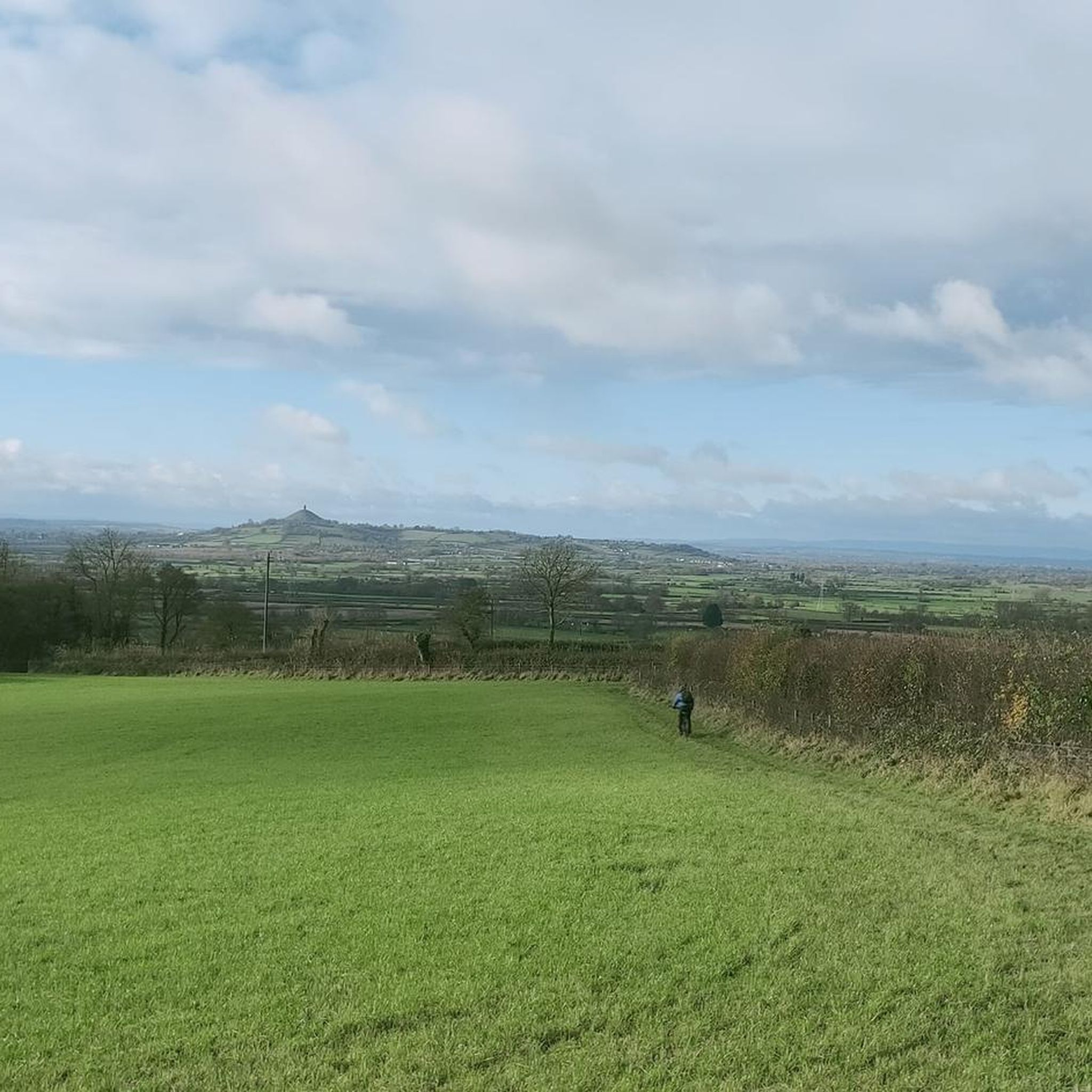
Glastonbury Tor
Highlight • Summit
Tip by

Ebbor Gorge
Highlight • Gorge
Tip by

Sign up now to discover places like this
Get recommendations on the best single tracks, peaks, & plenty of other exciting outdoor places.
Sign up for free
Stockhill Woods
Highlight • Historical Site
Tip by

Deer Leap Reserve
Highlight • Historical Site
Tip by
White Spring, Glastonbury
Highlight • Natural Monument
Tip by

Sign up for free to discover even more natural monuments around North Wootton.
Sign up for free
Already have an account?
Start today with a free account
Your next adventure awaits.
Login or Signup

Tips from the Community


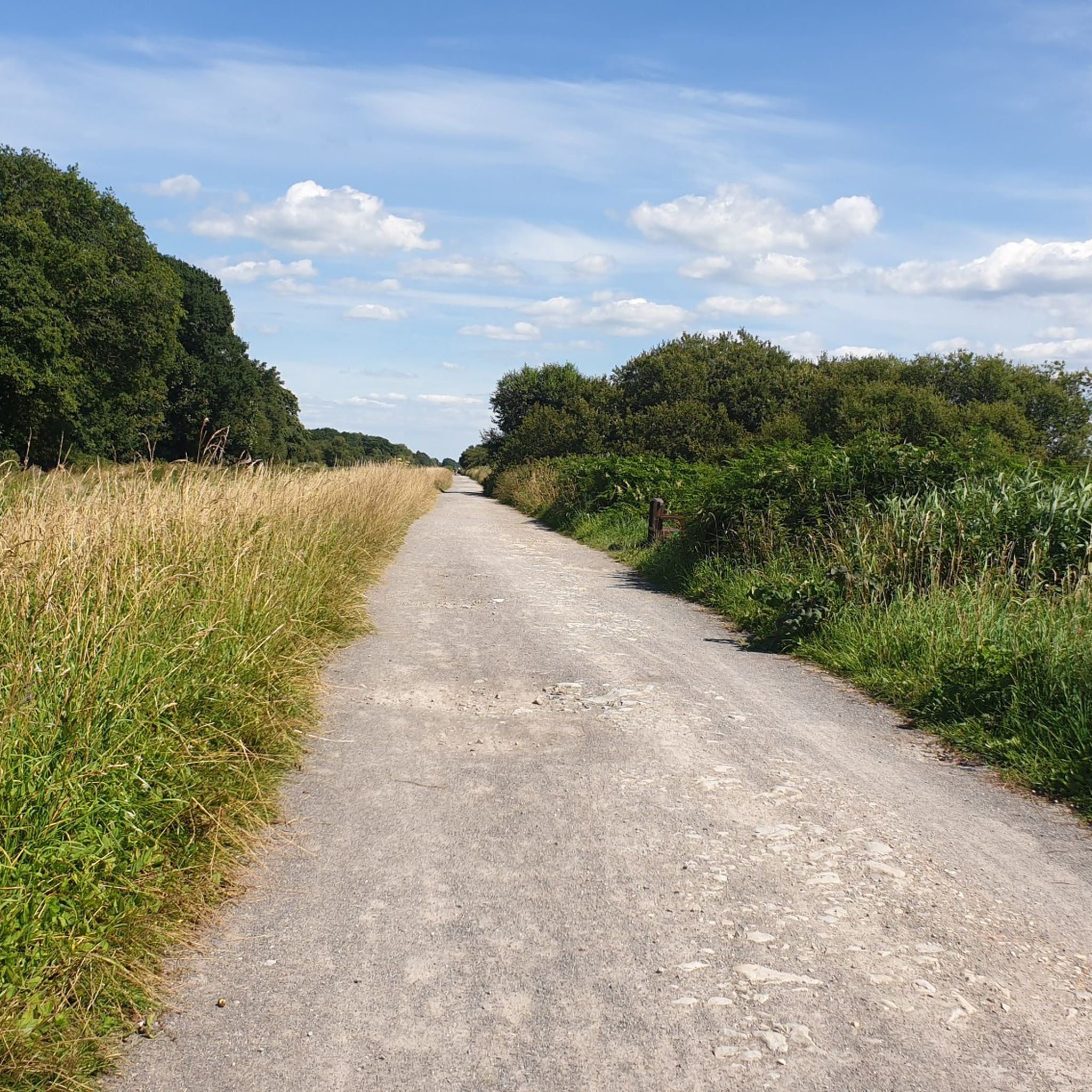
Beautiful forest rather atypical for this area and safe in summer and nice place to walk and relax.
0
0

https://youtu.be/pZAoONJz04g The climb up the 301 steps to the famous summit is well worth it for the views.
3
0


THE BEAUTIFULLY SCULPTED GARDENS OF the Chalice Well surround Glastonbury’s most famous natural water source, the Red Spring, so called for the iron oxide it deposits in its basin. But just opposite this famous site, down a little lane at the foot of Glastonbury Tor, lies its counterpart: the White Spring.
1
1
Situated just a small walk from Glastonbury Centre, Glastonbury Tor Hill stands at a height of 158 m… The walk to the top is steep, and may require stops, but in general terms is only a small climb. The views are breath taking, on a clear day you can see across to the Bristol Channel. The views are amplified by the low land area which can be seen in every direction.
2
0
Frequently Asked Questions
What are some of the most popular natural monuments mentioned in this guide?
Visitors frequently explore Glastonbury Tor, known for its panoramic views and the ruins of St Michael's Church. Other popular spots include Ebbor Gorge, offering a scenic and varied route through ancient woodland, and Deer Leap Reserve, which provides exceptional views and is nationally protected for its archaeology and wildlife.
What unique natural features can I expect to see around North Wootton?
The North Wootton area is primarily characterized by its coastal proximity and inclusion in The Wash National Nature Reserve. This internationally significant wetland features vast expanses of saltmarsh, mudflats, and sandbanks. You'll find a dynamic mosaic of inter-tidal habitats, intricate tidal creeks, and open, expansive views across a unique seascape.
What kind of wildlife can be observed in The Wash National Nature Reserve near North Wootton?
The Wash is a vital conservation area, especially for birds and seals. It supports one of the largest common seal populations in England. During winter, it attracts immense numbers of migratory birds, including pink-footed geese, brent geese, bar-tailed godwits, and shelduck. You can also spot curlew, oystercatcher, knot, dunlin, and marsh harriers.
Are there family-friendly natural monuments or activities in the area?
While specific family-friendly natural monuments are not detailed for North Wootton itself, areas like Stockhill Woods offer a coniferous woodland with a medium-sized car park, picnic benches, and a circular easy-access trail, making it suitable for families. The general coastal footpaths along The Wash also provide opportunities for gentle walks and wildlife spotting.
What historical or cultural significance do these natural monuments hold?
Many natural monuments have historical ties. For instance, Glastonbury Tor is steeped in legend, often associated with Arthurian Avalon, and features the ruins of a 15th-century church. Deer Leap Reserve is nationally protected for its archaeology as an ancient medieval farmstead. The saltmarshes of The Wash also hold ecological and historical importance, being one of England's most significant natural habitats.
What outdoor activities can I do near these natural monuments?
Near these natural monuments, you can find various outdoor activities. For hiking, explore routes like the easy 'Glastonbury Tor – Glastonbury Tor loop from North Wootton' or moderate options. Cyclists can enjoy routes such as 'Seventh Syren – Wells Cathedral loop from Hartlake River' for touring or more challenging road cycling routes like 'Cheddar Gorge, Burrington Combe & Ebbor Gorge loop'. You can find more details on these activities in the hiking guide, cycling guide, and road cycling guide for North Wootton.
Are there specific viewpoints to experience the natural beauty of the area?
Yes, several locations offer excellent viewpoints. Glastonbury Tor provides amazing views of the Somerset Levels, Dorset, Wiltshire, and Wales. Deer Leap Reserve is also noted for offering one of the best views in Somerset. Additionally, the open coastal marshes of The Wash provide expansive views across a dynamic seascape where the land meets the sea and sky.
What is the best time to visit the natural monuments around North Wootton?
The best time to visit depends on your interest. For birdwatching, the winter months are exceptional in The Wash National Nature Reserve, as it attracts immense numbers of migratory birds. For general exploration and enjoying the views, sunrise or sunset at places like Glastonbury Tor are particularly beautiful, though it can be windy at the top.
What should I wear or bring when visiting these natural monuments?
Comfortable and sturdy footwear is highly recommended, especially for places like Ebbor Gorge where paths can be steep, rocky, wet, and muddy. Given the coastal nature of North Wootton and The Wash, layers of clothing are advisable to adapt to changing weather conditions, and waterproofs can be useful. If visiting windy viewpoints, be prepared for strong gusts.
Is there parking available near these natural monuments?
Yes, for some locations, parking is available. For example, Stockhill Woods has a medium-sized free car park. When planning your visit, it's always advisable to check specific access details for each natural monument.
What makes The Wash National Nature Reserve so important?
The Wash is considered one of the most important wetland sites in the UK and a vital conservation area in Europe. It is the largest multiple estuary system and natural bay in England, supporting critical breeding grounds for birds and hosting a significant common seal population. Its vast saltmarshes are recognized as one of England's most important natural habitats.
Are there any unique geological features to explore?
Yes, the area offers unique geological insights. The landscape of Stockhill Woods, for instance, reveals the rise and fall of lead mining over 2000 years, resulting in the 'gruffy ground' of lumps, bumps, and rock outcrops you see today. The dynamic inter-tidal habitats of The Wash, with its mudflats and sandbanks, are also a result of ongoing natural geological processes.
Most popular attractions around North Wootton

Get inspired with the komoot mobile app


Explore more
Extend your search for the best caves by checking out these guides of the top ones around North Wootton:
