Top 18 Natural Monuments around Fulking
Best natural monuments around Fulking are found in a village nestled at the foot of the South Downs in West Sussex. This area provides access to several notable natural monuments, intrinsically linked to the broader landscape of the South Downs. The region is known for its natural beauty and offers 18 natural monuments to explore. These sites provide diverse experiences, from panoramic views to geological formations.
Best natural monuments around Fulking
- The most popular natural monuments is Ditchling Beacon,…
Last updated: June 29, 2026
Ditchling Beacon
Highlight • Natural Monument
Tip by

Devil's Dyke
Highlight • Historical Site
Tip by

Sign up now to discover places like this
Get recommendations on the best single tracks, peaks, & plenty of other exciting outdoor places.
Sign up for free
Chanctonbury Ring hillfort
Highlight • Historical Site
Tip by
Cissbury Ring Hill Fort
Highlight • Historical Site
Tip by
Sussex Border Path: Ditchling Beacon to Fishersgate
Highlight (Segment) • Trail
Tip by

Sign up for free to discover even more natural monuments around Fulking.
Sign up for free
Already have an account?
Start today with a free account
Your next adventure awaits.
Login or Signup
Tips from the Community

The Sussex Border Path is a long-distance footpath that is nearly 150 miles (241 km) long and goes around the county boundary of Sussex. It is a relatively new trail initiated in 1983, and since its inception, the route has only traced the county boundary. As Sussex has been split administratively into east and west for many years, there is now a new border path section running from East Grinstead to Brighton, reflecting these east and west sections. This is part of that section and runs from Ditchling Beacon to Fishersgate, or vice versa. The section is 12 miles (19 km) long and consists of Ditchling Beacon itself, sections of beautiful bridleways with sea views, and the famous Chattri Indian War Memorial.
1
1
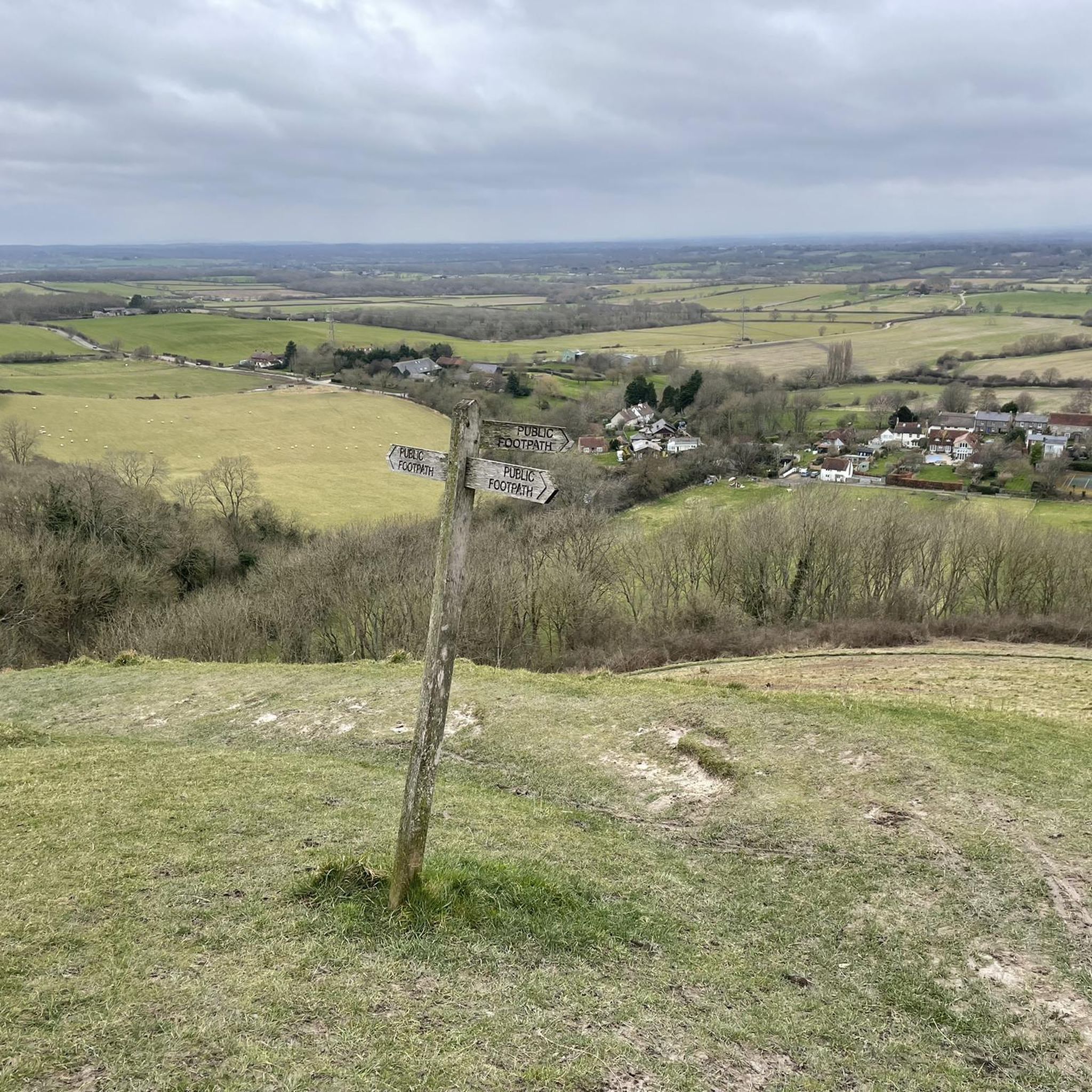
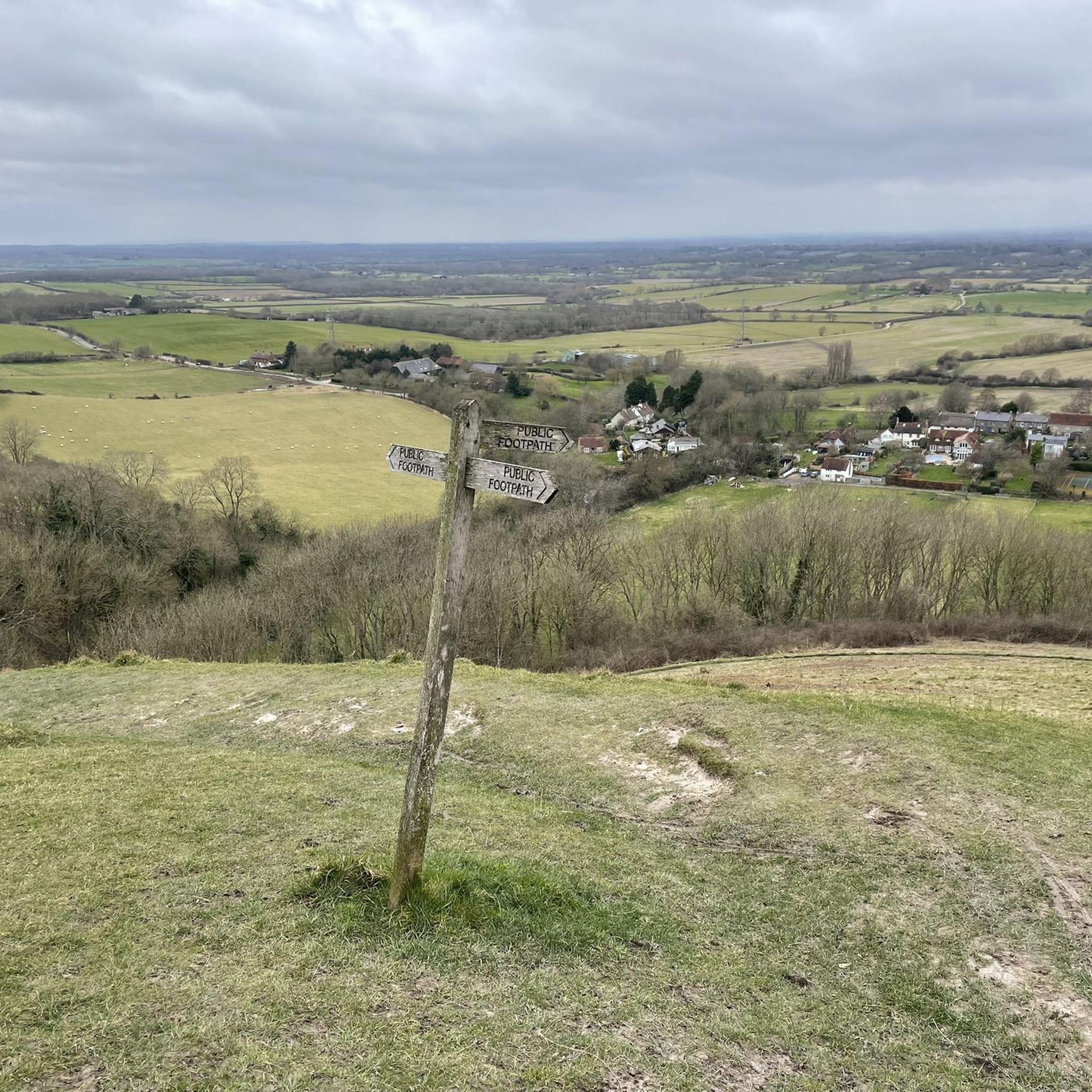
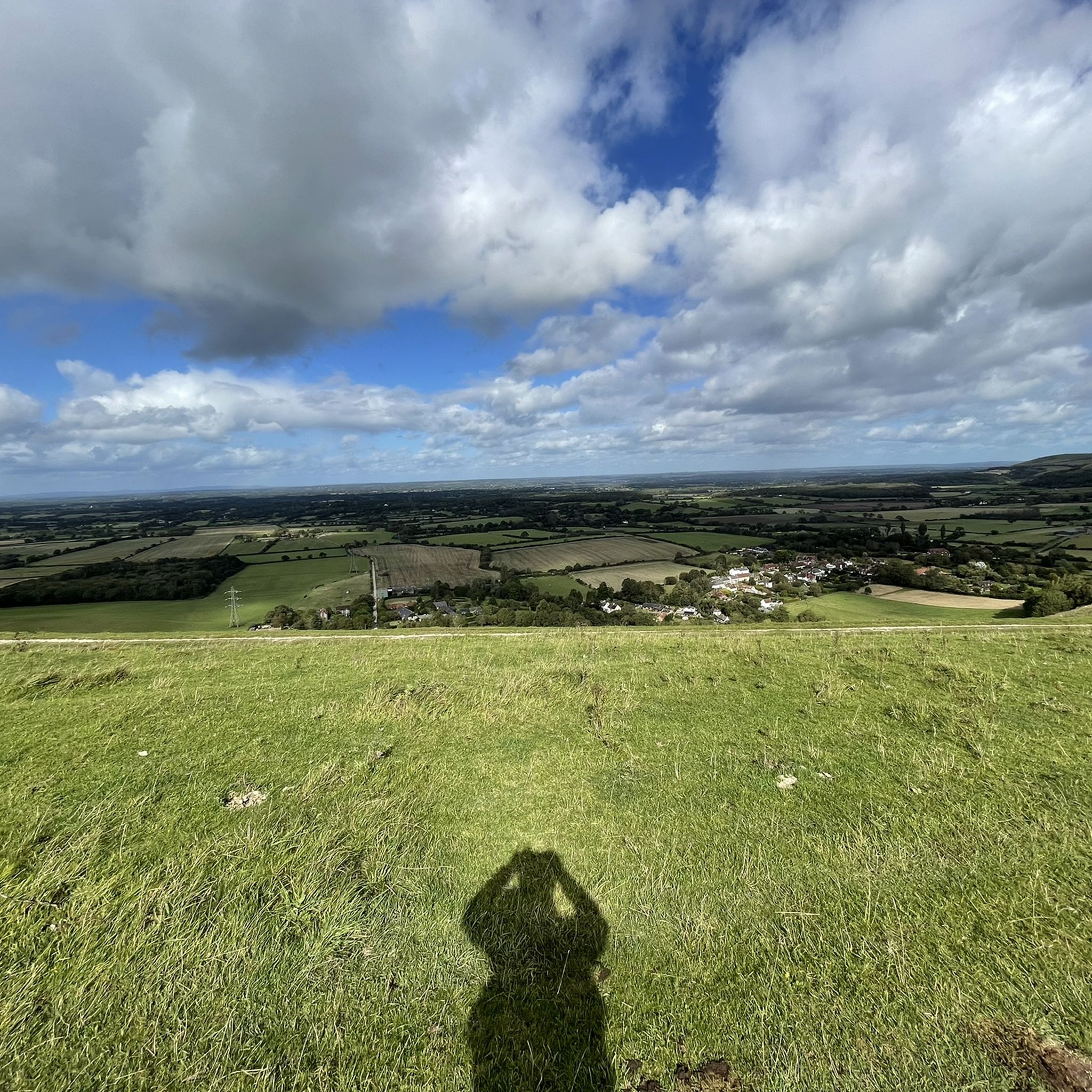
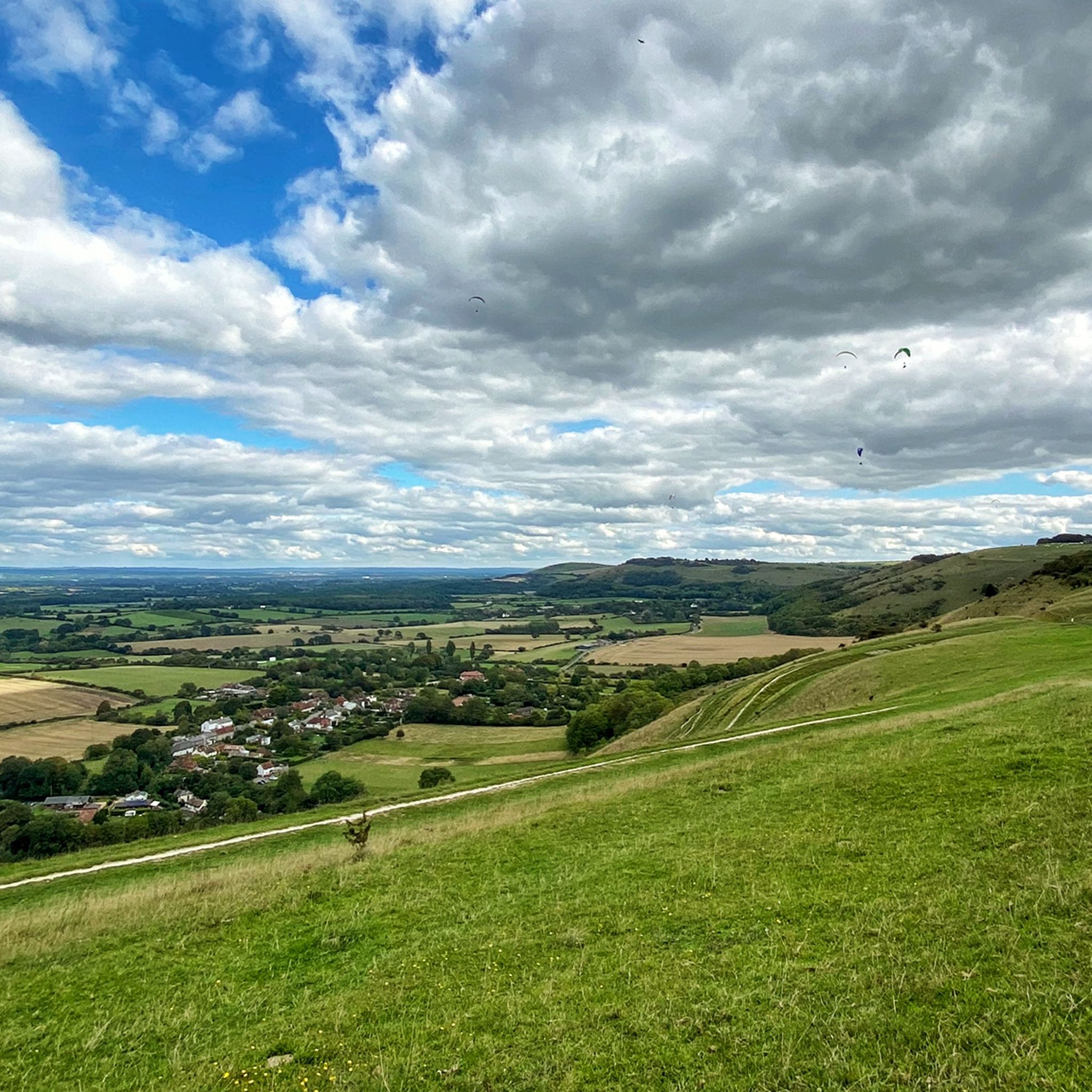
At over 650 feet (200 m), Ditchling Beacon gives you a good climb and a great vantage point to see out over the surrounding countryside. To the north you look back at the lush countryside of the Weald, to the south are views of Brighton, and to the east and west, the rolling undulating views out over the South Downs.
1
1

This is a beautiful spot, there is a trig point that is placed on one of the ramparts of the actual Iron Age hillfort here. It is very popular with walkers, and families. The valley bowl is also particularly beautiful.
1
0

Ice cream van also serving Tea today (Easter Monday). view from the top on a nice clear day
0
0
Cissbury Ring is one of the jewels in the crown of the new South Downs National Park. It's the largest hill fort in Sussex and has a history dating back over 5,000 years. Set high up on a chalk promontory, its ditch and ramparts enclose about sixty-five acres. From the top on a clear day you can see forever, with views across to the chalk cliffs beyond Brighton and as far as the Isle of Wight.
0
0
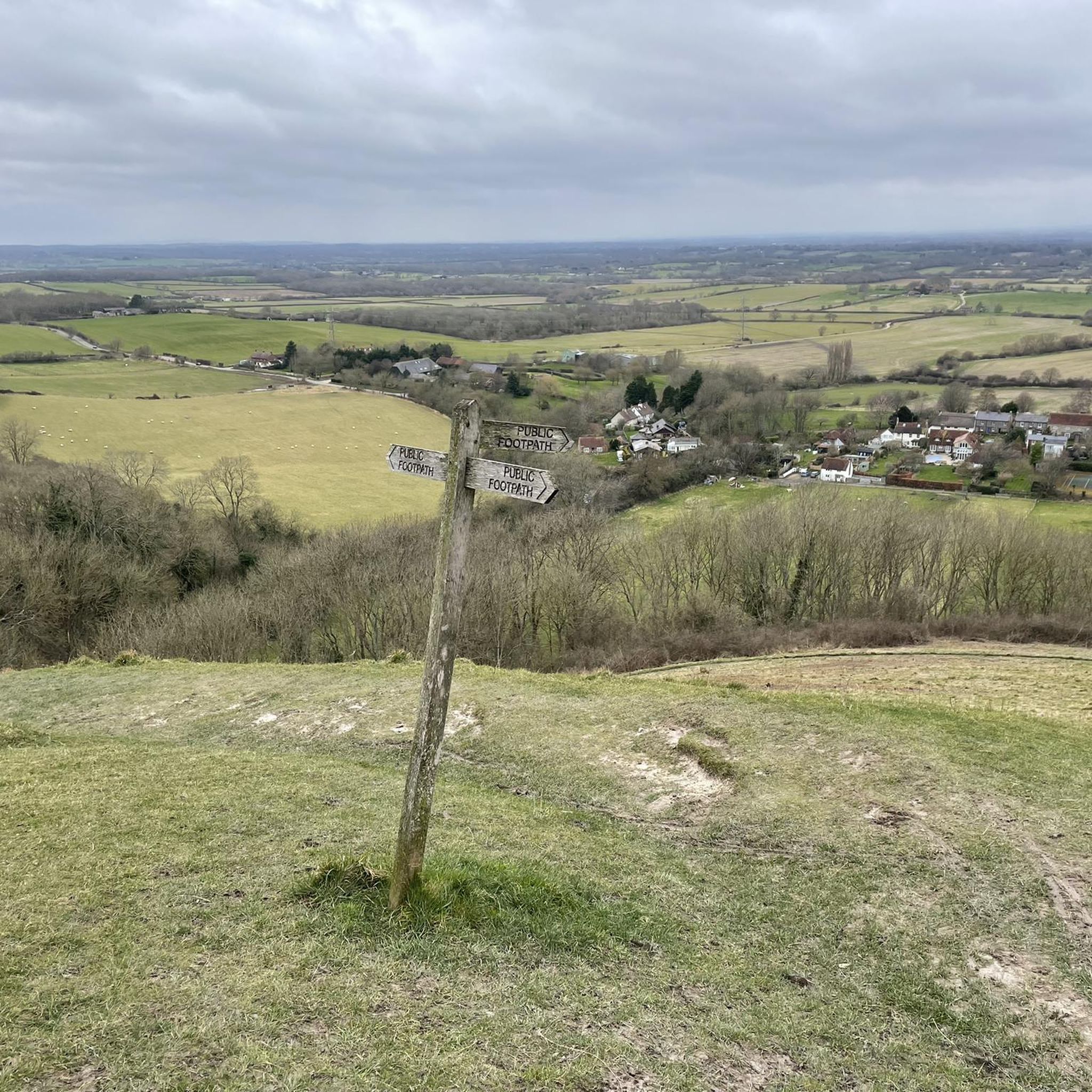
This is a beautiful spot with expansive views out North over the rolling South Downs countryside giving you a lush patchwork of quilted green fields. There is also a sturdy bench to take the weight off your feet and super cool Cissbury Ring just behind you.
1
0

Frequently Asked Questions
What unique geological features can be found among the natural monuments near Fulking?
The area around Fulking is known for its distinctive chalkland geology. A prime example is Devil's Dyke, a magnificent v-shaped chalkland dry valley. This unique formation is home to diverse wildflowers and butterflies, making it a popular spot for nature enthusiasts.
Are there any natural monuments with historical significance near Fulking?
Yes, several natural monuments in the area also hold significant historical value. Ditchling Beacon, for instance, is not only the highest point along the Sussex Downs but also features an Iron Age hillfort. Similarly, Chanctonbury Ring hillfort is a late Bronze or early Iron Age site known for its prominent beech trees and views. Another notable site is Cissbury Ring Hill Fort, the largest hill fort in Sussex, dating back over 5,000 years.
What kind of panoramic views can I expect from the natural monuments around Fulking?
The natural monuments near Fulking offer breathtaking panoramic views. From the summit of Ditchling Beacon, you can see south to the sea, north across the Weald, and east-west across the undulating Downs. Chanctonbury Ring hillfort provides sublime views over the South Downs countryside, while Cissbury Ring Hill Fort offers views extending to Brighton, the chalk cliffs of the coast, and even the Isle of Wight on a clear day.
Are there family-friendly natural monuments or activities near Fulking?
Yes, Devil's Dyke is considered family-friendly, offering a unique landscape for walks and relaxation amidst wildflowers and butterflies. The open spaces and relatively gentle terrain in many parts of the South Downs Way, such as the Fulking Hill Ridge, also provide good opportunities for family outings.
What outdoor activities can I do near these natural monuments?
The area around Fulking is excellent for various outdoor activities. You can find numerous road cycling routes, such as those detailed in the Road Cycling Routes around Fulking guide. For more general cycling, explore options in the Cycling around Fulking guide. There are also many running trails, including challenging routes like the 'Ditchling Beacon Climb' and 'View of the Devil's Dyke' loops, which you can find in the Running Trails around Fulking guide.
Are there specific hiking or running trails that incorporate these natural monuments?
Absolutely. Many trails in the region are designed to showcase these natural monuments. For runners, there's a 'Ditchling Beacon Climb – Ditchling Beacon loop from Fulking' which is a challenging 19.3 km route. The South Downs Way itself offers segments like the Fulking Hill Ridge, providing stunning views and access towards Devil's Dyke. You can find more running options in the Running Trails around Fulking guide.
What is the best time of year to visit the natural monuments around Fulking?
The natural monuments around Fulking are beautiful year-round, but spring and autumn offer particularly pleasant conditions for hiking and enjoying the views. In spring, wildflowers are abundant, especially at Devil's Dyke. During spring and autumn, Cissbury Ring Hill Fort is an excellent spot to observe a wide variety of migratory birds as it's one of the first coastal landing points.
What do visitors enjoy most about the natural monuments in the Fulking area?
Visitors consistently praise the expansive and panoramic views offered from sites like Ditchling Beacon and Cissbury Ring Hill Fort. The unique geological formations, such as the v-shaped dry valley of Devil's Dyke, are also highly appreciated for their natural beauty and opportunities for hiking and relaxation. The historical significance of the hillforts adds another layer of interest for many.
Is there a natural spring in Fulking village?
Yes, within Fulking village itself, there is a natural spring. This spring provides water that filters through the chalk and flint of the Downs. While not a monument in the traditional sense, it's a notable natural feature historically important to the residents and highlights the village's deep connection to its surrounding chalk downland environment.
Are there any long-distance paths that pass through or near the natural monuments?
Yes, the renowned South Downs Way passes through the area, offering stunning views and access to several natural monuments. A segment known as the Fulking Hill Ridge provides a relatively gentle ascent towards Devil's Dyke. Additionally, the Sussex Border Path includes sections near Ditchling Beacon, offering long-distance walking opportunities with sea views.
What is the highest point among the natural monuments near Fulking?
The highest point among the natural monuments near Fulking is Ditchling Beacon. It stands at 814 feet (248 meters) above sea level, offering extensive panoramic views across the South Downs, the Weald, and towards the sea.
Are there any natural monuments that are particularly good for observing wildlife?
Devil's Dyke is an excellent spot for wildlife observation, particularly for butterflies and wildflowers, due to its rich biodiversity. Additionally, Cissbury Ring Hill Fort is known as a prime location for observing migratory birds during spring and autumn.
Most popular attractions around Fulking

Get inspired with the komoot mobile app


Explore more
Extend your search for the best caves by checking out these guides of the top ones around Fulking:
