Top 20 Natural Monuments around Stowey-Sutton
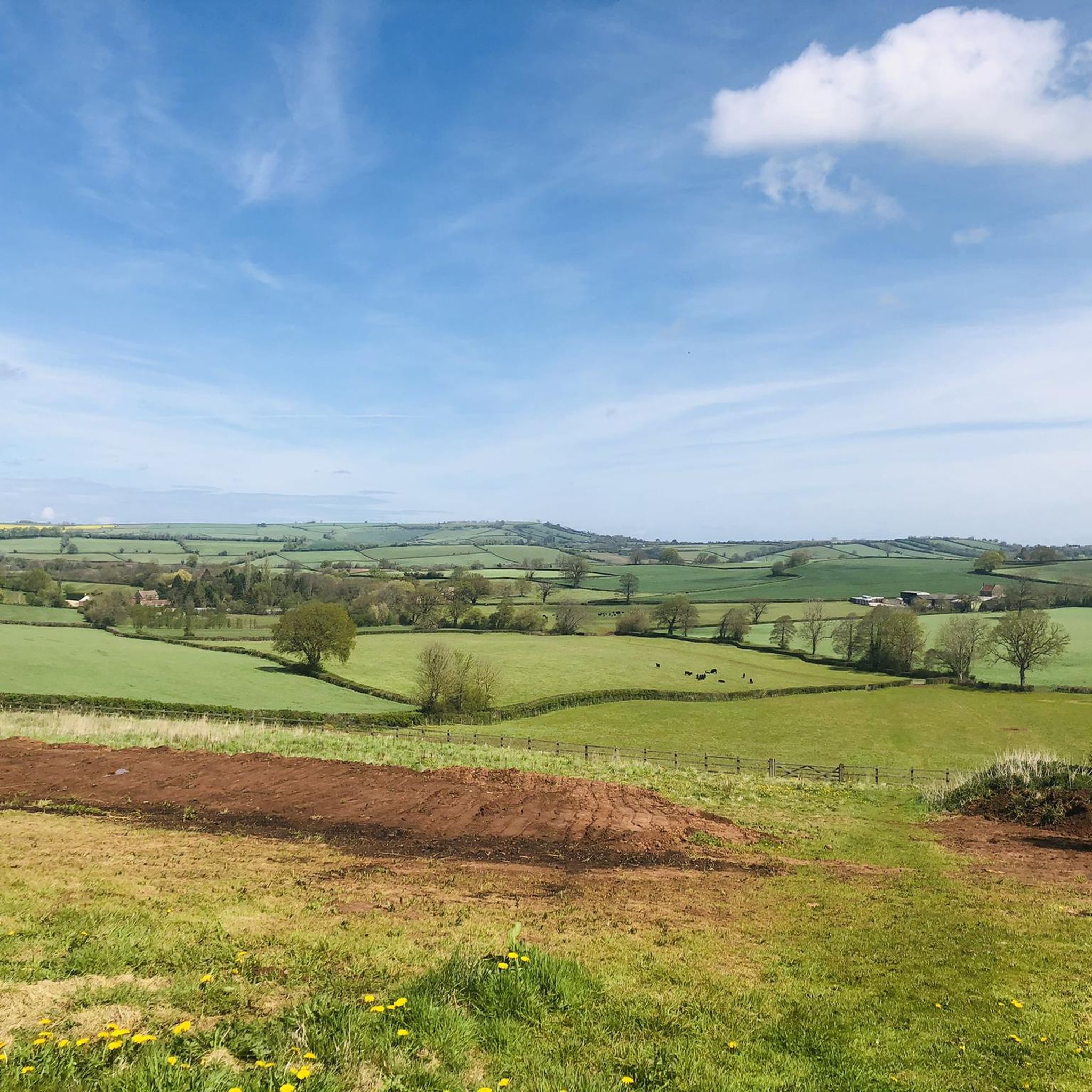
Best natural monuments around Stowey-Sutton are found in a region of Somerset, England, known for its diverse natural beauty and ecological significance. The area features prominent limestone ridges, expansive lakes, and varied nature reserves. These natural features offer a range of habitats, from ancient woodlands to wildflower meadows, supporting significant wildlife. The landscape provides numerous opportunities for outdoor exploration and offers panoramic views across the surrounding countryside.
Best natural monuments around Stowey-Sutton
- The most popular natural monuments is Beacon Batch…
Last updated: June 29, 2026
Beacon Batch summit trig point
Highlight • Viewpoint
Tip by

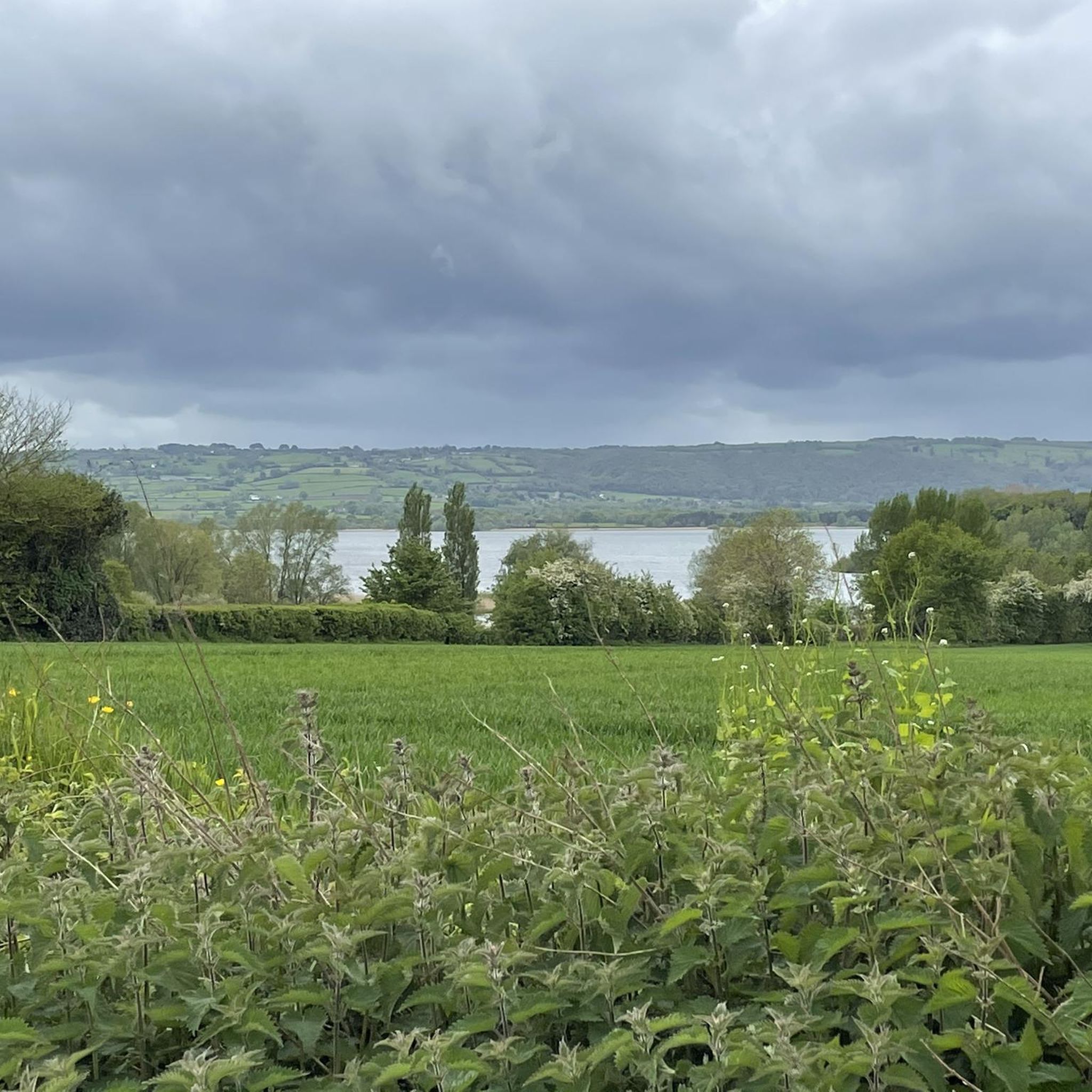
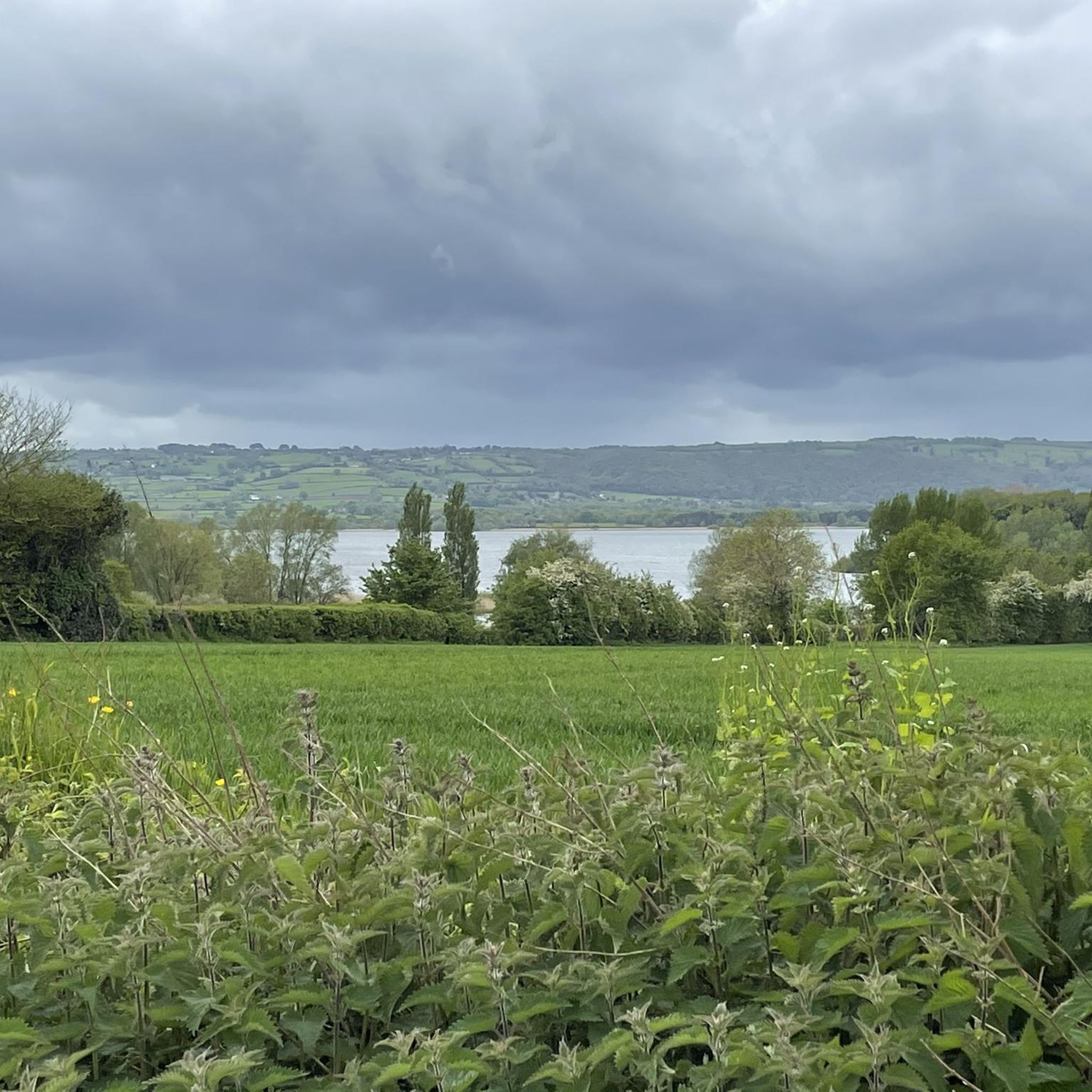
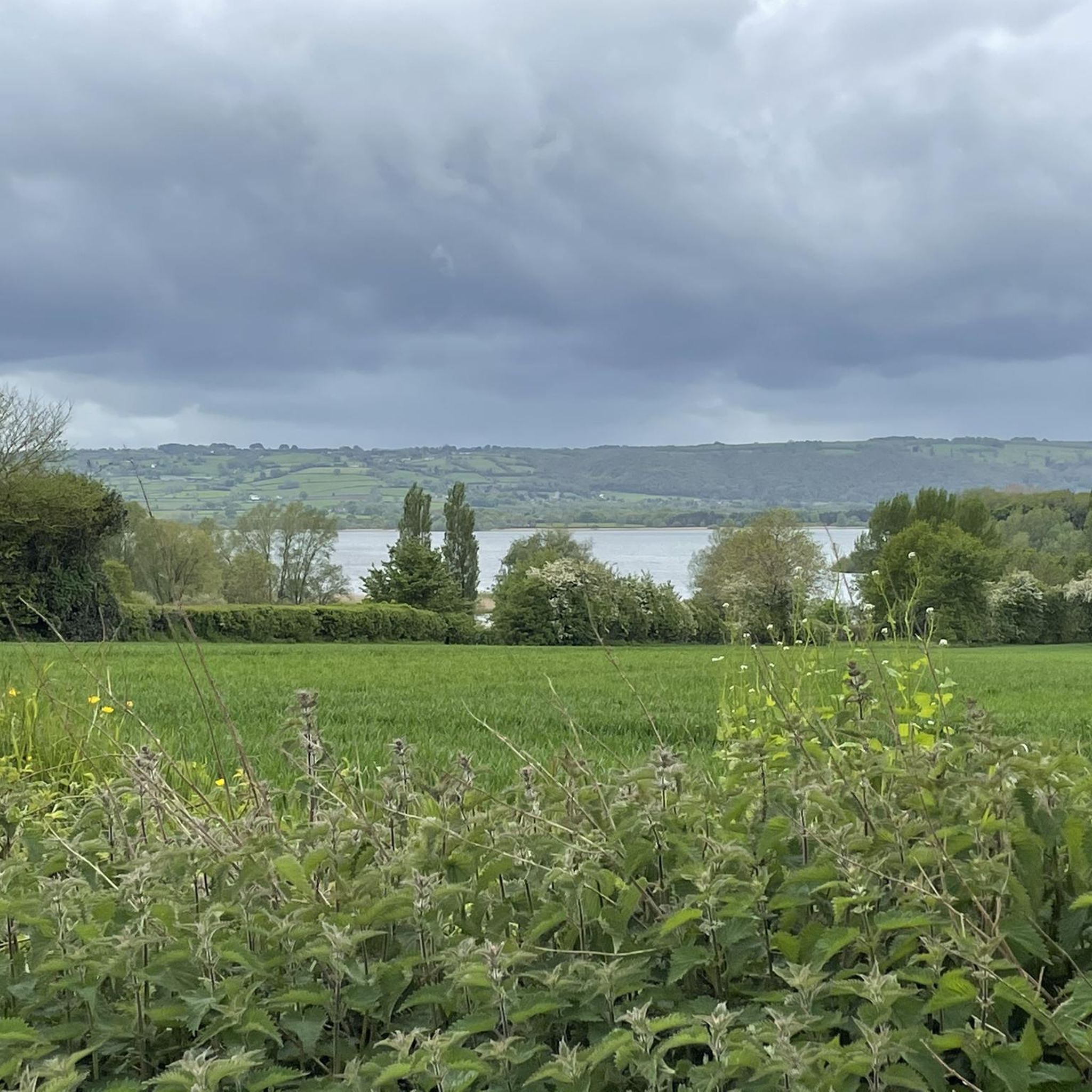
Chew Valley Lake
Highlight • Viewpoint
Tip by

Sign up now to discover places like this
Get recommendations on the best single tracks, peaks, & plenty of other exciting outdoor places.
Sign up for free
Black Down Summit and Wild Ponies
Highlight • Natural
Tip by

Burrington Combe Road Climb
Highlight (Segment) • Climb
Tip by

Stanton Drew Stone Circles and Cove
Highlight • Natural Monument
Tip by
Sign up for free to discover even more natural monuments around Stowey-Sutton.
Sign up for free
Already have an account?
Start today with a free account
Your next adventure awaits.
Login or Signup

Tips from the Community

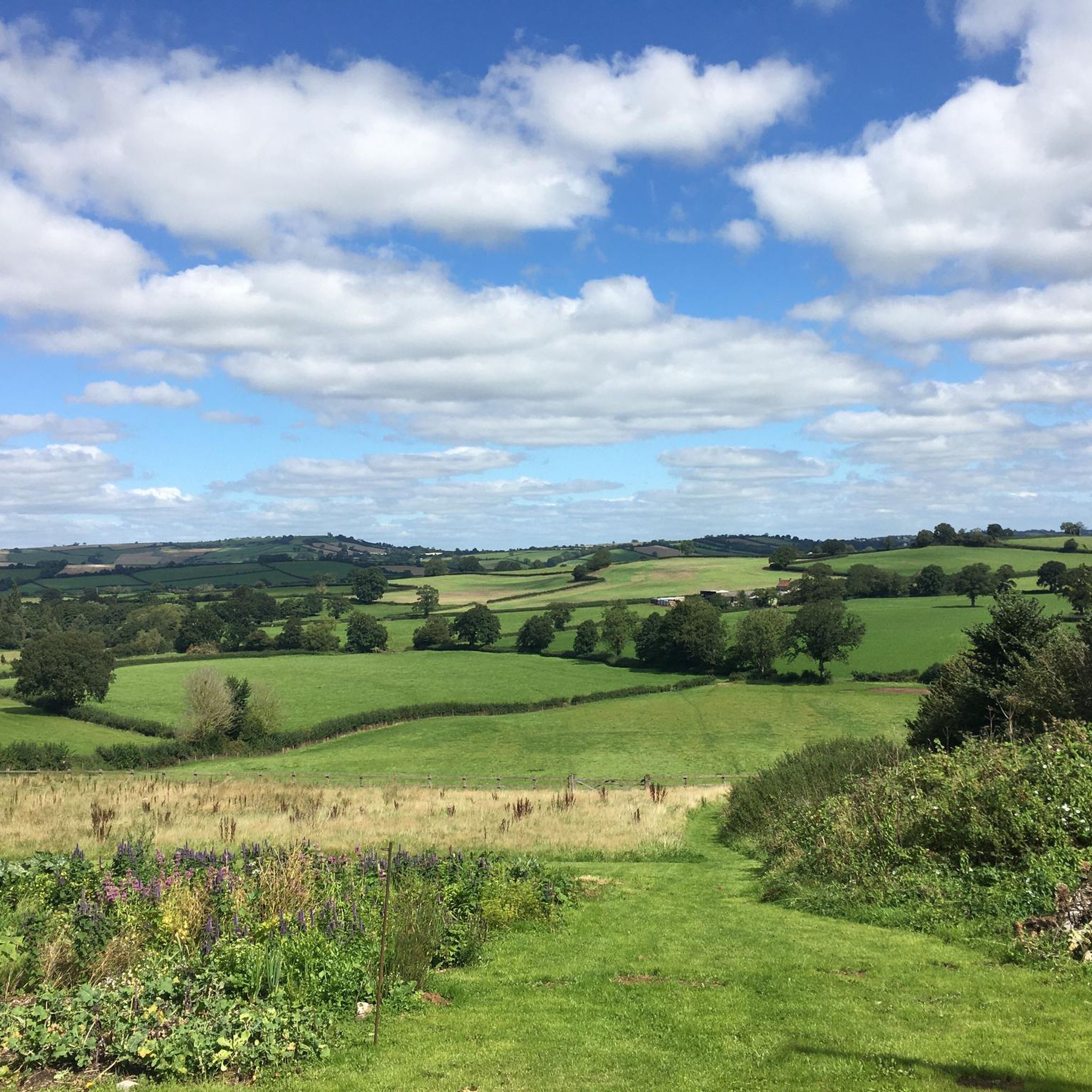
Great stretch of road, I know I am nearly at Bristol, or just getting started. Either way I cannot help but stop and enjoy the view, just stunning.
0
0


The Stanton Drew stone circles are located just outside the village of Stanton Drew in the English county of Somerset. The largest stone circle is the Great Circle, standing in a 113 metres in diameter and is in-fact the second largest stone circle to be discovered in Britain. After Avebury and It’s considered to be one of the largest Neolithic monuments to have ever been built. The date of the construction is not actually accurately known of, but it’s thought to have been built between 3000 and 2000 BCE. These standing stone circles of which have been studied since John Aubrey's visit in 1664. It was only made a scheduled monument of it is today in 1982. Please be aware that an entrance fee is charged by the landowner for any entry in among the grounds of the Stone Circles and any public access is at his discretion only. NO DOGS ALLOWED! As the land is used for agriculture purposes and usually has cattle grazing on the fields where the standing stones are. Please be aware that the English Heritage sites do not permit drone flying from or over sites in our care, by any circumstances except by contractors or partners undertaking flights for a specific purpose, who satisfy stringent CAA criteria, have the correct insurances and permissions, and are operating under controlled conditions only. Just having experienced this ourselves before.
0
0

This is the third-largest complex of pre-historic standing stones in England. The 26 remaining standing stones are all that remains of the probably ceremonial stone circle constructed in the Neolithic period around 2500 BCE. Today the area is looked after by English Heritage and free to enter.
0
0


Impressive 4500 year-old stone circle with some English Heritage info signage at the entrance. Take a minute to touch the stones and imagine the people who put them there. There’s an honesty box at the gate which suggests a £1 donation.
0
0

Black Down Hill or Beacons Batch is the highest hill in the Mendip Hills at 325m, Somerset, in south-western England. Black Down lies just a few miles eastward of the Bristol Channel at Weston-super-Mare, and provides a view over the Chew Valley. It has a trig pointed summit and is a UK designated Marilyn with a prominence of over 150m.
3
1

Stanton Drew stone circle is 100% worth a visit. An ancient, neolithic complex of stone circles. There is so much history in this landscape; the nearby Pensford village was first officially recorded in 1151.
0
1
Frequently Asked Questions
What are some of the most notable natural features to explore around Stowey-Sutton?
The region offers a variety of significant natural features. The Mendip Hills, an Area of Outstanding Natural Beauty, feature dramatic limestone ridges, spectacular dry valleys, and gorges. Chew Valley Lake is a large artificial lake known for birdwatching and scenic trails. Folly Farm is a nature reserve with diverse habitats and rich biodiversity. For panoramic views, visit the Beacon Batch summit trig point, the highest point in the Mendip Hills, offering vistas over the Bristol Channel, Weston-super-Mare, and the Chew Valley. Another notable feature is the Burrington Combe Road Climb, a dramatic gorge popular for cycling.
Are there natural monuments suitable for families with children or those needing accessible paths?
Yes, several natural monuments cater to families and offer accessibility. Folly Farm provides an 'Access for all' trail, suitable for wheelchairs and pushchairs, allowing everyone to enjoy its wildflower meadows and woodlands. The Stanton Drew Stone Circles and Cove is also considered family-friendly, offering an engaging historical and natural experience. Additionally, the Black Down Summit and Wild Ponies area is family-friendly, with opportunities to see wild ponies and enjoy open grasslands.
What kind of wildlife can I expect to see at the natural monuments in Stowey-Sutton?
The natural monuments around Stowey-Sutton are rich in wildlife. Folly Farm's meadows attract a wide array of butterflies like marsh fritillary and marbled white, along with birds such as marsh tit and great spotted woodpecker. Chew Valley Lake is a national center for birdwatching, home to over 260 species, including great crested grebe, shoveler, and occasional ospreys. The Mendip Hills support diverse wildlife, including adders, greater horseshoe bats, dormice, and a variety of butterflies. You might also spot wild ponies grazing on the heathlands of Black Down Summit.
What historical or archaeological significance do these natural monuments hold?
Many natural monuments in the area have deep historical roots. Folly Farm was once a medieval deer park, with remnants of an 18th-century *ferme ornée*. The Stanton Drew Stone Circles and Cove is a site of immense historical importance, featuring one of England's largest complexes of prehistoric standing stones, dating back to the Neolithic period. The Beacon Batch summit trig point and Black Down Summit areas are designated for their valuable archaeology, including Bronze Age burial mounds and evidence from the Stone Age through to the Second World War. The Priddy Nine Barrows are a protected Scheduled Monument, comprising a group of Bronze Age round barrows.
Are there hiking opportunities near the natural monuments?
Yes, the area around Stowey-Sutton offers numerous hiking opportunities. You can find a range of trails, from easy strolls around Chew Valley Lake to more challenging routes within the Mendip Hills. For detailed hiking routes, including options around Chew Valley Lake and into the Mendips, you can explore the Hiking around Stowey-Sutton guide and the Easy hikes around Stowey-Sutton guide.
What is the best time of year to visit the natural monuments in Stowey-Sutton?
The best time to visit depends on your interests. Spring and summer (May to August) are ideal for enjoying the rich biodiversity, with wildflower meadows in bloom at Folly Farm and abundant birdlife at Chew Valley Lake. The warmer months are also excellent for hiking and outdoor activities in the Mendip Hills. Autumn offers beautiful foliage and pleasant temperatures for exploration. While winter can be colder, it provides a different, often quieter, perspective on the landscapes.
Can I find places to eat or stay near these natural monuments?
Yes, the Stowey-Sutton area and its surroundings offer various amenities. While specific cafes or pubs directly adjacent to every natural monument might be limited, you will find options in nearby villages and towns. Bishop Sutton, Chew Magna, and other settlements around Chew Valley Lake and the edge of the Mendip Hills provide choices for cafes, pubs, and accommodation, allowing you to easily access the natural attractions.
What are the geological features of the Mendip Hills?
The Mendip Hills are a distinctive limestone ridge showcasing geology from the Devonian to Jurassic periods. They are characterized by common exposed rock outcrops and unique karst landscapes, which include features like spectacular dry valleys and gorges, such as the famous Cheddar Gorge. This geological composition contributes to the diverse habitats and dramatic topography of the area.
Are there opportunities for cycling near the natural monuments?
Yes, cycling is a popular activity in the region. The Burrington Combe Road Climb is a notable route for road cycling, offering a scenic ascent through a gorge. For those interested in off-road adventures, the wider area around Stowey-Sutton and the Mendip Hills provides gravel biking opportunities. You can find more information on routes in the Gravel biking around Stowey-Sutton guide.
How can I access Chew Valley Lake using public transport?
Public transport options to Chew Valley Lake are available, though they may require some planning. Local bus routes connect surrounding villages and towns to the lake area. It's advisable to check current bus schedules and routes from Stowey-Sutton or nearby larger towns to plan your visit effectively. Parking is also available at various points around the lake for those traveling by car.
What makes the Black Down area, including Beacon Batch, a special natural monument?
The Black Down area, home to the Beacon Batch summit trig point, is the highest part of the Mendip Hills and is designated as a Site of Special Scientific Interest (SSSI). It's nationally important for its valuable heathland habitats, which support unique plant species like heather, bell heather, and bilberry, as well as a wide variety of birds, mammals, reptiles, and invertebrates. The area also boasts significant archaeology, including Bronze Age burial mounds, adding to its natural and historical appeal.
Are dogs allowed on trails around the natural monuments?
Many natural monuments and their surrounding trails in the Stowey-Sutton area are dog-friendly, especially those in open access areas like the Mendip Hills and around Chew Valley Lake. However, it's always recommended to keep dogs under control, especially near livestock or sensitive wildlife habitats. Specific reserves like Folly Farm may have designated routes or require dogs to be on leads to protect wildlife. Always check local signage for specific rules.
Most popular routes around Stowey-Sutton
Most popular attractions around Stowey-Sutton

Get inspired with the komoot mobile app


Explore more
Extend your search for the best caves by checking out these guides of the top ones around Stowey-Sutton:
