Top 12 Natural Monuments around Walberton
Best natural monuments around Walberton include diverse landscapes such as ancient woodlands, rolling downland, and elevated viewpoints within the South Downs National Park. The area features a mix of natural reserves and historical sites integrated into the natural environment. These locations offer varied terrain for exploration, from forested paths to open chalk hills. The region provides opportunities to observe natural habitats and significant geological formations.
Best natural monuments around Walberton
- The most popular natural monument is Graffham Down Nature Reserve…
Last updated: October 2, 2026
Graffham Down Nature Reserve
Highlight • Viewpoint
The …
Tip by

Levin Down
Highlight • Viewpoint
Tip by

Sign up now to discover places like this
Get recommendations on the best single tracks, peaks, & plenty of other exciting outdoor places.
Nore Woods Bluebell Wood
Highlight (Segment) • Natural Monument
You'll be meandering …
Tip by

Douglas C-47 Dakota Crash Site Memorial
Highlight • Historical Site
Tip by

View Across the South Downs
Highlight • Viewpoint
Tip by
Sign up for free to discover even more natural monuments around Walberton.
Already have an account?
Start today with a free account
Your next adventure awaits.

Other adventures around Walberton

Tips from the Community

Great walk but incredibly muddy and wet in the winter so make sure you're prepared for that or wait till the summer!
0
0

The views when you climb the Downs are spectacular, you can see out to sea with the power windmills in the distance and the flood plains around Amberley. We loved every minute of it, please see it for yourselves, making sure it is a clear sunny day.
0
0

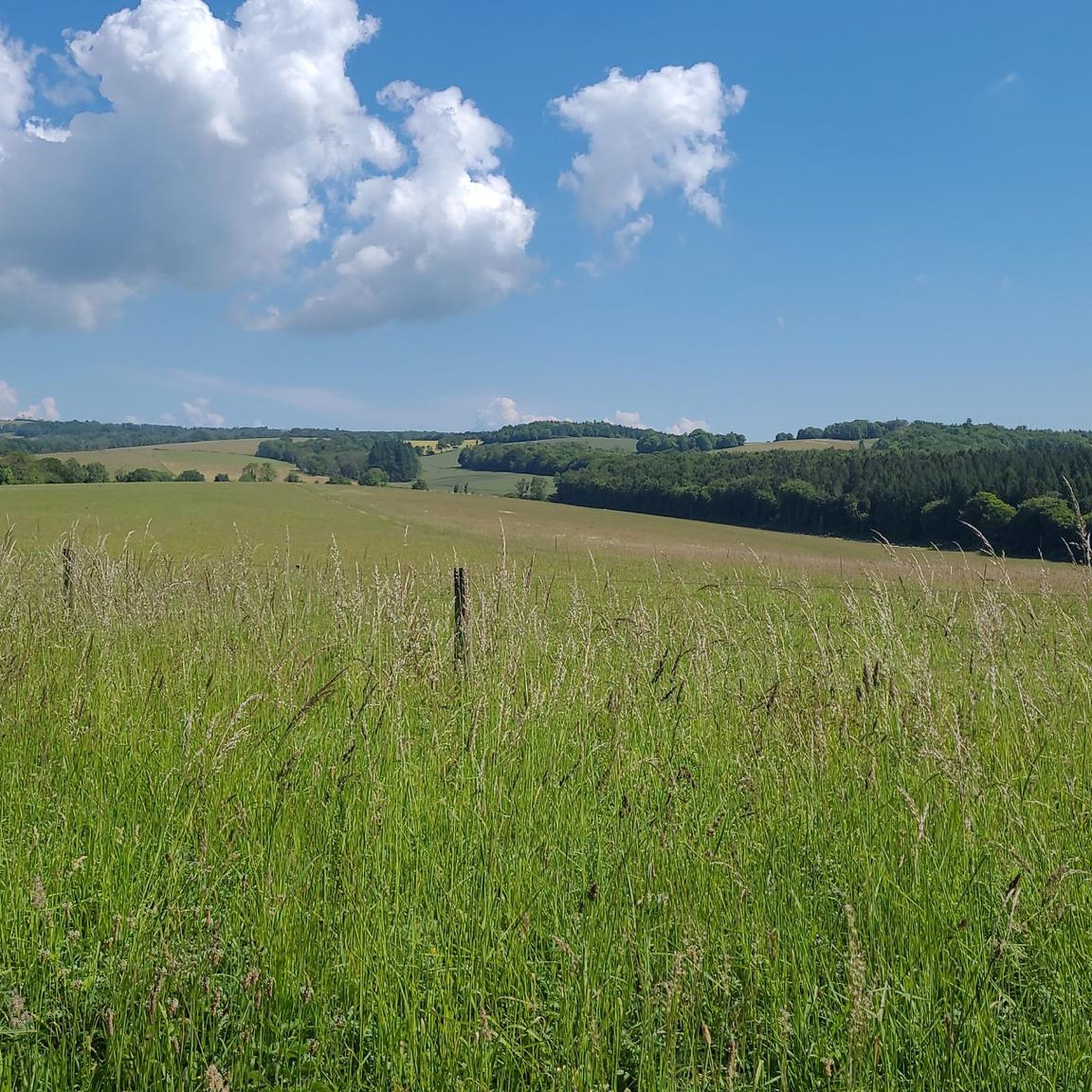
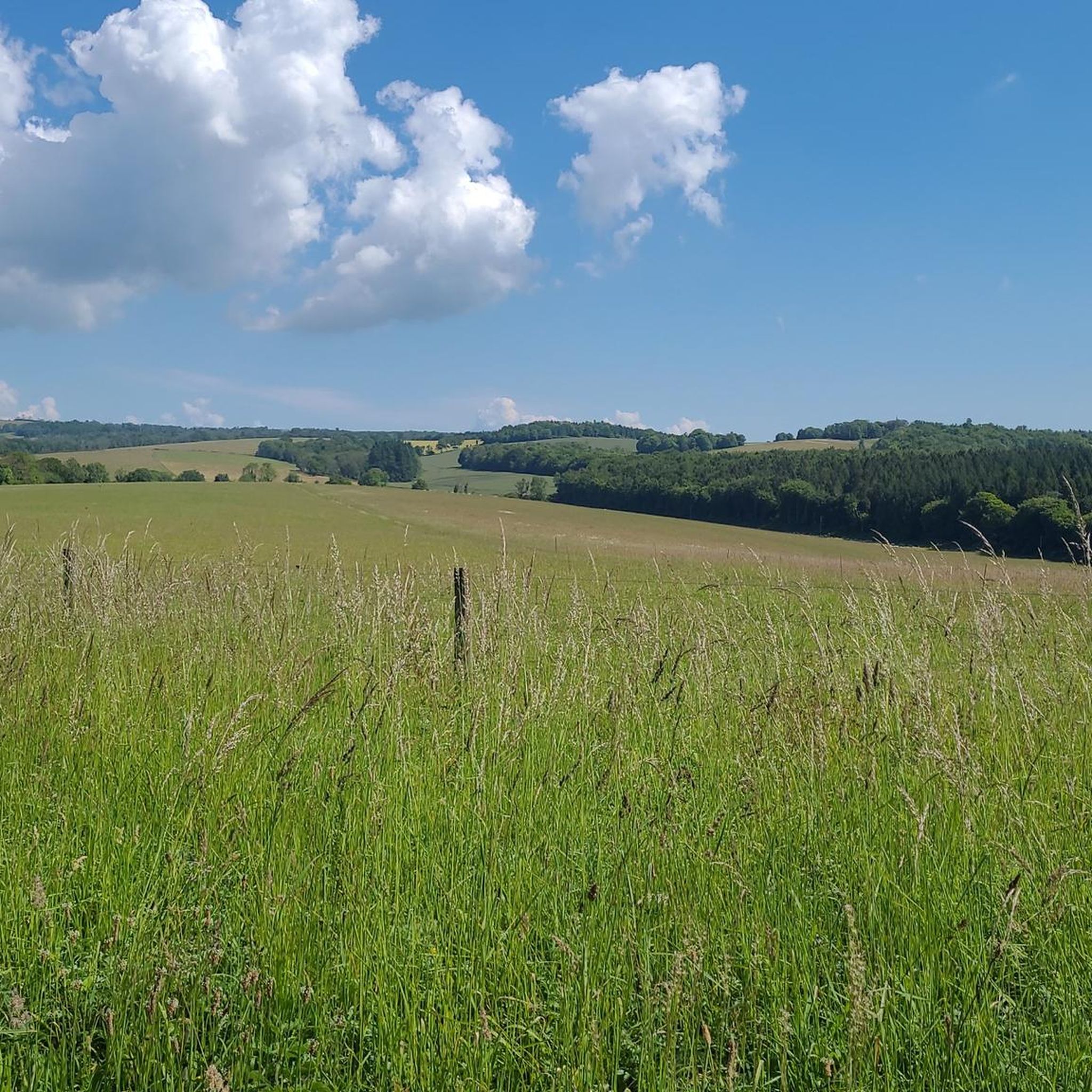
Levin Down is easy to see. As you come over the ridge at Goodwood racecourse it stands alone – a hill covered in natural scrubby grassland; the olive green hues are so different from the synthetic emerald of the agricultural fields and viridian forestry plantations that form the surrounding landscape. It is a Site of Special Scientific Interest; indeed the reason that Levin has so much of its wildlife value still intact is hinted at in the name, which is derived from ‘Leave-Alone Hill’, meaning that the land was too steep for the plough or other intensive agriculture.
0
0

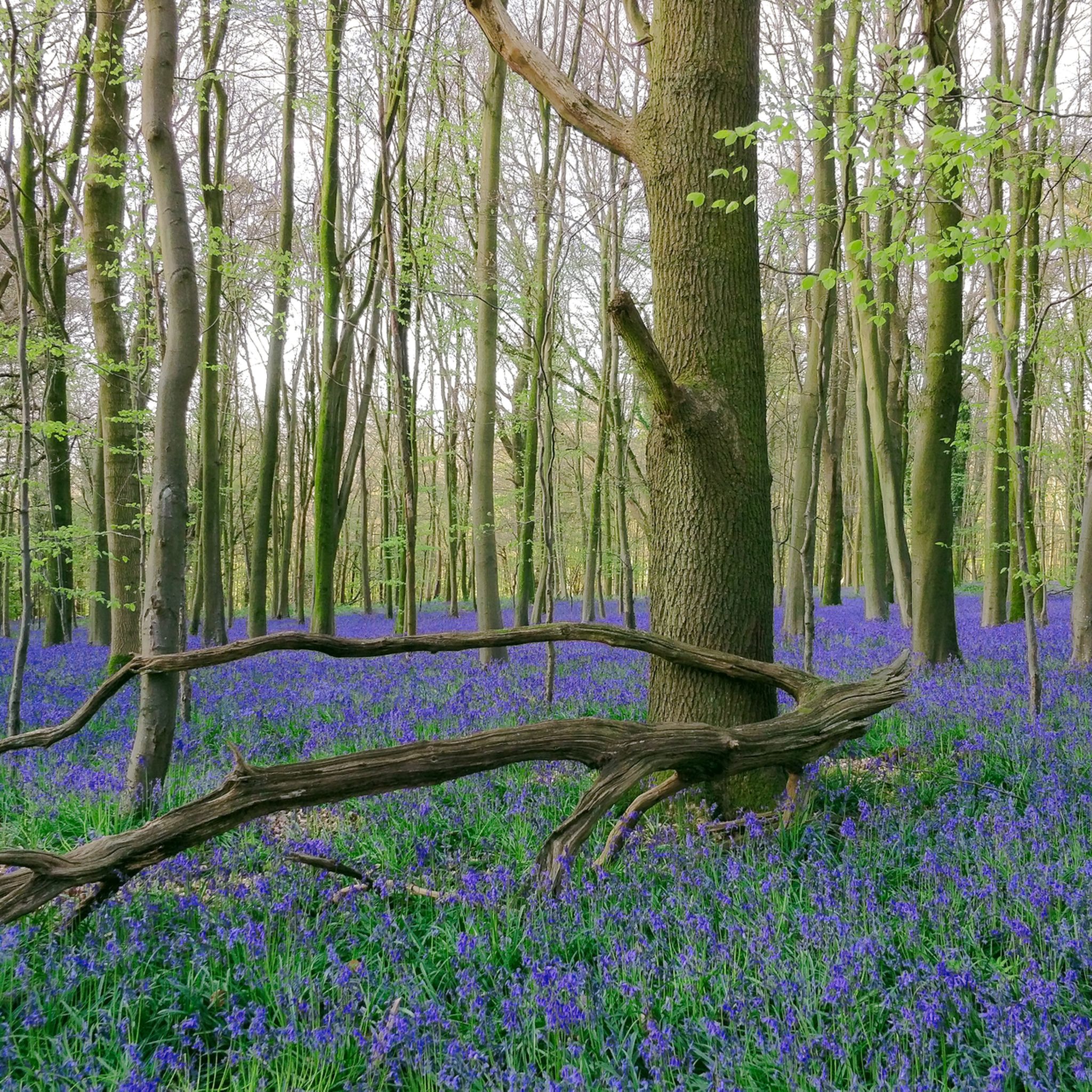
Take a stroll around the idyllic and ancient woodland of Nore Woods. The woods are situated in the South Downs National Park, somewhere between Chichester & Arundel. You'll be meandering through a stunning display of mixed broadleaf trees, including oak, beech, and ash, with the most notable feature being the incredible display of bluebells that carpet the forest floor during the spring months.
1
0
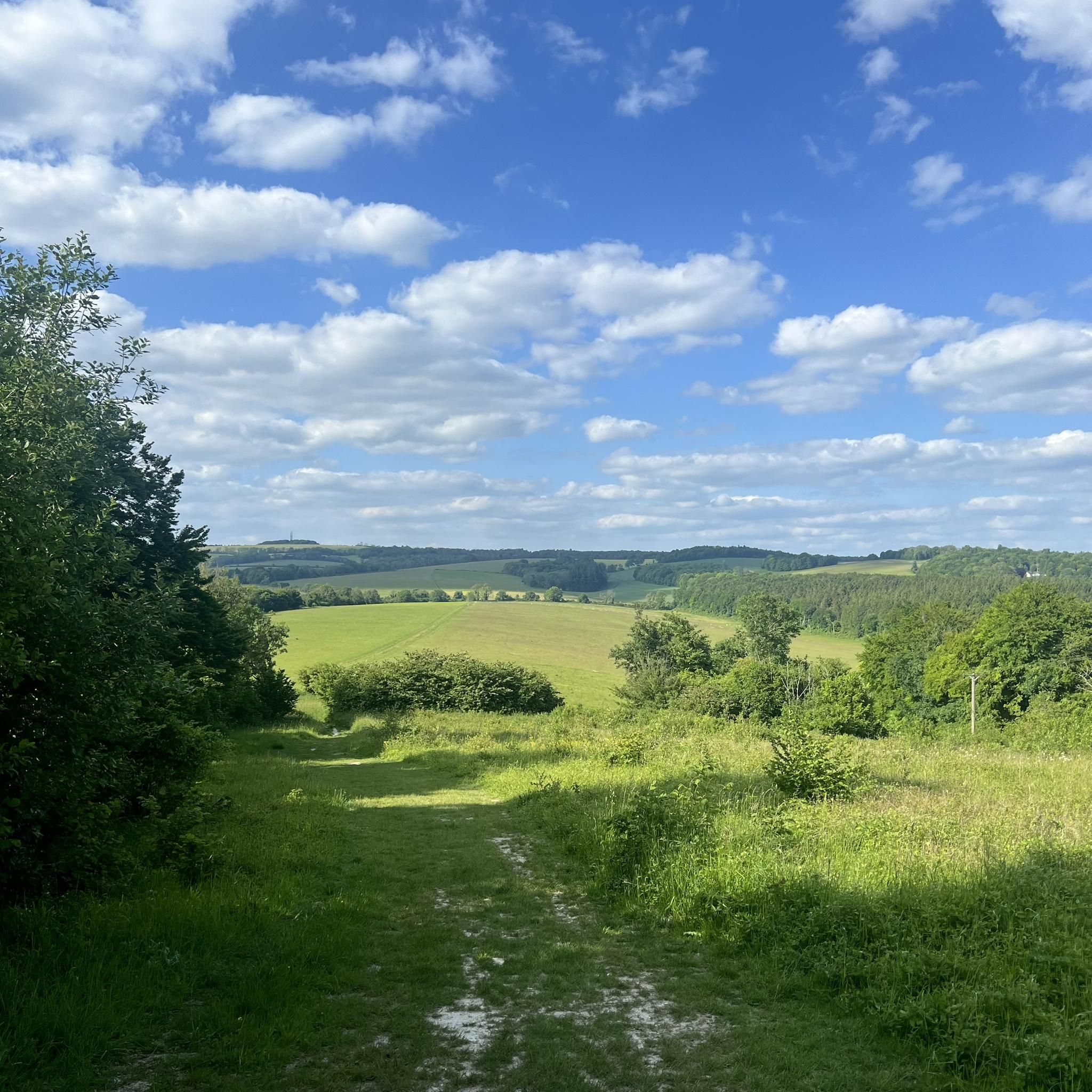
A heart-pounding climb will bring you to a glorious ridgetop where you will be afforded some magnificent views across the rolling hills and lush green landscapes that make up the South Downs National Park. To the west is Rackham Hill, and to the east, Kithurst, Chantry, and Sullington Hill.
1
0


Really lovely circuit with a great variety of terrain and landscapes, did it January on gravel bikes and the trail was proper muddy in places, also leafy, gravelly, you name it. Added a diversion to the RAF memorial to the site of a crashed Dambusters Lancaster from where there are lovely views south to the coast and the IoW. Recommended.
1
0
Frequently Asked Questions
What are some of the most scenic natural monuments to visit near Walberton?
For breathtaking views, consider visiting Graffham Down Nature Reserve, which offers expansive vistas over the agricultural countryside from the South Downs Way. Another excellent viewpoint is Levin Down, known for its unique scrubby grassland and designation as a Site of Special Scientific Interest.
Are there any natural monuments with historical significance in the Walberton area?
Yes, Harrow Hill is a significant natural monument with a rich history. It's an archaeological site featuring Neolithic flint mines and a Bronze Age settlement, offering panoramic views from its 168m summit. You can also visit the Douglas C-47 Dakota Crash Site Memorial, which commemorates a historical event from 1945 within a natural setting.
Where can I see bluebells in bloom near Walberton?
For a stunning display of bluebells, head to Nore Woods Bluebell Wood. This ancient woodland is renowned for the carpet of bluebells that covers its forest floor during the spring months. The nearby Slindon Estate, managed by the National Trust, is also famous for its spectacular bluebell displays in spring.
What outdoor activities can I do near these natural monuments?
The Walberton area offers diverse outdoor activities. You can explore numerous trails for jogging, with options like the 'Walberton Pond loop' or 'Rewell Wood – Binstead Woods loop'. For cycling enthusiasts, there are many road cycling routes, such as the 'River Arun Pedestrian Bridge – Arundel Town Centre loop'. Gravel biking is also popular, with challenging routes like 'View from Bignor Hill – Graffham Down Nature Reserve loop'. You can find more details on these activities in the Running Trails around Walberton, Road Cycling Routes around Walberton, and Gravel biking around Walberton guides.
Are there family-friendly natural monuments or walks in the area?
Yes, Nore Woods Bluebell Wood is considered family-friendly, offering an idyllic stroll through ancient woodland. The Slindon Estate also provides over 40 kilometers of paths suitable for various fitness levels, making it a great option for families to explore its diverse landscapes.
What is the best time of year to visit the natural monuments around Walberton?
The spring months are particularly rewarding, especially for experiencing the vibrant bluebell displays at places like Nore Woods Bluebell Wood and the Slindon Estate. Autumn also offers beautiful colors in the woodlands. The varied scenery and well-maintained paths make the area a year-round destination for nature lovers, with different seasonal highlights.
What kind of terrain can I expect on trails near Walberton's natural monuments?
The terrain around Walberton is quite varied. You can expect a mix of ancient woodlands, rolling downland, and open chalk hills, particularly within the South Downs National Park. Trails range from peaceful, shaded woodland paths to more expansive routes offering elevated views. Some areas, like Graffham Down, feature relatively smooth gravel, while others might require a mountain bike or mudguards in wet conditions.
Are there any specific landmarks or viewpoints along the South Downs Way near Walberton?
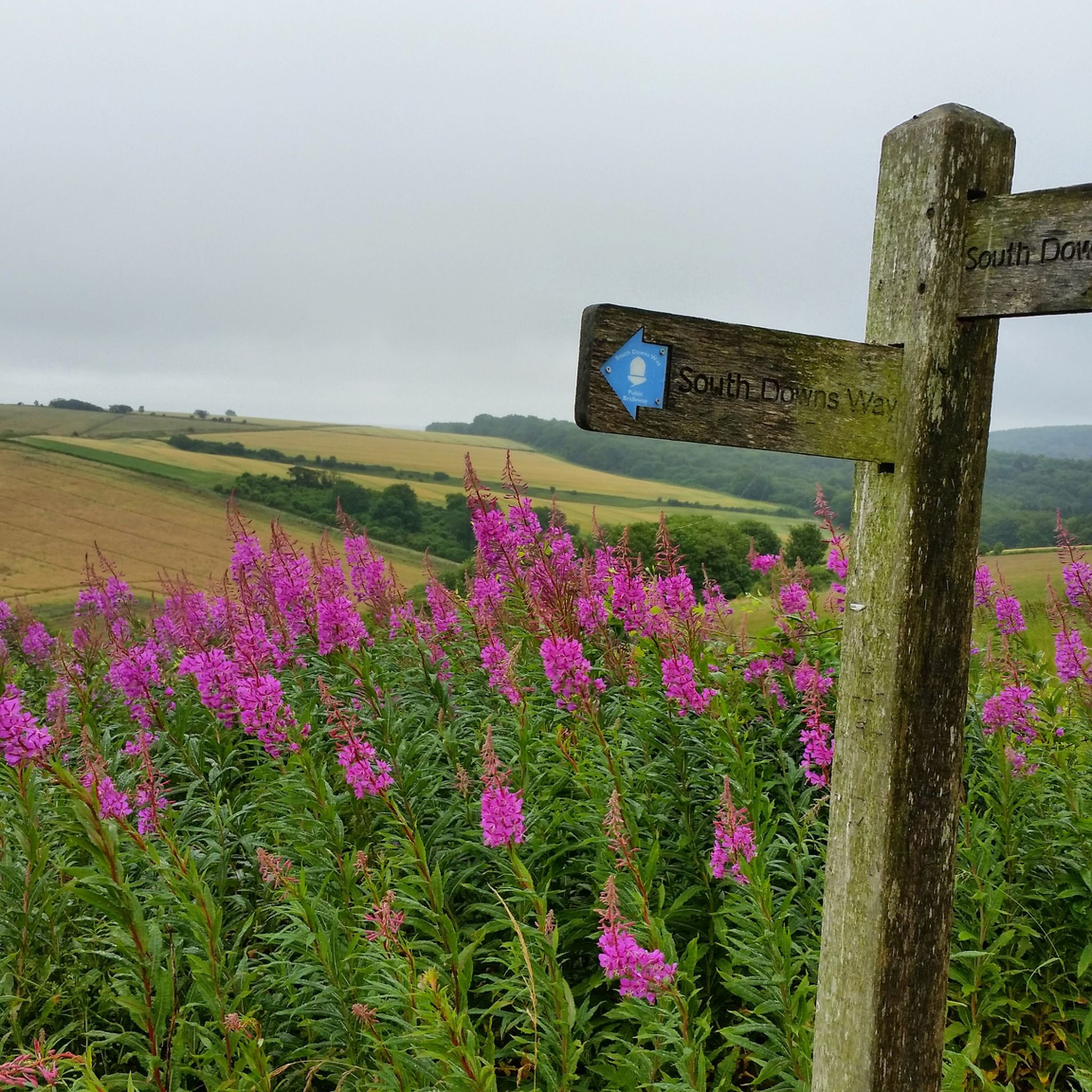
Yes, the South Downs Way passes over Graffham Down Nature Reserve, providing excellent views to the north over agricultural countryside. Another recognized landmark for hikers on the South Downs Way is Glatting Beacon, which offers an opportunity to experience the elevated landscape of the South Downs.
What makes the Slindon Estate a significant natural area near Walberton?
The Slindon Estate, managed by the National Trust, is a significant natural area due to its diverse landscapes, including ancient woodlands, rolling downland, and working farmland. It's particularly famous for its spectacular bluebell displays in spring and offers over 40 kilometers of paths, including ancient Roman roads, making it ideal for varied walking experiences.
What do visitors enjoy most about the natural monuments around Walberton?
Visitors frequently praise the varied scenery and well-maintained paths suitable for a range of fitness levels. The stunning bluebell displays in spring, the peaceful woodland walks, and the expansive views from the chalk hills are often highlighted. The area is also appreciated for its mix of easy and challenging routes, providing something for every nature enthusiast.
Can I find circular walks around the natural monuments near Walberton?
Yes, the area around Walberton offers many opportunities for circular walks. The Slindon Estate, for instance, has an extensive network of paths that can be combined into various circular routes. Many local public footpaths across farmland and quiet country lanes also allow for scenic circular walks, including routes that can take you towards Arundel.
Most popular routes around Walberton
Most popular attractions around Walberton

Get inspired with the komoot mobile app


Explore more
Extend your search for the best caves by checking out these guides of the top ones around Walberton:
