Top 4 Natural Monuments around Aston Cantlow CP
Best natural monuments around Aston Cantlow CP include diverse natural habitats and waterways. The area's landscape is characterized by countryside, including fields, hedgerows, and woodlands. It offers opportunities for nature enthusiasts to explore its scenic beauty and ecological importance. The region provides a network of local walks and trails for experiencing the tranquility of the Warwickshire countryside.
Best natural monuments around Aston Cantlow CP
- The most popular natural monument is Bannam's Wood, a forest that is a small remnant…
Last updated: July 13, 2026
Welcombe Hills & Clopton Park
Highlight • Natural Monument
Tip by

Northern Entrance to Shrewley Tunnel
Highlight • Structure
Tip by
Sign up now to discover places like this
Get recommendations on the best single tracks, peaks, & plenty of other exciting outdoor places.
Sign up for free
Bannam's Wood
Highlight • Natural Monument
Tip by
Ancient Tree on The Monarch's Way
Highlight • Natural Monument
Tip by

Snitterfield Bushes Nature Reserve
Highlight • Natural
Tip by

Start today with a free account
Your next adventure awaits.
Login or Signup

Tips from the Community

Average Walking Boots Trainers
0
0

The Welcombe Hills and Clopton Park offer delightful walks through grassland and woodland. Woolly thistle, quaking-grass and the diminutive adder’s-tongue grow in the grasslands where ant hills created by yellow meadow ants are a distinctive feature. The woodland contains oak, horse-chestnut and beech with English elm. Birds are plentiful, with great spotted woodpecker, sparrowhawk, little owl, treecreeper and finches enjoying the woodland where ravens breed in spring. Brimstone butterflies are numerous in the spring sunshine. History of the Welcombe Hills: a Shakespearean tale The reserve may have got its name from a historic well found here with its inscription 'SJC 1686'. Margaret, daughter of William Clopton who died in 1592 supposedly drowned here. It was around this time that Shakespeare was writing his famous play, Hamlet, and its believed that this tragic event provided the inspiration for his 'Ophelia' and her lonely death.
0
0

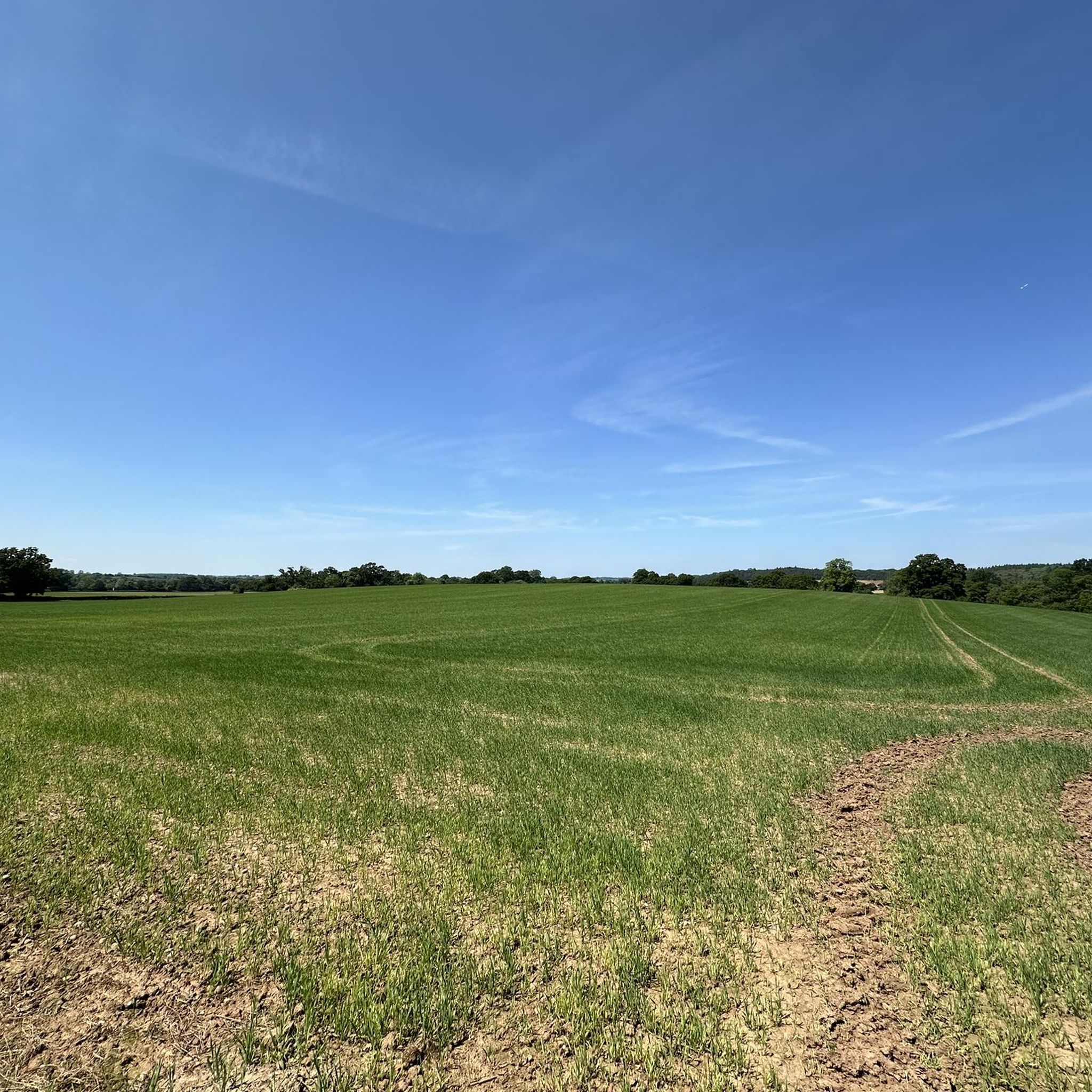
Section of the epic long distance footpath. This tree is maybe old enough to have been here in Cromwell's time? Along this section, the path is paved, with cattlegrids and some gates.
1
0

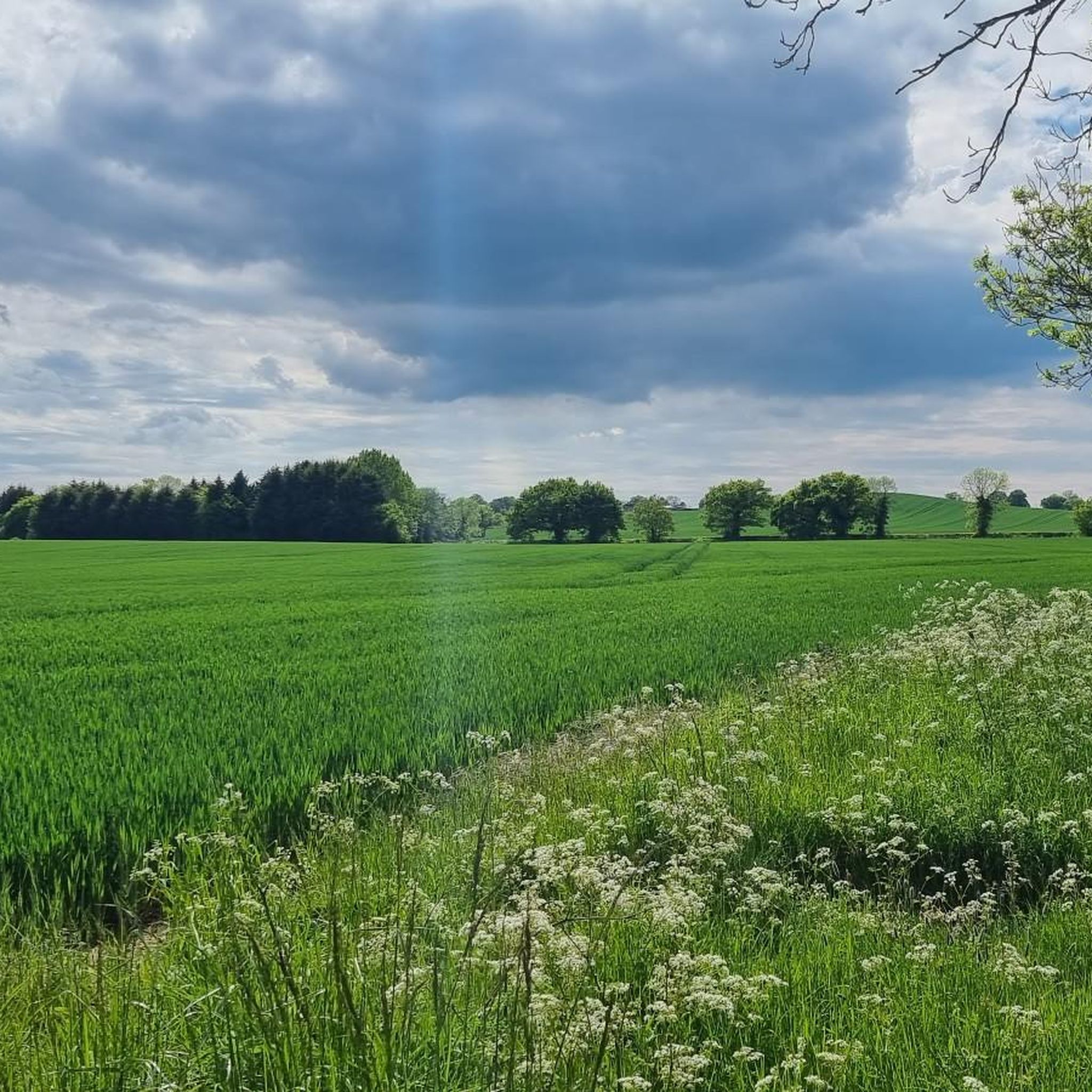
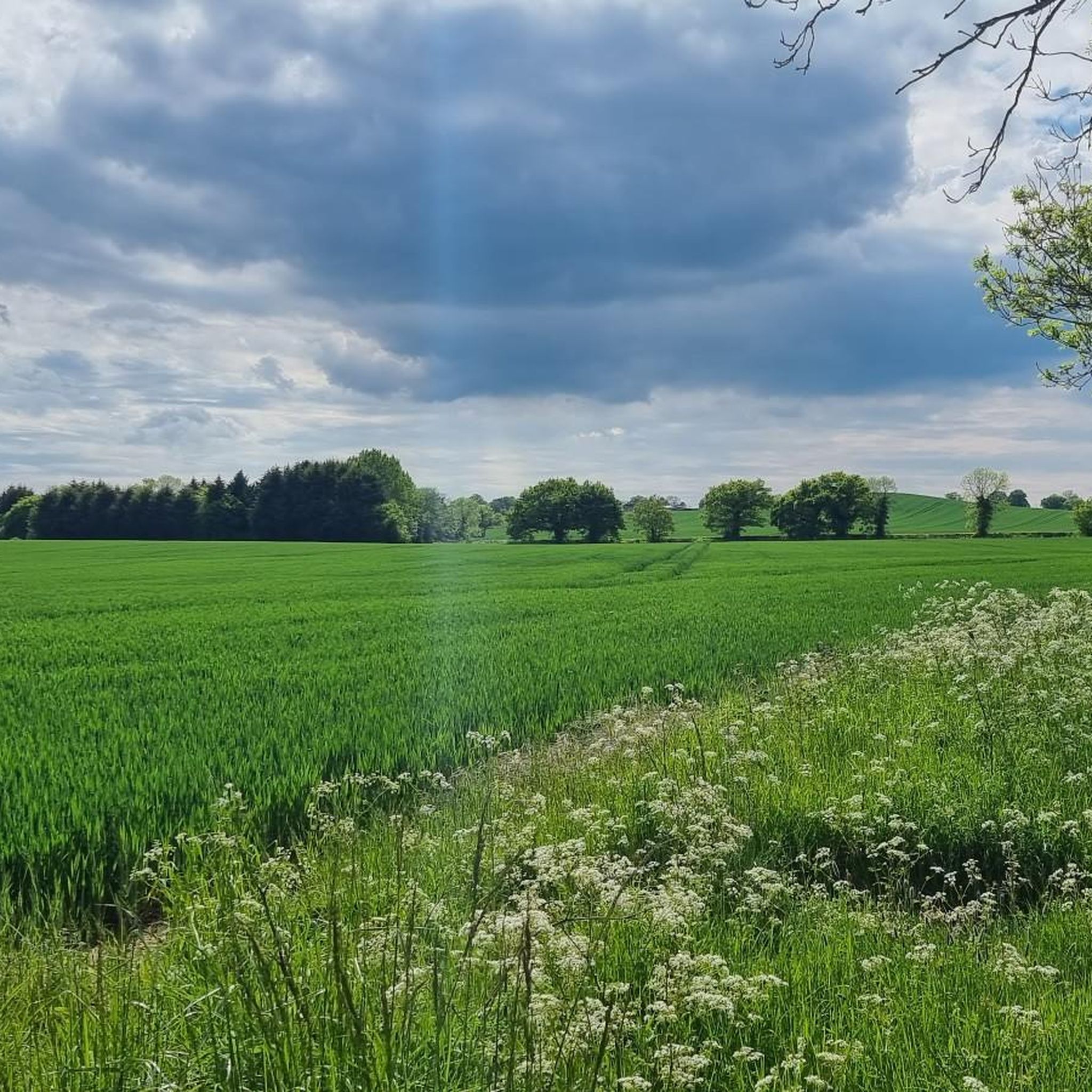
Beautiful quiet wood. Full of spring flowers. Good route round. No dogs or cycles permitted.
0
0
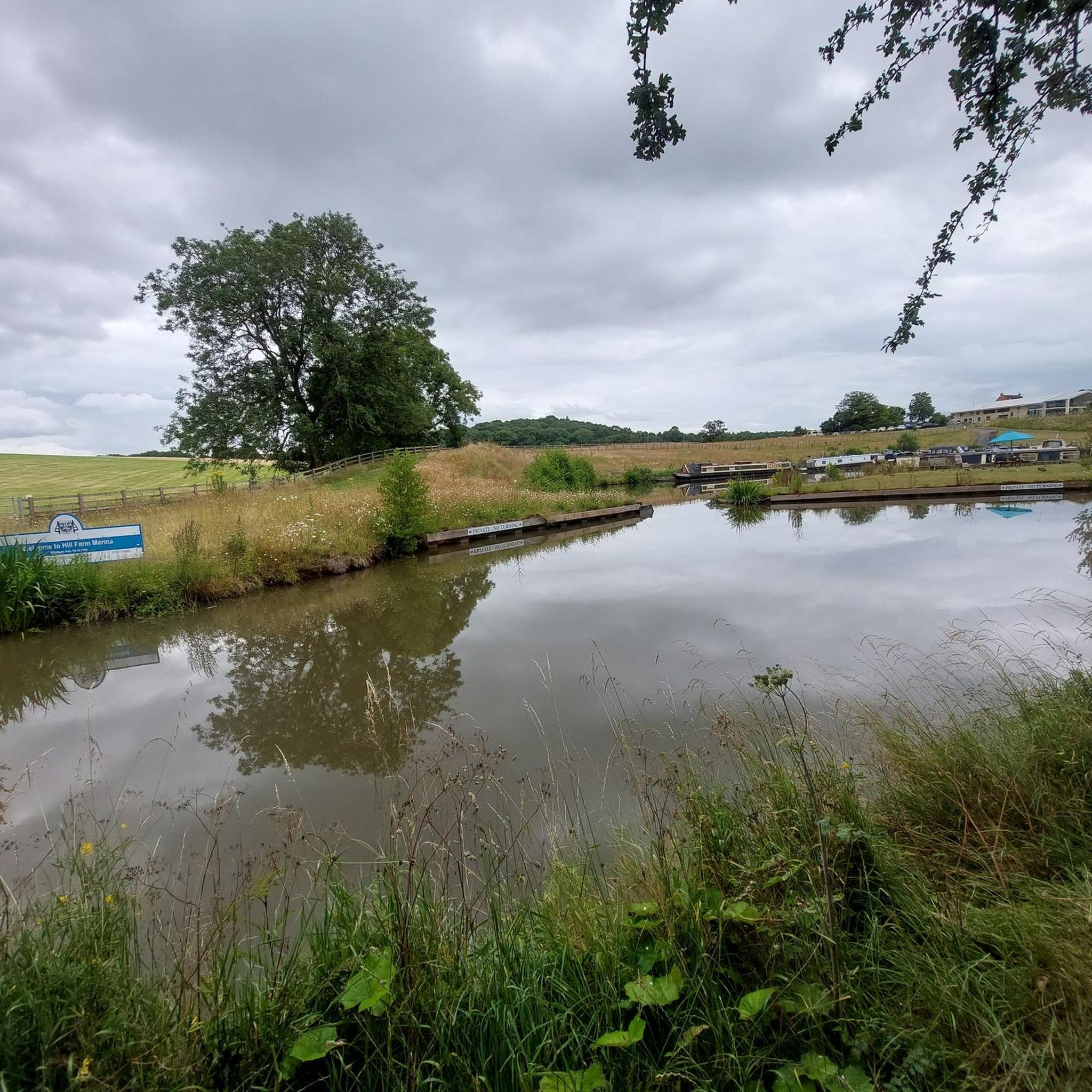
The cutting on the approach to the tunnel on the north side is a designated site of special scientific interest. Sites of special scientific interest (SSSIs) are protected by law to conserve their wildlife or geology. The cutting exposes a sequence in Arden sandstone of the late Triassic period in which grey-green shales and siltstones with wavy and lenticular bedding pass into white fine-grained well sorted dolomitic sandstones. The facies (character of a rock expressed by its formation, composition, and fossil content), thus indicates marine (intertidal) deposition conditions.
0
0
Bannam's Wood is a small remnant of the ancient wildwood that was once widespread across the Midlands, but which is now very rare in Warwickshire. The woodland is a Site of Special Scientific Interest.
5
0
A section of the long distance path, based on the King's flight during the English Civil War.
2
0
Frequently Asked Questions
What kind of natural features can I expect to see around Aston Cantlow CP?
Aston Cantlow CP is characterized by its diverse countryside, including fields, hedgerows, and woodlands. You'll find significant natural monuments like Bannam's Wood, an ancient wildwood, and the ecologically important Welcombe Hills & Clopton Park with its grasslands and woodlands. The area is also shaped by the River Alne and the Stratford-upon-Avon Canal, offering pleasant riverside and towpath scenery.
Are there good walking trails to explore the natural monuments?
Yes, Aston Cantlow CP offers a network of local walks and trails. You can enjoy delightful walks through the grasslands and woodlands of Welcombe Hills & Clopton Park, or explore the paths within Bannam's Wood. The River Alne banks and the Stratford-upon-Avon Canal towpaths also provide excellent routes for enjoying the natural environment. For more structured routes, you can find various hiking options in the area, such as the 'Wootton Wawen Aqueduct – Edstone Aqueduct loop' or the 'Aston Cantlow – Wootton Wawen Aqueduct loop'.
What is the best time of year to visit the natural monuments in Aston Cantlow CP?
Spring is particularly beautiful, especially for seeing wildflowers like bluebells in woodlands such as Bannam's Wood and Snitterfield Bushes Nature Reserve. Summer offers lush greenery and opportunities to spot butterflies in areas like Welcombe Hills & Clopton Park. The changing colors of autumn also make for scenic walks. Generally, the area is enjoyable year-round for its tranquility and natural beauty.
Are the natural monuments in Aston Cantlow CP family-friendly?
Many of the natural monuments are suitable for families. Bannam's Wood and Welcombe Hills & Clopton Park offer pleasant walks through woodlands and grasslands that families can enjoy. The towpaths along the Stratford-upon-Avon Canal are also generally flat and accessible. However, please note that Snitterfield Bushes Nature Reserve does not permit dogs or cycles.
Can I spot wildlife at these natural monuments?
Yes, Aston Cantlow CP is rich in wildlife. In woodlands and grasslands like Welcombe Hills & Clopton Park, you might see various bird species such as great spotted woodpeckers, sparrowhawks, little owls, and finches. Brimstone butterflies are numerous in spring. The wider parish is home to buzzards, pheasants, and cuckoos, as well as shyer mammals like foxes, badgers, hedgehogs, and deer. Wildflowers change with the seasons, adding to the natural spectacle.
Are there any natural monuments with historical significance?
Yes, Welcombe Hills & Clopton Park has historical ties, with local legends suggesting it inspired Shakespeare's 'Ophelia'. Additionally, the Ancient Tree on The Monarch's Way is located on a long-distance path based on King Charles II's flight during the English Civil War, suggesting a deep historical connection to the landscape.
What kind of geological features can be found?
The Northern Entrance to Shrewley Tunnel is a designated Site of Special Scientific Interest (SSSI) due to its geological importance. The cutting exposes a sequence in Arden sandstone from the late Triassic period, revealing grey-green shales and siltstones that indicate ancient marine deposition conditions.
Are there any challenging walks or routes near the natural monuments?
While many walks are moderate, some longer routes can offer more of a challenge. For instance, running trails like the 'Wooden Footbridge – Edstone Railway Crossing loop from Bearley' or the 'Monarch's Way Forest Path – Edstone–Langley Footpath loop from Bearley CP' are rated as difficult. You can find more details on various routes, including MTB and hiking, on the hiking guide for Aston Cantlow CP.
What outdoor activities can I do near these natural monuments?
Beyond walking and hiking, the area around Aston Cantlow CP offers opportunities for mountain biking and running. You can explore various routes, such as the 'Heart of England Spernal Forest loop' for MTB or the 'Edstone Railway Crossing – Edstone Aqueduct loop' for running. For more options, check out the dedicated guides for MTB Trails and Running Trails around Aston Cantlow CP.
What should I wear for walks around the natural monuments?
Given the varied terrain of woodlands, grasslands, and riverside paths, it's advisable to wear comfortable walking shoes or boots. Layers of clothing are recommended to adapt to changing weather conditions, and waterproofs are always a good idea, especially during cooler or wetter months. For specific nature reserves like Snitterfield Bushes Nature Reserve, average walking boots or trainers are suggested.
Are there any lesser-known natural spots or 'hidden gems' in the area?
While the main highlights are well-regarded, exploring the smaller, less frequented paths along the River Alne or the quieter sections of the Stratford-upon-Avon Canal can reveal peaceful spots. Snitterfield Bushes Nature Reserve, though mentioned, is described as a 'beautiful quiet wood' full of spring flowers, offering a serene experience away from more crowded areas.
How can I find out more about the local area and its natural heritage?
For additional information about the parish and its natural environment, you can visit the official Aston Cantlow Parish Council website. They provide details about the area's history and local walks. You can find more at astoncantlowparish.gov.uk.
Most popular routes around Aston Cantlow CP
Most popular attractions around Aston Cantlow CP

Get inspired with the komoot mobile app


Explore more
Extend your search for the best caves by checking out these guides of the top ones around Aston Cantlow CP:
