Top 5 Natural Monuments around Billesley CP
Best natural monuments around Billesley CP are found within and near this Birmingham suburb, offering diverse natural settings. While Billesley itself features local green spaces like Billesley Common, the broader area provides access to significant natural attractions. These locations range from ancient woodlands to expansive country parks, providing varied outdoor experiences. The region is characterized by its blend of urban green spaces and larger nature reserves, making it suitable for exploring natural features.
Best natural monuments around Billesley CP
- The…
Last updated: July 13, 2026
Charlecote Park
Highlight • Historical Site
Tip by

Welcombe Hills & Clopton Park
Highlight • Natural Monument
Tip by
Sign up now to discover places like this
Get recommendations on the best single tracks, peaks, & plenty of other exciting outdoor places.
Sign up for free
Bannam's Wood
Highlight • Natural Monument
Tip by
Large Tree in the Fields Near Edge Hill
Highlight • Natural
Tip by

Ancient Tree on The Monarch's Way
Highlight • Natural Monument
Tip by

Sign up for free to discover even more natural monuments around Billesley CP.
Sign up for free
Already have an account?
Start today with a free account
Your next adventure awaits.
Login or Signup

Tips from the Community

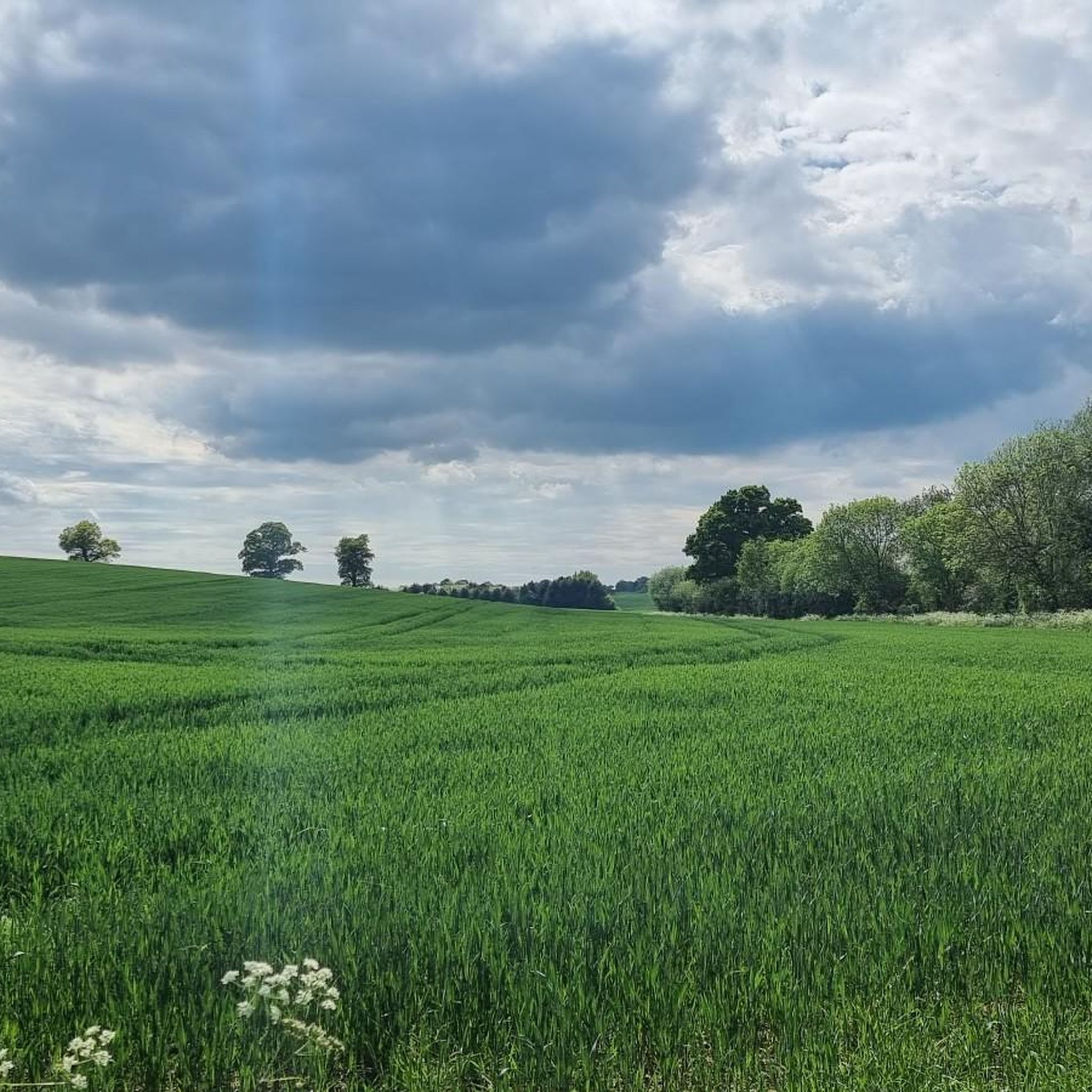
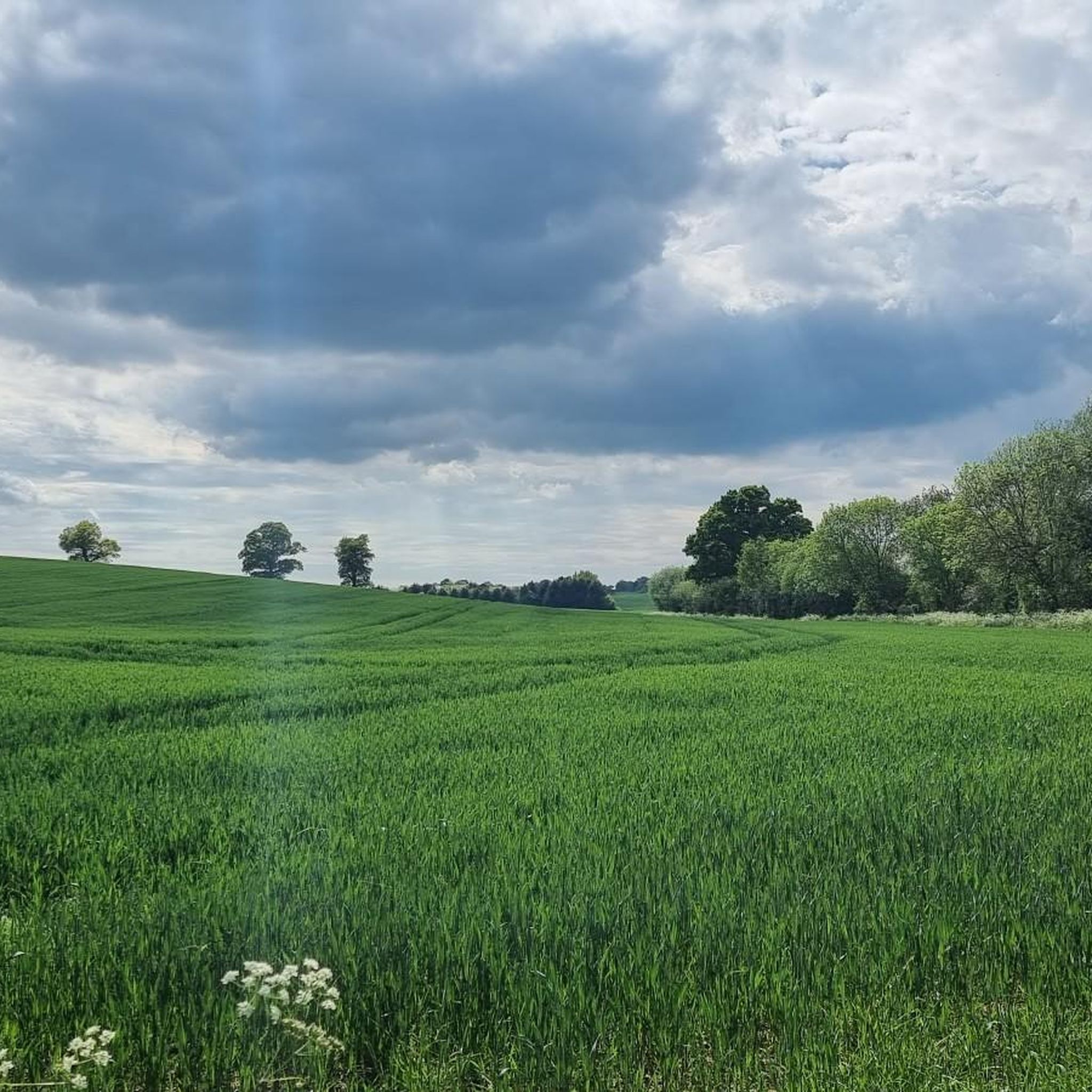
wildlife can be spotted in these fields if you are quiet and patient enough, you can catch a baby deer hopping around
0
0

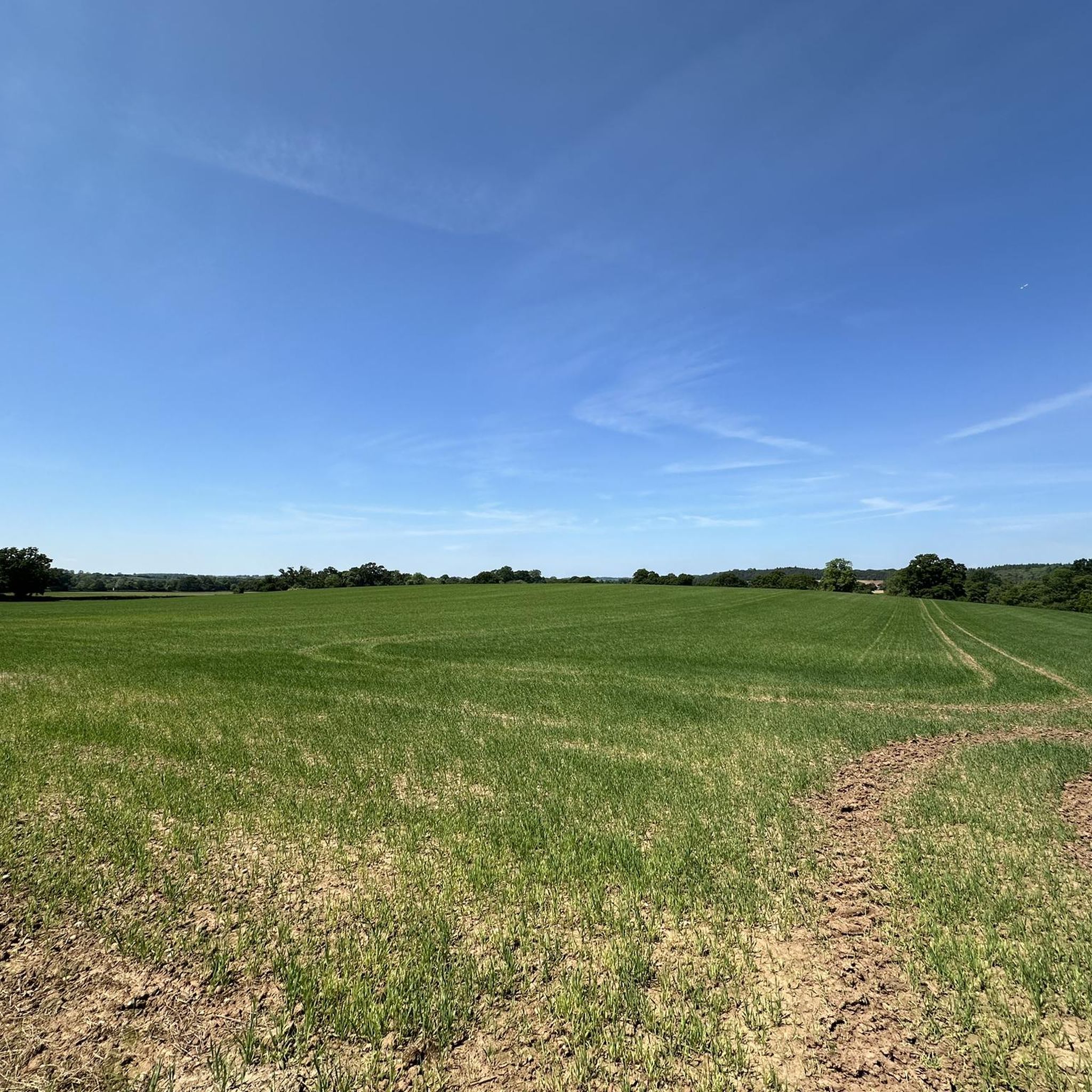
The Welcombe Hills and Clopton Park offer delightful walks through grassland and woodland. Woolly thistle, quaking-grass and the diminutive adder’s-tongue grow in the grasslands where ant hills created by yellow meadow ants are a distinctive feature. The woodland contains oak, horse-chestnut and beech with English elm. Birds are plentiful, with great spotted woodpecker, sparrowhawk, little owl, treecreeper and finches enjoying the woodland where ravens breed in spring. Brimstone butterflies are numerous in the spring sunshine. History of the Welcombe Hills: a Shakespearean tale The reserve may have got its name from a historic well found here with its inscription 'SJC 1686'. Margaret, daughter of William Clopton who died in 1592 supposedly drowned here. It was around this time that Shakespeare was writing his famous play, Hamlet, and its believed that this tragic event provided the inspiration for his 'Ophelia' and her lonely death.
0
0


Section of the epic long distance footpath. This tree is maybe old enough to have been here in Cromwell's time? Along this section, the path is paved, with cattlegrids and some gates.
1
0

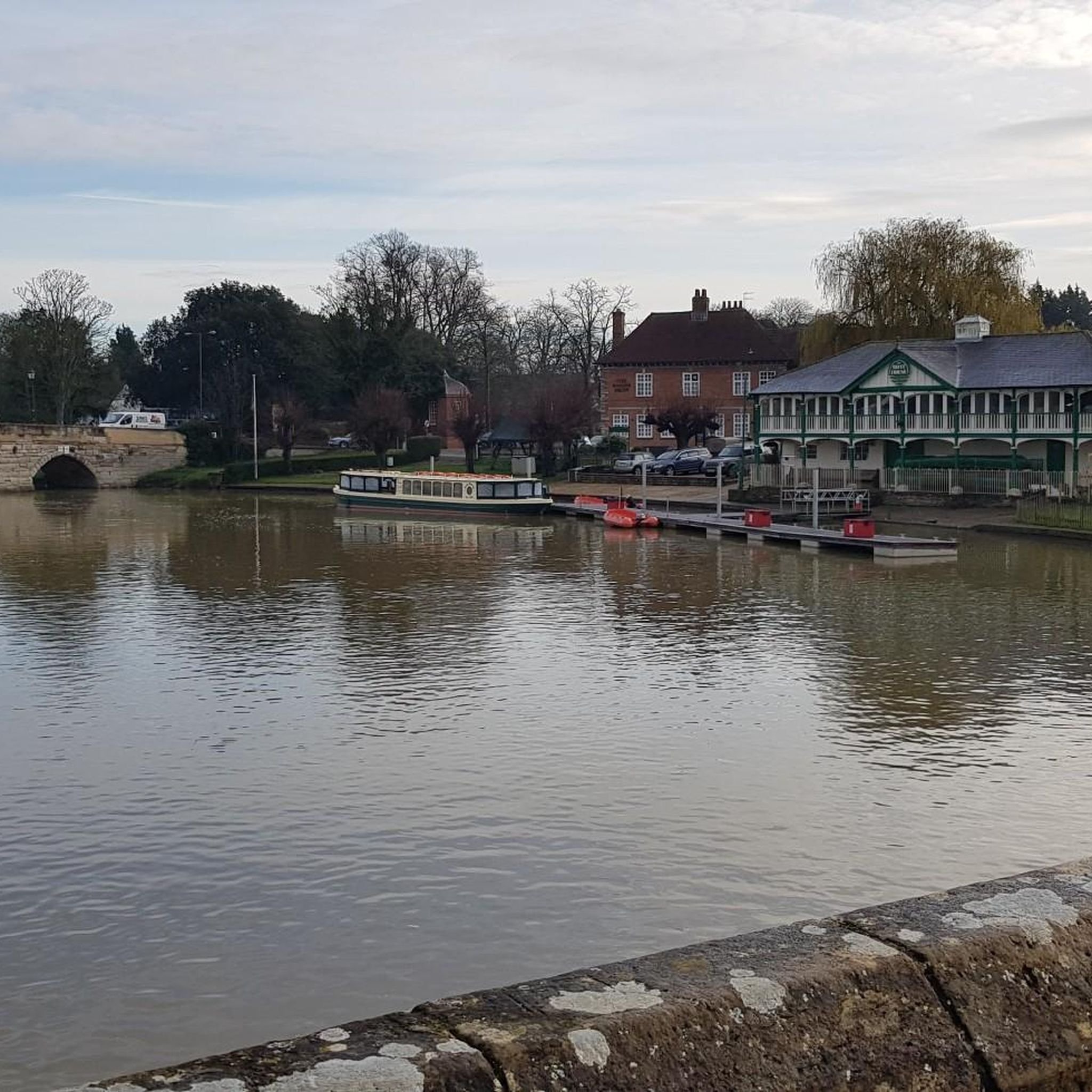
The Lucy family owned the land since 1247. Charlecote Park was built in 1558 by Sir Thomas Lucy, and Queen Elizabeth I stayed in the room that is now the drawing room. Although the general outline of the Elizabethan house remains, nowadays it is in fact mostly Victorian. Successive generations of the Lucy family had modified Charlecote Park over the centuries, but in 1823, George Hammond Lucy (High Sheriff of Warwickshire in 1831) inherited the house and set about recreating the house in its original style. Charlecote Park covers 185 acres (75 ha), backing on to the River Avon. William Shakespeare has been alleged to have poached rabbits and deer in the park as a young man and been brought before magistrates as a result. From 1605 to 1640 the house was organised by Sir Thomas Lucy. He had twelve children with Lady Alice Lucy who ran the house after he died. She was known for her piety and distributing alms to the poor each Christmas. Her eldest three sons inherited the house in turn and it then fell to her grandchild Sir Davenport Lucy. In the Tudor great hall, the 1680 painting Charlecote Park by Sir Godfrey Kneller, is said to be one of the earliest depictions of a black presence in the West Midlands (excluding Roman legionnaires). The painting, of Captain Thomas Lucy, shows a black boy in the background dressed in a blue livery coat and red stockings and wearing a gleaming, metal collar around his neck. The National Trust's Charlecote brochure describes the boy as a "black page boy". In 1735 a black child called Philip Lucy was baptised at Charlecote. The lands immediately adjoining the house were further landscaped by Capability Brown in about 1760. This resulted in Charlecote becoming a hostelry destination for notable tourists to Stratford from the late 17th to mid-18th century, including Washington Irving (1818), Sir Walter Scott (1828) and Nathaniel Hawthorn (c 1850). Charlecote was inherited in 1823 by George Hammond Lucy (d 1845), who married Mary Elizabeth Williams of Bodelwyddan Castle, from whose extensive diaries the current "behind the scenes of Victorian Charlecote" are based upon. GH Lucy's second son Henry inherited the estate from his elder brother in 1847. After the deaths of both Mary Elizabeth and Henry in 1890, the house was rented out by Henry's eldest daughter and heiress, Ada Christina (d 1943). She had married Sir Henry Ramsay-Fairfax, (d 1944), a line of the Fairfax Baronets, who on marriage assumed the name Fairfax-Lucy. From this point onwards, the family began selling off parts of the outlying estate to fund their extensive lifestyle, and post-World War II in 1946, Sir Montgomerie Fairfax-Lucy, who had inherited the residual estate from his mother Ada, presented Charlecote to the National Trust in-lieu of death duties. Sir Montgomerie was succeeded in 1965 by his brother, Sir Brian, whose wife, Lady Alice, researched the history of Charlecote, and assisted the National Trust with the restoration of the house.
1
0
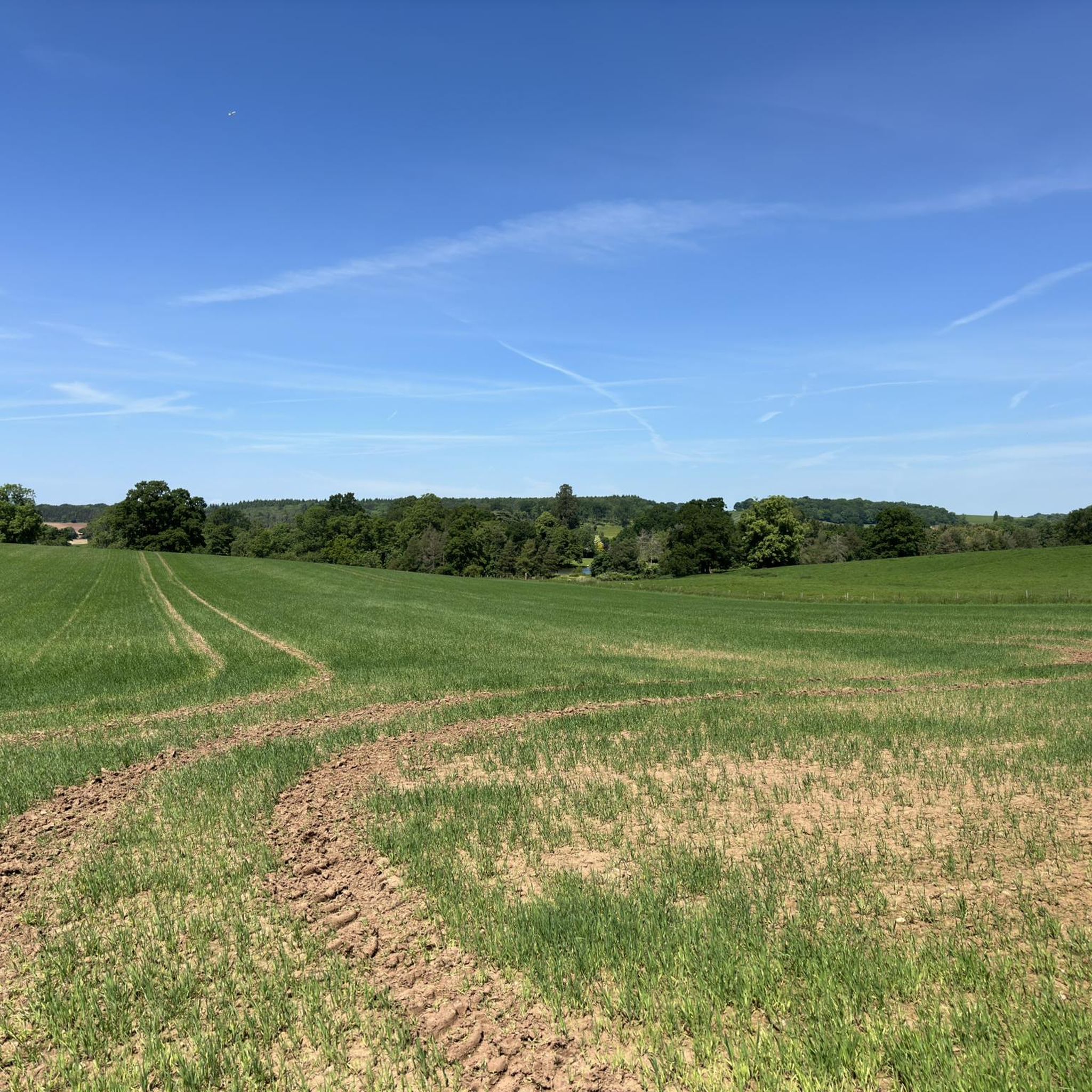
Bannam's Wood is a small remnant of the ancient wildwood that was once widespread across the Midlands, but which is now very rare in Warwickshire. The woodland is a Site of Special Scientific Interest.
5
0
Frequently Asked Questions
What are the most popular natural monuments to visit around Billesley CP?
Among the most appreciated natural monuments in the wider Billesley CP area are Charlecote Park, a historical estate with expansive grounds and a deer park, and Welcombe Hills & Clopton Park, known for its diverse grasslands and woodlands. Visitors also highly rate Bannam's Wood, a Site of Special Scientific Interest representing ancient wildwood.
Are there family-friendly natural monuments near Billesley CP?
Yes, several natural monuments in the area are suitable for families. Charlecote Park offers extensive grounds for exploration and a deer park. Welcombe Hills & Clopton Park provides delightful walks through grasslands and woodlands, and Bannam's Wood is a beautiful woodland for a family stroll. Beyond these, Birmingham offers large urban parks like Cannon Hill Park and Sutton Park, which are very family-oriented with various activities.
What kind of natural features can I expect to see at these monuments?
The natural monuments around Billesley CP offer a variety of features. You can find ancient woodlands and forests at Bannam's Wood and Welcombe Hills & Clopton Park, which also features diverse grasslands. The broader region includes significant green spaces like Moseley Bog, known for its lush woodlands and old millpond, and Lickey Hills Country Park, offering stunning views and diverse flora. Sutton Park, a National Nature Reserve, boasts woodlands, wetlands, and lakes.
Are there any historical or cultural sites integrated with the natural monuments?
Yes, history is woven into the natural landscape here. Charlecote Park is a historical estate dating back to the 16th century, with lands landscaped by Capability Brown. Welcombe Hills & Clopton Park has a Shakespearean tale associated with its history. Locally, Billesley Common itself features a Bronze Age burnt mound, and Moseley Bog is known for its historical connection as an inspiration for J.R.R. Tolkien and also contains Bronze Age burnt mounds.
What outdoor activities can I do near these natural monuments?
The area around Billesley CP offers various outdoor activities. For cycling enthusiasts, there are numerous routes available. You can find options for road cycling, gravel biking, and general cycling, with routes like the 'Charlecote Park – Quiet Country Road Near A429 loop' or the 'Stratford Greenway – Milcote Carriage Café loop'. Many natural monuments also provide excellent opportunities for walking and hiking.
What is the best time of year to visit the natural monuments around Billesley CP?
The best time to visit largely depends on your preferred activity. Spring (April-May) is beautiful for seeing wildflowers, especially bluebells in woodlands like Bannam's Wood, and for birdwatching. Summer (June-August) is ideal for longer walks and enjoying the lush greenery. Autumn (September-November) offers stunning foliage, particularly in areas like Lickey Hills Country Park. Many sites, such as Edgbaston Reservoir, are popular year-round for activities like jogging and birdwatching.
Can I see wildlife at the natural monuments in this region?
Yes, wildlife spotting is a highlight in many areas. At Welcombe Hills & Clopton Park, you can find great spotted woodpeckers, sparrowhawks, little owls, and various finches, with ravens breeding in spring. Brimstone butterflies are numerous in spring. Large Tree in the Fields Near Edge Hill is a good spot for quiet observation, where you might catch a baby deer. Moseley Bog and RSPB Sandwell Valley are excellent for bird-watching, and Sutton Park is home to diverse habitats supporting various animals.
Are there any hidden gem natural monuments or lesser-known spots worth exploring?
While the main highlights are well-known, exploring the local green spaces within Billesley, such as Billesley Common and Chinn Brook Meadows, can offer a more intimate natural experience. Further afield, Kingfisher Country Park, a joint project safeguarding the Cole Valley, and Woodgate Valley Country Park, a rewilded agricultural land, provide tranquil sanctuaries for wildlife and walking away from the busiest spots.
What are the accessibility options for natural monuments near Billesley CP?
Accessibility varies by location. Many larger parks like Cannon Hill Park and Sutton Park have paved paths and accessible facilities. For specific natural monuments, it's advisable to check individual site information. For instance, the path near the Ancient Tree on The Monarch's Way is paved in sections, making it more accessible. Local green spaces like Billesley Common offer natural terrain, which may be less suitable for all mobility levels.
Where can I find parking information for natural monuments around Billesley CP?
Parking availability varies for each natural monument. Major attractions like Charlecote Park typically have dedicated parking facilities, often with a fee. For local green spaces like Billesley Common, street parking might be available nearby. For larger country parks such as Lickey Hills or Sutton Park, designated car parks are usually provided. It's recommended to check the specific monument's official website or local council information for detailed parking guidance before your visit.
Are there public transport routes to natural monuments near Billesley CP?
Public transport options are available to many of Birmingham's natural attractions. While Billesley itself is served by local bus routes, reaching some of the larger country parks or more distant natural monuments might require a combination of bus and walking, or a short taxi ride from a main transport hub. For example, Moseley Bog is accessible via public transport and a short walk. It's best to consult local bus schedules and route planners for specific destinations.
What are the terrain and difficulty levels of walking trails at these natural monuments?
The terrain and difficulty levels vary significantly. Local green spaces like Billesley Common offer relatively flat, natural paths. At Welcombe Hills & Clopton Park, you'll find walks through grasslands and woodlands, which can include gentle inclines. Lickey Hills Country Park, on the other hand, offers more challenging hikes with stunning views from Beacon Hill, and even a geology walking route. Many trails are suitable for leisurely strolls, while others cater to more experienced walkers.
Most popular attractions around Billesley CP

Get inspired with the komoot mobile app


Explore more
Extend your search for the best caves by checking out these guides of the top ones around Billesley CP:
