Top 20 Natural Monuments around Compton
Natural monuments around Compton offer diverse opportunities to connect with nature within an urban setting. The region, while urban, features significant natural areas and green spaces. These include restored creek ecosystems, expansive parks with lakes and wetlands, and historically significant natural landmarks. Compton's natural features provide habitats for local wildlife and serve as important sites for environmental education and conservation.
Best natural monuments around Compton
- The most popular natural monuments is Butser Hill, a natural monument that stands at…
Last updated: June 29, 2026
Butser Hill
Highlight • Natural Monument
Tip by

Devil's Humps (Bronze Age Barrows)
Highlight • Historical Site
Tip by

Sign up now to discover places like this
Get recommendations on the best single tracks, peaks, & plenty of other exciting outdoor places.
Sign up for free
Harting Down
Highlight • Natural Monument
Tip by
South Downs National Park Boundary Marker
Highlight • Monument
Translated by Google •
Tip by

Kingley Vale's Ancient Yew Trees
Highlight (Segment) • Natural
first National Nature Reserves in 1952. It is owned by
Natural England and the West Dean Estate, who manage
the Reserve protecting …
Tip by

Sign up for free to discover even more natural monuments around Compton.
Sign up for free
Already have an account?
Start today with a free account
Your next adventure awaits.
Login or Signup
Tips from the Community

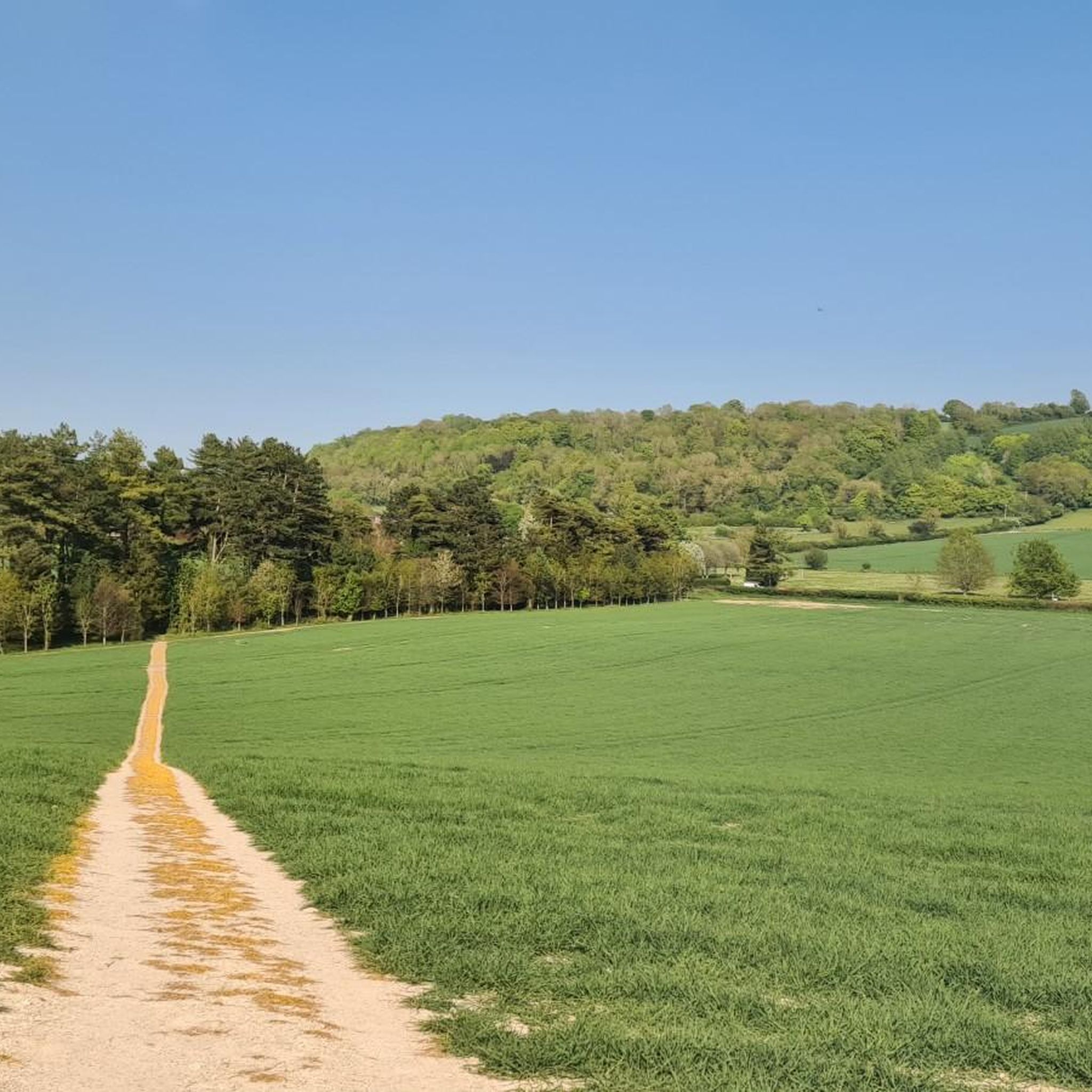
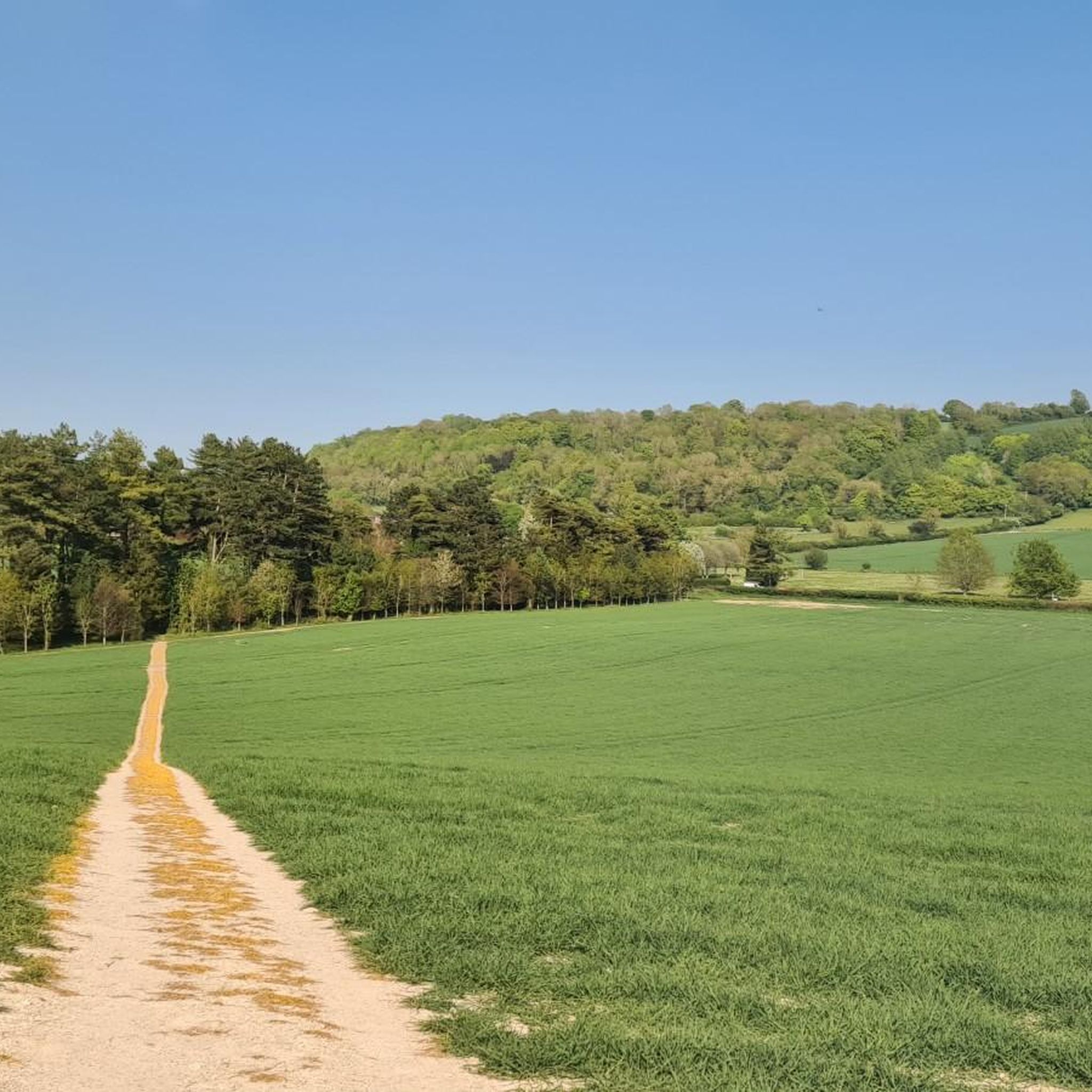
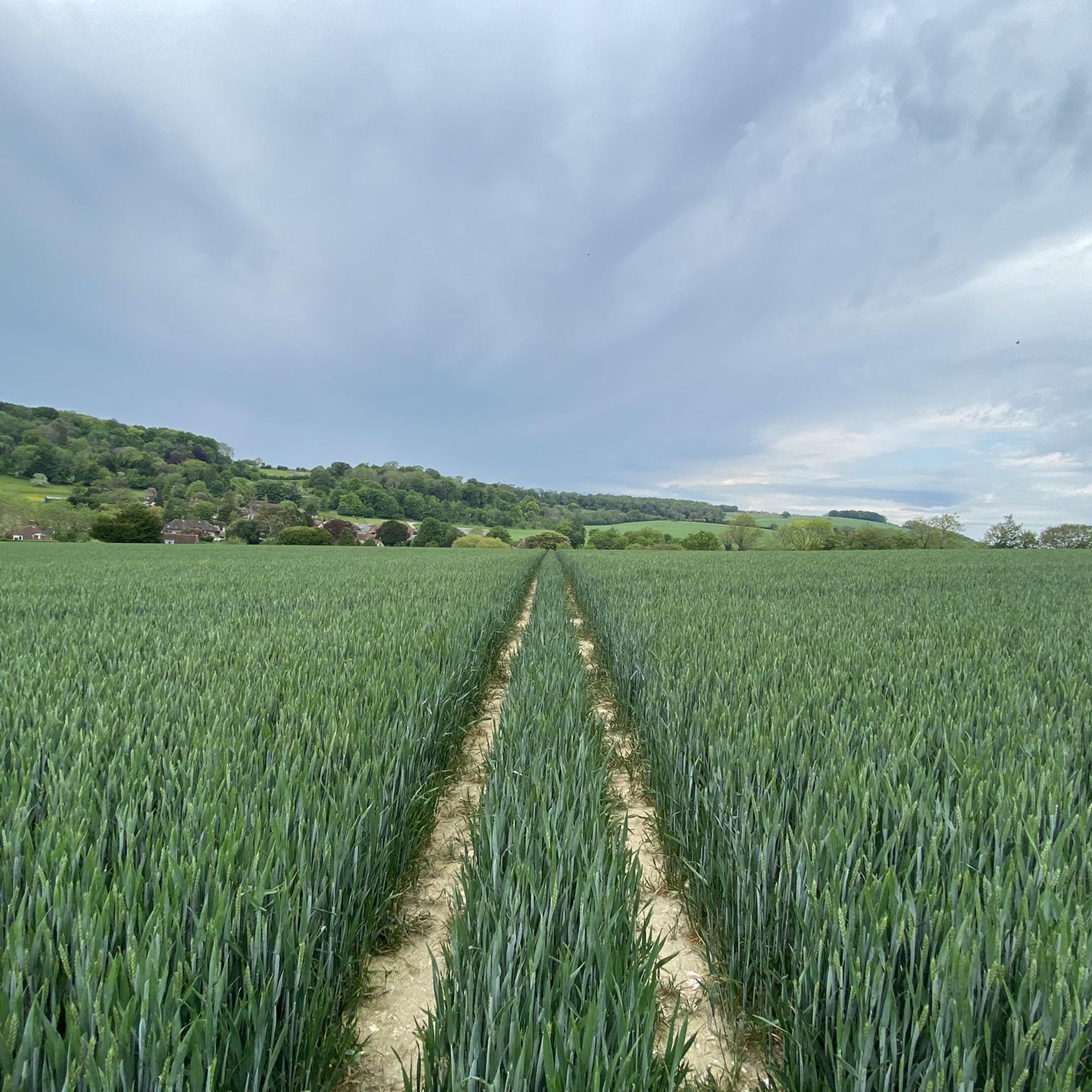
Head south from Harting down to join bridle path heading South down to Centurion way and thence to Chichester railway station, 11 miles. Mainly a descent, Just one climb and then the joy of the recently upgraded cycle path the last 5 miles to Chichester. Winchester railway station to Chichester railway station 44 miles.
0
0

It's worth noting that the pictures here are of Devil's Humps (10 mins away) not Bow Hill. This marker is in the middle of some woodland without a view (but you do walk past a good view as you turn off the main path!)
0
0


Nice place with spectacular views. Easy path.
2
0

Known as the ‘Devil’s Humps‘and the ‘King's Graves,‘ many legends and folklores surround these Bronze Age barrows. Whatever the truth the commanding position at the very top of Kingley Vale is a clear indication that they marked the resting place of important people, perhaps tribal leaders. This may be evidence of the beginnings of social hierarchies at this time. https://www.southdowns.gov.uk/wp-content/uploads/2018/02/Kingley-Vale-Hidden-Trail-Final-web-version.pdf
0
0
Kingley Vale was designated one of the country’s first National Nature Reserves in 1952. It is owned by Natural England and the West Dean Estate, who manage the Reserve protecting its special habitats, wildlife and heritage. Kingley Vale is known for its twisted and ancient yew trees and includes a grove of veteran trees which are among the oldest living things in Britain. Several are at least 500 years old, with the oldest measuring more than five metres in girth. https://www.southdowns.gov.uk/wp-content/uploads/2018/02/Kingley-Vale-Hidden-Trail-Final-web-version.pdf
0
0

South Downs National Park is England's newest national park, designated on March 31, 2010. The park covers an area of 1,627 square kilometers in the south of England and extends for 140 kilometers from Winchester in the west to Eastbourne in the east, through the counties of Hampshire, West Sussex and East Sussex. The national park includes the chalk hills of the South Downs (which on the Channel coast form the white cliffs of the Seven Sisters and Beachy Head) and a significant part of a distinct physical-geographical region, the western Weald, with its heavily wooded sandstone and clay hills and valleys. The idea for a national park on the South Downs emerged as early as the 1920s, when there was growing concern about increasing threats to the beautiful landscape, especially the impact of uncontrolled speculative housing development on the eastern Sussex Downs. The national park has a rich industrial heritage and history, such as old iron mines, watermills, castles and country houses. The national park also has great biodiversity and is home to more than 3,000 species of plants and animals, including rare orchids, butterflies, birds and bats.
3
0

Well marked trail now created to take you through the ancient yew trees.
0
1
Frequently Asked Questions
What are the most significant natural monuments to visit in and around Compton?
Compton and its surrounding areas offer several notable natural monuments. Key locations include Compton Creek Natural Park, a restored ecosystem with walking trails, and Earvin "Magic" Johnson Park, a 126-acre natural preserve featuring lakes, wetlands, and extensive native planting. Historically, the site of The Eagle Tree also holds immense significance.
Are there family-friendly natural areas in Compton?
Yes, both Compton Creek Natural Park and Earvin "Magic" Johnson Park are excellent for families. Compton Creek Natural Park offers open green spaces, community gardens, and educational signage, while Earvin "Magic" Johnson Park features playgrounds, picnic areas, and walking paths suitable for all ages.
What kind of natural features can I expect to see at these sites?
You can expect to see diverse natural features. Compton Creek Natural Park focuses on a restored native ecosystem along the creek. Earvin "Magic" Johnson Park boasts two renovated lakes, wetlands, native California coastal sage scrub, and freshwater marsh. The historic Eagle Tree site, though the original tree has fallen, represents a significant natural landmark.
Are there historical natural landmarks in Compton?
The most prominent historical natural landmark is The Eagle Tree. This California sycamore was a critical natural boundary marker for Rancho San Pedro and an important navigational landmark for early travelers. Although the original tree fell, its trunk is preserved, and efforts are underway to grow clones, ensuring its legacy.
What outdoor activities can I do near Compton's natural monuments?
Near Compton's natural monuments, you can enjoy various outdoor activities. For hiking, consider routes like the 'North and East Marden loop' or 'Stansted House loop' which offer moderate trails. Cycling enthusiasts can explore routes such as 'East Marden Thatched Well – The Hare and Hounds loop'. You can find more details on these activities in the hiking around Compton guide or the cycling around Compton guide.
Is there parking and public transport access to these natural parks?
Yes, both Compton Creek Natural Park and Earvin "Magic" Johnson Park are equipped with amenities like parking. Public transport options are generally available in urban areas like Compton, but it's always recommended to check local transit schedules for the most direct routes to specific park entrances.
What is the best time of year to visit natural monuments in Compton?
Compton's natural monuments can be enjoyed year-round due to Southern California's mild climate. Spring and fall offer pleasant temperatures for walking and outdoor activities. Summer can be warm, so early mornings or late afternoons are ideal. Winter is generally mild and suitable for visits, especially for birdwatching at parks like Earvin "Magic" Johnson Park.
Can I spot wildlife at Compton's natural parks?
Yes, wildlife spotting is possible. Compton Creek Natural Park provides habitat for local and migratory birds. Earvin "Magic" Johnson Park, with its lakes and wetlands, attracts various species of waterfowl, such as ducks and geese, making it a good spot for birdwatching.
Are there any natural monuments that are wheelchair accessible?
Yes, Compton Creek Natural Park is noted for having ADA access, ensuring that its walking paths and facilities are accessible. Earvin "Magic" Johnson Park also features paved paths and accessible facilities, making it suitable for wheelchair users.
What are the conservation efforts like at these natural sites?
Conservation is a key focus. Compton Creek Natural Park is dedicated to restoring the native ecosystem of the Compton Creek watershed and offers environmental education programs. Earvin "Magic" Johnson Park is a model for water conservation, featuring an innovative system that captures and treats stormwater runoff for irrigation, protecting Compton Creek from pollutants.
Are there any nearby routes for gravel biking around Compton?
Yes, if you're interested in gravel biking, there are several routes available. For example, you could try the 'Gravel loop from Clanfield' which is an easy 6.7 km ride. More challenging options include the 'Harting Down National Trail – View from Cocking Down loop'. You can find more gravel biking routes in the Gravel biking around Compton guide.
Most popular routes around Compton
Most popular attractions around Compton

Get inspired with the komoot mobile app


Explore more
Extend your search for the best caves by checking out these guides of the top ones around Compton:
