Top 16 Natural Monuments around Boxgrove
Best natural monuments around Boxgrove offer a diverse natural landscape in West Sussex, characterized by rolling hills, ancient woodlands, and significant geological sites. The area includes parts of the South Downs National Park, providing extensive trails and panoramic views. Boxgrove is also home to the Boxgrove Palaeolithic Site, a geological Site of Special Scientific Interest with historical significance. These features contribute to the region's natural heritage and appeal for outdoor exploration.
Best natural monuments around Boxgrove
- The most popular natural…
Last updated: June 29, 2026
Devil's Humps (Bronze Age Barrows)
Highlight • Historical Site
Tip by

Burton Mill Pond and Mill
Highlight • Historical Site
Tip by

Sign up now to discover places like this
Get recommendations on the best single tracks, peaks, & plenty of other exciting outdoor places.
Sign up for free
Graffham Down Nature Reserve
Highlight • Viewpoint
The …
Tip by

Kingley Vale's Ancient Yew Trees
Highlight (Segment) • Natural
first National Nature Reserves in 1952. It is owned by
Natural England and the West Dean Estate, who manage
the Reserve protecting …
Tip by

Levin Down
Highlight • Viewpoint
Tip by
Sign up for free to discover even more natural monuments around Boxgrove.
Sign up for free
Already have an account?
Start today with a free account
Your next adventure awaits.
Login or Signup
Tips from the Community

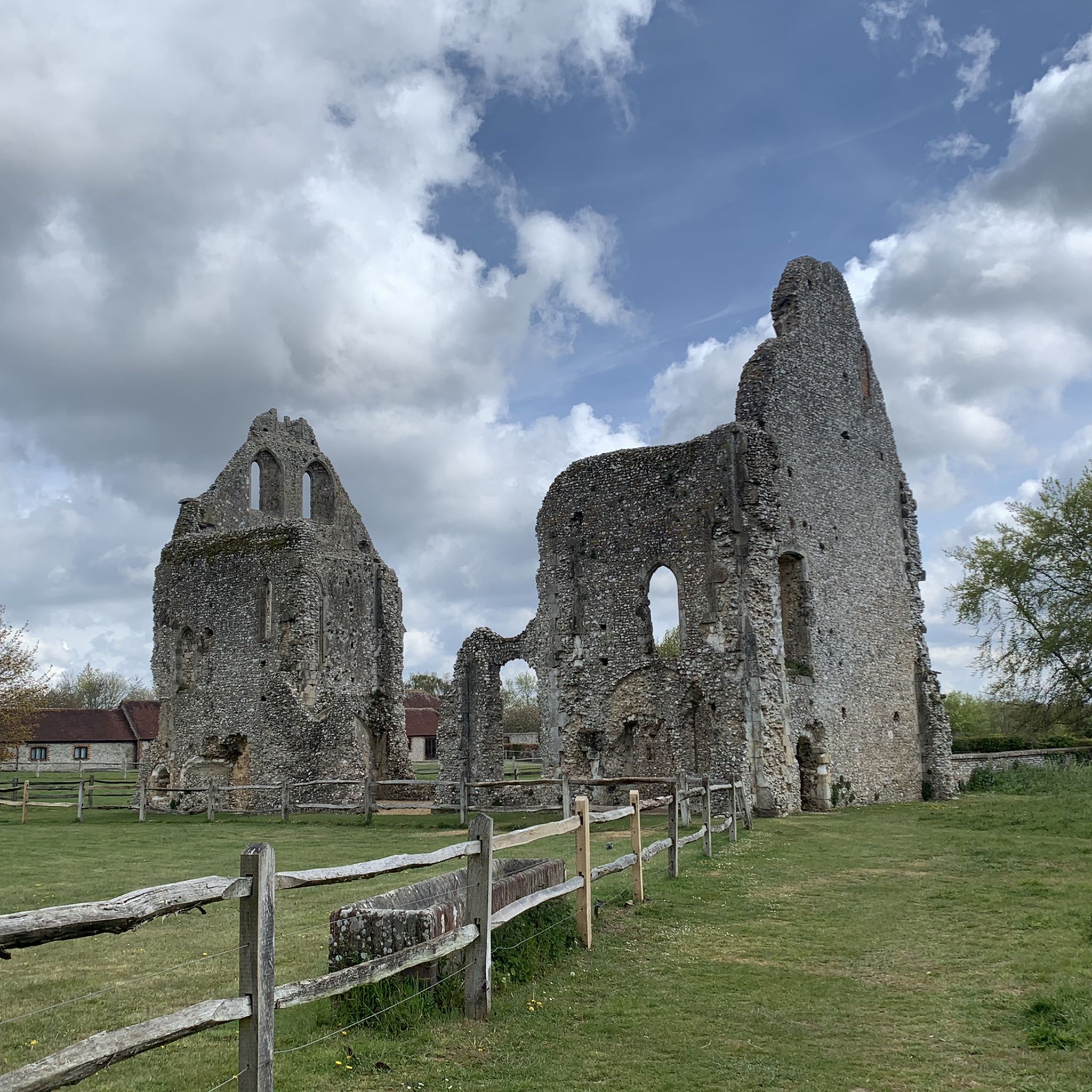
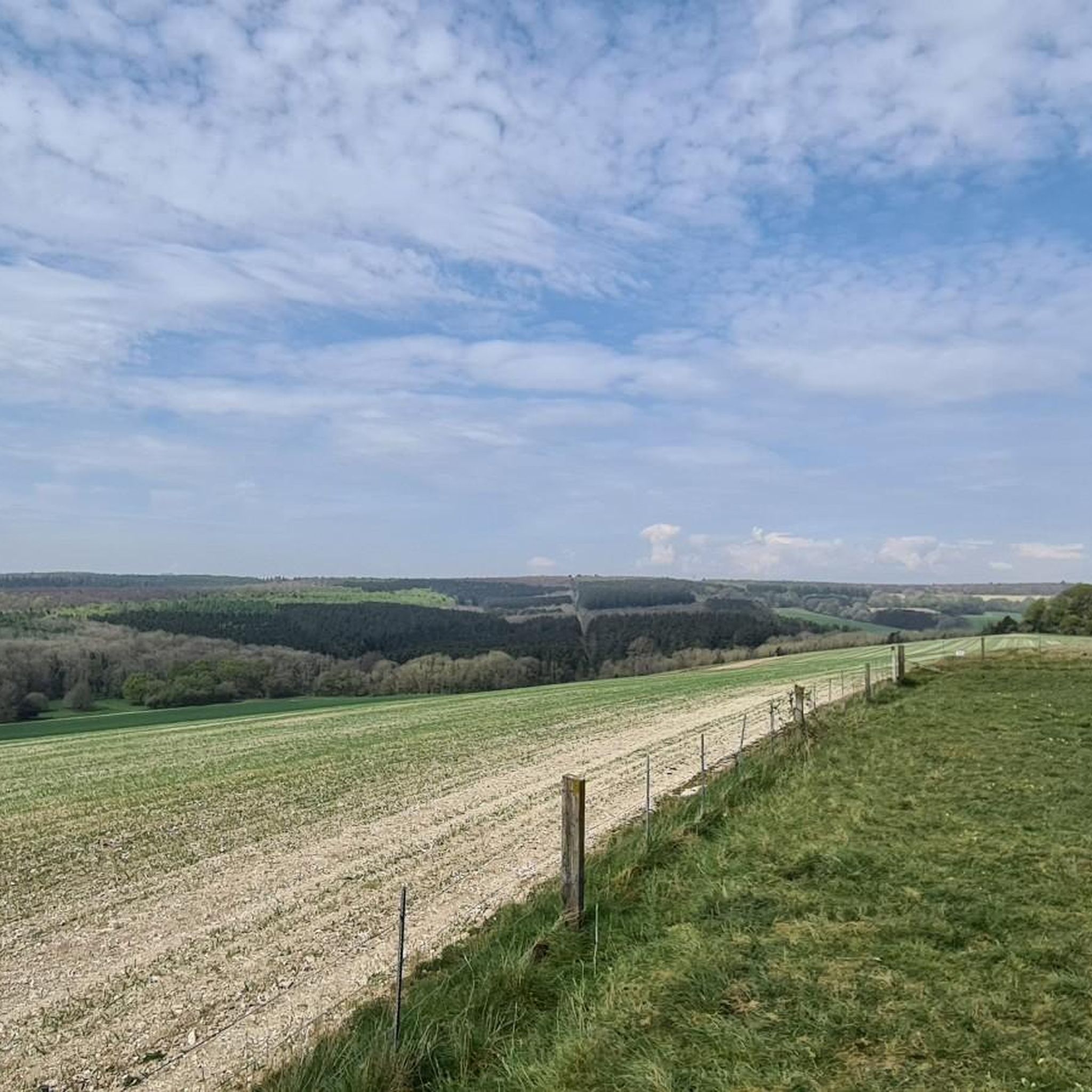
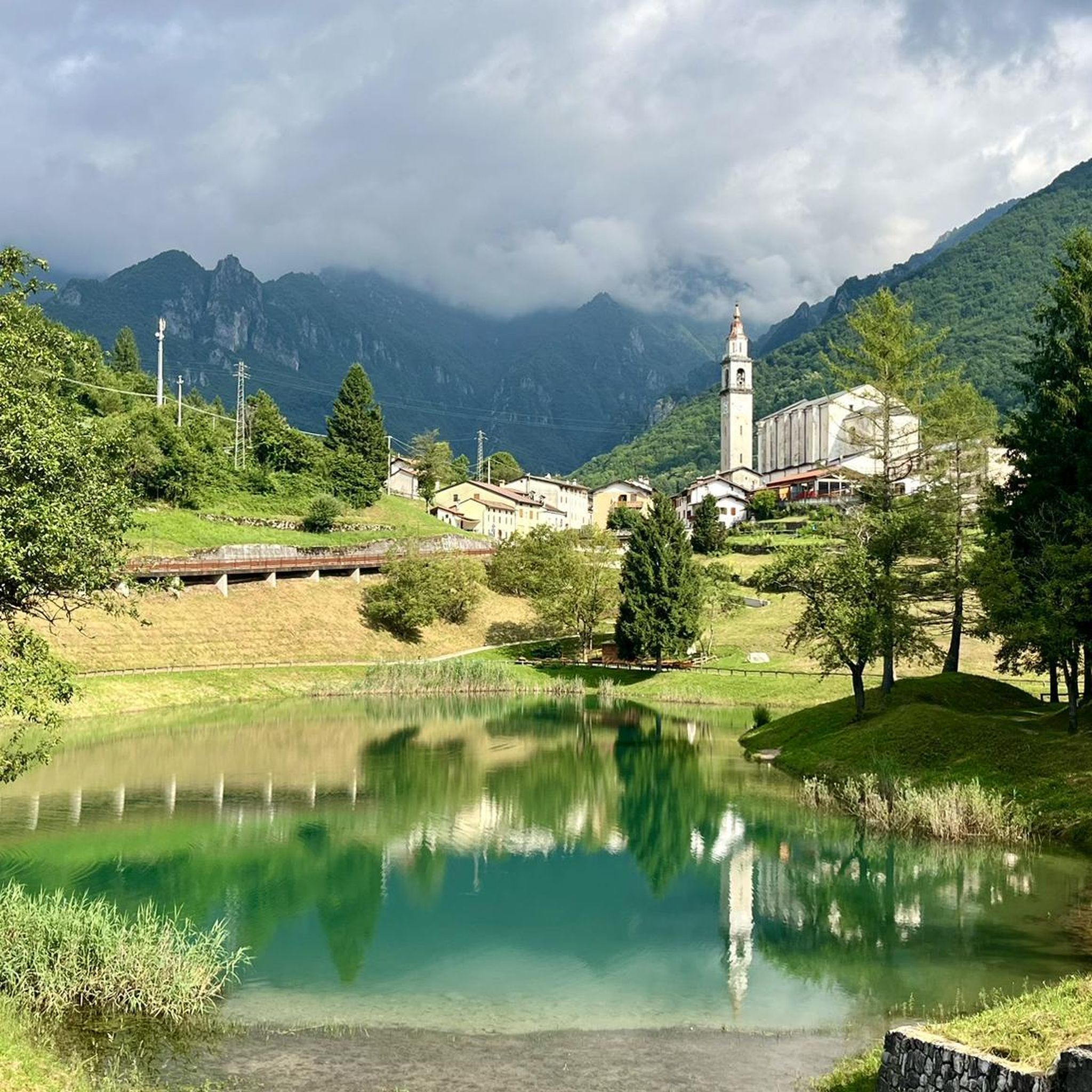
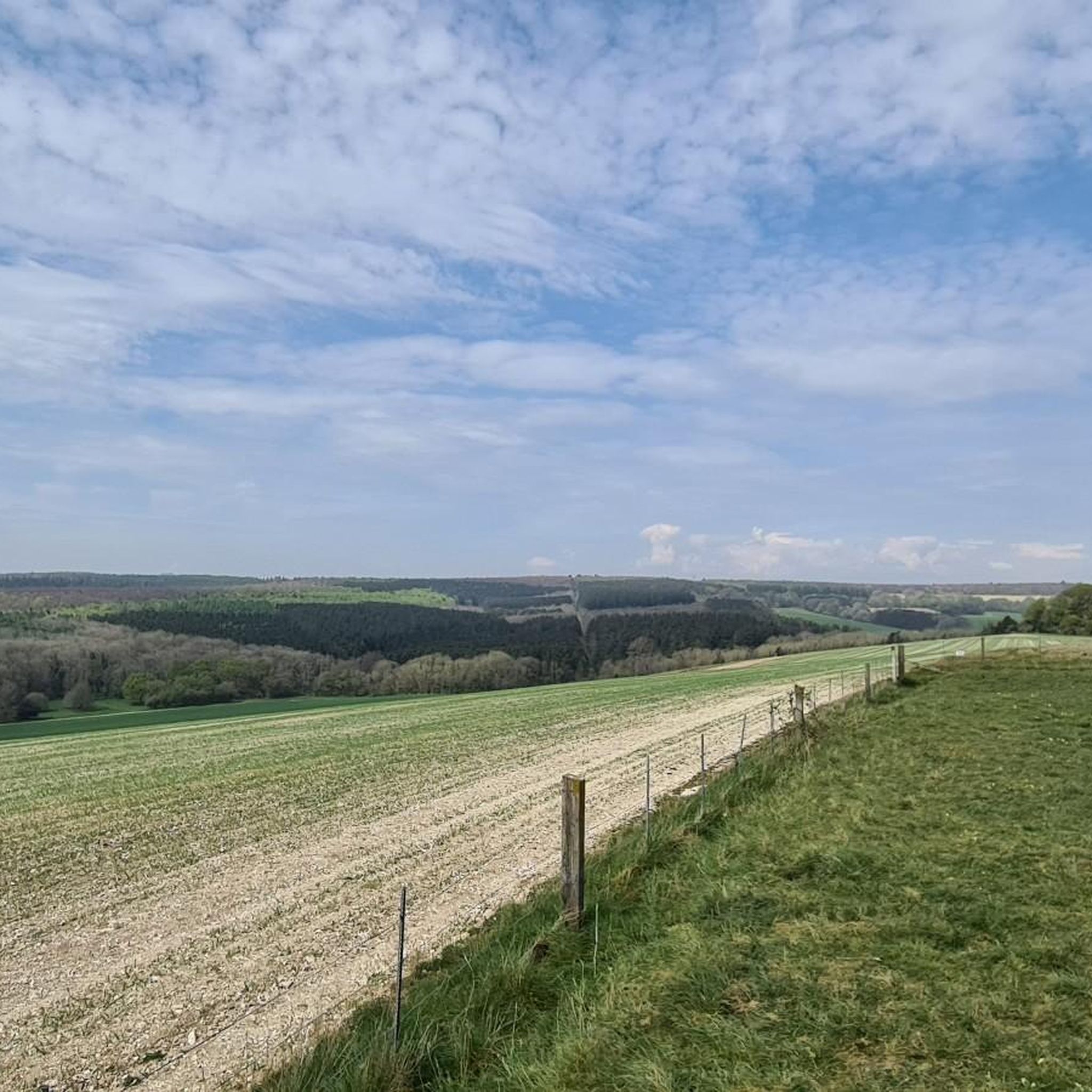
It's worth noting that the pictures here are of Devil's Humps (10 mins away) not Bow Hill. This marker is in the middle of some woodland without a view (but you do walk past a good view as you turn off the main path!)
0
0


Burton Mill Pond is part of the Burton Mill and Chingford Ponds Local Nature Reserve (LNR). Originating in the late 16th century to fuel a forge, the pond has a historical past. By the late 18th century, it played a vital role as part of a water mill for grinding corn, with the imposing structure by the road now standing as the remnants of the old mill. It's part of a fabulous landscape as you cycle along the road bordering its northeastern shore.
0
0

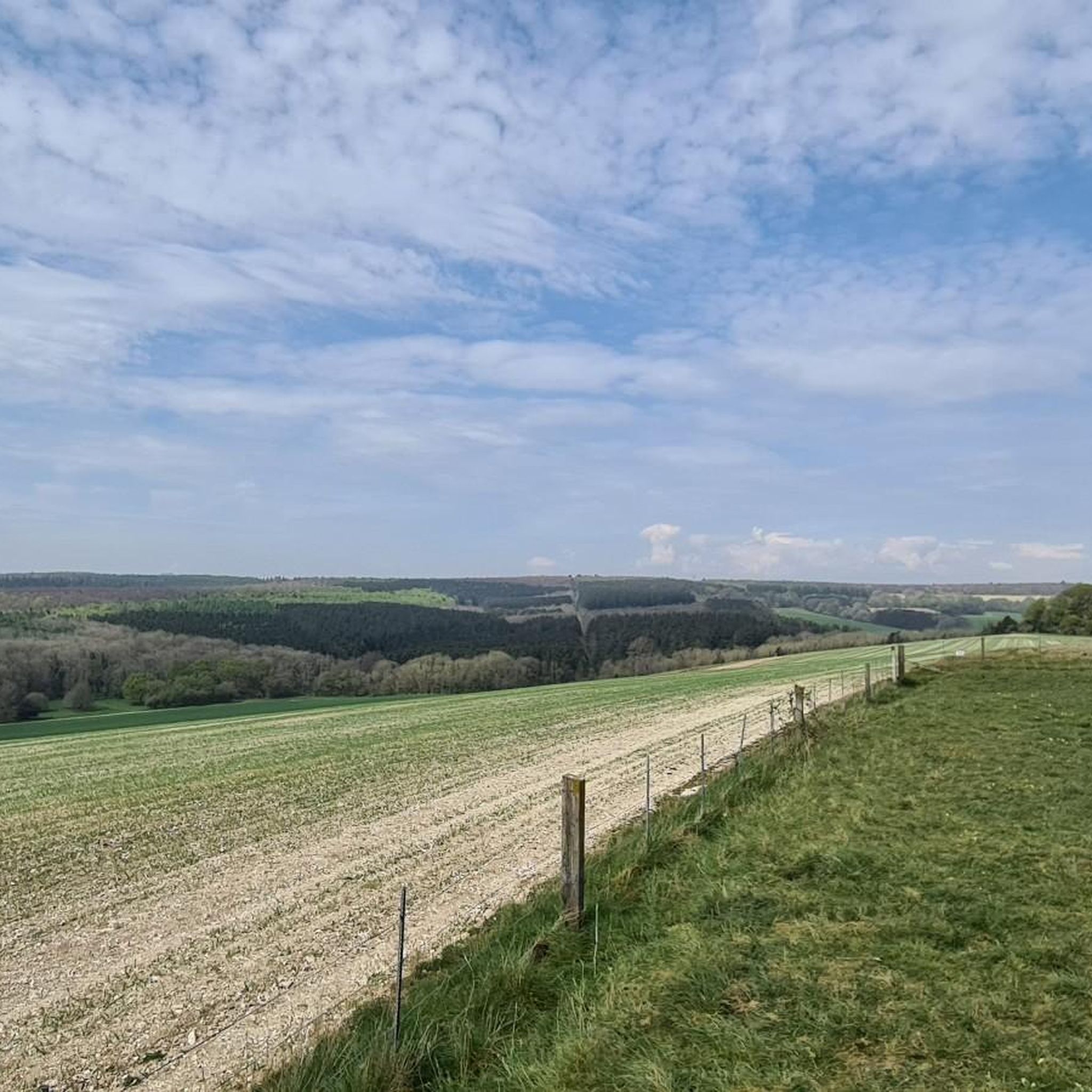
Nice place with spectacular views. Easy path.
2
0

Levin Down is easy to see. As you come over the ridge at Goodwood racecourse it stands alone – a hill covered in natural scrubby grassland; the olive green hues are so different from the synthetic emerald of the agricultural fields and viridian forestry plantations that form the surrounding landscape. It is a Site of Special Scientific Interest; indeed the reason that Levin has so much of its wildlife value still intact is hinted at in the name, which is derived from ‘Leave-Alone Hill’, meaning that the land was too steep for the plough or other intensive agriculture.
0
0
Known as the ‘Devil’s Humps‘and the ‘King's Graves,‘ many legends and folklores surround these Bronze Age barrows. Whatever the truth the commanding position at the very top of Kingley Vale is a clear indication that they marked the resting place of important people, perhaps tribal leaders. This may be evidence of the beginnings of social hierarchies at this time. https://www.southdowns.gov.uk/wp-content/uploads/2018/02/Kingley-Vale-Hidden-Trail-Final-web-version.pdf
0
0
Kingley Vale was designated one of the country’s first National Nature Reserves in 1952. It is owned by Natural England and the West Dean Estate, who manage the Reserve protecting its special habitats, wildlife and heritage. Kingley Vale is known for its twisted and ancient yew trees and includes a grove of veteran trees which are among the oldest living things in Britain. Several are at least 500 years old, with the oldest measuring more than five metres in girth. https://www.southdowns.gov.uk/wp-content/uploads/2018/02/Kingley-Vale-Hidden-Trail-Final-web-version.pdf
0
0

The current mill building dates from around 1780, although mills and forges have been exploiting the Downs spring water for at least 800 years. The mill's historic water-powered milling machine has been restored to working condition. Burton Mill is open to visitors on the Sunday of the National Mills Weekend in May and the National Heritage Weekend in September.
2
0
Frequently Asked Questions
What are some popular natural monuments to visit around Boxgrove?
The Boxgrove area offers several popular natural monuments. Visitors often enjoy the historical significance and spectacular views from Devil's Humps (Bronze Age Barrows). Another must-see is Kingley Vale's Ancient Yew Trees, home to some of Britain's oldest living trees. For expansive views and nature, Graffham Down Nature Reserve is also highly regarded.
Are there family-friendly natural monuments in the Boxgrove area?
Yes, Kingley Vale's Ancient Yew Trees is listed as family-friendly, offering an engaging experience for all ages with its ancient trees and well-marked trails. Burton Mill Pond and Mill is also a family-friendly spot, combining natural beauty with historical interest.
What kind of wildlife can I expect to see at natural monuments near Boxgrove?
The natural monuments around Boxgrove are rich in wildlife. Areas like Graffham Down Nature Reserve are managed to support diverse grassland and wooded habitats, attracting various local fauna. Burton Mill Pond and Mill, part of a Local Nature Reserve and SSSI, is nationally important for its wetland habitats, rare plants, birdlife, and invertebrate populations. The expansive South Downs National Park, which borders Boxgrove, also supports diverse ecosystems.
Are there historical sites among the natural monuments in Boxgrove?
Absolutely. The Devil's Humps (Bronze Age Barrows) are significant historical sites, believed to be resting places of important people. Additionally, the Boxgrove Palaeolithic Site, while primarily archaeological, is also a geological Site of Special Scientific Interest, famous for yielding Britain's oldest human remains and providing insights into prehistoric life. Burton Mill Pond and Mill also has a rich history, with mills and forges operating there for at least 800 years.
What are the best times to visit the natural monuments around Boxgrove?
The natural monuments around Boxgrove can be enjoyed year-round. Spring and summer offer lush greenery and vibrant wildlife, ideal for walks and enjoying the views. Autumn brings beautiful foliage, particularly in the woodlands. Even in winter, sites like Halnaker Hill and the South Downs offer crisp air and unique perspectives of the landscape, though some trails might be muddy. Always check local conditions before your visit.
Are there any easy walks or trails to explore these natural monuments?
Yes, there are several easy walking options. The Halnaker Hill and Windmill Trail, including the picturesque Mill Lane Tree Tunnel, offers accessible routes suitable for various fitness levels. For more specific easy hikes, you can find routes like the 'Mill Lane Tree Tunnel – Halnaker Windmill loop from Boxgrove' in the Easy hikes around Boxgrove guide.
What outdoor activities can I do near the natural monuments in Boxgrove?
The Boxgrove area is excellent for various outdoor activities. You can enjoy hiking, running, and road cycling. For running, explore routes like the 'Boxgrove Priory – Halnaker Windmill loop' detailed in the Running Trails around Boxgrove guide. Cyclists can find routes such as the 'Houghton Hill Climb – Greatham Bridge loop' in the Road Cycling Routes around Boxgrove guide.
What do visitors enjoy most about the natural monuments around Boxgrove?
Visitors frequently highlight the spectacular views, especially from spots like Devil's Humps (Bronze Age Barrows) and Graffham Down Nature Reserve. The ancient and twisted yew trees at Kingley Vale's Ancient Yew Trees are also a major draw, with many appreciating their historical significance and unique appearance. The tranquility of the woodlands and the well-maintained trails also receive positive feedback.
Are there any natural monuments with significant geological interest?
Yes, the Boxgrove Palaeolithic Site is a geological Site of Special Scientific Interest. It's internationally important for its Lower Palaeolithic findings, offering a remarkably complete picture of the coastal plain as it existed half a million years ago, with well-preserved ancient land surfaces and numerous artifacts. While not a typical 'natural monument' in the scenic sense, its geological and archaeological significance is profound. You can learn more about its importance on Wikipedia.
Where can I find panoramic views of the countryside near Boxgrove?
For panoramic views, head to Devil's Humps (Bronze Age Barrows), which offers commanding positions over Kingley Vale. Graffham Down Nature Reserve also provides brilliant views to the north over rolling agricultural countryside. Additionally, climbing Halnaker Hill rewards visitors with extensive views of the surrounding landscape, including parts of the South Downs National Park.
Are there any natural monuments that are particularly good for photography?
The Boxgrove area offers several picturesque spots. The ancient and twisted yew trees at Kingley Vale's Ancient Yew Trees provide a unique and atmospheric setting. The Mill Lane Tree Tunnel near Halnaker Hill creates a beautiful archway of trees, perfect for immersive walking shots. Burton Mill Pond and Mill offers serene waterscapes and historical architecture, especially appealing during sunrise or sunset.
What is Levin Down and why is it significant?
Levin Down is a distinctive hill near Boxgrove, covered in natural scrubby grassland. It stands out from the surrounding agricultural fields and forestry plantations. It is a Site of Special Scientific Interest because its name, derived from 'Leave-Alone Hill,' indicates that the land was too steep for intensive agriculture, allowing much of its wildlife value to remain intact.
Most popular routes around Boxgrove
Most popular attractions around Boxgrove

Get inspired with the komoot mobile app


Explore more
Extend your search for the best caves by checking out these guides of the top ones around Boxgrove:
