Top 5 Natural Monuments around Stambridge
Best natural monuments around Stambridge include a variety of riverside landscapes, coastal marshlands, and nature reserves. The area is characterized by its estuarial environment, supporting diverse ecosystems ideal for outdoor activities. These natural attractions offer opportunities for scenic walks, wildlife observation, and exploration of historical natural features. Stambridge provides accessible natural settings for various interests.
Best natural monuments around Stambridge
- The most popular natural monuments is The Crowstone, a man-made monument that marks the seaward limit of the River…
Last updated: June 29, 2026
The Crowstone
Highlight • Monument
Tip by

Lion Creek Nature Reserve
Highlight • Natural Monument
Tip by

Sign up now to discover places like this
Get recommendations on the best single tracks, peaks, & plenty of other exciting outdoor places.
Sign up for free
Rayleigh Mount Nature Park
Highlight • Historical Site
Tip by

Pound Woods
Highlight • Historical Site
Tip by

Magnolia Nature Reserve
Highlight • Natural
Tip by
Sign up for free to discover even more natural monuments around Stambridge.
Sign up for free
Already have an account?
Start today with a free account
Your next adventure awaits.
Login or Signup
Tips from the Community

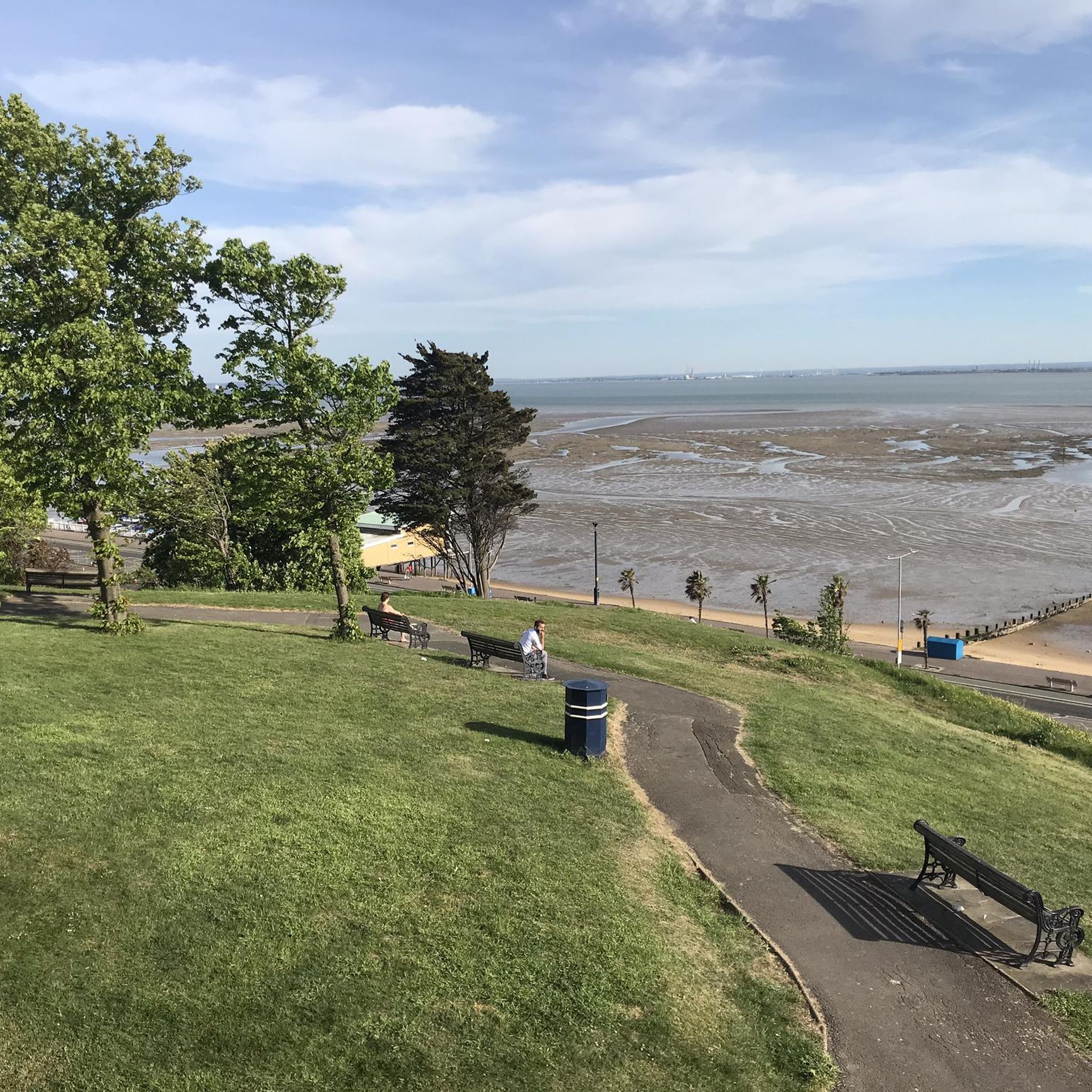
The woodland offers a network of pathways, including some extended routes, under the care of the Hawkwell Parish Council. This nature reserve once served as a brickworks, with the memorial standing at the entrance, and remnants of this industry are still visible. The picturesque circular trail guides you along with adjacent tracks and fields. Be sure to watch for the wealth of local wildlife, particularly the songbirds.
1
0
Within Pound woods, you can find well-preserved instances of medieval wood banks, alongside numerous ponds and serene dells scattered throughout the forest. A perfect place for a run anytime of year, although some pathways can be muddy. Come here at the right time, and it promises a breathtaking spectacle of bluebells adorning the forest floor, while your ears may catch the familiar drumming rhythm of the great spotted woodpecker.
1
0

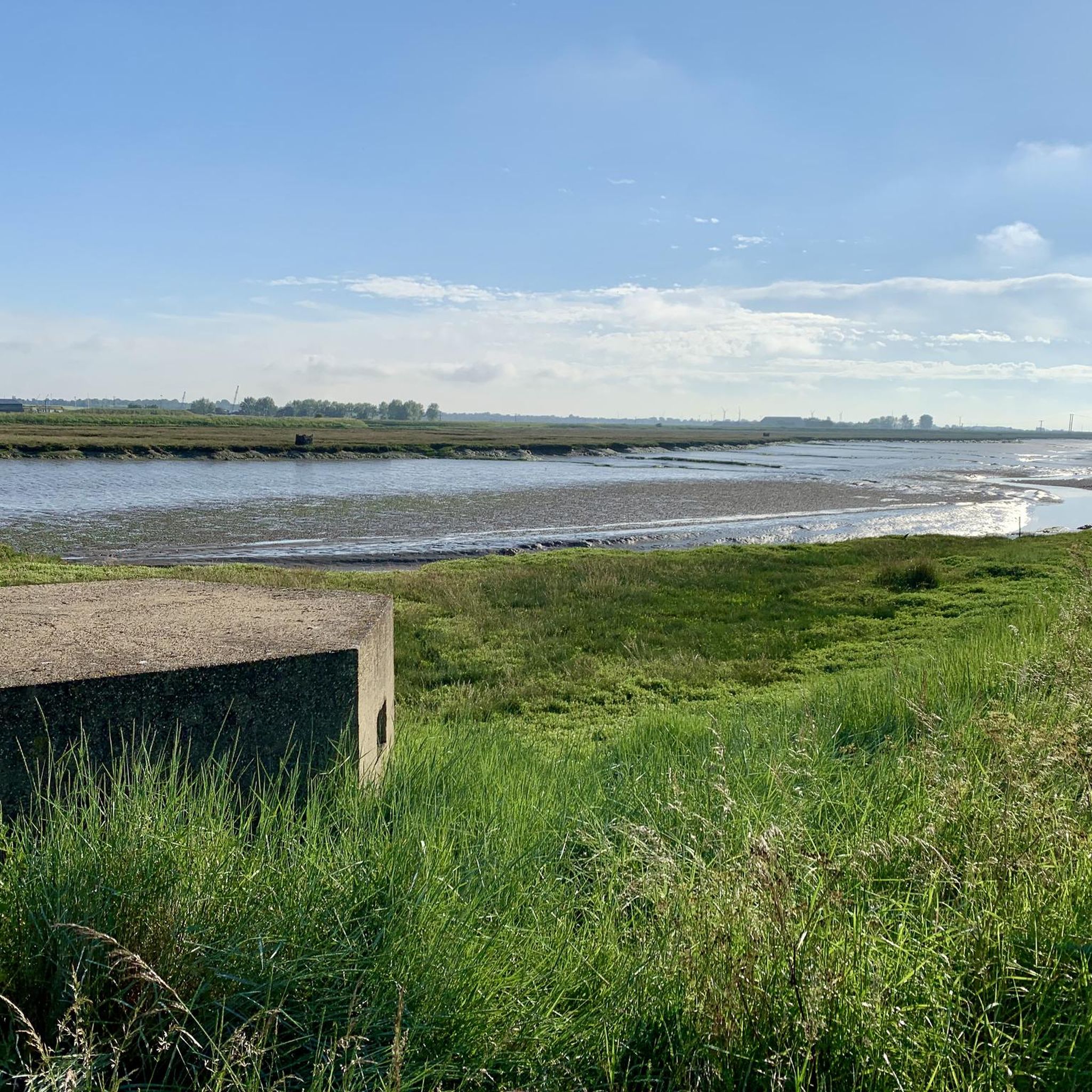
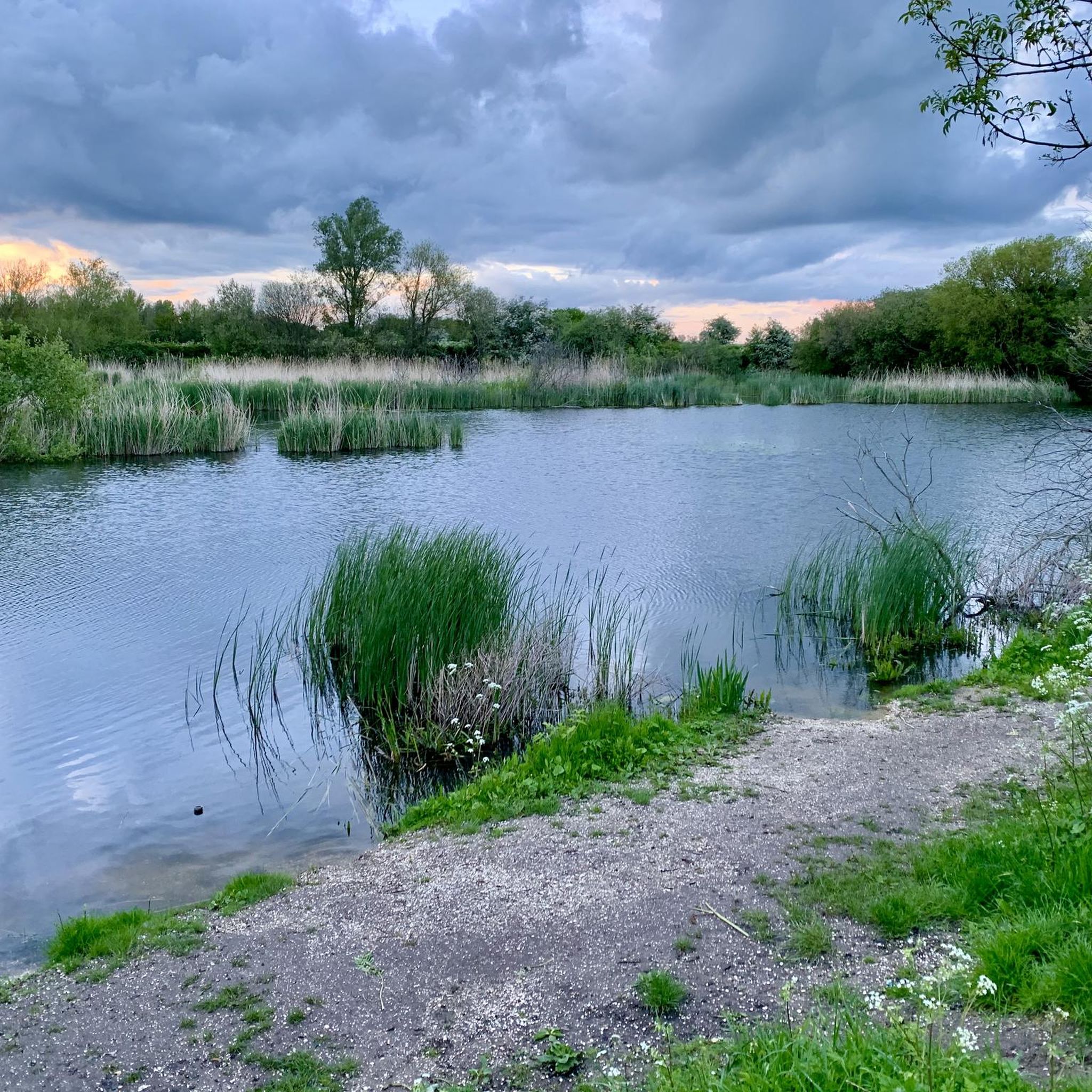
Once a part of the Crouch Estuary, Lion Creek was cut off and turned into a nature reserve with the building of the sea wall.
0
0

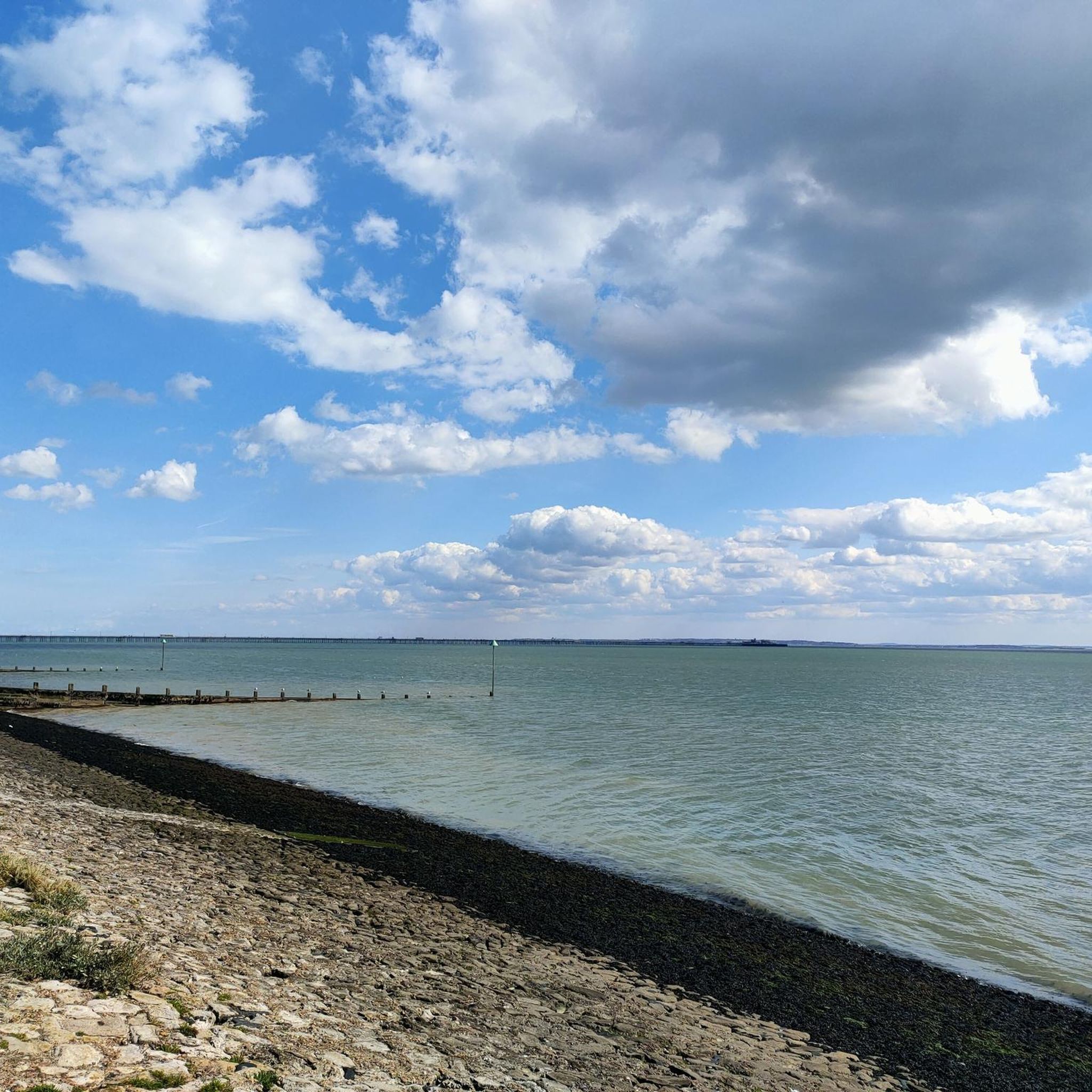
The Crowstone’s copper plate – now turned green – records that it was erected in 1836 and marked the seaward limit of the River Thames as then controlled by the City of London, and that it replaced a stone of 1755, both standing together until the more aged of the pair was presented by the Port of London Authority to Southend Corporation in 1950 for preservation in Priory Park Until 1350, the English Crown held the right to fish the rivers of England and charged duties on those people it licensed to fish. In 1197 King Richard I, in need of money to finance his involvement in the Third Crusade, sold the rights over the lower reaches of the River Thames to the City of London. Marker stones were erected to indicate the limit of the City's rights.
1
0

Rayleigh Mount itself is a little nature park with a couple of ponds. There used to be a castle on to – the only Essex castle mentioned in the Domesday Book of 1086. Like most of the early Norman castles, it was built from wood, on an earth mound or motte. The first lord of the manor of Rayleigh was Sweyne who had the castle built.
1
0

When the tide is low you can follow a path up to this point and further.
1
0
Frequently Asked Questions
What types of natural attractions can I find around Stambridge?
Stambridge offers a variety of natural attractions, primarily characterized by its riverside landscapes, coastal marshlands, and diverse nature reserves. You can explore the Lion Creek Nature Reserve, enjoy the tranquil settings along the River Roach, or discover the unique salt marshes at Paglesham Pool. The area is a haven for wildlife, especially birdwatchers.
Are there any historical sites with natural elements in the Stambridge area?
Yes, Stambridge features several sites that blend natural beauty with historical significance. Rayleigh Mount Nature Park is the former site of an early Norman castle, offering both natural ponds and historical context. The Crowstone is a man-made monument marking the seaward limit of the River Thames, with a history dating back to 1755. Additionally, Paglesham Pool's salt marshes preserve traces of past oyster cultivation and conceal the submerged remains of HMS Beagle.
Which natural monuments are suitable for families in Stambridge?
Several natural monuments around Stambridge are family-friendly. Lion Creek Nature Reserve and Magnolia Nature Reserve offer accessible trails and opportunities for wildlife spotting. Rayleigh Mount Nature Park also provides a pleasant outing for families with its ponds and historical backdrop. The flat terrain along the River Roach footpaths is generally suitable for all ages.
What outdoor activities can I do near these natural monuments?
The Stambridge area is excellent for various outdoor activities. You can enjoy scenic walks along the River Roach, explore nature reserves like Lion Creek Nature Reserve, or go birdwatching in the coastal marshlands. For more structured activities, there are numerous cycling routes, including easy, moderate, and difficult options, as well as easy hiking trails and MTB trails. You can find more details on these activities in the Cycling around Stambridge, Easy hikes around Stambridge, and MTB Trails around Stambridge guides.
Are there hiking trails near the natural monuments in Stambridge?
Yes, there are several hiking trails available. The River Roach offers numerous footpaths along its banks, including sections of the Roach Valley Way. You can also find easy hiking routes like the 2.8-mile loop trail at Magnolia Nature Reserve, or a short walk from Paglesham East End near the HMS Beagle wreck site. For more options, explore the Easy hikes around Stambridge guide.
What is the best time of year to visit Stambridge for nature observation?
The best time to visit Stambridge for nature observation depends on your interests. Winter is ideal for birdwatching, as large flocks of waders and wildfowl can be observed in the coastal and marshland habitats. During summer, you might spot bullfinches and skylarks. For a breathtaking spectacle of bluebells, visit Pound Woods in spring.
Are the natural monuments in Stambridge accessible for all visitors?
Many of the natural areas around Stambridge, particularly the footpaths along the River Roach and some trails within nature reserves like Magnolia Nature Reserve, feature flat terrain, making them generally accessible. However, specific accessibility details can vary by location, and some paths, especially in Pound Woods, can be muddy, particularly after rain.
Can I bring my dog to the natural monuments and reserves?
While many outdoor areas in Stambridge are dog-friendly, policies can vary for specific nature reserves. For instance, Magnolia Nature Reserve and Lion Creek Nature Reserve generally welcome dogs, often requiring them to be on a lead to protect wildlife. It's always recommended to check specific reserve guidelines before your visit.
Where can I find parking when visiting natural monuments in Stambridge?
Parking availability varies by location. Many of the nature reserves and trailheads, such as those near Magnolia Nature Reserve or for walks along the River Roach, typically have designated parking areas. For specific details on parking, it's advisable to check local signage or visitor information for the particular natural monument you plan to visit.
What do visitors enjoy most about the natural monuments around Stambridge?
Visitors particularly appreciate the tranquil settings, diverse wildlife, and the blend of natural beauty with historical intrigue. The community has shared over 120 photos and given more than 50 upvotes, highlighting the scenic walks, birdwatching opportunities, and the unique historical elements like The Crowstone and the former castle site at Rayleigh Mount Nature Park.
Are there any hidden gem natural monuments in the Stambridge area?
While not officially designated as 'monuments,' areas like Pound Woods are considered hidden gems. They feature well-preserved medieval wood banks, numerous ponds, and serene dells, offering a peaceful escape. In spring, the bluebells create a stunning display, and you might hear the drumming of a great spotted woodpecker.
What kind of wildlife can I expect to see in Stambridge's natural areas?
The estuarial and marshy areas around Stambridge are a haven for wildlife, especially birds. You can expect to see bullfinches and skylarks in summer, and during winter, large flocks of waders and wildfowl. Marsh harriers and short-eared owls are often spotted at nearby RSPB Wallasea Island. The woodlands, like Magnolia Nature Reserve, are also home to various songbirds and other local wildlife.
Most popular attractions around Stambridge

Get inspired with the komoot mobile app


Explore more
Extend your search for the best caves by checking out these guides of the top ones around Stambridge:
