Top 8 Natural Monuments around St Mary's
Best natural monuments around St Mary's, Isles of Scilly, are characterized by unique geological formations, diverse wetlands, and ancient historical sites. The island offers a blend of rugged coastal scenery, significant archaeological remains, and cultivated gardens. Visitors can explore a variety of natural features, from granite headlands to protected wetland habitats. This area provides opportunities for observing unique flora and fauna, as well as experiencing the island's rich heritage.
Best natural monuments around St Mary's
- The most popular natural monuments…
Last updated: July 13, 2026
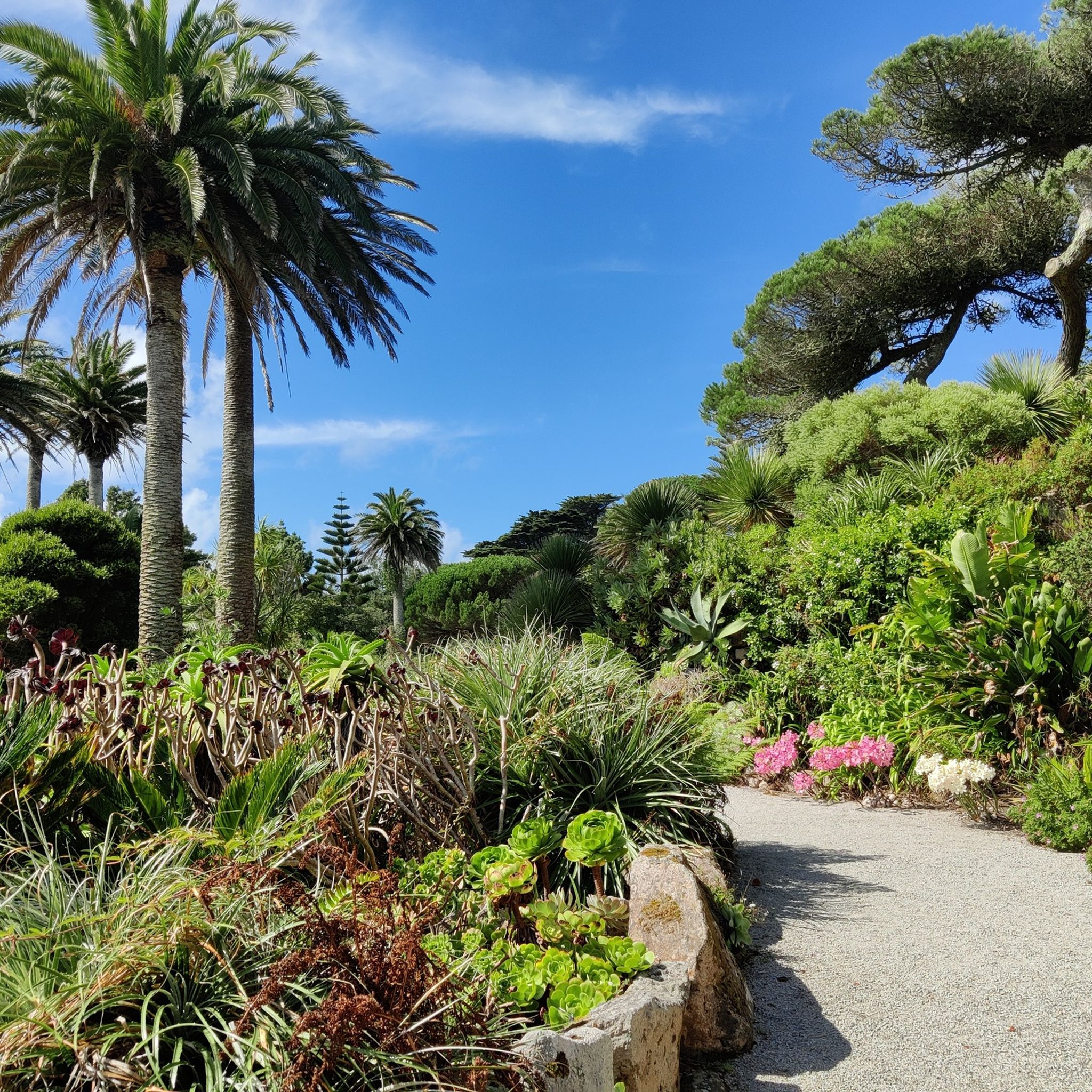
Tresco Abbey Garden
Highlight • Natural Monument
Translated by Google •
Tip by

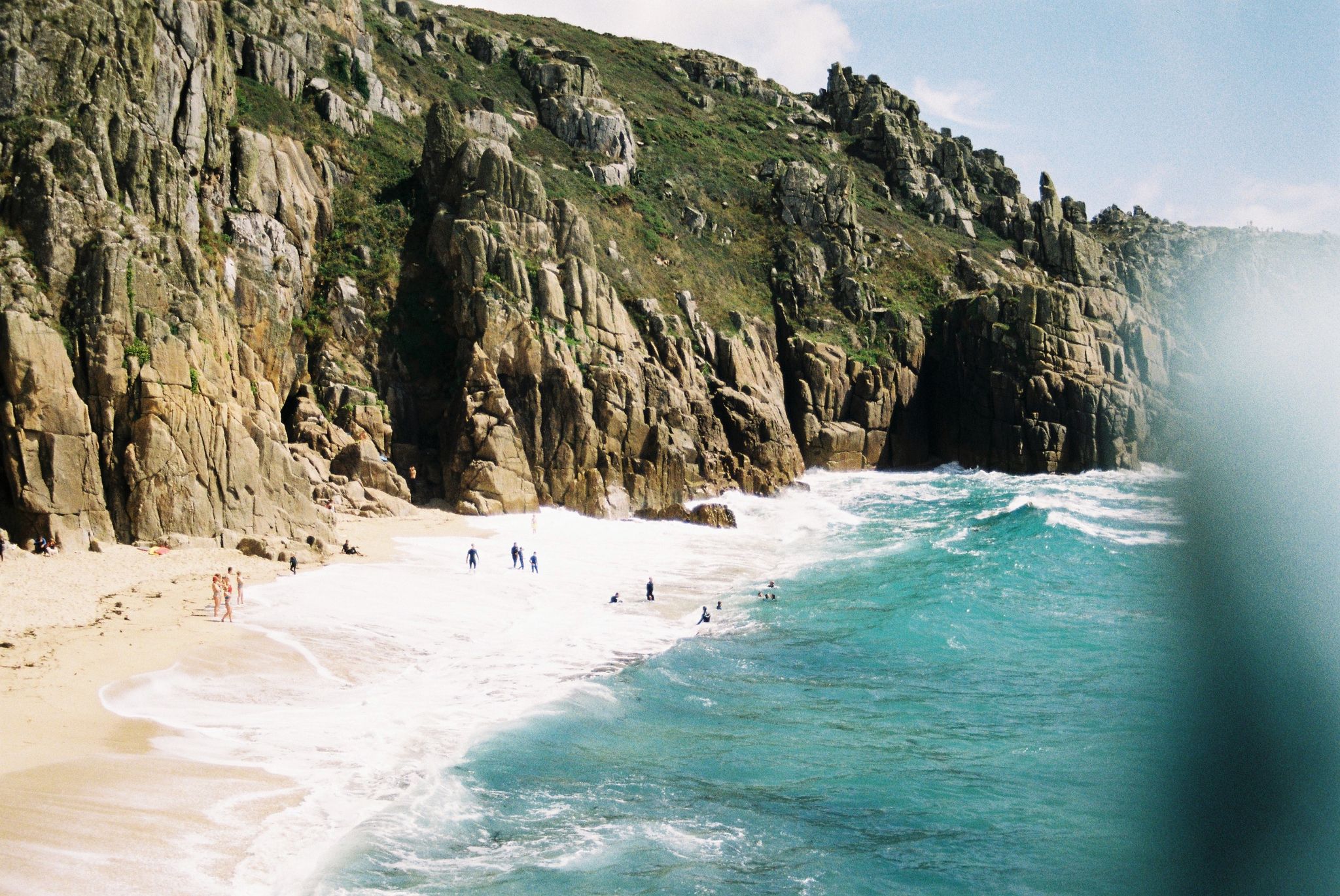
Piper's Hole Cave
Highlight • Natural Monument
Translated by Google •
Tip by

Sign up now to discover places like this
Get recommendations on the best single tracks, peaks, & plenty of other exciting outdoor places.
Sign up for free
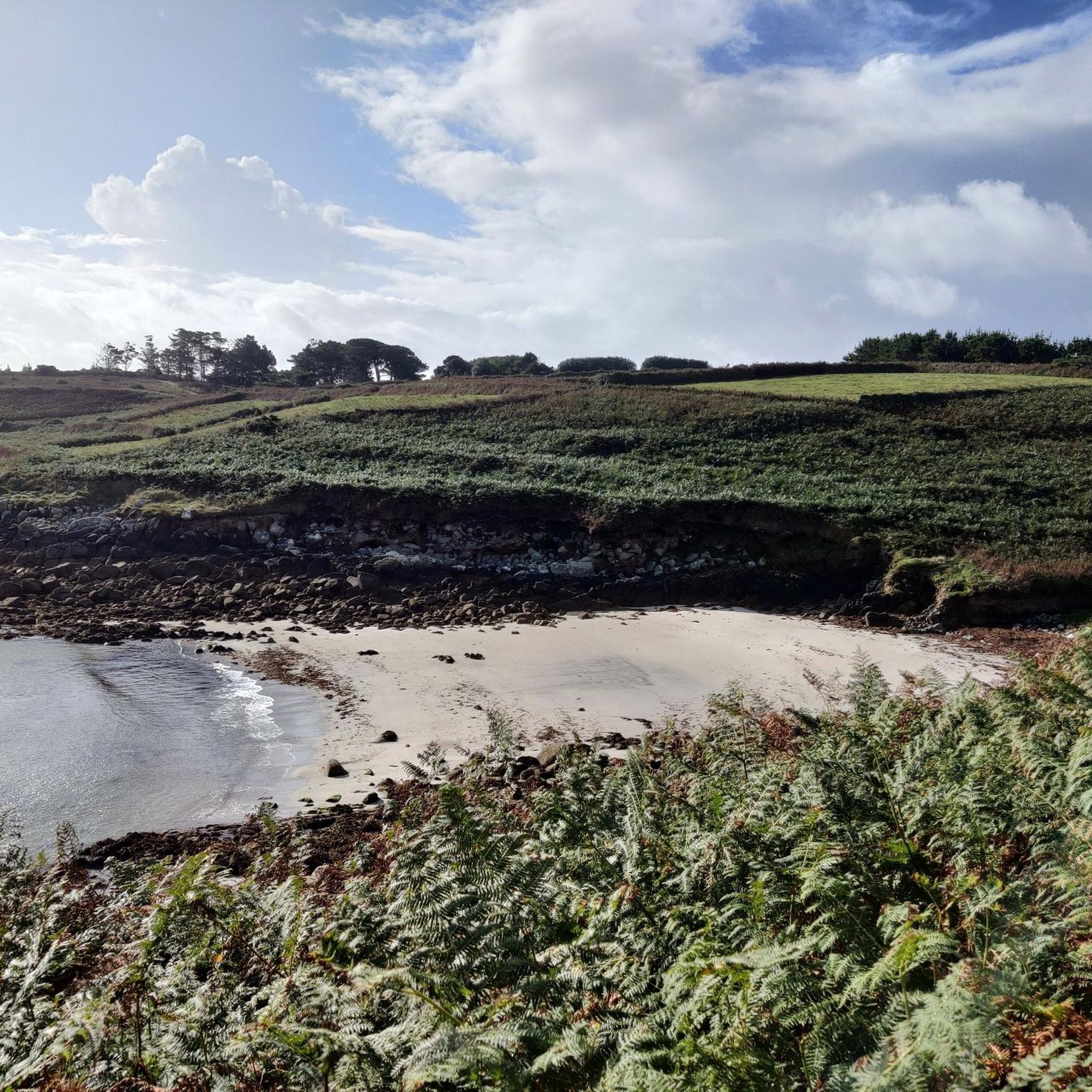
Porth Hellick Burial Chamber
Highlight • Natural Monument
Translated by Google •
Tip by
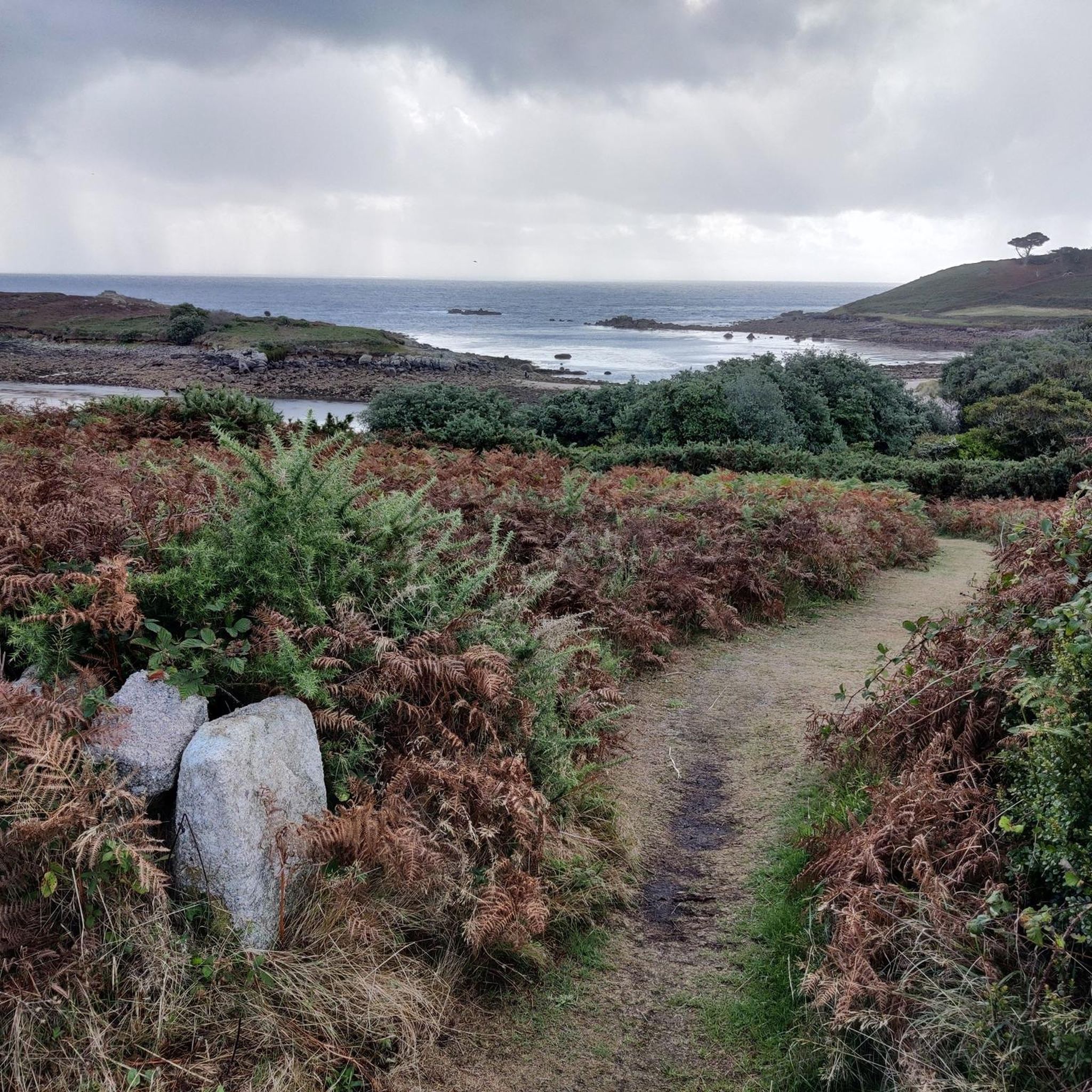
Innisidgen Burial Chamber
Highlight • Natural Monument
Translated by Google •
Tip by
Bant's Carn Burial Chamber
Highlight • Viewpoint
Translated by Google •
Tip by
Sign up for free to discover even more natural monuments around St Mary's.
Sign up for free
Already have an account?
Start today with a free account
Your next adventure awaits.
Login or Signup
Other adventures around St Mary's

Tips from the Community

A wonderful collection of tropical plants in a perfectly landscaped park. Easily accessible by bike from the pier via the paved road along the coast, it's a must-see for day trips.
1
0
Beautiful ancient gardens laid out by Augustus Smith, Lord Proprietor of the Scillys, next to his stately home in the 19th century. Today the garden is home to over 2000 species of tropical and subtropical plants.
3
0

The burial chamber here dates to about 2000 BCE. It's a Bronze Age entrance grave with a kerb, inner passage and burial chamber clearly visible. Managed by English Heritage but open and free to visit it's a short push, walk from the nearest road.
0
0

Unusual location to find these kinds of ruins. Beautifully kept & well worth a visit 👍👍
0
0

Another burial mound and a very interesting piece of ancient history
0
0
Very interesting piece of ancient history.
1
0
Frequently Asked Questions
What are the most popular natural monuments to visit around St Mary's?
Visitors particularly enjoy the ancient historical sites and unique gardens. Highly rated natural monuments include the Innisidgen Burial Chamber and Bant's Carn Burial Chamber, both prehistoric ritual sites. Another favorite is Tresco Abbey Garden, an extensive parkland on the island of Tresco featuring 20,000 plants from various Mediterranean climate zones.
Are there family-friendly natural monuments around St Mary's?
Yes, Tresco Abbey Garden is explicitly listed as family-friendly, offering a beautiful and educational experience with its diverse plant collections and the Walhalla Museum. Additionally, exploring the sandy shores of Peninnis Head or the wetlands for birdwatching can be enjoyable for families.
What kind of natural features can I expect to see on St Mary's?
St Mary's is characterized by striking granite formations, diverse wetlands, and heathland. You can explore dramatic granite cliffs and tors at Peninnis Head, observe marine life in rock pools, and discover unique flora like spring squill in the heathlands. The island also features significant wetland areas like Higher Moors and Lower Moors, which are crucial habitats for migratory birds.
What historical or cultural sites are integrated with the natural monuments?
Many natural monuments on St Mary's have significant historical importance. The Innisidgen Burial Chamber, Bant's Carn Burial Chamber, and Porth Hellick Burial Chamber are all prehistoric ritual sites dating from the Iron or Bronze Age. Tresco Abbey Garden is built around the ruins of a former Benedictine abbey and houses the Walhalla Museum with shipwrecked figureheads.
What outdoor activities can I do near these natural monuments?
The area around St Mary's offers various outdoor activities. You can find numerous trails for running, hiking, and cycling. For detailed routes, explore the Running Trails around St Mary's, Easy hikes around St Mary's, and Cycling around St Mary's guides.
Are there hiking trails near the natural monuments?
Yes, there are several hiking opportunities. For instance, the 'St Mary's Prehistoric loop via Bant's Carn & Innisidgen Burial Chamber' is an easy hike that takes you past significant historical natural monuments. You can find more options in the Easy hikes around St Mary's guide.
What is the best time to visit the natural monuments on St Mary's?
The best time depends on your interests. For vibrant flora, spring sees flowers blooming weeks before the mainland, and autumn offers seasonal colors contrasting with magnificent proteas and camellias at Tresco Abbey Garden. For birdwatching, the wetlands are crucial feeding areas for passage and overwintering migratory birds, making autumn and winter excellent.
Can I explore caves around St Mary's?
Yes, you can explore Piper's Hole Cave. This cave is located at sea level and can only be reached by climbing on rocks, so caution is advised. Legends suggest a tunnel connects it to another cave on the neighboring island of Tresco.
What kind of wildlife can I see at the natural monuments?
The wetlands, such as Higher Moors and Lower Moors, are excellent for birdwatching, attracting migratory birds and waders like snipe, jack snipe, and water rail. Rare species like great blue heron have also been spotted. At Tresco Abbey Garden, red squirrels can be seen scampering among the trees.
Are there any challenging natural monuments or trails for experienced adventurers?
Yes, Piper's Hole Cave is categorized as challenging due to its sea-level location requiring rock climbing to access. For longer, more difficult routes, you might find options in the Running Trails around St Mary's guide, such as the 'Cromwell's Castle – Innisidgen Burial Chamber loop from Hugh Town' which is rated difficult.
What makes Peninnis Head a unique natural monument?
Peninnis Head is known for its dramatic granite cliffs, tors, and boulders scattered among maritime heathland and grassland. It features Pulpit Rock, a notable weather-eroded tor, and supports rare plants and lichens. Its unique geological formations and distinctive flora create an 'otherworldly' atmosphere, making it a captivating area for exploration and rugged coastal scenery.
Are there any natural monuments that are free to visit?
Yes, Porth Hellick Burial Chamber is managed by English Heritage but is open and free to visit. Many of the natural coastal and heathland areas, like Peninnis Head and the general heathland around Giant's Castle, are also freely accessible for exploration.
Most popular attractions around St Mary's

Get inspired with the komoot mobile app


Explore more
Extend your search for the best caves by checking out these guides of the top ones around St Mary's:
