Top 10 Natural Monuments around Otterbourne
Best natural monuments around Otterbourne include significant natural areas and historical sites. The region features chalk downland hills, globally important chalk streams, and ancient woodlands. These areas offer diverse ecosystems, historical intrigue, and recreational value for visitors. Otterbourne's landscape provides opportunities to explore natural beauty and observe local wildlife.
Best natural monuments around Otterbourne
- The most popular natural monuments is St Catherine's Hill, a viewpoint and natural monument featuring an Iron Age hillfort and a 12th-century chapel. This prominent…
Last updated: June 29, 2026
St Catherine's Hill
Highlight • Historical Site
Tip by

St Catherine's Hill
Highlight • Viewpoint
Tip by

Sign up now to discover places like this
Get recommendations on the best single tracks, peaks, & plenty of other exciting outdoor places.
Sign up for free
River Itchen
Highlight • River
Translated by Google •
Tip by

East (Andrews) Park Alpine Garden & Pond
Highlight • Monument
Tip by

Cheesefoot Head
Highlight (Segment) • Historical Site
The area holds historical significance as well. During World War II, it served …
Tip by

Sign up for free to discover even more natural monuments around Otterbourne.
Sign up for free
Already have an account?
Start today with a free account
Your next adventure awaits.
Login or Signup
Tips from the Community

St Catherine's Hill is a prominent chalk downland hill on the outskirts of Winchester, notable for its layered historical and ecological importance. Now a biological Site of Special Scientific Interest (SSSI) managed as a nature reserve, its summit is ringed by the impressive earthworks of a univallate Iron Age hillfort dating back over 2,000 years. The top is marked by a distinctive copse of beech trees, known as 'The Clump', which contains the scant ruins of the 12th-century St Catherine's Chapel, while the hillside features a turf-cut labyrinth known as the Miz-Maze; the entire site provides spectacular views over the city, the Itchen Valley, and supports a rich variety of wildflowers and butterflies, including the protected Chalkhill Blue.
1
0
St Catherine's Hill is a prominent chalk downland hill on the outskirts of Winchester, notable for its layered historical and ecological importance. Now a biological Site of Special Scientific Interest (SSSI) managed as a nature reserve, its summit is ringed by the impressive earthworks of a univallate Iron Age hillfort dating back over 2,000 years. The top is marked by a distinctive copse of beech trees, known as 'The Clump', which contains the scant ruins of the 12th-century St Catherine's Chapel, while the hillside features a turf-cut labyrinth known as the Miz-Maze; the entire site provides spectacular views over the city, the Itchen Valley, and supports a rich variety of wildflowers and butterflies, including the protected Chalkhill Blue.
1
0
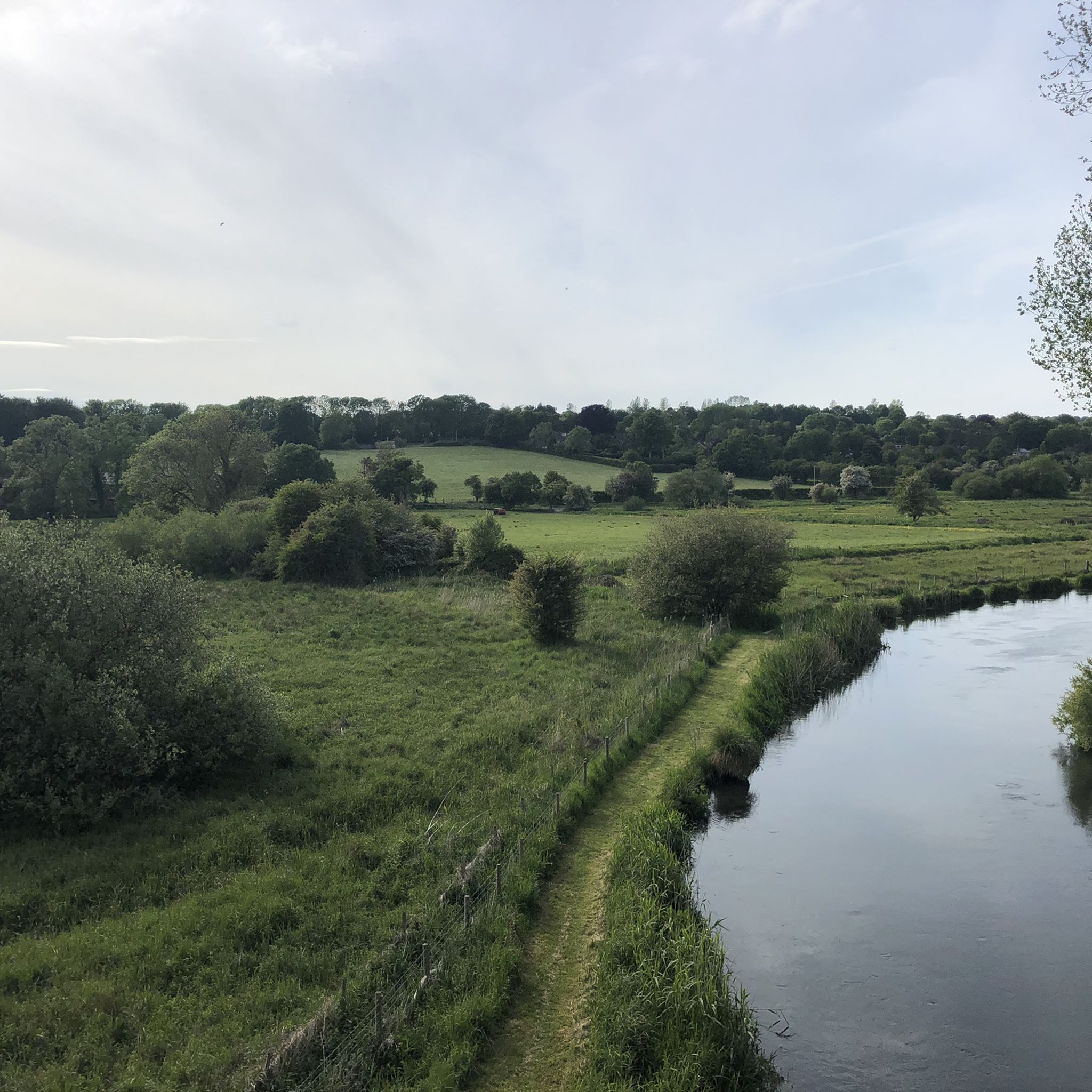
The River Itchen is one of England's internationally renowned chalk streams, rising south of New Alresford in Hampshire and flowing for approximately 28 miles through the historic city of Winchester before eventually meeting Southampton Water. Famed for its crystal-clear, stable-temperature, and nutrient-rich waters, the river supports an exceptionally diverse ecosystem, leading to its designation as a Site of Special Scientific Interest (SSSI) and a Special Area of Conservation (SAC), vital for species like the Atlantic salmon, otter, and southern damselfly. Historically, the river was modified to form the Itchen Navigation, a former canal that once connected Winchester and Southampton for trade, and today its valley is characterised by a system of disused water-meadows, making it a globally significant natural habitat.
1
0

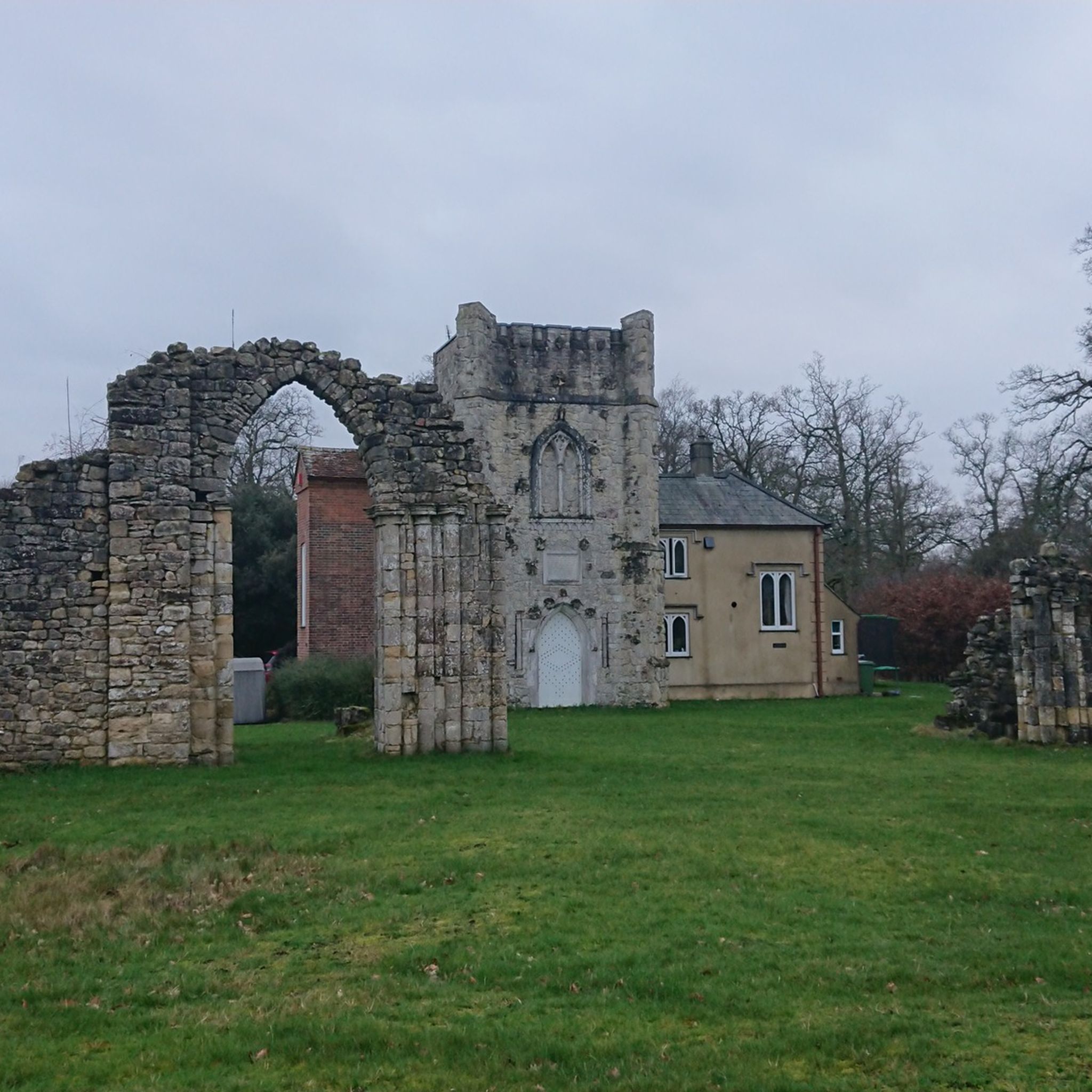
James Cameron inspired this monument to film a famous scene in the remake of Titanic. Look at the angel… then you will understand
1
0


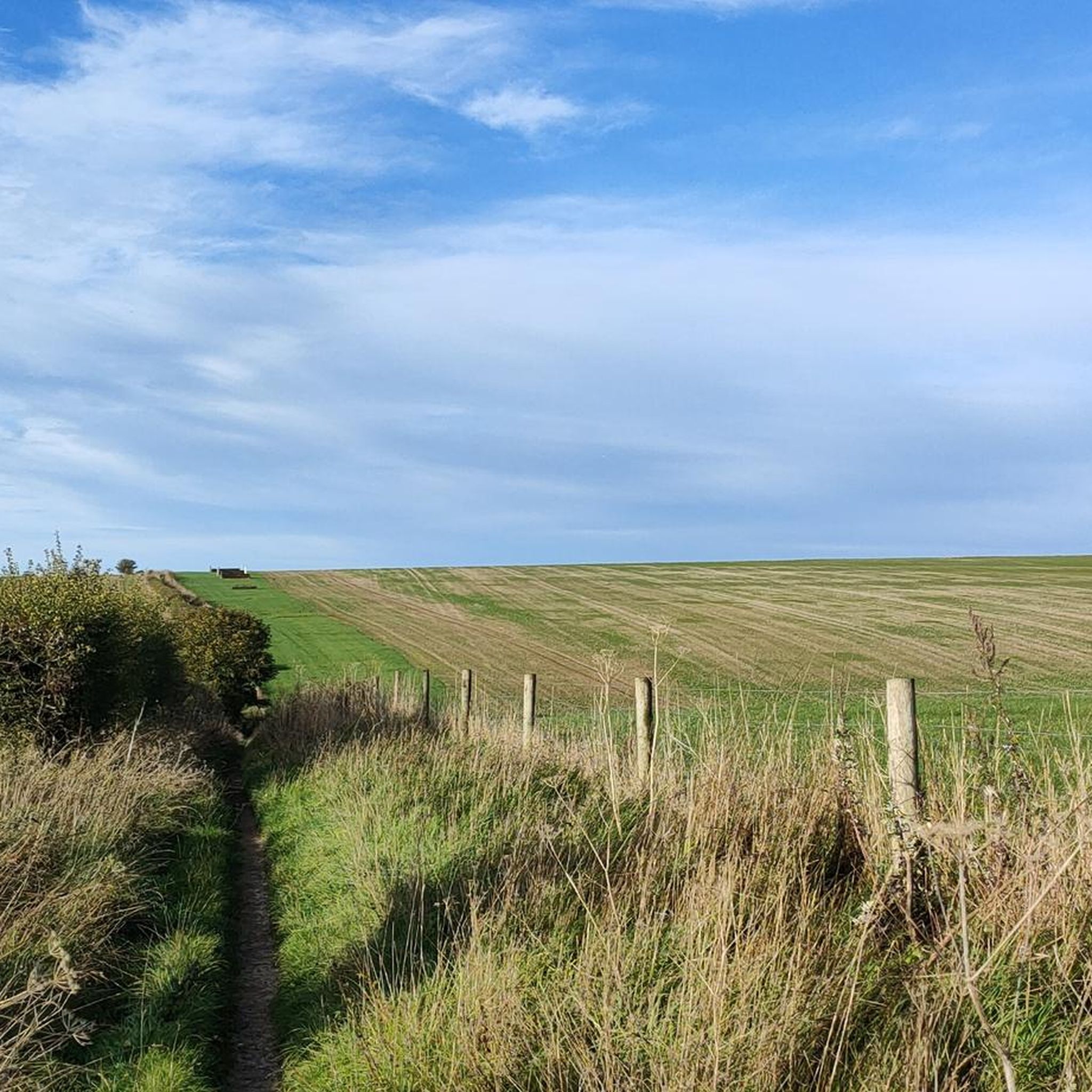
Nearly the furthest point on our ride today. It's a great way to access the South Downs Way.
1
0

Beautiful spot to watch the sunrise and look down at the city lights in the distance. Great route up with steps from the south west side of the hill
2
0
The pathway up is unclear from this point. Note however that there is an easy to follow route up with mostly steps on the south west side of the hill
2
0
Frequently Asked Questions
What kind of walking routes can I find near Otterbourne's natural monuments?
The area around Otterbourne offers a variety of walking routes. For instance, you can explore hiking trails like the 'Narrow Path and Brick Archway – Allbrook Lock loop' or 'The Bridge Pub, Shawford – Shawford Down War Memorials loop'. There are also running and cycling routes available. You can find more details on these activities in the hiking guide, running guide, and cycling guide for Otterbourne.
Are there family-friendly natural monuments to visit around Otterbourne?
Yes, several natural monuments are suitable for families. Cheesefoot Head, a natural amphitheatre with sweeping views, is considered family-friendly. The River Itchen also offers picturesque spots for walks and picnics, which can be enjoyable for families.
Which natural monuments near Otterbourne are dog-friendly?
Otterbourne Park Wood, though not listed as a highlight, is well-used by local residents, especially dog walkers, and offers a network of public and permissive paths. The Itchen Way, running alongside the River Itchen, also provides extensive walking opportunities that are generally dog-friendly.
What kind of wildlife can I expect to see at these natural monuments?
The natural monuments around Otterbourne are rich in wildlife. At St Catherine's Hill, you can spot over 25 species of butterflies, including the protected Chalkhill Blue, and various wildflowers. The River Itchen is home to protected species like water voles, otters, white-clawed crayfish, kingfishers, and various butterflies and dragonflies. Otterbourne Park Wood boasts diverse ground flora, including early purple orchids.
Are there any historical features at the natural monuments around Otterbourne?
Yes, history is woven into the landscape. St Catherine's Hill features the earthworks of an Iron Age hillfort, the buried ruins of a 12th-century Norman chapel, and a turf-cut labyrinth known as the Miz-Maze. Otterbourne Park Wood has evidence of a former Roman road running through its northern part. Cheesefoot Head holds historical significance as a military training area during World War II.
What are the best natural monuments for scenic views?
St Catherine's Hill offers spectacular views over Winchester, the Itchen Valley, and the surrounding countryside. Similarly, Cheesefoot Head provides sweeping vistas of the South Downs.
Is there public transport available to reach natural monuments near Otterbourne?
While specific public transport routes to each natural monument can vary, Otterbourne is a village in Hampshire, England. It's advisable to check local bus services or train connections to nearby Winchester for access to sites like St Catherine's Hill. For detailed travel planning, local transport websites are the best resource.
What is the best time of year to visit the natural monuments around Otterbourne?
The summer months are particularly rewarding for visiting the natural monuments. During this time, St Catherine's Hill is vibrant with stunning wildflowers and rare butterflies. The River Itchen also thrives with aquatic and riparian species, making it ideal for wildlife observation.
Are there any natural monuments around Otterbourne that are wheelchair accessible?
East (Andrews) Park Alpine Garden & Pond is a man-made monument featuring beautifully maintained paved paths, making it wheelchair accessible. For other natural sites, accessibility can be limited due to natural terrain, but some paths along the River Itchen may be suitable.
Where can I find cafes or pubs near the natural monuments?
Near East (Andrews) Park Alpine Garden & Pond, there is a café within the park itself. For other locations, such as Cheesefoot Head, visitor tips mention ice cream available in the car park. Local pubs and cafes can be found in Otterbourne village and nearby Winchester.
What geological features can I look out for in the natural monuments?
The region is characterized by significant geological features. St Catherine's Hill is a prominent chalk downland hill. The River Itchen is a globally important chalk stream, known for its crystal-clear waters and unique ecosystem supported by the chalk geology.
Are there circular walks available at these natural monuments?
Otterbourne Park Wood offers a network of public and permissive paths that allow for various circular walks. The Itchen Way, running alongside the River Itchen, also provides opportunities to create circular routes by combining sections with other local paths.
How long should I plan for a visit to the natural monuments?
The duration of your visit depends on the site and your activity. For instance, climbing St Catherine's Hill and exploring its summit could take 1-2 hours. A leisurely walk along the River Itchen or through Otterbourne Park Wood could range from an hour to several hours, depending on the chosen route. East (Andrews) Park Alpine Garden & Pond might be a shorter visit of 30 minutes to an hour.
Most popular routes around Otterbourne
Most popular attractions around Otterbourne

Get inspired with the komoot mobile app


Explore more
Extend your search for the best caves by checking out these guides of the top ones around Otterbourne:
