Top 19 Natural Monuments around Seaton
Best natural monuments around Seaton are found along the UNESCO World Heritage Jurassic Coast, a 95-mile stretch showcasing 185 million years of Earth's history. Seaton's location allows observation of rocks from all three geological periods: Triassic, Jurassic, and Cretaceous. The area features dramatic cliffs, diverse ecosystems, and significant geological insights. These natural attractions provide a blend of geological significance and scenic landscapes for exploration.
Best natural monuments around Seaton
- The most popular natural monuments is Beer to Seaton Coastal Path…
Last updated: October 2, 2026
Beer to Seaton Coastal Path
Highlight (Segment) • Viewpoint
Tip by

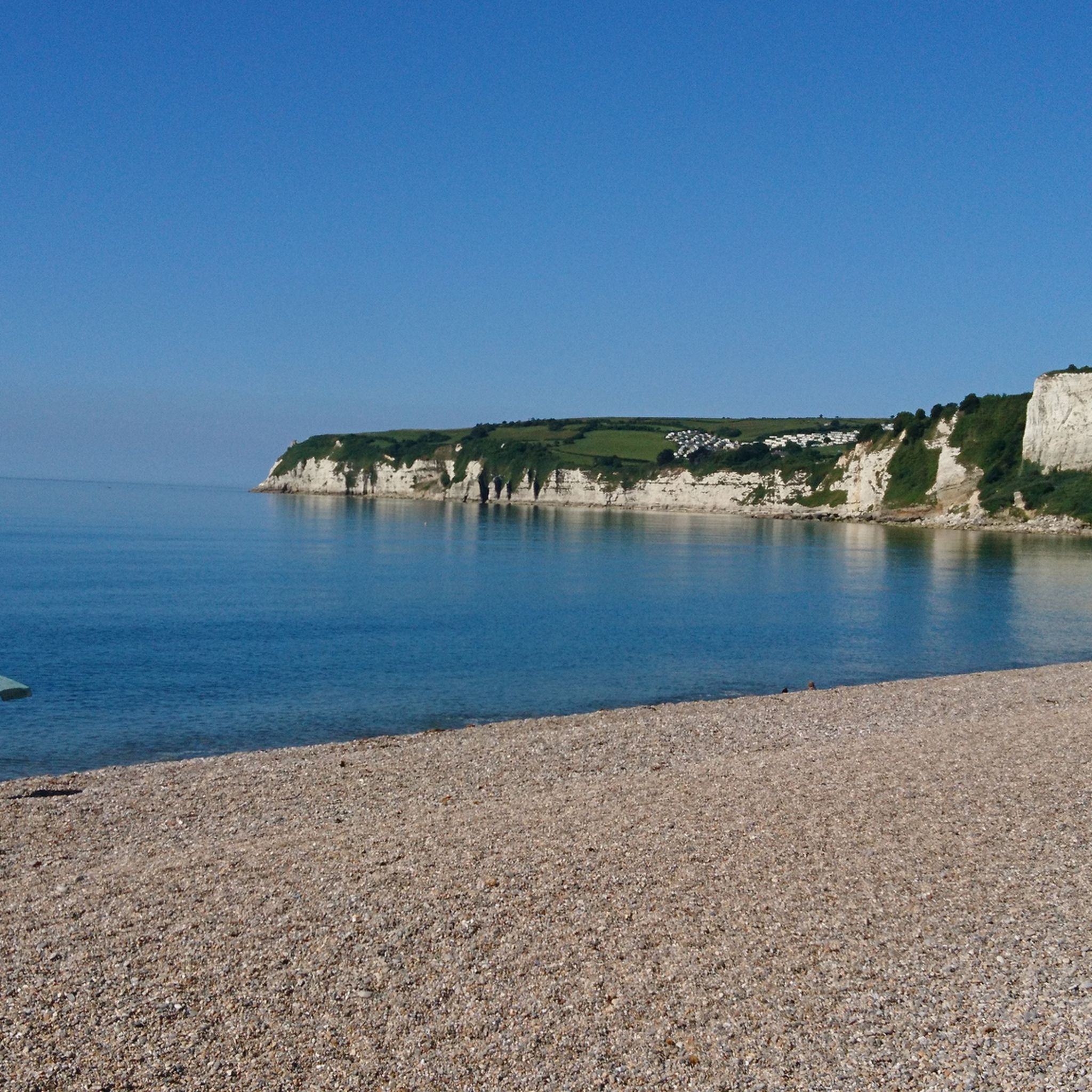
Seaton Beach and Cliffs
Highlight • Beach
The town itself, Devon's easternmost seaside …
Translated by Google •
Tip by

Sign up now to discover places like this
Get recommendations on the best single tracks, peaks, & plenty of other exciting outdoor places.
Ware Cliffs
Highlight • Viewpoint
Tip by

Beer Quarry Caves
Highlight • Cave
Tip by
The Tombstone Cliff
Highlight • Natural Monument
Tip by

Sign up for free to discover even more natural monuments around Seaton.
Already have an account?
Start today with a free account
Your next adventure awaits.
Popular around Seaton
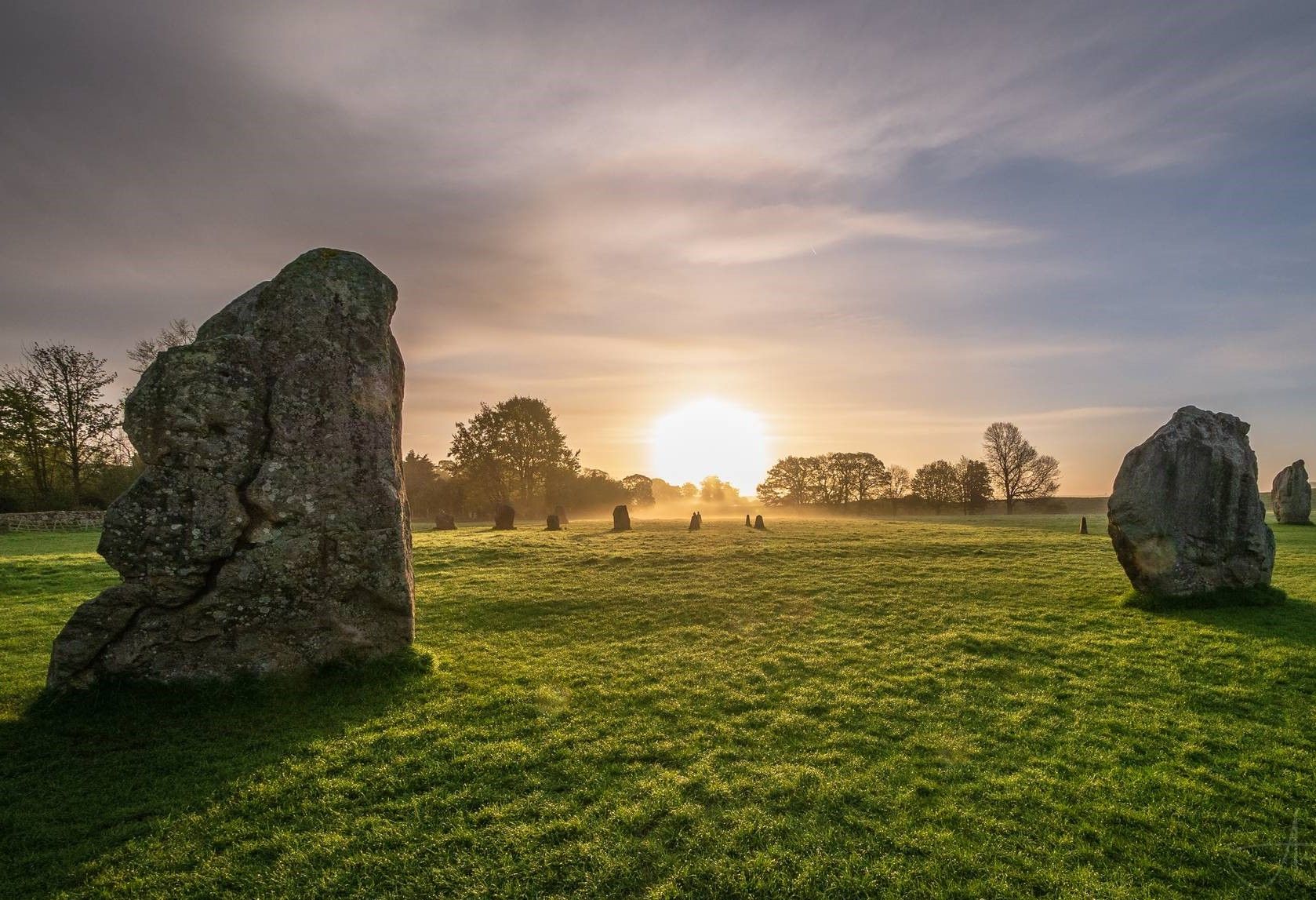
Celtic Way — An epic pilgrimage through prehistory and wild beauty
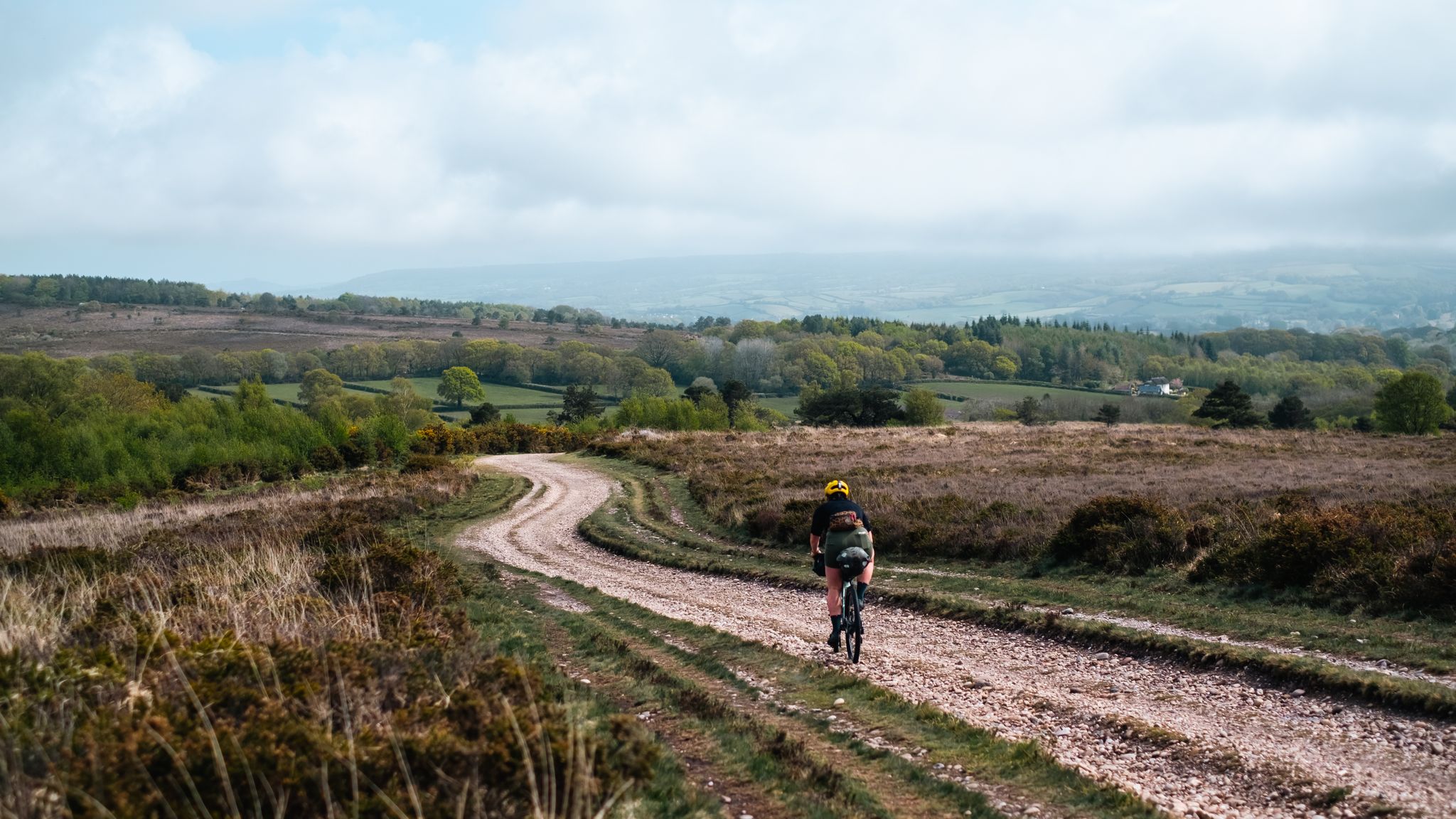
East Devon Trail — wildlife spotting from coast to country
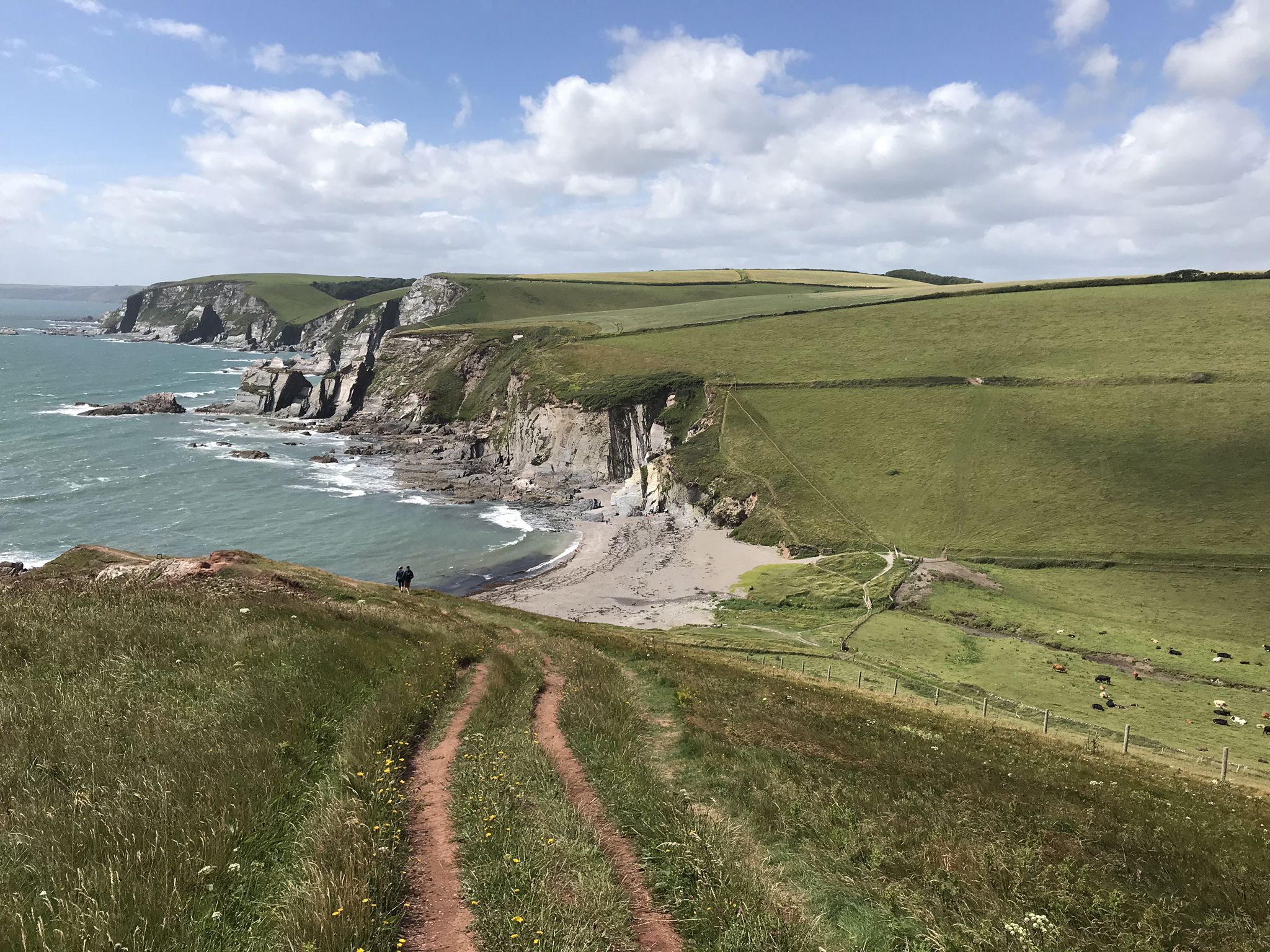
E9 Plymouth to Dover — An epic exploration of England's south coast
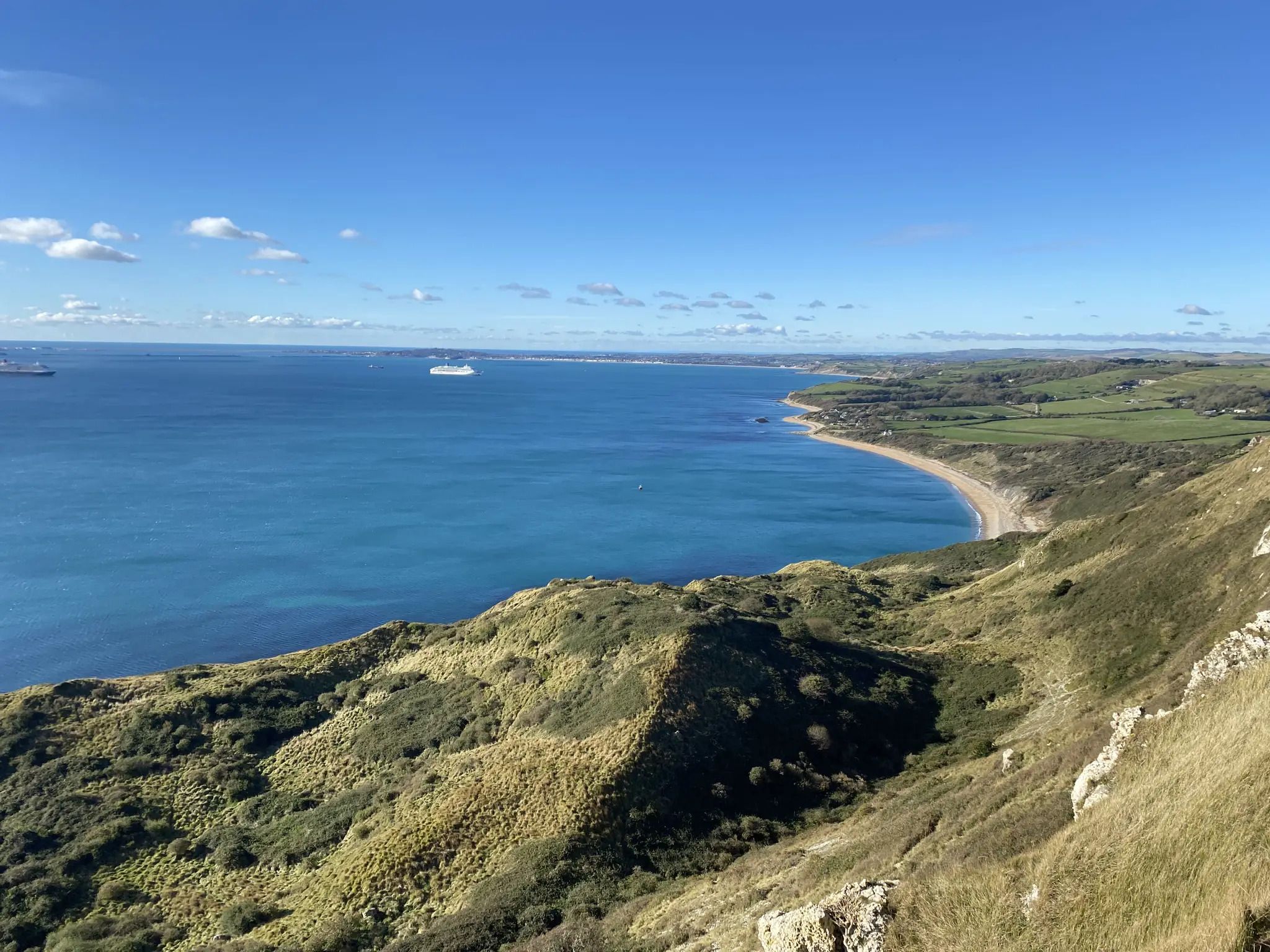
Jurassic Coast – Long Distance Walking in the South of England
South West Coast Path — Part 4 — Conquer Britain's longest trail
South West Coast Path — Explore Britain's longest trail
Coast to coast across Somerset countryside — Channel to Channel Path
Running Trails around Seaton
Hiking around Seaton
Road Cycling Routes around Seaton
Other adventures around Seaton


Tips from the Community

Very beautiful, old seaside resort. A visit, or even just a swim in the sea, is definitely worthwhile.
0
0

Jurassic Coast - here, as a touring cyclist, you get a nice access with wonderful views, swimming options and good restaurants.
0
0

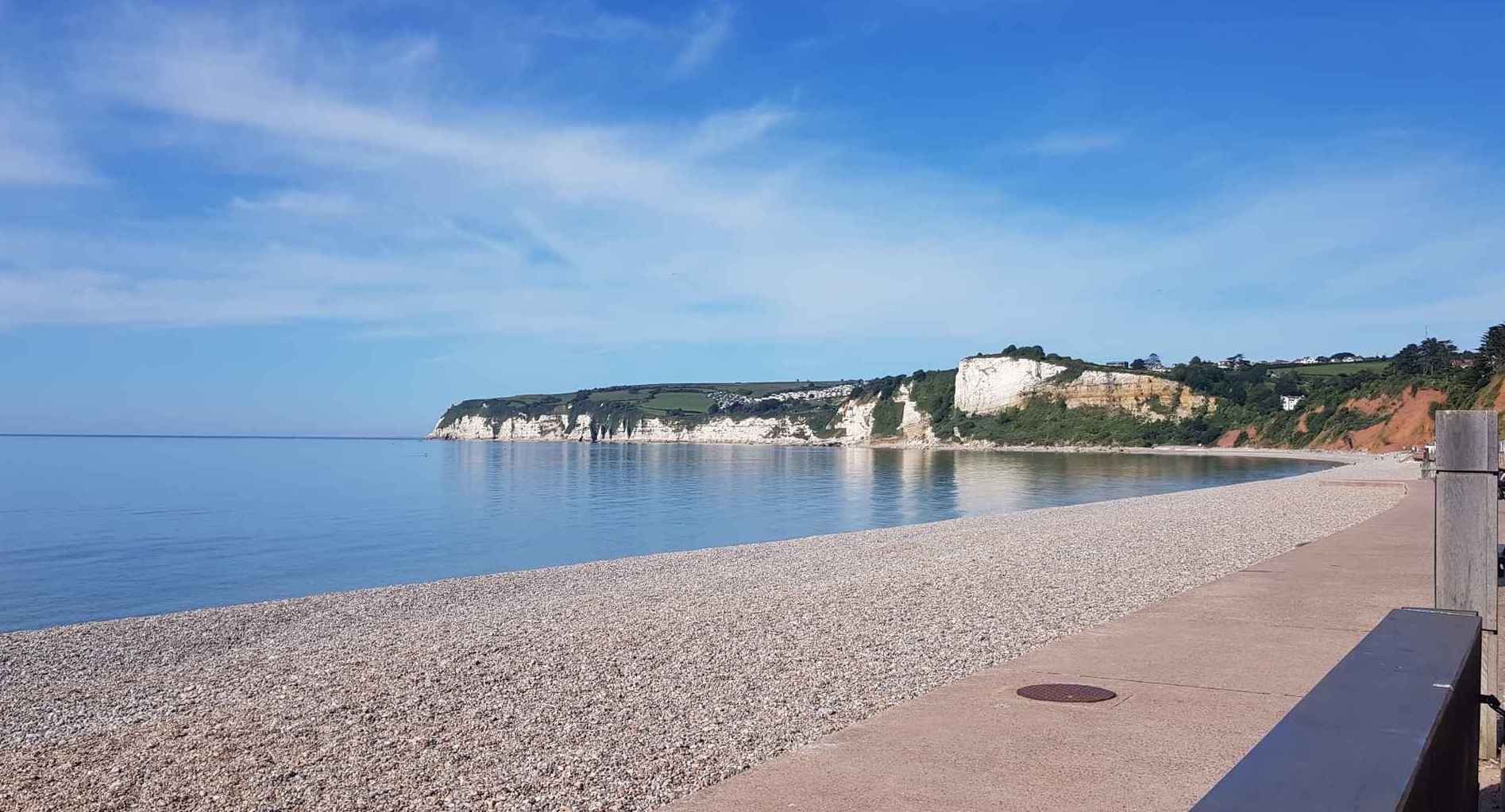
A mile-long beach with a mix of sand and shingle, clear water, and a gently sloping shore. It's a great place for swimming, water sports, and walking. The beach is surrounded by cliffs and green hillsides, and is a popular spot for photographers. A flat walking area that runs alongside the beach, with a cafe at one end and the town at the other.
1
0
I have no idea why they call it the tombstone. Maybe as it looks like one? I don't know. Anybody know?
2
0
Quite the section this. Has a little bit of everything.
1
0
Little bit of useless trivia for you. on the section outlayed on my page, this is the only gate you'll need to go through. That is something that doesn't happen often. The area is predominately open meadow land and woodland preserved by the National Trust. The area was an important Armada look-out point and later when a French invasion was feared, the warning beacon sited here, when lit, would have started a chain from the coast north to Trinity Hill near Axminster and west to Rousdon in the direction of Seaton. With vigilance, the entire country to the north coast could be alerted within half an hour thanks to the well worked out network of sightlines joining hilltop to hilltop.
1
0

Beer Quarry Caves are former underground limestone quarries near Beer in the county of Devon on the English Channel coast. The village of Beer is about two kilometers west of Seaton and 13 kilometers east of Sidmouth. The caves can only be visited with a guide. Entrance fee 11 pounds. Afterwards, it is worth taking a walk through the village of Beer and having a coffee or tea on the beach.
0
0

Beer Quarry Caves is a man-made limestone underground complex located about a mile west of the village of Beer, Devon, and the main source in England for beer stone. The tunnels resulted from 2,000 years of quarrying beer stone, which was particularly favoured for cathedral and church features such as door and window surrounds because of its colour and workability for carving. Stone from the quarry was used in the construction of several of southern England's ancient cathedrals and a number of other important buildings as well as for many town and village churches, and for some buildings in the United States.
7
0
Frequently Asked Questions
What are some of the most popular natural monuments to explore around Seaton?
Visitors frequently enjoy the Beer to Seaton Coastal Path, which offers stunning views across 185 million years of geological history. Another favorite is Seaton Beach and Cliffs, a mile-long pebble beach ideal for swimming and coastal walks. The unique The Tombstone Cliff, a wooded section of the South West Coast Path formed by a landslip, is also highly appreciated by the komoot community.
What makes the Jurassic Coast around Seaton unique?
Seaton holds a unique position on the UNESCO World Heritage Jurassic Coast as the only place where rocks from all three geological periods—Triassic, Jurassic, and Cretaceous—can be observed simultaneously. This 95-mile stretch of coastline showcases 185 million years of Earth's history through exposed rock layers, revealing ancient environments and fossilized remains, including arches, pinnacles, and stack rocks.
Are there good opportunities for wildlife observation near Seaton?
Yes, the Seaton Wetlands, located just a mile north of Seaton, is an award-winning nature reserve perfect for wildlife observation. It comprises four main areas—Seaton Marshes, Black Hole Marsh, Colyford Common, and Stafford Marsh—and is a haven for diverse wildlife, including wildfowl, wading birds, dragonflies, butterflies, and even otters. Colyford Common is particularly known for little egrets and shelducks.
What kind of outdoor activities can I do near Seaton's natural monuments?
Beyond exploring the natural monuments themselves, Seaton offers a variety of outdoor activities. You can find excellent hiking routes, including easy coastal paths like the 'Axmouth & the estuary loop'. For cyclists, there are numerous cycling tours, such as the 'Seaton Seafront and Beach – Axmouth Bridge loop'. Mountain biking enthusiasts can also find MTB trails, like the 'Colyton Town Center – View of the Blackdown Hills loop'.
Can I go fossil hunting around Seaton?
Yes, the Jurassic Coast around Seaton is unparalleled for fossil hunting. The exposed rock layers, particularly at Seaton Beach and Cliffs and towards Beer at Seaton Hole, offer excellent opportunities to find fossils, especially ammonites. The area provides a visual record of geological shifts and ancient life.
Are there any accessible natural monuments for visitors with limited mobility or pushchairs?
The Seaton Wetlands is an excellent choice for accessibility. It features nearly 4km of level trails and boardwalks, making it suitable for wheelchairs, bikes, and pushchairs. This allows everyone to explore and connect with nature in a tranquil setting.
Are the natural monuments around Seaton suitable for families with children?
Many natural monuments around Seaton are family-friendly. Seaton Beach and Cliffs is ideal for swimming, paddling, and rock pooling at Seaton Hole. The Seaton Wetlands offers easy, level trails for peaceful walks and birdwatching. Additionally, the Cliff Field Gardens hosts a unique Geological Timeline exhibit, providing an engaging and educational experience for all ages.
What geological features can I expect to see along the coast near Seaton?
The coast near Seaton, part of the Jurassic Coast, is rich in geological features. You'll encounter dramatic cliffs, pebble beaches, and unique rock formations like arches, pinnacles, and stack rocks. At Seaton Beach and Cliffs, you can observe a fault where red Triassic rocks meet younger chalk formations. The Ware Cliffs also offer insights into the area's geological past, with exposed strata and the effects of coastal erosion.
Are there any historical sites related to the natural monuments?
Yes, the Beer Quarry Caves are a significant historical site. These man-made limestone underground complexes resulted from 2,000 years of quarrying Beer stone, which was used in the construction of several southern England's ancient cathedrals and other important buildings. The caves offer a fascinating glimpse into the region's industrial past and its connection to the local geology.
When is the best time to visit the natural monuments in Seaton?
The natural monuments around Seaton can be enjoyed year-round, but spring and summer offer the most pleasant weather for coastal walks, beach activities, and wildlife spotting at the Wetlands. Autumn provides beautiful scenery with changing foliage, while winter can offer dramatic coastal views, though some paths might be muddy. Always check local weather conditions before your visit.
Can I bring my dog to the natural monuments in Seaton?
Many outdoor areas around Seaton are dog-friendly, especially coastal paths and beaches. While specific restrictions may apply to certain nature reserves or during peak seasons on parts of the beach, generally, dogs are welcome on leads along the South West Coast Path and in many of the wider natural areas. Always check local signage for specific rules at each location you plan to visit.
What do visitors enjoy most about the natural monuments around Seaton?
Visitors consistently praise the breathtaking scenery and the unique geological insights offered by the Jurassic Coast. The opportunity for peaceful walks and exceptional birdwatching at the Seaton Wetlands is also highly valued. Many appreciate the chance to go fossil hunting and explore the dramatic cliffs and beaches, often highlighting the blend of natural beauty and historical significance.
Most popular routes around Seaton
Most popular attractions around Seaton

Get inspired with the komoot mobile app


Explore more
Extend your search for the best caves by checking out these guides of the top ones around Seaton:
