Top 9 Natural Monuments around Dalwood
Best natural monuments around Dalwood are found in East Devon, a region uniquely positioned near the Blackdown Hills National Landscape and the Jurassic Coast, a UNESCO World Heritage Site. This area features rolling hills, steep valleys, and distinctive flat-topped plateaus, alongside dramatic coastal cliffs. The geology includes Upper Greensand sandstone and a sequence of rock formations spanning 185 million years. Visitors can explore diverse landscapes, from protected inland areas to the dynamic coastline.
Best natural monuments around Dalwood
- The most…
Last updated: July 13, 2026
Beer to Seaton Coastal Path
Highlight (Segment) • Viewpoint
Tip by

Seaton Beach and Cliffs
Highlight • Beach
The town itself, Devon's easternmost seaside …
Translated by Google •
Tip by

Sign up now to discover places like this
Get recommendations on the best single tracks, peaks, & plenty of other exciting outdoor places.
Sign up for free
Beer Quarry Caves
Highlight • Cave
Tip by
Goat Island (Bindon Cliffs)
Highlight • Viewpoint
Tip by

Prescott Pinetum
Highlight • Natural Monument
The majority of the mature trees are dated to the 1840s-1860s when they were planted by the then owner …
Tip by

Sign up for free to discover even more natural monuments around Dalwood.
Sign up for free
Already have an account?
Start today with a free account
Your next adventure awaits.
Login or Signup

Tips from the Community

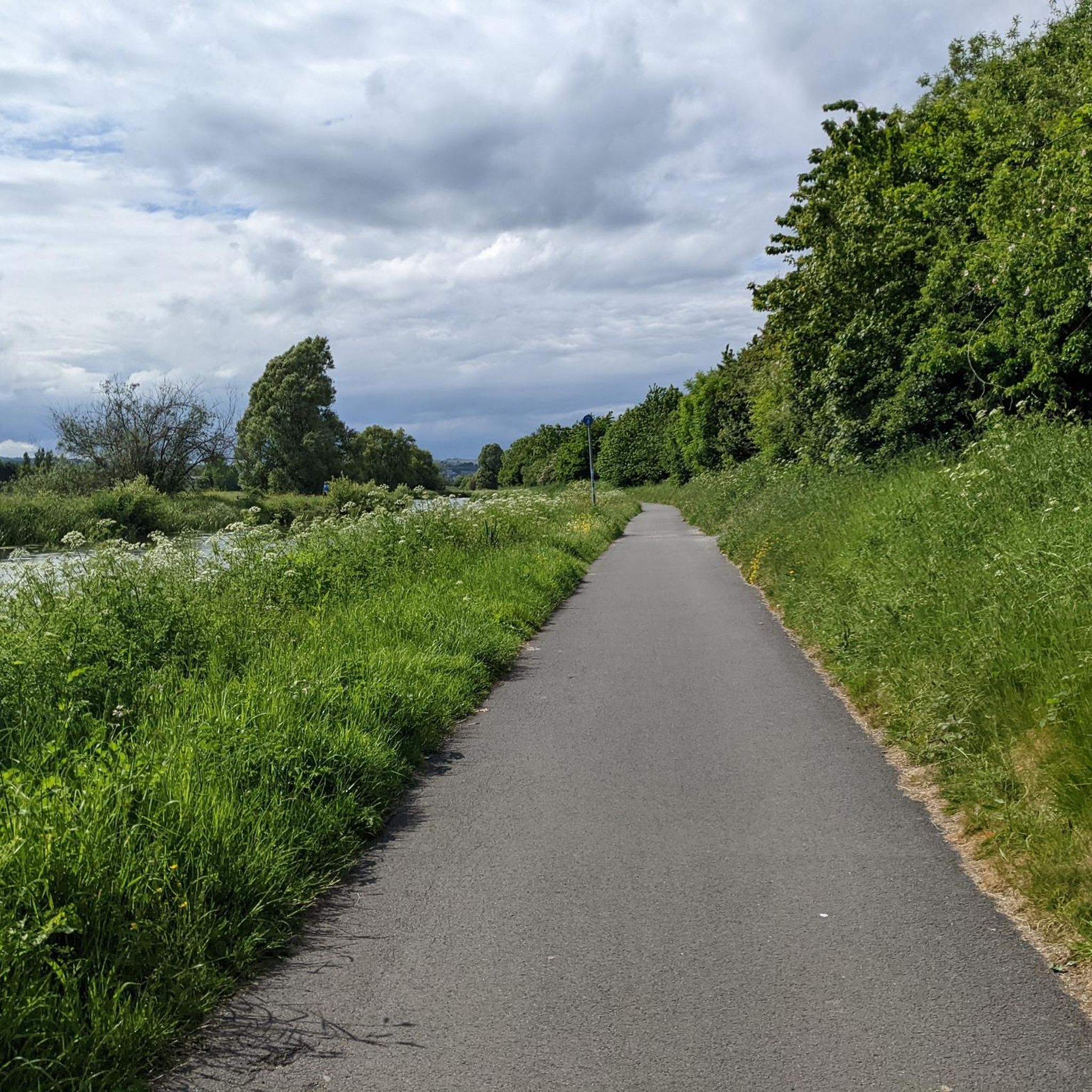
Jurassic Coast - here, as a touring cyclist, you get a nice access with wonderful views, swimming options and good restaurants.
0
0

A mile-long beach with a mix of sand and shingle, clear water, and a gently sloping shore. It's a great place for swimming, water sports, and walking. The beach is surrounded by cliffs and green hillsides, and is a popular spot for photographers. A flat walking area that runs alongside the beach, with a cafe at one end and the town at the other.
1
0
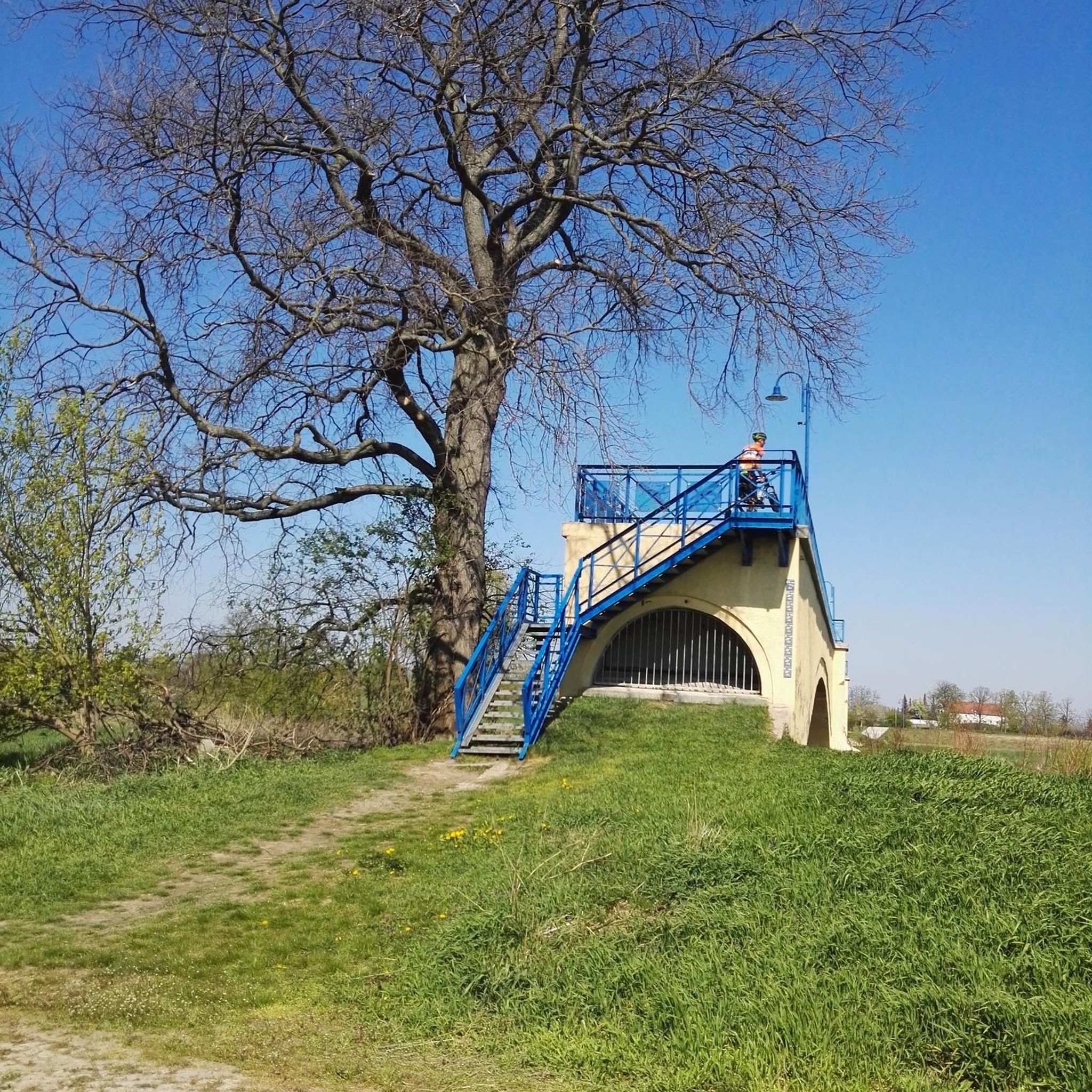
Quite the section this. Has a little bit of everything.
1
0

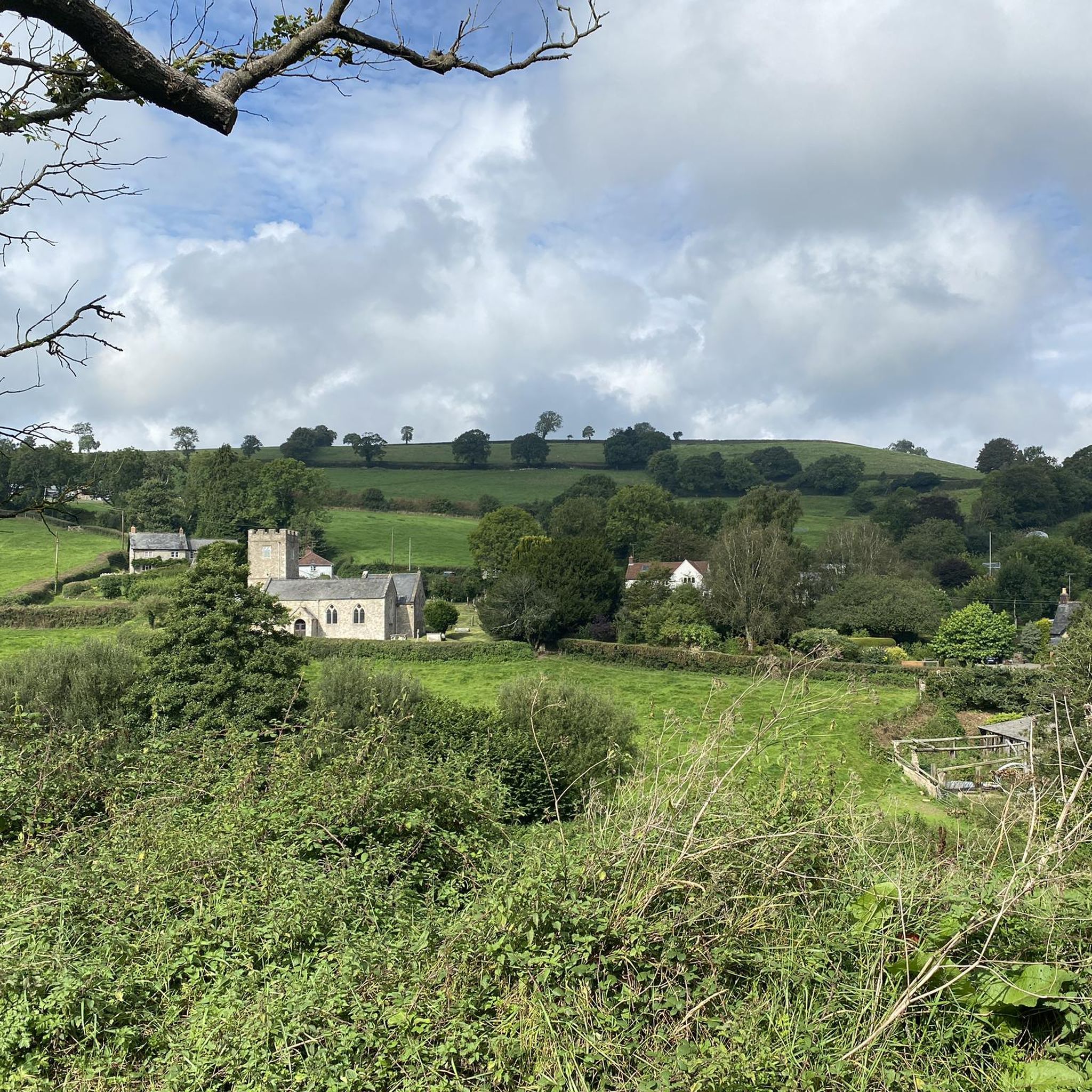
Prescott Pinetum (also known as either Uplyme or Woodhouse Pinetum) . The majority of the mature trees are dated to the 1840s-1860s when they were planted by the then owner of Woodhouse; the majority of the species originate from the Americas.
0
0
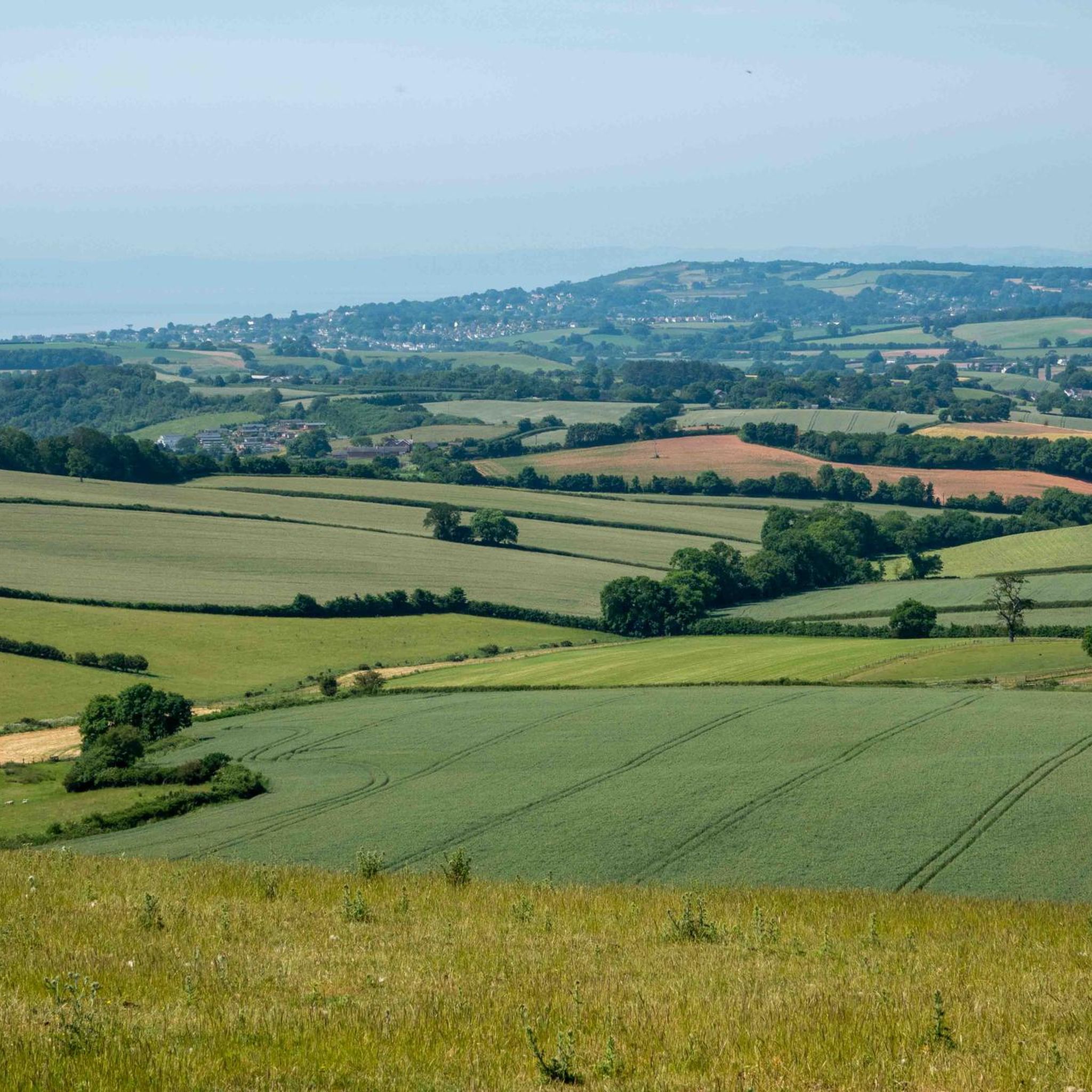
The Bindon Landslide ( cliffs ) is situated on the coast of south-east Devon between Axmouth and Lyme Regis and is a complex block slide with a rear graben which produced a short-lived offshore toe reef in 1839.
0
0

Beer Quarry Caves are former underground limestone quarries near Beer in the county of Devon on the English Channel coast. The village of Beer is about two kilometers west of Seaton and 13 kilometers east of Sidmouth. The caves can only be visited with a guide. Entrance fee 11 pounds. Afterwards, it is worth taking a walk through the village of Beer and having a coffee or tea on the beach.
0
0

Beer Quarry Caves is a man-made limestone underground complex located about a mile west of the village of Beer, Devon, and the main source in England for beer stone. The tunnels resulted from 2,000 years of quarrying beer stone, which was particularly favoured for cathedral and church features such as door and window surrounds because of its colour and workability for carving. Stone from the quarry was used in the construction of several of southern England's ancient cathedrals and a number of other important buildings as well as for many town and village churches, and for some buildings in the United States.
7
0
Seaton's coastal beach is a mile long and overlooks Lyme Bay on the Jurassic Coast. The beach is ideal for swimming, paddling and fishing. The town itself, Devon's easternmost seaside resort, has plenty of cafes, pubs, shops and restaurants to refuel and recharge your batteries.
7
0
Frequently Asked Questions
What are the main natural features to explore around Dalwood?
The area around Dalwood is rich in diverse natural features. You can explore the tranquil, rolling hills and valleys of the Blackdown Hills Area of Outstanding Natural Beauty (AONB), which is characterized by unique geology and varied ecosystems. To the south, the dramatic cliffs and coastline of the Jurassic Coast offer geological wonders and stunning sea views. Specific highlights include coastal paths, beaches, and unique geological formations.
Are there any family-friendly natural monuments near Dalwood?
Yes, several natural monuments are suitable for families. Seaton Beach and Cliffs is a mile-long pebble beach ideal for swimming and paddling, with plenty of cafes and amenities in Seaton. Another great option is Prescott Pinetum, a forest area with mature trees, perfect for a leisurely family walk.
What kind of wildlife can I expect to see in the natural monuments around Dalwood?
The diverse habitats around Dalwood support a variety of wildlife. In the Blackdown Hills AONB, you might spot rare plant species, insects, and birds like skylarks and barn owls, with wetlands hosting otters and marsh fritillaries. Fire Beacon Hill Local Nature Reserve is particularly noted for birdwatching, with yellowhammers, Dartford warblers, and nightjars, as well as grayling butterflies.
What outdoor activities can I do near these natural monuments?
The region offers a wide range of outdoor activities. The Blackdown Hills AONB is ideal for walking, cycling, and horse riding, with numerous footpaths and bridleways. Along the Jurassic Coast, you can enjoy coastal walks, swimming, and water sports. For specific routes, you can find various options for road cycling, mountain biking, and running trails around Dalwood.
Are there any historical or cultural sites linked to the natural monuments?
Yes, some natural sites have historical or cultural significance. Fire Beacon Hill was historically one of the beacon sites used to warn Elizabethan London of the Spanish Armada. Beer Quarry Caves, though man-made, are a result of 2,000 years of quarrying Beer stone, used in many cathedrals. Pixie's Parlour Cave is steeped in local folklore, known for its association with pixies and an annual tradition commemorating them.
Where can I experience the best coastal views near Dalwood?
For spectacular coastal views, head to the Jurassic Coast. The Beer to Seaton Coastal Path offers great vistas across the coast. Additionally, Goat Island (Bindon Cliffs) provides dramatic scenery, featuring the Bindon Landslide on the coast between Axmouth and Lyme Regis.
What is the Blackdown Hills Area of Outstanding Natural Beauty (AONB) like?
The Blackdown Hills AONB, where Dalwood is situated, is a protected landscape known for its tranquil, rolling hills, steep valleys, and distinctive flat-topped plateau. Its unique geology, featuring Upper Greensand sandstone, contributes to its varied topography and rich ecology. It offers a sense of remoteness and tranquility, perfect for exploring ancient woodlands, expansive heathland, and fertile river valleys.
Can I go fossil hunting near Dalwood?
Yes, the nearby Jurassic Coast is renowned for fossil hunting. While not directly in Dalwood, coastal towns like Lyme Regis and Charmouth, accessible from Dalwood, are prime locations where visitors can discover prehistoric fossils. The coastline exposes 185 million years of Earth's history, making it a significant site for geology enthusiasts.
What do visitors enjoy most about the natural monuments around Dalwood?
Visitors particularly appreciate the diverse landscapes, from the protected Blackdown Hills AONB to the dramatic Jurassic Coast. The natural monuments, including coastal paths, beaches, cliffs, and unique geological formations, are highly regarded by the komoot community, with many highlights receiving numerous upvotes and photos showcasing their appeal to outdoor enthusiasts.
Are there any challenging hikes or trails for experienced adventurers?
Within the Blackdown Hills AONB, Horner Hill offers a challenging 4-mile loop trail with varied sights. The Beer to Seaton Coastal Path also presents an intermediate trail with a mix of everything, providing a good challenge for those seeking more strenuous walks along the coast.
What is the best time of year to visit the natural monuments near Dalwood?
The natural monuments around Dalwood can be enjoyed year-round, but spring and summer offer the best weather for outdoor activities like hiking, cycling, and exploring the coast. Spring brings blooming wildflowers and active wildlife, while summer provides warmer temperatures for swimming and longer daylight hours. Autumn offers beautiful foliage in the Blackdown Hills, and even winter can be rewarding for crisp walks, though some paths might be muddy.
Is public transport available to reach these natural monuments?
While Dalwood itself is a village, public transport options to reach some of the more remote natural monuments might be limited. It's advisable to check local bus schedules for routes connecting Dalwood to larger towns like Axminster, Seaton, or Honiton, from where you might find further connections or access points to the AONB or the Jurassic Coast. Driving often offers the most flexibility for exploring the wider region.
Most popular attractions around Dalwood

Get inspired with the komoot mobile app


Explore more
Extend your search for the best caves by checking out these guides of the top ones around Dalwood:
