Top 8 Natural Monuments around Lighthorne Heath
Best natural monuments around Lighthorne Heath offer diverse natural features and ecological interest. The area is characterized by its proximity to the River Leam and River Avon, providing varied habitats for wildlife. Visitors can explore ancient woodlands, nature reserves, and sites with geological significance, including Late Triassic strata. This region presents opportunities for observing unique plant communities and appreciating managed natural environments.
Best natural monuments around Lighthorne Heath
- The most popular natural monuments is Charlecote Park, a historical site…
Last updated: July 13, 2026
Charlecote Park
Highlight • Historical Site
Tip by

Battle of Edgehill Site
Highlight • Historical Site
Tip by
Sign up now to discover places like this
Get recommendations on the best single tracks, peaks, & plenty of other exciting outdoor places.
Sign up for free
Holy Well, Burton Dassett
Highlight • Historical Site
Tip by
Holy Well, Southam
Highlight • Natural Monument
Tip by

Barbed Poppies Memorial, Jephson Gardens
Highlight • Natural Monument
Tip by
Sign up for free to discover even more natural monuments around Lighthorne Heath.
Sign up for free
Already have an account?
Start today with a free account
Your next adventure awaits.
Login or Signup
Tips from the Community

It is an unusual half-moon stone structure holding the water, with three strange heads out of whose mouths the water flows down to the river.
0
0

This is the location of the Battle of Edgehill, a pitched battle of the First English Civil War occurring on Sunday 23rd October 1642. A detailed information board stands here describing how the event unfolded, offering a fascinating window into the area's past.
1
0

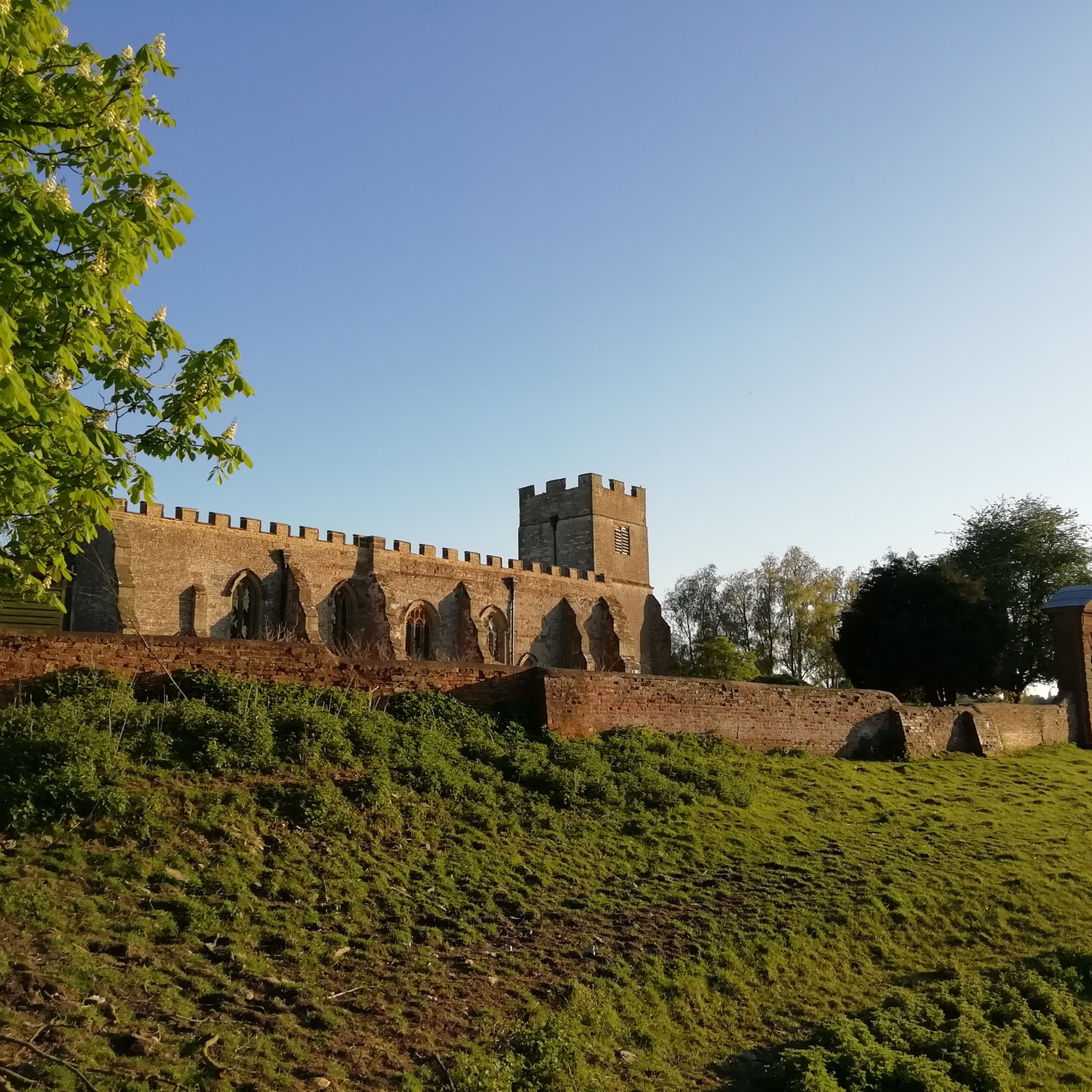
If you follow the beautiful trail that departs from Southam heading east and runs alongside the River Stowe, you will come across The Holy Well, believed to be the oldest recorded Holy Well in England. It has been there for over a thousand years, with its most recent renovation taking place almost twenty years ago.
1
0

The Battle of Edgehill (or Edge Hill) was a pitched battle of the First English Civil War. It was fought near Edge Hill and Kineton in southern Warwickshire on Sunday, 23 October 1642. All attempts at constitutional compromise between King Charles and Parliament broke down early in 1642. Both the King and Parliament raised large armies to gain their way by force of arms. In October, at his temporary base near Shrewsbury, the King decided to march to London in order to force a decisive confrontation with Parliament's main army, commanded by the Earl of Essex. Late on 22 October, both armies unexpectedly found the enemy to be close by. The next day, the Royalist army descended from Edge Hill to force battle. After the Parliamentarian artillery opened a cannonade, the Royalists attacked. Both armies consisted mostly of inexperienced and sometimes ill-equipped troops. Many men from both sides fled or fell out to loot enemy baggage, and neither army was able to gain a decisive advantage.
1
0


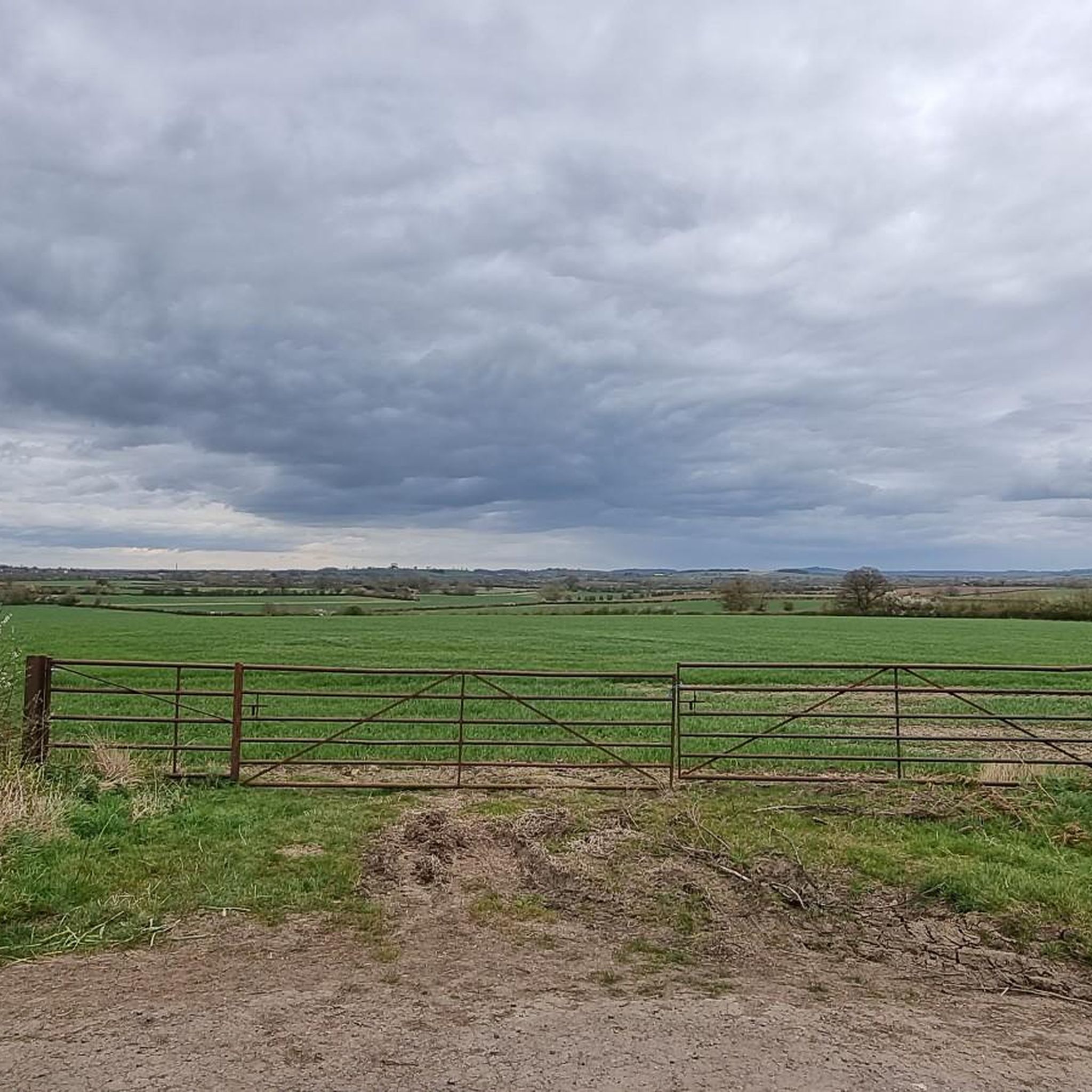
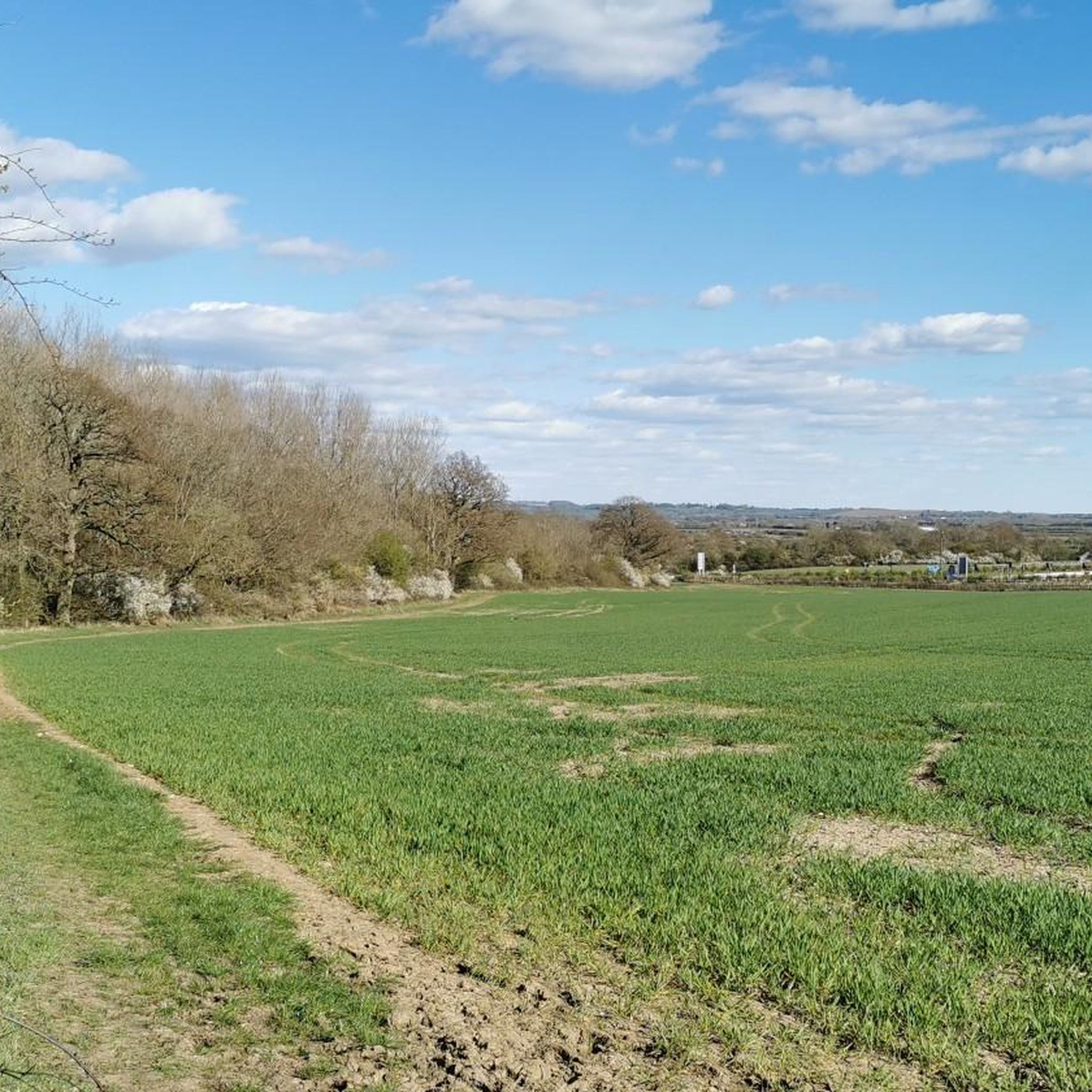
Views over the Warwickshire plains, edge hill was one of the battles in the English Civil war
0
0
On 11th November 2014 a memorial was unveiled in the Jephson Gardens, between the Aviary and Willes Road entrance. The memorial will remember all those who played any part in World War One, including the widows and orphans and those who served at home. The Leamington History Group applied for the grant for the memorial and worked with Warwick District Council and Leamington Town Council to commission the sculpture. The memorial was designed by Tim Tolkien and the central feature consists of two poppies in flower and one stem with a seed-head at the top. All the poppies are entwined with barbed wire and this extends to wrap around some adjoining fencing. The tablet in front states simply “The Poppies; Lest We Forget”. The plaque naming the sculptor calls it “Barbed Poppies”. It is a subtle design which is not quite as immediate in effect as the sea of poppies surrounding the Tower of London in November 2014 but many people we have spoken to agreed that it evoked a strong emotional response.
0
0
Frequently Asked Questions
What are some of the most notable natural monuments to visit around Lighthorne Heath?
The area offers diverse natural features. You can explore Charlecote Park, which features 185 acres of mature parkland along the River Avon. Another significant site is Bishops Bowl Lakes, a former limestone quarry recognized for its geological features and marine fossils. Additionally, the Battle of Edgehill Site provides a viewpoint over a historically significant landscape.
Are there family-friendly natural monuments around Lighthorne Heath?
Yes, several natural monuments are suitable for families. Charlecote Park is a great option with its expansive parkland. The Battle of Edgehill Site also offers an engaging historical experience for all ages. For a unique historical and natural blend, consider visiting Holy Well, Southam.
What kind of natural features and wildlife can I expect to see?
The region is rich in diverse habitats. At Leam Valley Nature Reserve, you can spot kingfishers, otters, grass snakes, and various dragonflies, alongside wildflowers like marsh-marigold and yellow iris. Gaydon Coppice features broadleaf semi-natural woodland with abundant bluebells in spring. The Lighthorne Heath area itself has geological outcrops of Late Triassic strata and unique semi-improved acidic grassland and swamp habitats, where you might find protected species like great crested newts and various bats.
Are there natural monuments with historical significance in the area?
Absolutely. Charlecote Park is a historical site with a rich past, owned by the Lucy family since 1247, and includes a historic house within its natural parkland. The Battle of Edgehill Site marks the location of a pivotal English Civil War battle. Additionally, Holy Well, Southam is believed to be the oldest recorded Holy Well in England, dating back over a thousand years.
When is the best time to visit the natural monuments around Lighthorne Heath?
Spring is particularly beautiful, especially for sites like Gaydon Coppice, which is known for its stunning bluebell displays. The warmer months offer ideal conditions for wildlife observation at places like Leam Valley Nature Reserve. However, the diverse natural environments provide opportunities for enjoyment throughout the year, depending on your interests.
Are there any wheelchair-accessible natural monuments or trails?
While specific accessibility details for all natural monuments are not always available, Barbed Poppies Memorial, Jephson Gardens is noted as wheelchair accessible. For other sites, it's advisable to check individual location details or contact them directly for the most current accessibility information.
What outdoor activities can I do near these natural monuments?
The area around Lighthorne Heath offers various outdoor activities. You can find numerous MTB trails, road cycling routes, and easy hiking routes. These routes often pass by or are close to many of the natural monuments, allowing you to combine sightseeing with your chosen activity.
Are there hiking trails near the natural monuments?
Yes, there are several hiking opportunities. For easy walks, you can explore routes like the 'Compton Pools – Stone Bridge at Compton Verney loop' or the 'Bishops Bowl Lakes loop'. These trails allow you to experience the natural beauty of the region. You can find more details on easy hikes around Lighthorne Heath.
Where can I go for wildlife spotting near Lighthorne Heath?
Leam Valley Nature Reserve is an excellent location for wildlife spotting, with habitats supporting kingfishers, otters, grass snakes, and various insects. Gaydon Coppice, with its ancient woodland, is also a good spot for observing native tree and plant species, and in the wider Lighthorne Heath area, you might encounter great crested newts and various bat and butterfly species.
Are there natural monuments featuring lakes or ancient woodlands?
Yes, Bishops Bowl Lakes is a prominent natural monument featuring a lake within a former limestone quarry. For ancient woodlands, Gaydon Coppice offers broadleaf semi-natural woodland, predominantly ash and oak, providing a classic ancient woodland experience.
What do visitors enjoy most about the natural monuments around Lighthorne Heath?
Visitors appreciate the diverse natural environments, from the expansive parkland of Charlecote Park to the geological wonders of Bishops Bowl Lakes. The historical context of sites like the Battle of Edgehill Site also adds a unique dimension. The komoot community has shared over 20 photos and given more than 80 upvotes, highlighting the general appeal and beauty of these locations.
Are there any viewpoints among the natural monuments?
Yes, the Battle of Edgehill Site offers a significant viewpoint over the landscape, providing both natural beauty and historical context. It's a great spot to take in the scenery and learn about the area's past.
Most popular attractions around Lighthorne Heath

Get inspired with the komoot mobile app


Explore more
Extend your search for the best caves by checking out these guides of the top ones around Lighthorne Heath:
