Top 11 Natural Monuments around Teignmouth
Best natural monuments around Teignmouth showcase a diverse landscape, featuring dramatic red sandstone cliffs, extensive estuaries, and significant nature reserves. This region offers a variety of geological formations and coastal habitats. Visitors can explore sites that highlight the area's unique natural history and ecological importance. The guide details 11 natural monuments, providing opportunities for scenic walks and observation of natural features.
Best natural monuments around Teignmouth
- The most popular natural monuments is Orcombe Point and the Geoneedle, a viewpoint…
Last updated: June 29, 2026
Orcombe Point and the Geoneedle
Highlight • Viewpoint
Tip by

Cockwood Harbour
Highlight • Viewpoint
Tip by

Sign up now to discover places like this
Get recommendations on the best single tracks, peaks, & plenty of other exciting outdoor places.
Sign up for free
Langstone Rock
Highlight • Viewpoint
Tip by
Hopes Nose
Highlight • Viewpoint
Tip by
Red Rock Beach
Highlight • Viewpoint
Tip by
Sign up for free to discover even more natural monuments around Teignmouth.
Sign up for free
Already have an account?
Start today with a free account
Your next adventure awaits.
Login or Signup

Tips from the Community

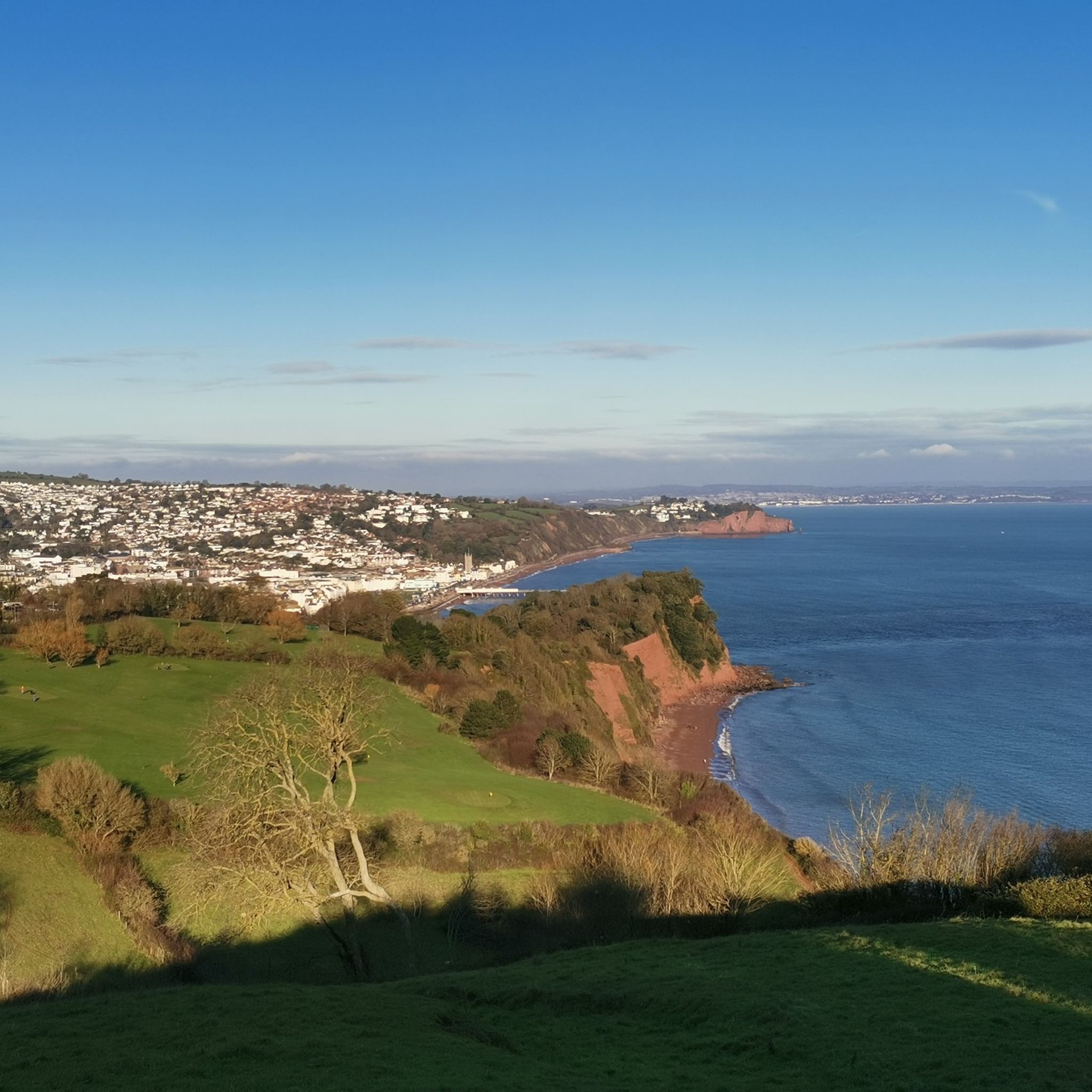
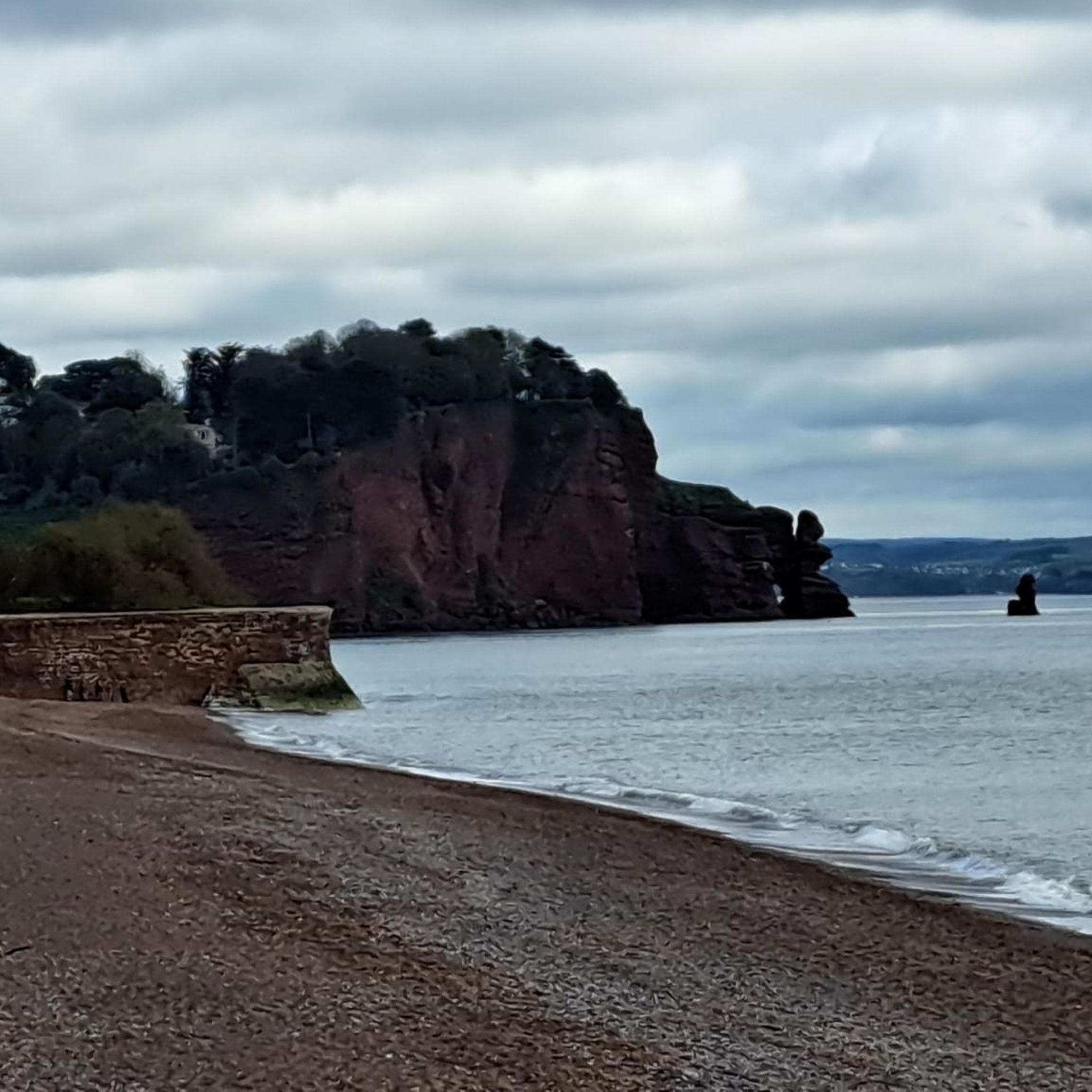
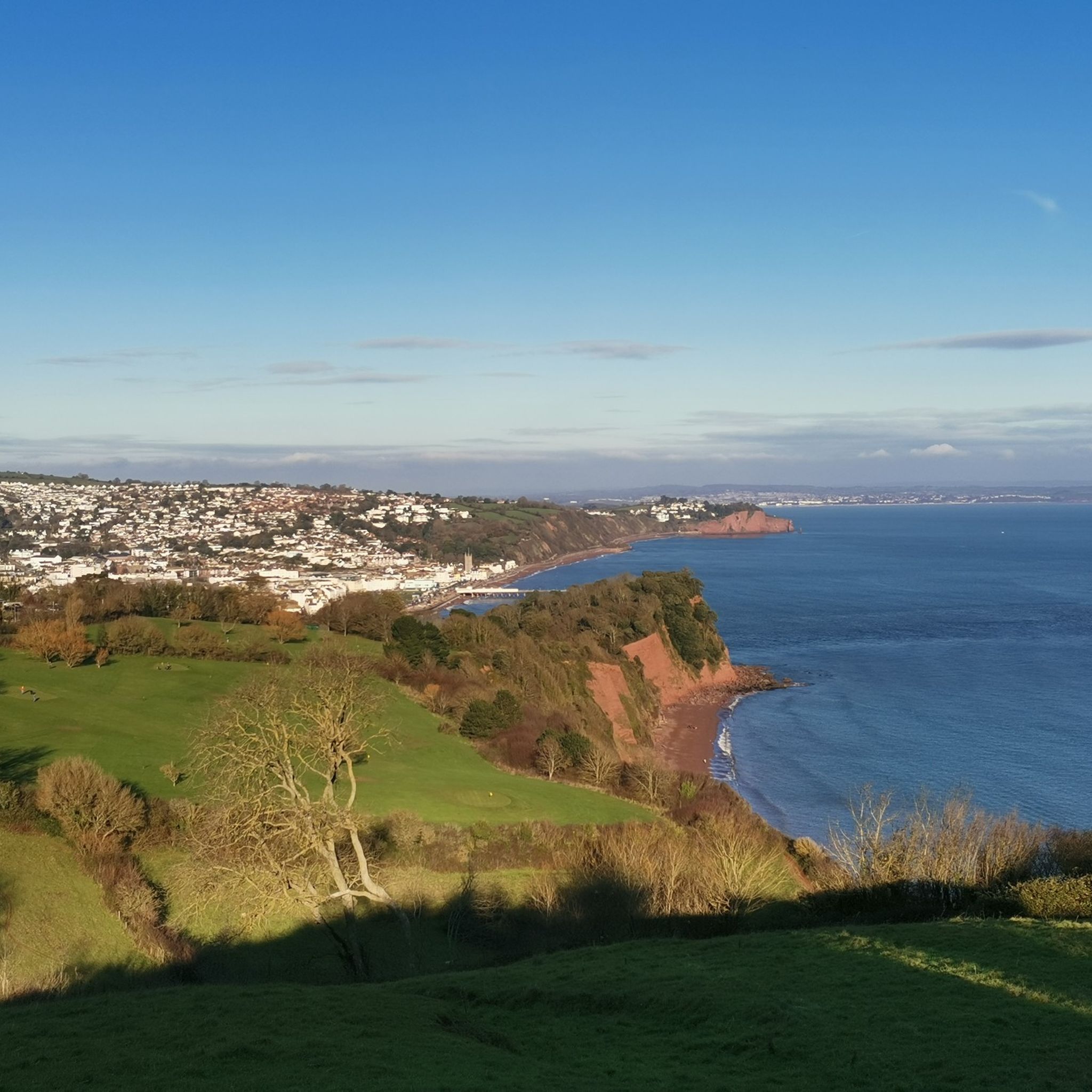
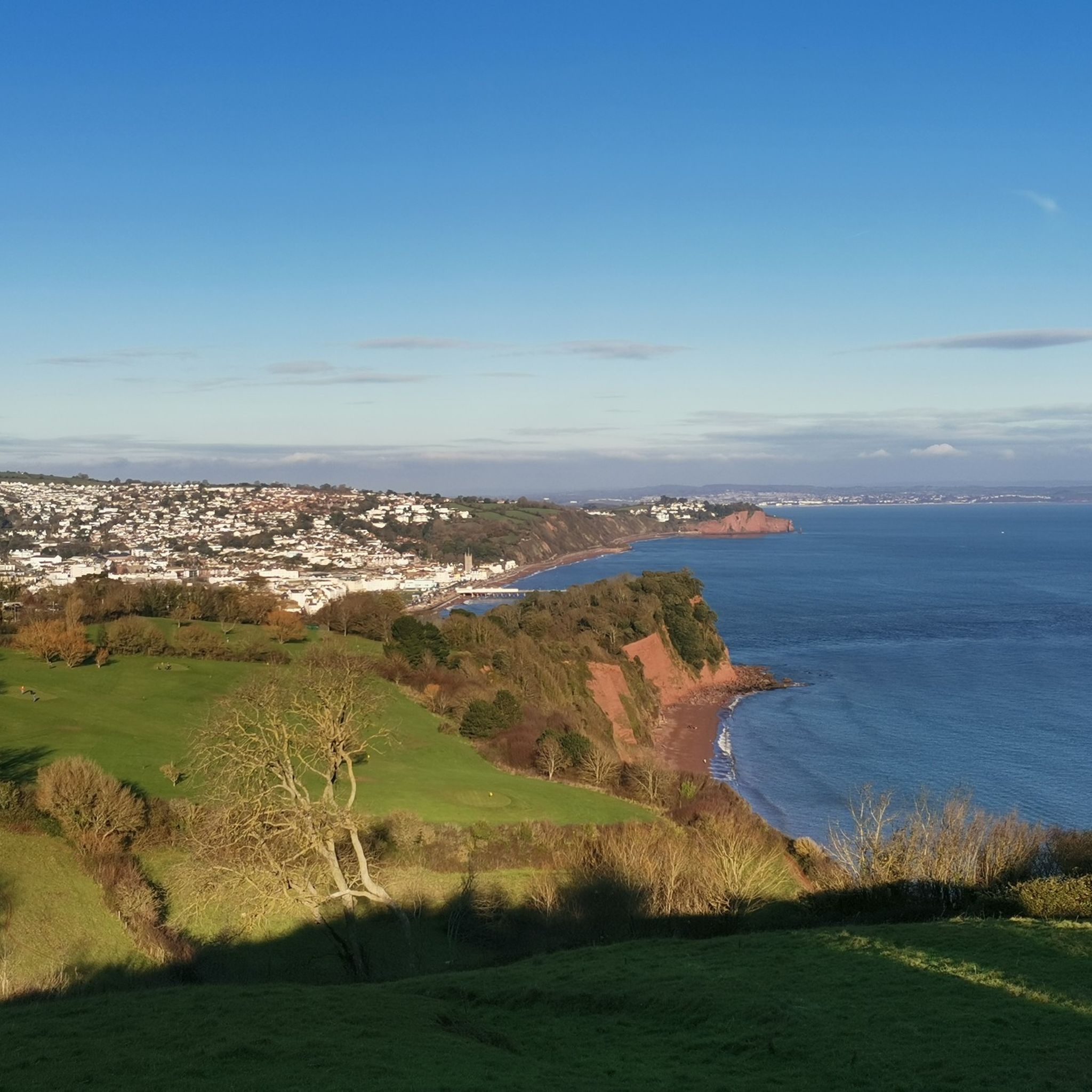
If you plan ahead, or if you are lucky, you can walk along the beach around Orcombe point when it is low tide. And from down here you are given a different perspective of the red cliffs of the jurrasic coast. The red sandstone cliif tower above you and boulders lay strewn across the beach from landslides in decades gone by. Continue walking the beach, being wedged between the sea and cliffs, but with plenty of space not to scare you, until you reach the slope up to Sandy bay park. Lots of refreshments await you, and the firework sound of gun fire, on a day when the troops test their rifles.
2
0

check the tide. If it's low you can walk back along the. beach. Nice cliffs with plenty of caves and boulders to explore and scramble over.
2
0

Devon, England that marks the start of the Jurassic Coast World Heritage Site. The Geoneedle represents the rock types found along the Jurassic Coast. It was commissioned from artist Michael Fairfax and unveiled by the Prince of Wales in 2002.
2
0

You can park up the top and walk down or walk the coast paths as we did,ground is very uneven and rocks get slippery bench half way down if you want to sit down and look at the views
2
0
Orcombe Point is a coastal feature near Exmouth, The two beaches are part of a long strip of sand and are connected to each other below Orcombe Point at low tide. Sited high upon the hill, Orcombe Point is marked by the "Geoneedle", which was unveiled by Prince Charles, in 2002. The Geoneedle is constructed from a variety of different stones, representing both the major building stones to be found on the Jurassic Coast and the sequence of rocks that form this part of the coastline.
2
0


Great view, day or night. Be aware that the path up has seen better days and is really, really steep. I went down on my bum as I was on my own at night. Beautiful area, great connecting train line for easy forget-the-car holidays and seightseeing. Take a torch for evening/low light walks.
2
0

Orcombe Point is the western end of the Jurassic Coast. It's marked by the Geoneedle, a limestone obelisk that represents the different layers of limestone that form the world heritage coastline. There is an explanation of the different layers and the fossil record that you are likely to encounter on the way east. Running along the south-west coast path here is great, the trail is easy to follow and undulating. The hills are sometimes steep but never too long. It does get slippery when wet!
0
0
Frequently Asked Questions
What are some of the most popular natural monuments around Teignmouth?
Visitors frequently enjoy Orcombe Point and the Geoneedle, which marks the western end of the Jurassic Coast and features 185 million-year-old rocks. Cockwood Harbour is also popular for its tidal waters and views of the railway line, while Langstone Rock is a fascinating landmark known for its red desert sands.
Are there family-friendly natural monuments to visit near Teignmouth?
Yes, several natural monuments are suitable for families. Orcombe Point and the Geoneedle offers an educational experience about geology. Cockwood Harbour is a pleasant spot to watch boats and trains. Additionally, Red Rock Beach provides a sandy area for relaxation and play, backed by dramatic red cliffs. Dawlish Warren National Nature Reserve is also a great family destination with diverse coastal habitats and a beach.
What kind of geological features can I expect to see at these natural monuments?
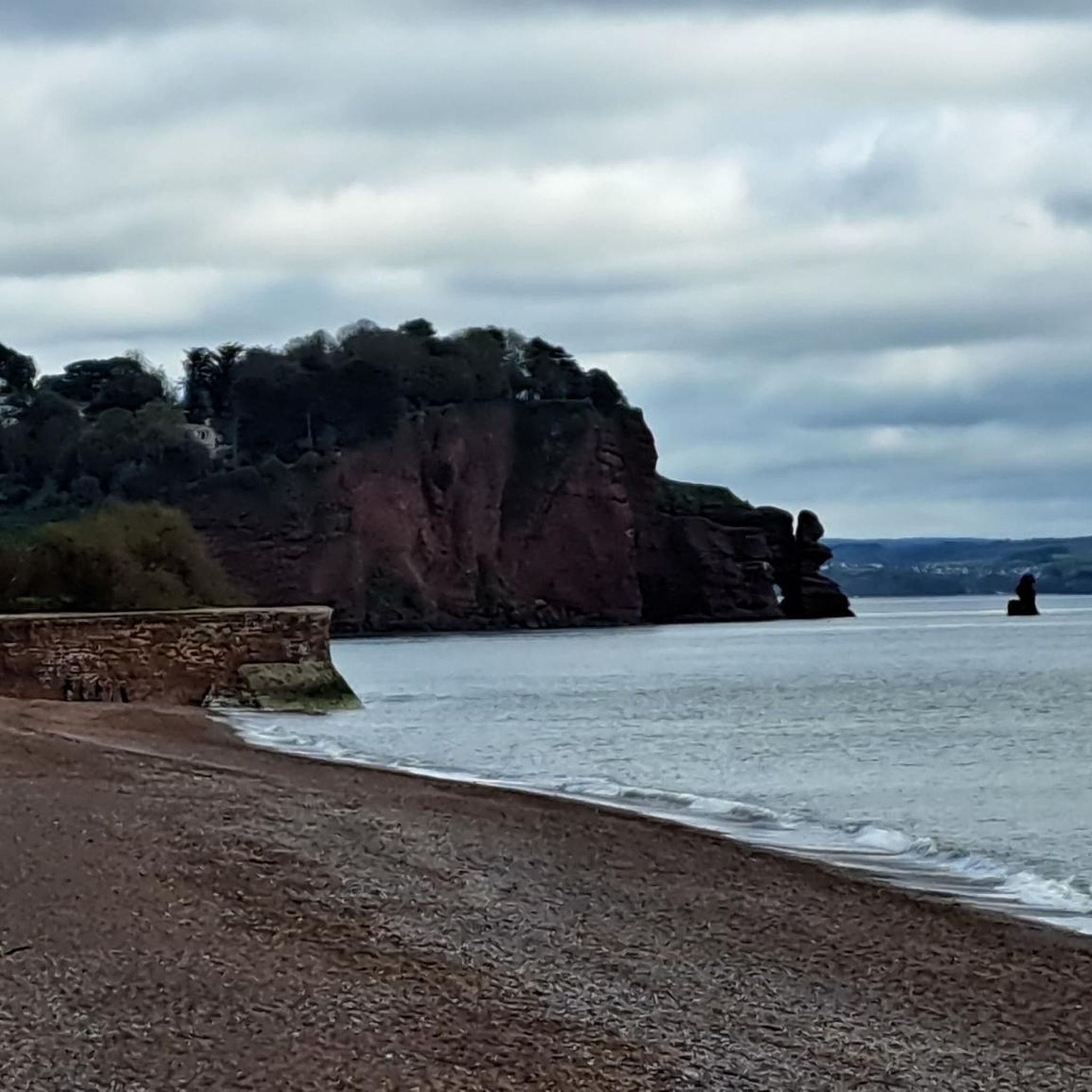
The region is rich in geological wonders. At Orcombe Point, you can observe rocks that are 185 million years old, part of the Jurassic Coast. Langstone Rock and the nearby Red Rock Beach are characterized by their striking red sandstone cliffs, formed from ancient windblown desert sands. The Ness headland on the Shaldon side of the Teign Estuary also showcases fascinating breccia rock and sandstone strata formed over 250 million years ago. At Hopes Nose, you can find 350 million-year-old Devonian limestone and evidence of raised beaches.
Where can I observe wildlife near Teignmouth's natural monuments?
Dawlish Warren National Nature Reserve is an internationally recognized site, home to over 600 plant species and a crucial roosting and feeding ground for up to 23,000 wading birds and migratory waterfowl. It's an excellent spot for birdwatching, especially during migration seasons. You might also spot dolphins in the waters around Langstone Rock.
Are there hiking or cycling routes near the natural monuments?
Yes, the area offers various routes. Cockwood Harbour is part of the Exe Estuary Trail, a popular cycle and walking route. For more specific hiking options, you can explore easy hikes around Teignmouth, which include coastal paths. If you're interested in cycling, there are also gravel biking and MTB trails available in the wider Teignmouth area.
What is the best time of year to visit the natural monuments around Teignmouth?
The natural monuments can be enjoyed year-round. Spring and autumn are ideal for birdwatching at Dawlish Warren National Nature Reserve due to migration. Summer offers pleasant weather for coastal walks and beach activities at sites like Red Rock Beach and Ness Beach. The dramatic geological features, such as those at Orcombe Point and The Ness, are impressive in any season.
Are there any historical or cultural points of interest related to the natural monuments?
The Ness headland is home to the historic Smuggler's Tunnel, built by Lord Clifford for private access and rumored to have been used for smuggling. This adds a touch of local history to the natural beauty of Ness Beach. Orcombe Point features the Geoneedle, a man-made monument constructed from various local stones, representing the geology of the Jurassic Coast.
Can I find secluded spots among the natural monuments?
Ness Beach, nestled beneath the red cliffs of The Ness, is a secluded cove accessible via the atmospheric Smuggler's Tunnel. It offers a more private beach experience compared to more bustling areas.
What are the views like from the natural monuments?
Many natural monuments offer spectacular views. From the top of The Ness, you can enjoy panoramic views across the bay towards Teignmouth. Orcombe Point provides expansive coastal vistas as the start of the Jurassic Coast. Eastcliff Park, situated atop cliffs, also offers stunning sea views, and Homeyards Botanical Gardens provides beautiful views across the estuary to Teignmouth.
Are there any gardens or parks associated with the natural monuments?
Yes, Eastcliff Park is an area of 'Great Landscape Value' with formal gardens, a subtropical garden called The Dell, and open grasslands. Homeyards Botanical Gardens in Shaldon, overlooking the River Teign, features terraced gardens, Italianate rockeries, and a charming castle folly, offering a peaceful spot with diverse flora.
What do visitors particularly appreciate about the natural monuments in this area?
Visitors often highlight the dramatic red-colored steep walls and the feeling of being surrounded by ancient geology at sites like Orcombe Point. The unique experience of the railway line running between Cockwood Harbour and the sea is also frequently mentioned. The blend of significant nature reserves with family-friendly seaside resorts, as seen at Dawlish Warren, is also a key draw.
Most popular routes around Teignmouth
Most popular attractions around Teignmouth

Get inspired with the komoot mobile app


Explore more
Extend your search for the best caves by checking out these guides of the top ones around Teignmouth:
