Top 20 Natural Monuments around Staverton
Best natural monuments around Staverton include a diverse range of geological formations, ancient woodlands, and historical river crossings. The area, particularly within Dartmoor, features significant ecological sites and landscapes shaped by natural processes and historical human interaction. Visitors can explore unique rock formations, disused quarries, and river confluences that showcase the region's natural heritage. These sites offer opportunities to observe varied plant and animal life within preserved natural settings.
Best natural monuments around Staverton
- The most popular natural monuments is…
Last updated: June 29, 2026
Haytor Rocks
Highlight • Natural Monument
Tip by

Haytor Quarry Pond with Water Lilies
Highlight • Lake
Tip by

Sign up now to discover places like this
Get recommendations on the best single tracks, peaks, & plenty of other exciting outdoor places.
Sign up for free
Dartmeet and Clapper Bridge
Highlight • Natural Monument
Tip by

Haytor Rocks Climb from Bovey Tracey
Highlight (Segment) • Viewpoint
Tip by

Lydia Bridge Waterfall
Highlight • Bridge
Tip by
Sign up for free to discover even more natural monuments around Staverton.
Sign up for free
Already have an account?
Start today with a free account
Your next adventure awaits.
Login or Signup
Tips from the Community


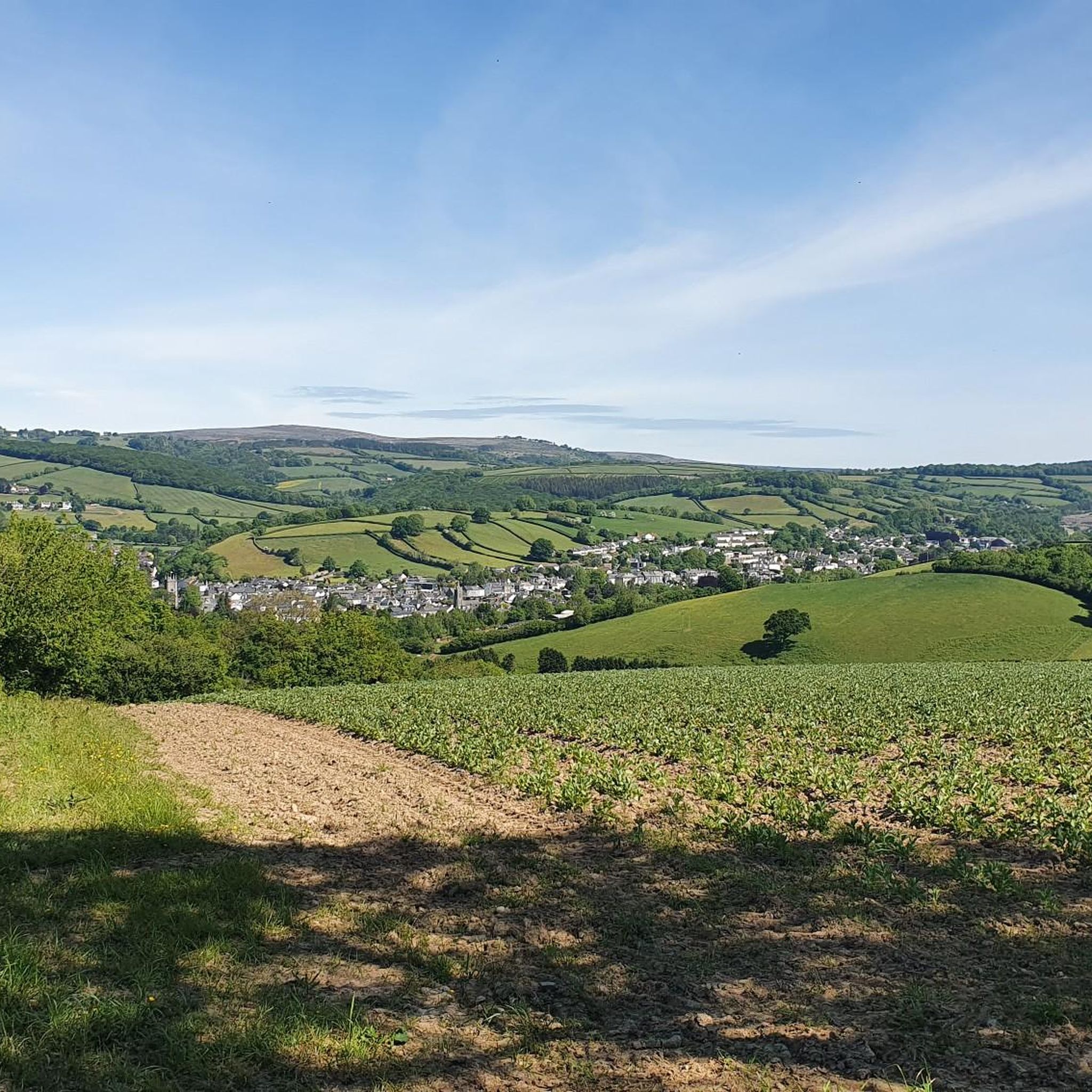
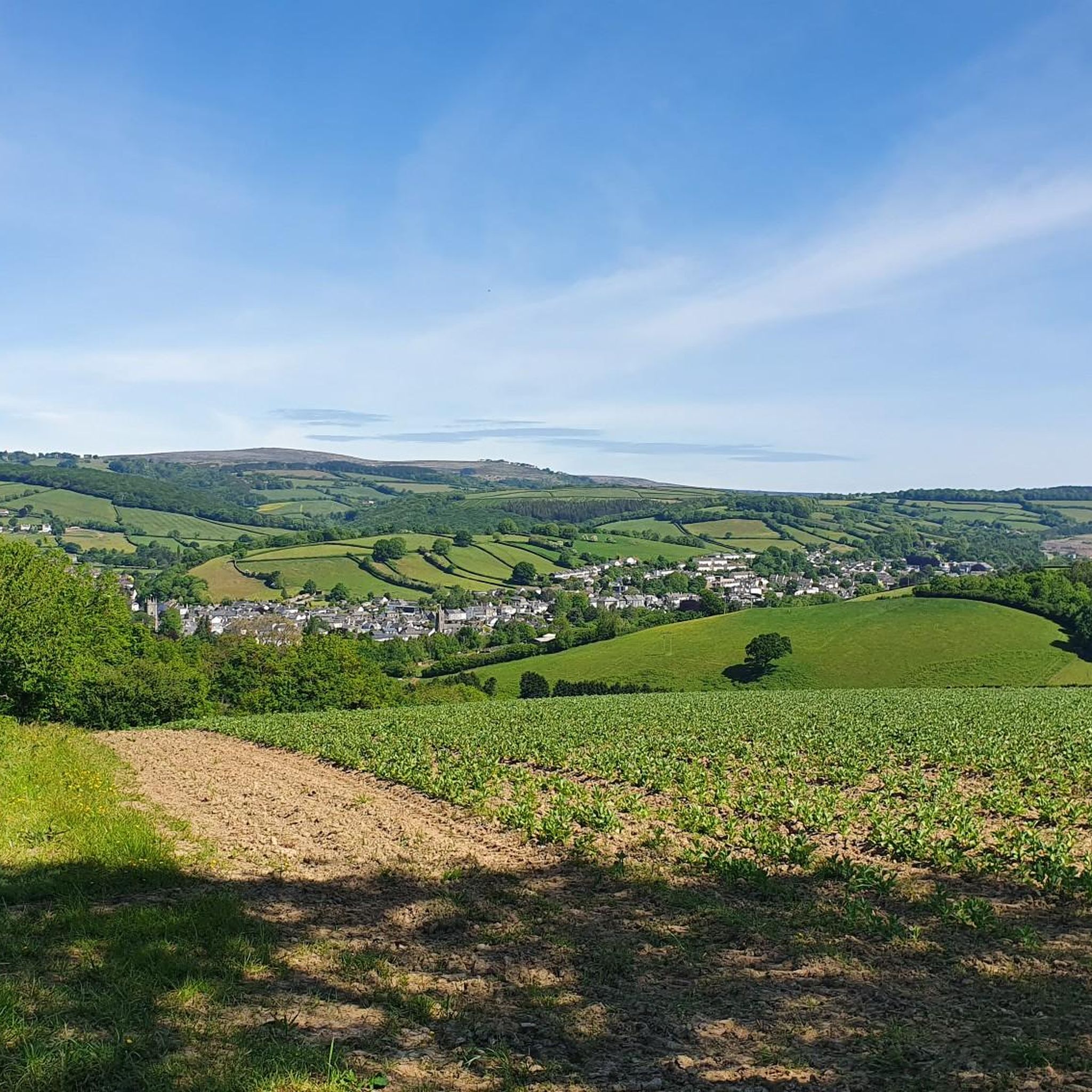
ensure you have a good waterproof coat, don't go up when it's to dark as it's very rocky and uneven you would get very lost, in the summer it's amazing with great picnic spots and then it's very hot so sun cream needed definitely.
0
0

Super quiet little pocket of history just below the main Tor.
0
0

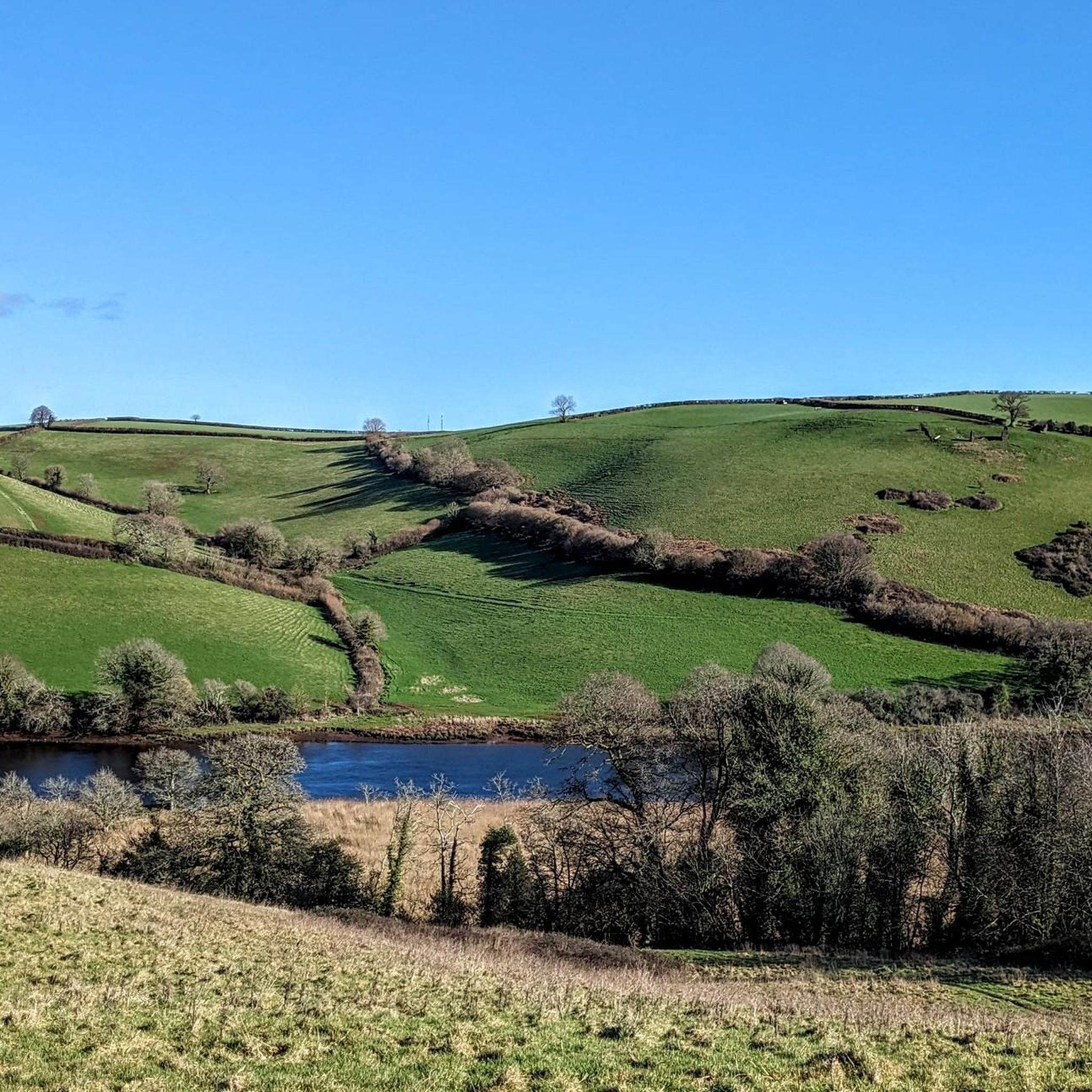
Here you can admire beautiful water lilies, a beautiful photo opportunity.
5
1
In the late afternoon towards evening you are pretty much alone. Beautiful place to enjoy a sunset or to marvel at the stars. Here you have a 360 ° panoramic view. https://www.dartmoor.gov.uk/enjoy-dartmoor/planning-your-visit/places/haytor
6
1

Dartmeet is named as the meeting point of the two major tributaries of the Dart, the East Dart and West Dart rivers. This has been a crossing point for hundreds of years with the remains of an old clapper bridge near the current road bridge (built in 1792). It's a nice place to stop for a break before tackling the road climbs in either direction.
0
0

Top 100 Climbs 9 Haytor Vale Rising up the eastern side of Dartmoor is the long climb to Haytor Rocks. Beginning just outside Bovery Tracey, the B3387 forks left at Five Wyches Cross. Rising up to 12%, the rough lower slopes are by and large tree-covered, but as you pass the Edgemoor Hotel you emerge from under the protection of the woods. Here the gradient steadies, althoughnot enough for you to relax. Ullacombe Farm signals the end of the easier stuff and the road bends left, passing over a cattle grid, and rising steeply into the national park. It's really hard going through a small wooded section, and then it eases once more before the hardest stretc. A long, tough grind brings you out onto open moorland, where you climb gently towards and past the Haytor Visitor Centre - the base for walkers and climbers visiting the giant granite outcrop that towers above your final strength-sapping Push to the summit.
0
1

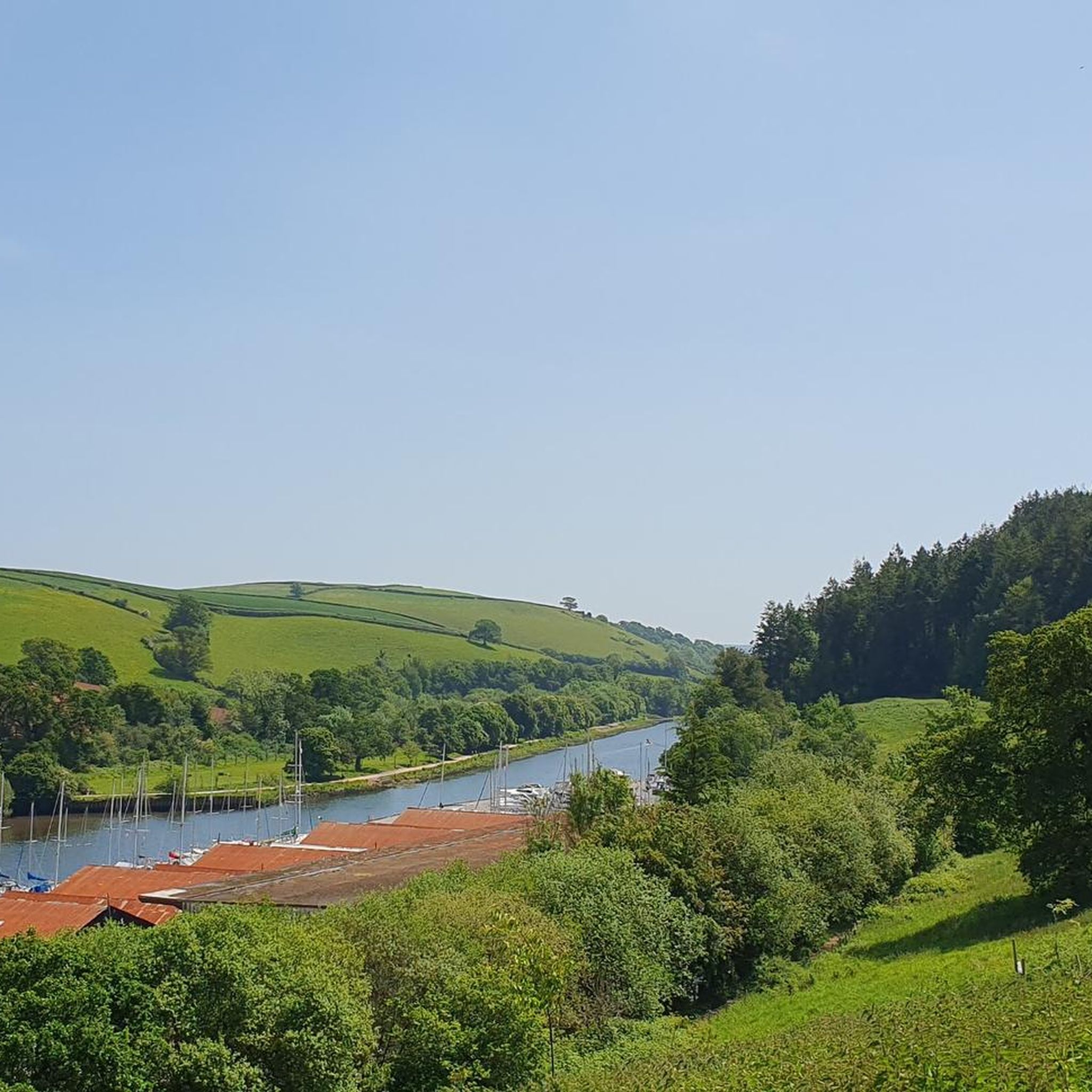
Road bridge over River Avon. C17 or C18 packhorse bridge with hump back and widened on upstream side. Stone rubble. single round arch. Large stone slabs forming string with parapets above with large granite coping stones. In 1669 Lydia Bridge was in decay and the existing bridge appears to be either the restored earlier bridge or an entire rebuilding of late C17 or C18 https://britishlistedbuildings.co.uk/101307206-lydia-bridge-south-brent#.Y_SY0SaZO3A
1
0
Frequently Asked Questions
What natural features can I explore around Staverton?
The Staverton area offers a diverse range of natural features. You can explore prominent granite tors like Haytor Rocks and Combestone Tor, which provide impressive geological formations and panoramic views. River confluences, such as Dartmeet, where the East Dart and West Dart rivers converge, are also significant. Additionally, disused granite quarries like the one featuring Haytor Quarry Pond with Water Lilies showcase the region's industrial past alongside natural beauty.
Are there any ancient woodlands or unique ecological sites near Staverton?
Yes, the region boasts significant ecological sites. The Staverton Nature Reserve in Devon is an untouched woodland with diverse flora and fauna, including ancient deciduous trees and a rare woodland marsh habitat. Staverton Park in Suffolk is renowned for its ancient oak woodland, considered one of the most important surviving areas of wood pasture in England, featuring mighty oaks some dating back to the 1200s AD.
Which natural monuments offer historical insights around Staverton?
Several natural monuments in the area are rich in history. Dartmeet and Clapper Bridge features a medieval clapper bridge and evidence of ancient human habitation. Haytor Quarry Pond is located within a disused granite quarry, providing insight into Dartmoor's industrial past and surrounded by Bronze Age hut circles. Lydia Bridge Waterfall is next to a 17th or 18th-century stone packhorse bridge, a Grade II listed structure.
Are there family-friendly natural monuments in the Staverton area?
Absolutely. Haytor Rocks is a popular family-friendly destination, offering impressive views and opportunities for scrambling. Combestone Tor is also considered family-friendly and easily accessible, often with Dartmoor ponies roaming nearby. The Boardwalk area of Staverton Nature Reserve provides a scenic and accessible path for families to enjoy the natural surroundings.
What kind of wildlife can I expect to see at natural monuments near Staverton?
The Staverton Nature Reserve is a haven for wildlife, home to badgers, roe deer, and four types of bats. Woodland birds, such as marsh tits, nest and roost there, and fallen trees provide habitats for beetles and other invertebrates. In the wider Dartmoor area, you might also encounter the iconic Dartmoor ponies, especially around tors like Combestone Tor.
Are there accessible natural monuments for visitors with limited mobility near Staverton?
While many natural monuments in the Dartmoor area involve uneven terrain, the Boardwalk area of the Staverton Nature Reserve offers a scenic path that is generally more accessible. For specific accessibility information regarding other sites, it's advisable to check local visitor information centers or websites before your visit, as conditions can vary.
What are some good walking or running routes near Staverton's natural monuments?
The area around Staverton offers various routes for walking and running. You can find several running trails, including loops from Staverton itself or from Dartington Hall, ranging from 5 km to over 10 km. For more details and specific routes, explore the Running Trails around Staverton guide.
Can I go gravel biking or mountain biking near these natural monuments?
Yes, the Staverton area provides excellent opportunities for both gravel biking and mountain biking. There are challenging gravel biking routes, such as the loop from South Brent past Lydia Bridge Waterfall to Avon Dam Reservoir. For mountain biking, you can find moderate to difficult trails, including loops around Buckfastleigh and Ashburton. Check the Gravel biking around Staverton and MTB Trails around Staverton guides for detailed routes.
What is the best time of year to visit the natural monuments around Staverton?
The natural monuments around Staverton can be enjoyed year-round, but each season offers a different experience. Spring brings new growth and wildflowers, while summer allows for longer days and warmer weather, ideal for exploring. Autumn showcases beautiful foliage, especially in the ancient woodlands. Even in winter, the landscape has a unique, rugged beauty, and you might find fewer crowds, particularly at sites like Haytor Rocks for a quiet sunset or stargazing.
Are there any lesser-known or 'hidden gem' natural monuments worth discovering?
While the guide highlights popular spots, the region's extensive natural beauty means there are always hidden gems. The inner area of the Staverton Nature Reserve, though fenced off, is a unique ecological space. For those willing to explore, the disused granite quarry featuring Haytor Quarry Pond with Water Lilies is described as tucked away and can be a rewarding discovery for ramblers.
Where can I find panoramic views among the natural monuments near Staverton?
For breathtaking panoramic views, Haytor Rocks is a must-visit. Climbing to its summit offers extensive vistas across the moorland and, on a clear day, extends to the coast. Combestone Tor also provides tremendous views, particularly along the Dart Valley northwards and across rolling moorland and fields to the west.
What should I wear when visiting natural monuments in the Staverton area?
Given the varied terrain and often unpredictable weather of Dartmoor, it's advisable to wear sturdy walking shoes or boots. Layers of clothing are recommended to adapt to changing temperatures, and waterproof outerwear is wise, especially outside of peak summer. If you plan to scramble on tors, ensure your footwear has good grip.
Are there facilities like parking or cafes near these natural monuments?
Parking is available at many popular sites, such as near Dartmeet, which has public toilets in the car park. While specific cafes might not be directly adjacent to every natural monument, the surrounding villages and towns, including Staverton itself, offer various amenities. It's always a good idea to bring your own refreshments, especially for longer explorations.
How long should I plan for a visit to the natural monuments around Staverton?
The duration of your visit can vary greatly depending on the monument and your activity. For a quick stop and photo opportunity at a tor like Haytor Rocks, 30-60 minutes might suffice. Exploring a site like Dartmeet with its bridges and riverbanks could take 1-2 hours. If you plan to hike or cycle through the ancient woodlands or along river paths, you could easily spend half a day or more at a single location or combining several.
Most popular routes around Staverton
Most popular attractions around Staverton

Get inspired with the komoot mobile app


Explore more
Extend your search for the best caves by checking out these guides of the top ones around Staverton:
