Top 8 Natural Monuments around Dartington
Best natural monuments around Dartington are found in the lush South Devon countryside, where the River Dart carves through the landscape. This area features a blend of historical landscapes and impressive natural beauty. Dartington offers diverse natural features, from ancient trees and river valleys to historic parklands and ancient settlements. The region provides numerous opportunities to explore its unique geological formations and preserved natural spaces.
Best natural monuments around Dartington
- The most popular natural monuments is Lydia Bridge Waterfall,…
Last updated: October 2, 2026
Lydia Bridge Waterfall
Highlight • Bridge
Tip by

Ancient Yew Tree of St Mary & St Gabriel Church
Highlight • Natural
Tip by

Sign up now to discover places like this
Get recommendations on the best single tracks, peaks, & plenty of other exciting outdoor places.
Butterdon Hill Summit
Highlight • Viewpoint
The hill features the remains of a small stone circle and a stone row, too. From the …
Tip by

Long Stone, Piles Hill
Highlight • Natural Monument
Tip by

Pupers Hill
Highlight • Viewpoint
Tip by

Sign up for free to discover even more natural monuments around Dartington.
Already have an account?
Start today with a free account
Your next adventure awaits.
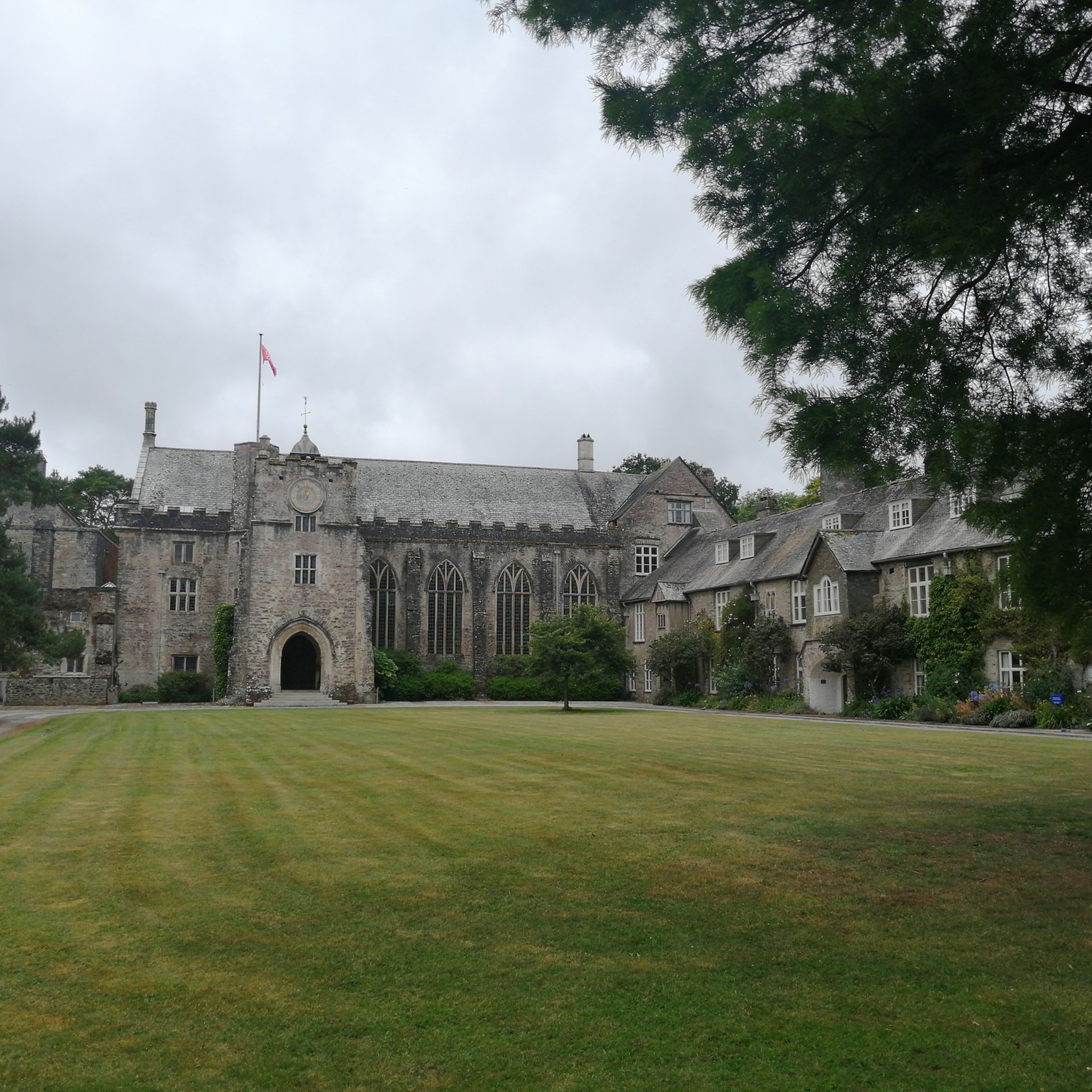
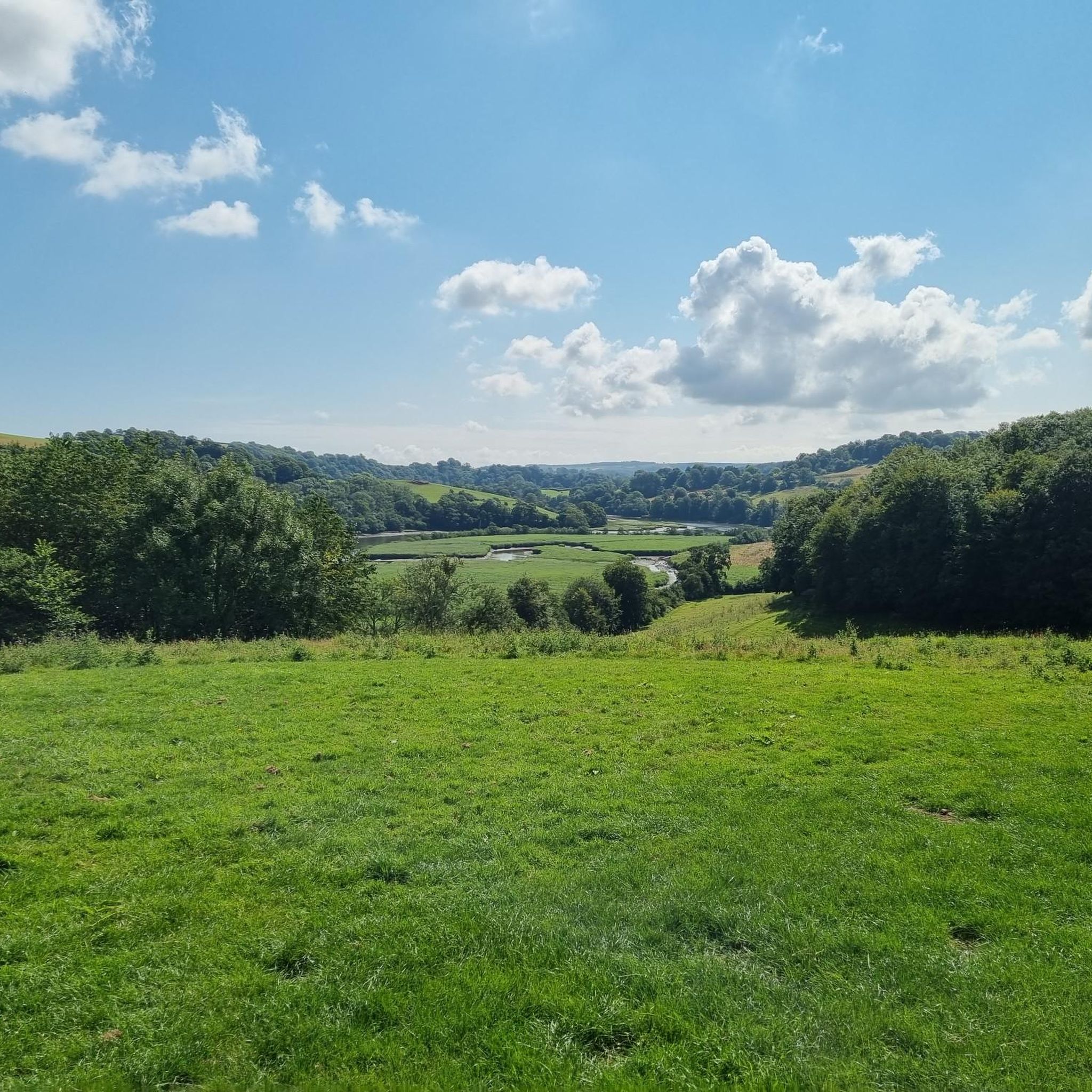
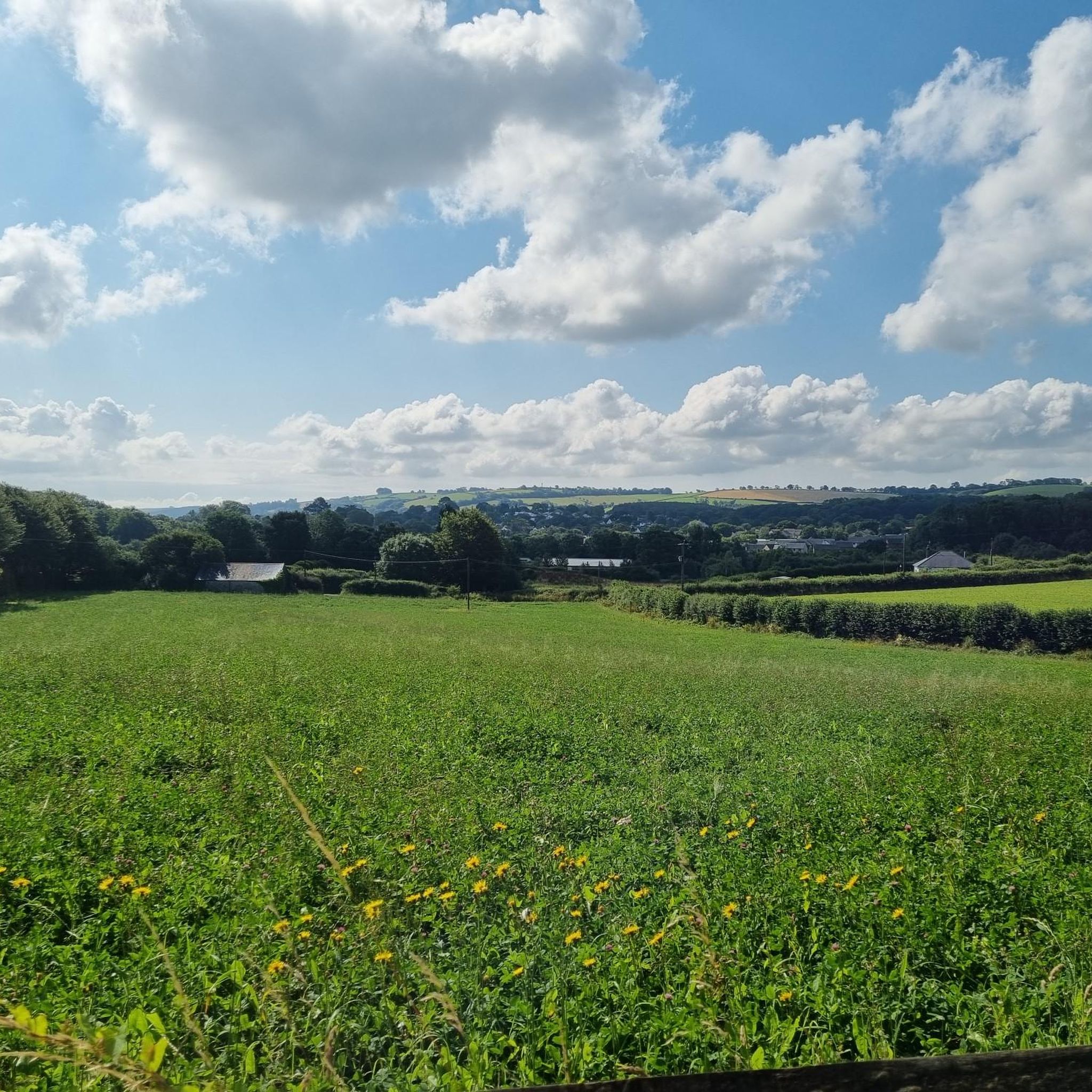
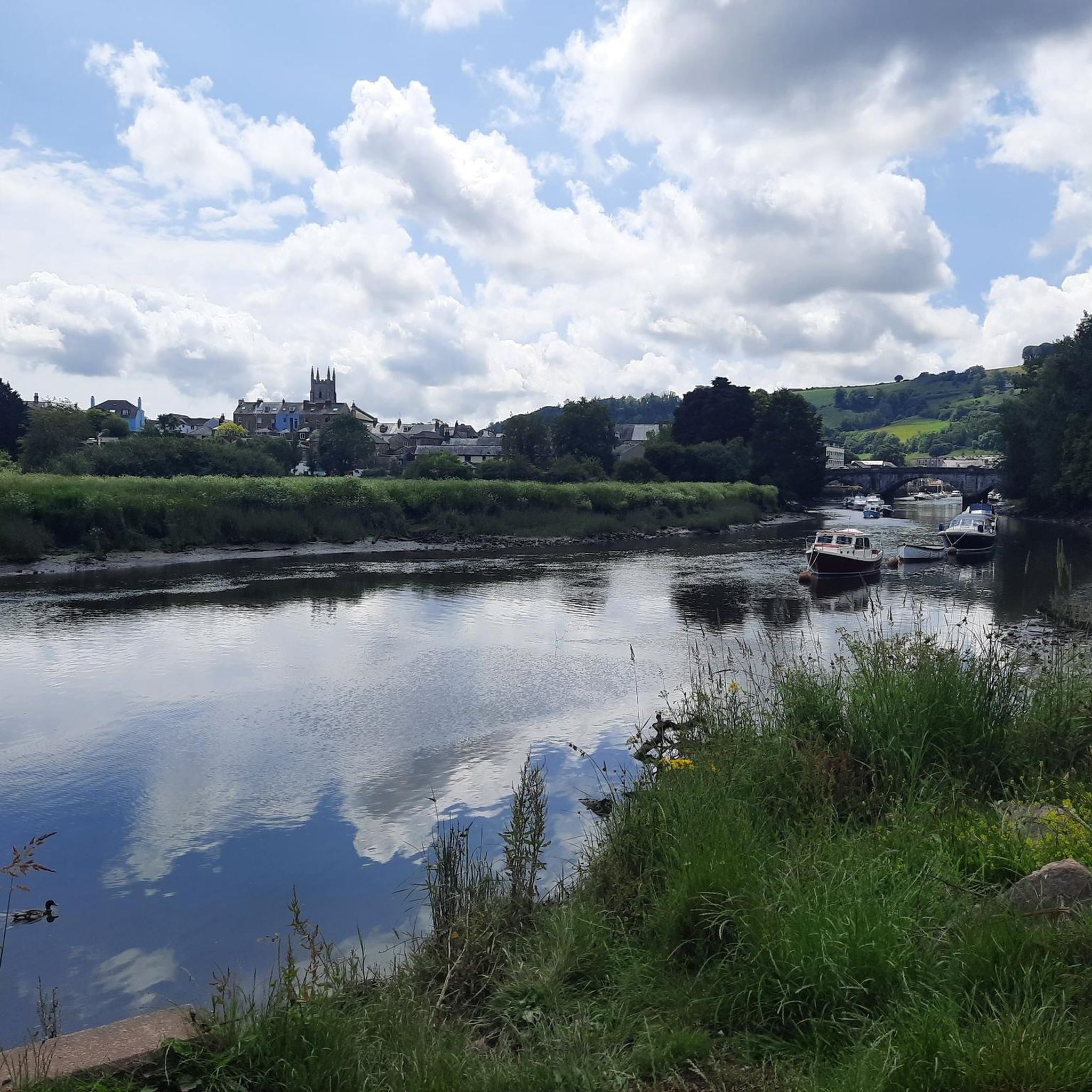
Tips from the Community

The first church was built here in 1086. Even then, the "centuries-old yew tree" was mentioned - its age is now estimated at 1200 - 1400 years. Legend has it that anyone who manages to walk backwards around it 7 times will have one wish granted. In any case, it is a beautiful, ancient tree that looks pretty healthy and that you just want to hug!
2
0

The Yew in the churchyard of St Mary & St Gabriel is thought to be between 1,000 and 2,000 years old. The carved wooden slices are from a Leyland Cyprus, they depict the important church events that would have happened in the last 2,000 years.
1
0

Butterdon Hill is a summit in the southern region of Dartmoor National Park. The hill features the remains of a small stone circle and a stone row, too. From the top, you'll be rewarded some fantastic views north over the national park, including to Haldon Belvedere, Beardown Tors, and Three Barrows.
1
0

Road bridge over River Avon. C17 or C18 packhorse bridge with hump back and widened on upstream side. Stone rubble. single round arch. Large stone slabs forming string with parapets above with large granite coping stones. In 1669 Lydia Bridge was in decay and the existing bridge appears to be either the restored earlier bridge or an entire rebuilding of late C17 or C18 https://britishlistedbuildings.co.uk/101307206-lydia-bridge-south-brent#.Y_SY0SaZO3A
1
0


Lydia Bridge is a stone packhorse bridge dating back to the 17th or 18th century and remains a Grade II listed structure. Standing on it, you’ll find a waterfall immediately north, running over mossy boulders and generally looking quaint and lovely.
3
0

A small tor with a choice of pathways leading down from it. You can link up with Abbott's Way or down toward Scorriton Down.
0
0
Frequently Asked Questions
What are some of the most popular natural monuments around Dartington?
Visitors frequently enjoy the Lydia Bridge Waterfall, a picturesque stone packhorse bridge with a lovely waterfall. Other highly-rated spots include Butterdon Hill Summit, offering expansive views over Dartmoor National Park, and Long Stone, Piles Hill, known for its excellent landscape views stretching to Plymouth Sound.
Are there any ancient trees or historical natural features to explore in Dartington?
Yes, Dartington is rich in ancient natural features. The Ancient Yew Tree of St Mary & St Gabriel Church is estimated to be between 1,000 and 2,000 years old. The Dartington Hall Gardens also feature an ancient yew tree, a line of sweet chestnuts over 400 years old, and a 150-year-old Lucombe Oak. Additionally, the Dartington Deer Park contains remnants of a 14th-century medieval pale and an 18th-century encircling wall.
What kind of natural landscapes can I expect to see along the River Dart?
The River Dart defines much of the Dartington Estate's northern and eastern boundaries, offering a scenic course through woodlands and meadows. The Dart Valley Trail, which follows the river, provides opportunities to observe abundant wildlife amidst serene natural beauty. You can enjoy peaceful riverside picnics or even kayaking.
Are there family-friendly natural attractions or walks in Dartington?
The Dartington Estate offers extensive woodland and riverside walks suitable for families, with paths catering to various difficulty levels. The Dartington Hall Gardens are also a great family-friendly option, with diverse landscapes and ancient trees to explore. For easy hikes, you can find routes like the 'Totnes Town Centre – View of the River Dart loop from Dartington' which is 6.9 km long. More options are available in the Easy hikes around Dartington guide.
What outdoor activities can I do near Dartington's natural monuments?
Beyond exploring the natural monuments themselves, the area offers various outdoor activities. You can enjoy hiking on trails like the 'Dartington House & Estate loop' (8.9 km, moderate) or explore mountain biking routes such as the 'Totnes Town Centre – Totnes High Street loop from Totnes' (24.1 km, moderate). For more options, check out the Hiking around Dartington guide and the MTB Trails around Dartington guide.
Where can I find panoramic views or viewpoints of the Dartington landscape?
For expansive views, Pupers Hill offers vistas stretching all the way to the coast at Berry Head. As mentioned, Butterdon Hill Summit provides fantastic views north over Dartmoor National Park, and Long Stone, Piles Hill, affords excellent views over the landscape, reaching Plymouth Sound on clear days.
Are there any historical or archaeological sites among the natural monuments?
Yes, Dartington has several sites with historical significance. The Dartington Deer Park, a Scheduled Ancient Monument, dates back to the 14th century and features a rare medieval viewing platform. An Iron Age fort, situated on a granite outcrop cut by the River Dart, shows evidence of both Iron Age and Bronze Age settlement, providing a tangible link to the area's earliest inhabitants.
What is the best time of year to visit the natural monuments in Dartington?
Spring is particularly vibrant, especially in the Dartington Hall Gardens, which boast an impressive collection of magnolias and a colorful Azalea Dell. The banks of spring flowers throughout the estate are also stunning. However, the diverse landscapes, ancient trees, and river walks offer beauty and tranquility throughout the year, with autumn providing rich foliage colors.
What kind of wildlife can I expect to see in Dartington's natural areas?
The extensive woodlands, riverside areas, and the Dartington Deer Park provide habitats for abundant wildlife. Along the River Dart and its trails, you can observe diverse ecosystems. The Deer Park, with its ancient landscape, also offers opportunities to appreciate local wildlife.
Are there any challenging hikes or natural monuments for experienced walkers?
For more challenging terrains, the broader Dartington Estate encompasses over 800 acres of forests and rivers with extensive footpaths that delve deeper into leafy woods. Routes like the 'Riverford & North Wood loop from Dartington' (15.1 km, moderate) or 'Brooking, Rattery & Browntson Farm loop from Dartington' (14.5 km, moderate) offer more extensive exploration. The summits like Butterdon Hill and Piles Hill also involve intermediate-level walks to reach their viewpoints.
Where can I find information about the Dartington Hall Gardens?
The Dartington Hall Gardens are Grade II* listed and offer a blend of cultivated beauty and natural wilderness. You can find more detailed information about their history, features, and visiting hours on external sites such as visittotnes.co.uk.
Most popular routes around Dartington
Most popular attractions around Dartington

Get inspired with the komoot mobile app


Explore more
Extend your search for the best caves by checking out these guides of the top ones around Dartington:
