Top 3 Natural Monuments around Halwell And Moreleigh
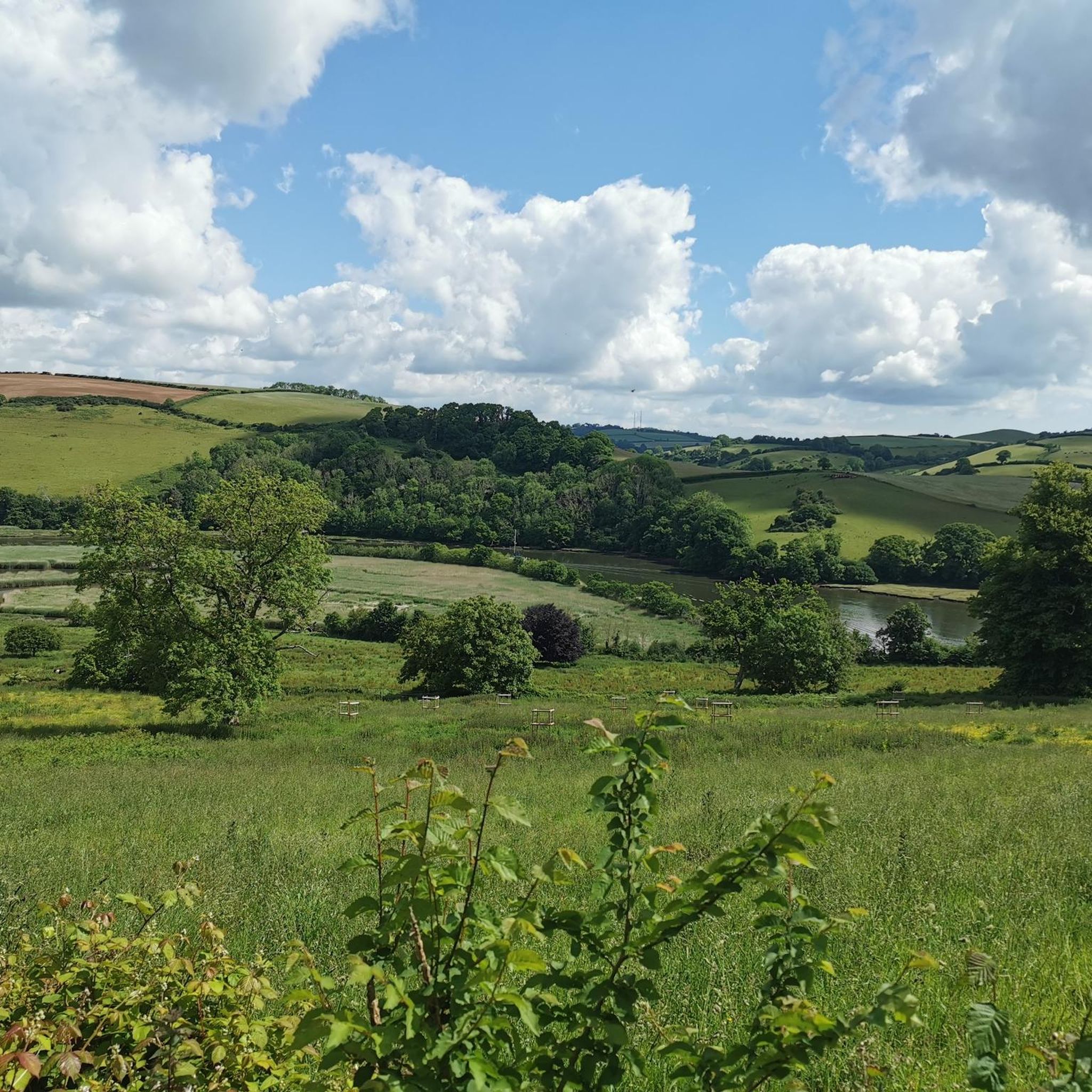
Best natural monuments around Halwell and Moreleigh are found within the South Devon National Landscape, an area characterized by diverse natural beauty. This region features tranquil sandy coves, serene estuaries, rugged coastlines, rolling hills, and wooded valleys. The landscape offers a rich environment for exploring natural settings and outdoor activities.
Best natural monuments around Halwell And Moreleigh
- The most popular natural monuments is Slapton Sands and Slapton Ley, a natural monument featuring a picturesque beach and Devon’s largest natural…
Last updated: July 13, 2026
Lydia Bridge Waterfall
Highlight • Bridge
Tip by

Gallants Bower Civil War Fort Ruins
Highlight • Viewpoint
Tip by

Sign up now to discover places like this
Get recommendations on the best single tracks, peaks, & plenty of other exciting outdoor places.
Sign up for free
Ancient Yew Tree of St Mary & St Gabriel Church
Highlight • Natural
Tip by
Slapton Sands and Slapton Ley
Highlight • Natural Monument
Tip by

Totnes Life Cairn
Highlight • Historical Site
Translated by Google •
Tip by

Start today with a free account
Your next adventure awaits.
Login or Signup
Tips from the Community

The first church was built here in 1086. Even then, the "centuries-old yew tree" was mentioned - its age is now estimated at 1200 - 1400 years. Legend has it that anyone who manages to walk backwards around it 7 times will have one wish granted. In any case, it is a beautiful, ancient tree that looks pretty healthy and that you just want to hug!
2
0

The Yew in the churchyard of St Mary & St Gabriel is thought to be between 1,000 and 2,000 years old. The carved wooden slices are from a Leyland Cyprus, they depict the important church events that would have happened in the last 2,000 years.
1
0
Gallants Bower is the remains of a fort built during the English Civil War. Today it's just the earth works and trees have grown on the slopes, but you can still see why this site was chosen in 1643. The views are amazing, both inland and out to sea so it's a perfect defensible position. The fort was built by the Royalists to help defend Dartmouth from the Roundheads. The fiercest fighting occurred in 1646 when the Roundheads attacked and defeated the town, then the castle and finally the last remaining Royalists surrendered from here. The National Trust look after the area now and the fort is a scheduled ancient monument.
3
0

Road bridge over River Avon. C17 or C18 packhorse bridge with hump back and widened on upstream side. Stone rubble. single round arch. Large stone slabs forming string with parapets above with large granite coping stones. In 1669 Lydia Bridge was in decay and the existing bridge appears to be either the restored earlier bridge or an entire rebuilding of late C17 or C18 https://britishlistedbuildings.co.uk/101307206-lydia-bridge-south-brent#.Y_SY0SaZO3A
1
0

Totnes Life Cairn is a historic landmark located on the Unnamed road. A Life Cairn is a type of public monument built to commemorate and honor the species (animals, plants, insects and other living organisms) that have become extinct due to human activity. It is shaped like a cairn.
7
0


Lydia Bridge is a stone packhorse bridge dating back to the 17th or 18th century and remains a Grade II listed structure. Standing on it, you’ll find a waterfall immediately north, running over mossy boulders and generally looking quaint and lovely.
3
0

From the National Trust, who own this site: Although now just a ruin, the Civil War fort is still an impressive place to explore with amazing 360-degree views across the estuary and inland. Stand with the Royalists at a Civil War fort Built between 1643 and 1645 to defend Dartmouth against the Parliamentarians, it saw the fiercest action in 1646, when it came under attack from Roundhead forces under General Fairfax. The Royalists having already fled the town and the castle finally retreated to Gallants Bower where they soon surrendered. Four years later the fort was dismantled. It is now one of the best-preserved in the country and is a Scheduled and Listed Ancient Monument. A great time to visit is when all the bluebells are out in late April – early May.
2
0
Frequently Asked Questions
What unique natural features can I explore around Halwell and Moreleigh?
The area offers a diverse range of natural features. You can visit the picturesque Lydia Bridge Waterfall, where water cascades over moss-covered boulders. Further afield, Slapton Sands and Slapton Ley offer a stunning 2-mile beach alongside Devon's largest natural freshwater lake, a designated National Nature Reserve.
Are there any historical natural monuments in the area?
Yes, the region blends natural beauty with rich history. Besides the ancient Lydia Bridge Waterfall, which is a Grade II listed structure, you can explore the remains of Gallants Bower Civil War Fort Ruins. This site offers amazing 360-degree views and is a Scheduled Ancient Monument. Also, the Ancient Yew Tree of St Mary & St Gabriel Church is estimated to be between 1,000 and 2,000 years old.
What are some family-friendly natural monuments to visit?
For families, Slapton Sands and Slapton Ley is an excellent choice, offering a beach and a nature reserve with opportunities for wildlife spotting. The Ancient Yew Tree of St Mary & St Gabriel Church is also considered family-friendly, with its impressive age and local legends. Additionally, the Totnes Life Cairn provides a thought-provoking experience for all ages.
Can I go hiking or cycling near these natural monuments?
Absolutely. The South Devon National Landscape, where Halwell and Moreleigh are situated, is ideal for outdoor activities. You can find numerous routes for hiking and cycling. For detailed options, explore the Hiking around Halwell And Moreleigh guide or the Cycling around Halwell And Moreleigh guide, which include trails near many of these natural sites.
Are there any natural monuments with great viewpoints?
Yes, Gallants Bower Civil War Fort Ruins offers spectacular 360-degree views, both inland and out to sea, making it a prime spot for panoramic vistas. The general area, being part of the South Devon National Landscape, also provides many elevated points with scenic outlooks over the varied countryside and coastline.
What is the best time of year to visit the natural monuments?
The natural monuments are beautiful year-round. Spring (late April – early May) is particularly lovely for visiting Gallants Bower Civil War Fort Ruins when the bluebells are in bloom. Summer offers pleasant weather for coastal walks and enjoying beaches like Slapton Sands. Autumn brings vibrant foliage, and even winter can offer crisp, clear days for exploring, especially along the River Dart.
Where can I see wildlife in the Halwell and Moreleigh area?
The Slapton Ley National Nature Reserve is an excellent location for wildlife spotting, being home to many rare species of plants and birds. The wider South Devon National Landscape, with its diverse habitats including estuaries, woodlands, and coastlines, provides opportunities to observe various local flora and fauna.
Are there easy walking trails suitable for all abilities near these natural monuments?
While specific accessibility details vary, many areas within the South Devon National Landscape offer easier, flatter sections, particularly along estuaries or designated paths. For specific easy walking routes, you can check the Hiking around Halwell And Moreleigh guide, which includes routes like the 'Bow Creek & Cornworthy loop from Tuckenhay' rated as easy.
What is the significance of the Ancient Yew Tree at St Mary & St Gabriel Church?
The Ancient Yew Tree of St Mary & St Gabriel Church is a remarkable natural monument, estimated to be between 1,000 and 2,000 years old. It's a living piece of history, mentioned even when the first church was built in 1086. Local legend suggests that walking backwards around it seven times can grant a wish.
What is the Totnes Life Cairn?
The Totnes Life Cairn is a unique public monument shaped like a cairn. It serves to commemorate and honor species (animals, plants, insects, and other living organisms) that have become extinct due to human activity, offering a poignant reflection on biodiversity.
Are dogs allowed at the natural monuments?
Many outdoor areas in the South Hams, including some natural monuments and walking trails, are dog-friendly, especially if dogs are kept on a lead. For specific sites like Slapton Sands, there may be seasonal restrictions or designated areas for dogs. Always check local signage or official websites for the most current information regarding dog access.
Most popular attractions around Halwell And Moreleigh

Get inspired with the komoot mobile app


Explore more
Extend your search for the best caves by checking out these guides of the top ones around Halwell And Moreleigh:
