Top 12 Natural Monuments around Ivybridge
Best natural monuments around Ivybridge are found on the southern edge of Dartmoor National Park, offering access to a variety of natural features. The area is characterized by granite tors, ancient woodlands, and significant river valleys. These natural monuments provide opportunities for exploring geological formations and diverse ecosystems. The landscape around Ivybridge is shaped by millions of years of natural processes, creating distinct outdoor environments.
Best natural monuments around Ivybridge
- The most popular natural monuments is Western Beacon Summit,…
Last updated: June 29, 2026
Lydia Bridge Waterfall
Highlight • Bridge
Tip by

Western Beacon Summit
Highlight • Natural Monument
Tip by

Sign up now to discover places like this
Get recommendations on the best single tracks, peaks, & plenty of other exciting outdoor places.
Sign up for free
Butterdon Hill Summit
Highlight • Viewpoint
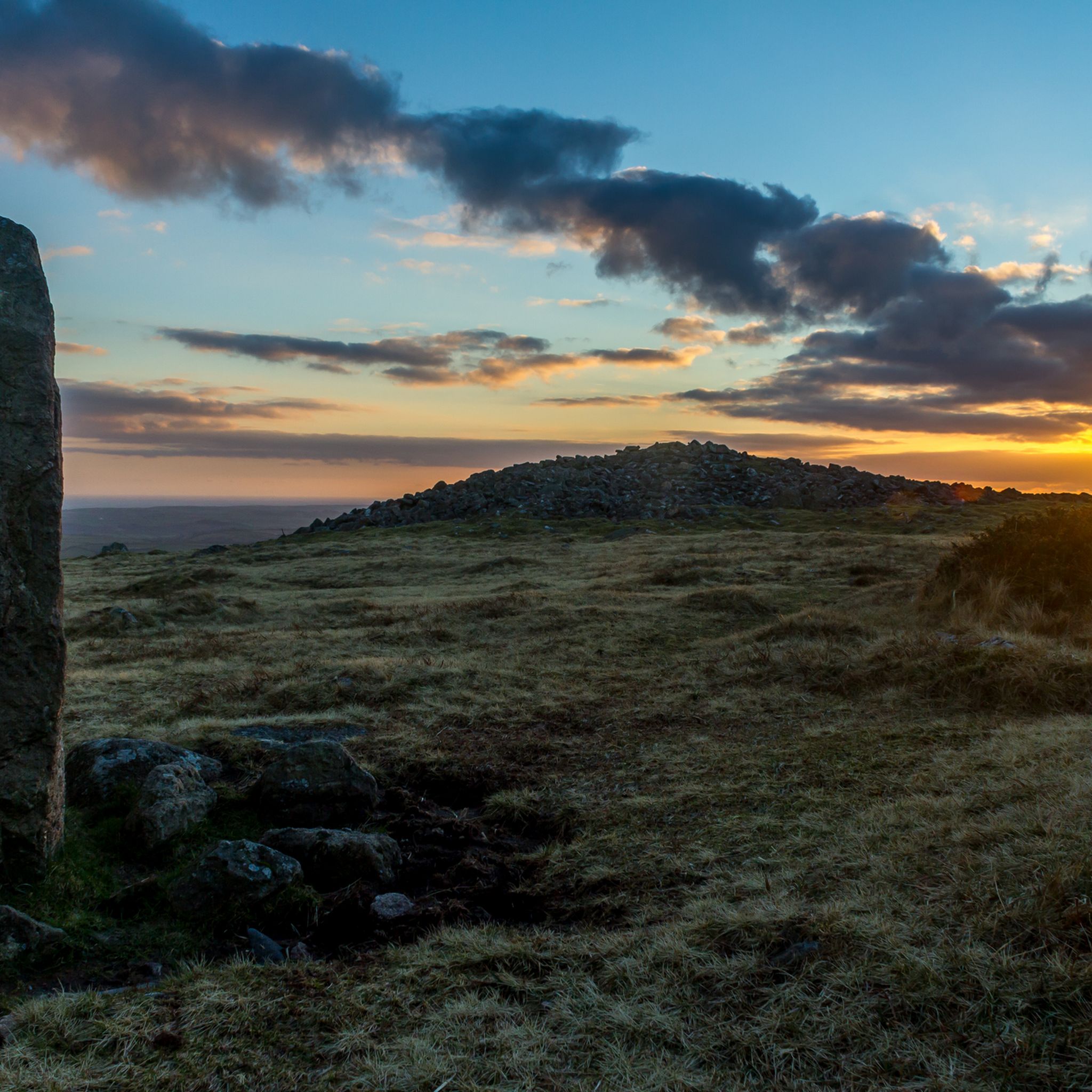
The hill features the remains of a small stone circle and a stone row, too. From the …
Tip by

Piles Copse
Highlight • Forest
Tip by
Long Stone, Piles Hill
Highlight • Natural Monument
Tip by
Sign up for free to discover even more natural monuments around Ivybridge.
Sign up for free
Already have an account?
Start today with a free account
Your next adventure awaits.
Login or Signup
Popular around Ivybridge
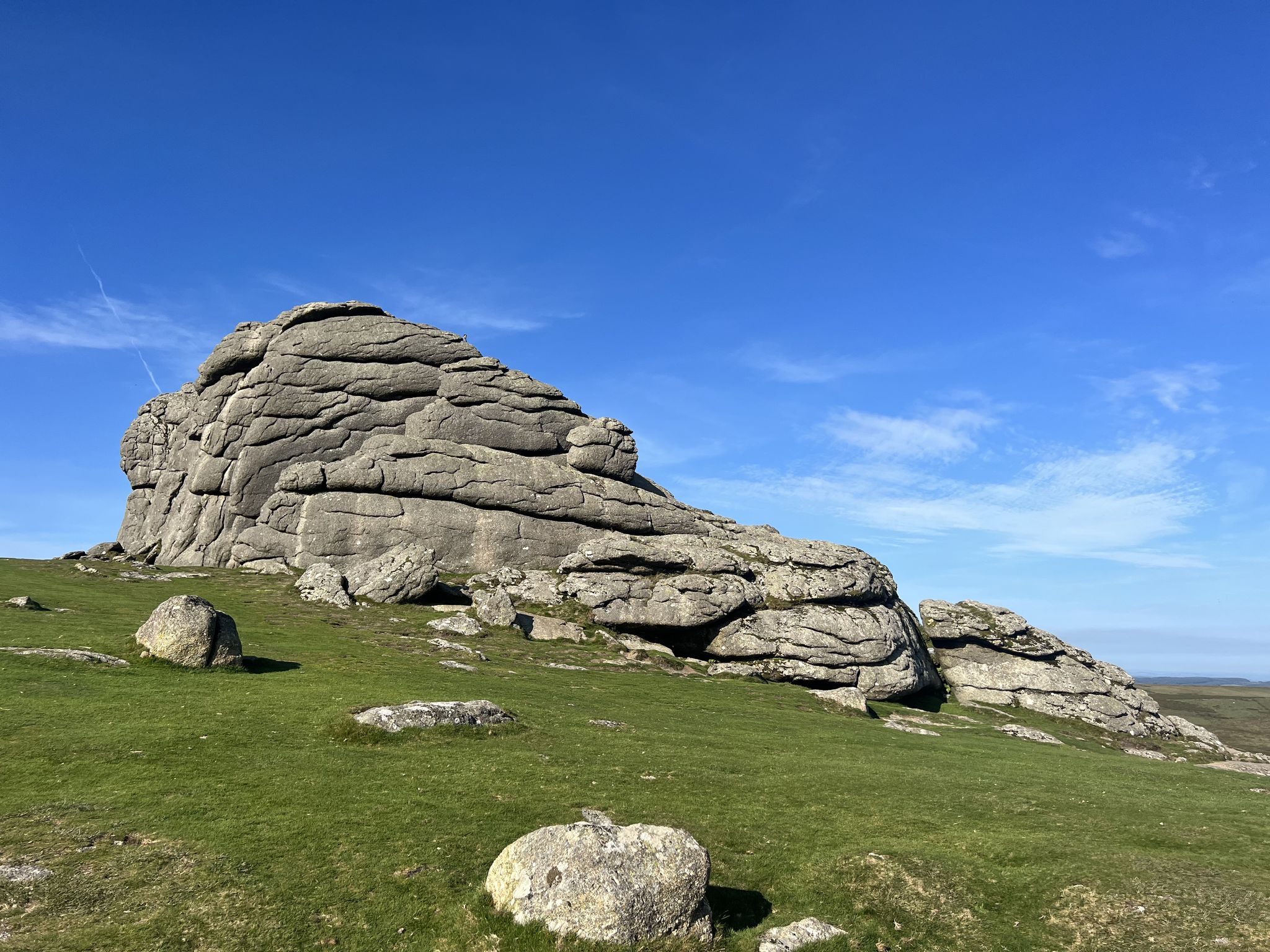
Dartmoor National Park – A Walk in the Parks
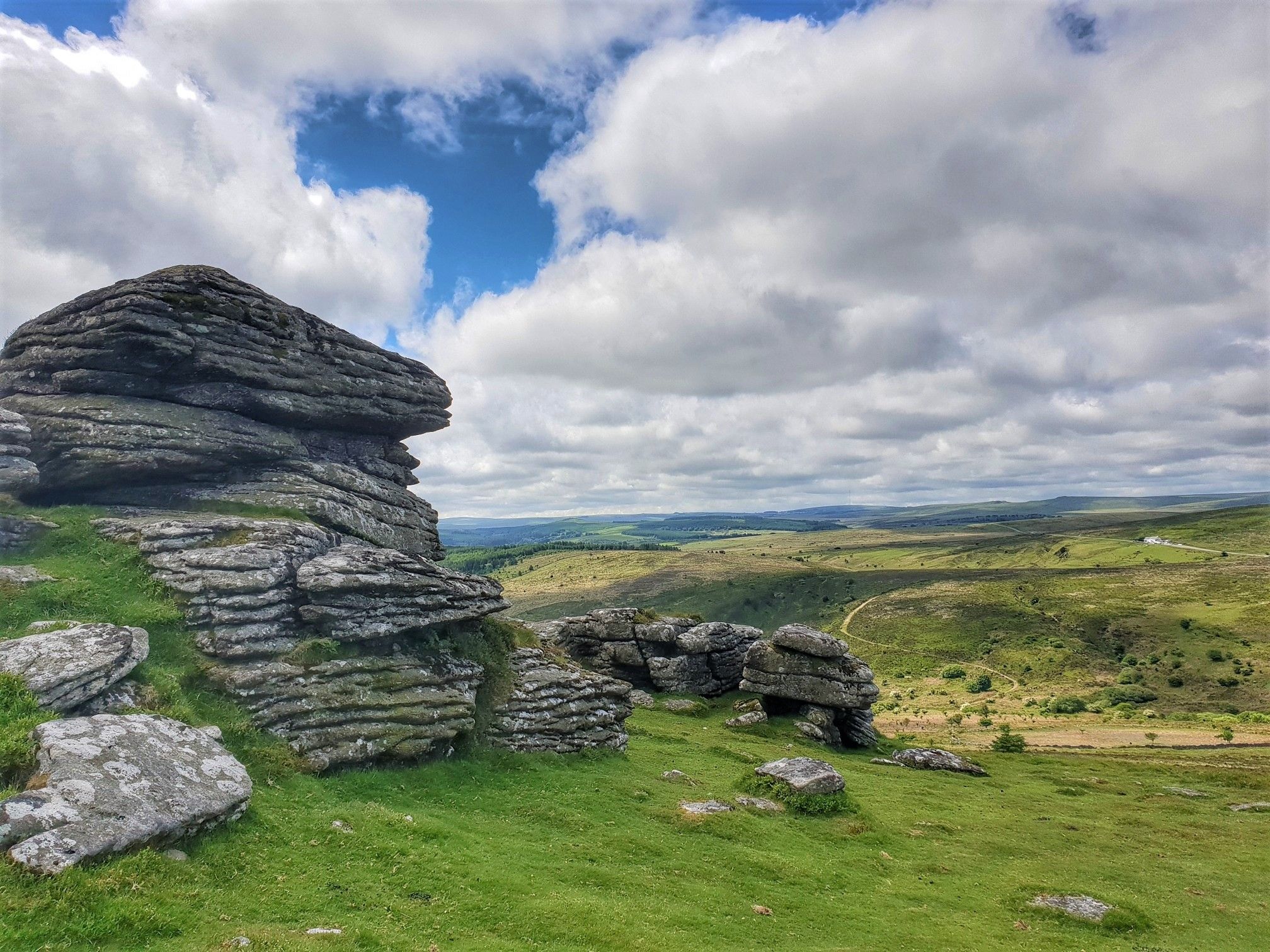
Two Moors Way — Wild coast-to-coast over Dartmoor and Exmoor
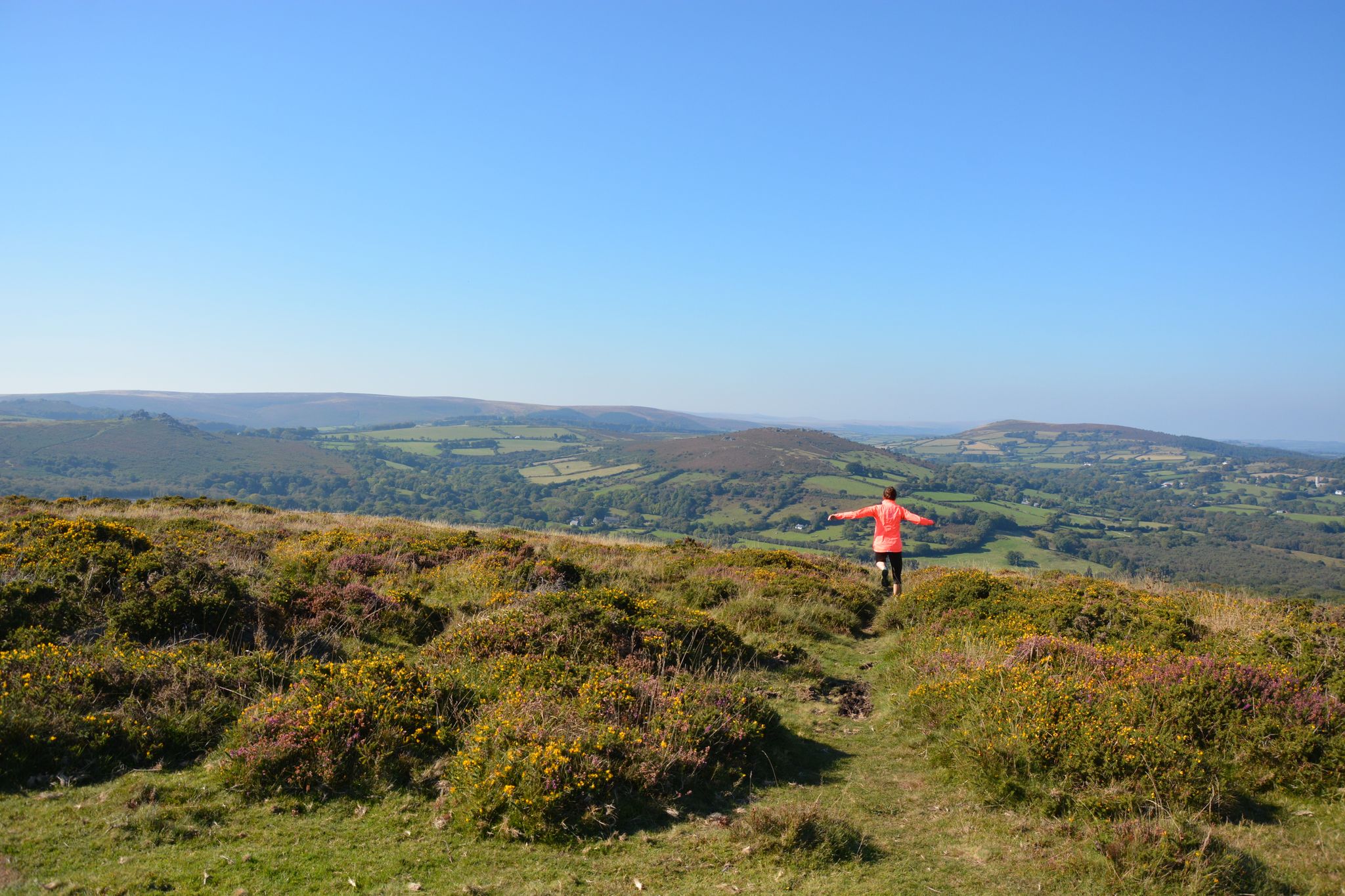
Footsteps through time – trail running in Dartmoor National Park
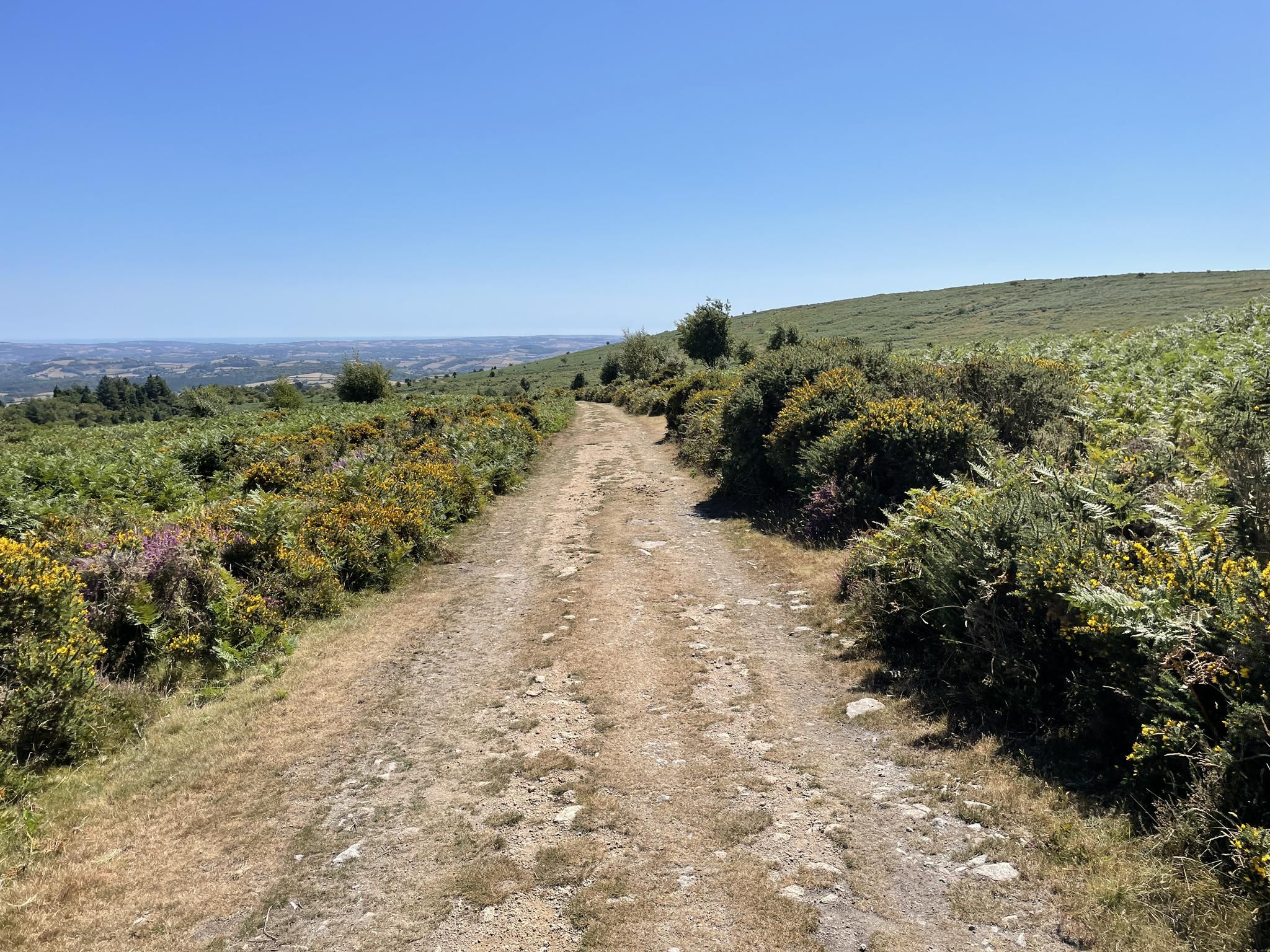
Accessible adventures for all – Dartmoor Miles Without Stiles
A Walk in the Parks – hikes across all of England’s national parks
Tors, moors and glorious views — riding the Dartmoor Way
Cycling around Ivybridge
Road Cycling Routes around Ivybridge
Hiking around Ivybridge
Running Trails around Ivybridge
Other adventures around Ivybridge


Tips from the Community


Butterdon Hill is a summit in the southern region of Dartmoor National Park. The hill features the remains of a small stone circle and a stone row, too. From the top, you'll be rewarded some fantastic views north over the national park, including to Haldon Belvedere, Beardown Tors, and Three Barrows.
1
0

Road bridge over River Avon. C17 or C18 packhorse bridge with hump back and widened on upstream side. Stone rubble. single round arch. Large stone slabs forming string with parapets above with large granite coping stones. In 1669 Lydia Bridge was in decay and the existing bridge appears to be either the restored earlier bridge or an entire rebuilding of late C17 or C18 https://britishlistedbuildings.co.uk/101307206-lydia-bridge-south-brent#.Y_SY0SaZO3A
1
0


Lydia Bridge is a stone packhorse bridge dating back to the 17th or 18th century and remains a Grade II listed structure. Standing on it, you’ll find a waterfall immediately north, running over mossy boulders and generally looking quaint and lovely.
3
0

Great view and you often see horses. If you keep walking along the path, you can sometimes see sheep and fluffy cows too.
0
0
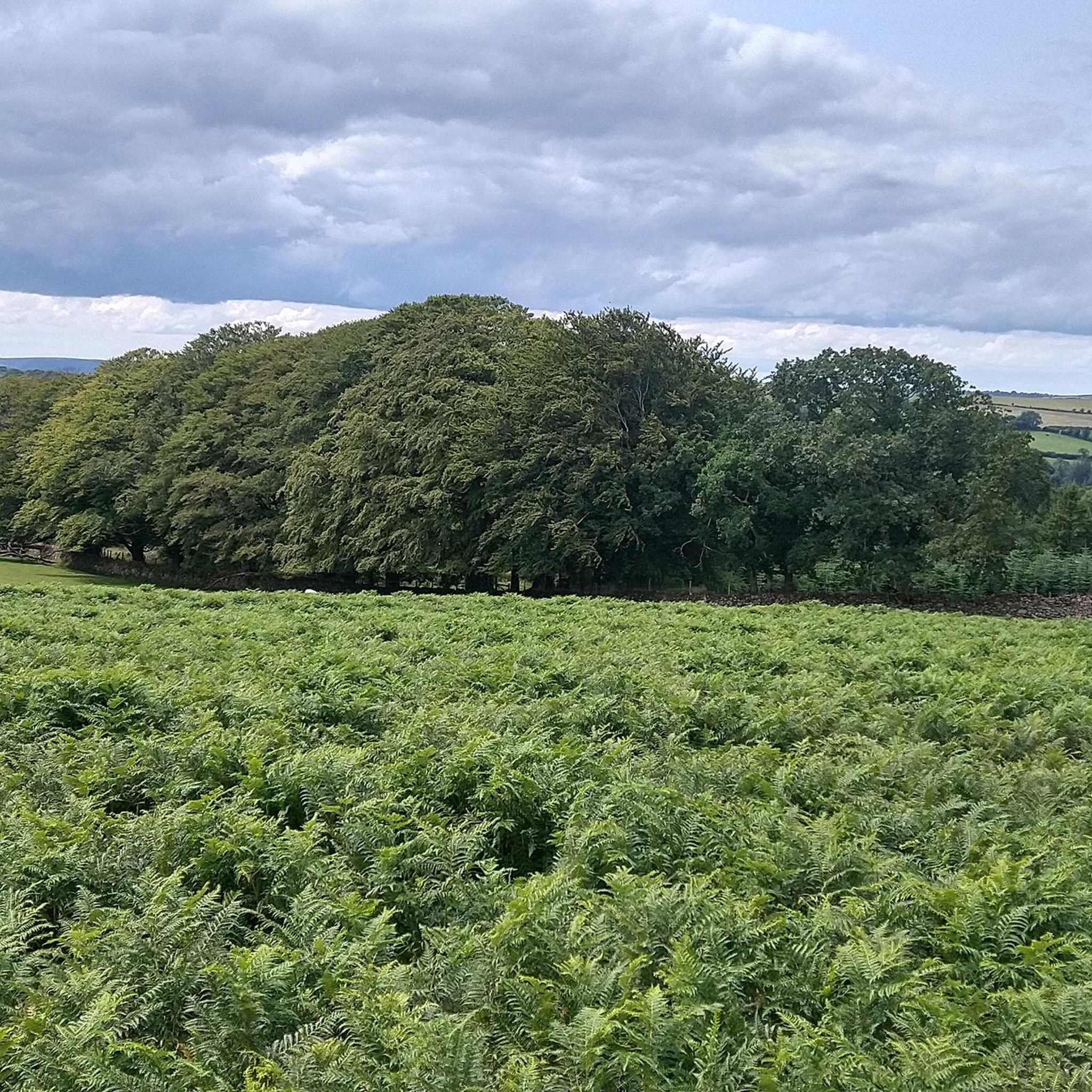
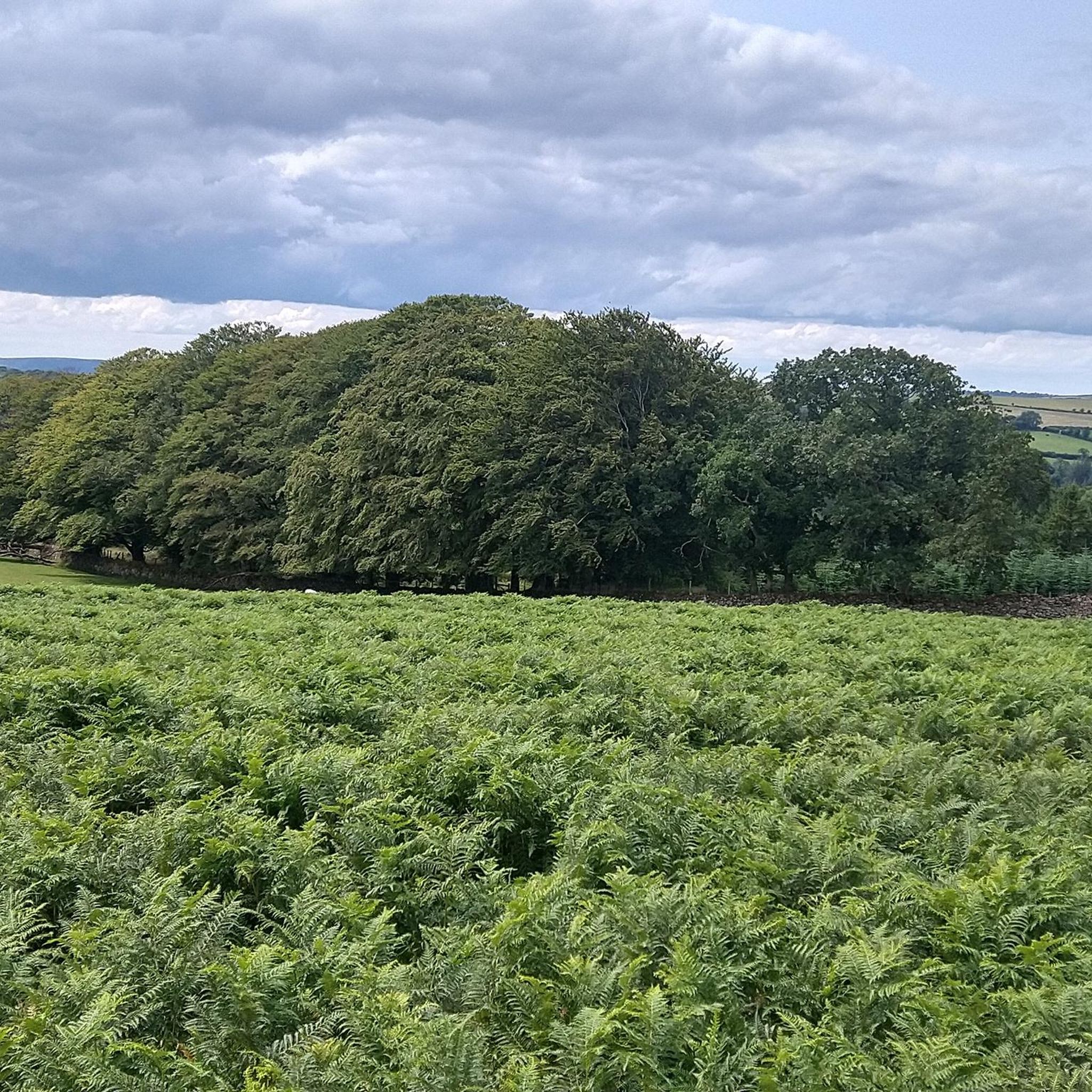
relatively untouched small forest. perfect for a shady picnic after a hike in Dartmoor. Camping is possible, but not at the moment
2
1

you can't camp here at the moment, but you can swim and dangle your feet
2
1
Frequently Asked Questions
What are some of the most popular natural monuments around Ivybridge?
Among the most popular natural monuments around Ivybridge are Western Beacon Summit, known as Dartmoor’s most southerly beacon with extensive views, and Lydia Bridge Waterfall, a picturesque 17th or 18th-century stone packhorse bridge with a waterfall. Visitors also highly rate Butterdon Hill Summit, which offers fantastic views north over Dartmoor National Park and features ancient stone remains.
What kind of natural features can I expect to see around Ivybridge?
The area around Ivybridge, bordering Dartmoor National Park, is rich in diverse natural features. You'll encounter distinctive granite tors like Western Beacon and Butterdon Hill, ancient woodlands such as Longtimber Woods and Plymbridge Woods, and significant river valleys including the River Erme and River Plym. Waterfalls, like the one at Lydia Bridge, and seasonal wildflower displays also add to the natural beauty.
Are there any historical or geological features among the natural monuments?
Yes, many natural monuments in the region have significant historical and geological aspects. The granite tors of Dartmoor are geological formations shaped over millions of years. Historically, places like Butterdon Hill Summit feature remains of small stone circles and stone rows, including the second-longest on Dartmoor. Long Stone, Piles Hill also marks the end of a stone row. Additionally, ancient woodlands like Piles Copse are rare living links to prehistoric times.
Are there family-friendly natural monuments around Ivybridge?
Absolutely. Longtimber Woods offers accessible and peaceful woodland walks along the River Erme, perfect for leisurely strolls with family. Plymbridge Woods is another excellent choice, providing diverse habitats for exploration, including woodlands and meadows. These areas are ideal for enjoying nature with children, with opportunities for picnics and easy walks.
What outdoor activities can I do near these natural monuments?
The natural monuments around Ivybridge are perfect for various outdoor activities. You can enjoy hiking and walking across open moorland to tors like Western Beacon Summit, serene riverside walks in Longtimber Woods, or cycling on the Plym Valley Trail through Plymbridge Woods. For more adventurous activities, The Dewerstone in Plymbridge Woods is renowned for rock climbing. You can find many routes for different sports in the area, such as those listed in the Gravel biking around Ivybridge, Running Trails around Ivybridge, and MTB Trails around Ivybridge guides.
Which natural monuments offer the best panoramic views?
For breathtaking panoramic views, Western Beacon Summit is an excellent choice, offering extensive vistas over Ivybridge and the South Hams. Butterdon Hill Summit also provides fantastic views north over Dartmoor National Park. Further afield, Piles Hill offers views stretching as far as Plymouth Sound on clear days.
Can I spot any wildlife at the natural monuments near Ivybridge?
Yes, the natural monuments around Ivybridge are home to diverse wildlife. On the moorland tors, you can often encounter Dartmoor ponies roaming freely. Plymbridge Woods is known for its diverse habitats supporting various flora and fauna, and during breeding season, you might even spot peregrine falcons nesting on old quarry faces from a dedicated viewing platform. Ancient woodlands like Piles Copse also provide habitats for a rich variety of species.
What is the best time of year to visit the natural monuments around Ivybridge?
The best time to visit depends on your interests. Spring (April-May) is ideal for witnessing vibrant wildflower displays, especially in Plymbridge Woods, which are carpeted with wood anemone, wild garlic, primroses, and bluebells. Summer offers opportunities for wild swimming in the River Erme and enjoying the moorland. The tors and woodlands can be enjoyed year-round, offering different beauty with each season.
Are there any ancient woodlands to explore near Ivybridge?
Yes, the area boasts significant ancient woodlands. Longtimber Woods, on the edge of Dartmoor National Park, offers a magical woodland experience along the River Erme. Piles Copse is a particularly rare and ancient oak woodland, one of only five such sites in Britain, known for its crooked trees and moss-covered rocks, providing a unique glimpse into prehistoric landscapes.
Are there opportunities for wild swimming near the natural monuments?
Yes, the River Erme, which flows through Longtimber Woods, offers opportunities for wild swimming in its pools during the warmer summer months. While Piles Copse currently restricts camping, visitors can still swim and dangle their feet in the water there, providing a refreshing experience after a hike.
What makes the tors of Dartmoor unique?
The tors of Dartmoor, such as Western Beacon and Butterdon Hill, are unique geological formations. They are distinctive granite outcrops resulting from millions of years of weathering on the granite bedrock, creating dramatic and often imposing natural sculptures. They offer unique hiking experiences, stunning 360-degree views, and are steeped in local folklore, providing habitats for diverse wildlife like Dartmoor ponies.
Can I find any waterfalls near Ivybridge?
Yes, a notable waterfall can be found at Lydia Bridge Waterfall. This picturesque spot features a waterfall immediately north of the 17th or 18th-century stone packhorse bridge, running over mossy boulders. It's a quaint and lovely sight, and in warm weather, it's a popular spot for visitors to enjoy the water.
Most popular routes around Ivybridge
Most popular attractions around Ivybridge

Get inspired with the komoot mobile app


Explore more
Extend your search for the best caves by checking out these guides of the top ones around Ivybridge:
